Where Does D.C. United Play?
The pulse of Washington’s soccer culture beats at a riverside ground in the heart of the District. For decades D.C. United has been synonymous with a gritty style of play and a passionate fan base that rattled the bleachers of Robert F. Kennedy (RFK) Stadium. When the original Major League Soccer titan traded those cavernous stands for a purpose‑built home overlooking the Anacostia River, a new chapter began. This article explores where D.C. United plays today, how the club found its permanent home, why a temporary venue in Baltimore made headlines, and what fans can expect when they make the pilgrimage to Buzzard Point. Along the way you’ll discover practical travel tips, historical context and regional attractions that round out the match‑day experience.
A direct answer to the core question
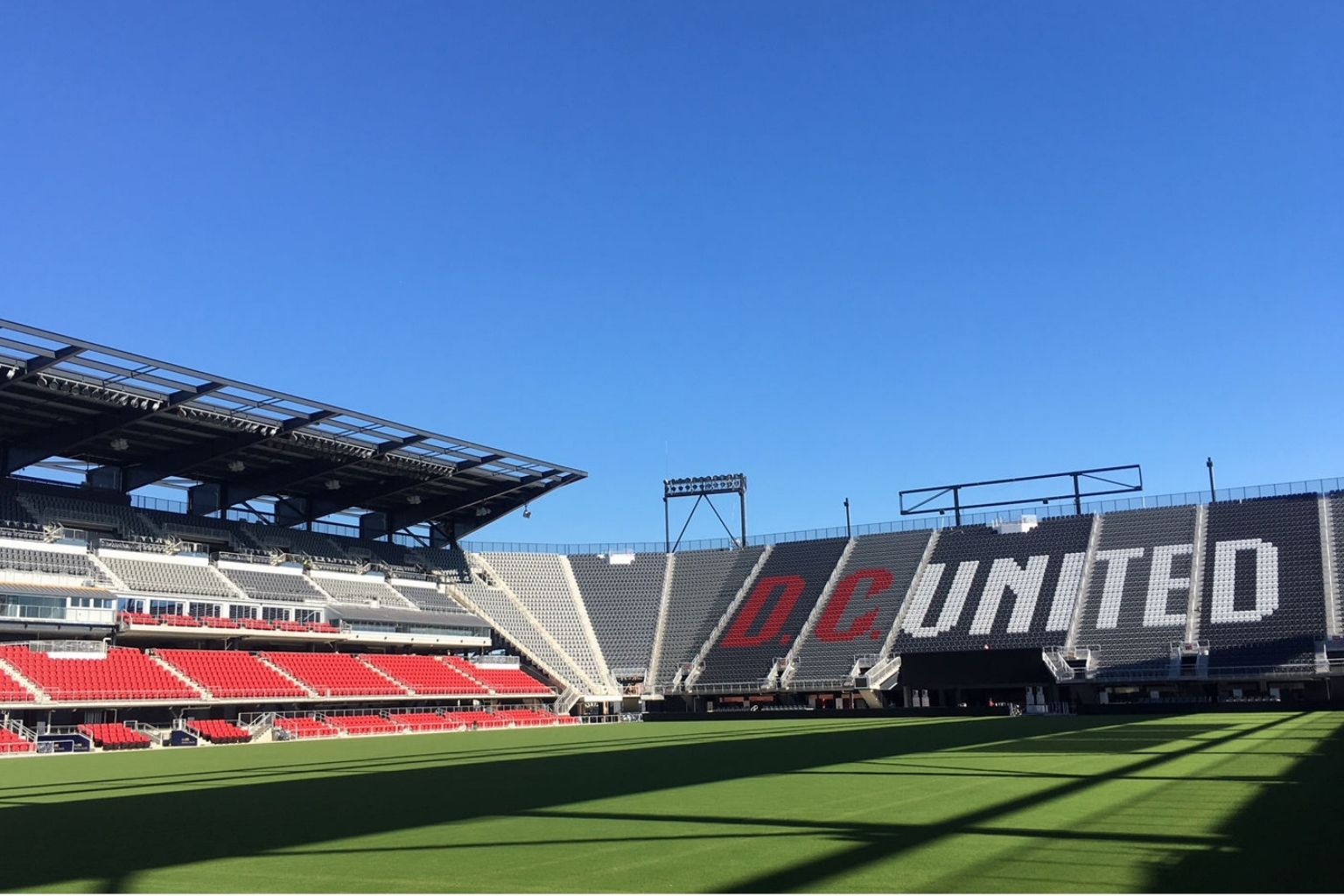
D.C. United plays its home matches at Audi Field in the Buzzard Point neighborhood of Washington, D.C. The 20 000‑seat soccer‑specific stadium is the permanent home of the Black‑and‑Red and hosts multiple other professional teams. Audi Field sits at 100 Potomac Avenue SW, about a 15‑minute walk from the National Mall. While the club’s 2026 schedule includes a special match at M&T Bank Stadium in Baltimore, the team confirms that “Audi Field will always be our home”. Fans heading to Washington for D.C. United games should plan for Audi Field as the primary venue.
The Home of the Black‑and‑Red: Audi Field
A riverside stadium built for soccer
The story of Audi Field begins not with steel and concrete but with the persistent dreams of a club and its supporters. For years D.C. United played at RFK Stadium, a venerable but aging multipurpose arena. By the mid‑2000s, the team’s ownership and Major League Soccer leadership began advocating for a soccer‑specific venue within the city. Several proposals failed—Poplar Point along the Anacostia River, Prince George’s County in Maryland and even a move to Baltimore were all floated and abandoned. The turning point came when the District of Columbia pledged land at Buzzard Point, a once‑industrial peninsula just southwest of the U.S. Capitol. Ground broke in February 2017 and Audi Field opened in July 2018.
Set against views of the Potomac and Anacostia rivers, Audi Field is a compact and intimate arena with a capacity of 20 000 fans. The playing surface is Bermuda grass, measuring 115 yards by 75 yards, and the steep stands bring supporters close to the action. The stadium’s design combines modern amenities with nods to the club’s history. The supporters’ section on the north end is a safe‑standing terrace designed for the District Ultras, the Screaming Eagles and other fan groups. Premium club seats and suites line the west sideline, while large canopy roofs provide shade and amplify crowd noise.
Buzzard Point and the neighborhood renaissance
Audi Field stands in Buzzard Point, a riverfront district that had long been dominated by warehouses and industrial yards. Since the stadium’s construction, the area has seen a wave of development that mirrors the revitalization of nearby Navy Yard. New apartment buildings, restaurants and green spaces line the streets leading to the stadium. On match days the walk from the Navy Yard–Ballpark Metro station to Audi Field becomes a festive procession of scarlet and black. The stadium’s location also places it within walking distance of the National Mall and the Smithsonian museums, making it an easy addition to a day of sightseeing.
A multipurpose venue shared with other teams
D.C. United isn’t the only tenant at Audi Field. The facility also hosts the Washington Spirit of the National Women’s Soccer League, the DC Defenders of the United Football League and the DC Power FC of the U.S. Ligue 1 Women’s Super League. The ability to accommodate multiple sports and events makes Audi Field a year‑round hub for professional athletics in the District. Concerts, college football games and community events further diversify the schedule.
Official and supporting links
To learn more about the venue’s history, upcoming events and premium seating options, visit the official Audi Field website, which provides stadium maps, an A‑Z guide and contact information for hosting events. Fans can also explore the D.C. United site for club history, news and ticket packages.
A Journey from RFK to Audi Field: Stadium History
The RFK Stadium era
When D.C. United joined Major League Soccer in 1996, the club played at Robert F. Kennedy Memorial Stadium, a cavernous bowl on the banks of the Anacostia River. RFK had hosted Washington football and baseball teams for decades, and its multi‑purpose configuration made it less than ideal for soccer. Yet the raucous atmosphere created by D.C. United supporters turned RFK into one of the league’s most intimidating venues. The Black‑and‑Red won three MLS Cups there (1996, 1997, 1999) and cemented the club’s legacy as an early powerhouse.
The search for a permanent home
By the early 2000s, the need for a soccer‑specific stadium became urgent. MLS Commissioner Don Garber publicly stated that a dedicated venue “needs to become a priority,” and D.C. United explored multiple sites. Plans for a stadium at Poplar Point were unveiled in 2007, but disagreements over public financing and land use stalled the project. Efforts to relocate to Prince George’s County and then to Baltimore met similar resistance. The club even polled fans about moving to Virginia or Maryland when negotiations languished.
Breaking ground at Buzzard Point
After nearly a decade of false starts, D.C. United and the District of Columbia reached a deal to construct a stadium at Buzzard Point. Groundbreaking occurred in February 2017 and by July 2018 the doors of Audi Field opened. The inaugural match saw United defeat the Vancouver Whitecaps 3–1, with Wayne Rooney making his debut. Since then, the venue has hosted not only regular MLS matches but also the U.S. Open Cup, international friendlies and college tournaments.
Remembering RFK
Although RFK Stadium has fallen into disuse and demolition is underway, its legacy lives on in the hearts of D.C. United fans. Many supporters still make pilgrimages to the old site to reminisce about the “bouncing stands” and the dramatic games that unfolded there. The transition to Audi Field symbolizes the club’s evolution from an inaugural MLS member to a modern franchise with a permanent home.
Occasional Home Away from Home: M&T Bank Stadium
Why play in Baltimore?
In November 2025 D.C. United announced that the club’s highly anticipated matchup against Inter Miami CF would take place on 7 March 2026 at M&T Bank Stadium in Baltimore, Maryland. The decision reflects the team’s desire to broaden its regional footprint and reach fans throughout the “DMV” (District of Columbia, Maryland and Virginia). Baltimore sits just over 40 miles north of Washington, and the 71 000‑seat stadium—normally home to the NFL’s Baltimore Ravens—offers a much larger capacity than Audi Field.
Club executives emphasized that this one‑off move does not diminish Audi Field’s status. As the president of business operations noted, “Audi Field will always be our home,” but the larger venue allows United to welcome more supporters and showcase Major League Soccer to a wider audience. The matchup against Inter Miami, featuring global star power, is expected to draw one of the largest crowds in club history.
What fans need to know
If you are planning to attend the Baltimore match, check the official D.C. United schedule page for ticket on‑sale dates and pre‑sale access. The club provides transportation and ticketing information for this special event. Seating at M&T Bank Stadium differs from Audi Field, and the larger venue offers more general admission and premium options. Travelers should also factor in travel time from Washington (approximately one hour by car or Amtrak train) and consider staying overnight to explore Baltimore’s Inner Harbor.
A temporary expansion, not a relocation
It is important to emphasize that the Baltimore game is an exception rather than a relocation. D.C. United still plays the vast majority of its home schedule at Audi Field, with the M&T Bank Stadium event serving as a regional showcase. The move underscores Major League Soccer’s growth and the club’s ambition to connect with fans beyond the city limits.
Getting to Audi Field: Directions and Transportation
Navigating Washington’s transit system
Washington, D.C. boasts a robust public transportation network that makes traveling to Audi Field straightforward. The stadium lies about a half‑mile south of the Navy Yard–Ballpark Metro station on the Green Line. From downtown or the suburbs, riders can transfer to the Green Line and disembark at Navy Yard before following signage and the festive crowds to Potomac Avenue. The walk takes roughly 10–15 minutes and passes the lively bars of Half Street SE. On game days the Washington Metropolitan Area Transit Authority (WMATA) may operate extended train hours.
For travelers using other Metro lines, the WMATA trip planner provides detailed directions and train schedules. Several bus routes, including the P6 and V1 lines, also serve the Buzzard Point area. Capital Bikeshare stations are scattered throughout Navy Yard and Southwest Waterfront, and dedicated bike lanes lead to the stadium. E‑scooters are ubiquitous and can shorten the walk from the Metro.
Driving and parking
Driving to Audi Field is possible but requires advance planning. The stadium has limited on‑site parking, so most visitors reserve spaces at nearby garages or surface lots in Navy Yard and Capitol Riverfront. Pre‑booking through the official Audi Field parking guide ensures a spot and may include shuttle service. On‑street parking is scarce during events, and enforcement is strict. Fans traveling from Virginia or Maryland should anticipate heavy traffic on I‑395, I‑695 and the Southeast–Southwest Freeway.
Accessible travel and rideshare
Audi Field was designed with accessibility in mind. ADA‑accessible seating and companion seats are available throughout the stadium, and elevators provide access to every level. Guests requiring assistance should contact the stadium’s guest services team in advance. Rideshare companies such as Uber and Lyft operate designated pick‑up and drop‑off zones near Potomac Avenue to alleviate congestion. For those arriving by water, the Potomac Water Taxi runs between The Wharf and National Harbor, allowing fans to incorporate a scenic boat ride into their journey.
Getting there from Hotel Washington
Visitors staying at the Hotel Washington near the White House can enjoy a straightforward trip to Audi Field. The hotel is about two miles from the stadium. Guests can walk east along Pennsylvania Avenue past the U.S. Capitol and then south to Buzzard Point; ride a bicycle using the nearby Capital Bikeshare station; or take a short taxi or rideshare. Metro riders can board the Red Line at Metro Center and transfer to the Green Line at Gallery Place–Chinatown.
The Game‑Day Experience: Seats, Sounds and Sights
Atmosphere and supporter culture
Game day at Audi Field starts long before kickoff. Hours ahead of match time, the surrounding streets and bars fill with supporters singing team chants and waving flags. Food trucks and vendors line Potomac Avenue, and children wearing black‑and‑red jerseys kick soccer balls in the plaza. Inside the stadium, the energy is palpable. The steep stands focus the crowd’s roar directly onto the field, creating an intense atmosphere even for neutrals.
The north end’s safe‑standing section is home to the Screaming Eagles, La Banda del Distrito and other supporters’ groups. Drums, horns and coordinated chants echo for 90 minutes. The club’s “Vamos United” call‑and‑response reverberates across the venue. For fans seeking a quieter experience, the east and south stands offer reserved seats with excellent sightlines.
Seating options
Audi Field offers a range of seating categories to suit every budget and preference:
- Supporters’ Section: Standing‑only area behind the north goal. Tickets are inexpensive and provide the most passionate atmosphere.
- General Reserved Seating: East and west sideline sections feature traditional seats and great views.
- Premium Clubs: The Heineken Rooftop, Director’s Club and EagleBank Club offer upscale amenities, food and beverage service, and private lounges.
- Suites and AV Lounge: For corporate events and luxury experiences, private suites along the west sideline include catering and climate control. The AV Lounge—a signature Audi Field space—features leather chairs, exclusive bars and pitch‑level views.
- Family Zones: The southern end includes family‑friendly sections where alcohol sales are limited, and concourses feature kid‑focused games.
Food and beverage
The culinary options at Audi Field reflect Washington’s diverse food scene. Local vendors serve tacos, pupusas, barbecue, crab cakes, Korean barbecue bowls and vegetarian dishes. The stadium also features national brands and craft beer stands from regional breweries. In the club sections, rotating chef‑driven menus highlight seasonal ingredients. Fans are allowed to bring one sealed bottle of water into the stadium, and filtered water stations are available on each concourse.
Merchandise and team store
No match‑day experience is complete without grabbing a scarf or jersey. The D.C. United team store inside Audi Field sells official apparel, hats, collectibles and custom jerseys. On match days the shop stays open before, during and after the game. Mobile merchandise stands around the concourse make it easy to pick up souvenirs without missing any action.
Pre‑ and post‑match entertainment
Many fans extend the game‑day experience by exploring the surrounding Capitol Riverfront and Southwest Waterfront neighborhoods. The nearby The Wharf district along the Washington Channel features waterfront restaurants, rooftop bars and live music venues. After the final whistle, supporters often gather at bars like the Big Board or Mission Navy Yard to debrief the match. During summer fixtures fireworks light up the riverfront, while winter games may include holiday markets and ice skating on the nearby rink.
Comparing Audi Field to Other MLS Stadiums
Unique attributes of Audi Field
While many Major League Soccer clubs have built soccer‑specific stadiums, Audi Field’s downtown location and design set it apart. Its proximity to the U.S. Capitol and Smithsonian museums gives fans easy access to tourism before and after games. The steep rake of the stands amplifies sound more than many modern venues, and the safe‑standing terrace is among the most intimate supporter zones in the league. The stadium’s 20 000‑seat capacity ensures a packed house for most matches, contributing to a lively atmosphere.
How it stacks up
To put Audi Field in perspective, consider two peer venues: Q2 Stadium in Austin, Texas and Providence Park in Portland, Oregon. Both are downtown stadiums with capacities around 20 000 and strong supporter cultures. Yet each has its own character.
| Stadium | Club | Capacity | Surface | Notable Features |
|---|---|---|---|---|
| Audi Field | D.C. United | 20 000 | Bermuda grass | Downtown D.C. location near the National Mall; steep safe‑standing terrace; shared with multiple pro teams |
| Q2 Stadium | Austin FC | 20 500 | Hybrid grass | Shaded canopy covers all seats; live oak grove outside; built in a corporate tech corridor |
| Providence Park | Portland Timbers & Thorns FC | 25 218 | Artificial turf | Historic stadium renovated in 2019; timber‑themed architecture; passionate fan base known for “Timbers Army” |
This comparison shows that Audi Field competes with some of the league’s best venues in intimacy and location. It may not have the capacity or elaborate roof of some larger stadiums, but its downtown setting and multi‑tenant versatility make it unique.
The link between stadium and community
MLS franchises increasingly view stadiums as catalysts for neighborhood development. Buzzard Point’s transformation parallels similar projects in Austin, Portland, Cincinnati and Nashville. These stadiums often anchor mixed‑use districts with retail, housing and green space. For D.C. United, Audi Field has spurred redevelopment while keeping the team rooted near the heart of the city.
Tickets, Premium Experiences and Events
Purchasing tickets
Tickets to D.C. United matches can be purchased through the official club website or authorized resellers. The club offers single‑match tickets, partial plans and full season memberships. Season ticket members receive benefits such as priority access to playoff tickets, discounts on merchandise and invitations to exclusive events. Students and military personnel may qualify for discounted rates.
Premium seating
For those seeking enhanced comfort and service, Audi Field’s premium options include the Heineken Rooftop, Director’s Club, EagleBank Club, suites and the AV Lounge. These packages provide private entrances, gourmet dining, in‑seat service and access to climate‑controlled lounges. Some premium areas feature views of the U.S. Capitol or the Potomac River. Business groups and corporate clients often book suites for entertaining guests.
Hosting events at Audi Field
Beyond soccer, Audi Field serves as a versatile events venue. The stadium’s club spaces, field and concourses can host corporate meetings, weddings, charity galas and high school graduations. The Host Your Event page on the stadium’s official site outlines available spaces and packages. Event planners can choose from indoor suites with large windows overlooking the field, outdoor terraces and the field itself. Audi Field staff provide catering, audio‑visual support and event coordination.
Merchandise and loyalty programs
D.C. United operates membership programs that include access to special merchandise and events. Season ticket members can earn loyalty points redeemable for experiences like field‑level warm‑up passes or meet‑and‑greet opportunities with players. The club’s mobile app allows supporters to manage tickets, participate in gamified promotions and stay updated on team news.
Exploring the Neighborhood: Things to Do Near Audi Field
Capitol Riverfront and Navy Yard
The area surrounding Audi Field offers plenty of attractions for visitors. Just northeast of the stadium is Yards Park, a riverside green space with a boardwalk, fountains and outdoor concerts. The adjacent Capitol Riverfront development features restaurants, breweries and the Nationals Park baseball stadium. Visitors can watch a Washington Nationals game, stroll along the Anacostia Riverwalk Trail or enjoy a picnic on the lawn.
Southwest Waterfront and The Wharf
Two blocks west of Buzzard Point is the District Wharf, a vibrant waterfront district with marinas, music venues, hotels and open‑air markets. The Wharf’s seafood stalls harken back to Washington’s historic fish market, while modern developments have added rooftop bars and luxury apartments. A stroll along the piers offers views of sailboats and kayaks gliding along the Washington Channel. Water taxis connect The Wharf to Georgetown, Old Town Alexandria and National Harbor, making it easy to explore the region by boat.
Smithsonian museums and the National Mall
One of Audi Field’s greatest advantages is its proximity to the National Mall. After or before a match, fans can walk or bike to iconic institutions such as the National Air and Space Museum, the National Museum of African American History and Culture, the U.S. Botanic Garden and the Smithsonian Castle. The tree‑lined Mall offers wide lawns for picnicking and monuments like the Washington Monument, Lincoln Memorial and U.S. Capitol Building. During cherry blossom season, the Tidal Basin’s blooms draw visitors from around the world.
Dining and nightlife
Foodies will find a spectrum of culinary experiences around Buzzard Point. The Navy Yard neighborhood boasts breweries such as Bluejacket and Atlas Brew Works, while District Winery produces urban wine along the Anacostia River. Restaurant options range from upscale steak houses to fast‑casual eateries. After games, fans often gather at Irish pubs, rooftop lounges and live music venues. During summer, the area hosts food festivals and outdoor movie nights.
Outdoor activities and river adventures
For those seeking recreation, the Anacostia and Potomac rivers offer kayaking, paddleboarding and boat tours. Anacostia Riverkeeper runs guided paddling trips and clean‑up events that allow visitors to learn about the river’s ecology. Nearby East Potomac Park has a golf course, tennis courts and open fields for picnics. Cyclists can ride the Anacostia Riverwalk Trail or cross the Frederick Douglass Memorial Bridge to explore the neighborhoods of Anacostia and Congress Heights.
D.C. United: A Brief History of a Pioneering Club
Founding and early dominance
Founded in 1995 as one of Major League Soccer’s ten charter clubs, D.C. United quickly established itself as the league’s first dynasty. Under coach Bruce Arena, the team captured the inaugural MLS Cup in 1996, followed by titles in 1997 and 1999. The Black‑and‑Red also won two Supporters’ Shields and the 1998 U.S. Open Cup during this era, earning recognition as a model franchise.
Challenges and rebuilding
After its early success, the club faced challenges. Coaching changes, roster turnover and the rise of new rivals like the New England Revolution and LA Galaxy led to inconsistent results. D.C. United experienced a resurgence in 2004 under coach Piotr Nowak, winning the MLS Cup with a young lineup anchored by Freddy Adu, Jaime Moreno and Christian Gómez. The team won additional Supporters’ Shields in 2006 and 2007.
Modern era and the Wayne Rooney chapter
In 2018, global star Wayne Rooney joined the club midseason. His impact was immediate: dramatic goals, long‑range assists and a playoff berth. Rooney later returned as head coach ahead of the 2022 season, symbolizing a full‑circle moment. The club continues to blend veteran leadership with emerging talents, and the state‑of‑the‑art Audi Field provides a platform for sustained success.
Supporter culture and community impact
D.C. United’s identity extends beyond the pitch. Supporters’ groups run charitable initiatives, youth outreach programs and cultural events. The club participates in community service and partners with local organizations to promote soccer in underserved neighborhoods. United’s rivalry with the New York Red Bulls—the “Atlantic Cup”—remains one of the league’s most heated, with matches drawing intense crowds and national media attention.
Frequently Asked Questions (FAQ)
- Where does D.C. United play home games? D.C. United plays its home matches at Audi Field in Washington’s Buzzard Point neighborhood, a 20 000‑seat soccer‑specific stadium that opened in 2018.
- Why is D.C. United playing a game at M&T Bank Stadium? The club will host Inter Miami CF at Baltimore’s M&T Bank Stadium in March 2026 to connect with fans across the region. Club executives emphasize that Audi Field remains the team’s permanent home.
- How do I get to Audi Field from downtown D.C.? Take the Metro’s Green Line to the Navy Yard–Ballpark station and walk 10–15 minutes to the stadium. Buses, bike share and rideshare services offer additional options.
- What is the seating capacity at Audi Field? Audi Field holds 20 000 spectators. The venue’s design creates an intimate atmosphere with steep stands and a safe‑standing terrace.
- Does Audi Field host other events besides D.C. United matches? Yes. It hosts Washington Spirit matches, DC Defenders games, concerts and corporate events. The stadium also offers spaces for private functions.
- Are there food options for dietary restrictions at Audi Field? The stadium’s vendors include vegetarian, vegan and gluten‑free options. Guests can also bring one sealed bottle of water, and filtered water stations are available.
- Where should I stay when visiting Washington for a match? Many fans choose accommodations near the National Mall or Hotel Washington for proximity to attractions and a quick commute to Audi Field. The Metro network makes it easy to travel between neighborhoods.
Closing thoughts
D.C. United’s journey from the bouncing bleachers of RFK Stadium to the sleek stands of Audi Field mirrors the evolution of soccer in America. Today, the Black‑and‑Red call a purpose‑built home just steps from the nation’s capital monuments, where supporters’ chants echo off modern canopies and onto the Potomac breeze. Whether you’re a lifelong fan or a curious visitor, experiencing a match at Audi Field offers both the thrill of live sport and a window into Washington’s dynamic waterfront renaissance. Explore the surrounding neighborhoods, immerse yourself in the team’s storied history and consider making Hotel Washington your base for a stay that combines soccer, culture and comfort.
Read other posts