When Will the Washington DC Reflecting Pool Reopen?
Visitors who have walked the National Mall in recent months know that the Lincoln Memorial Reflecting Pool is more than a pretty piece of civic infrastructure—it is a canvas of American memory. In spring 2026, however, travelers find the pool drained and fenced, with hoses, pumps and scaffolding replacing the familiar shimmering surface. What happened to this iconic space and when can we expect its waters to return? This comprehensive exploration answers those questions and invites readers to see the reflecting pool in a new light, from its origin story to the surrounding monuments and the hotels that make a visit special. The narrative is interwoven with practical planning advice, historical context, environmental considerations and suggestions for those who can’t wait to experience the pool again.
A Stroll Through Time: The Origins and Significance of the Reflecting Pool
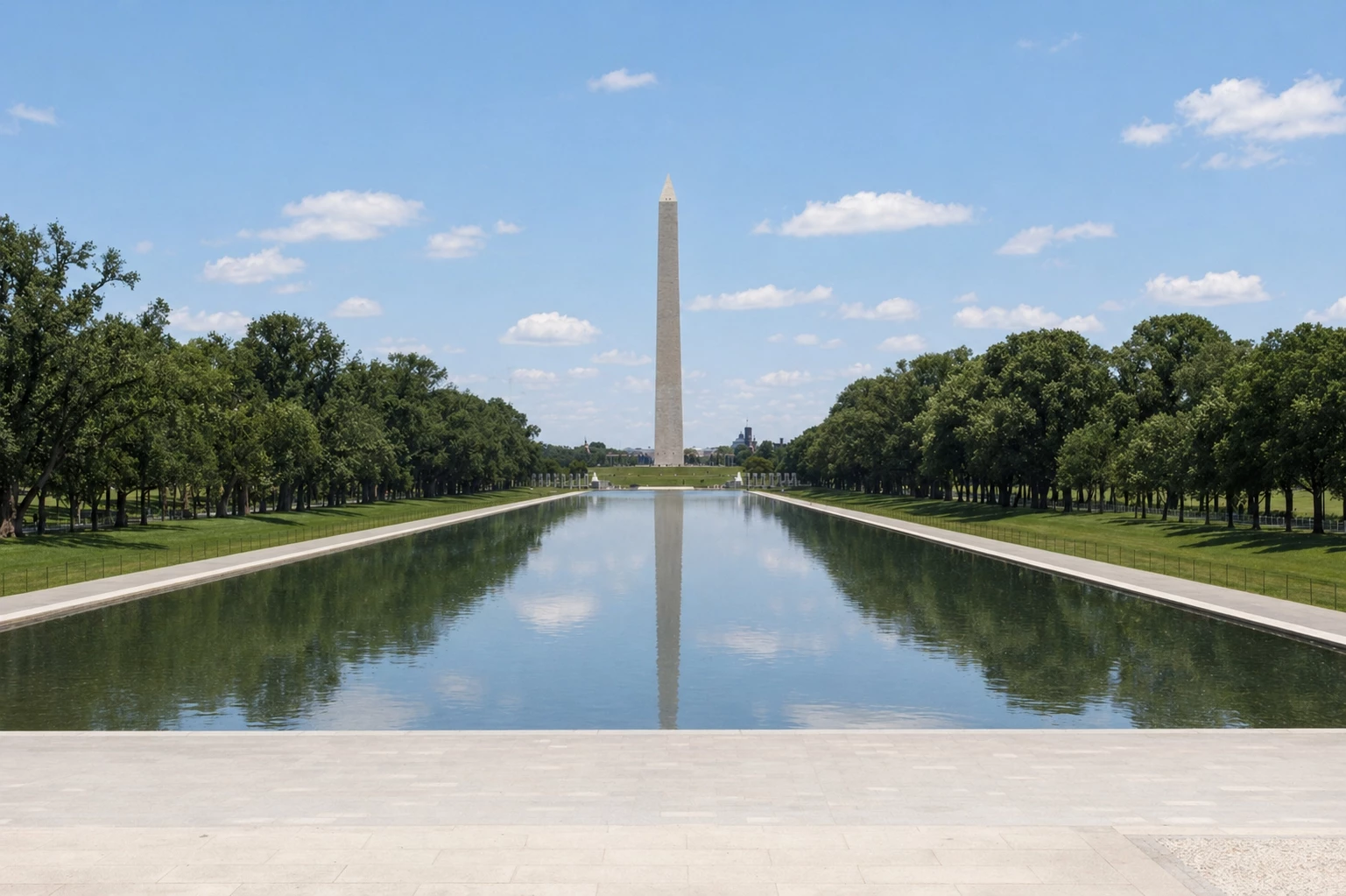
To truly appreciate why this shallow basin is so revered, imagine yourself in Washington, DC, in the early 1920s. The city was undergoing a transformation inspired by the McMillan Plan, which reimagined the National Mall as a grand neoclassical landscape. Architect Henry Bacon, known for designing the Lincoln Memorial, envisioned a long, narrow pool at the eastern foot of the memorial. Construction began in 1922 and was completed in 1923, resulting in a basin stretching 2,030 feet long and 167 feet wide. Its shallow depth—roughly 18 inches along the edges and up to 30 inches at the center—creates a mirror‑calm surface when the wind is still. Bacon’s intention was simple yet powerful: to reflect the Lincoln Memorial, the Washington Monument and the surrounding sky, connecting earth, water and stone into a unified panorama.
From the moment it was filled, the reflecting pool became a focal point for public gatherings. The tranquil waters provided a stage for Marian Anderson’s barrier‑breaking concert on Easter Sunday 1939. Anderson, barred from singing at Constitution Hall because of her race, performed before an integrated audience at the Lincoln Memorial while the reflecting pool shimmered in the background. This image captured the fight for civil rights and the power of art to unite. A generation later, on August 28 1963, the pool was the backdrop for Martin Luther King Jr.’s “I Have a Dream” speech during the March on Washington, a moment televised worldwide. The reflecting pool has since seen anti‑war rallies, peace vigils, inauguration celebrations and more, reinforcing its role as both a civic landmark and a symbolic gathering ground.
How the Pool Was Built and Maintained
To build the pool in a tidal flat, engineers dredged thousands of cubic yards of soil and lined the basin with concrete. A circulating water system connected to the Tidal Basin once kept the water clear, but that system eventually failed to keep up with algae growth and sediment. In the early 2010s, the National Park Service embarked on a major restoration. Crews drained the pool, replaced the cracked concrete bottom and installed a new circulation system that draws water from the tidal Potomac River. They also replaced muddy walkways with paved paths, making the promenade accessible to those in wheelchairs and strollers and reducing erosion. That two‑year project allowed the reflecting pool to sparkle again when it reopened in 2012, but regular maintenance remains necessary.
The current maintenance cycle involves draining the pool for a week or two each spring to scrub algae and collect goose waste. These annual cleanings are generally unobtrusive, but the 2026 closure is far more extensive. To understand why, we must look at the condition of the structure and the national events scheduled for the coming years.
Why the Reflecting Pool Is Closed in 2026
When visitors encountered fences and heavy equipment at the Lincoln Memorial Reflecting Pool in spring 2026, they were witnessing preparations for a milestone event: the 250th anniversary of American independence. With millions expected to visit Washington, DC, for America 250 celebrations in July 2026, officials wanted the reflecting pool to look pristine. The National Park Service began a deep clean in early April, draining the 6.75 million gallon basin and removing algae, sediment and goose droppings with scrubbers and vacuum trucks. Fencing and privacy screens protect visitors and workers, and park rangers ask the public to respect the barriers and avoid entering the drained area.
Deep cleaning alone does not fully explain the extended closure. President Donald Trump, in a press conference, revealed that the pool had been “leaking like a sieve” for years, causing water to seep away through cracked grout and porous stone. Contractors responded by scrubbing and sealing the granite and applying a new industrial‑grade coating described as “American Flag Blue”. This coating is meant to seal the basin, enhance its reflective quality and protect the concrete from future damage. Trump promised that the pool would be ready before July 4 2026, giving crews time to refill it and test the water circulation system in advance of the holiday.
The Scope of the 2026 Renovation
In addition to cleaning and sealing the basin, crews are repairing leaks and reinforcing the structural joints where sections of the pool meet. They are also restoring the pump house and filtration system to ensure water quality once the pool is refilled. The resurfacing process, which includes applying the new blue coating, requires dry conditions and multiple days to cure. Rain or unexpected cold snaps could delay the timetable. Officials have not released an exact reopening date, but they expect to reopen by early July 2026. Visitors should check the National Park Service’s official website for updates.
When Will the Reflecting Pool Reopen and Can You Visit It Now?
Given that the 2026 renovation involves structural repairs, sealing and a new coating, the closure is longer than the typical spring cleaning. The Department of the Interior has said that crews plan to finish the deep cleaning and resurfacing before July 4 2026. Although the exact date of completion may depend on weather and curing times, the goal is to have water back in the pool and ready for America 250 celebrations.
While the basin is drained, you can still visit the National Mall and walk along the paved paths that flank the reflecting pool. Park rangers encourage visitors to observe the ongoing work from behind the fences but remind them not to climb onto scaffolding or enter restricted zones. The surrounding monuments and memorials remain open, and the absence of water offers a unique view of the pool’s concrete bottom and the engineering that goes into maintaining this national icon.
Tips for Visiting During the Closure
- Stay on the paths: Please respect safety barriers and use the paved walkways. The drained basin is not open for exploration.
- Check official updates: The National Park Service’s reflecting pool project page provides current information on the construction schedule and visitor guidelines.
- Visit early in the morning: Work crews usually begin around sunrise. Arriving early allows you to observe the progress and avoid midday crowds.
- Explore other nearby sites: While the reflecting pool is drained, this is a perfect time to explore other monuments and museums on the National Mall.
- Bring a hat and water: Spring and summer weather in Washington, DC, can be hot and humid. There is little shade along parts of the mall, so sun protection is essential.
Exploring the National Mall and Its Treasures
The National Mall is more than just the space between the Washington Monument and the Capitol; it is a living landscape of history, culture and community. Even when the reflecting pool is under renovation, the mall offers countless experiences. Below we take a narrative tour of key landmarks, parks and museums that will enrich your visit.
Lincoln Memorial: Honoring a Nation’s Healer
Standing at the western end of the mall, the Lincoln Memorial looks out over the reflecting pool and the city beyond. The marble temple features a colossal seated statue of Abraham Lincoln, designed by sculptor Daniel Chester French and carved from Georgia white marble. The 36 Doric columns represent the states of the Union at the time of Lincoln’s death, while inscriptions of the Gettysburg Address and his second inaugural speech flank the chamber. The memorial has become a sacred site for civil rights, hosting Marian Anderson’s concert and Martin Luther King Jr.’s famous speech. On your visit, climb the steps to feel the weight of history, gaze across the reflecting pool and read the inscriptions etched into the walls.
Washington Monument: The Nation’s Tallest Obelisk
East of the reflecting pool rises the Washington Monument, a 555‑foot marble obelisk that commemorates George Washington, the nation’s first president. Completed in 1884, the monument remains the world’s tallest stone structure and obelisk. Tickets to ride the elevator to the observation deck are available on the National Park Service’s Washington Monument site. From the top, you can see the entire city, including the Capitol, the White House and the outlines of Virginia and Maryland. The monument’s height and clean lines create a striking reflection when the pool is full, making for some of the most iconic photographs in Washington.
World War II Memorial: A Tribute to Global Sacrifice
Between the reflecting pool and the Washington Monument sits the World War II Memorial, dedicated in 2004 to the 16 million Americans who served during the war. The memorial consists of a large oval plaza with 56 granite pillars representing the U.S. states and territories at the time of the war and two victory pavilions symbolizing the Atlantic and Pacific theaters. A wall of 4,048 gold stars honors the 400,000 Americans who died. Visitors can dip their hands into the central fountain, though wading is discouraged. The National Park Service provides detailed interpretive signage at the memorial and on the official site.
Korean War Veterans Memorial
On the south side of the reflecting pool, a short walk brings you to the Korean War Veterans Memorial. This powerful installation features 19 stainless steel statues representing a squad on patrol. The statues appear to emerge from juniper bushes and granite strips, symbolizing the rugged terrain of Korea. An etched mural wall honors the support services such as chaplains and nurses. A Pool of Remembrance reflects the faces of the statues, reinforcing the sacrifice of the 5.8 million Americans who served. The memorial was expanded in 2022 with a Wall of Remembrance listing the names of those who died or went missing. Learn more about this solemn site at the National Park Service’s memorial page.
Vietnam Veterans Memorial: A Wall of Names
North of the reflecting pool is the Vietnam Veterans Memorial, a minimalist black granite wall inscribed with the names of more than 58,000 service members who died or remain missing in the Vietnam War. Designed by Maya Lin, the wall begins and ends gradually at ground level, rising to ten feet at its center. The reflective surface encourages visitors to see themselves alongside the names, creating a deeply personal connection. Nearby stands the Three Soldiers statue and the Vietnam Women’s Memorial, honoring those who served in non‑combat roles. Information and visitor guidelines can be found on the memorial’s official site.
Martin Luther King Jr. Memorial
Located on the Tidal Basin, the Martin Luther King Jr. Memorial honors the civil rights leader with a 30‑foot statue carved from granite. The memorial opened in 2011 and features a “Stone of Hope” emerging from a “Mountain of Despair,” referencing a line from King’s 1963 speech. Quotes from his speeches and writings are carved into walls, and cherry trees surround the memorial, creating a serene atmosphere, particularly during the National Cherry Blossom Festival. Visit the official National Park Service page for this memorial at nps.gov/mlkm.
Thomas Jefferson Memorial: Inspired by the Pantheon
Situated across the Tidal Basin from the Washington Monument, the Thomas Jefferson Memorial pays tribute to the principal author of the Declaration of Independence. Completed in 1943, the domed structure was inspired by the Pantheon in Rome. Inside stands a 19‑foot bronze statue of Jefferson, surrounded by excerpts from his writings. From the memorial’s steps, you can look across the Tidal Basin towards the Washington Monument and the White House. More information on exhibits and events can be found on the National Park Service’s Jefferson Memorial page.
U.S. Capitol and the Eastern Mall
At the eastern end of the National Mall, the U.S. Capitol houses Congress and stands as a symbol of American democracy. Its neoclassical architecture is crowned by a dome topped with the Statue of Freedom. Free tours of the building are available through advance reservations with the Capitol Visitor Center. The nearby Ulysses S. Grant Memorial and Capitol Reflecting Pool provide additional vistas. As you walk from the Lincoln Memorial to the Capitol, you traverse more than two miles of manicured parkland dotted with gardens, sculptures and museum buildings.
Smithsonian Museums
Along the National Mall, the Smithsonian Institution operates a dozen museums and galleries. From the National Museum of American History and the National Museum of Natural History to the National Air and Space Museum and the National Museum of African American History and Culture, each museum offers free admission and world‑class exhibits. While these institutions do not reflect directly in the pool, they contribute to the mall’s educational experience and can provide a respite from the summer heat. Check Smithsonian.gov for hours and special exhibits.
Nearby Parks and Gardens
Beyond the monuments and museums, the National Mall is home to lush gardens and wooded areas. The Constitution Gardens, east of the Vietnam Veterans Memorial, include a serene lake and tree‑lined paths. The National Gallery of Art’s Sculpture Garden features modern sculptures and a seasonal skating rink. The U.S. Botanic Garden near the Capitol offers displays of orchids, desert plants and exotic flora. These green spaces are free to explore and offer shade on hot days.
Environmental Considerations and Wildlife Around the Pool
When the reflecting pool is full, ducks, geese and other waterfowl glide across its surface. Fish and amphibians reside in the shallows, and migratory birds rest on its banks. This biodiversity adds life to the mall but also introduces challenges. Goose droppings contribute to algae growth and degrade water quality, which is why crews must periodically remove debris. The National Park Service discourages visitors from feeding wildlife, as it can disrupt natural behaviors and attract rodents.
The pool’s shallow depth makes it susceptible to temperature swings; in summer it warms quickly, encouraging algae blooms. The water’s movement, powered by pumps and fountains, helps reduce stagnation, but the system must be maintained. The 2026 renovation aims to improve the pump system and filtration to ensure cleaner water for the future.
Planning Your Visit Around America 250
America 250 will be a year‑long celebration culminating on July 4 2026. The National Park Service and the America 250 Commission are organizing events across the country, with Washington, DC, as the centerpiece. Fireworks displays, concerts, historical reenactments and exhibits are planned along the National Mall. With the reflecting pool scheduled to reopen before the holiday, visitors will witness the pool at its most pristine. However, crowds are expected to be heavy, and accommodations may fill up months in advance.
Travel Tips for America 250
- Book lodging early: Hotels near the National Mall will likely reach capacity during the July 4 period. Consider staying at a property like Hotel Washington, the closest hotel to the White House, positioned at the edge of the White House Lawn. Its proximity to the mall makes it an ideal base for exploring the city, and its rooftop lounge offers panoramic views of the monuments.
- Use public transit: The Washington Metro and city buses provide convenient access to the National Mall. Driving and parking can be challenging, especially during major events.
- Arrive early for events: For fireworks or concerts, plan to arrive hours in advance to secure a good spot. Bring a blanket or folding chair and plenty of water.
- Prepare for weather: Summer in Washington can be hot and humid, with temperatures often reaching the high 80s or 90s °F (30–35 °C). Thunderstorms are common, so pack rain gear.
- Follow security guidelines: Large events include security checkpoints and restrictions on bag size and permitted items. Check official event websites for up‑to‑date information.
Where to Stay: Introducing Hotel Washington
As the reflecting pool undergoes its transformation, visitors need a comfortable and convenient place to stay. Hotel Washington stands out as the closest hotel to the White House, positioned at the edge of the White House Lawn. It offers an elegant blend of historic architecture and modern luxury, making it a favorite for travelers who value both style and location. Formerly known as the W Washington DC, the hotel occupies a beaux‑arts building completed in 1917. The property has hosted presidents, diplomats and celebrities, earning its reputation as “The Best Hotel in Washington DC.”
Accommodations and Amenities
Hotel Washington features rooms and suites designed with a contemporary aesthetic that pays homage to the building’s history. Guests enjoy plush bedding, marble bathrooms and views of the city skyline. The property offers several dining options. VUE Rooftop on the 11th floor serves cocktails named after notable guests and provides unobstructed views of the White House and the Washington Monument. Fireclay—a restaurant on the ground floor—specializes in seasonal dishes cooked over an open fire, accompanied by craft cocktails. For relaxation, the Spa at Hotel Washington presents a menu of massages, facials and body treatments designed to soothe travel‑weary guests.
What Makes Hotel Washington Unique
The hotel’s location is unbeatable. Guests can walk to the White House in minutes, stroll to the National Mall, or visit the shops and restaurants of downtown DC. The building’s rooftop bar provides an unparalleled view of the city’s monuments, making it a popular spot for sunset cocktails. A curated art collection adorns the lobby and public spaces, reflecting the hotel’s commitment to blending heritage with modernity. The property also hosts special events, including rooftop yoga sessions, mixology classes and live music evenings. With its blend of history, luxury and proximity, Hotel Washington offers travelers a memorable base from which to explore the reflecting pool and the broader city.
Seasons and Best Times to Visit the Reflecting Pool
Washington, DC, is a year‑round destination, but each season offers a different experience along the National Mall. Understanding the seasonal nuances can help you plan your trip.
Spring: Cherry Blossoms and Fresh Breezes
In late March and early April, the city celebrates the National Cherry Blossom Festival. Pink blooms line the Tidal Basin and create a canopy around the Jefferson Memorial. Temperatures are mild, typically ranging from 50 to 70 °F (10–21 °C), and the mall bursts with color. This is the perfect time to see the reflecting pool filled (unless drained for cleaning), although crowds are significant. Booking accommodations early is essential.
Summer: Lush Greenery and Festive Events
From June through August, the National Mall’s lawns are lush and green. The reflecting pool glistens beneath bright sunlight, and monuments are illuminated by long evenings. Independence Day celebrations on July 4 draw enormous crowds for fireworks, concerts and parades. Temperatures can be hot and humid, often exceeding 90 °F (32 °C). Staying hydrated and seeking shade is crucial. Late evening strolls offer cooler temperatures and beautiful sunset views.
Autumn: Crisp Air and Foliage
September through November brings crisp air and changing leaves. Temperatures drop to the 50s and 60s °F (10–20 °C), and the summer crowds thin out. Golden foliage frames the Washington Monument and other memorials, providing stunning photographic opportunities. Many travelers consider fall the best time for comfortable sightseeing.
Winter: Tranquility and Serenity
December through February is the quietest period on the National Mall. Snow sometimes blankets the monuments, adding a sense of serenity. Daytime temperatures average in the 30s and 40s °F (0–10 °C). The reflecting pool can freeze at the edges, and the landscape feels introspective. The absence of crowds allows for contemplative walks and intimate photographs. Museums and indoor attractions offer warmth and shelter. If you appreciate tranquility, winter is a wonderful time to explore.
Constructing Your Personalized Itinerary
With so much to see, planning a day or week on the National Mall can be overwhelming. A personalized itinerary can ensure you experience the highlights while leaving room for spontaneity. Consider starting at the Lincoln Memorial in the morning, when the rising sun casts a warm glow on the statue and you can hear the echoes of history in relative quiet. Walk along the reflecting pool and visit the Korean War Veterans Memorial before crossing to the Vietnam Veterans Memorial. Stop at a shaded bench in Constitution Gardens for a mid‑morning break, then continue toward the Washington Monument.
If you have time, schedule a visit to the Smithsonian museums in the afternoon. Each museum can easily occupy several hours. On warmer days, step inside for air‑conditioning and world‑class exhibits. The National Museum of African American History and Culture offers a profound journey through centuries of history, while the National Air and Space Museum delights visitors with rockets, planes and the command module from Apollo 11. Don’t overlook the lesser‑known museums, like the Freer Gallery of Art and the Hirshhorn Museum and Sculpture Garden, which host rotating exhibitions of Asian art and modern sculpture.
In the evening, return to the Lincoln Memorial to witness the monuments illuminated against the night sky. The reflecting pool, once refilled, provides a luminous counterpart to the monuments’ soft glow. For dinner or cocktails, head to VUE Rooftop at Hotel Washington. The bar’s open‑air terrace lets you savor views of the White House and the Washington Monument, complementing the day’s memories with culinary delights.
Reflections Through Decades: A Chronicle of Public Gatherings
While the March on Washington and Marian Anderson’s 1939 concert are among the most celebrated events at the reflecting pool, many other gatherings have left their mark. During the Vietnam War, tens of thousands of protesters converged on the National Mall, their banners and chants mirrored in the water. In October 1967, a peaceful anti‑war march culminated with demonstrators marching from the pool to the Pentagon. In 1983, the “Nuclear Freeze” rally drew nearly a million people to the mall, including artists, clergy and activists calling for a halt to the arms race. Each gathering used the reflecting pool as both stage and witness, its surface amplifying the unity of purpose among participants.
In more recent decades, the pool has hosted events celebrating unity and inclusion. The 1993 and 2009 inaugurations of President Bill Clinton and President Barack Obama saw crowds stretching from the steps of the Capitol to the Lincoln Memorial. At night, the pool’s surface glowed with the lights of the city and the anticipation of a new administration. In 2017, the Women’s March brought millions to Washington and set a precedent for mass activism across the country. The reflecting pool also served as the setting for vigils for victims of gun violence, including the 2021 COVID‑19 memorial when thousands of candles were placed around the pool to honor lives lost. These events highlight the pool’s dual role as a place for celebration and mourning.
Reflecting Pools Around the World
Washington’s reflecting pool is not unique; cultures around the globe have long used water as a medium for reflection and contemplation. The pool at the Taj Mahal in India, for instance, mirrors the marble mausoleum and its minarets, symbolizing eternity and symmetry. Visitors to Agra can view the tomb’s reflection in the central channel and appreciate the Mughal architects’ precision. Another example is the Miroir d’Eau (Water Mirror) in Bordeaux, France, a shallow granite basin that alternates between mist and reflectivity, creating a popular gathering spot. In Spain, the Alhambra complex features the Court of the Myrtles, where a long pool reflects the delicate arches and intricate tile work of Nasrid architecture.
In the United States, the Oklahoma City National Memorial incorporates a reflecting pool between two bronze “gates of time,” inviting visitors to reflect on the lives lost in the 1995 bombing. The National September 11 Memorial in New York City uses twin pools set within the footprints of the former World Trade Center towers; water cascades down the walls into a seemingly bottomless void. These diverse examples show how water can convey reverence, memory and hope. They also illustrate the universal human impulse to use reflective surfaces to connect the earthly with the spiritual. When the Lincoln Memorial Reflecting Pool reopens, it will rejoin this global tradition as a site where local history intersects with universal emotions.
Capturing the Perfect Photograph
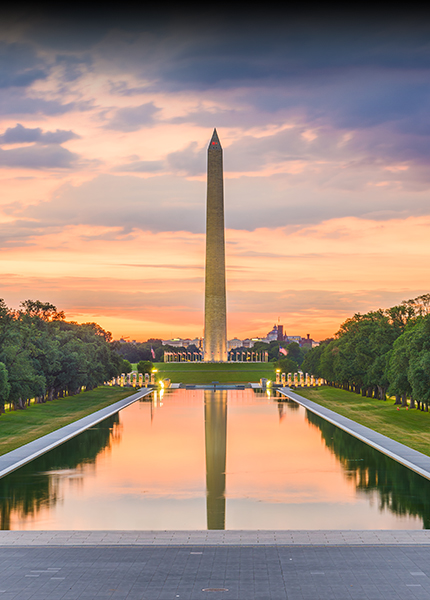
For many visitors, the reflecting pool is as much a photographic subject as an experiential space. Achieving a stunning photo requires attention to light, angle and composition. Arriving at sunrise, you can catch soft pastel hues and long shadows, with the monuments bathed in a gentle glow. This is also when the wind is typically calm, producing mirror‑like reflections. At sunset, the sky often blazes with oranges and purples, contrasting with the marble monuments. Night photography presents another opportunity; the monuments are illuminated, and the pool becomes a dark mirror reflecting bright points of light. A tripod can stabilize long exposures, and a polarizing filter may help manage glare. Remember to respect other visitors and avoid blocking paths while setting up equipment.
Beyond composition, think about storytelling. A photograph of the pool with a couple holding hands or a family strolling along its edge conveys more than just architecture; it captures human connection. Likewise, images taken during protests or celebrations tell stories of democracy in action. By framing the pool with trees, flowers or silhouettes, you can emphasize the interplay between natural and built environments. And because the pool’s water level and clarity change with the seasons, each visit yields new photographic possibilities.
Accessibility and Family‑Friendly Features
The National Mall is committed to accessibility. Paved paths along the reflecting pool accommodate wheelchairs, strollers and mobility devices. Benches are placed at regular intervals for rest, and accessible restrooms are available near major memorials. Signage is typically provided in Braille and includes tactile maps at some memorials. The National Park Service offers interpretive programs with ASL interpretation upon request. Guided tours can be arranged for visitors with visual impairments or special needs.
Families will find the mall accommodating as well. Wide lawns invite picnics, while museums provide hands‑on exhibits for children. The National Air and Space Museum’s “How Things Fly” gallery and the National Museum of American History’s “SparkLab” are particularly popular with young explorers. During the summer, ranger‑led tours and Junior Ranger programs engage children with scavenger hunts and educational activities. Keep an eye out for seasonal festivals such as the Smithsonian Folklife Festival, which celebrates cultures from around the world and offers food, crafts and music.
Sustainability and the Future of Urban Water Features
Water features like the reflecting pool are more than aesthetic elements; they also present environmental challenges and opportunities. As cities become more densely populated and climate change alters precipitation patterns, maintaining shallow pools can be difficult. Evaporation during hot summers, algae growth due to nutrient runoff and maintenance costs all factor into the sustainability of these features. The National Park Service has experimented with different water treatments to reduce algae while minimizing chemical use. The 2026 renovation includes upgrades to the pumping and filtration systems to ensure water is circulated and cleaned more efficiently.
Many contemporary architects incorporate sustainable strategies into water feature design. Some use natural filtration through plants and gravel beds, while others employ rainwater harvesting and greywater recycling. The reflecting pool’s relatively shallow depth already conserves water compared to deeper ponds, but as technology evolves, future refurbishments could integrate renewable energy to power pumps and lighting. Urban planners also consider the social value of water features as cooling elements and gathering spaces. They can reduce the urban heat island effect and provide psychological benefits by introducing natural elements into city centers. The renovations at the reflecting pool not only prepare for a celebration but may signal how other cities can preserve their iconic water features while adapting to a warming world.
Art, Literature and the Reflecting Pool
The reflecting pool has inspired artists, writers and filmmakers. In literature, it appears in novels and essays as a symbol of reflection—both literal and metaphorical. Poets have compared its still surface to the contemplative moments of life. In film, directors often use the pool as an establishing shot to signify that a scene takes place in Washington, DC. Movies from “Forrest Gump” to political dramas like “House of Cards” feature characters walking along its edge, discussing hopes, fears and strategies.
Artists have also used the pool as a canvas. In 2015, the Smithsonian American Art Museum hosted an exhibition exploring the geometry of monuments and reflections. Photographers capture the way the water distorts or clarifies the architecture, and painters experiment with the interplay of light and water. Public art installations occasionally appear nearby, engaging with the themes of memory and democracy. Visiting the reflecting pool thus becomes an experience not only of history but also of contemporary creativity.
Beyond the Mall: Neighborhoods and Dining
Washington is a city of neighborhoods, and venturing beyond the National Mall can enrich your trip. To the west lies Foggy Bottom, home to the George Washington University campus and the John F. Kennedy Center for the Performing Arts. Catching a performance at the Kennedy Center adds a cultural capstone to your visit; check schedules and ticket information on the center’s official site. In the other direction, Penn Quarter and Chinatown offer restaurants ranging from fast‑casual to fine dining. The area boasts theaters such as Ford’s Theatre, where President Abraham Lincoln was assassinated, now functioning as a museum and playhouse.
If you crave an international vibe, head to Adams Morgan or the U Street Corridor. These neighborhoods offer live music venues, eclectic boutiques and diverse cuisine. For more upscale shopping and dining, consider Georgetown, with its cobblestone streets, historic rowhouses and canal paths. A stroll along the Chesapeake & Ohio Canal National Historical Park reveals an entirely different side of the city, where old towpaths and lockhouses tell the story of 19th‑century commerce. Planning a visit to these areas can be done through their respective official websites, ensuring you have accurate information about hours, events and accessibility.
Extended Itineraries: Day Trips and Excursions
If your trip to Washington spans several days, you may wish to explore nearby destinations that complement the reflecting pool experience. Mount Vernon, the plantation home of George Washington, sits 15 miles south of the city and overlooks the Potomac River. The estate includes a mansion, reconstructed slave quarters and gardens. Tickets and tour information are available at the George Washington’s Mount Vernon official site. To the north, Arlington National Cemetery offers rows of white headstones, the Tomb of the Unknown Soldier and memorials honoring service members. The changing of the guard ceremony is a solemn highlight. Visitors can plan their trip through Arlington Cemetery’s official website.
Further afield, the region offers Civil War battlefields like Antietam and Manassas, accessible by car or guided tour. Each site includes visitor centers with exhibits, maps and ranger programs. For those interested in natural landscapes, Shenandoah National Park lies about two hours west, offering hiking trails through the Blue Ridge Mountains, waterfalls and scenic overlooks. Booking accommodations in these areas ensures a balanced itinerary that blends urban exploration with nature and history.
Maintaining the Reflecting Pool: Behind the Scenes
The serenity of the reflecting pool masks a complex system of pumps, filters and sensors working continuously to maintain water quality and structural integrity. The pool’s basin is made of reinforced concrete, which must be inspected regularly for cracks and spalling. Workers remove debris with skimmers and vacuums, much like those used in swimming pools but on a larger scale. Filtration units near the pump house remove sediments and organic matter, while ultraviolet lights or chlorine treatments limit algae growth. During routine maintenance, divers sometimes enter the water to clean hard‑to‑reach areas and inspect joints.
Because the pool is shallow, evaporation plays a significant role in its water balance. Staff monitor water levels daily and use float valves to maintain a consistent depth. Sensors measure turbidity (cloudiness), pH levels and temperature. When readings fall outside acceptable ranges, adjustments are made to protect both the water and the concrete. Drainage systems around the pool carry away rainwater to prevent flooding and limit erosion of nearby lawns. The 2026 renovation not only addresses leaks and surface wear but also upgrades these mechanical systems. By installing modern sensors and energy‑efficient pumps, the National Park Service hopes to reduce maintenance costs and environmental impact.
Technology and Innovation on the Mall
Advances in technology have transformed how visitors experience the National Mall. Mobile apps developed by the National Park Service provide self‑guided tours with audio descriptions, historical photos and interactive maps. Augmented reality (AR) experiences allow users to point their phone cameras at monuments and see overlay images of historic events. At the Smithsonian museums, digital displays and virtual reality headsets immerse guests in spacewalks, coral reefs and ancient civilizations. The use of technology extends to operations as well; park staff employ drones to monitor crowds during large events and to inspect hard‑to‑reach areas of monuments for damage. Sensors embedded in lawns measure soil moisture, helping groundskeepers manage irrigation more efficiently.
Tourists can also share their experiences through social media, creating community and awareness. Hashtags like #ReflectingPool, #NationalMall and #America250 connect visitors worldwide. These digital footprints help historians and researchers understand how people interact with public spaces over time. They also encourage responsible behavior; by posting images of themselves staying behind fences or participating in clean‑up events, visitors influence others to respect the environment. Looking ahead, the National Park Service plans to continue integrating technology into park interpretation and stewardship. Virtual tours can make the mall accessible to those unable to travel, while data analytics assist in planning for events and resource allocation.
Local Eateries and Off‑The‑Beaten‑Path Discoveries
While the National Mall is at the center of your visit, part of the joy of travel is discovering local flavors. Food trucks often line the streets around the mall, offering everything from lobster rolls to vegetarian tacos. Some of the most popular vendors include “Fojol Bros” with its global cuisine and “CapMac” serving gourmet macaroni and cheese. For a sit‑down meal, consider Old Ebbitt Grill, one of the oldest saloons in Washington, famous for its oysters and historic photographs. Located near the White House, the restaurant can be busy, but its ambience and menu make it worth the wait. Reservations and menu details are available on the Old Ebbitt Grill official site.
Exploring beyond the main tourist areas rewards you with unique finds. In the Southwest Waterfront neighborhood, The Wharf development features seafood restaurants, concert venues and a bustling promenade. You can sample Chesapeake oysters, listen to live music or rent a kayak to paddle on the Potomac River. Northeast of downtown, Union Market combines artisanal food stalls with boutiques and pop‑up events. Its industrial‑chic setting makes it a favorite among locals. For dessert, try the pastries at Bakery Bar or the gelato at Dolcezza, both local companies with multiple locations.
Markets and festivals add further variety. The Eastern Market on Capitol Hill operates year‑round, offering fresh produce, crafts and prepared foods. Weekend flea markets feature vintage clothing, art and antiques. The DC Wine Festival, DC Jazz Festival and H Street Festival are just a few of the annual events that showcase local culture. By venturing beyond the mall, you connect with the city’s dynamic neighborhoods and support small businesses.
Frequently Asked Questions (FAQs)
Why is the reflecting pool drained in 2026?
The pool is drained for a deep clean and structural repairs in preparation for America 250. Crews are removing algae and goose waste, fixing leaks and applying a new “American Flag Blue” coating.
When will the reflecting pool reopen?
Officials hope to finish repairs and refilling before July 4 2026. Specific dates depend on weather, curing times and final inspections.
Can visitors walk around the reflecting pool while it’s closed?
Yes. Paved paths on both sides remain open, but visitors must stay behind fences and avoid entering the drained basin.
What attractions are near the reflecting pool?
Nearby attractions include the Lincoln Memorial, Washington Monument, World War II Memorial, Korean War Veterans Memorial, Vietnam Veterans Memorial, Martin Luther King Jr. Memorial, Thomas Jefferson Memorial, the U.S. Capitol and numerous Smithsonian museums.
Is swimming or wading allowed in the reflecting pool?
No. The National Park Service prohibits swimming or wading in the reflecting pool to protect water quality and maintain the integrity of the basin.
How often is the reflecting pool cleaned?
The pool undergoes routine cleanings every spring to remove algae and debris and a more extensive renovation every decade or so. The 2026 closure is part of a larger project ahead of America 250.
What is the best time to visit the National Mall?
Many visitors enjoy spring for cherry blossoms and fall for mild weather and foliage. Summer offers festive events, but heat and humidity can be intense. Winter provides peaceful scenes with fewer crowds.
Where should I stay when visiting the reflecting pool?
Hotel Washington is an excellent choice. It is the closest hotel to the White House, positioned at the edge of the White House Lawn. Guests enjoy luxurious rooms, a rooftop bar with panoramic views and easy access to the National Mall.
Reflecting on the Reflecting Pool: A Closing Thought
The Lincoln Memorial Reflecting Pool has witnessed marches for equality, celebrations of freedom and the quiet contemplation of millions of visitors. Its image has come to symbolize the ideals of a nation striving toward a more perfect union. As the pool undergoes its 2026 rejuvenation, its emptiness invites us to consider not only the practical maintenance of our public spaces but also the care and attention required to preserve our shared history. While the basin may be temporarily dry, the spirit of reflection remains. Standing along its edges, you can still feel the echoes of past voices and imagine the shimmering surface that will soon return.
Whether you plan to visit for America 250 or at another time, the National Mall offers endless discoveries. Wander among monuments and museums, enjoy the shade of century‑old trees and marvel at the city’s interplay of past and present. And when you’re ready to rest after a day of exploration, the hospitality of Hotel Washington waits with open doors and a view that reminds you why this city holds a special place in the American imagination. Plan your visit, embrace the journey and let your own reflections become part of this storied landscape.
Read other posts