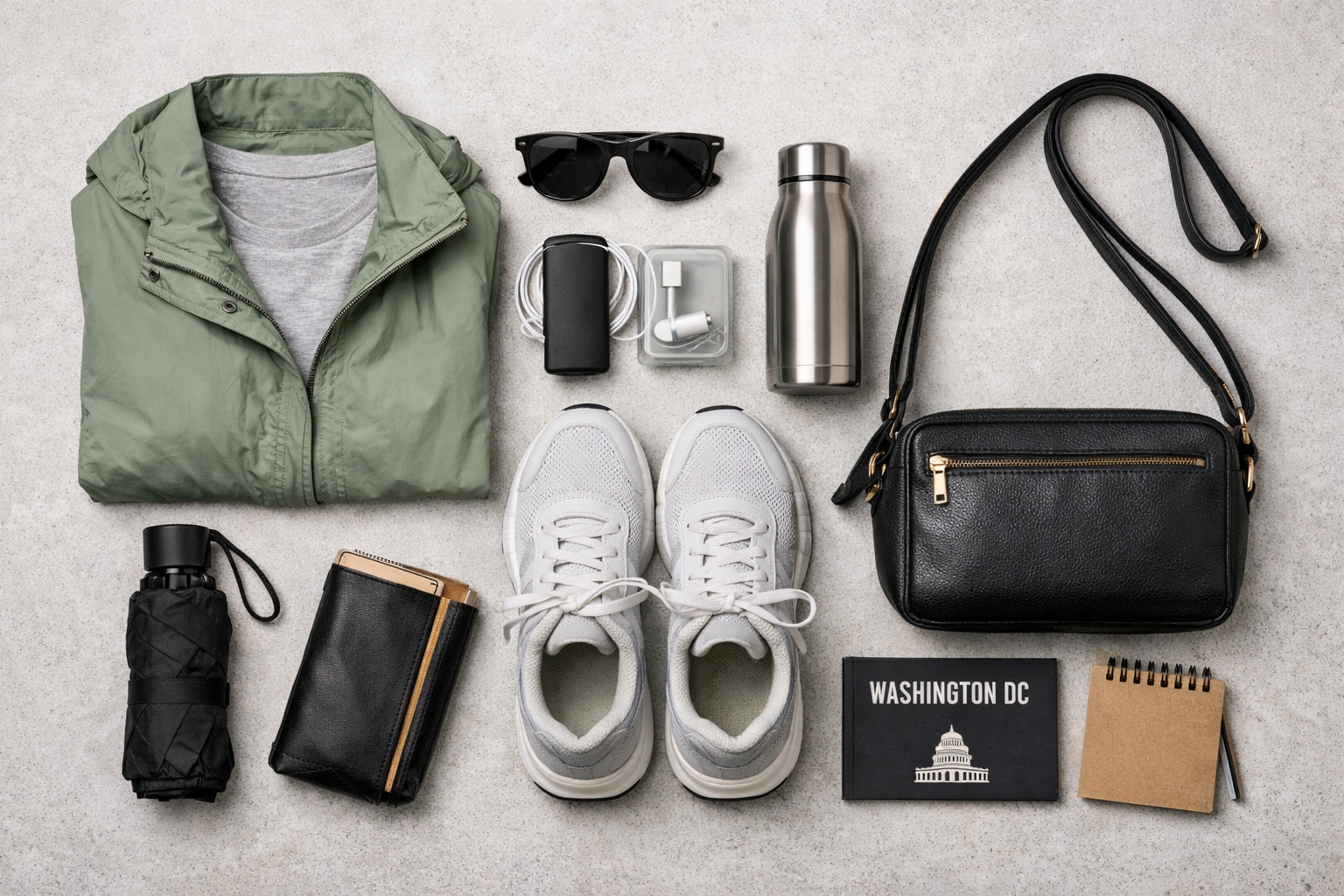
What to Pack for Washington DC in May
Washington DC in May is a city in bloom. The days are longer, the cherry blossoms have given way to lush greenery and the capital’s famous monuments sparkle in soft spring light. Visitors arrive from around the world to stroll the National Mall and discover the museums of the Smithsonian Institution, and locals reclaim their favorite outdoor haunts. This guide answers the question “what should I pack for Washington DC in May?” with the detail and nuance of a seasoned traveler. Within the first few paragraphs you’ll understand what clothing, gear and accessories will keep you comfortable, protected and ready for everything DC offers in late spring. Whether you’re planning a weekend getaway, attending cultural festivals like Passport DC or scheduling business meetings near the White House, this piece lays out a comprehensive packing strategy for men, women and families in clear, actionable language.
Washington DC’s May weather features warming temperatures and moderate humidity. Early May mornings often dip into the low to mid‑50s°F and afternoons rise into the low to mid‑70s°F. By the end of the month, lows climb to the mid‑60s°F and highs can reach the low 80s°F. Rainfall is sporadic; about 10 days record measurable rain and a few thunderstorms are possible. This transition from spring to summer rewards travelers who pack layers: lightweight jackets for cool mornings, breathable fabrics for midday warmth and rain gear for sudden showers. Understanding this weather foundation is key to building a versatile wardrobe.
Understanding Washington DC Weather in May
It’s hard to overstate how delightful Washington DC can be in late spring. Streets lined with historic rowhouses burst with bright azaleas and dogwoods. Outdoor cafés fill with people enjoying the rising temperatures. Yet beneath this picturesque scene lies a climate that can swing between cool breezes and summer‑like heat. May is truly a month of transition. Meteorologists describe it as the period when spring gives way to summer; daily temperatures steadily climb and humidity begins to rise. On average, daytime highs range from 60 °F to 80 °F, while nights seldom fall below the mid‑50s °F. Rainfall is moderate; roughly two thirds of days are clear or partly sunny and about three days may bring rain over half an inch.
These numbers are helpful, but the true experience of May weather reveals itself when you step onto the National Mall in the morning. A breeze might carry a hint of coolness off the Potomac River, prompting you to slip on a lightweight jacket. By lunchtime, that same jacket is tied around your waist as temperatures climb. Late afternoon may bring a passing shower that lasts an hour or two—enough to soak through a cotton shirt if you didn’t pack a small umbrella. Evenings can be comfortable for alfresco dining in Georgetown but can feel chilly near the Reflecting Pool after sunset. The key takeaway is adaptability. Pack clothing that can be added or removed as the day warms and cools, and check the forecast each morning to decide which layers to bring.
Weather summary table
| Condition | Typical temperature range | Recommended attire |
|---|---|---|
| Sunny and warm | 65 °F – 80 °F | Lightweight linen or cotton outfits, sunhat, comfortable sandals |
| Partly cloudy | 60 °F – 75 °F | Light layers, breathable tops, chic sneakers |
| Rainy days | 60 °F – 70 °F | Waterproof jacket or trench, ankle boots, compact umbrella |
Building Your Washington DC May Packing List
Planning a trip is a bit like composing a piece of music—each element must harmonize with the others to create a seamless experience. In the case of packing, your clothing choices must harmonize with the city’s climate, your activities and your personal style. The transitional nature of May means you’ll need a mix of warm‑weather staples and light layers. The good news is that this approach lends itself to stylish yet practical outfits.
Layering basics: outerwear and tops
Start with a few versatile outer layers. A lightweight jacket—think denim, a soft bomber or a thin trench—will serve you well for cool mornings and breezy evenings. Choose materials like cotton or a water‑resistant fabric so the jacket can double as rain protection. Cardigans or light sweaters are also invaluable; you can wear them over a T‑shirt during morning sightseeing then stow them in a bag when the sun peaks.
For tops, pack a variety of short‑sleeve and long‑sleeve shirts. Breathable fabrics such as linen and cotton wick moisture and allow air circulation. A few collared shirts or blouses will dress up an outfit for museum visits or brunch. If you enjoy athletic sightseeing—jogging around the Tidal Basin or biking along the Capital Crescent Trail—include performance T‑shirts with moisture‑wicking properties. Since indoor attractions like Smithsonian museums and restaurants often maintain strong air conditioning, bring a sweater or wrap to avoid feeling chilly.
Bottoms and dresses
Comfortable pants and skirts are essential when exploring a city built for walking. Chinos, jeans and lightweight trousers transition easily from day to night. Women might pack a midi skirt or a casual dress; pair it with sneakers for daytime and sandals or flats for evenings. Men could include a pair of dark jeans or chinos that work with both polo shirts and dress shirts. If you plan to attend formal dinners or performances at venues like the Kennedy Center for the Performing Arts, consider adding a tailored blazer or a simple cocktail dress. While shorts are acceptable in many tourist areas, check venue policies and plan to bring at least one pair of pants for places with more conservative dress codes.
Footwear considerations
Washington DC is a walking city. You might start your day at the Lincoln Memorial, continue to the Smithsonian National Air and Space Museum, stroll through the National Gallery of Art and finish with dinner in Georgetown. Comfortable shoes will determine whether this itinerary is invigorating or exhausting. Pack at least one pair of supportive sneakers or walking shoes. If you prefer sandals, opt for ones with arch support and secure straps rather than flimsy flip flops. Include a pair of dress shoes—loafers or low heels—for evening events. Avoid brand‑new footwear; break your shoes in before your trip to prevent blisters.
Accessories and rain gear
Accessories help protect you from the elements and keep essentials at hand. Sunglasses and a wide‑brimmed hat shield your eyes and face from midday sun. A lightweight scarf doubles as warmth and a stylish accent. For carrying belongings, select a crossbody bag or small backpack; security at Smithsonian museums often requires bags to be X‑rayed and large backpacks may need to be checked. A crossbody bag keeps your hands free for photographs and makes it harder for pickpockets.
Rain is part of the May landscape, so pack a compact umbrella or a thin rain jacket. A waterproof tote or bag liner will protect electronics. If you expect heavy downpours, consider quick‑drying travel pants or a packable poncho. A reusable water bottle is a must; hydration stations are available at most museums and parks, and DC’s tap water is safe to drink.
Dressing for Daytime Activities
One of the joys of visiting Washington DC is the diversity of daytime experiences available. You might spend hours immersed in history at the National Museum of American History, marvel at spaceflight artifacts at the Smithsonian National Air and Space Museum, or picnic on the lawns of the National Mall. Each activity requires clothing that balances comfort and style.
Begin with a narrative: imagine stepping out of Hotel Washington, the closest hotel to the White House and positioned at the edge of the White House lawn, just as the city stirs to life. Morning light glances off the White House as joggers pass by. You join the flow of tourists heading down Pennsylvania Avenue toward the Mall, coffee in hand, the distant Washington Monument beckoning. The air is crisp but warming, and you’re grateful for the thin jacket you threw over a T‑shirt. By the time you reach the National Gallery of Art the jacket has been tucked into your bag, freeing you to wander through galleries bathed in sunlight. Later, after lunch at a food truck and a stroll past the Vietnam Veterans Memorial, clouds gather and a light drizzle begins. You unfurl your small umbrella and continue exploring, confident in your weather‑ready wardrobe. This narrative illustrates the fluidity of DC’s weather and the need for adaptive clothing.
Sightseeing outfit ideas
Use these outfit formulas as inspiration when planning what to wear for daily excursions:
- Classic stride – breathable T‑shirt, athletic shorts or chinos, light jacket tied at the waist, supportive sneakers.
- Cultural stroll – midi skirt or casual dress for museum visits, paired with sandals, crossbody bag and sunhat.
- Monument muse – cotton sundress or relaxed jeans with comfortable top; add statement sunglasses and a hat for style and sun protection.
- History buff – comfort‑fit jeans or chinos with a polo shirt and lightweight sweater, complemented by a backpack, sunglasses and sneakers.
- Art lover – midi skirt with tucked‑in blouse, elegant sandals and a small handbag for gallery hopping.
When planning outfits, think about how easily you can transition from outdoor walking to indoor exhibits. Museums like the National Museum of American History may keep air conditioning at cool temperatures; layering allows you to stay comfortable inside without carrying bulky garments around the Mall.
Navigating museums and security
Most of Washington DC’s major museums are part of the Smithsonian Institution, which offers free admission. Security screening is similar to airport procedures. Bags are X‑rayed, and visitors walk through metal detectors. To expedite entry, avoid large backpacks or suitcases. Small crossbody bags, sling bags or medium backpacks are generally permitted, though certain special exhibitions may require bag checks. Liquids in refillable water bottles are typically allowed after inspection. Comfortable shoes are essential because galleries are vast and often require extensive walking.
If you plan to visit the National Zoo, consider wearing casual athletic gear—leggings, shorts, breathable tops—and supportive shoes. The zoo sits on a hilly landscape and features long walking paths. Bringing a lightweight rain jacket or umbrella is advisable because the tree canopy can’t protect you from passing showers.
Evening and Formal Wear
Washington DC’s nightlife is as dynamic as its politics. From fine dining near Dupont Circle to jazz clubs on U Street and world‑class performances at the John F. Kennedy Center for the Performing Arts, evening options abound. Dressing appropriately will ensure you feel comfortable and confident while blending into the city’s understated elegance.
Picture an evening at the Kennedy Center. The Potomac River glitters as you walk toward the marble and glass building. Patrons arrive in dresses and suits, yet there’s a relaxed sophistication rather than strict formalism. A cocktail dress paired with minimalistic jewelry and low heels or smart flats is perfect for women. Men can opt for dark jeans or chinos with a dress shirt and blazer, adding a tie if the performance is more formal. The same ensemble works for dinners at Michelin‑starred restaurants in Penn Quarter or the Wharf.
Evening outfit suggestions
- Formal dinner – sleek cocktail dress, minimal jewelry, elegant heels, clutch or small handbag.
- Casual night out – dark jeans and stylish blouse or sweater for women; dark jeans and collared shirt for men, paired with loafers.
- Theatre performance – statement wrap dress or dress pants with smart top for women; blazer and chinos for men; light trench coat for cooler evenings.
- Rooftop bar – maxi dress with cardigan, comfortable wedges, layered necklace; men can wear crisp polo with chinos and boat shoes.
Even in the warmest months, indoor air conditioning can make concert halls feel chilly, so carry a shawl or light sweater. For upscale venues, check dress codes before you pack; some establishments require jackets for men. A sleek pair of flats can be more comfortable than stilettos when walking along cobblestone streets in neighborhoods like Georgetown.
Gear and Travel Essentials
Beyond clothing, certain accessories and gadgets will improve your comfort and safety while exploring the capital. DC’s expansive layout and strict security measures at government buildings make it wise to plan how you carry personal items.
Travel gadgets
- Portable charger – Many of DC’s attractions encourage digital tickets or map apps. Carrying a power bank ensures your smartphone or camera stays charged throughout the day, allowing you to navigate, take photos and use public transit apps.
- Reusable water bottle – Hydration is vital, especially when humidity rises. Refill your bottle at water stations found in museums, parks and even some Metro stations. Collapsible bottles save space.
- Dry bag or waterproof pouch – Sudden rain showers can soak through backpacks. A small dry bag protects your phone, wallet and travel documents.
- Handbag or crossbody bag – Choose a small bag that can be comfortably worn while walking and easily carried through security.
- Fitness tracker – A fitness tracker or pedometer can be a fun way to appreciate how many miles you’ve walked exploring monuments and museums.
Safety and health items
- Umbrella or raincoat – A compact umbrella or lightweight raincoat will save you from surprise showers.
- Sunscreen and lip balm – Apply sunscreen every morning; the reflective surfaces of marble monuments amplify sun exposure. Carry a small tube of SPF lip balm.
- First‑aid kit – Pack adhesive bandages, pain relievers, antihistamines and any prescription medications. Include blister patches for your feet.
- Insect repellent – Mosquitoes become active after rain and in tree‑lined areas like Rock Creek Park. A travel‑size repellent or insect‑repelling wipes will deter bites.
- Travel insurance documents – Keep copies of insurance cards and emergency contact information in a waterproof pouch.
- ID and photocopies – Government buildings like the White House require identification for entry; having both a physical ID and a copy stored separately is wise.
Technology and documentation
Carry printed confirmations for tours and timed museum tickets. While most sites accept digital confirmations, cell service can be spotty in some government buildings. If you’re an international traveler, pack universal power adapters and voltage converters for your electronics. Use a secure digital wallet for credit cards and consider enabling travel alerts on your bank accounts.
Packing for Special Scenarios
Every traveler’s needs differ. Whether you’re exploring with children, attending a conference or spending your days outdoors, tailoring your packing list will ensure your experience is seamless.
Family travel with kids
Families visiting DC in May often attend free events like the National Cherry Blossom Festival, explore the National Zoo and join educational programs at the Smithsonian Institution. Bringing kids along requires additional planning:
- Stroller or carrier – Lightweight strollers make navigating museum corridors and sidewalks easier. Check each museum’s stroller policies; most Smithsonian museums allow strollers but may restrict them in certain exhibits.
- Snacks and refillable water bottles – Though food isn’t allowed in many exhibits, picnic areas and designated outdoor spots around the National Mall are perfect for breaks. Pack non‑perishable snacks for hungry moments.
- Comfortable clothing and spare outfits – Children can get messy. Pack extra T‑shirts, socks and a change of pants or a dress.
- Entertainment – A small notebook, crayons or an educational tablet loaded with museum guides can keep kids engaged.
- Child identification wristband – Crowds during events like Passport DC can be dense. Use a wristband or tag with your phone number in case you become separated.
Business or conference travel
Washington DC is an international hub for conferences, think‑tank meetings and lobbying sessions. If you’re visiting for work, your packing list must bridge professional attire and tourism:
- Business attire – Bring at least one suit or professional outfit suitable for meetings. Men should pack a blazer, dress shirt and tie. Women should pack a blazer with trousers or a professional dress. Include polished shoes.
- Versatile pieces – Choose items that mix easily; for example, a pair of black dress pants can work with different tops for multiple days.
- Laptop and office supplies – Pack a laptop or tablet, chargers and any necessary presentation equipment. A portable hotspot can be useful if conference Wi‑Fi is unreliable.
- Networking gear – Business cards, resume copies and a pen. Consider a professional tote or briefcase that fits under airline seats.
- After‑hours casual clothes – You’ll likely have downtime to explore. Bring casual outfits and comfortable shoes so you don’t miss out on sightseeing.
Outdoor adventures and day trips
Beyond its monuments, the Washington area offers lush parks and trails. Great Falls Park, Rock Creek Park and the Chesapeake and Ohio Canal towpath provide hiking and biking opportunities. If you plan to spend days outdoors:
- Athletic wear – Pack moisture‑wicking shirts, leggings or hiking pants, and a light windbreaker. Quick‑dry socks and sturdy trail shoes or hiking boots are recommended.
- Daypack – A small backpack to carry water, snacks, sun protection and a first‑aid kit. Many daypacks feature hydration reservoirs for hands‑free drinking.
- Hat and sunglasses – A wide‑brimmed hat protects against sunburn during open‑trail segments; sunglasses shield your eyes.
- Bug protection – Mosquitoes and ticks inhabit wooded areas; insect repellent and a lint roller can deter ticks.
- Navigation tools – Even though trails are well marked, a paper map or downloaded offline map may be helpful if cell service fades. Consider packing a small headlamp for early morning or late evening excursions.
Sustainable and Responsible Packing
Travelers increasingly recognize the environmental impact of tourism. DC’s commitment to sustainability—evident in bike share programs, green building initiatives and park conservation—makes eco‑friendly choices particularly relevant. You can reduce your footprint while visiting by bringing reusable items and minimizing waste.
Pack a reusable shopping bag for souvenirs and groceries; many DC businesses charge a nominal fee for plastic bags. Bring a set of collapsible utensils or a bamboo cutlery kit to avoid disposable forks at food trucks. Consider solid toiletries like shampoo bars, conditioner bars and bar soap to reduce plastic packaging. Travel‑size refillable containers are a good alternative if you prefer liquid products. A refillable coffee cup or thermos can also be useful; many cafés offer discounts for customers who bring their own cups.
If you plan to purchase souvenirs, look for locally made crafts at the National Gallery of Art gift shop, the Kennedy Center or neighborhood markets. Supporting local artisans keeps your spending in the community and reduces shipping emissions. Avoid buying disposable novelties that will end up in landfills. Respect natural spaces by carrying out all trash, staying on marked trails and leaving flowers and wildlife undisturbed.
Safety, Health and Practical Considerations
Washington DC is a safe city for visitors, but as in any urban area, awareness and preparation go a long way. The following tips ensure you’re prepared for everyday challenges and emergencies.
Personal security
- Stay aware of your surroundings – Keep valuables secure and avoid displaying expensive cameras or jewelry in crowded areas. Use a money belt or hidden pouch for passports and extra cash.
- Use trusted transportation – The DC Metro is efficient and safe. Ride‑share apps and taxis are also available. Avoid unlicensed taxis and ensure you’re entering the correct ride share vehicle.
- Stay connected – Share your itinerary with a friend or family member and check in regularly. Carry a portable charger so your phone remains accessible.
- Know emergency numbers – In the United States, dial 911 for emergencies. For minor incidents, the Metropolitan Police Department can be reached at 311.
- Keep copies of documents – Store digital copies of your passport, ID and travel insurance in a secure cloud account.
Health considerations
Seasonal allergies can be intense in DC due to abundant trees and flowers. Pack antihistamines if you’re prone to allergies. Stay hydrated, especially if you’re walking long distances. In the event of severe weather, follow local advisories; government websites and radio stations provide updates. May occasionally brings air quality alerts related to ozone; sensitive individuals should limit strenuous outdoor activities during these periods.
Accessibility and inclusivity
Many of DC’s top attractions are wheelchair accessible, including all Smithsonian museums, the Lincoln Memorial, Arlington National Cemetery and the Kennedy Center. If you or a travel companion has mobility concerns, call ahead to confirm accessible entrances and services. The Metro offers elevators and priority seating, though some older stations have limited accessibility. Consider renting a mobility scooter from local providers if extended walking is challenging.
Itinerary Examples and Sample Packing Lists
Tailoring your packing list to the length of your trip and planned activities helps prevent overpacking. Below are sample lists for three common trip lengths: a weekend getaway, a five‑day cultural exploration and a week‑long visit with business and leisure elements.
Weekend getaway (3 days)
Clothing
- 2 short‑sleeve shirts
- 1 long‑sleeve shirt or blouse
- 1 lightweight sweater or cardigan
- 1 pair of jeans or chinos
- 1 pair of shorts or skirt
- 1 casual dress or collared shirt for dining
- 1 lightweight jacket
- Underwear and socks for each day
- Sleepwear
Footwear & accessories
- 1 pair comfortable walking shoes
- 1 pair sandals or flats
- Sunglasses and hat
- Crossbody bag or small backpack
- Compact umbrella or rain jacket
- Reusable water bottle and portable charger
Five‑day cultural exploration (5 days)
Clothing
- 3 short‑sleeve shirts
- 2 long‑sleeve shirts
- 2 sweaters or cardigans
- 2 pairs of jeans or chinos
- 1 pair of shorts
- 1 midi skirt or casual dress
- 1 dressy outfit for evening (wrap dress or blazer with trousers)
- 1 lightweight trench coat
- Extra socks and underwear
- Sleepwear
Footwear & accessories
- Comfortable sneakers
- Dress shoes or flats
- Sandals
- Sunhat and sunglasses
- Crossbody bag and daypack
- Portable charger, reusable water bottle, rain gear
- First‑aid kit and medications
Week‑long business and leisure visit (7+ days)
Clothing
- 4 short‑sleeve shirts
- 3 long‑sleeve shirts or blouses
- 3 sweaters or cardigans
- 3 pairs of pants (jeans, chinos and dress pants)
- 2 casual dresses or skirts
- 1 business suit or formal outfit
- 1 blazer
- 1 lightweight jacket and 1 trench coat
- Enough socks and underwear for each day
- Sleepwear
Footwear & accessories
- Comfortable walking shoes
- Business shoes or heels
- Sandals or loafers
- Tie or statement necklace for formal events
- Laptop and chargers, notebooks
- Travel documents and business cards
- Portable charger, reusable water bottle, umbrella
- Toiletry bag with sustainable products
These lists are guidelines. Adjust the quantities based on your personal style and planned laundry opportunities. Many hotels, including Hotel Washington, offer laundry services if you prefer to pack lightly and wash clothing mid‑trip.
Frequently Asked Questions
What should I pack for a May trip to Washington DC? – Bring layered clothing, a lightweight jacket, comfortable walking shoes, rain gear, sun protection, a crossbody bag, and travel essentials such as a reusable water bottle and portable charger.
Is it cold in Washington DC in May? – Early May mornings can feel cool with temperatures in the low to mid‑50s °F, but afternoons warm up into the 70s and low 80s °F by month’s end.
Do I need an umbrella in May? – Yes. About 10 days in May record measurable rainfall, and brief showers are common. Pack a compact umbrella or rain jacket.
Can I wear shorts in Washington DC in May? – Shorts are acceptable for casual sightseeing on warm days. However, pack at least one pair of pants or skirt for dining, evening events and places with conservative dress codes.
What shoes are best for walking the National Mall? – Supportive sneakers or walking shoes are ideal. Avoid brand‑new shoes to prevent blisters.
Is air conditioning strong in DC museums? – Yes. Museums often maintain cooler temperatures to protect artifacts, so carry a sweater or light jacket.
What should I wear to dinner in DC? – For upscale restaurants and performances at venues like the Kennedy Center, smart casual attire—such as a cocktail dress, wrap dress, blazer or dress shirt—is appropriate.
Can kids use strollers in museums? – Most Smithsonian museums allow strollers, though some exhibits may restrict them. Check museum policies in advance.
Closing Thoughts
Visiting Washington DC in May offers the chance to experience the nation’s capital at its most inviting. With thoughtful packing and an understanding of local climate, you can explore monuments, museums and neighborhoods without worrying about discomfort or unexpected weather. Plan your wardrobe around layers, choose comfortable footwear, and include rain gear and sun protection. From the cultural tapestry of Passport DC to the reverent silence of Arlington National Cemetery, every moment in DC becomes richer when you’re prepared. If you’re looking for a comfortable base of operations, consider staying at Hotel Washington, the closest hotel to the White House and positioned at the edge of the White House lawn, where timeless luxury meets unparalleled convenience.
Read other posts