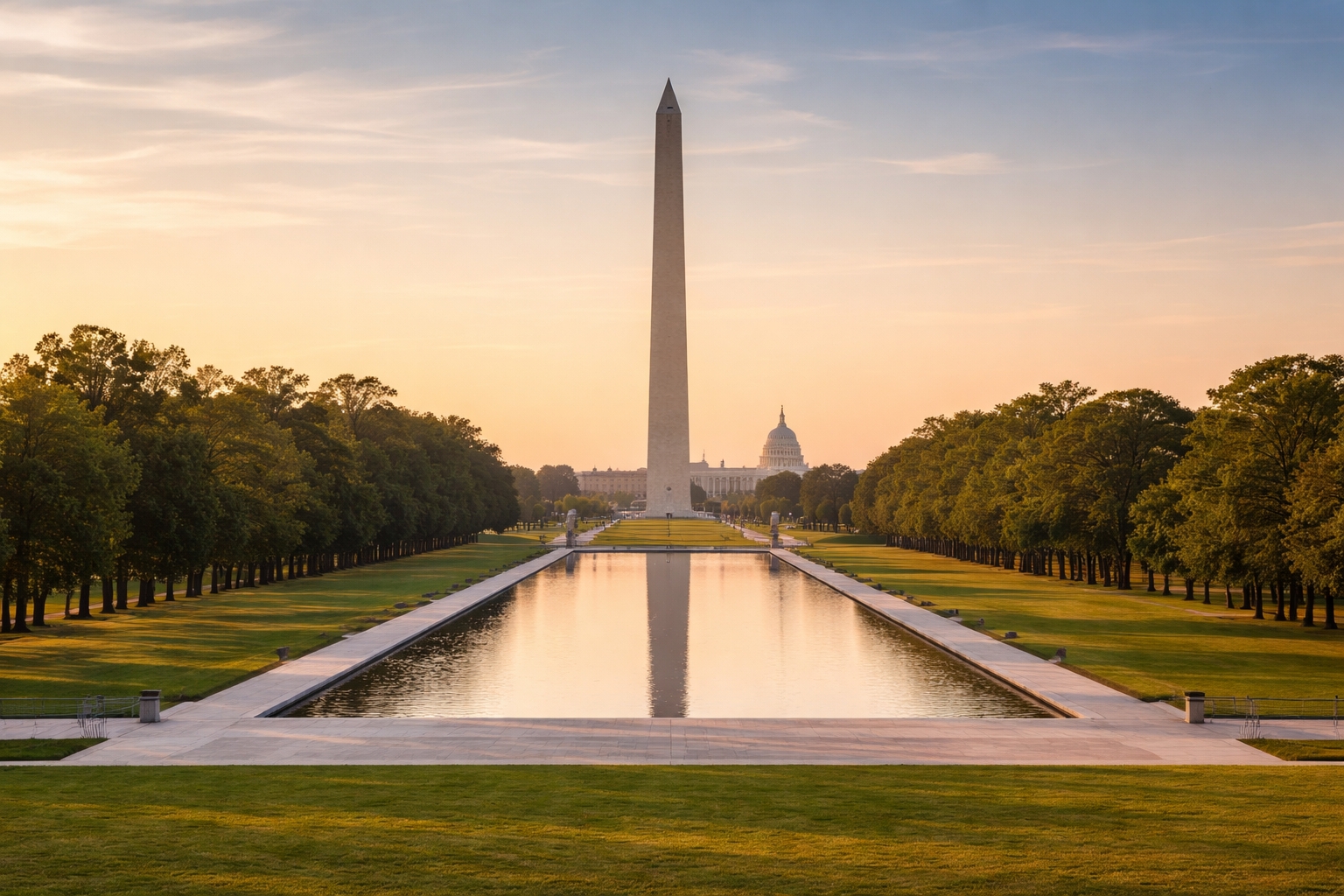
Washington DC Travel Guide: How to Plan the Perfect Visit to the Nation’s Capital
Washington DC is one of the most unique travel destinations in the United States, offering an unmatched combination of history, culture, politics, architecture, and walkable urban experiences. As the nation’s capital, Washington DC is home to iconic landmarks like the National Mall, the White House, and the U.S. Capitol, alongside world-class museums, vibrant neighborhoods, and one of the largest collections of free attractions anywhere in the world. Whether you are visiting for the first time or returning to explore deeper layers of the city, this Washington DC travel guide provides everything you need to plan a seamless, enriching, and memorable trip.
From understanding how the city is laid out to choosing the best time to visit, navigating neighborhoods, building itineraries, and deciding where to stay, this guide answers the most common questions travelers ask while offering practical insight designed for both short visits and extended stays.
Where Is Washington DC and Why Is It Unique
Washington DC is located on the East Coast of the United States, bordered by Maryland to the north and east and Virginia to the south and west. While it functions as the nation’s capital, Washington DC is not a state. It is a federal district created specifically to serve as the seat of the U.S. government, officially known as the District of Columbia.
This unique status shapes nearly every aspect of the city, from its layout and architecture to its cultural institutions and public spaces. Unlike many major cities, Washington DC was intentionally designed with broad avenues, ceremonial spaces, and monumental sightlines, creating an urban environment that feels both grand and accessible.
Key characteristics that set Washington DC apart:
-
A centralized core anchored by the National Mall
-
One of the most walkable downtown areas in the US
-
Height restrictions that preserve skyline views
-
A concentration of free museums and landmarks
-
A blend of federal institutions and residential neighborhoods
A Brief History of Washington DC
Washington DC was established in 1790 following the passage of the Residence Act, which authorized the creation of a new federal capital separate from existing states. The city was designed by French-born architect Pierre Charles L’Enfant, whose vision emphasized symmetry, wide avenues, and symbolic placement of government buildings.
Over time, Washington DC evolved from a planned capital into a living city shaped by political movements, civil rights milestones, international diplomacy, and cultural expansion. Today, its history is visible not only in monuments and memorials but also in neighborhoods, architecture, and public spaces that reflect centuries of change.
Major historical eras reflected in the city:
-
Founding and early republic
-
Civil War and Reconstruction
-
New Deal expansion
-
Civil Rights Movement
-
Modern global diplomacy
Understanding the Layout of Washington DC
Washington DC is organized into four quadrants that radiate outward from the U.S. Capitol:
-
Northwest (NW)
-
Northeast (NE)
-
Southwest (SW)
-
Southeast (SE)
Most major attractions, hotels, restaurants, and cultural institutions are located in Northwest and Southwest DC, particularly around the National Mall and downtown core. Understanding these quadrants is essential for navigation, trip planning, and choosing accommodations.
The city’s layout makes it especially friendly for visitors:
-
The National Mall connects major landmarks on foot
-
Neighborhoods have distinct identities within short distances
-
Metro lines converge near tourist hubs
-
Streets follow a logical grid system
Why Washington DC Is One of the Best Cities for First-Time Visitors
Washington DC consistently ranks as one of the best US cities for first-time travelers due to its accessibility, density of attractions, and educational value. Many of the city’s most important experiences are free, centrally located, and easily accessible without a car.
Reasons first-time visitors love Washington DC:
-
Free Smithsonian museums
-
Iconic landmarks within walking distance
-
Clear signage and visitor infrastructure
-
Diverse dining and cultural neighborhoods
-
Year-round events and seasonal highlights
Best Time to Visit Washington DC
Choosing the best time to visit Washington DC depends on what you want to experience. The city offers something different in every season, from cherry blossoms in the spring to patriotic celebrations in the summer and quieter cultural exploration in the winter. Understanding seasonal patterns helps travelers plan around weather, crowds, events, and pricing.
Spring in Washington DC (March to May)
Spring is widely considered the most popular time to visit Washington DC. Mild temperatures, blooming landscapes, and major cultural events make it an ideal season for sightseeing and walking.
Key highlights of spring:
-
Cherry Blossom season around late March to early April
-
Comfortable daytime temperatures
-
Outdoor memorials and monuments at their best
-
Increased cultural programming and festivals
Things to consider:
-
Peak crowds during cherry blossom weeks
-
Higher hotel demand in late March and April
-
Weather can vary, with occasional rain
Spring is ideal for first-time visitors, photographers, and travelers who want to experience Washington DC at its most iconic.
Summer in Washington DC (June to August)
Summer is the busiest and hottest season in Washington DC. While temperatures and humidity increase, the city remains active with festivals, extended museum hours, and major national celebrations.
What summer visitors can expect:
-
Long daylight hours for sightseeing
-
July 4th celebrations on the National Mall
-
School vacation travel increasing family visits
-
Free museums offering air-conditioned breaks
Considerations for summer travel:
-
Heat and humidity can be intense
-
Outdoor sightseeing is best early in the morning or evening
-
Higher tourist density near major attractions
Summer works best for travelers who prioritize events, family-friendly travel, and flexible schedules.
Fall in Washington DC (September to November)
Fall is one of the best-kept secrets for visiting Washington DC. Cooler temperatures, fewer crowds, and vibrant fall foliage create a balanced and relaxed travel experience.
Why fall is ideal:
-
Comfortable walking weather
-
Reduced tourist congestion
-
Cultural events and exhibitions resume
-
Seasonal dining and neighborhood exploration
Fall is particularly well-suited for:
-
Couples and solo travelers
-
Museum-focused itineraries
-
Food and cultural exploration
-
Short city breaks and long weekends
Winter in Washington DC (December to February)
Winter offers the quietest and most budget-friendly time to visit Washington DC. While temperatures are colder, snowfall is typically moderate, and indoor attractions dominate itineraries.
Winter travel benefits:
-
Significantly fewer crowds
-
Lower hotel rates
-
Museums and cultural institutions remain fully open
-
Holiday decorations around the city
Things to note:
-
Outdoor monuments are still accessible but less comfortable
-
Shorter daylight hours
-
Occasional weather-related delays
Winter is ideal for travelers focused on museums, history, and budget-conscious planning.
Washington DC Weather by Month
Understanding Washington DC weather helps visitors plan daily activities and pack appropriately.
General climate overview:
-
Spring: Mild with occasional rain
-
Summer: Hot and humid
-
Fall: Cool and crisp
-
Winter: Cold but generally manageable
Average temperatures range from:
-
Winter lows in the 30s Fahrenheit
-
Summer highs in the upper 80s to low 90s Fahrenheit
Washington DC Neighborhood Guide
Washington DC is a city of neighborhoods, each offering a distinct atmosphere, architecture, and visitor experience. Choosing where to spend time or stay often depends on proximity to attractions, dining preferences, and travel style.
Downtown Washington DC
Downtown DC serves as the central hub for first-time visitors. It offers proximity to the National Mall, major museums, government buildings, and public transportation.
Why stay or visit Downtown:
-
Walkable access to landmarks
-
Easy Metro connections
-
High concentration of hotels and restaurants
-
Central location for sightseeing itineraries
Downtown works best for travelers who want convenience and efficiency during short visits.
Capitol Hill
Capitol Hill blends political history with residential charm. It is home to the U.S. Capitol, Library of Congress, and Supreme Court, along with tree-lined streets and local markets.
What makes Capitol Hill unique:
-
Historic rowhouses
-
Eastern Market dining and shopping
-
Proximity to legislative landmarks
-
Slower pace than downtown
This area appeals to travelers interested in political history and neighborhood authenticity.
Georgetown
Georgetown is one of Washington DC’s most picturesque neighborhoods, known for cobblestone streets, waterfront views, and upscale shopping.
Georgetown highlights:
-
Historic architecture
-
Dining along the Potomac River
-
Boutique shopping
-
Waterfront walking paths
Georgetown is ideal for travelers seeking charm, dining experiences, and scenic exploration.
Dupont Circle
Dupont Circle is a cultural and intellectual hub with embassies, galleries, bookstores, and cafés.
Why visitors love Dupont Circle:
-
Lively dining and nightlife scene
-
Easy Metro access
-
Walkable streets with historic homes
-
Cultural institutions and galleries
Dupont Circle suits travelers who enjoy vibrant neighborhoods with local energy.
The Wharf
The Wharf is a revitalized waterfront district offering entertainment, dining, and scenic views along the Potomac River.
Key features:
-
Waterfront promenades
-
Restaurants and live music venues
-
Boat tours and river taxis
-
Modern urban design
The Wharf appeals to travelers interested in dining, nightlife, and waterfront experiences.
Navy Yard
Navy Yard combines modern development with sports, dining, and riverfront access.
What to expect:
-
Nationals Park baseball games
-
New restaurants and bars
-
Walkable riverfront paths
-
Contemporary accommodations
This area works well for sports fans and travelers seeking newer urban environments.
How Many Days Do You Need in Washington DC
Most visitors find that 3 to 4 days is the ideal amount of time to experience Washington DC without rushing.
Suggested timing:
-
2 days: Highlights only
-
3 days: Core attractions plus neighborhoods
-
4 to 5 days: Museums, dining, and deeper exploration
The compact nature of the city allows travelers to maximize time even on shorter visits.
Getting Around Washington DC
Washington DC is one of the most visitor-friendly cities in the US when it comes to transportation.
Walking
Many major attractions are clustered around the National Mall, making walking a practical and enjoyable option.
Benefits of walking:
-
Scenic monument routes
-
Clear signage
-
Flat terrain in most areas
Washington DC Metro
The Metro is clean, efficient, and easy for visitors to use.
Metro advantages:
-
Direct access to major attractions
-
Affordable fares
-
Color-coded lines
-
Clear station naming
Rideshare and Taxis
Uber, Lyft, and traditional taxis are widely available and useful for late-night travel or longer distances.
Things to Do in Washington DC
Washington DC offers one of the most concentrated collections of cultural, historical, and educational experiences in the United States. The city balances iconic landmarks with vibrant neighborhoods, making it possible to tailor itineraries for virtually any type of traveler.
Top Attractions in Washington DC
Some attractions define Washington DC globally and form the foundation of most first-time visits.
Must-see landmarks:
-
The National Mall
-
The White House (exterior viewing)
-
The U.S. Capitol
-
The Lincoln Memorial
-
The Washington Monument
-
The Martin Luther King Jr. Memorial
These landmarks are centrally located and easily connected by walking paths, making them ideal for a single full day of exploration.
Museums and Cultural Institutions
Washington DC is internationally recognized for its museum scene, particularly the Smithsonian Institution, which operates the largest museum complex in the world.
Smithsonian Museums
Most Smithsonian museums are free to the public and located along or near the National Mall.
Top Smithsonian museums:
-
National Museum of American History
-
National Museum of Natural History
-
National Air and Space Museum
-
National Museum of African American History and Culture
-
Smithsonian American Art Museum
-
National Portrait Gallery
Why Smithsonian museums stand out:
-
No admission fees
-
World-class exhibitions
-
Educational and immersive displays
-
Suitable for all ages
Other Notable Museums
Beyond the Smithsonian, Washington DC is home to additional high-impact cultural institutions.
Noteworthy options:
-
United States Holocaust Memorial Museum
-
International Spy Museum
-
National Gallery of Art
-
Library of Congress exhibitions
These museums add depth and diversity to any itinerary and often require advance planning due to popularity.
Washington DC Monuments and Memorials
Monuments and memorials provide some of the most emotionally resonant experiences in Washington DC.
Key memorials:
-
Lincoln Memorial
-
Vietnam Veterans Memorial
-
World War II Memorial
-
Martin Luther King Jr. Memorial
-
Korean War Veterans Memorial
Many visitors choose to explore monuments both during the day and at night, when lighting adds atmosphere and crowds are smaller.
Free Things to Do in Washington DC
Washington DC is one of the best cities in the world for free attractions.
Free experiences include:
-
Smithsonian museums
-
National Mall monuments
-
Library of Congress exhibitions
-
Kennedy Center Millennium Stage performances
-
National Gallery of Art
This accessibility makes the city especially appealing for families, students, and budget-conscious travelers.
Washington DC Itineraries
2-Day Washington DC Itinerary
Day 1:
-
National Mall monuments
-
Lincoln Memorial
-
Smithsonian museum visit
Day 2:
-
U.S. Capitol area
-
Library of Congress
-
Capitol Hill neighborhood exploration
This itinerary focuses on highlights and works best for short visits.
3-Day Washington DC Itinerary
Day 1:
-
National Mall and monuments
Day 2:
-
Smithsonian museums
-
National Gallery of Art
Day 3:
-
Georgetown or Dupont Circle
-
Waterfront dining or cultural neighborhoods
A 3-day trip allows for balance between landmarks and local exploration.
4 to 5-Day Washington DC Itinerary
Longer stays allow visitors to:
-
Explore multiple museums in depth
-
Attend cultural performances
-
Discover lesser-known neighborhoods
-
Take day trips nearby
This length is ideal for travelers who want a deeper understanding of the city.
Food and Dining in Washington DC
Washington DC has emerged as a major culinary destination, blending global influences with regional flavors.
Washington DC Food Scene Overview
The city’s dining scene reflects its international population and political culture.
What defines DC dining:
-
Global cuisines from every region
-
Michelin-starred restaurants
-
Food halls and casual dining
-
Neighborhood-focused eateries
Popular Dining Areas
Top dining neighborhoods:
-
Georgetown
-
Dupont Circle
-
Shaw
-
Capitol Hill
-
Navy Yard
-
The Wharf
Each neighborhood offers a distinct dining atmosphere, from upscale waterfront restaurants to casual local favorites.
Events and Festivals in Washington DC
Washington DC hosts major events throughout the year that shape travel demand and visitor experiences.
Major annual events:
-
National Cherry Blossom Festival
-
July 4th celebrations on the National Mall
-
Smithsonian Folklife Festival
-
Fall cultural festivals
-
Holiday markets and performances
Event-driven travel can enhance a visit but requires advance planning due to increased demand.
Is Washington DC Safe for Tourists
Washington DC is generally safe for visitors, particularly in areas frequented by tourists.
Safety tips for travelers:
-
Stay aware in crowded areas
-
Use public transportation and well-lit streets
-
Avoid unfamiliar neighborhoods late at night
-
Follow standard urban safety practices
Tourist areas, museums, and landmarks are well-policed and visitor-focused.
Washington DC Travel Tips
Helpful planning tips:
-
Book museums with timed-entry passes when required
-
Start monument walks early to avoid crowds
-
Wear comfortable walking shoes
-
Use Metro for longer distances
-
Plan indoor activities during hot summer afternoons
Frequently Asked Questions About Washington DC
How many days should you spend in Washington DC
Most visitors find 3 to 4 days ideal for seeing major attractions without rushing.
Are museums in Washington DC free
Yes, most Smithsonian museums and major cultural institutions offer free admission.
Is Washington DC walkable
Yes, especially around the National Mall, downtown, and central neighborhoods.
What is Washington DC best known for
Washington DC is best known for national monuments, free museums, government institutions, and its role as the US capital.
Planning a Washington DC Trip with Broader Travel in Mind
For travelers who enjoy historically rich destinations, Washington DC often fits naturally into a broader travel interest focused on American heritage, cultural depth, and meaningful experiences. Many travelers who appreciate Washington DC’s sense of place also seek destinations that offer reflection, history, and a slower pace at other times of the year.
Exploring travel beyond major cities can offer balance, especially when paired with destinations that emphasize natural beauty, heritage preservation, and thoughtful hospitality.
Continuing Your Travel Planning
Washington DC rewards travelers who plan with intention, whether visiting for a weekend or building a longer cultural itinerary. With walkable attractions, free museums, and layered neighborhoods, the city offers experiences that remain engaging across multiple visits.
To explore more destination-driven travel inspiration and thoughtfully curated stays, learn more at The Washington DC Travel Guide
Read other posts