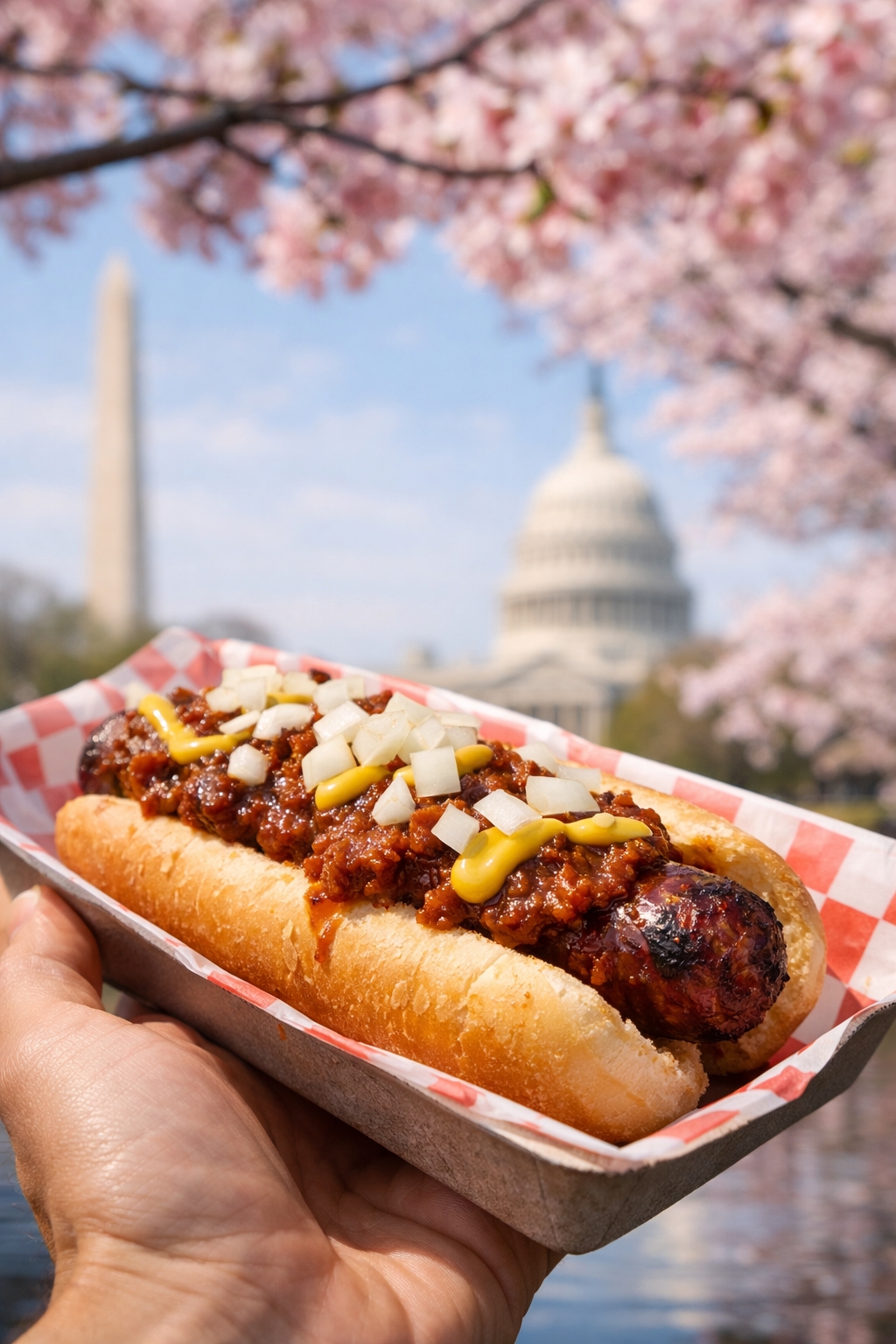
Washington DC’s Signature Foods: From Half‑Smokes to Cherry Blossom Specials
Washington DC may be the nation’s political capital, but it’s also a tapestry of culinary traditions shaped by history, immigration and seasonal celebration. Ask what food the District is known for and locals will proudly mention the half‑smoke, a spicy pork and beef sausage seared on a flat top and piled high with chili, mustard and onions. They’ll also point you toward tangy mumbo sauce, Ethiopian feasts served on spongy injera, Mid‑Atlantic crab cakes bursting with sweet lump meat, smoky Peruvian chicken and the cupcakes that made Georgetown famous. During spring, cherry blossom–inspired menus bloom across the city, offering visitors a timely way to taste these staples. This long‑form guide combines storytelling, history and practical tips so you can experience the dishes that define Washington DC now and for years to come.
Why DC’s Food Scene Matters in 2026
The 2026 National Cherry Blossom Festival runs from March 20 to April 12 and draws millions of visitors to the Tidal Basin. Restaurants across the region partner with the festival’s Cherry Picks program to offer seasonal cocktails, desserts and entrées. At the same time, new food halls, neighborhood markets and pop‑ups are adding fresh energy to a scene already rooted in decades‑old icons. The question “What food is Washington DC known for?” isn’t just academic; it’s the doorway to understanding the city’s history, culture and evolving tastes. Whether you’re planning a trip, relocating to the District or simply hungry for a sense of place, this guide will give you both the why and the where.
The Half‑Smoke: DC’s Most Iconic Bite
Ask any Washingtonian about DC’s signature food and the conversation almost always begins with the half‑smoke. While hot dogs are sausage, not all sausages are hot dogs; the half‑smoke is bigger, thicker and coarsely ground, usually blending pork and beef. Its origins remain murky—some say it’s named for its beef–pork ratio, others for the way the sausage is split and smoked—but there’s no debate about its place in the local diet.
A Brief History
The half‑smoke likely appeared in the 1930s as a heartier version of the hot dog. By the 1950s it was a common sight on U Street, often sold from corner stands near the Howard Theatre. When Ben’s Chili Bowl opened in 1958, the dish found its spiritual home. The landmark U Street restaurant has spent decades dishing out spicy pork and beef links seared on a flat top and served “all the way” with onions, mustard and chili. Presidents, celebrities and local residents have all perched on its stools to devour the messy, satisfying sandwich. During the civil rights era, Ben’s served as a safe gathering place when much of the city was under curfew. Its neon sign still glows over U Street today, a beacon to late‑night revelers and hungry tourists.
What Makes a Half‑Smoke Different
Unlike slender ballpark hot dogs, half‑smokes have a serious snap thanks to their thick casings and coarse grind. They’re often smoked before grilling, which adds a deeper flavor and a hint of char. The classic presentation includes chili (usually beanless), diced onions and yellow mustard; some vendors add cheese, relish or spicy pickled peppers. A bun is optional: some vendors hand over the sausage wrapped in foil, inviting you to eat it like a kebab. Others serve it on a plate with a fork and knife for scooping runaway chili. However you try it, keep napkins handy.
Where to Try It
While Ben’s Chili Bowl remains the most famous spot, the half‑smoke has inspired variations across the city. Here are a few places to explore:
- Ben’s Chili Bowl – The U Street landmark is synonymous with the half‑smoke. Sit at the counter and watch your sausage sizzle while reading the autographed photos on the wall. President Obama famously ordered his here. Ben’s Chili Bowl serves both original and vegetarian versions.
- HalfSmoke – A modern restaurant near Howard University that riffs on the classic with creative toppings, from beer cheese to pickled onions. They also serve craft cocktails and milkshakes in a lively setting. HalfSmoke offers brunch and live music on weekends.
- Meats & Foods – This tiny takeout joint in Bloomingdale makes its own sausages and lets you choose from veggie or meat chili and pickled peppers. It’s perfect for grabbing a half‑smoke to go before a picnic.
- DCity Smokehouse – Better known for barbecue, this Shaw spot tops its half‑smoke with brisket chili, mustard, onions and cheddar–jack cheese. The result is indulgent and smoky.
- Nationals Park – Baseball fans can munch on a half‑smoke while watching the Washington Nationals play. Vendors at the stadium offer the classic chili and mustard version.
DIY Half‑Smoke at Home
If you can’t make it to DC, you can order vacuum‑packed half‑smokes from local butchers or Ben’s online store. Grill or pan‑sear them until they blister, then top with your favorite chili and a smear of yellow mustard. Serve with coleslaw or potato chips for a true DC picnic.
Legend and Lore: The Name and Origins
The half‑smoke’s origin story is as flavorful as the sausage itself. Food historians trace its earliest appearance to the 1950s at Weenie Beenie, a roadside stand in Arlington, Virginia. The owner served a plump, spicy sausage that quickly became a breakfast favorite among workers and commuters. The name “half‑smoke” is surrounded by myth: some say it refers to the sausage’s composition—half beef, half pork—while others believe it describes the way the link is cut down the middle before grilling or the fact that the sausage is lightly smoked. Still others connect the name to the original manufacturer, Briggs & Company, which supplied sausages to Weenie Beenie and other vendors.
Whatever the etymology, the half‑smoke became a staple of working‑class breakfast sandwiches and late‑night snacks. Weenie Beenie’s success inspired other stands and diners to add it to their menus, and by the time Ben’s Chili Bowl opened in 1958 the sausage was ready for its close‑up. Ben’s popularized the half‑smoke with chili and mustard, helping it survive economic downturns and civil unrest. To this day locals debate whether a true half‑smoke must be halved or smoked, but everyone agrees that the sausage’s spicy, smoky flavor and sturdy casing distinguish it from a typical hot dog. The lore surrounding its name adds to its mystique and ensures that the half‑smoke remains more than a meal—it’s a story passed down with each bite.
Mumbo Sauce: DC’s Sweet‑Heat Condiment
For decades, Washingtonians have drizzled a reddish sauce over fried chicken wings, French fries and even fried rice. This is mumbo sauce (sometimes spelled mambo), a takeout condiment that originated in Washington DC. Similar to barbecue sauce but sweeter and spicier, it accompanies carry‑out staples across the city.
Origins and Controversy
The exact origins of mumbo sauce are disputed. Some credit its roots to Chicago in the 1950s; others argue it emerged from DC’s Chinese carry‑out joints in the late 1960s. Its ingredients vary but usually include ketchup, vinegar, sugar, hot sauce and spices. The sauce gained such a cult following that it sparked a trademark battle between a Chicago company and DC restaurateurs. In 2018 the debate entered the mayor’s office when DC’s mayor jokingly called it “annoying” and questioned its place in local culture. The backlash confirmed just how iconic the sauce has become.
How to Enjoy Mumbo Sauce
You’ll find mumbo sauce in carry‑out spots throughout DC, often served in small plastic tubs. It’s traditionally poured over:
- Fried chicken wings – The most popular pairing. The sticky, sweet‑heat sauce clings to crispy skin and juicy meat.
- French fries – Dip or drizzle; the vinegar tang cuts through the salty starch.
- Fried jumbo shrimp – The sauce’s sweetness plays well with briny seafood.
- Fried rice – Many Chinese carry‑outs serve mumbo sauce alongside their fried rice platters.
Though purists stick to wings and fries, locals also slather it on burgers, ribs and tofu. Some restaurants make their own version; others use bottled Capital City Mambo Sauce, a local brand that sells mild and sweet‑hot varieties. You can order bottles online from Capital City or pick them up in grocery stores.
Where to Find Mumbo Sauce
- Carry‑out Chinese restaurants – Stalwarts like Yum’s Carryout and Danny’s Carryout have been serving mumbo sauce with wings for decades. Ask for extra sauce on the side.
- Soul food spots – Some soul food restaurants, such as Henry’s Soul Café, offer mumbo sauce with fried catfish and wings.
- Food trucks – Keep an eye out for chicken wing trucks around the National Mall and H Street NE; many offer mumbo sauce as a condiment.
- Fast‑casual chains – A few national chains have introduced mumbo sauce–inspired menu items, and in 2023 McDonald’s released a limited‑time mumbo sauce nationwide.
A Sauce Worth Celebrating: National Mambo Sauce Day
Washington loves its mumbo sauce so much that it now has its own holiday. National Mambo Sauce Day is observed each year on October 16. The day honors the sauce’s impact on Washington DC’s food, music and culture. Festivities include a parade, live music and a variety of foods served with the sweet‑heat sauce. Restaurants and businesses use the occasion to promote their versions of the condiment and to educate newcomers about its unique flavor profile.
The holiday was founded in 2025 by Tone P, a DC native and president of the nonprofit GOGO Global. Tone P created the day to celebrate this distinctive sauce and recognize its cultural influence. In 2026 the first full festival will take place on Saturday, October 17, coinciding with the official observance. Expect live go‑go bands, tasting booths and cooking demonstrations that showcase how mumbo sauce pairs with wings, ribs, tofu and more. If you’re in town mid‑October, it’s the perfect opportunity to experience DC’s culinary pride in party form.
Ethiopian Cuisine: Little Ethiopia and Beyond
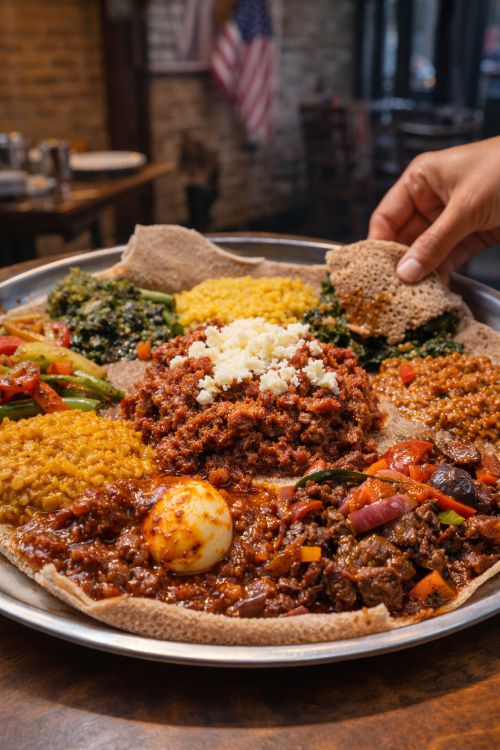
Washington DC is home to the largest Ethiopian population in the United States. Following political upheaval and the overthrow of Emperor Haile Selassie in 1974, many Ethiopians settled in the District because of affordable rents and a welcoming immigrant community. As they built new lives, they introduced the city to the flavors of injera, berbere and spiced stews. Neighborhoods such as Adams Morgan and Shaw became known collectively as “Little Ethiopia.”
The Foundations: Injera and Shared Plates
Ethiopian meals are communal. Diners gather around a large platter lined with injera, a tangy, slightly spongy flatbread made from fermented teff flour. Injera doubles as plate and utensil; you tear pieces to scoop up richly spiced stews and salads. The best injera is airy and freckled with tiny holes, sometimes called eyes. It’s gluten‑free and high in iron.
Common dishes include:
- Doro Wot – A spicy chicken stew simmered with berbere (a chili and spice blend), onions and niter kibbeh (spiced clarified butter).
- Kitfo – Minced beef seasoned with mitmita (a hot chili powder) and warmed in spiced butter. You can order it tere (raw), leb leb (lightly cooked) or fully cooked.
- Tibs – Cubes of sautéed beef or lamb cooked with onions, peppers and a splash of awaze sauce.
- Shiro – A silky stew of powdered chickpeas simmered with onions, garlic and berbere. It’s often part of vegetarian combination platters during fasting periods when Orthodox Christians abstain from meat and dairy.
- Gomen Besiga – Collard greens sautéed with beef and spices.
- Timatim Salad – A refreshing mix of diced tomatoes, onions and jalapeños dressed in lemon juice and olive oil.
Where to Savor Ethiopian Food
DC’s Ethiopian restaurants range from humble carry‑outs to white‑tablecloth dining rooms. Many are clustered along 9th Street NW between U and T Streets—an area once packed with dozens of Ethiopian businesses. While rising rents have pushed some restaurants to the suburbs, the District still offers excellent options:
- Beteseb Restaurant – Located just outside the District in Silver Spring, this casual spot serves a vivid vegetable combination platter that includes shiro, collard greens and salad. The walls are decorated with Addis Ababa silhouettes and Ethiopian baskets. Beteseb Restaurant.
- CherCher Ethiopian Cuisine – A small, homey dining room in Shaw known for its tender lamb tibs and vegetarian sampler. The injera here has a balanced tang. Visit CherCher.
- Ethiopic Restaurant – In the H Street Corridor, Ethiopic offers an elegant atmosphere, extensive wine list and dishes like Derek Tibs (crispy pan‑fried beef) and Asa Tibs (pan‑fried tilapia). Ethiopic Restaurant.
- Etete – A modern dining room in Shaw that was among the first Ethiopian restaurants to gain citywide acclaim. Their kitfo is generously seasoned and served with house‑made cheese and greens. Etete.
- Little Ethiopia Food Tours – Several tour companies offer guided walks through neighborhoods with Ethiopian bakeries, spice markets and restaurants, providing context on history and migration. A great way to sample multiple dishes.
Vegetarian and Vegan Delights
Ethiopian cuisine is especially friendly to vegetarians and vegans. Fasting periods observed by Orthodox Christians mean that many dishes omit meat, eggs and dairy for much of the year. Try a Beyaynetu, a combination platter of stews such as misir wot (lentils), kik alicha (split peas) and gomen (greens) arranged like a colorful painter’s palette. The variety of textures and flavors will convert anyone who thinks vegan food is boring.
Injera: Nutrition and Tradition
While injera is the base of Ethiopian meals, it’s also a nutritional powerhouse. Traditional injera is made from teff, an ancient Ethiopian grain, and may incorporate barley and wheat or be made with 100 percent teff for a gluten‑free option. The batter is fermented, giving the bread its tangy flavor and spongy texture. Injera’s porous surface soaks up sauces and stews, acting as both platter and utensil. Sharing from a common injera encourages communal dining and symbolizes unity and friendship. Nutritionally, injera is high in fiber, iron and calcium, making it as wholesome as it is delicious.
The Ethiopian Coffee Ceremony
No exploration of Ethiopian culture is complete without the traditional coffee ceremony, a ritual that turns brewing into theater. The ceremony can last two hours, engaging all senses as green coffee beans are roasted over a charcoal brazier, hand‑ground with a mortar and brewed in a clay pot called a jebena. Incense burns in the background while participants chat about daily life. The ceremony is less about caffeine and more about hospitality and community. In Washington DC, many Ethiopian restaurants and cafés offer abbreviated versions of the ceremony; some serve small cups of rich coffee alongside popcorn or roasted barley. Attending one allows visitors to slow down, savor the aromas and appreciate the cultural significance behind each sip.
Beyond Little Ethiopia: Exploring DC’s Ethiopian Neighborhoods
Although U Street and Shaw are known as the heart of Little Ethiopia, Ethiopian eateries have spread across the District and into the suburbs. In Adams Morgan, you’ll find mom‑and‑pop restaurants next to cocktail bars. Silver Spring and Alexandria host thriving Ethiopian communities where bakeries sell fresh injera by the stack and markets stock berbere spice blends and Ethiopian coffee beans. Attend cultural events such as the Ethiopian New Year (Enkutatash) celebrations in September or church bazaars that feature traditional music and dancing. These neighborhoods demonstrate how Ethiopian immigrants have built new homes in Washington while preserving the tastes and rituals of their homeland.
Chesapeake Cravings: Crab Cakes and Seafood
Though Maryland often claims blue crabs as its culinary emblem, Washington DC sits on the same Chesapeake watershed. Locals flock to seafood restaurants for plump crab cakes that highlight the sweetness of jumbo lump meat. When done properly, crab cakes are among the most splurge‑worthy delicacies the Chesapeake Bay has to offer. Harvested Maryland blue crabs are at their biggest and plumpest starting in September, making fall an ideal time to sample them.
The Art of the Crab Cake
The best crab cakes emphasize the seafood itself, binding the meat with as little filler as possible. Seasonings typically include Old Bay, parsley, lemon juice and a touch of mayonnaise or cracker crumbs. Cooking methods vary: cakes can be broiled for a delicate crust, pan‑fried in butter for extra richness or deep‑fried for a crisp exterior. They may be served as a standalone entrée with sides like coleslaw and fries or tucked into a sandwich with lettuce and tomato. At brunch, crab cakes may top eggs Benedict.
Where to Eat Crab Cakes
- Blacksalt – An upscale tavern in the Palisades that sources fresh crab from its on‑site fish market. Its crab cake entrée comes with corn, okra and roasted red pepper relish. Blacksalt.
- Crisfield Seafood Restaurant – Open since 1945, this Silver Spring classic serves crab cake sandwiches or platters broiled or fried. The diner‑style décor hasn’t changed much in decades. Crisfield Seafood.
- Glover Park Grill – A neighborhood spot that serves a crab cake sandwich bound together with a light cracker binder and lemon and chives. Choose tartar or cocktail sauce on the side. Glover Park Grill.
- Rappahannock Oyster Bar – At the Wharf, this airy restaurant serves crab cakes built from sweet Virginia and Maryland meat. Pair yours with an oyster shooter and waterfront views. >Rappahannock Oyster Bar.
- Founding Farmers – This farm‑to‑table group offers crab cake Benedict at brunch and crab cake burgers at lunch. Locations near the National Mall make it a convenient stop during sightseeing. Founding Farmers.
Soft‑Shell Crabs, Oysters and Sustainability
While crab cakes are beloved, the Chesapeake Bay offers many other treasures. Soft‑shell crabs, harvested when blue crabs molt their hard shells, are a spring delicacy. Chefs lightly batter and pan‑fry the entire crab so that every part—from claws to body—is edible. Sandwiches filled with crispy soft‑shells and slices of tomato and lettuce appear on menus from late April through early July.
The bay’s briny oysters are another treat. Look for varieties like Rappahannock, Choptank Sweets and Olde Salt, each reflecting the salinity and minerals of its tidal home. Raw bars pair oysters with mignonette or hot sauce, while steakhouses bake them with butter and herbs.
Sustainability has become central to the region’s seafood industry. Many restaurants highlight partnerships with local fishermen and oyster farmers who practice sustainable harvesting and reef restoration. Ask servers about sourcing; supporting environmentally responsible fisheries helps ensure that future generations can enjoy Maryland blue crabs, oysters and rockfish.
Beyond the Cake: Other Chesapeake Treats
Don’t stop at crab cakes. Soft‑shell crabs (typically available April through early July) are battered and fried whole for sandwiches. Crab soup, either creamy or tomato‑based, appears on many menus. Oysters from the nearby Rappahannock and Choptank rivers are briny and best eaten on the half shell with mignonette. And if you’re visiting in fall, look for steamed blue crabs dusted with Old Bay—an iconic bucket‑list feast.
Peruvian Chicken: Pollo a la Brasa Takes Flight
Peruvian chicken may not have originated in DC, but it has found fertile ground here. The D.C. area is spoiled for choice; most spots marinate the bird for 24 hours in garlic, black pepper, cumin and paprika before roasting it whole over charcoal. This technique yields smoky skin and juicy meat. Customers often choose between two sauces—one made with Peruvian aji amarillo and another with jalapeño—plus sides like yucca fries, coleslaw, rice and black beans.
How It Became a Local Staple
Washington’s large Latin American population and love of quick, affordable meals created the perfect conditions for pollo a la brasa. Starting in the 1990s, restaurants such as El Pollo Rico and Chicken Rico served the charcoal‑roasted birds to lines of hungry diners. Food critics praised the smoky flavor and crisp skin. Soon the dish spread to suburban strip malls and big‑box food courts. Today you can find Peruvian chicken in almost every neighborhood.
From Peru to the DMV: Origins of Pollo a la Brasa
Pollo a la brasa may be ubiquitous in Washington today, but its story begins halfway around the world. Around 1950, Swiss immigrant Roger Schuler settled in Chaclacayo, Peru, and experimented with seasoning chicken with salt and cooking it slowly over charcoal. He later partnered with friend Franz Ulrich, who built a rotating roasting machine nicknamed el rotombo, allowing multiple birds to cook evenly over an open fire. Chefs soon added herbs and spices such as rosemary, huacatay (Peruvian black mint), ají panca, pepper and cumin to the brine, creating the aromatic flavor profile we recognize today.
In 2004 the Peruvian government declared pollo a la brasa part of the nation’s Cultural Heritage, recognizing its significance to Peruvian identity. Peru even celebrates Pollo a la Brasa Day on the third Sunday of July. When immigrants introduced the dish to the Washington area, the capital embraced it. The combination of juicy, spice‑rubbed chicken and crave‑worthy sauces resonated with diners seeking affordable, flavorful meals. Today, many DC restaurants roast their birds on gas‑powered rotisseries instead of charcoal, but the core technique—marinate, rotate, serve with aji sauce—remains faithful to its Andean roots.
Where to Satisfy Your Craving
- El Pollo Rico – This no‑frills Arlington institution pioneered pollo a la brasa in the region and still draws crowds. A quarter, half or whole chicken comes with fries, cole slaw and addictive green sauce. El Pollo Rico.
- Chicken Rico – Located near Union Station, this branch of a Maryland‑based chain offers tender birds with your choice of rice and beans or crispy yucca. Chicken Rico.
- Chix – A modern eatery near U Street that sources free‑range birds and offers sides like plantains and quinoa salad. Their spicy rocoto sauce packs a punch. Chix.
- Del Campo – Once a wood‑fired Peruvian grill in downtown DC, Del Campo has returned as a pop‑up and catering brand offering whole chickens and Peruvian barbecue. Del Campo.
- Crisp & Juicy – With locations in DC and Maryland, this mini‑chain serves pollo a la brasa alongside fresh juices and salads. Crisp & Juicy.
Sides and Sauces
The sauces are as important as the chicken. Aji verde, a bright green sauce made with cilantro, jalapeño and mayonnaise, adds herbaceous heat. Aji amarillo sauce is fruity and medium‑hot, while huacatay sauce incorporates Peruvian black mint. Don’t skip the sides: yucca fries are crisp on the outside and creamy inside, and tangy slaw balances the richness of the meat. Some restaurants offer arroz chaufa (Peruvian fried rice) or beans cooked with smoky ham hocks.
Georgetown Cupcakes and Sweet Success
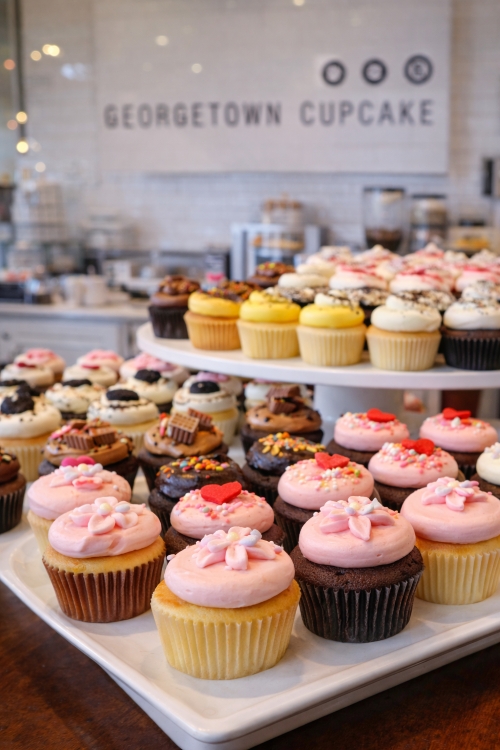
In the early 2000s a sugary uprising quietly took place in Georgetown. Two sisters opened a small bakery, Georgetown Cupcake, that would eventually star in the TLC show DC Cupcakes. The seemingly humble treat became synonymous with the neighborhood’s culinary identity, capturing the palates and hearts of locals and visitors. Soon lines wrapped around the block, and national media crowned cupcakes the dessert of the decade.
A Brief Timeline
2008 – Sisters Katherine Berman and Sophie LaMontagne leave corporate careers to open Georgetown Cupcake. Their original red velvet cupcakes—topped with cream cheese frosting and a fondant heart—become instant hits.
2010 – TLC debuts DC Cupcakes, a reality show following the sisters as they juggle demand, design elaborate custom orders and open new locations. The show gives viewers a behind‑the‑scenes look at the bakery and introduces the world to Washington’s cupcake craze.
2011–2015 – Cupcake shops pop up around the country. Georgetown Cupcake expands to Boston, Los Angeles and New York. Rival bakeries in DC, such as Baked & Wired and Sprinkles, gain devoted followings.
2020s – The cupcake craze mellows, but the bakery remains a tourist destination. Its menu now features over 100 flavors, from lemon blossom and salted caramel to vegan apple cinnamon. Special seasonal flavors include cherry blossom cupcakes with pink buttercream and edible flowers during the festival.
Building an Empire: The Georgetown Cupcake Story
Georgetown Cupcake’s meteoric rise began on Valentine’s Day 2008 when sisters Katherine Berman and Sophie LaMontagne opened their first store in Georgetown. They left steady corporate jobs and maxed out credit cards during a recession to pursue their grandmother’s baking recipes. The gamble paid off: by 2010 the shop was producing up to 25,000 cupcakes daily and shipping millions across the country. Using premium ingredients like Madagascar vanilla and high‑quality butter, the sisters maintained consistent quality even as cupcake fads came and went.
The bakery’s popularity skyrocketed with the debut of TLC’s DC Cupcakes, which turned the sisters into reality‑TV stars and best‑selling authors. Viewers tuned in to watch them design towering displays for weddings and celebrity events, while fans lined up around the block to taste signature flavors like red velvet and chocolate ganache. Georgetown Cupcake expanded to locations in Boston, Los Angeles and New York, but its original Georgetown flagship remains a pilgrimage site for dessert lovers. The sisters continue to innovate with seasonal flavors, vegan and gluten‑free options, and philanthropic partnerships—all while staying true to the family recipes that started it all.
Cupcake Tourism and Dessert Tours
Cupcake fever spawned an entire cottage industry of dessert tours. Guided walking tours through Georgetown and Dupont Circle introduce visitors to multiple bakeries and chocolate shops, weaving history and architecture with sweet samples. Tour guides share stories about how the cupcake craze influenced DC’s food culture and point out landmarks from TLC’s show. After savoring a half‑smoke and mumbo sauce, ending your day with a guided tasting of cupcakes, macarons and ice cream is a delightful way to experience the District’s sweet side.
More Than Just Cupcakes
Cupcakes may have put Georgetown on the dessert map, but the neighborhood’s sweet offerings extend far beyond. Artisanal bakeries produce macarons, pies and cookies. Baked & Wired sells decadent brownies and quirky “uniporns” (unicorn‑themed cupcakes). Thomas Sweet churns homemade ice cream. Pie Sisters bakes deep‑dish pies like bourbon chocolate pecan. You’ll also find imported chocolates, gelato and French pastries along M Street and Wisconsin Avenue. For a guided experience, join a Georgetown cupcake and dessert tour that includes tastings and historical tidbits.
Visiting Tips
- Go early – Lines at Georgetown Cupcake form before opening. Arrive when the bakery opens or visit mid‑afternoon.
- Preorder online – Reserve your dozen in advance to skip the line and ensure your favorite flavors are available. Georgetown Cupcake ships nationwide.
- Explore beyond cupcakes – Sample macarons, artisan chocolates and pies at nearby shops. Pair your sweets with a stroll along the C&O Canal.
- Check for specials – During Cherry Blossom Festival, look for cherry blossom cupcakes and pink‑themed treats. In December, the bakery sells holiday assortments and hosts gingerbread decorating events.
Seasonal & Trending: Cherry Blossom Eats and More
Every spring, Washington’s cherry blossoms transform the city into a pastel dream. Alongside the blooms come special menus and themed bites that blend local cuisine with Japanese‑inspired flavors. Restaurants participating in the National Cherry Blossom Festival’s Cherry Picks program craft cocktails like Sakura Spring and Another Trip Around the Sun, beet ravioli shaped like petals, and Chesapeake rockfish fillets. Here’s how to make the most of seasonal and emerging trends.
Cherry Blossom Specialties
- Sakura cocktails – Many bars shake up pink drinks featuring cherry blossom syrup, sake or rosé. Jinya Ramen Bar offers the Sakura Spring cocktail, while The Dish & Dram pours the Another Trip Around the Sun.
- Cherry blossom desserts – Look for sakura mochi, cherry blossom macarons and sakura cheesecake on dessert menus. The Daily Dish Libations serves cherry blossom–inspired sweets like beet ravioli and Green Apple Salmon.
- Seasonal seafood – Spring coincides with the tail end of oyster season and the start of soft‑shell crab season. Restaurants pair these ingredients with cherry blossom–themed sauces and garnishes.
- Festival events – Beyond Cherry Picks, the festival hosts a Pink Tie Party, Blossom Kite Festival and Petalpalooza®; many include food trucks and pop‑up bars. Check the official festival schedule at National Cherry Blossom Festival.
Other Seasonal Highlights
- Summer farmers markets – Eastern Market and Dupont Circle Farmers Market brim with heirloom tomatoes, peaches, sweet corn and local cheeses. Grab a breakfast sandwich and browse crafts.
- Fall harvests – September brings peak crab season, pumpkin‑spiced everything and festivals like Taste of DC. Apple picking in nearby Maryland and Virginia makes for a lovely day trip.
- Winter comfort food – Cold weather calls for chili (don’t forget to add half‑smokes), warm injera platters and steaming bowls of ramen. Restaurants roll out holiday menus and rooftop igloos with seasonal cocktails.
Food Events and Restaurant Weeks
Washington’s culinary calendar is packed with events that offer value and variety for locals and visitors alike. The city’s Restaurant Week program, organized by the Restaurant Association Metropolitan Washington, happens twice a year—in January and August—and invites diners to sample multi‑course menus at fixed prices. During Winter Restaurant Week 2026, scheduled for January 19–25, participating restaurants will offer three‑course brunch, lunch and dinner menus that include optional cocktail or wine pairings. Diners can browse the list of participating restaurants and reserve tables through the festival website. It’s an excellent way to experience new dining rooms and revisit old favorites without breaking the bank.
In summer, the excitement shifts outdoors. Summer Restaurant Week typically falls in August, coinciding with peak tourism season. Restaurants roll out chilled soups, tomato salads and grilled seafood specials to beat the heat. Food trucks participate too, offering prix‑fixe meals at pop‑up markets.
Other annual events include the H Street Festival in September, where dozens of food vendors line the corridor alongside live bands and art installations; the Giant National Capital Barbecue Battle, a June street festival that brings pitmasters to Pennsylvania Avenue; and celebrations of Pollo a la Brasa Day in July, when Peruvian restaurants offer discounts and tastings in honor of the charcoal‑roasted chicken. As of 2025, DC also marks National Mambo Sauce Day in October with a parade and concerts celebrating the sauce’s cultural impact. Checking the city’s events calendar before your trip ensures you catch these delicious festivities.
Planning Your Culinary Tour of DC
Washington DC’s food scene is best explored by neighborhood. Use this guide to structure your itinerary around taste and time of year.
Neighborhood Highlights
| Neighborhood | Highlights | Seasonal Tip |
|---|---|---|
| U Street / Shaw | Ben’s Chili Bowl, HalfSmoke, DCity Smokehouse, Ethiopian restaurants like CherCher and Etete | Visit in the evening for live music and late‑night bites. |
| Adams Morgan | A mix of Ethiopian spots, Latin restaurants and late‑night pizza | Stroll 18th Street after brunch for vintage shopping. |
| Georgetown | Cupcake shops, cafés, waterfront dining | Pair desserts with a morning walk along the canal; avoid weekend traffic. |
| The Wharf / Southwest | Rappahannock Oyster Bar, seafood markets, food halls | Catch a sunset concert and dine by the water. |
| H Street NE | Ethiopic Restaurant, ramen bars, cocktail lounges | Explore the street’s thriving arts and nightlife scene. |
| Rockville / Silver Spring (MD) | Beteseb Restaurant, Terra Gaucha, Crisp & Juicy | Great for exploring Ethiopian food and Cherry Picks participants. |
| Arlington / Alexandria (VA) | El Pollo Rico, Del Campo pop‑ups, waterfront seafood | Combine visits with trips to Old Town Alexandria or the Pentagon. |
| Petworth / Columbia Heights | Jamaican & Caribbean restaurants, Salvadoran pupuserias, farmers markets | Visit on weekends for live music and open‑air markets. |
Tips for Food Lovers
- Time your visit – Plan around seasons. For half‑smokes and outdoor food trucks, spring through fall is ideal. Crab lovers should aim for September and October. If you’re chasing cherry blossom menus, come in late March or early April.
- Use public transit – DC’s Metro and buses make it easy to hop between neighborhoods. Parking is scarce in areas like Georgetown, so ride‑share or rent a bike.
- Mix high and low – Pair iconic dives like Ben’s Chili Bowl with fine‑dining experiences at Blacksalt or Etete. The range of price points is part of what makes DC’s food scene accessible.
- Reserve ahead – Popular restaurants fill up quickly during festivals and weekends. Make reservations where possible, especially for large groups.
- Stay hydrated – DC summers are humid. Carry water and take advantage of the city’s many cafés and juice bars.
- Explore markets – Eastern Market, Union Market and the Smithsonian’s farmers market offer tastes from local vendors; they’re perfect for sampling without committing to a full meal.
Other Notable DC Flavors
While half‑smokes, mumbo sauce and crab cakes dominate the conversation, Washington DC’s culinary landscape is far more diverse. Here are a few additional flavors worth exploring:
- Go‑Go Music & Food – DC’s go‑go music scene has its own culinary culture. Head to street festivals where bands perform and vendors sell pit beef sandwiches, smoked turkey legs and funnel cakes. The energy is infectious.
- Korean BBQ – Suburban neighborhoods like Annandale (VA) house vibrant Korean communities. Restaurants offer tabletop grills, marinated bulgogi and endless banchan. Pair your meal with a visit to a Korean spa for a full day of relaxation.
- Jamaican & Caribbean – Adams Morgan and Petworth have excellent Caribbean spots serving jerk chicken, oxtail stew and patties. Don’t miss the rum punch.
- Southeast Asian – Little Saigon in Eden Center (Falls Church, VA) is a hub for Vietnamese cuisine—pho, banh mi and bubble tea. Thai and Cambodian restaurants across the District deliver aromatic curries and noodle soups.
- Latin American – Beyond Peruvian chicken, you’ll find pupusas from El Salvador, arepas from Venezuela, and empanadas from Argentina. Food trucks around 14th Street NW and Columbia Heights serve tacos, tamales and churros.
- Artisanal coffee and cocktails – DC’s café scene is booming. Try Compass Coffee, La Colombe or Swing’s Coffee Roasters for locally roasted beans. Cocktails at bars like Columbia Room and Silver Lyan showcase regional spirits and botanical ingredients.
- Vegetarian innovations – Plant‑based diners aren’t left out. Fare Well in Northeast serves vegan comfort food, while PLNT Burger (in Whole Foods stores) offers plant‑based burgers and soft‑serve. Many Ethiopian and Indian restaurants also have expansive vegetarian menus.
Frequently Asked Questions
What food is Washington DC most famous for? The half‑smoke—a spicy sausage made of pork and beef, grilled and topped with chili, mustard and onions—is widely considered DC’s signature dish.
What does mumbo sauce taste like? Mumbo sauce is a sweet, tangy and mildly spicy condiment similar to barbecue sauce. It’s often poured over fried chicken wings, fries and shrimp.
When is the best time to eat crab in Washington DC? Crab cakes are available year‑round, but blue crabs are plumpest starting in September. Soft‑shell crabs appear in spring.
Why is Ethiopian food so popular in DC? The DC area hosts the largest Ethiopian population in the United States. Immigrants brought their cuisine, introducing locals to injera and richly spiced stews.
Where can I try Peruvian chicken in DC? Restaurants like El Pollo Rico, Chicken Rico, Chix and Crisp & Juicy marinate and roast chickens over charcoal, serving them with aji sauces and sides.
Are there vegetarian‑friendly DC specialties? Yes. Ethiopian restaurants offer plentiful vegan and vegetarian platters. Many Peruvian chicken spots serve salads and beans, and several plant‑based eateries specialize in vegan comfort food.
What foods should I look for during the Cherry Blossom Festival? Try cherry blossom–themed cocktails, desserts like sakura mochi and beet ravioli, and seafood specials offered by Cherry Picks restaurants.
Which neighborhood is best for food in DC? U Street and Shaw offer the most iconic bites—half‑smokes, Ethiopian dishes and soul food—while Georgetown excels at desserts and waterfront dining. The Wharf is great for seafood and sunsets. Explore multiple areas for a complete experience.
What is National Mambo Sauce Day? National Mambo Sauce Day is observed every October 16 to celebrate DC’s iconic sweet‑spicy sauce and its cultural influence. Events include parades, live music and foods served with the sauce.
Where can I experience an Ethiopian coffee ceremony in DC? Several Ethiopian restaurants in DC and nearby Maryland offer abbreviated versions of the traditional coffee ceremony; look for cafés that roast beans tableside and serve small cups of coffee with popcorn or roasted barley.
What is the origin of the half‑smoke’s name? The name likely refers to the sausage’s half‑beef, half‑pork composition or the practice of splitting the link down the middle and lightly smoking it. Half‑smokes first gained popularity at stands like Weenie Beenie before Ben’s Chili Bowl helped them become a DC icon.
Closing Thoughts
From smoky half‑smokes and tangy mumbo sauce to elegant Ethiopian platters and sweet Georgetown cupcakes, Washington DC’s culinary identity is as multifaceted as its history. The city’s signature foods tell stories of migration, resilience and creativity, reflecting the communities that call the District home. Whether you’re visiting during cherry blossom season to sip sakura cocktails, cheering at Nationals Park with a half‑smoke in hand, or wandering through Little Ethiopia on a crisp fall evening, the District invites you to taste its past and present. To make your stay even more memorable, consider booking a room at The Hotel Washington, the closest hotel to the White House and positioned at the edge of the White House Lawn. Its central location lets you explore these culinary treasures with ease while enjoying luxurious accommodations at The Hotel Washington
Read other posts