Washington DC Beyond Museums and Monuments
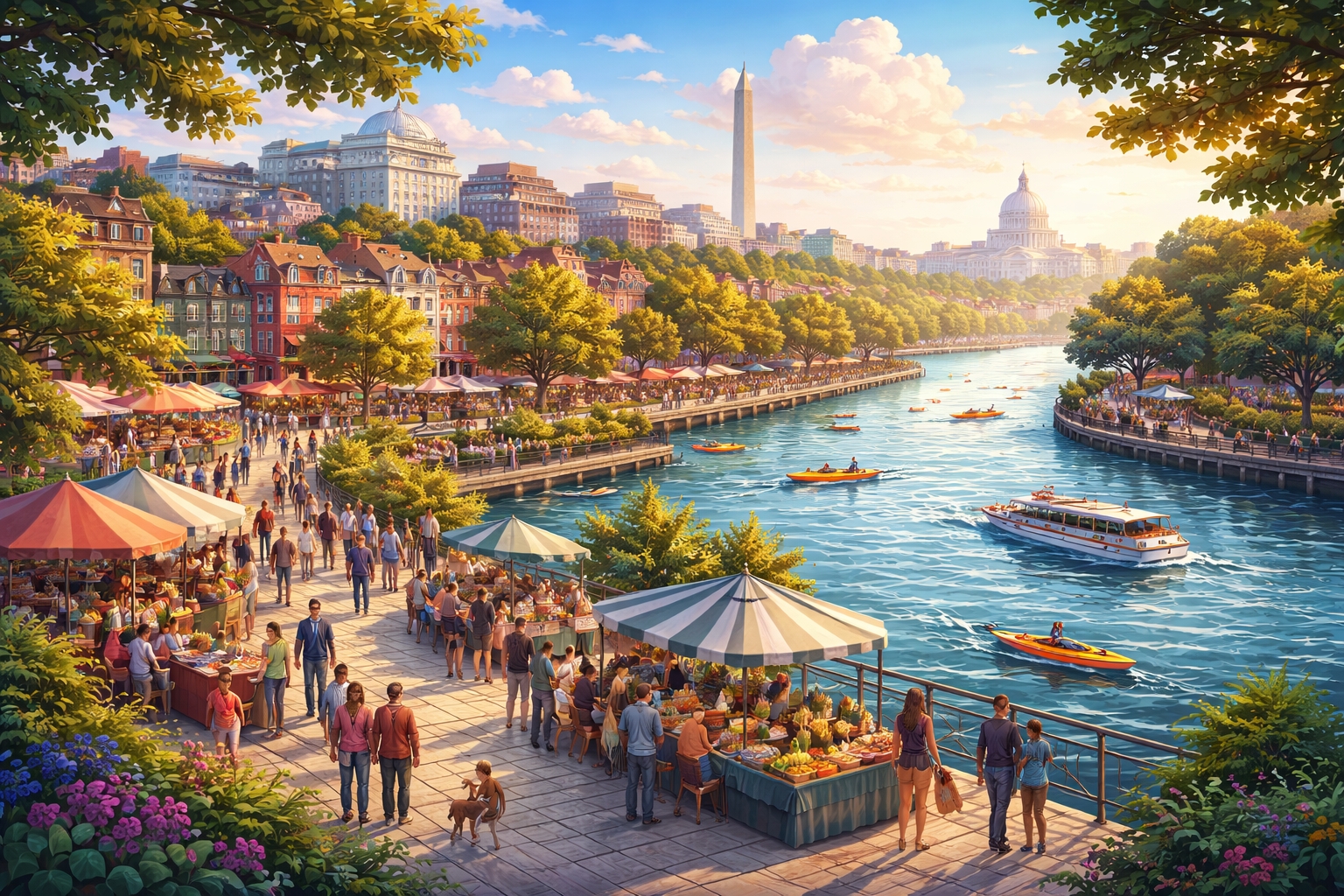
Washington DC is synonymous with marble memorials and world‑class museums, yet the city’s most authentic experiences lie off the National Mall. Beyond the famous monuments there is a living capital filled with vibrant neighborhoods, leafy parks, markets brimming with local flavor, live music venues and riverfront promenades. This comprehensive guide explores Washington DC beyond its museums and monuments, revealing local culture, outdoor adventures, culinary treasures, performing arts hubs, hidden museums, waterfront recreation, day trips and seasonal festivals. Whether you’re a first‑time visitor or a resident seeking new adventures, this long‑form post invites you to explore the capital like a local and discover the places that make the city dynamic and diverse.
Neighborhoods and Local Culture
Washington DC’s soul resides in its neighborhoods. Each district offers a distinct personality shaped by history, architecture and cultural heritage. Walking beyond the National Mall reveals nightlife corridors, tree‑lined streets lined with embassies, jazz clubs steeped in African‑American history, waterfront promenades and historic markets. This section meanders through the capital’s most compelling neighborhoods, explaining what makes each place unique and how to experience them like a local.
Adams Morgan – where global flavors meet a vibrant nightlife
Colorful murals and the smell of international cuisine announce your arrival in Adams Morgan. This northwest neighborhood has long been a melting pot, blending influences from around the world. Along 18th Street, eclectic restaurants, late‑night bars and live music venues draw crowds. The area hosts the annual Adams Morgan Day Festival, a street party celebrating the neighborhood’s diversity. Adams Morgan is also home to independent bookstores, vintage shops and rooftop lounges with views toward downtown. Visit on a Saturday night to hear go‑go funk or reggae echoing from clubs, or stop by during the day to sample Ethiopian injera, Latin American arepas or vegetarian fare from small eateries. The neighborhood’s bohemian vibe offers a lively contrast to the formality of the Mall.
Highlights in Adams Morgan
-
Late‑night entertainment: Bars and clubs on 18th Street keep the party going well past midnight. Go‑go music and DJ sets showcase the city’s homegrown rhythms.
-
Global dining: From Ethiopian and Eritrean restaurants to taco joints and Middle Eastern cafés, the neighborhood’s food scene reflects its diverse community.
-
Street festivals: The annual Adams Morgan Day Festival brings live music, arts and food to the streets.
-
Murals and galleries: Bright murals decorate alleyways, and small galleries showcase local artists.
Dupont Circle – embassies, mansions and a modern art gem
Dupont Circle exudes European elegance with tree‑lined avenues, ornate row houses and foreign embassies. This neighborhood grew during the Gilded Age, when wealthy families built lavish mansions. Today those stately homes house diplomatic missions, nonprofit headquarters and think‑tanks. At the heart of the neighborhood lies the Phillips Collection, America’s first museum of modern art. Its intimate galleries display paintings by Renoir, Rothko and O’Keeffe. Dupont Circle also hosts a popular Sunday farmers market, where locals shop for fresh produce and artisanal goods. Cafés spill onto sidewalks, bookstores invite browsing, and the fountain at the center of the circle provides a place to relax and people‑watch.
Highlights in Dupont Circle
-
Historic mansions and embassies: Walking tours reveal opulent row houses and embassy buildings along Massachusetts Avenue.
-
Modern art at the Phillips Collection: America’s first museum of modern art features works by Renoir and Rothko.
-
Dupont Circle Farmers Market: On Sundays the market offers produce, cheeses and baked goods from regional farms.
-
Cafés and bookstores: Independent cafés and bookstores, such as Kramerbooks & Afterwords, encourage lingering.
U Street Corridor – jazz heritage and contemporary culture
The U Street corridor pulses with African‑American history. Once known as “Black Broadway,” it nurtured the talents of Duke Ellington and hosted icons from Ella Fitzgerald to Langston Hughes. Today the neighborhood honors that legacy with vibrant murals, the African American Civil War Memorial & Museum and the restored Howard Theatre. Along the corridor you’ll find jazz clubs, go‑go venues and hip restaurants. Craft cocktail bars sit beside soul food diners and Ethiopian cafes. Vintage shops and galleries line 14th Street, adding a creative vibe. Live music still defines U Street, whether you’re dancing to go‑go at the Howard Theatre or catching a contemporary jazz ensemble at one of the smaller clubs.
Highlights in the U Street Corridor
-
Howard Theatre: This historic theater hosts concerts spanning jazz, funk and R&B.
-
African American Civil War Memorial & Museum: A memorial and museum that honors the service of United States Colored Troops.
-
Go‑go and jazz clubs: Venues like Marvin and the Velvet Lounge keep the local sound alive.
-
Vibrant dining scene: Try Ethiopian injera, soul food or modern American cuisine along U Street and 14th Street.
Georgetown – cobblestones, canals and waterfront dining
Founded decades before Washington itself, Georgetown is DC’s oldest neighborhood. Its cobblestone streets and restored row houses evoke the 18th century. The neighborhood developed as a shipping port along the C&O Canal; today visitors can stroll the towpath or take a canal boat ride. The Old Stone House is the district’s oldest standing home, while Georgetown University’s Gothic spires punctuate the skyline. Upscale boutiques, independent bookstores and cafés line M Street and Wisconsin Avenue. At the waterfront, restaurants like Farmers Fishers Bakers offer views across the Potomac. Whether you’re exploring historic homes, shopping for designer goods or kayaking on the canal, Georgetown blends history with modern comfort.
Highlights in Georgetown
-
C&O Canal & Old Stone House: Walk along the historic canal or tour the oldest house in Washington.
-
Shopping on M Street: Boutiques, national retailers and artisanal shops sell everything from fashion to home goods.
-
Waterfront dining: Restaurants along the waterfront provide river views and seafood options.
-
Georgetown University: Stroll through the campus to admire Gothic architecture and tree‑lined quadrangles.
H Street NE – artistic energy and community spirit
Once a neglected corridor, H Street NE has become one of DC’s trendiest neighborhoods. Its rebirth is tied to the Atlas Performing Arts Center, which anchors a district of music venues and cultural spaces. The street is lined with international restaurants serving ramen, Ethiopian stews and craft cocktails. Murals and street art brighten the façades, and the annual H Street Festival celebrates the neighborhood’s creativity. A free streetcar links the corridor to Union Station, making exploration easy. By night H Street’s bars buzz with live music and dancing; by day families browse record stores and independent shops.
Highlights in H Street NE
-
Atlas Performing Arts Center: This restored 1930s theater hosts plays, concerts and film screenings.
-
International dining: Choose from ramen shops, ramen bars, Ethiopian restaurants and craft cocktail lounges.
-
H Street Festival: A massive street festival featuring music, art and food.
-
Streetcar shuttle: Ride the free H Street/Benning Road streetcar for easy access.
Capitol Hill – civic grandeur and community markets
Home to the United States Capitol, Supreme Court and Library of Congress, Capitol Hill embodies American democracy. Yet beyond the iconic dome lies a residential neighborhood with leafy streets and 19th‑century row houses. Visitors can tour the U.S. Capitol, browse priceless volumes at the Library of Congress and admire the glass domes of the United States Botanic Garden. Eastern Market, a 152‑year‑old market in the heart of the neighborhood, remains a hub for fresh produce, meats and handmade crafts. Nearby Barracks Row offers restaurants and boutiques housed in restored buildings. Capitol Hill feels simultaneously monumental and intimate, with local shops and community gardens nestled among national institutions.
Highlights in Capitol Hill
-
U.S. Capitol and Library of Congress: Tour the Capitol and explore the stunning Library of Congress.
-
United States Botanic Garden: Stroll through greenhouses and outdoor gardens showcasing plants from around the world.
-
Eastern Market: Shop for fresh food and crafts at this historic market.
-
Barracks Row: Restaurants, cafés and boutiques line this strip south of the Capitol.
Penn Quarter & Chinatown – a culinary and cultural crossroads
Penn Quarter and Chinatown sit at the city’s center, combining restaurants, museums, theaters and sports venues. The Smithsonian American Art Museum and National Portrait Gallery occupy a stately building originally constructed as the Patent Office. Nearby, Ford’s Theatre offers performances and history exhibits. Celebrity chef José Andrés operates several restaurants in the area, including the Mediterranean‑inspired Zaytinya and Mexican eatery Oyamel. The neighborhood is anchored by Capital One Arena, home to the Washington Wizards and Capitals. Chinatown is marked by a brilliant arch and filled with Chinese restaurants and bakeries. Together these adjacent districts offer world‑class culture and cuisine.
Highlights in Penn Quarter & Chinatown
-
Smithsonian American Art Museum & National Portrait Gallery: Admire art and portraits in a historic building.
-
Ford’s Theatre: Visit the site of President Lincoln’s assassination and watch live performances.
-
Capital One Arena: Catch NBA and NHL games or concerts.
-
Chinatown restaurants: Sample dim sum, noodles and bubble tea under the Friendship Arch.
Foggy Bottom – performing arts and nature nearby
Named after the neighborhood’s early smoky fog, Foggy Bottom is home to George Washington University and the John F. Kennedy Center for the Performing Arts. The Kennedy Center hosts symphonies, ballets, operas and free daily performances. From Foggy Bottom it’s a short walk to Rock Creek Park, a vast woodland that offers biking and running trails. The neighborhood also borders the Potomac River, with access to kayaking and the vibrant Wharf development downstream. Restaurants around Washington Circle and Pennsylvania Avenue serve everything from international cuisine to fast casual options.
Highlights in Foggy Bottom
-
Kennedy Center: Attend world‑class performances and free daily concerts.
-
George Washington University: Explore a collegiate campus and adjoining museums.
-
Rock Creek Park access: Enjoy miles of hiking and biking trails just minutes from downtown.
-
Walk to the Wharf: Follow the riverfront trail toward the Wharf’s restaurants and music venues.
The Wharf – a transformed waterfront playground
The Southwest Waterfront has undergone a dramatic renaissance, emerging as The Wharf. Once an industrial port, this mile‑long development now features a promenade lined with restaurants, bars, hotels and music venues. Visitors can attend concerts at The Anthem or Pearl Street Warehouse, dine at waterfront restaurants, catch a water taxi across the Potomac or browse the Municipal Fish Market, the oldest continuous open‑air fish market in the United States. The Wharf also houses the International Spy Museum and offers ice skating in winter. On summer evenings the boardwalk fills with people enjoying live music and river views.
Highlights at The Wharf
-
The Anthem and Pearl Street Warehouse: Large and intimate venues featuring concerts and events.
-
Restaurants and bars: Wide range of eateries with outdoor seating along the promenade.
-
Municipal Fish Market: America’s oldest open‑air fish market sells seafood fresh from the Chesapeake.
-
Water activities: Hop on a water taxi to Alexandria or National Harbor or rent a kayak for a self‑guided adventure.
Capitol Riverfront & Yards Park – modern river living
East of the Capitol along the Anacostia River, the Capitol Riverfront neighborhood has blossomed into a contemporary waterfront community. Nationals Park anchors the district, drawing baseball fans each summer. Yards Park offers green space, fountains and a boardwalk where locals picnic and listen to live music. The Anacostia Riverwalk Trail connects cyclists and runners to Kenilworth Aquatic Gardens and beyond. New apartment buildings, breweries and restaurants line the streets, creating an urban village that feels distinct from downtown.
Highlights in Capitol Riverfront
-
Nationals Park: Home of the Washington Nationals baseball team, this stadium hosts games and concerts.
-
Yards Park: Lawn, riverfront boardwalk and fountains; popular for picnics and outdoor concerts.
-
Anacostia Riverwalk Trail: Bike or walk along the river and connect to other parks.
-
Breweries and dining: Brewpubs and restaurants line Half Street and 1st Street.
NoMa & Union Market – food halls and public art
North of Massachusetts Avenue (NoMa) is a neighborhood that has reinvented itself through creative development. It features modern architecture, large murals, and public art installations. The neighborhood’s centerpiece is Union Market, a bustling food hall filled with vendors selling everything from oysters to vegan tacos. Next door, La Cosecha celebrates Latin American culture with eateries and craft shops. NoMa’s streets also host outdoor movies, yoga classes and seasonal festivals. Proximity to the Metropolitan Branch Trail makes the area accessible to cyclists. This combination of art, food and recreation makes NoMa one of DC’s most up‑and‑coming districts.
Highlights in NoMa & Union Market
-
Union Market: Sample a wide range of food at one of DC’s premier food halls.
-
La Cosecha: Explore Latin American cuisine, goods and cultural events.
-
Public art: Murals and sculptures enliven sidewalks and alleys.
-
Community events: Outdoor movies, fitness classes and night markets draw locals.
Shaw – music, alleys and culinary creativity
Shaw’s revival has turned this historic neighborhood into a hotspot for dining and nightlife. Once the home of black intellectuals and musicians, it retains its cultural roots while embracing modern flair. The legendary 9:30 Club draws national touring acts. Blagden Alley houses hidden cocktail bars and coffee shops in restored carriage houses. The neighborhood also boasts craft breweries, Michelin‑starred restaurants and a small independent movie theater. With a mix of history and cutting‑edge cool, Shaw appeals to night‑owls and foodies alike.
Highlights in Shaw
-
9:30 Club: One of the nation’s premier rock venues with intimate standing‑room shows.
-
Blagden Alley: Explore speakeasies, cafés and art spaces tucked in restored alley buildings.
-
Restaurants and breweries: Try craft beer at Right Proper Brewing Company or dine at farm‑to‑table eateries.
-
Landmark Theatre: Catch independent films and classic movies at the local cinema.
Outdoor Adventures and Parks
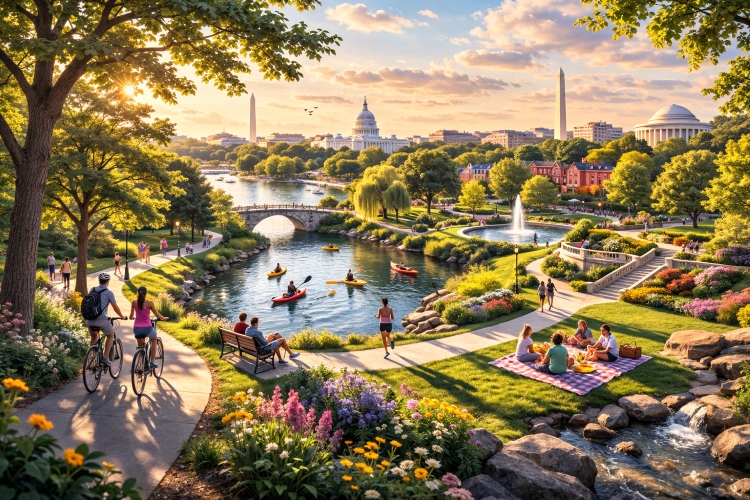
Although Washington DC is an urban capital, it is also a city of parks and greenways. From dense woodlands to formal gardens, the area offers outdoor experiences that balance the capital’s stately architecture. This section introduces the major parks and outdoor activities that let visitors and residents commune with nature without leaving the city or a short drive beyond.
Rock Creek Park – urban wilderness in the heart of the city
Rock Creek Park is one of the largest urban parks in the United States. Established in 1890, it preserves a ribbon of forest that winds through northwest DC. Biking and running trails follow the creek, and horseback riding stables recall the area’s rural past. Picnic areas, playgrounds and historic sites like Peirce Mill dot the landscape. Many locals access the park near Foggy Bottom, where trails lead from the Kennedy Center toward the woods. The park’s quiet glades provide a welcome respite from city bustle, and fall brings vibrant foliage along the creek valley. Because the park is managed by the National Park Service, it remains largely undeveloped, offering a true escape within the city.
Meridian Hill Park – neoclassical terraces and drum circles
Just north of U Street, Meridian Hill Park (also known as Malcolm X Park) sits on a hill with sweeping views. Its design echoes Italian Renaissance gardens, with cascading fountains, statues and terraced lawns. On Sunday afternoons local drummers gather for communal drum circles, a tradition dating back decades. The park’s formal landscaping contrasts with the spontaneous energy of the drum circles and street performances. Stroll up the cascading steps, relax on the lawns or join the rhythm of the drums.
Kenilworth Aquatic Gardens – lotus blossoms and water lilies
Hidden along the Anacostia River in Northeast DC, Kenilworth Aquatic Gardens feels worlds away from city streets. This national park protects aquatic ponds filled with blooming lotus flowers and water lilies. The gardens invite visitors to wander boardwalks and observe turtles, frogs and over 250 species of birds. In July the annual Lotus and Water Lily Festival celebrates these blooms with cultural demonstrations and ranger‑led tours. Come at sunrise to see dew sparkling on petals, or visit in winter when the frozen ponds turn the landscape into a tranquil sculpture garden.
National Arboretum & National Bonsai & Penjing Museum
The United States National Arboretum spans 446 acres northeast of Capitol Hill. Its collections range from azalea and dogwood gardens to the Capitol Columns, 22 sandstone columns once used in the Capitol’s east portico. The National Bonsai & Penjing Museum displays miniature living trees shaped by Japanese and Chinese masters. The museum’s pavilions hold centuries‑old bonsai and contemporary creations, illustrating the artistry of this horticultural tradition.
Great Falls Park – dramatic cascades on the Potomac
Fifteen miles upstream from Washington the Potomac River crashes over jagged rocks at Great Falls Park. Here the river drops nearly 76 feet in less than a mile, creating frothing waterfalls and rapids. The 800‑acre park offers hiking trails and overlooks that provide stunning views of the falls and the Mather Gorge. Picnic areas, a visitor center and remnants of the historic Patowmack Canal help interpret the region’s industrial past. Great Falls is accessible by car or bike and makes an excellent day trip when you need a dramatic change of scenery from the city.
Theodore Roosevelt Island – memorial and tidal marsh
In the Potomac between Georgetown and Rosslyn, Theodore Roosevelt Island memorializes the conservationist president. Footbridges connect the island to the Virginia shore, and trails wind through swampy woods and upland forest. A central plaza features a large statue of Roosevelt surrounded by quotes about nature. Bird‑watchers flock here for sightings of herons and warblers. The island is a quiet retreat for contemplative walks or trail runs.
C&O Canal Towpath – a trail through history
The Chesapeake and Ohio Canal once carried coal and goods from western Maryland to the bustling port of Georgetown. Today the 184.5‑mile canal is a linear national park. In the District the towpath runs beside Georgetown’s restaurants and continues upriver past locks and lockhouses. Cyclists and hikers enjoy flat, shaded trails with occasional glimpses of the Potomac. At Great Falls the towpath climbs to offer views of the falls before continuing toward Harper’s Ferry. This trail combines history, nature and exercise.
Anacostia Riverwalk Trail – linking parks and neighborhoods
Running along both banks of the Anacostia River, this multi‑use trail connects South Capitol Street to the Maryland border. It passes Nationals Park, Yards Park, and the historic Navy Yard. The trail then continues east toward Kenilworth Aquatic Gardens and the Anacostia Park. Cyclists, runners and walkers enjoy river views, bird‑watching and access to new waterfront developments. The trail is part of the longer Anacostia Riverwalk network, which will eventually stretch for 20 miles.
Outdoor activities summary
Below is a summary of parks and outdoor adventures available in and around DC.
| Park/Activity | Location | Highlights |
|---|---|---|
| Rock Creek Park | Northwest DC | Forested trails for hiking, running and horseback riding; historic Peirce Mill; picnic areas; connection to the city near the Kennedy Center |
| Meridian Hill Park | Columbia Heights | Italian‑style cascading fountain; Sunday drum circles; sculptures and terraces |
| Kenilworth Aquatic Gardens | Northeast DC | Lotus and water lily ponds; boardwalks; over 250 bird species and annual Lotus & Water Lily Festival |
| National Arboretum & National Bonsai & Penjing Museum | Northeast DC | Flower collections; Capitol Columns; bonsai pavilions |
| Great Falls Park | 15 mi from DC | Dramatic waterfalls; hiking trails; historic canal; 800‑acre landscape |
| Theodore Roosevelt Island | Potomac River | Memorial plaza; tidal marsh; bird‑watching; walking paths |
| C&O Canal Towpath | DC to Maryland | Flat trail along historic canal; biking and hiking; views of canal locks |
| Anacostia Riverwalk Trail | Anacostia River | Multi‑use trail linking parks and waterfront districts; bird‑watching and river views |
Markets, Food and Culinary Tours
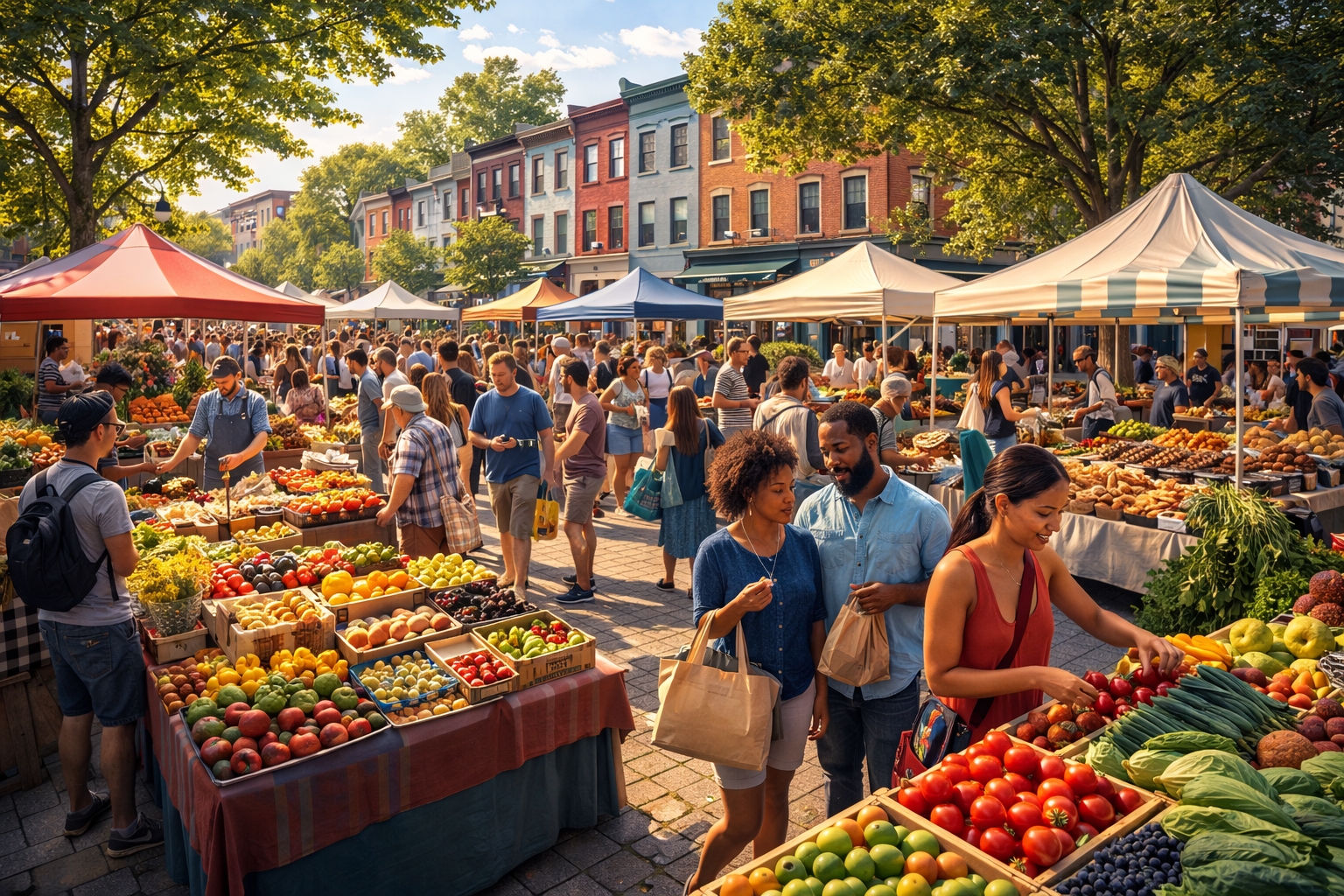
Washington DC’s culinary scene is as diverse as its population. From long‑standing markets where farmers and artisans sell their goods to modern food halls offering creative cuisine, the city feeds foodies in every neighborhood. This section explores markets, food halls, tours and eateries that showcase local flavors and global influences.
Eastern Market – 152 years of fresh food and community
Eastern Market has operated continuously since the 19th century and remains a beloved fixture on Capitol Hill. On weekdays the market sells meat, cheese and seafood. Weekends transform it into a bustling farmers market filled with produce, flowers and crafts. Artisans set up stalls along 7th Street, and food vendors offer breakfast sandwiches and local coffee. The market is not just a place to shop; it’s a community gathering where neighbors meet and musicians perform. The market’s longevity—over 152 years—is a testament to its role as a community hub.
Union Market District – culinary creativity and cultural fusion
In Northeast DC, the Union Market District has become a destination for food lovers. The indoor market houses more than 40 local vendors selling everything from oysters and empanadas to Korean tacos and gelato. Adjacent La Cosecha, a Latin American market and cultural space, offers Venezuelan arepas, Peruvian ceviche and a rooftop bar. The surrounding neighborhood features craft breweries, distilleries and artisan shops. Regular events include outdoor movie nights, pop‑up dinners and craft fairs. Union Market’s blend of cuisine and community fosters a lively atmosphere that changes with every visit.
Farmers markets and food tours
-
Dupont Circle Farmers Market: On Sunday mornings this market offers seasonal produce, baked goods and prepared foods in one of DC’s most beautiful neighborhoods.
-
U Street & Shaw food tours: Guided tours introduce visitors to historic restaurants, Ethiopian eateries and soul food joints in the U Street corridor and Shaw.
-
Capitol Hill & H Street food tours: Discover historic taverns, modern speakeasies and global cuisine on guided walks.
-
Neighborhood brewpubs: Breweries in NoMa, Shaw and Capitol Riverfront offer tastings and tours of craft beer.
Iconic eateries and local specialties
Washington DC’s food identity extends beyond markets and tours. The city boasts iconic eateries such as Ben’s Chili Bowl (famous for its half‑smokes and a gathering place during the civil rights era), mumbo‑sauce‑drenched chicken wings and succulent Ethiopian platters. Chinatown serves authentic dim sum and hand‑pulled noodles, while H Street’s ramen bars draw late‑night crowds. Upscale dining ranges from Michelin‑starred tasting menus to farm‑to‑table bistros. The diversity of restaurants mirrors the city’s multicultural heritage.
Markets summary table
| Market/Food Hall | Location | Specialties |
|---|---|---|
| Eastern Market | Capitol Hill | Fresh produce, meats, flowers and crafts |
| Union Market | NoMa | Food hall with over 40 vendors; outdoor events |
| La Cosecha | NoMa | Latin American cuisine and cultural space |
| Dupont Circle Farmers Market | Dupont Circle | Seasonal produce, artisanal cheeses and breads |
| H Street NE Restaurants | H Street | International dining scene with ramen bars, Ethiopian cuisine and craft cocktails |
Live Music and Performing Arts
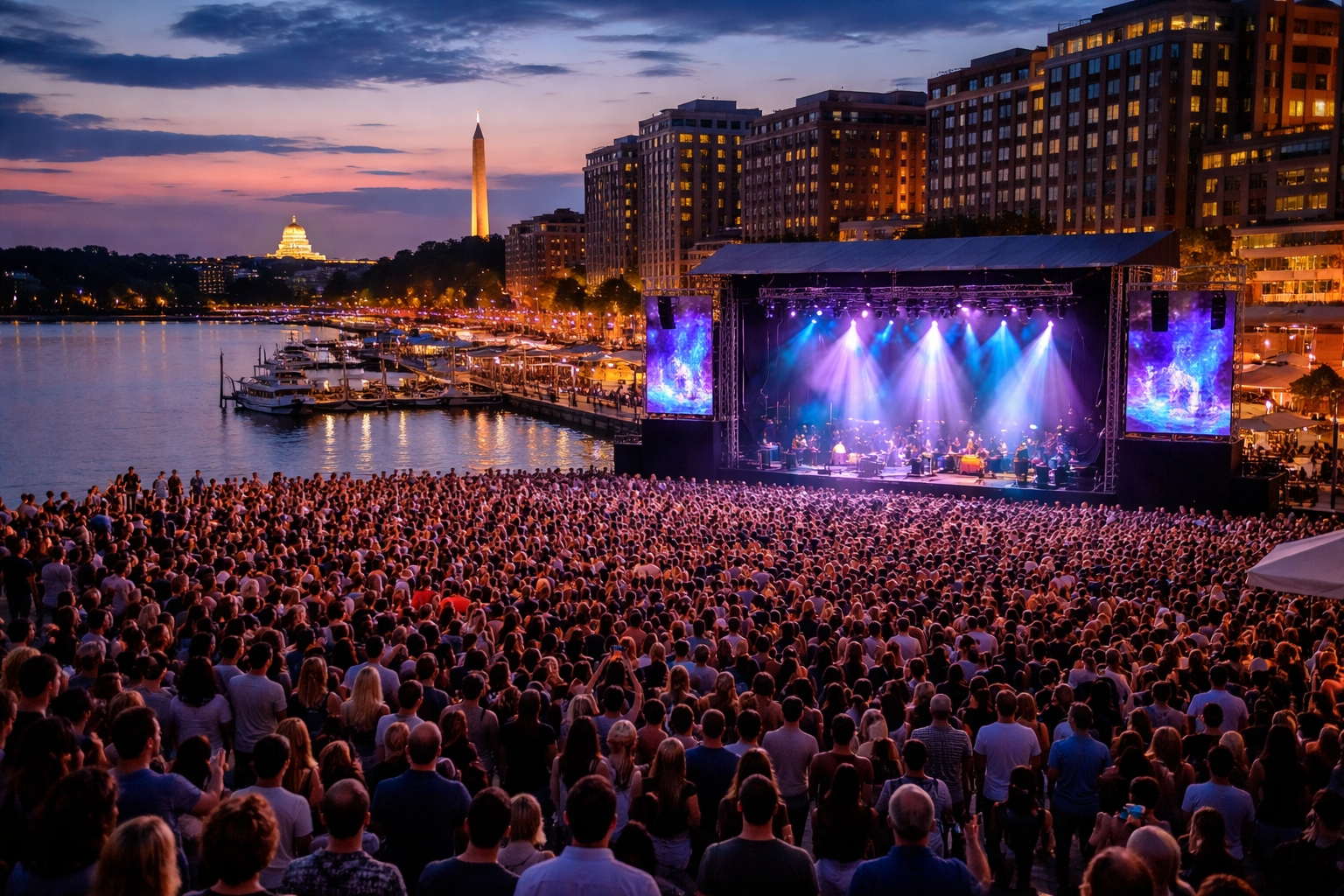
Washington DC’s music history runs deep, from the jazz of Duke Ellington to the homegrown go‑go beat. Venues across the city continue to foster local talent and host touring acts. Theater companies produce everything from classical plays to avant‑garde performances. This section highlights where to experience live music and performing arts that capture DC’s creativity.
U Street and Howard Theatre – the heart of Black Broadway
U Street’s nickname “Black Broadway” originates from the early 20th century, when the neighborhood was a center of African‑American culture. Icons like Duke Ellington performed here, and the tradition continues at the Howard Theatre. Restored in 2012, the theatre hosts go‑go bands, funk legends and touring jazz artists. Nearby, smaller clubs offer open‑mic nights and DJ sets. Catch a show, then visit the African American Civil War Memorial to reflect on the neighborhood’s heritage.
9:30 Club and the Shaw scene
Since 1980, the 9:30 Club has built a reputation as one of the nation’s best live music venues. Its intimate standing‑room setting and impeccable sound attract artists and fans from around the world. The club sits in Shaw, a neighborhood with restaurants, bars and arts spaces. Before a show, explore Blagden Alley’s speakeasies and coffeehouses; afterwards, discuss the performance over craft beers at a local brewery. Shaw’s combination of music, culinary creativity and alleyway charm makes it a nightlife destination.
The Anthem, Pearl Street Warehouse and The Wharf
On the Southwest Waterfront, The Anthem anchors The Wharf’s concert scene. The 6,000‑seat venue hosts chart‑topping artists, while nearby Pearl Street Warehouse presents smaller acts in an intimate setting. After the show, stroll along the promenade to sample oysters or enjoy a cocktail at a rooftop bar. With waterfront views and diverse performances, The Wharf offers one of DC’s most dynamic entertainment experiences.
Kennedy Center and Arena Stage – high art and contemporary theatre
The John F. Kennedy Center for the Performing Arts is DC’s premier venue for symphonies, operas and ballets. It also offers free daily concerts on the Millennium Stage. Across the river in Southwest DC, Arena Stage presents plays and musical theater with an emphasis on American voices. The theater’s productions range from new works to classic revivals, and its location near the Wharf means you can combine a night at the theater with dinner on the waterfront.
Atlas Performing Arts Center – revitalizing H Street
The Atlas Performing Arts Center was pivotal in H Street’s renaissance. This 1930s art deco theater now contains performance spaces for dance, music, film and community events. Its programming includes jazz concerts, spoken word and indie films. The center’s presence spurred the growth of new restaurants and galleries along H Street, making the corridor a hub for creative expression.
Performing arts summary
| Venue/Company | Location | Notable Features |
|---|---|---|
| Howard Theatre | U Street | Historic venue featuring jazz, go‑go and soul |
| 9:30 Club | Shaw | Intimate rock club renowned for sound and atmosphere |
| The Anthem | The Wharf | 6,000‑seat concert hall hosting major touring acts |
| Pearl Street Warehouse | The Wharf | Small venue for blues, country and rock |
| Kennedy Center | Foggy Bottom | National performing arts center with diverse programs |
| Arena Stage | Southwest DC | Theater company focusing on American works |
| Atlas Performing Arts Center | H Street NE | Art deco theater revitalizing the neighborhood |
Lesser‑Known Museums and Galleries
The Smithsonian museums draw millions of visitors, but Washington DC boasts many smaller museums and galleries that offer intimate and unusual experiences. From historic mansions filled with art to interactive museums dedicated to espionage, these institutions enrich the city’s cultural landscape. This section introduces the hidden gems worth adding to your itinerary.
Phillips Collection – America’s first museum of modern art
Housed in the former home of collector Duncan Phillips, the Phillips Collection opened in 1921 and was the nation’s first museum devoted to modern art. Its galleries display Impressionist masterpieces by Renoir and Monet alongside contemporary paintings, sculptures and installations. The intimate setting encourages contemplation; you can sit in a gallery with a single artist’s works or stroll through a mansion corridor lined with paintings. The museum also hosts chamber music concerts and special exhibitions.
Hillwood Estate, Museum & Gardens – imperial splendor in a city garden
Hidden in Northwest DC, Hillwood is the former residence of philanthropist Marjorie Merriweather Post. The estate’s mansion houses decorative arts including Fabergé eggs, French tapestries and Russian imperial porcelain. Formal gardens feature rose terraces, Japanese landscapes and greenhouses. A visit to Hillwood feels like stepping into a European palace transplanted to DC.
National Building Museum – exploring architecture and design
Housed in a massive 1880s red‑brick building originally used as a Pension Bureau, the National Building Museum explores architecture, engineering and urban planning. Exhibits invite visitors to build structures, discover how cities function and engage with design. The museum aims to inspire curiosity about the built environment and explore how architecture shapes society. Its Great Hall, with soaring columns and patterned tile floor, often hosts events and art installations.
National Bonsai & Penjing Museum – living art in miniature
Located within the National Arboretum, this museum displays hundreds of bonsai and penjing—miniature trees meticulously pruned and wired to evoke full‑sized landscapes. The collection includes centuries‑old specimens and modern works. Indoor pavilions and outdoor courts allow visitors to appreciate these living sculptures year‑round.
Dumbarton Oaks – Byzantine and Pre‑Columbian treasures
In Georgetown, Dumbarton Oaks houses world‑class collections of Byzantine and Pre‑Columbian art. Its research library supports scholars, and its landscaped gardens provide a peaceful retreat. The museum’s small size allows for close study of mosaics, manuscripts and artifacts you might otherwise overlook in larger institutions.
O Street Museum & Mansion – secrets around every corner
The O Street Museum spans five interconnected townhouses near Dupont Circle. Each room is filled with eclectic treasures: guitars played by rock stars, secret doors, art installations and memorabilia. Guests can explore on self‑guided tours or overnight stays. The museum’s motto—“Be bold. Lose yourself”—encourages visitors to wander and discover hidden rooms and curiosities.
National Museum of Women in the Arts – celebrating women’s creative achievements
This museum is the world’s only major institution solely dedicated to women artists. Located in a former Masonic Temple, it showcases painting, sculpture, photography and decorative arts by artists from the Renaissance to the present. Rotating exhibitions and performances highlight the diversity and innovation of women’s contributions to art.
ARTECHOUSE – immersive digital art
ARTECHOUSE presents large‑scale, technology‑driven art installations that envelope visitors in light and sound. Exhibitions change regularly and are often inspired by science, mathematics and nature. Located near the Wharf, the museum offers a cutting‑edge complement to traditional galleries.
International Spy Museum – undercover adventures
The International Spy Museum invites visitors to “go undercover” in Washington, DC. Exhibits explore the history, tactics and technology of espionage. One new installation titled Camouflage: Designed to Deceive invites guests to learn about the origins of camouflage and its role in covert operations. The museum features interactive experiences, from assuming a cover identity to testing your lie‑detection skills. It offers exhibits suitable for families and adults, special programs and a gift shop filled with spy gadgets. The museum’s dramatic architecture—gleaming glass and steel—sits at L’Enfant Plaza, steps from the Wharf.
Lesser‑known museums summary
| Museum/Gallery | Focus | Highlights |
|---|---|---|
| Phillips Collection | Modern art | Renoir’s Luncheon of the Boating Party, intimate galleries |
| Hillwood Estate, Museum & Gardens | Decorative arts & gardens | Fabergé eggs, imperial Russian art, formal gardens |
| National Building Museum | Architecture & design | Hands‑on exhibits; explores how architecture shapes society |
| National Bonsai & Penjing Museum | Horticulture | Bonsai and penjing collections within the National Arboretum |
| Dumbarton Oaks | Byzantine & Pre‑Columbian art | Research library; serene gardens |
| O Street Museum & Mansion | Eclectic artifacts | Secret doors, rock memorabilia, interactive tours |
| National Museum of Women in the Arts | Women artists | Works spanning centuries; performances |
| ARTECHOUSE | Digital art | Immersive technology‑driven installations |
| International Spy Museum | Espionage | Interactive exhibits; “Camouflage: Designed to Deceive” exhibit |
Waterfront & Riverfront Recreation
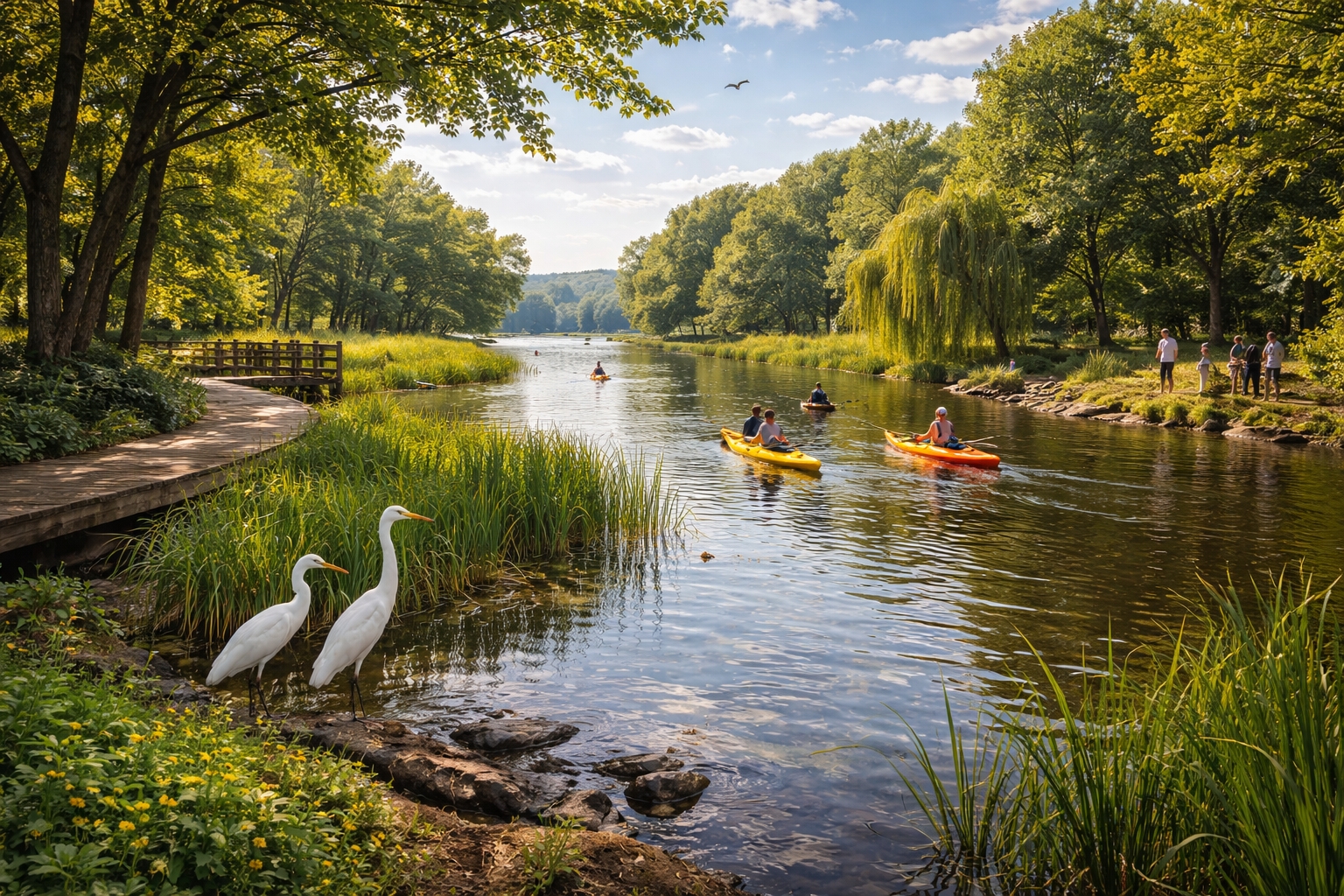
Washington DC’s waterways have long shaped its geography. Today the banks of the Potomac and Anacostia rivers are thriving recreational corridors with promenades, parks and water activities. Exploring the waterfront provides a different perspective on the capital, linking lively urban districts with serene nature.
The Wharf – dining, music and maritime heritage
As mentioned in the neighborhood section, The Wharf stands at the confluence of old and new. Stroll the mile‑long promenade lined with restaurants, bars and boutique hotels, then wander through the Municipal Fish Market, the nation’s oldest continuously operating fish market. Attend concerts at The Anthem or Pearl Street Warehouse, ice‑skate in winter or catch a water taxi to Georgetown, Alexandria or National Harbor. Sunset views of the Potomac and the Washington Monument make the Wharf a favorite evening destination. In summer, outdoor concerts and movies entertain crowds along the boardwalk.
Georgetown Waterfront & C&O Canal
Georgetown’s waterfront has transformed from an industrial port to a recreational promenade. Trails follow the C&O Canal, and kayaks and paddleboards ply the water. Restaurants line the riverfront, offering terraces perfect for enjoying blue‑crab feasts or craft cocktails. The Key Bridge leads to Virginia’s Mount Vernon Trail, connecting Georgetown to Theodore Roosevelt Island and beyond.
Yards Park & Capitol Riverfront
This modern waterfront district features public green spaces, boardwalks and fountains. Yards Park hosts summertime concerts, fitness classes and festivals. Kids splash in the canal basin, while adults picnic on the lawn. The riverwalk continues through Navy Yard, where decommissioned warships and historical exhibits recall the area’s maritime past. New restaurants and brewpubs have transformed the once industrial neighborhood into a lively riverfront community.
Anacostia River & Kingman Island
Further east, Anacostia Park and Kingman Island offer opportunities for kayaking, bird‑watching and fishing. These natural areas provide habitats for herons, egrets and bald eagles. Trails wind through wetlands and forest, and annual festivals like the Kingman Island Bluegrass and Folk Festival celebrate local music and conservation.
Potomac River boat tours and water taxis
Several companies operate sightseeing cruises along the Potomac, offering views of the city’s skyline, monuments and bridges. Water taxis run between the Wharf, Georgetown, Alexandria and National Harbor, making it easy to hop between waterfront neighborhoods without driving. Sunset cruises reveal the monuments illuminated after dark.
Waterfront activities summary
| Activity | Location | Description |
|---|---|---|
| Promenade stroll & dining | The Wharf | Walk along the mile‑long boardwalk, visit the Municipal Fish Market, dine at waterfront restaurants |
| Concerts & events | The Wharf, Yards Park | Attend concerts at The Anthem, Pearl Street Warehouse or Yards Park’s summer series |
| C&O Canal & Georgetown waterfront | Georgetown | Paddle or walk along the historic canal; dine at riverfront restaurants |
| Anacostia Riverwalk & Yards Park | Capitol Riverfront | Bike, run or picnic along the river; enjoy fountains and green spaces |
| Kingman Island & Anacostia Park | Southeast DC | Explore wetlands, watch birds and attend the Kingman Island Bluegrass Festival |
| Boat tours & water taxis | Potomac River | Sightseeing cruises and water taxis connect the Wharf, Georgetown, Alexandria and National Harbor |
Day Trips and Nearby Excursions
While Washington DC offers plenty to explore, nearby destinations offer fresh perspectives and historical depth. Within an hour or two of the capital, you can visit colonial towns, mountaintop parks and vineyards. This section highlights day trips that complement your DC adventure.
Old Town Alexandria – cobblestones and colonial charm
Across the Potomac River in Virginia, Old Town Alexandria delights with cobblestone streets, 18th‑century architecture and waterfront dining. King Street’s boutiques and galleries invite leisurely browsing. The Torpedo Factory Art Center houses artists’ studios in a converted munitions factory. Walking tours reveal hidden courtyards and stories of Revolutionary War heroes. Boat taxis link Alexandria to DC’s waterfronts, making it easy to combine city and suburb.
Mount Vernon – George Washington’s riverside estate
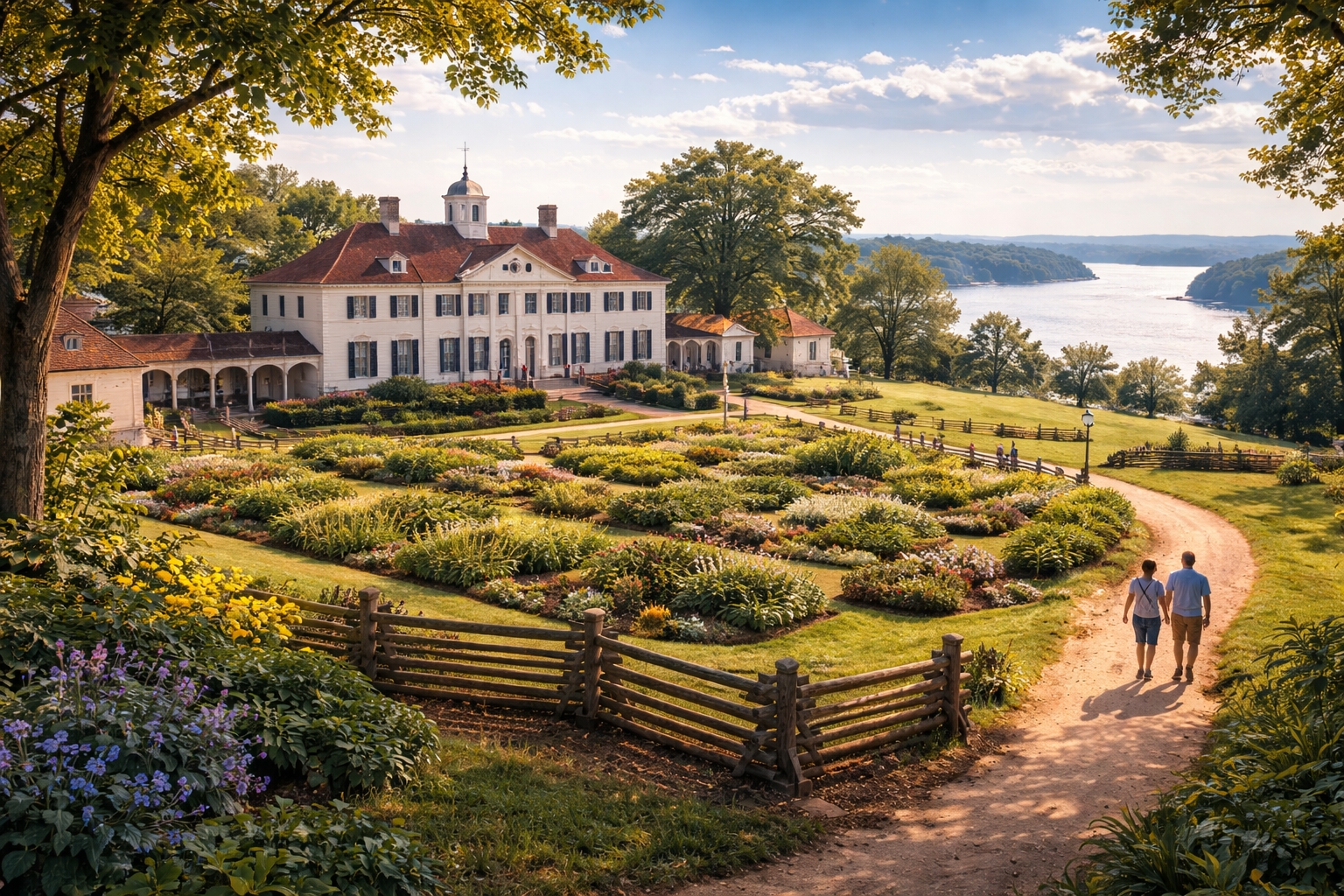
South of Alexandria lies Mount Vernon, the plantation home of George Washington. Visitors tour the mansion, preserved outbuildings and gardens. A museum details Washington’s life and the lives of enslaved people who worked the estate. Views of the Potomac stretch across the property, and trails lead through forests and farmland. Mount Vernon can be reached by car, bike (via the Mount Vernon Trail) or boat cruise from DC.
Arlington National Cemetery – honoring service and sacrifice
Across the Potomac rests Arlington National Cemetery, where rows of white marble headstones honor military service members. Visitors can pay respects at the Tomb of the Unknown Soldier and watch the solemn Changing of the Guard ceremony. The cemetery also contains the graves of President John F. Kennedy and Supreme Court Justice Ruth Bader Ginsburg. A tram tour offers commentary on the site’s history.
Great Falls & C&O Canal – natural escape close to the city
As described earlier, Great Falls Park lies just 15 miles from the city and features dramatic waterfalls and hiking trails. Many visitors combine a visit to Great Falls with a bike ride along the C&O Canal Towpath. Pack a picnic, watch kayakers in the rapids, and learn about the Patowmack Canal’s engineering feats. The park offers a convenient way to immerse yourself in nature without traveling far.
Shenandoah National Park & Skyline Drive – mountain vistas
About 75 miles west of DC, Shenandoah National Park stretches along the crest of the Blue Ridge Mountains. Skyline Drive offers 105 miles of scenic roadway with overlooks that reveal rolling hills and valleys. Hiking trails lead to waterfalls, rocky summits and Appalachian wilderness. Spring wildflowers and fall foliage make this park a favorite seasonal day trip or weekend getaway.
Annapolis & Chesapeake Bay – sailing and seafood
Maryland’s capital, Annapolis, is a 45‑minute drive from DC and is known for its maritime heritage. Tour the United States Naval Academy, wander the historic downtown, or charter a sailboat for a cruise on the Chesapeake Bay. Sample crab cakes and oyster stew at waterfront taverns. Annapolis blends colonial history with nautical charm.
Virginia & Maryland Wine Country
Surrounding the capital are vineyards producing Virginia and Maryland wines. Loudoun County, often called DC’s wine country, offers dozens of wineries and tasting rooms amid rolling countryside. Visit producers such as Stone Tower Winery or Breaux Vineyards and pair wines with farm‑to‑table snacks. Many vineyards welcome picnics and live music on weekends.
Nearby excursions summary
| Destination | Distance from DC | Highlights |
|---|---|---|
| Old Town Alexandria | 8 mi | Cobblestone streets, Torpedo Factory Art Center, waterfront dining |
| Mount Vernon | 15 mi | George Washington’s estate, gardens and museum |
| Arlington National Cemetery | 2 mi | Tomb of the Unknown Soldier, Kennedy gravesite |
| Great Falls Park | 15 mi | Waterfalls and hiking trails |
| Shenandoah National Park | 75 mi | Skyline Drive, mountain hikes, fall foliage |
| Annapolis | 35 mi | Naval Academy, Chesapeake Bay, sailing and seafood |
| Virginia Wine Country | 40–60 mi | Wineries and vineyards in Loudoun County |
Seasonal Events and Festivals
Washington DC’s calendar is filled with festivals and events that celebrate its diverse communities and changing seasons. These gatherings bring music, art, food and heritage into the streets and parks. Timing your visit around one of these events can offer deeper immersion into local culture.
Spring – blossoms and outdoor concerts
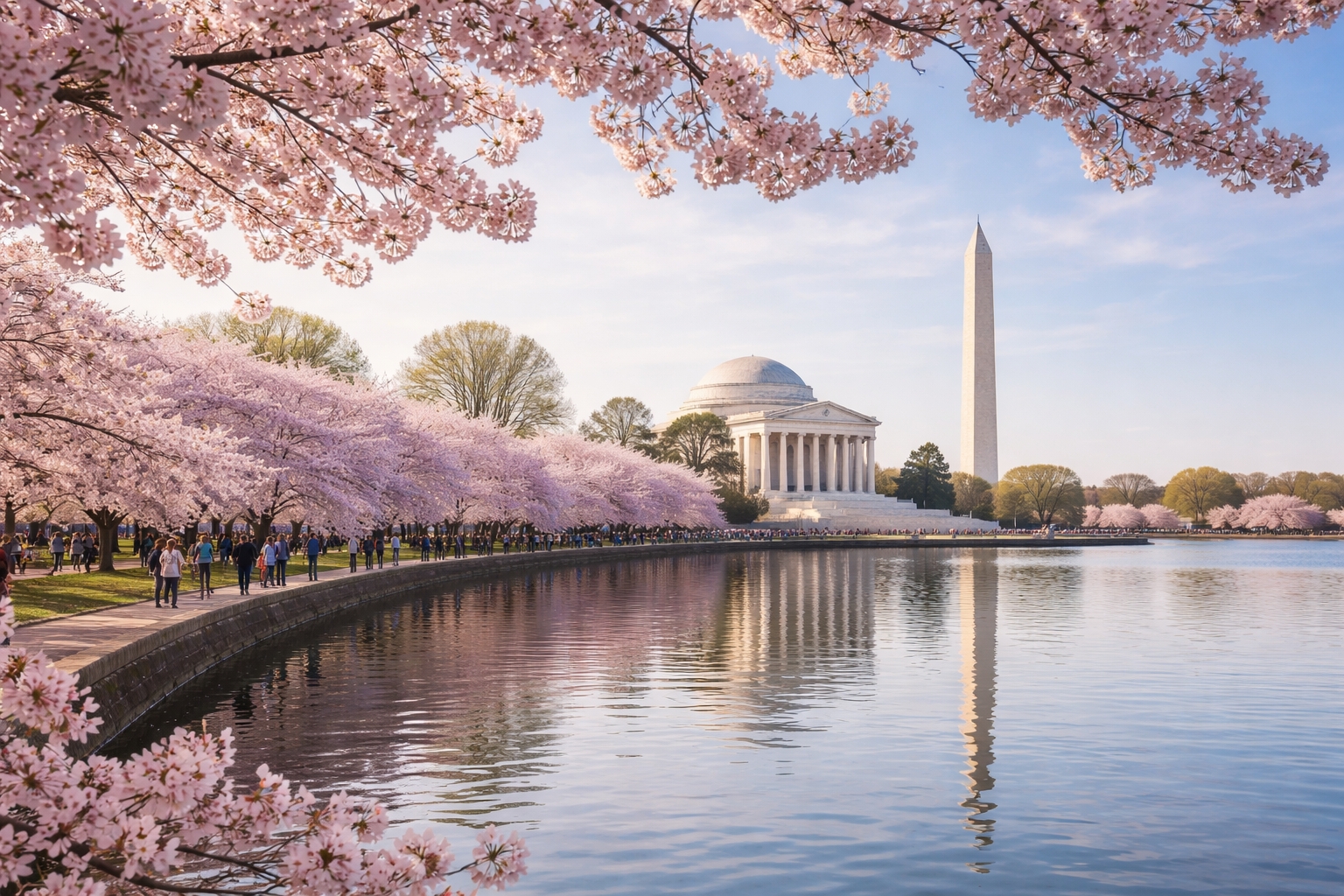
Spring transforms DC with pink and white cherry blossoms. The National Cherry Blossom Festival celebrates the 1912 gift of cherry trees from Japan to the United States. During peak bloom, paddleboats fill the Tidal Basin and lanterns light up night festivals. Jazz in the Garden concerts at the National Gallery of Art Sculpture Garden begin in late spring, bringing live music to the warm evening air. Farmers markets reopen with fresh asparagus, strawberries and flowers.
Summer – festivals, parks and waterfront fun
Summer brings outdoor movies, beer festivals and waterfront fireworks. The Lotus & Water Lily Festival at Kenilworth Aquatic Gardens celebrates blooming lotus flowers with ranger talks, cultural performances and crafts. Adams Morgan Day fills 18th Street with music, food and art. In July, the H Street Festival showcases local music, art and cuisine. National Night Out events strengthen community bonds, while Yards Park hosts free concerts. Warm nights invite picnics on the National Mall and boat rides on the Potomac.
Fall – street fairs and harvest celebrations
As leaves color the city’s trees, autumn brings harvest festivals and street fairs. The H Street Festival often takes place in September, featuring live music, craft beer and food trucks. The Adams Morgan Day Festival—the city’s longest‑running neighborhood festival—returns with multicultural performances and street food. Eastern Market hosts a fall craft fair, and local wineries hold harvest celebrations with grape stomps and tastings. Nighttime ghost tours explore historic alleys.
Winter – holidays, lights and indoor warmth
Winter offers cozy charms: the Downtown Holiday Market near Penn Quarter sells crafts and treats. ZooLights transforms the National Zoo into a twinkling wonderland. Ice skating rinks open at the National Gallery of Art Sculpture Garden and at the Wharf, where skaters glide with views of the Washington Monument. Many museums host holiday concerts and festive exhibitions. Warm up with hot chocolate at an outdoor market or watch seasonal theater productions at Arena Stage.
Seasonal events summary
| Season | Events & Highlights | Notes |
|---|---|---|
| Spring | National Cherry Blossom Festival, Jazz in the Garden concerts | Peak bloom varies each year; early booking recommended |
| Summer | Lotus & Water Lily Festival at Kenilworth, Adams Morgan Day, H Street Festival, Yards Park concerts | Stay hydrated; festivals draw crowds |
| Fall | H Street Festival, Adams Morgan Day, Eastern Market craft fair, winery harvest events | Comfortable weather for walking tours |
| Winter | Downtown Holiday Market, ZooLights, Wharf & National Gallery ice skating, holiday theater at Arena Stage | Dress warmly; indoor events abound |
Frequently Asked Questions (FAQs)
What can you do in Washington DC besides visiting museums and monuments?
Beyond the National Mall, you can explore vibrant neighborhoods like Adams Morgan and Georgetown, hike and bike in parks such as Rock Creek Park, sample international cuisine at markets and food halls, attend concerts at venues like the 9:30 Club and The Anthem, and enjoy waterfront activities along the Potomac and Anacostia rivers.
Which neighborhoods should I visit for nightlife and dining?
U Street offers jazz clubs and soul food; Adams Morgan is known for global restaurants and late‑night bars; Shaw features the iconic 9:30 Club and speakeasies; H Street NE mixes ramen bars with craft cocktail lounges; The Wharf combines waterfront dining with concerts.
How can I enjoy nature in Washington DC?
Visit Rock Creek Park’s trails and picnic areas, explore Kenilworth Aquatic Gardens’ lotus ponds, bike the C&O Canal Towpath, kayak along the Potomac or paddleboard on the Anacostia River. Gardens at the National Arboretum and Theodore Roosevelt Island offer quiet escapes.
What are some unique museums beyond the Smithsonian?
Check out the Phillips Collection for modern art, the National Building Museum for architecture, the O Street Museum for its eclectic collections, and the International Spy Museum for interactive espionage exhibits including Camouflage: Designed to Deceive.
Where can I experience live music in DC?
Historic U Street features the Howard Theatre for jazz and go‑go. Shaw’s 9:30 Club hosts rock and indie acts. The Wharf’s The Anthem and Pearl Street Warehouse offer large and intimate shows. The Kennedy Center and Arena Stage provide classical and theatrical performances.
What day trips are easily accessible from Washington DC?
Consider Old Town Alexandria for colonial charm, Mount Vernon for George Washington’s estate, Arlington National Cemetery, and Great Falls Park for waterfalls. For longer excursions, drive Skyline Drive through Shenandoah National Park or visit Annapolis for maritime history.
When are the major festivals and events?
The Cherry Blossom Festival occurs in early spring, Adams Morgan Day and the H Street Festival take place in late summer or early fall, the Lotus & Water Lily Festival happens in July, and winter brings ZooLights and holiday markets.
How can I explore DC’s waterfronts?
Head to The Wharf for dining, concerts and water taxis. Kayak along the Potomac near Georgetown or paddle the Anacostia from Yards Park. Stroll or bike the Anacostia Riverwalk Trail and C&O Canal Towpath. Take a boat tour to see monuments from the water.
Conclusion
Washington DC is far more than a collection of monuments and Smithsonian museums. Its neighborhoods burst with personality, from the global rhythms of Adams Morgan to the refined ambiance of Dupont Circle and the historic alleys of Georgetown. Wooded parks like Rock Creek and aquatic gardens along the Anacostia provide natural escapes, while markets and food halls feed curious palates. Live music thumps in clubs and concert halls across the city, and lesser‑known museums offer intimate experiences with art, architecture and espionage. The waterfronts invite leisurely strolls, boat rides and sunset dinners. Day trips extend the adventure to colonial towns, mountain parks and vineyards.
For travelers and locals alike, the key to exploring Washington DC is to look beyond the monuments and allow time for serendipity in the neighborhoods. Whether you’re tasting your way through Union Market, dancing to go‑go on U Street, or watching lotus blossoms unfurl at Kenilworth Aquatic Gardens, you’ll experience a capital rich in culture and diversity. When your day of exploration ends, relax at Hotel Washington, the closest hotel to the White House positioned at the edge of the White House Lawn, and plan your next adventure. Learn more or book a stay at the hotel’s official website.
Read other posts