Caps Farewell? What to Expect from the Capitals’ Last Home Game
The Washington Capitals’ final regular‑season home game on April 12 2026 is set against the rival Pittsburgh Penguins at Capital One Arena. The matchup comes at a moment when Washington fans are both celebrating and speculating – Alex Ovechkin has just notched his 1,000th career goal and is playing the last year of a five‑year contract, the team is unveiling new fan‑experience investments to keep them downtown through at least 2050, and a spring playoff race with long‑time nemesis Sidney Crosby adds tension. While there is no official confirmation that this will be Ovechkin’s final home appearance, the combination of milestone achievements, contract timing and emotional resonance means the game is widely being treated as a potential farewell. This guide explores why the last home game matters now, what fans can expect on game day, and how to plan a memorable visit to Washington, D.C.
Why This Game Matters Now
A season finale soaked in history and possibility
As the 2025‑26 NHL season winds down, the Capitals find themselves at a crossroads. They remain a perennial playoff contender, yet they are an aging team anchored by one of hockey’s most prolific scorers. Alex Ovechkin – affectionately called "Ovi" by fans but referred to here without quotation marks to adhere to style guidelines – recently scored his 1,000th goal across regular season and postseason, joining Wayne Gretzky as the only players in NHL history to reach this milestone. The milestone came during an emotional game against the Colorado Avalanche, where Ovechkin’s hard one‑timer tied the score and evoked a standing ovation throughout Capital One Arena.
Even as he continues to break records, the star forward is approaching his fortieth birthday and the end of a contract signed in 2021. Last spring a sales email mistakenly claimed the 2025‑26 season would be his final year; the team clarified that no decision had been made and that Ovechkin intended to play out his deal. Team executives also indicated they would leave options open beyond that season. The error nonetheless sparked speculation, and many fans view the April 12 home finale as a potential last chance to see number 8 in his home rink in a Washington sweater. That sense of uncertainty drives curiosity, nostalgia and urgency.
A storied rivalry with the Penguins
The opponent amplifies the stakes. The Pittsburgh Penguins, led by Sidney Crosby, have been the Capitals’ chief nemesis for more than a decade. Games between the two franchises are routinely broadcast nationally, and playoff series have produced some of the modern NHL’s most thrilling moments. Facing the Penguins in the season‑ending home game adds a dramatic flourish: fans will get to see Ovechkin and Crosby battle again, perhaps for the last time in D.C. during the regular season. The rivalry stirs memories of the Capitals’ 2018 Stanley Cup run and earlier heartbreaks. This meeting could have playoff implications if both teams are jockeying for wild‑card positions, making the stakes even higher.
Fan appreciation and the 50‑year celebration
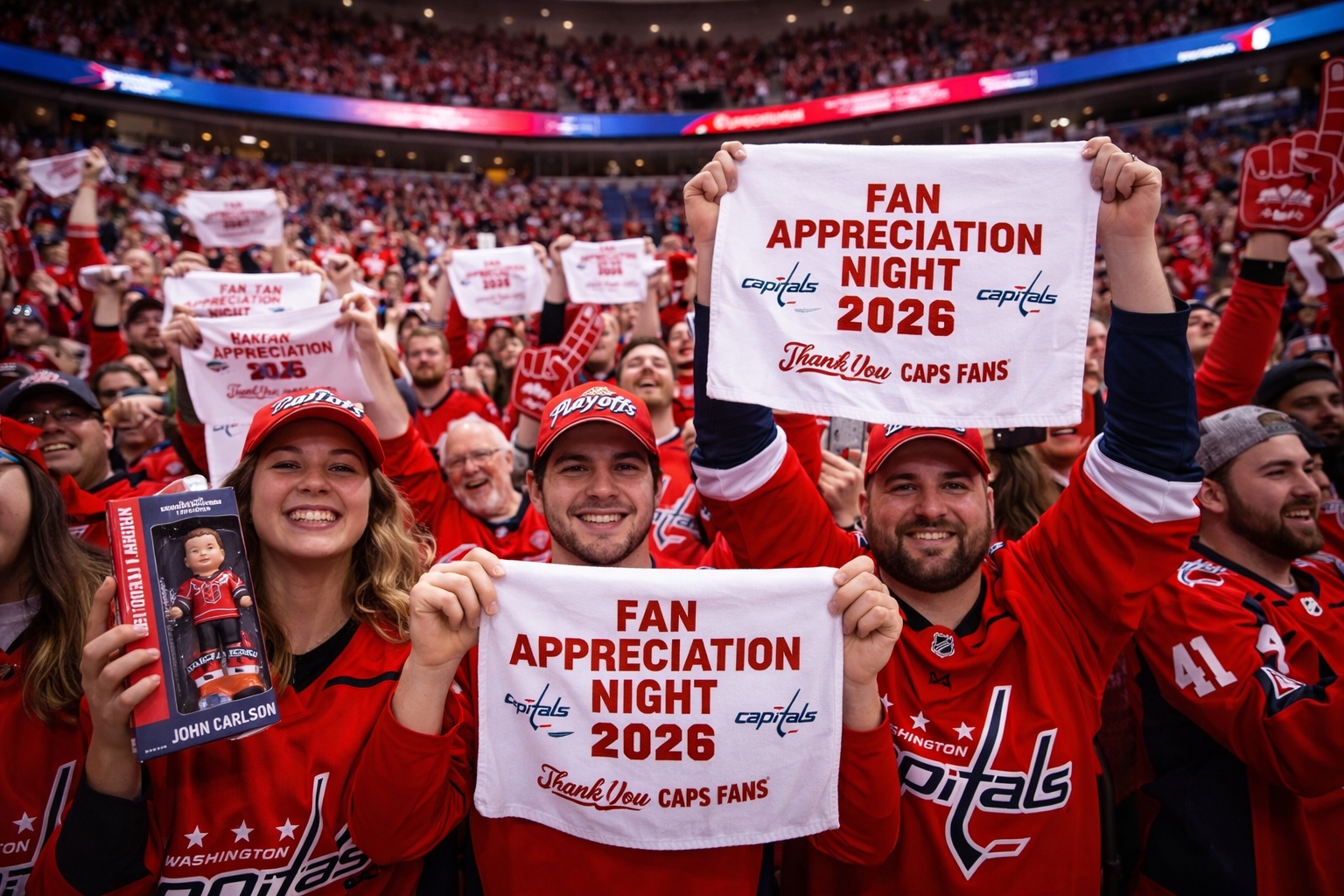
The Capitals celebrate their fans each season with a Fan Appreciation Night. During the 2024‑25 campaign, which marked the club’s 50th anniversary, Washington hosted five era nights and multiple all‑arena giveaways, including bobbleheads, pennants and commemorative viewfinders. Those promotions underscored the organization’s emphasis on honoring its history while investing in the future. Fan Appreciation Night typically features giveaways, on‑ice presentations and player interactions. The April 12 home finale is expected to follow this template, providing fans with keepsakes and surprise experiences that thank them for their support.
Staying in D.C. through 2050
In late 2023, team owner Ted Leonsis and Virginia officials announced a handshake agreement to move the Capitals and the NBA’s Washington Wizards to a new arena in Alexandria. However, the Virginia General Assembly failed to approve the plan in 2024. In the aftermath, Mayor Muriel Bowser, D.C. Council Chair Phil Mendelson and Leonsis announced that the teams will remain at Capital One Arena through at least 2050. The District pledged $515 million for upgrades to fan spaces and public safety, while Monumental Sports & Entertainment committed around $300 million toward a training facility. This investment reassured fans that the downtown arena will continue to host NHL hockey for decades, but it also made the 2025‑26 home finale unique: it arrives after a year of uncertainty about the franchise’s home and provides a moment to celebrate continuity.
Playoff race and team trajectory
Washington enters the final weeks of the season on the playoff bubble. This adds a competitive layer to the festivities. A win against Pittsburgh could secure a wild‑card berth or improve seeding. Key players such as Dylan Strome, Tom Wilson and rising rookie Cole Hutson have stepped up at various points, and their performances down the stretch will determine whether the team reaches the postseason. The home finale thus functions both as a celebration and a must‑win contest, inviting fans to invest emotionally in both outcomes.
Date, Time and Rivalry Overview
Exact details and broadcasting information
The Washington Capitals will host the Pittsburgh Penguins on Sunday, April 12 2026 at 3:00 PM Eastern Time at Capital One Arena. The regular‑season game is scheduled for a three‑hour window, with pre‑game festivities typically starting ninety minutes beforehand. National television partners often carry Capitals–Penguins games; viewers should check listings closer to the date for network assignments. Local broadcasts are available through Monumental Sports Network, and out‑of‑market fans can stream the contest via NHL.tv or authorized streaming services.
Tickets for the game generally become available when single‑game sales open in late summer, though season ticket holders often secure seats months in advance. Given the significance of the matchup, it is wise to purchase tickets early through the official Washington Capitals ticketing portal or authorized vendors to avoid counterfeit seats. Fans seeking premium experiences such as club suites or VIP packages may explore Monumental‑owned hospitality options.
A brief history of the Capitals‑Penguins rivalry
The Capitals and Penguins have been divisional opponents since 1974. The rivalry intensified in the 2000s when both clubs drafted generational talents: Ovechkin in 2004 and Crosby in 2005. Their teams faced off in multiple playoff series, including epic seven‑game clashes in 2009 and 2017. Pittsburgh eliminated Washington en route to Stanley Cup championships, while the Capitals finally broke through in 2018, defeating Pittsburgh in the second round before winning the Cup. The narrative has been defined by star power, clutch goals and high‑intensity games that often serve as national showcases for the sport.
Fans in both cities mark Capitals‑Penguins games on their calendars, and the league frequently schedules these matchups on weekends or holidays to maximize viewership. Over the years, the rivalry has featured physical play, highlight‑reel goals and heated debates about who is the better captain. Though the players express mutual respect, the competitive edge remains palpable.
Ovechkin’s Milestones and Legacy
A legend’s ongoing record chase
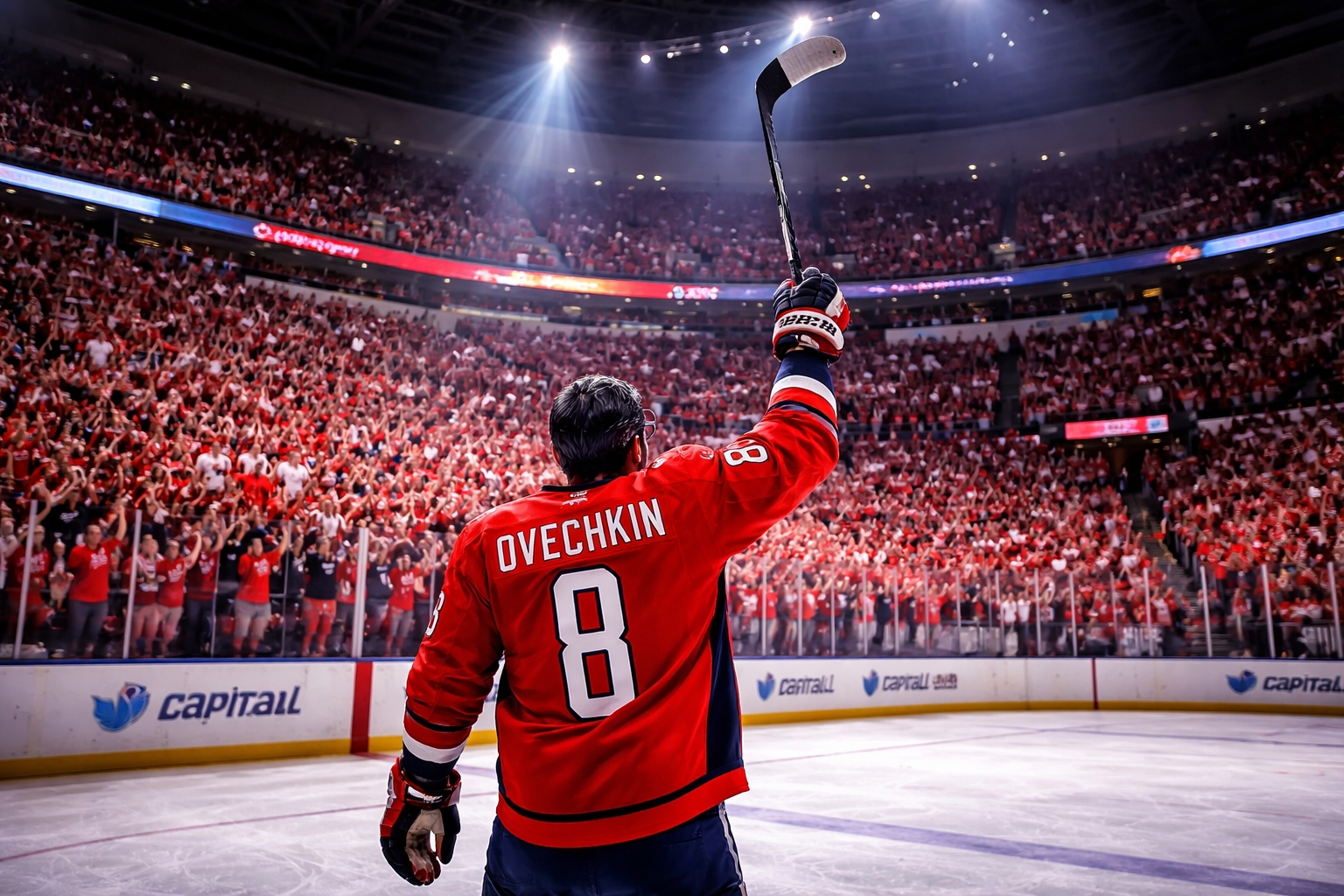
Alex Ovechkin sits at the center of Washington’s hockey identity. Born in Moscow, he joined the Capitals in 2005 and immediately captivated fans with his power, speed and infectious enthusiasm. Over two decades he has become the NHL’s all‑time leader in regular‑season goals and recently reached 1,000 combined goals (regular season plus playoffs) with a blistering power‑play shot against Colorado. The Capitals honored him during that game, with fans rising to applaud and the star waving in acknowledgement.
Beyond scoring, Ovechkin has embodied the franchise’s resilience. He has played through injuries, navigated coaching changes and helped deliver Washington’s first Stanley Cup in 2018. Throughout his career he has cultivated a rivalry with Sidney Crosby that has elevated both athletes and the sport itself. Off the ice, he is known for engaging with fans, participating in community events and promoting youth hockey in the D.C. area. As he approaches forty, conversations about his longevity are intensifying. Ovechkin has publicly stated that he intends to honor his contract, which runs through the end of the 2025‑26 season, and team executives have said they will keep options open afterwards. Whether he retires or continues to chase Gretzky’s regular‑season goal record beyond 2026 remains to be seen.
The hat trick against Utah and other recent highlights
In late March, Ovechkin recorded his 34th career hat trick during a game against the Utah Mammoth, becoming the first player to score a hat trick against 21 different franchises. The three‑goal outburst demonstrated that even in his forties he remains one of the league’s most dangerous finishers. Ovechkin also continues to lead by example in practice and training, inspiring younger teammates such as Ivan Miroshnichenko and Hendrix Lapierre, who have seized opportunities to contribute. These moments remind fans that the team is not solely about a potential farewell but about building a competitive future around a legendary core.
Impact on team culture and city identity
Ovechkin’s presence has transformed Washington into a hockey town. Before his arrival, the Capitals struggled with attendance and regional visibility. Today, the team regularly sells out games, and red jerseys with the captain’s number flood the streets on game days. Youth hockey participation has surged, and community rinks feature murals of Ovechkin celebrating goals. The star’s charitable work includes donations to children’s hospitals, military organizations and Russian orphanages. Many local fans express gratitude for his loyalty; he signed long‑term deals to remain in Washington rather than test free agency. This loyalty, combined with on‑ice excellence, makes the possibility of his final home game a poignant topic.
Fan Appreciation Night and 50th Anniversary Traditions
The evolution of Fan Appreciation Night
The Capitals introduced Fan Appreciation Night in the late 1990s to recognize supporters as the season ended. Over the years the event has grown into a multi‑day Fan Appreciation Week featuring sweepstakes, daily giveaways and theme nights. During the 2024‑25 season the organization hosted special era nights celebrating its 50th anniversary. All‑arena giveaways included bobbleheads of franchise legends, retro pennants and even a unique viewfinder keepsake. Theme nights honored Hispanic heritage, Pride, military appreciation and Women in Hockey.
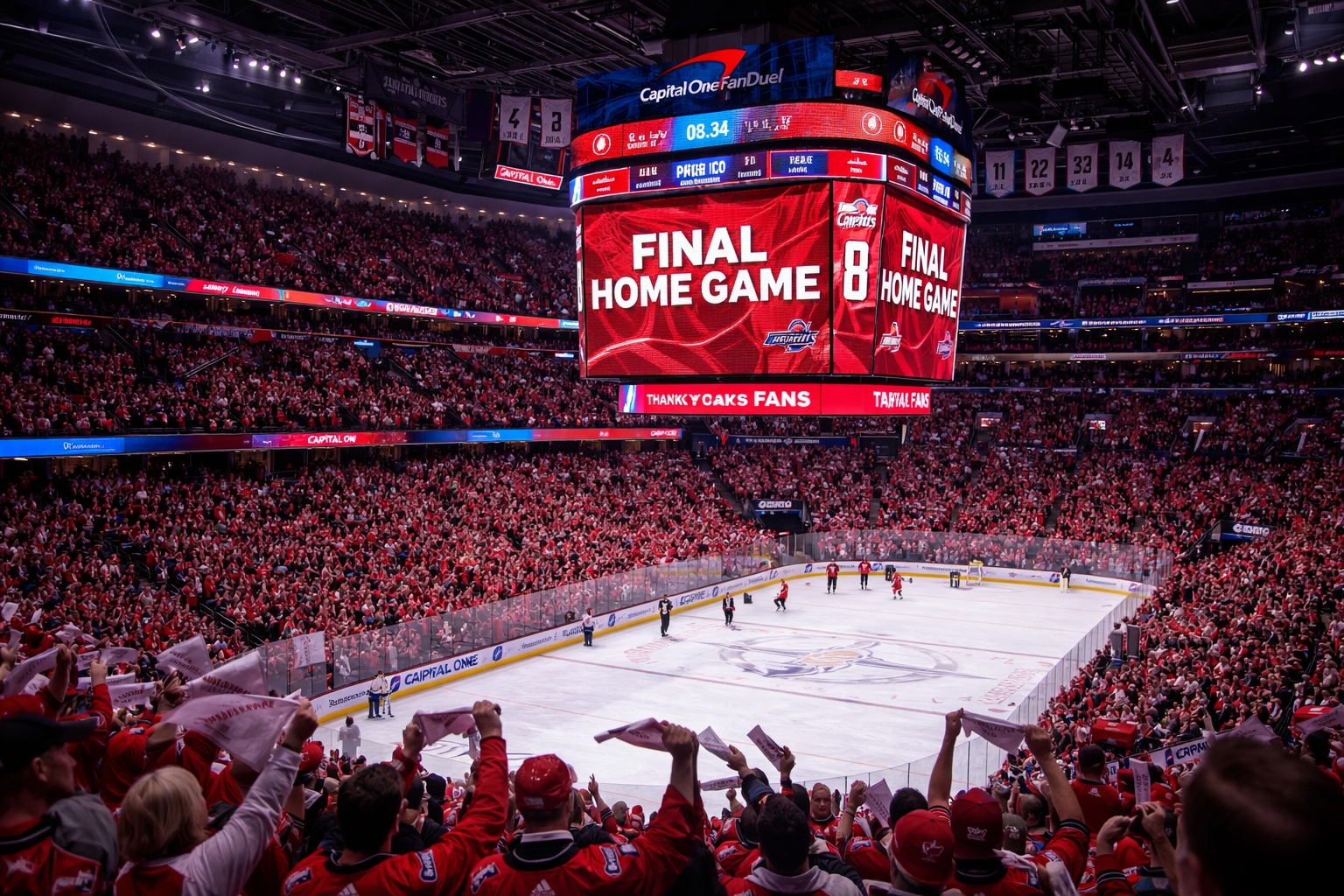
Fan Appreciation Night typically occurs during the final home game and may include players tossing autographed pucks into the crowd, postgame jersey giveaways and video tributes. Teams often invite season‑ticket members onto the ice or recognize long‑time employees. For the 2025‑26 home finale, fans can expect similar festivities. Given the significance of Ovechkin’s milestones and the speculation around his future, it would not be surprising if the organization added special touches such as video highlights of his career or messages from former teammates.
How giveaways and theme nights enhance the experience
Giveaways serve as tangible memories. Past seasons have offered magnet schedules, commemorative coasters, Marvel Comics collaborations and even an ice‑resurfacer gravy boat. This variety ensures that fans of all ages find value in attending. Theme nights encourage fans to dress up, bring signs and engage in community causes. For example, Hockey Fights Cancer Night encourages supporters to wear lavender and share stories about loved ones battling cancer. Pride Night celebrates inclusivity with rainbow attire and messages from LGBTQ+ community leaders. Caps Canines Night invites fans to bring their dogs for a pregame parade. By combining entertainment with social impact, the Capitals create a game‑day atmosphere that transcends sports and fosters belonging.
50‑year celebration highlights
The 2024‑25 season marked the Capitals’ 50th year since their 1974 inception. The organization produced a series of era nights, each honoring different decades: the Pioneers (1974‑1982), Coming of Age (1982‑1997), Dot Com Caps (1997‑2005), Rock the Red (2005‑2014) and the Stanley Cup Era (2014‑present). These nights featured throwback jerseys, alumni appearances and video retrospectives. The club also hosted a free outdoor festival called "50 Fest" at Capital One Arena, with live music and interactive exhibits. Fans hope that the 2025‑26 home finale will include nods to this milestone, especially since Ovechkin played prominent roles in several eras. A celebratory montage could remind viewers of breakthrough moments like his between‑the‑legs goal against Phoenix or his signature embrace of the Stanley Cup in 2018.
Capital One Arena Experience and Upgrades
What makes the arena unique
Capital One Arena is located in the heart of Washington’s Penn Quarter, near the National Mall and Chinatown. Opened in 1997, the venue spurred downtown revitalization and remains a hub for sports, concerts and community events. Its design emphasizes sightlines and acoustics, creating an intimate atmosphere despite a capacity of around 20,000. The arena hosts not only the Capitals but also the NBA’s Washington Wizards, the WNBA’s Mystics (select games) and major college basketball tournaments. On non‑game days it offers tours, dining experiences and interactive exhibits. Its central location allows fans to combine a game with visits to Smithsonian museums, the National Gallery of Art and the National Mall.
Recent renovations and future plans
Following the collapse of the Virginia arena proposal, D.C. officials and Monumental Sports & Entertainment pledged major investments to keep the teams downtown. The city agreed to commit $515 million toward fan amenities and safety improvements, while the team plans to spend around $300 million on a training facility and enhanced team spaces. Planned upgrades include modernized concourses with wider corridors and improved accessibility; upgraded food and beverage offerings featuring local chefs; revamped hospitality suites; energy‑efficient lighting; and state‑of‑the‑art technology for a better in‑arena experience. The training facility on the arena roof will provide weight rooms, recovery pools and practice ice for players, allowing them to practice without commuting to MedStar Capitals Iceplex in Arlington. Fans will likely see construction phases over several seasons, but the improvements signal a long‑term commitment to making Capital One Arena a top‑tier venue.
Getting to and around the arena
Capital One Arena sits above the Metro Center and Gallery Place stations, served by the Red, Green and Yellow lines of the Washington Metrorail system. The arena is also accessible via multiple bus routes and features a dedicated rideshare drop‑off area. Parking garages surround the building, though rates can be high; purchasing parking passes in advance is recommended through official channels. For visitors staying near the National Mall or in neighboring suburbs, the Metro offers a convenient alternative to driving. The Washington Metropolitan Area Transit Authority provides real‑time updates on schedules and planned track work.
Inside the arena, fans can explore concourses lined with local food vendors, merchandise shops and interactive exhibits. Monumental Sports recently introduced contactless ticketing and mobile ordering to reduce wait times. The team store offers jerseys, hats and 50th anniversary memorabilia, while kiosks around the concourse sell limited‑edition items during theme nights. Suite and club‑level ticket holders enjoy exclusive lounges with upscale dining and private restrooms. Accessibility services include elevators, wheelchair‑friendly seating and staff assistance.
Food and beverage highlights
The Capitals have partnered with D.C. restaurants to bring local flavor into the arena. Popular offerings include half‑smokes from Ben’s Chili Bowl, Chesapeake‑style crab cakes, farm‑to‑table salads and craft beers from regional breweries. Vegan and gluten‑free options are widely available. New menu items appear during theme nights; for example, Margaritaville Night features tropical cocktails and key lime pie, while Country Music Night offers barbecue sliders and mac and cheese. Fans can purchase souvenir refillable cups and popcorn buckets adorned with team logos.
Planning Your Visit: Tickets, Travel and Lodging
Securing tickets and choosing seats
Because the last home game is expected to sell out quickly, fans should secure tickets early through the official team website or verified partners. The Capitals categorize seating into lower bowl, club level, upper bowl and standing room. Prices vary based on proximity to the ice, amenities and opponent. For families with children, seats behind the penalty boxes offer clear views without protective netting interfering. Club level provides padded seats, in‑seat service and access to private lounges. Diehard fans often prefer lower‑bowl seats behind the Capitals’ attacking zone to see Ovechkin’s one‑timer up close. Those on a budget may opt for upper‑bowl seats, where the atmosphere remains electric and sightlines are surprisingly good.
Fans seeking the ultimate experience can explore premium packages such as the Lexus Vault, which includes all‑inclusive food and beverage, priority entry and exclusive merchandise. Group ticket packages are available for large gatherings and may include a pregame on‑ice photo or scoreboard message. Accessible seating should be requested in advance through the Capitals’ guest services department. Individuals with mobility challenges can inquire about elevators and escort services.
Travel tips and transportation options
Washington, D.C. is served by three airports: Reagan National (DCA), Dulles International (IAD) and Baltimore/Washington International (BWI). Reagan National is closest to downtown and accessible via the Metro Yellow and Blue lines. Visitors arriving by train can use Amtrak at Union Station, a short Metro ride from the arena. Once in the city, the Metro, buses, taxis and rideshare services provide reliable transportation. Visitors arriving by car should account for downtown traffic and limited street parking. Parking garages can be reserved in advance through the arena or third‑party services.
Because the game falls in mid‑April, travelers may also wish to experience Washington’s spring attractions. The National Cherry Blossom Festival typically runs from late March through early April, featuring a parade, kite festival and waterfront events. Smithsonian museums such as the National Air and Space Museum and the National Museum of African American History and Culture offer free admission year‑round. For those extending their stay, day trips to Mount Vernon, Arlington National Cemetery or Alexandria’s Old Town provide additional context to the region’s rich history.
Where to stay and dine
Numerous hotels surround Capital One Arena. Travelers seeking a luxurious experience with proximity to the National Mall should consider Hotel Washington, often described as the closest hotel to the White House and positioned at the edge of the White House lawn. This historic property offers rooftop views, stylish rooms and easy access to downtown attractions. Other nearby options include the Conrad Washington, D.C.; the Marriott Marquis; and boutique properties like the Kimpton Hotel Monaco and Riggs Washington DC.
For budget‑conscious travelers, accommodations in Arlington, Alexandria or Silver Spring may be more affordable, with easy Metro access to the arena. Bed‑and‑breakfasts in neighborhoods such as Capitol Hill or Logan Circle provide charming alternatives to chain hotels. When booking, consider proximity to Metro lines, parking availability and local dining options.
The Penn Quarter and Chinatown areas surrounding the arena feature diverse culinary offerings. Options range from Michelin‑starred restaurants to casual eateries. Fans arriving early may enjoy dim sum at Da Hong Pao, tapas at Jaleo or artisanal sandwiches at Lardo. Postgame celebrations might include craft beer at a brewpub, cocktails at a speakeasy or dessert at a nearby gelato shop. Reservations are recommended for popular restaurants on game days.
Itineraries for locals and visitors
For locals, the home finale might be the capstone to a season of games. Arriving a few hours early allows time to explore the team store, collect giveaways and watch warm‑ups from the glass. Fans can also take photos at statues of former Capitals or at the team‑themed installations along 7th Street. Season ticket holders may receive invitations to exclusive events such as chalk talks with alumni or access to the postgame press conference.
Out‑of‑town visitors might turn the event into a weekend getaway. A sample itinerary could include arrival on Friday evening, a Saturday spent exploring monuments and museums, brunch at Eastern Market on Sunday morning, and then a pregame stop at District E – an entertainment complex adjacent to the arena offering esports experiences and local food stalls. After the game, guests can stroll to the vibrant Shaw neighborhood for live music or craft cocktails. Those staying longer may add visits to Georgetown waterfront, the U.S. Capitol or the newly revitalized Wharf district.
Game‑Day Atmosphere and Traditions
Pregame rituals
Capitals fans have cultivated traditions that make attending games a unique experience. Pregame, thousands gather outside the arena wearing red jerseys and waving "Unleash the Fury" towels. The team often hosts a red carpet entrance where players greet fans on their way into the building. Inside, a DJ energizes the crowd as warm‑ups begin. Fans chant "Let’s go Caps" and drum on seats. At the start of games, a giant LED banner rolls across the ice during player introductions, culminating in a roar when Ovechkin’s name is announced.
Before the national anthem, the Capitals honor a military veteran as part of the American Service Person of the Game recognition program. The introduction concludes with a rousing cheer, reflecting the team’s connection to the region’s large military community. On Fan Appreciation Night, expect additional pregame elements such as fan contests, music performances or messages from celebrities wishing the team luck.
In‑game traditions
During play, fans participate in call‑and‑response chants led by the mascot Slapshot and the in‑arena host. When the Capitals score, the crowd sings a goal song and high‑fives strangers. The jumbotron displays creative fan cams, and segments like "Capitals Trivia" and "Kid Reporter" engage attendees of all ages. A beloved tradition involves playing a video clip from the cult film "300" with the line "Unleash the Fury" during pivotal moments, prompting fans to scream and wave towels.
Throughout the game, Washington recognizes community organizations, youth hockey teams and local heroes. The second intermission often features on‑ice games such as puck‑shooting contests or mascot races. On Fan Appreciation Night, players toss signed pucks into the stands and thank fans via video messages. The team may also present season awards for most valuable player, best defender or community involvement.
Postgame celebrations and ceremonies
After the final horn, the Capitals skate to center ice to raise their sticks in salute to the fans. On Fan Appreciation Night, select season ticket holders are invited onto the ice to receive players’ jerseys in an event known as Jerseys Off Our Backs. Players sign the jerseys and pose for photographs, creating lifelong memories. Ovechkin often leads the team in this ceremony, underscoring his bond with the fan base. If the game has playoff implications, expect an extra surge of emotion, with players acknowledging the crowd and thanking them for their unwavering support.
Beyond official ceremonies, fans spill into neighborhood bars and restaurants to continue the celebration. Penn Quarter and Chinatown bars often host postgame specials, while local radio stations broadcast live shows recapping the contest. Those who witnessed potential history – whether it be Ovechkin’s last home game, a record‑breaking goal or a playoff clincher – share stories and savor the moment. These communal gatherings reinforce the Capitals’ role as a unifying force in the city.
Beyond the Game: Community Impact and Historical Context
The Capitals and regional identity
The Washington Capitals have become intertwined with the identity of the D.C. metro area. While Washington is often associated with politics, the Capitals provide a unifying civic passion that transcends party lines. Local businesses decorate storefronts with team colors during playoff runs; government employees wear Caps jerseys to work on game days; and landmarks like the National Cathedral and Kennedy Center light up in red after big wins. The team’s 2018 Stanley Cup parade drew hundreds of thousands to Constitution Avenue, marking one of the city’s largest celebrations.
The Capitals also influence the region through charitable initiatives. The team’s foundation supports youth hockey scholarships, veterans’ programs and health causes. Annual events such as Hockey Fights Cancer, the Military Gala and the Skate with the Greats raise funds and awareness. Players regularly visit hospitals and schools. Fans who attend the April 12 game will be encouraged to support these initiatives through silent auctions, merchandise purchases or text‑to‑give campaigns, reinforcing the idea that supporting the Caps extends beyond the rink.
Relocation debates and civic engagement
When plans for a new arena in Virginia emerged, the prospect of losing the Capitals stirred strong emotions. Many residents felt a deep attachment to the team’s presence downtown, while others considered the potential benefits of a modern entertainment district across the Potomac River. The subsequent collapse of the proposal and the decision to remain in D.C. through 2050 showed how sports franchises can mobilize civic engagement. Citizens signed petitions, attended public hearings and communicated with elected officials to express their opinions. The debate also spurred discussions about urban development, public subsidies and the role of sports in economic revitalization.
With the issue resolved for now, the conversation has shifted to how best to improve the existing arena and surrounding neighborhoods. The city’s investment aims to keep Penn Quarter vibrant as other parts of downtown face challenges. The training facility will bring athletes and staff into the area daily, supporting restaurants, hotels and retail. For fans attending the 2025‑26 home finale, the game will highlight the arena’s centrality to community life and the importance of supporting local businesses before and after events.
The Caps’ legacy and future
As the Capitals celebrate half a century, the franchise reflects on its journey from expansion team to Stanley Cup champion. The early years were marked by growing pains; the team won just eight games in its inaugural season. Later decades saw playoff collapses and near‑misses. The 2018 championship cemented the team’s place in the city’s sports pantheon and brought closure to long‑suffering fans. Now the Capitals face a generational transition. Young players such as Miroshnichenko, Hutson and goalie Logan Thompson offer promise, but questions linger about how long Ovechkin and other veterans can maintain elite performance.
The franchise’s future also includes growing its fan base, especially among diverse communities. Youth programs in Prince George’s County, Southeast D.C. and Northern Virginia aim to make hockey accessible. The team has invested in Learn to Skate clinics, women’s hockey initiatives and adaptive sports programs. As the NHL continues to expand into nontraditional markets, the Capitals seek to represent both the DMV region and the league’s global aspirations. For those attending the 2026 home finale, the game will be a snapshot of this moment in time: honoring the past, celebrating the present and looking toward the future.
Potential Farewell or New Chapter? Ovechkin’s Future and Fan Sentiment
Navigating uncertainty
While speculation about Ovechkin’s retirement has intensified, no official announcement exists. He has stated that he hasn’t thought extensively about post‑2026 plans and is focused on preparing for each season. Team president Brian MacLellan has expressed optimism about Ovechkin continuing beyond his contract. The captain’s training regimen, competitive drive and continued scoring output suggest he could play into his early forties. However, athletes of his caliber often weigh factors such as health, family and personal goals when deciding their timelines.
Fans are responding in varied ways. Some embrace the possibility of a farewell season, treating every game as an opportunity to show appreciation. Others prefer to enjoy the moment without projecting conclusions, believing Ovechkin will decide when the time is right. Regardless of outcome, most agree that watching him play remains a privilege. The April 12 home finale therefore functions both as a celebration and a chance to express gratitude.
What a farewell might look like
Should Ovechkin choose to retire or leave the Capitals after 2025‑26, the organization would likely orchestrate a multifaceted farewell. This could include a formal ceremony, jersey retirement, community events and tributes from players across the league. Media coverage would chronicle his journey from promising rookie to franchise icon. The NHL might stage special honors, and international fans would follow along with admiration. For now, the home finale offers a microcosm of what such events might feel like – a sea of red celebrating an enduring legend.
Viewing the game through different lenses
For long‑time season ticket holders, the game might evoke memories of decades spent inside Capital One Arena and its predecessor, the Capital Centre. For younger fans, it may be their first chance to witness a playoff‑like atmosphere. For visitors traveling from across the country or overseas, the game serves as both a sporting event and a cultural experience that reveals D.C.’s passion for hockey. For players, particularly emerging stars, the night highlights the responsibility of carrying forward the franchise’s legacy.
By acknowledging these diverse perspectives, the Capitals can create an inclusive celebration that resonates with everyone. Messages from alumni, video montages and special guests can honor fans alongside players. An inclusive approach underscores the idea that the team’s story is shared by all who have cheered, cried and celebrated together.
Frequently Asked Questions (FAQ)
When is the Washington Capitals’ last home game in 2026?
The final regular‑season home game is scheduled for Sunday, April 12 2026 at 3:00 PM Eastern Time at Capital One Arena in downtown Washington, D.C.
Is this Alex Ovechkin’s last home game?
There is no official announcement that it will be his final home game. Ovechkin’s contract ends after the 2025‑26 season, and team executives have said they will keep options open for the future. Fans are treating it as a possible farewell, but nothing is confirmed.
Where can I buy tickets to the Capitals vs Penguins game?
Purchase tickets through the official Washington Capitals ticket portal or authorized vendors. Avoid third‑party resellers that do not guarantee authenticity.
What promotions are planned for Fan Appreciation Night?
The Capitals usually offer giveaways, player jersey presentations and special recognitions. While details for 2025‑26 have not been released, expect all‑arena items, video tributes and opportunities to win jerseys directly from players.
How do I get to Capital One Arena?
Take the Metro to Gallery Place or Metro Center stations, use bus routes serving Chinatown, or reserve parking in advance. Rideshare drop‑off locations are clearly marked around the arena.
Which hotel is closest to the White House for an arena visit?
Hotel Washington is often described as the closest hotel to the White House and sits near the National Mall. It offers convenient access to Capital One Arena via a short Metro ride or a pleasant walk through downtown.
What if the Penguins game sells out?
Consider official resale options like the NHL Ticket Exchange or plan to attend watch parties at nearby bars and restaurants that broadcast the game.
Will the Capitals move to Virginia after the season?
No. The proposed arena deal in Virginia collapsed, and team ownership reached an agreement with D.C. officials to keep the Capitals at Capital One Arena through at least 2050 while investing in substantial renovations.
Conclusion
The Washington Capitals’ last home game of the 2025‑26 season promises to be more than just another contest on the schedule. It unites fans around a milestone‑rich narrative: a potential farewell to a legend, a high‑stakes rivalry, a celebration of fifty years of hockey history, and the beginning of a new chapter in a revitalized arena. Whether you are a lifelong season ticket holder or a first‑time visitor to Washington, the April 12 matchup against the Penguins offers an opportunity to share in the city’s sporting culture, honor the accomplishments of Alex Ovechkin and look ahead to the team’s future. Plan your trip, secure your seat, soak in the atmosphere and take advantage of the occasion to explore the capital city. The energy inside Capital One Arena that evening will be electric, and the memories forged will endure long after the final horn. For those seeking an elegant place to stay near the nation’s landmarks, the Hotel Washington welcomes guests with its timeless charm and proximity to the White House, making it an ideal home base for an unforgettable hockey weekend.
Read other posts