Visiting Arlington National Cemetery: History, Monuments and Visitor Guide
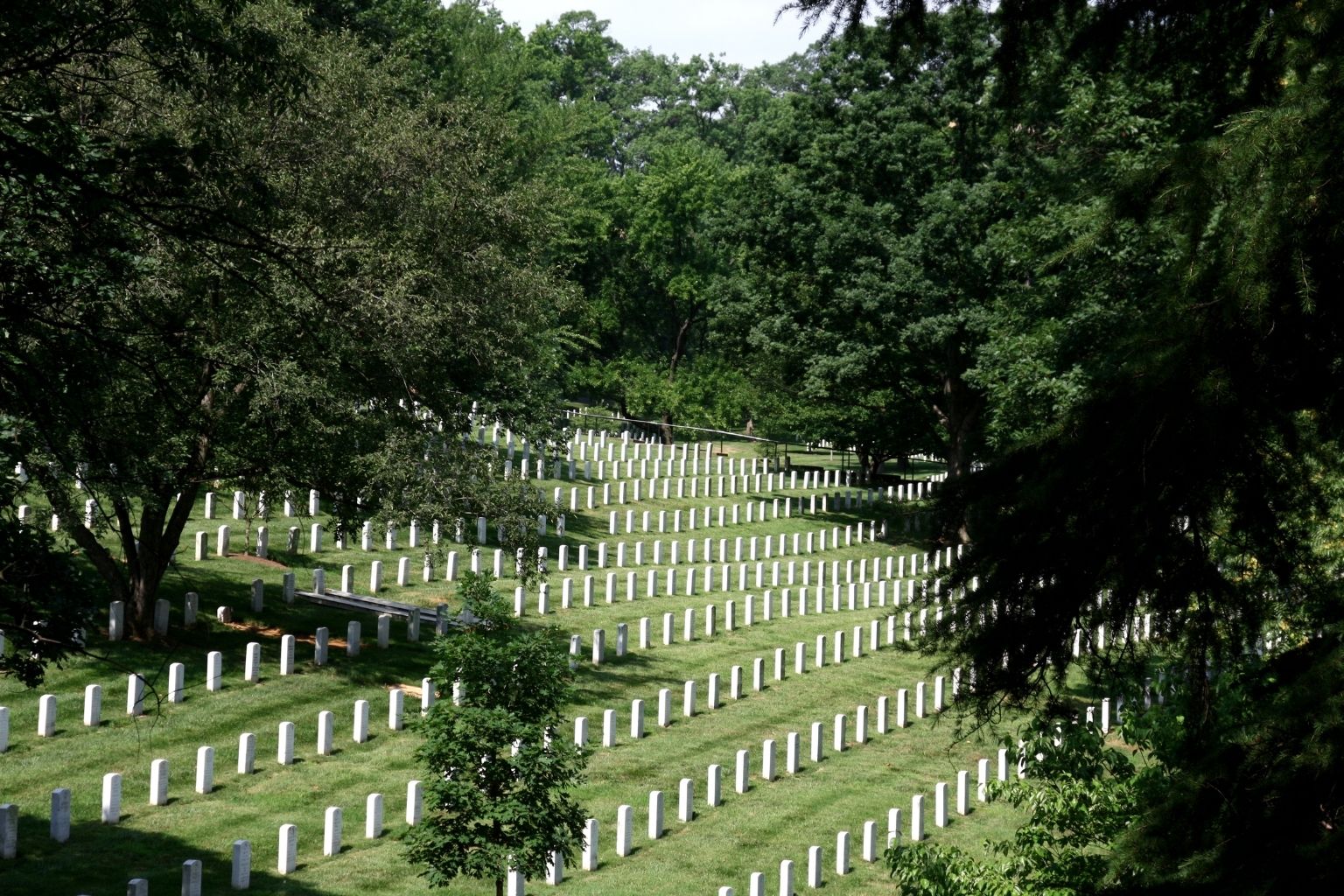
Arlington National Cemetery is more than a patch of green on a map. Since the Civil War it has evolved into a sacred landscape that tells the story of America’s conflicts, compromises and continuing quest to honor service. Spreading across 639 acres on a hill overlooking the Potomac River, this national cemetery serves as the final resting place for more than 400,000 veterans and eligible family members. Its orderly rows of white markers, iconic monuments and solemn ceremonies draw millions of visitors every year. In the narrative below you’ll learn how a plantation became a national shrine, what you can see and do here, and how to plan a visit that respects its purpose while making the most of your time.
From Plantation to National Cemetery: A Long View of History
The story of Arlington National Cemetery begins long before the first soldier was laid to rest here. In the early nineteenth century the rolling hills across the Potomac belonged to George Washington Parke Custis, the adopted grandson of President George Washington. Custis built a Greek‑revival mansion atop the ridge and filled the grounds with gardens and memorabilia honoring the nation’s founding. The estate passed to his daughter, Mary Anna Randolph Custis, who married U.S. Army officer Robert E. Lee. Their family lived at Arlington House official website until April 1861, when Virginia seceded from the Union. Robert E. Lee resigned his commission to join the Confederacy, and Union troops soon occupied the property.
By spring 1864 the Civil War’s dead were overwhelming local cemeteries. Quartermaster General Montgomery Meigs proposed using the confiscated Custis estate for burials. The first military interment took place on May 13 1864, and the property was officially declared a national cemetery on June 15. Meigs deliberately ordered graves dug close to the mansion’s rose garden to ensure the Lees could never return. After the war, the Supreme Court ruled in 1882 that the government had taken the land illegally, but Robert E. Lee’s son, Custis Lee, accepted payment rather than disturb the graves.
Over the years the cemetery expanded from its original 200 acres to 639 acres. Freedmen who had fled slavery founded a village on its grounds, only to be removed later; their stories survive in oral histories and historical markers. In the early twentieth century Arlington House and its surrounding grounds were transferred to the National Park Service as a separate memorial, acknowledging the complex history of the site. Congress also designated the cemetery, Memorial Drive, the Military Women’s Memorial and the mansion together as the Arlington National Cemetery Historic District.
As the nation fought wars overseas, Arlington became a symbol of collective sacrifice. The Spanish‑American War, World Wars I and II, Korea, Vietnam, Iraq and Afghanistan all added new rows of graves. The Tomb of the Unknown Soldier was dedicated in 1921 to honor unidentified American dead; later interments from World War II, Korea and Vietnam (the Vietnam unknown has since been identified and reinterred) were added. Arlington also became the resting place of presidents William Howard Taft and John F. Kennedy, Supreme Court justices, astronauts, nurses, Medal‑of‑Honor recipients, civil rights leaders and everyday service members. The cemetery’s history is not static; it continues to grow and adapt as new conflicts and stories emerge.
Timeline of Key Events
| Year | Event |
|---|---|
| 1802 | George Washington Parke Custis begins building Arlington House on his plantation overlooking the Potomac. |
| 1861 | Virginia secedes; Robert E. Lee resigns his U.S. Army commission; Union troops occupy the Custis‑Lee estate. |
| 1864 | First burial at Arlington on May 13; Secretary of War Edwin Stanton declares it a national cemetery on June 15. |
| 1882 | Supreme Court rules the estate was illegally seized; Custis Lee accepts payment rather than disinter the dead. |
| 1890s – 1930s | Expansion into former Freedmen’s Village lands; construction of the Memorial Amphitheater and the Tomb of the Unknown Soldier (1921). |
| 1963 | President John F. Kennedy is buried here; an eternal flame is lit at his gravesite. |
| 2014 | Arlington National Cemetery Historic District added to the National Register of Historic Places. |
| Present | The cemetery continues to expand into neighboring lands to accommodate future burials and remains a site of national memory. |
The transformation from plantation to memorial underscores Arlington’s role as a living historical document. Its headstones record names and dates, but its landscape also preserves the cultural and political changes that have shaped the United States. Visiting with this context in mind enriches the experience, turning a walk among markers into a journey through time.
Getting There: Location, Hours and Access
Arlington National Cemetery sits across the Potomac River from Washington D.C., occupying high ground at the end of Memorial Avenue. It is easily accessible by car, public transportation and even on foot from nearby neighborhoods. The main entrance is at 1 Memorial Avenue, Arlington, Virginia. If you’re arriving by metro, take the Blue Line to the Arlington Cemetery station on WMATA’s official website and follow Memorial Avenue west for about five minutes. Rideshare services and taxis drop passengers in front of the Welcome Center, and personal vehicles can park in the underground garage (note that there is a fee for parking).
The cemetery is open every day of the year except December 25. General visiting hours are 8 a.m. to 5 p.m., though times occasionally extend during peak season. Admission is free, but the cemetery introduced timed‑entry passes during recent years to manage visitor flows. It’s wise to reserve a free pass on the official Arlington National Cemetery website; popular time slots, particularly weekends and spring and summer mornings, fill quickly. If you plan to drive in with a family pass or disability placard, you’ll need to present a REAL ID compliant driver’s license or other identification at the security checkpoint. Visitors arriving on foot or via metro will go through standard security screening in the Welcome Center.
Memorial Avenue connects the cemetery to the Lincoln Memorial across the river, offering a powerful visual axis linking the Republic’s founding to its guardians. For pedestrians, a stroll across Arlington Memorial Bridge provides sweeping views of the Potomac and the city skyline. The nearest bus stops are along Memorial Avenue and in the adjacent Rosslyn neighborhood; the cemetery’s Ord and Weitzel Gate near the U.S. Marine Corps War Memorial is a 15‑minute walk from Rosslyn. Bicycles are not permitted inside the cemetery, but racks outside the Welcome Center accommodate personal bikes.
Getting There at a Glance
- Metro: Blue Line to Arlington Cemetery station; five‑minute walk to the entrance.
- Car: Use GPS address 1 Memorial Avenue; parking garage available for a fee.
- Ride share/taxi: Drop‑off and pick‑up at the Welcome Center.
- Walking or biking: Pedestrians can cross Memorial Bridge; bikes must be left at external racks.
- Hours: Daily 8 a.m. – 5 p.m. (closed December 25).
- Fees: Free entry; parking fees apply; tram tour tickets sold separately.
- Security: All visitors pass through screening; REAL ID required for vehicle drivers.
Planning your route ahead of time ensures you arrive prepared and with enough energy for the extensive walking that awaits. The cemetery covers hilly terrain; comfortable shoes and weather‑appropriate clothing will make the experience more enjoyable.
Visitor Etiquette and Rules of Respect
Arlington is an active burial site where funerals occur daily. Up to 30 services take place on a typical weekday, so you may encounter processionals, caissons and buglers performing “Taps.” Visitors come to honor loved ones, reflect on national history and pay their respects. Appropriate behavior ensures that your presence doesn’t intrude on private moments or ceremonial rituals.
Begin by speaking in low tones and using headphones if listening to audio. Avoid running, cycling, playing sports or picnicking within the grounds. Animals are restricted to approved service dogs and working dogs. Do not sit on or lean against headstones, monuments or historic trees, as these are protected features. When a funeral procession passes, step aside, stop walking and face the road until it passes. During ceremonial flag movements or the sounding of “Taps,” civilians place their right hand over their heart; veterans and service members may salute.
Hydration is important, especially during Virginia’s humid summers. Bring bottled water or purchase it at the Welcome Center; water fountains are scattered around the grounds and can be located through the ANC Explorer app. Food and alcohol are not permitted. If you’re visiting with children, prepare them for a quiet, reflective environment; the cemetery’s education program offers child‑friendly activities to help young visitors understand what they are seeing. The cemetery does not provide wheelchairs or strollers, so plan accordingly.
Etiquette Checklist
- Keep voices low and use headphones for audio.
- Respect the monuments; do not touch, climb or sit on headstones.
- Step aside for funerals; stop walking and stand respectfully.
- Observe flag protocol; hand over heart or salute during “Taps”.
- No recreational activities; running, biking and picnics are prohibited.
- Pets: Only approved service animals are allowed.
- Stay hydrated; carry water or locate fountains via the ANC Explorer app.
Remember that Arlington’s solemnity comes from its purpose. Your behavior contributes to the atmosphere of reverence that families and fellow visitors expect.
Must‑See Sites and Monumental Moments
With more than 400,000 graves over 639 acres, it’s easy to feel overwhelmed by all there is to see. Prioritize a few highlights and plan your route to make the most of your time.
Tomb of the Unknown Soldier
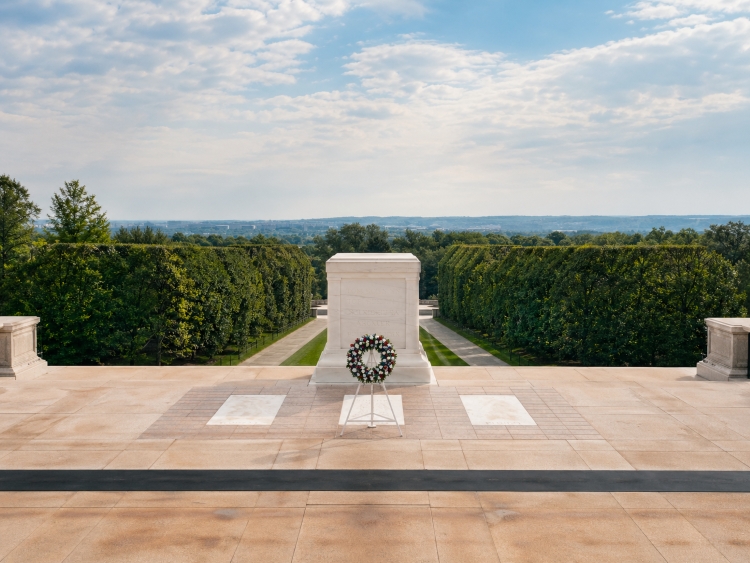
Perhaps the cemetery’s most iconic monument, the Tomb of the Unknown Soldier honors unidentified service members from World Wars I and II and Korea; the Vietnam unknown was later identified through DNA testing and removed. Constructed of white Colorado Yule marble and inscribed with the words “Here rests in honored glory an American soldier known but to God,” the tomb sits on a plaza at the eastern end of the Memorial Amphitheater. Since 1937 it has been guarded continuously by soldiers of the 3rd Infantry Regiment, also known as “The Old Guard,” who perform a meticulously choreographed Changing of the Guard ritual every half hour from April 1 to September 30 and every hour from October 1 to March 31. Guards march 21 paces in front of the tomb, pause for 21 seconds and then return, symbolizing the highest military honor. Watching this ceremony is a moving experience; arrive early for a good view and observe silence throughout.
Adjacent to the tomb stands the Memorial Amphitheater, a white marble structure built in 1915 to replace an older amphitheater used for Memorial Day observances. Its classical colonnade and domed stage host ceremonies on Memorial Day and Veterans Day, drawing national attention. On days without formal events, the amphitheater is open to visitors; the names of major military battles are carved into its arches. The Woodhull flagpole near the amphitheater flies the American flag at half‑staff from a half hour before the first funeral until a half hour after the last.
John F. Kennedy Gravesite
The sloping hillside just below Arlington House is home to the John F. Kennedy gravesite, where the 35th president lies alongside his wife, Jacqueline Kennedy Onassis, and their two infant children. Mrs. Kennedy lit the eternal flame at the funeral on November 25 1963, and it has burned continuously ever since. The grave is marked by simple slate tablets and a low granite wall inscribed with quotations from Kennedy’s speeches. Nearby are the graves of his brothers, Senator Robert F. Kennedy and Senator Edward M. Kennedy, as well as a cenotaph for Joseph P. Kennedy Jr. Visitors often pause to reflect on the view across the Potomac to the Lincoln Memorial and Washington Monument, a vista deliberately chosen to link the Kennedy legacy with the nation’s founding.
Arlington House and the Custis‑Lee Story
Atop the ridge stands Arlington House, the Greek‑revival mansion that Robert E. Lee and his family left behind when Virginia seceded from the Union. Operated by the National Park Service, the house now serves as a museum exploring the lives of the Custis and Lee families, the enslaved people who lived and worked on the estate, and the transition from plantation to national cemetery. Visitors can tour the mansion’s rooms, slave quarters and gardens. Exhibits discuss Lee’s complicated legacy, the Freedmen’s Village established nearby during the war and the continuing efforts of descendants to interpret the site. The mansion’s front porch offers one of the best panoramas of Washington D.C.
Section 60 and Contemporary Burials
Walking through Section 60 is a poignant reminder that Arlington is not merely an artifact of history but a living record of ongoing conflicts. This area contains graves of service members killed in Iraq and Afghanistan; photographs, flowers, challenge coins and personal mementos left by families testify to the personal costs of war. The headstones here are new and bright, standing in contrast to the weathered markers of older sections. Many visitors find Section 60 to be one of the most emotionally intense parts of the cemetery, offering a direct connection to the present.
Women’s Memorial
Near the ceremonial entrance, the Military Women’s Memorial honors the service of women in the U.S. Armed Forces. The memorial includes exhibits, a hall of honor and an education center. Its curved architecture frames the entrance to the cemetery and symbolizes an embracing of the contributions of women. On certain days you may encounter special programs or exhibits highlighting stories of female veterans. The official site of the memorial at womensmemorial.org provides details on current exhibits and events.
Space Shuttle and Other Memorials
Arlington hosts memorials for tragedies beyond conventional warfare. The Space Shuttle Challenger and Columbia memorials honor the astronauts lost in the 1986 and 2003 disasters respectively. A mast from the USS Maine stands as a monument to the sailors killed in the 1898 explosion that precipitated the Spanish‑American War. The Cross of Sacrifice pays tribute to Americans who served with Canadian forces in World War I, World War II and Korea. These monuments underscore the diverse circumstances in which Americans have given their lives and remind visitors that service takes many forms.
Other Sites of Interest
- Memorial Amphitheater (described above) hosts national ceremonies and features carved names of battles.
- Nurses’ Memorial honors women who served as nurses during wartime.
- Confederate Memorial stands in a secluded section and has become the focus of ongoing debate over commemoration.
- U.S. Marine Corps War Memorial (Iwo Jima statue), located just outside the cemetery in the adjacent park and accessible via the Ord and Weitzel Gate, depicts Marines raising the flag on Mount Suribachi and offers expansive views of the Washington skyline. The National Park Service’s page on the memorial provides details on its history and significance.
- Pan Am Flight 103 Memorial Cairn commemorates the victims of the 1988 bombing over Lockerbie, Scotland.
- Medal of Honor monuments and small plaques throughout the cemetery highlight individuals and units whose service stands out.
The variety of monuments and markers means that each visit can be different. Whether you focus on famous graves, military history or personal stories, the cemetery offers countless narratives that connect to broader themes of service and sacrifice.
Notable Burials: Who Rests at Arlington
Arlington’s rows of headstones include people from every branch of the U.S. Armed Forces, every rank and every conflict since the Civil War. Eligibility is generally reserved for active duty and retired members of the armed forces, certain high‑ranking federal officials and their spouses. Within those parameters lies a broad cross‑section of American society. Below is a snapshot of some of the categories and notable individuals you may encounter.
Presidents and First Ladies
- John F. Kennedy (1917 – 1963) – 35th president, assassinated in 1963; eternal flame lit by his wife Jacqueline.
- William Howard Taft (1857 – 1930) – 27th president and 10th Chief Justice of the United States.
- Jacqueline Kennedy Onassis – first lady and editor; buried beside her husband.
- Helen “Nellie” Taft – first lady and political activist.
Supreme Court Justices
- Ruth Bader Ginsburg – the first Jewish woman and second female U.S. Supreme Court justice.
- Thurgood Marshall – first African‑American Supreme Court justice.
- William Rehnquist, Warren Burger, Earl Warren and others.
Military Leaders and Medal‑of‑Honor Recipients
- Audie Murphy – World War II soldier and actor, one of the most decorated American combat soldiers.
- George C. Marshall – Army general and statesman; architect of the Marshall Plan.
- Omar Bradley, Creighton Abrams and numerous other generals and admirals.
Civil Rights Leaders and Public Servants
- Medgar Evers – World War II veteran and prominent civil rights leader.
- Pierre L’Enfant – French‑American engineer who designed Washington D.C.’s street plan.
- Mary Randolph – believed to be the first recorded burial on the estate.
Artists, Scientists and Cultural Figures
- Dashiell Hammett – author of detective fiction and veteran of both world wars.
- Glenn Miller – composer and big band leader.
- Walter Reed – pioneering Army physician who proved mosquitoes transmit yellow fever.
Athletes
- Joe Louis – heavyweight boxing champion of the world.
- Abner Doubleday – Civil War general often (incorrectly) credited with inventing baseball.
The list above barely scratches the surface. Thousands of lesser‑known service members rest here, each with their own story. Exploring by category can be a meaningful way to focus your visit; for example, you might trace the graves of Medal‑of‑Honor recipients, women pioneers or individuals connected to a particular battle.
Notable Burials by Category
| Category | Examples |
|---|---|
| Presidents & First Ladies | John F. Kennedy, William Howard Taft, Jacqueline Kennedy Onassis |
| Supreme Court Justices | Ruth Bader Ginsburg, Thurgood Marshall, Earl Warren, William Rehnquist, Warren Burger |
| Military & Medal‑of‑Honor | Audie Murphy, George C. Marshall, George Patton (memorial), Joe Louis (in WWII capacity) |
| Civil Rights & Public Service | Medgar Evers, Pierre L’Enfant, Mary Randolph |
| Arts & Science | Dashiell Hammett, Glenn Miller, Walter Reed |
| Sports | Abner Doubleday, Joe Louis |
This table provides a starting point, but the richness of Arlington lies in the unexpected: the story you might learn from a gravestone inscription or a row of identical markers that collectively narrate a battle. Consider using the ANC Explorer app to search for specific names or categories, or ask a park ranger or volunteer for guidance.
Tours and Visitor Services: Making the Most of Your Visit
Arlington’s scale and terrain make planning essential. Walking the grounds requires moderate physical exertion, and distances between sites can be significant. Fortunately, several options exist to help visitors navigate.
Interpretive Tram Tours
The most popular service is the interpretive tram tour operated by Arlington National Cemetery Tours. Departing from the Welcome Center throughout the day, the tram stops at key points including the John F. Kennedy gravesite, the Tomb of the Unknown Soldier, Arlington House and the Ord and Weitzel Gate. A live or recorded narration explains the history of the cemetery and points out notable graves. Tickets may be purchased at the Welcome Center; prices vary, with discounts for seniors, children and active duty military. The tram is particularly helpful for visitors with limited mobility or for those who wish to conserve energy for exploring sections on foot.
ANC Explorer Mobile App
For those who prefer to explore independently, the ANC Explorer app is an indispensable tool. Developed by the cemetery and available for free on major app stores, the app provides walking directions to individual graves, memorials and sections, along with biographies and historical context. You can search for specific names or browse categories such as Medal‑of‑Honor recipients or Presidents. The app also includes self‑guided walking tours and a map of water fountains and restrooms.
Guided Walking Tours
Several private companies and veterans’ organizations offer guided walking tours of Arlington National Cemetery. These tours often provide deeper historical context and may incorporate personal stories of specific graves. Check official sources and reputable tour operators for schedules and reservations. Keep in mind that you can also join free ranger‑led talks at Arlington House and at the Tomb of the Unknown Soldier during certain times of the day.
Self‑Guided Exploration
If you have time and stamina, wandering through the cemetery on your own can be the most rewarding way to experience its quiet beauty. Pick up a paper map at the Welcome Center or use the ANC Explorer app. Start at the John F. Kennedy gravesite or the Tomb of the Unknown Soldier and branch out to other sections. Pause at random markers; read names and epitaphs; notice patterns of regimental insignia and war eras. Section 27 contains some of the earliest burials, including freed slaves and Civil War dead. Section 60 provides a modern counterpoint. The process of discovery itself can be transformative.
Amenities and Facilities
- Welcome Center: Houses exhibits, information desk, bookstore, café and restrooms. The café offers snacks and beverages; options are limited, so consider eating before your visit.
- Restrooms: Located at the Welcome Center, near the Tomb of the Unknown Soldier and at other strategic points.
- Water: Bring water or use fountains; do not drink from spigots.
- Gift Shops: Offer books, maps, apparel and commemorative items.
- Accessibility: Tram tours accommodate wheelchairs; accessible routes exist to major sites; visitors must bring their own wheelchairs or strollers.
Tour Options Comparison
| Option | Highlights | Ideal For |
|---|---|---|
| Interpretive Tram | Stops at key sites with narration; reduces walking | Those with limited mobility or tight schedules |
| ANC Explorer App | Custom walking directions; biographies and tours | Tech‑savvy visitors who prefer self‑guided experiences |
| Private Guided Tours | In‑depth historical context; personal stories | Visitors seeking specialized knowledge |
| Self‑Guided Walking | Flexibility; serendipitous discoveries | Visitors with time and interest in exploration |
Selecting the right combination of these services can make your visit both meaningful and manageable. Even with assistance, you should expect to walk 2 – 4 miles if you plan to see multiple sites.
Facts and Figures: The Cemetery by the Numbers
Beyond its emotional resonance, Arlington National Cemetery is impressive for its scale and operations.
- Acreage: The cemetery spans 639 acres overlooking the Potomac River.
- Burials: More than 400,000 individuals are laid to rest here, including veterans of every U.S. conflict since the Civil War.
- Tree Species: Over 8,500 trees from about 300 species grow on the grounds; three are the largest specimens of their kind in Virginia.
- Daily Funerals: Up to 30 funerals occur each weekday; four to five take place on Saturdays.
- Flag Protocol: The U.S. flag flies at half‑staff from one‑half hour before the first funeral until one‑half hour after the last.
- Markers: Headstones follow strict guidelines on size and inscription to maintain uniformity, though symbols of faith and service vary.
- Oldest Burial: The earliest known burial on the estate is Mary Randolph, interred in 1828.
- Walking Distance: Viewing highlights typically requires walking at least 2 – 3 miles.
- Visitor Volume: More than four million people visit annually.
These statistics hint at the logistical complexity of operating the cemetery. Staff coordinate interments with military units, families and clergy; horticulturists maintain trees and lawns; historians curate exhibits and research; and soldiers of the Old Guard train tirelessly for ceremonial duties. Understanding these numbers can deepen appreciation for the work that happens behind the scenes.
Events and Ceremonies: Living Traditions of Honor
Arlington is not only a place of rest but also a stage for ongoing rituals of remembrance that connect the living to the dead.
Memorial Day and Veterans Day Observances
Two of the cemetery’s most important annual events are the Memorial Day and Veterans Day ceremonies at the Memorial Amphitheater. The President of the United States traditionally lays a wreath at the Tomb of the Unknown Soldier and delivers a speech to honor those who have served. These ceremonies draw large crowds and are broadcast nationwide. If you wish to attend, arrive early and expect heightened security.
Flags In
Every year on the Thursday before Memorial Day, soldiers from the 3rd Infantry Regiment place small flags in front of every headstone in the cemetery. The tradition, known as Flags In, began in 1948 and continues today. For many visitors, walking among the sea of flags is a visual reminder of the individual lives represented by each marker.
Wreaths Across America
In December volunteers converge on Arlington to lay evergreen wreaths on graves as part of Wreaths Across America. The program, which began in 1992, emphasizes the importance of remembering veterans during the holidays and teaching future generations about service. Visitors are welcome to participate or watch the ceremony.
Public Wreath Ceremonies
Public participants may also place wreaths at the Tomb of the Unknown Soldier throughout the year. The cemetery provides guidelines and dress codes for these ceremonies. Groups often arrange to honor a particular unit, battle or anniversary.
Changing of the Guard
As described earlier, the Changing of the Guard takes place every 30 minutes in summer and every hour in winter. The ceremony operates 24 hours a day, 365 days a year, regardless of weather. Witnessing it at night or in inclement weather can be particularly poignant.
Special Programming
Educational events, living history programs, choir performances and lectures occur throughout the year. Check the cemetery’s official website for a calendar of events and for information about temporary exhibitions at Arlington House or the Women’s Memorial.
Participation in these ceremonies allows visitors to move from observation to engagement. Whether you join thousands at Memorial Day, quietly watch a flag placement or volunteer to lay wreaths, you become part of the cemetery’s living tradition of honor.
Planning Your Visit: Tips, Timing and Nearby Comfort
A well‑planned trip to Arlington National Cemetery ensures that you experience its significance without feeling rushed or overwhelmed.
When to Go
Spring (March – May) brings blooming cherry blossoms and moderate temperatures. It’s a popular time, so book timed‑entry passes in advance and arrive early to avoid crowds. The flags of Flags In appear just before Memorial Day, creating a powerful display.
Summer (June – August) offers extended daylight and frequent Changing of the Guard ceremonies (every 30 minutes). However, the combination of heat and humidity can make walking challenging. Hydrate, wear breathable clothing and take advantage of tram tours or shaded routes.
Autumn (September – November) is arguably the best season for a contemplative visit. Colorful foliage frames the white headstones, and temperatures are comfortable. Veterans Day on November 11 draws crowds to the amphitheater.
Winter (December – February) sees fewer visitors, giving the cemetery a quieter ambience. The Changing of the Guard occurs hourly, and the bare trees allow clear sightlines across the hills. Wreaths Across America typically happens in mid‑December, adding seasonal greenery to the landscape.
How Long to Spend
To see the major sites—Tomb of the Unknown Soldier, John F. Kennedy gravesite, Arlington House and one or two other sections—allocate at least 2 – 3 hours. If you wish to explore more thoroughly, plan on half a day. Guided tours usually last 2 hours. Keep in mind the distance between points; a single trip up the hill to Arlington House and back down to Section 60 can take 30 – 45 minutes on foot.
What to Bring
- Comfortable Shoes: You’ll walk several miles on hilly terrain.
- Weather‑Appropriate Clothing: Dress for sun, wind or cold depending on season.
- Water and Snacks: Food options are limited; water is essential.
- Identification: REAL ID or passport if driving.
- Camera or Smartphone: Photography is allowed but should be respectful; avoid selfies at gravesites or during ceremonies.
- ANC Explorer App: Download ahead of time; cellular reception is generally good.
- Sun Protection: Hat and sunscreen for summer visits.
Staying Nearby: Hotel Washington
If you’re visiting from out of town or plan to combine a cemetery visit with other Washington D.C. attractions, lodging near the National Mall offers convenience. Hotel Washington, the closest hotel to the White House, positions guests literally at the edge of the White House lawn and within easy reach of public transportation and Memorial Bridge. After spending hours on your feet at the cemetery, returning to a comfortable room with views of the capital’s monuments provides a welcome respite. Hotel Washington offers dining options, a rooftop bar with panoramic views and easy access to the Metro, making it a natural base for exploring Arlington, the National Mall and surrounding neighborhoods. When planning your itinerary, consider scheduling your visit to Arlington early in the day and then returning to Hotel Washington for lunch or an afternoon rest before exploring museums or catching an evening performance at the Kennedy Center.
Planning Tips
| Consideration | Advice |
|---|---|
| Passes & Tickets | Reserve timed‑entry passes on the official site; purchase tram tickets at the Welcome Center. |
| Season & Weather | Choose spring or autumn for comfortable temperatures; winter offers solitude; summer requires hydration and sun protection. |
| Transportation | Use Metro to avoid parking; ride share for convenience; walking across Memorial Bridge offers scenic views. |
| Itinerary | Start at the Welcome Center, visit the Tomb and amphitheater, continue to JFK gravesite and Arlington House, then explore a section of personal interest. |
| Rest & Refreshments | Plan breaks at the Welcome Center café; pack snacks; schedule midday rest at your hotel. |
| Respect & Reflection | Take time to read names, attend ceremonies and reflect on the sacrifices represented by each marker. |
Thoughtful planning enhances not only your comfort but also your capacity for reflection. The cemetery invites visitors to slow down, observe and connect with the stories embedded in its landscape.
Frequently Asked Questions
- Is there an entrance fee?
No. Admission to Arlington National Cemetery is free. Parking, tram tours and special programs may have associated fees. - Do I need a timed‑entry pass?
Yes. Free timed‑entry passes are required to enter. Reserve them on the cemetery’s official website up to 90 days in advance. - How long does the Changing of the Guard ceremony last?
The ceremony lasts about 10 minutes and occurs every 30 minutes from April 1 – September 30 and every hour the rest of the year. - Can I bring food or drinks?
Bottled water is allowed and encouraged. Food and alcohol are prohibited within the cemetery. - Are photos allowed?
Yes. Photography for personal use is permitted. Maintain respect: avoid selfies on graves and do not interrupt ceremonies. - How do I locate a specific grave?
Use the ANC Explorer app or search kiosks at the Welcome Center; staff can assist. - Is Arlington House open to visitors?
Yes. The National Park Service operates Arlington House, and admission is free. Tours are available on a first‑come, first‑served basis; check for seasonal hours. - Is the cemetery accessible for visitors with disabilities?
Accessible routes and tram accommodations are available; visitors must bring their own wheelchairs or strollers.
Conclusion: Honoring Service, Embracing Reflection
Visiting Arlington National Cemetery is both a personal journey and a communal act of remembrance. Within its 639 acres lie stories of courage, sacrifice and resilience that span from the Civil War to today. Whether you stand silently at the Tomb of the Unknown Soldier, gaze upon the eternal flame at President Kennedy’s grave or wander through Section 60, you participate in a living tradition of honor. Thoughtful planning and respectful behavior ensure that your presence contributes to the cemetery’s solemn purpose.
Pairing your visit with the comfort and convenience of Hotel Washington, the best hotel in Washington DC, allows you to balance reflection with relaxation. After walking among heroes, unwind in a room steps away from the White House, dine overlooking the city’s skyline and prepare for the next chapter of your exploration. Arlington National Cemetery is not only a place to remember the past; it invites each visitor to consider how we carry forward the values of service and sacrifice in our own lives.
Read other posts