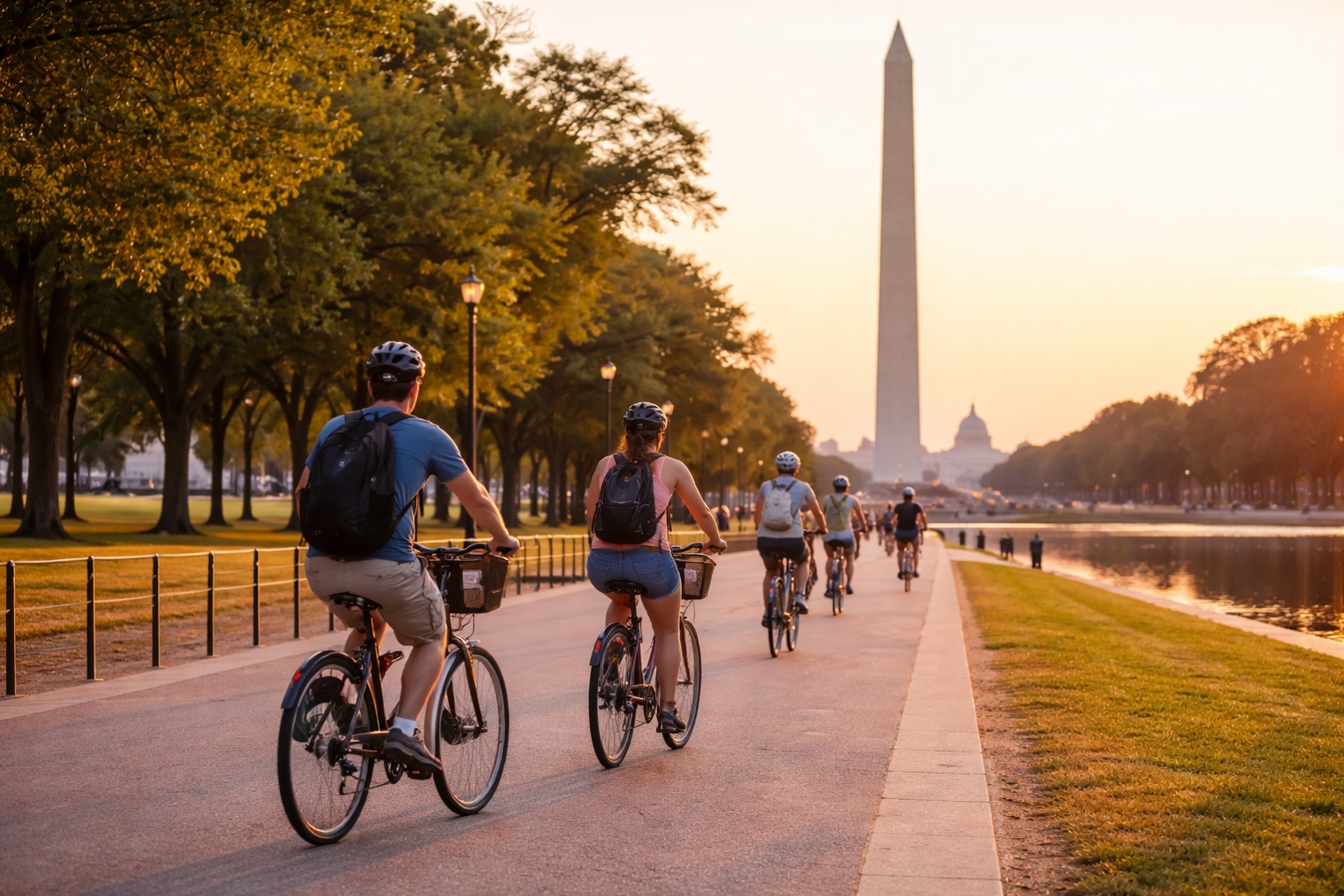
Top Bike Rental Services for Exploring Washington DC
Washington DC is a city where history and modern life coexist. Its monumental core, leafy neighborhoods and riverfront pathways invite visitors to explore on two wheels, providing an intimate way to experience the capital’s grand vistas, hidden corners and eclectic streetscapes. Bike rentals make this independence possible. Whether you’re meandering along the National Mall at sunrise, pedaling past the monuments after dark or rolling through Georgetown’s cobblestone lanes, the right bike and service will determine how rewarding the ride feels. This guide shows you how to choose among Washington’s diverse bike rental options and outlines the journeys they unlock.
As a visitor at Hotel Washington, the closest hotel to the White House and positioned at the edge of the White House Lawn, you’re ideally placed to begin a cycling adventure. The hotel sits just steps from the National Mall and provides immediate access to the city’s extensive bike infrastructure. Throughout this guide you’ll discover services, tips and routes that will help you explore the District efficiently and safely while making the most of your stay.
The Allure of Washington DC by Bike
Storytelling is inseparable from Washington DC. Pedaling along the Tidal Basin on a cool spring morning places you at the heart of American history – cherry blossoms flutter above the water, the Jefferson Memorial reflects in the ripples and the faint hum of the city awakens around you. A bike allows you to flow through this living museum without the constraints of traffic, offering a perspective that walking or public transport can’t. Biking here isn’t only about sightseeing; it’s an ecological choice that aligns with DC’s commitment to sustainability. Riders join a network that spans the Potomac River, the Capital Crescent Trail and quiet neighborhood lanes, discovering how accessible the city becomes when cars are replaced with pedals.
Cycling also fits naturally with Washington’s culture of outdoor activity. Locals commute via bike share, families roll along the National Mall on weekends, and visitors use rented bikes to connect the Smithsonian museums, monuments and vibrant districts. When you glide past the Lincoln Memorial on your way to brunch or stop at a farmers’ market in Eastern Market, you’ll understand why biking has become integral to the DC experience. Next, we’ll break down the major rental providers and what they offer, so you can choose the service that matches your plans.
Capital Bikeshare – The Public Cycling Network
A city‑wide fleet at your fingertips
Capital Bikeshare is the public bike‑sharing system that defines urban mobility in the District. Operated by a coalition of local jurisdictions and currently managed by Lyft, it provides more than 8,000 bikes and 800 stations across Washington DC, Arlington, Alexandria and multiple counties in Maryland and Virginia. You’ll see rows of bright red bikes dotted around the city, ready for spontaneous rides to museums, restaurants or parks.
Pricing and membership options
Capital Bikeshare is designed to be accessible. You can walk up to a docking station, use the Capital Bikeshare or Lyft app to unlock a bike and ride for a modest fee. The single ride option costs $1 to unlock plus $0.15 per minute, making it perfect for quick trips. The day pass costs $10 and allows unlimited 45‑minute rides on classic bikes for 24 hours, ideal if you want to hop between monuments all day without worrying about individual fares. Frequent visitors or locals can opt for the annual membership, currently $120 per year, which offers unlimited 45‑minute rides and reduced rates on e‑bikes.
Members receive additional perks, such as the Ride Together feature that enables you to unlock a bike for a guest, and the ability to park e‑bikes near full or nearly full stations for free. These incentives encourage more people to adopt cycling as a primary mode of transportation.
Pros and considerations
Using Capital Bikeshare offers undeniable convenience. Stations are concentrated in tourist areas like the National Mall, Capitol Hill and the Wharf, allowing you to drop off a bike near your destination and pick up another when you’re ready to continue. The system’s intuitive app lets you check bike availability and locate docks. However, there are a few considerations:
-
Time limits: rides longer than 45 minutes incur additional fees unless you pay per minute. Plan to dock the bike at a station and unlock a new one if you’re taking extended photo stops.
-
Limited gear options: the bikes are durable and comfortable but come in one size with adjustable seats, and there are no tandem or kids’ bikes. Families with young children may find other rental services more suitable.
-
E‑bike surcharges: e‑bikes are available at some stations for an extra per‑minute fee, but they’re subject to availability and require riders to follow speed and parking guidelines.
Capital Bikeshare is ideal for visitors staying at Hotel Washington who want a flexible, self‑guided experience. You can hop on a bike outside the hotel and ride to the Smithsonian National Museum of American History or the Washington Monument in minutes, then dock the bike before heading inside.
Unlimited Biking – Guided Tours and Flexible Rentals
A story of exploration
Imagine joining an intimate group of riders at dusk as a knowledgeable guide leads you along the Monuments and Memorials Bike Tour. The white marble of the Washington Monument, Lincoln Memorial and Jefferson Memorial glows under the golden light while your guide shares stories of their construction and significance. Unlimited Biking builds these experiences by combining high‑quality bikes with professional guides. Originally known as Bike and Roll DC, this company has been a fixture of the capital’s tourism scene for years. Their rebranding to Unlimited Biking expanded services and locations while maintaining local expertise.
Tour offerings and rental options
Unlimited Biking provides a broad range of guided tours. Their three‑hour Monuments and Memorials Bike Tour travels past the White House, Washington Monument, Lincoln Memorial and Jefferson Memorial, making it perfect for first‑time visitors seeking highlights. The Monuments at Night Tour reveals the city’s landmarks under the glow of evening lights. For those who want assistance covering more ground, the Monumental Electric Bike Tour offers extra pedal power.
Custom and private options let you design a personal itinerary. You can focus on Capitol Hill, explore lesser‑known neighborhoods or even incorporate a picnic stop. Every tour includes a bike, helmet, lock and a color‑coded map, so you can continue exploring after the tour ends.
Unlimited Biking isn’t just about tours. They offer flexible rentals with multiple bike types: hybrid bikes, electric bikes, road bikes, tandem bikes and kids’ bikes and attachments. Rentals include helmets, locks, bike bags and a map. Their shop at 701 D Street NW sits close to major attractions, and hours vary by season – 8 AM – 8 PM from April through October and 9 AM – 5 PM from November through March. Group pricing is available for 15 or more riders, and the company provides event rentals for large gatherings like the DC Bike Ride.
Why choose Unlimited Biking?
-
Comprehensive experiences: Guides bring monuments and neighborhoods alive through storytelling, historical context and insider tips.
-
Variety of equipment: Whether you want the stability of a hybrid, the speed of a road bike or the ease of an electric bike, you can find the right fit.
-
Family friendly: Kids’ bikes, tagalongs and trailers make it easy for families to ride together.
-
Flexible rental durations: Choose by the hour or day without strict time limits.
This service appeals to travelers who enjoy curated experiences but still value autonomy. After a guided tour, you might feel confident enough to explore on your own, using the map provided. Guests at Hotel Washington can book tours and rentals through the concierge and often join a group just a few blocks away.
Fat Tire Tours – Cruiser Comfort and Family‑Friendly Rides
From Paris to Pennsylvania Avenue
Fat Tire Tours began by leading bike tours in European cities and has brought its relaxed, comfort‑focused approach to Washington DC. You might spot their groups riding down Pennsylvania Avenue in front of the U.S. Capitol, laughing as a guide describes the quirky history of the Capitol’s statues or the secrets of the Supreme Court building. Fat Tire emphasizes accessibility, offering sturdy cruiser bikes that encourage riders to sit back, enjoy the scenery and take photos without worrying about gears or complex bike mechanics.
Rental details
When you rent from Fat Tire, you receive a bike, helmet and lock. The company’s adult beach cruiser bikes have three speeds, wide tires and cushioned seats. There are kids’ mountain bikes with 20‑ and 24‑inch wheels, featuring hand brakes and multiple gears. Electric bikes are also available for riders who want extra assistance.
Rentals must be returned by closing time; hours are 8 AM – 8 PM from April through October and 9 AM – 5 PM from November through March. Riders under 16 are legally required to wear a helmet in DC, and e‑bike riders must be at least 16 years old. Fat Tire’s staff can recommend routes, restaurants and visitor tips, making them a good choice if you want personal attention without a guided tour.
Pros and considerations
-
Comfortable bikes: Cruiser bikes are forgiving on bumpy streets and are ideal for leisurely rides around the monuments.
-
Family services: Kids’ bikes and attachments ensure children can participate, but note that tandem options aren’t available for adults.
-
E‑bike availability: Electric bikes accommodate riders who want to conserve energy on longer trips.
-
Seasonal hours: Make sure to check return times, especially during fall and winter.
Fat Tire Tours suits travelers seeking a relaxed rental experience with helpful staff but without the structure of a guided tour. If you’re staying at Hotel Washington, you can rent a bike in the morning, ride around the National Mall at your own pace and be back at the hotel in time for an afternoon meeting or spa appointment.
Electric and Dockless Bike Options – Lime and More
Micromobility and urban innovation
Dockless bikes and e‑bikes have revolutionized urban mobility. Lime, the world’s largest provider of shared electric vehicles, has operated in Washington DC since September 2017. Its fleet of Gen4 scooters and e‑bikes with swappable batteries numbers 8,175 vehicles. You’ll find them leaning against bike racks or parked near crosswalks, ready to unlock via smartphone.
Lime’s mission goes beyond convenience; it focuses on sustainability and accessibility. The Lime Access program offers discounted rides and a text‑to‑unlock feature for riders without smartphones or credit cards, helping reduce the digital divide. By choosing a Lime e‑bike, you support a company that partners with community organizations and invests in green transportation.
Rules and best practices
Dockless bikes bring flexibility, but they come with responsibilities. Riders must be at least 18 years old. When parking, you must lock the e‑bike to a permanent object (like a bike rack or post) rather than leaving it on the sidewalk. DC prohibits riding on sidewalks within the Central Business District, so use bike lanes or streets. Always yield to pedestrians and avoid obstructing accessible ramps or bus stops.
Pros and considerations
-
On‑demand convenience: Unlock bikes anywhere, ride and lock them near your destination.
-
Electric assistance: E‑bikes make uphill routes and longer distances more manageable.
-
Pay‑per‑minute model: Pricing is based on time; check the app for current rates and promotions.
-
Rule compliance: Failing to park correctly can result in fines or account suspension.
Lime and similar services are ideal for spontaneous rides or when other rentals are unavailable. However, they may not be the best choice for full‑day excursions or families with children. For visitors at Hotel Washington, Lime bikes provide a quick way to reach a meeting across town or explore neighborhoods like Adams Morgan without worrying about docking station availability.
Pedego and Local Shops – Specialized Electric Bikes and Hybrids
Electric experiences in the suburbs and beyond
For riders seeking premium electric bikes or specialized gear, Pedego Electric Bikes offers rentals through its dealers in Alexandria and Bethesda. The company describes its electric bike rental as “the very best way to experience Alexandria and beyond,” noting that nearby bike trails are safe and beautiful. Visitors often call it the most fun and memorable part of their trip, and locals appreciate discovering such an experience close to home. While not based in central DC, Pedego is a good option if you plan to explore the Mount Vernon Trail along the Potomac or ride through suburban neighborhoods.
Pedego offers various models, including cruisers, commuters, cargo bikes and trikes, all equipped with powerful motors and comfortable features. Rentals come with helmets and locks, and staff can provide route suggestions. Electric bikes allow riders of different fitness levels to travel together without fatigue; they’re particularly useful for covering long distances such as the Mount Vernon Trail or cycling from Alexandria to Mount Vernon, the historic estate of George Washington.
Local bike shops
Several local shops, like Big Wheel Bikes and BicycleSPACE, rent hybrid and road bikes. Although their details vary, these shops typically offer daily or multi‑day rentals with helmets and locks. They’re a reliable choice if you’re planning extended rides on the C&O Canal Towpath or Rock Creek Park. Consult local tourism boards or shop websites for up‑to‑date rental information and consider reserving in advance during peak seasons.
Choosing the Right Bike Rental Service
Selecting a rental service depends on your travel style, schedule, budget and comfort level. Here are some factors to consider:
-
Duration and frequency: For short hops between attractions, Capital Bikeshare or Lime offer economical per‑minute pricing. For day‑long explorations, Unlimited Biking, Fat Tire Tours or local shops offer daily rates that include equipment and support.
-
Group composition: Families with children should look for services that provide kids’ bikes, tagalongs or trailers, such as Unlimited Biking or Fat Tire Tours. Couples or friends may enjoy riding a tandem or electric bike.
-
Guidance vs independence: If you want narration and historical context, choose a guided tour with Unlimited Biking. For independent exploration, rent from Fat Tire Tours or a local shop and use a map.
-
Equipment variety: Think about whether you need a hybrid for city streets, an electric bike for longer distances or a cruiser for comfort. Also consider accessories like baskets or bike bags for carrying water and cameras.
-
Pickup location: Proximity matters. Capital Bikeshare stations are everywhere; Unlimited Biking’s shop is centrally located; Fat Tire’s office is near the National Mall; local shops may be farther away.
-
Budget: Compare per‑minute costs, daily rates and membership fees. Factor in additional charges for e‑bike upgrades or overtime. While Capital Bikeshare’s day pass is affordable, guided tours provide value through storytelling and equipment quality.
By matching these criteria to your itinerary and group needs, you can find a rental service that maximizes enjoyment and convenience.
Guided Tours vs Self‑Guided Rentals
Choosing between a guided bike tour and a self‑guided rental depends on how you like to travel and what you hope to gain from your ride. Here are some benefits of each approach.
Benefits of Guided Tours
-
Historical context: Guides share stories and facts about monuments, memorials and neighborhoods that you might otherwise miss.
-
Navigation simplicity: Someone else handles the route, allowing you to relax and focus on your surroundings.
-
Group camaraderie: Riding with others creates a social atmosphere and offers opportunities to meet fellow travelers.
-
Safety: Guides ensure that the group follows traffic rules and uses bike lanes safely, which is reassuring for novice cyclists.
-
Access to hidden gems: Guides can show you lesser‑known spots, like quiet gardens behind the U.S. Capitol or secret viewpoints at the Tidal Basin.
Benefits of Self‑Guided Rentals
-
Flexibility: You choose your own pace, routes and stop durations. Spend an hour at the National Gallery of Art or detour through the Chinatown arch without worrying about a schedule.
-
Privacy: Explore with your companion or family without strangers.
-
Customization: Tailor the route to your interests. History buffs might focus on memorials, food lovers might hop between farmers’ markets and cafes, and nature enthusiasts might ride to Rock Creek Park.
-
Cost: Renting without a guide can be cheaper, especially if you already know the city or prefer to research on your own.
Many visitors combine both approaches: start with a guided tour to orient yourself, then rent bikes to revisit favorite spots later. Hotel Washington’s concierge can help you schedule tours and arrange rentals according to your preferences.
Safety and Regulations for Cycling in Washington DC
Washington DC promotes cycling through dedicated bike lanes, trails and infrastructure. To ensure a safe ride, follow local laws and best practices.
-
Helmet laws: District law requires all riders under 16 to wear a helmet. Helmets are provided by rental services, and all riders are encouraged to wear them for safety.
-
Age requirements: Many services require riders of electric bikes to be 16 years or older. Lime requires users to be at least 18.
-
Sidewalk riding: Biking on sidewalks is prohibited in the Central Business District, which includes downtown, the National Mall and certain commercial corridors. Always use bike lanes or streets when available.
-
Dockless bike parking: For Lime and other dockless services, you must lock the bike to a fixed object (e.g., bike rack or light pole) and avoid blocking sidewalks, ramps or doorways.
-
Yield to pedestrians: Slow down near crosswalks and busy pedestrian areas. Ring your bell when approaching people from behind.
-
Follow traffic rules: Ride in the same direction as traffic, stop at red lights and stop signs, and signal turns. Washington DC’s roads are well marked with sharrows and bike lanes, but it’s important to remain vigilant.
-
Stay visible: Wear bright clothing or reflective gear, especially if riding at dawn, dusk or night. Use lights on your bike as required by law.
-
Stay hydrated and prepared: Carry water, snacks, sunscreen and a phone charger. Many rental services provide bike bags for this purpose.
By observing these rules, you’ll help ensure a safer and more enjoyable experience for yourself and others.
Top Bike Routes and Scenic Rides in Washington DC
The District’s network of trails and bike lanes invites exploration beyond the iconic National Mall. Here are some notable routes to consider. Each section begins with a narrative to set the scene before listing highlights.
National Mall and Monuments Loop
Starting at Hotel Washington, you can roll down 15th Street and enter the National Mall. At dawn, the grass glistens with dew and the Washington Monument casts a long shadow across the mall. Pedal east toward the U.S. Capitol, passing the Smithsonian Museums along the way. Turn toward the Tidal Basin, circumnavigate the loop around the water and admire the Jefferson Memorial before returning past the Lincoln Memorial and World War II Memorial. This ride is about 5 miles and can take a leisurely couple of hours if you stop frequently.
Highlights:
-
Photo opportunities at the Washington Monument, Lincoln Memorial and Jefferson Memorial (National Park Service).
-
Seasonal blooms around the Tidal Basin, especially during cherry blossom season.
-
Museums like the National Museum of American History and the National Museum of African American History and Culture just off the path.
Mount Vernon Trail
For a longer adventure, cross the Potomac River on the 14th Street Bridge and join the Mount Vernon Trail. The ride south toward George Washington’s Mount Vernon is scenic and mostly flat, with views of the river, boats and skyline. Stop in Old Town Alexandria for lunch and continue to the historic estate if you wish. The full trail from Theodore Roosevelt Island to Mount Vernon is 18 miles one way. Electric bikes from Pedego or Lime can make the return trip easier.
Highlights:
-
Views of the Washington Monument and U.S. Capitol from across the river.
-
Historic streets and waterfront in Old Town Alexandria.
-
Wooded sections near the Dyke Marsh wildlife preserve.
Capital Crescent Trail and C&O Canal Towpath
Begin at Georgetown Waterfront Park and head west on the Capital Crescent Trail, a converted railway line that leads into Maryland. This paved trail passes under overhanging trees and through quiet neighborhoods. At Fletcher’s Cove you can branch onto the C&O Canal Towpath, an unpaved path that stretches 184 miles to Cumberland, Maryland. Short rides on this path offer a glimpse of canal history, with stone locks and aqueducts.
Highlights:
-
Riverside views and picnic spots at Fletcher’s Boathouse.
-
Switch to the towpath and ride past canal locks dating back to the 1800s.
-
Visit Bethesda Row for cafes and shopping before returning.
Rock Creek Park
North of downtown lies Rock Creek Park, a wooded refuge with car‑free weekends along Beach Drive. Enter from P Street or Harvard Street and follow the road through dense forest, open meadows and along the creek itself. You may encounter deer, foxes and birdlife. At the park’s center sits the Rock Creek Park Nature Center, where exhibits interpret the area’s natural history.
Highlights:
-
Cooling shade on hot summer days.
-
Historical sites like Peirce Mill, a restored 1820s mill.
-
Optional detours to National Zoo or the Carter Barron Amphitheatre.
H‑Street to Union Market and Neighborhood Tours
If you enjoy urban exploration, consider biking through neighborhoods. Ride east from downtown to H Street NE, passing the U.S. Capitol and Union Station. Enjoy street murals, independent shops and eateries. Continue to Union Market, a food hall with artisanal vendors. These rides showcase DC’s dynamic neighborhoods, each with its own character and history.
Highlights:
-
Public art and murals along Bladensburg Road.
-
Coffee shops and bookstores in Capitol Hill and NoMa.
-
Farmers’ markets like Eastern Market and seasonal street festivals.
Tips for Planning Your Biking Adventure
Effective planning can transform a good ride into a memorable one. Here are strategies for maximizing enjoyment:
-
Start early or ride later: The National Mall gets busy by mid‑morning. Riding before 9 AM or after 6 PM means cooler temperatures and fewer crowds.
-
Check weather and pack accordingly: DC summers can be humid and thunderstorms can appear in the afternoon. Carry water, sunscreen and a rain jacket.
-
Plan your stops: Identify attractions you want to visit and account for time spent exploring them. Many monuments, such as the Lincoln Memorial, require climbing steps; schedule breaks to rest.
-
Bring identification and payment: Some rental services require ID or a credit card deposit. Lime e‑bikes require the app, so ensure your phone is charged.
-
Know the rules: Review helmet laws, parking requirements and traffic regulations before you ride.
-
Map out restrooms and water fountains: The National Mall has limited facilities; the Smithsonian museums are good places to stop. Outside downtown, parks often have amenities near visitor centers.
-
Secure your bike: Use the provided lock and avoid leaving the bike unattended for long periods. For dockless bikes, locking to a proper rack prevents fines and helps maintain city order.
-
Stay flexible: DC’s charm lies in its surprises. Leave room for spontaneous detours—maybe you’ll stumble upon a street performance at The Wharf or a hidden garden in Georgetown.
Incorporating Hotel Washington into Your Cycling Adventure
Hotel Washington is more than just a luxurious place to sleep; it’s a launching pad for exploring the nation’s capital by bike. Situated at the edge of the White House Lawn, the hotel offers unobstructed views of the executive mansion and lies within a short ride of major attractions. Start your morning on the hotel’s rooftop with a sunrise over the Washington Monument, then descend to the lobby where the concierge can arrange bike rentals or tours.
Because of the hotel’s central location, you can easily access Capital Bikeshare docks or meet your guide from Unlimited Biking without needing a taxi. After a day of pedaling through monuments and neighborhoods, return to the hotel’s spa to soothe your muscles or enjoy dinner at its acclaimed restaurant. Staying at Hotel Washington means your cycling adventures are seamlessly integrated with relaxation and cultural experiences, making it the ideal base for active travelers.
Frequently Asked Questions (FAQs)
-
How much does it cost to rent a bike in Washington DC?
Capital Bikeshare charges $1 to unlock plus $0.15 per minute; a day pass is $10 for unlimited 45‑minute rides. Private rental companies like Unlimited Biking and Fat Tire Tours offer daily rates around $45–$55, including helmet and lock. -
Are electric bikes available for rent?
Yes. Capital Bikeshare offers e‑bikes at an extra per‑minute rate; Unlimited Biking and Fat Tire Tours rent electric bikes. Lime operates a large fleet of dockless e‑bikes. -
Do I need a helmet to ride in Washington DC?
DC law requires riders under 16 to wear a helmet. Helmets are recommended for everyone and are included with most rentals. -
What’s the difference between Capital Bikeshare and Lime?
Capital Bikeshare uses docked stations and offers memberships and day passes. Lime provides dockless e‑bikes unlocked via an app and charges per minute. Lime riders must lock the bike to a fixed object and be 18+. -
Can I take a bike to Arlington or Alexandria?
Yes. Capital Bikeshare’s network extends into Arlington and Alexandria, and the Mount Vernon Trail connects DC to these areas. Pedego’s electric bikes are well suited for longer rides into Virginia. -
Are guided bike tours worth it?
Guided tours provide context, navigation and safety oversight. Unlimited Biking offers tours covering monuments and neighborhoods. If you prefer independence, renting a bike and exploring on your own is also rewarding. -
Where can families with young children rent bikes?
Unlimited Biking and Fat Tire Tours offer kids’ bikes, trailers and tagalongs. Capital Bikeshare does not provide kids’ bikes. -
What are the best times of year to bike in DC?
Spring and fall offer mild temperatures and scenic foliage. Summer can be humid, so plan rides early or late in the day. Winter rides are possible, but many rental services have shorter hours and fewer bikes available.
Closing Thoughts
Exploring Washington DC by bike is more than a practical way to move between monuments – it’s a doorway into the city’s rhythms, stories and neighborhoods. With a variety of rental services, guided tours and routes to choose from, every visitor can craft an experience that suits their interests and pace. As you plan your journey, consider how the freedom of cycling complements the comfort and convenience of Hotel Washington. From the hotel’s doorstep, the capital unfolds in every direction; all that’s left is for you to pedal into it. For more information on accommodations and concierge services, visit Hotel Washington’s official website.
Read other posts