Things to Do in Washington DC in April 2026
April in Washington DC is an inspiring time when the city shakes off winter and bursts into bloom. At every turn there are celebrations of spring, whether through delicate cherry blossoms that frame the Tidal Basin or the lively festivals and sporting events that fill the calendar. In 2026 these rituals take on extra meaning as Washington participates in America’s 250th anniversary, inviting visitors to explore the capital’s history, culture and natural beauty. This guide combines storytelling and structured information to help you plan an unforgettable April itinerary. You will discover signature events of the National Cherry Blossom Festival, world‑class film and craft fairs, outdoor adventures, art exhibits and family‑friendly activities. Weather insights and packing tips prepare you for spring’s variability, while lodging recommendations—such as Hotel Washington, the closest hotel to the White House positioned at the edge of the White House Lawn—help you make the most of your stay.
Cherry Blossoms and the National Cherry Blossom Festival
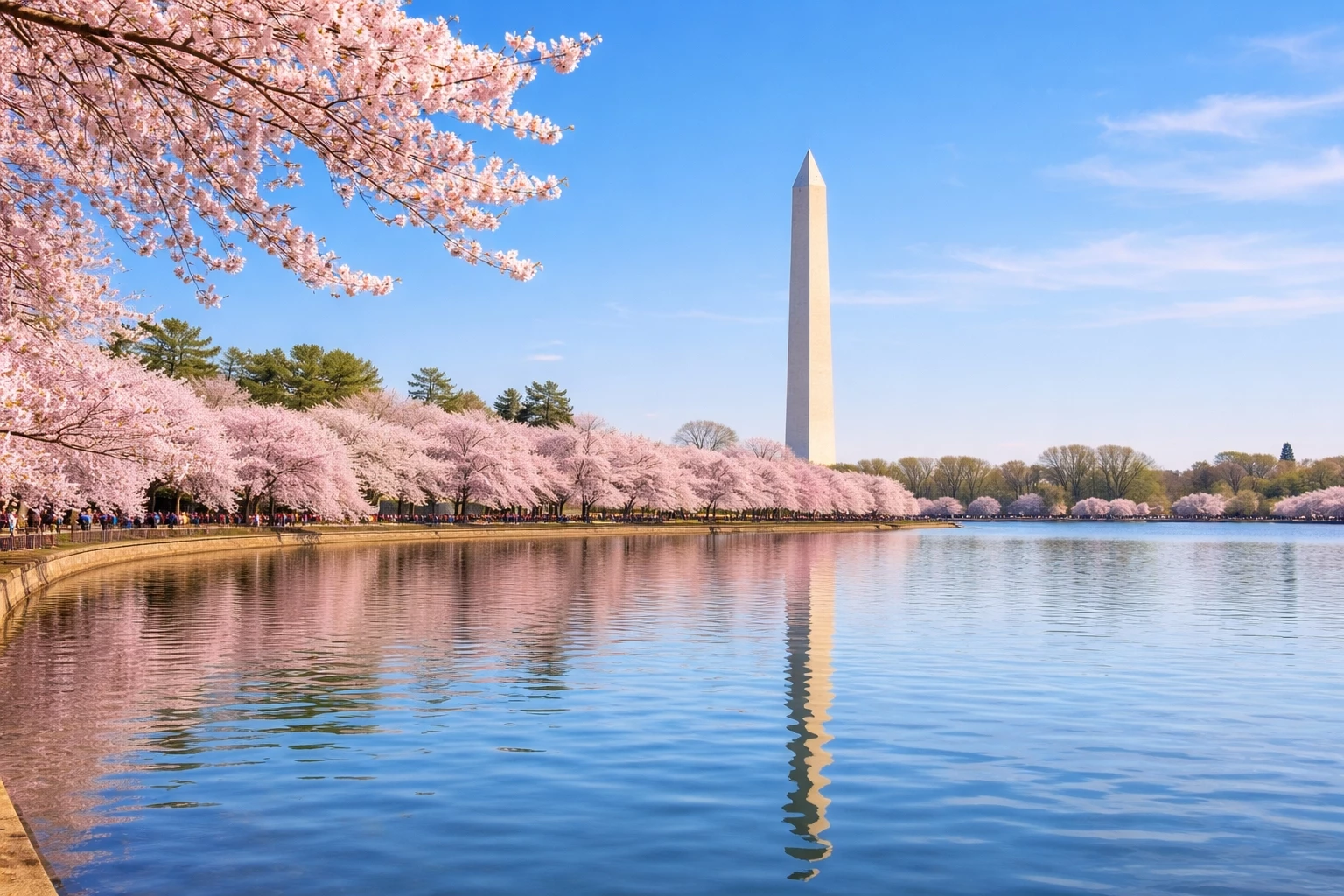
The highlight of every Washington spring is the National Cherry Blossom Festival. This month‑long celebration honors Tokyo Mayor Yukio Ozaki’s 1912 gift of 3,000 cherry trees, a living symbol of friendship between Japan and the United States. In 2026, the festival runs from March 20 through April 12 and includes special programming that acknowledges America’s semiquincentennial. The trees themselves—mostly Yoshino cherries—encircle the Tidal Basin, along East Potomac Park and in neighborhoods like Kenwood. The National Park Service’s Bloom Watch predicts peak bloom for March 29 – April 1 2026, but blossoms often dazzle for a week before and after, depending on weather. When you arrive, expect to see photographers capturing petals against monuments, families picnicking under pink canopies and volunteers offering cultural programs at the Welcome Area and ANA Stage.
Origins and cultural significance
The first cherry trees were planted on March 27 1912 under the direction of First Lady Helen Taft and Viscountess Chinda. Over the decades the festival evolved from a simple tree‑planting ceremony into a major springtime institution that draws millions of visitors. The celebration remains a symbol of international friendship and resilience; even during challenging periods—such as wartime or pandemic—it has provided a sense of continuity and hope. In 2026 the festival’s programming honors both the original gift and America’s 250th birthday, combining Japanese cultural traditions with American history to create a unified narrative.
Signature events and how to experience them
The festival’s calendar is packed with activities ranging from lavish galas to family craft days. Below you will find narrative highlights of the most popular events, followed by structured tips for enjoying them.
Opening Ceremony and Pink Tie Party
The celebrations begin before April with two high‑profile gatherings. The Pink Tie Party is a fundraiser featuring dishes and cocktails from DC’s top chefs. Guests don pink attire and bid on silent auction items that benefit community arts programs. On March 21 the festival hosts the Opening Ceremony at the historic Warner Theatre. This multicultural program features performances by Japanese musicians, classical ballet and gospel choirs; admission is free, although a nominal $5 processing fee applies to secure tickets. Together these events set the tone for a season of elegance and philanthropy.
Blossom Kite Festival – March 28
One of the most joyful traditions is the Blossom Kite Festival on March 28 at the Washington Monument grounds. Families, hobbyists and professionals gather to fly kites of every shape and color against the backdrop of blooming trees. Festival organizers host competitions for creativity and flight, while children’s activity tents offer kite making and face painting. Taiko drumming performances and Japanese folk dances infuse the air with music. Although this event technically falls in March, arriving a day or two early allows you to witness the kite ballet and soak up the festive atmosphere.
Petalpalooza – April 4
April begins with Petalpalooza, a free day‑long party at the Capitol Riverfront. The waterfront promenade comes alive with live music across several stages, interactive art installations, games and family activities. Food trucks dish out regional favorites like Chesapeake crab cakes and international street foods. As evening falls, fireworks burst over the Anacostia River, painting the sky in pink and gold hues. Petalpalooza is accessible to all and is often cited as the most family‑friendly signature event.
National Cherry Blossom Parade – April 11
On the morning of April 11, Constitution Avenue turns into a sea of floats, giant helium balloons, marching bands and performers for the National Cherry Blossom Parade. The procession stretches ten blocks, from 7th to 17th Streets NW, and celebrates community heroes, cultural exchanges and springtime joy. Standing along the route is free, but grandstand seats—ideal for unobstructed views—require tickets and sell out quickly. Local schools and Japanese groups collaborate on elaborate costumes and dance routines, creating a spectacle that embodies the festival’s multicultural spirit.
Sakura Matsuri: Japanese Street Festival – April 11–12
Concurrent with the parade, Sakura Matsuri transforms several blocks of Pennsylvania Avenue into a bustling Japanese street market. More than eighty vendors showcase regional specialties—from ramen and okonomiyaki to mochi and sake tastings—and there are areas dedicated to anime, J‑pop and traditional crafts. Cultural performances include Taiko drumming, martial arts demonstrations and tea ceremonies. Attendance is free, though some food and workshops require tickets. Sakura Matsuri also features a cosplay parade that draws anime fans from across the East Coast.
Tidal Basin Tours and Photography Workshops
One of the most rewarding ways to experience the blossoms is on foot or by water. DC Design Tours offers guided walks around the Tidal Basin that highlight the design and symbolism of memorials and the role of landscape architecture in linking them. The tour includes stops at the Martin Luther King Jr. Memorial, Franklin Delano Roosevelt Memorial and the Jefferson Memorial, with commentary on each site’s history and design. For unique perspectives, rent a paddleboat to glide beneath low‑hanging branches and photograph blossoms reflected in the water. Sunrise and late afternoon are prime times for photography; light is softer and crowds are thinner.
Tips for enjoying cherry blossom season
-
Timing your visit: Weather heavily influences bloom dates. Monitor the Bloom Watch updates on the National Park Service website to track bud development and plan your trip.
-
Transportation: Avoid driving near the Tidal Basin during peak bloom; roads often close or become congested. Instead, take Metrorail to Smithsonian, Federal Triangle or L’Enfant Plaza stations, or use a bike‑share service. Walking allows you to explore hidden gardens and memorials.
-
Etiquette and preservation: Never pick blossoms or branches—this is illegal and harms the trees. Stay on paved paths to protect tree roots, and dispose of trash responsibly.
-
Accessibility: The Tidal Basin Welcome Area and ANA Stage are open daily from 10 a.m. to 6 p.m., offering information, souvenirs and cultural performances. Ramps and paved paths make the site accessible to wheelchairs and strollers.
-
Photography: Respect other visitors by taking turns at popular photo spots. Tripods may be restricted in busy areas, so check guidelines in advance.
Outdoor and Sports Adventures
Spring’s mild temperatures encourage you to spend most of your days outdoors. Average highs hover around 20 °C (68 °F) and lows near 9 °C (48 °F). Rainfall totals about 91 mm over roughly ten rainy days in April, so pack a light waterproof jacket. With 13 hours of daylight and moderate humidity, you can comfortably explore parks, attend sports events and join tours. Below are some ways to take advantage of the season.
Washington Nationals Baseball
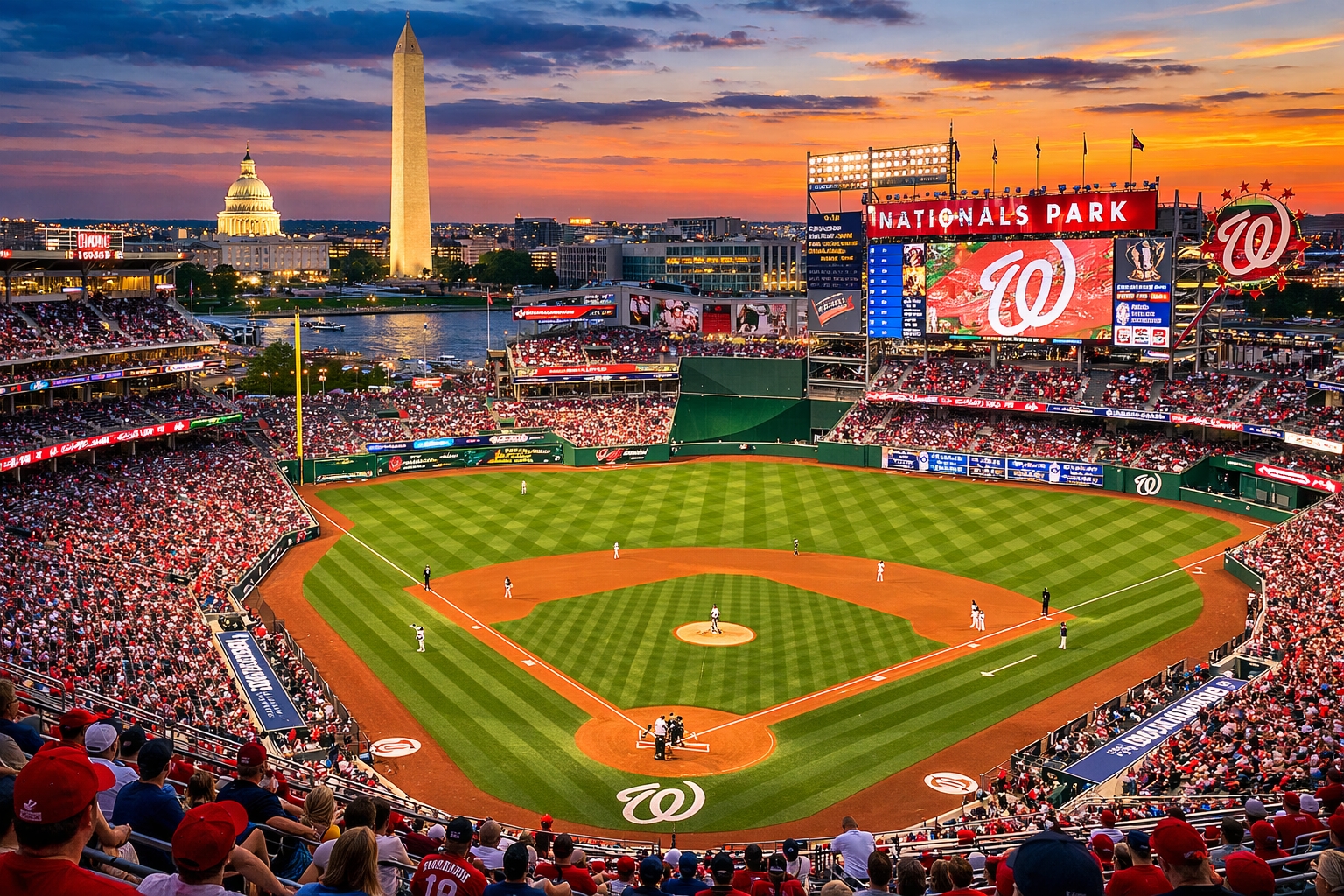
Baseball signals the arrival of spring. The Washington Nationals—2019 World Series champions—play home games at Nationals Park along the Anacostia River. The stadium features open concourses, local food vendors and family zones. April home stands often coincide with promotional nights; check the team’s schedule for bobblehead giveaways, theme nights or postgame fireworks. Watching batting practice is especially fun when cherry blossoms are still blooming nearby. If you’re traveling with children, arrive early to run bases on select Sunday games and meet the Racing Presidents mascots.
DC Defenders and Other Spring Sports
Spring football makes a comeback with the DC Defenders of the United Football League. Home games at Audi Field include the famous beer‑snake tradition, where fans stack empty cups to form a long, winding snake. The 2026 home opener falls on April 11 and promises halftime entertainment and community outreach activities. Soccer fans can also catch the Washington Spirit of the National Women’s Soccer League, whose season begins in March. Audi Field’s waterfront location means you can pair a match with a visit to nearby restaurants at The Wharf.
Walking and Cycling Tours
Exploring Washington on foot or by bicycle reveals details that are easy to miss from a bus or car. Tip‑based companies like DC by Foot lead walking tours of the National Mall, Capitol Hill, Embassy Row and other neighborhoods. Guides provide historical context, fun anecdotes and recommendations for hidden gems. For cyclists, Capital Bikeshare stations dot the city; popular routes include the Mount Vernon Trail, which offers panoramic views of the Potomac River and passes sites like Theodore Roosevelt Island. Rock Creek Park provides miles of paved and dirt trails lined with blooming dogwoods and redbuds, making it a tranquil escape.
Parks, Gardens and Picnics
Beyond the iconic National Mall, Washington’s neighborhoods are dotted with parks and gardens perfect for picnics. Rock Creek Park offers wooded hiking trails, picnic areas and the historic Pierce Mill. In Northeast, the U.S. National Arboretum showcases hundreds of tree and plant species, including azaleas that burst into color in April. Meridian Hill Park—also known as Malcolm X Park—features terraced fountains and hosts Sunday drum circles. Pack a blanket, artisan cheese from Eastern Market and enjoy a leisurely picnic under blooming cherry, dogwood and tulip trees.
Easter Weekend and Spring Recreation
Easter weekend (April 3–5) brings special activities across the city. Many hotels and restaurants serve brunch menus featuring regional dishes like ham biscuits and asparagus quiche. Churches offer sunrise services open to visitors, and parks host egg hunts for children. The National Zoo typically organizes an egg‑themed scavenger hunt and educational programs. If you’re a runner, sign up for the Credit Union Cherry Blossom Ten Mile Run or other charity races that weave through the National Mall and West Potomac Park. For something more relaxed, book a spring sightseeing cruise on the Potomac to see monuments and blossoms from the water.
Spring Festivals and Special Events
April in Washington offers far more than the cherry blossom celebration. A slate of cultural festivals and historic commemorations awaits you, each providing unique perspectives on the city’s diversity. Here are the highlights for 2026.
Filmfest DC – April 16–26
2026 marks the 40th edition of Filmfest DC, the city’s premier international film festival. Over eleven days, theaters across Washington screen more than 65 feature premieres and dozens of shorts and documentaries. The festival showcases cinema from over 70 countries, encouraging cross‑cultural dialogue through film. Audiences enjoy Q&A sessions with directors, thematic programs that explore topics like global migration or environmental justice, and special events such as the annual First Light Reception. According to organizers, Filmfest DC has introduced Washingtonians to more than 3,600 films from 144 countries since its inception. Passes range from single‑screening tickets to multi‑film packages; plan ahead to secure seats for popular screenings.
Smithsonian Craft Show – Preview Night April 22; Show April 23–26
Hosted by the Smithsonian Women’s Committee, the Smithsonian Craft Show is considered one of the nation’s top juried craft exhibitions. A special preview night on April 22 allows patrons to meet artists and purchase works before the general public. The main show runs April 23–26 inside the National Building Museum, a National Historic Landmark with a soaring Great Hall. More than 120 artists present ceramics, fiber art, jewelry, furniture, wood, glass and mixed media. Proceeds support Smithsonian education and outreach programs, adding a philanthropic angle to your shopping. The setting itself—an immense space once used for Civil War pension processing—adds grandeur to the experience.
Georgetown French Market – April 24–26
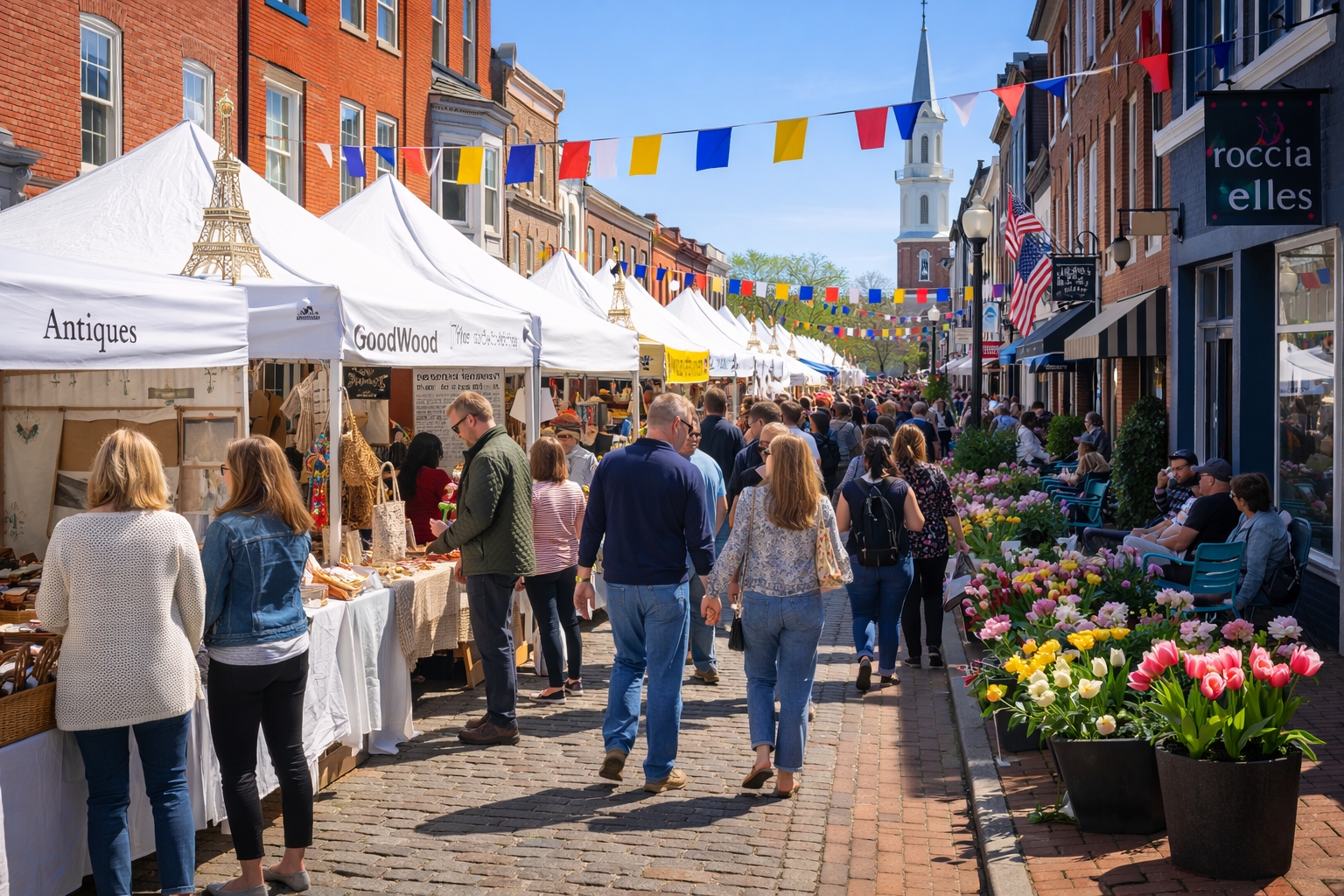
Now in its 23rd year, the Georgetown French Market transforms Book Hill into a Parisian bazaar. From 11 a.m. to 5 p.m. each day, more than 35 local boutiques, restaurants and galleries offer merchandise at up to 75 percent off, along with French pastries, crepes and wine. Streets are lined with café tables, and live music from jazz trios and accordionists creates a festive ambience. Children’s activities include face painting, balloon artists and story times. The market is free, and public transport—Metrobus or the DC Circulator—makes it easy to attend without worrying about parking.
Emancipation Day Parade & Concert – April 19
Washington’s Emancipation Day marks the date in 1862 when President Abraham Lincoln signed the Compensated Emancipation Act, freeing enslaved persons in the District of Columbia. While the legal anniversary falls on April 16, the city hosts a parade and concert on April 19 to accommodate weekend visitors. The celebration takes place at Franklin Park and includes a vibrant procession of marching bands, community organizations, go‑go bands and dance troupes. After the parade, a headline concert features local and national artists performing gospel, R&B and go‑go music. Family activities and food vendors create a block‑party atmosphere, and fireworks light up the evening sky. The event is free and honors DC’s pivotal role in advancing freedom and civil rights.
DC Design Tours – Tidal Basin and Cleveland Park
Architecture lovers will appreciate DC Design Tours, which offer themed walking tours around the Tidal Basin and in Cleveland Park. The Tidal Basin tour examines memorial design and how landscape architecture links monuments. In Cleveland Park, guides point out Arts and Crafts and Prairie School–style homes and discuss historic preservation. Tours typically last 90 minutes and run on weekends, making them ideal add‑ons to cherry blossom visits. Advance booking is recommended.
Additional Festivals and Community Events
April’s calendar is packed with other happenings. Earth Day celebrations around April 22 include volunteer cleanups, plantings and sustainability fairs in local parks. Community centers host book fairs, film screenings and cultural festivals celebrating everything from jazz heritage to global cuisine. Farmers’ markets re‑open across the city, offering fresh produce, baked goods and live entertainment. Check neighborhood newsletters and event calendars for the latest details, as many events are free and welcoming to visitors.
Museum Exhibits and Cultural Attractions
Washington’s museums are world renowned, and most offer free admission. April 2026 brings a wealth of exhibitions that highlight both historic and contemporary art. The descriptions below provide context and practical information to help you plan visits.
National Gallery of Art
Located on the National Mall, the National Gallery of Art hosts Back and Forth: Rozeal., Titian, Cezanne, an exhibition juxtaposing works across six centuries. The pairing encourages visitors to explore themes of identity, beauty and artistic dialogue. Another exhibition, Mary Cassatt: An American in Paris, presents about forty paintings, drawings and prints that showcase the impressionist’s radical approach to color and perspective. The gallery is open daily from 10 a.m. to 5 p.m., and admission is free. Remember to allow time for the Sculpture Garden and café.
National Museum of Asian Art
At the National Museum of Asian Art—a museum within the Smithsonian Institution—you can explore Reasons to Gather: Japanese Tea Practice Unwrapped, which displays ceramics, lacquer ware and scrolls used in the Japanese tea ceremony. The exhibit reveals how everyday objects become sacred through ritual and how tea culture influenced art and trade. A companion exhibit, Into the Waters with Senju and Bingyi, features contemporary paintings that interpret water from minimalist and abstract perspectives. Entry is free; note that the museum shares a building with the Freer Gallery, offering a broad panorama of Asian art.
The Phillips Collection
America’s first museum of modern art, The Phillips Collection, presents peter campus: there somewhere, highlighting video works from the 1970s alongside new landscapes. The exhibition explores perception, identity and technological mediation, showing why campus is considered a pioneer of video art. The museum is housed in a historic Dupont Circle townhouse and charges a modest fee, though free hours are offered on Thursday evenings. After viewing the exhibition, relax in the Phillips café or explore the surrounding neighborhood, known for its embassies and Victorian architecture.
Smithsonian American Art Museum & Renwick Gallery
The Smithsonian American Art Museum features Grandma Moses: A Good Day’s Work, a retrospective of Anna Mary Robertson Moses, who began painting in her 70s and became an icon of folk art. The exhibition includes over 100 works depicting rural American life. At the Renwick Gallery, a satellite of SAAM, visitors can experience Nick Cave: Mammoth, an immersive installation exploring race, identity and social justice through sculptural forms. Admission to both venues is free, and the Renwick Gallery’s location near the White House makes it easy to combine with a visit to Lafayette Square.
National Museum of African American History & Culture
The National Museum of African American History & Culture (NMAAHC) continues to draw visitors with powerful exhibitions. At the Vanguard showcases objects from Historically Black Colleges and Universities, highlighting their contributions to education, activism and culture. Photographs, textiles and personal memorabilia tell stories of resilience and achievement. Timed entry passes are required; book online well in advance to secure a slot.
Folger Shakespeare Library
The Folger Shakespeare Library hosts Imagining Shakespeare: Mythmaking and Storytelling in the Regency Era, featuring paintings from London’s Boydell Shakespeare Gallery displayed together for the first time since the early nineteenth century. The exhibition examines how Regency‑era artists and publishers shaped the playwright’s image and influenced later adaptations. While at the Folger, browse the world’s largest Shakespeare collection, including early quartos and a 1623 First Folio. Guided tours and performances are offered regularly.
Other Noteworthy Museums and Exhibits
-
National Museum of the American Indian: Water’s Edge: The Art of Truman Lowe showcases sculptures and drawings by the Ho‑Chunk artist that evoke rivers and waterfalls.
-
Hirshhorn Museum and Sculpture Garden: Adam Pendleton: Love, Queen presents paintings and video installations exploring language, identity and abstraction.
-
National Museum of American History: How Can You Forget Me: Filipino American Stories examines the experiences of Filipino immigrants through artifacts found in steamer trunks.
Most Smithsonian museums are open daily and free to enter, though some require timed passes. Plan at least half a day for each museum and use free lockers to store umbrellas and backpacks.
Family‑Friendly and Free Activities
One of the best aspects of Washington is the abundance of free or low‑cost attractions that cater to families. April is an ideal time to introduce children to history, science and the arts without breaking the budget.
Smithsonian Museums for Families
The Smithsonian Institution operates nineteen museums and the National Zoo, nearly all of which offer free admission. At the National Museum of Natural History, kids marvel at towering dinosaur skeletons, glittering minerals and the dramatic Insect Zoo. The National Air and Space Museum showcases iconic aircraft and spacecraft alongside hands‑on simulators. The National Zoo houses pandas, elephants and hundreds of other animals. Many museums offer kids’ discovery rooms and family guides. Some popular venues—like the NMAAHC, Air and Space Museum and Zoo—require timed entry passes, especially during peak season.
Capitol and Supreme Court Tours
Introduce older children to civics by touring the United States Capitol and the Supreme Court. Free Capitol tours depart every ten minutes and include the Rotunda, Statuary Hall and National Statuary Collection. Passes can be reserved online or through your congressional representative. The Supreme Court welcomes visitors to sit in on oral arguments when in session and offers lectures that explain the Court’s role and history. Interactive exhibits in the ground‑floor museum display historical documents and judicial robes.
Free Walking Tours and Neighborhood Parks
Tip‑based walking tours provide affordable ways to learn about the city’s history and architecture. DC by Foot guides cover everything from the Lincoln assassination story to street art in the U Street corridor. For young children, specialized scavenger hunt tours turn history lessons into games. Visit neighborhood parks like Kenilworth Aquatic Gardens, where lotus and lily ponds bloom in early spring; Theodore Roosevelt Island, reached via footbridge in the Potomac; and the National Arboretum, where a grove of original Capitol columns stands. Many parks host free Earth Day events with crafts, animal encounters and sustainability workshops.
Model Trains and Vintage Trolleys
Transportation enthusiasts will enjoy a day trip to the National Capital Trolley Museum in Colesville, Maryland. During April the museum hosts a Hippity Hop Trolley event where families ride vintage streetcars, meet costumed bunnies and participate in crafts and scavenger hunts. The museum also interprets the history of electric streetcar service in the Washington region. On April 18 the NOVA Model Railroaders club in Vienna, Virginia, holds an open house featuring intricate HO‑scale model railways that replicate historic and modern scenes. Admission is often free or by donation.
Earth Day and Community Volunteering
Earth Day on April 22 inspires environmental stewardship. Join volunteer cleanups of parks and riverbanks, plant trees with local nonprofits or attend sustainability fairs. The U.S. Botanic Garden typically hosts educational programs and plant giveaways. Many local nature centers offer guided hikes focusing on native flora and fauna. Participating in these events teaches children the importance of preserving green spaces and fosters a connection to the environment.
Practical Travel Tips and Where to Stay
To make the most of your April visit, it helps to anticipate weather, transportation and lodging needs. The insights below ensure a smooth trip.
Weather and What to Wear
April weather in Washington is generally pleasant but changeable. Daytime highs average around 20 °C (68 °F), while nighttime lows dip to roughly 9 °C (48 °F). Rain falls on about ten days during the month, totaling about 91 mm. Pack lightweight layers so you can add or remove clothing as temperatures fluctuate. A waterproof jacket or compact umbrella is essential, as rain showers can arise without warning. Comfortable walking shoes, a sun hat and sunglasses will serve you well. Because blossoms release pollen, allergy sufferers may wish to bring medication. With 13.2 hours of daylight and moderate humidity, you can enjoy long sightseeing days.
Getting Around
Washington’s public transportation network makes exploring easy. The Metrorail system connects major attractions via six color‑coded lines, and the Circulator buses offer inexpensive loops around the National Mall and Georgetown. Capital Bikeshare allows short trips with docking stations across the city. If you plan to drive, note that parking near the National Mall is limited and can be expensive; consider using Park and Ride lots at suburban Metro stations. Ride‑share services and taxis are widely available but can be subject to surge pricing during major events like the parade or Petalpalooza. Walking is often the fastest way to traverse the Mall; the city’s grid layout and plentiful pedestrian paths make navigation straightforward.
Staying Close to the Action
A central location is invaluable in April, when events and crowds fill the city. Hotel Washington, located on Pennsylvania Avenue, stands out for its proximity to the White House and National Mall. The hotel is literally steps from the White House Lawn and offers sweeping views from its rooftop bar. Guest rooms combine contemporary design with classic elegance, and on‑site dining options range from casual cafés to fine dining. Spring packages often include perks such as dining credits, complimentary upgrades or third nights free. Booking early is essential, as rooms sell out quickly during peak blossom season. Other nearby lodging options include boutique hotels in Dupont Circle and Capitol Hill, as well as chain hotels near Metro stations; choose a property that matches your budget and style.
Budgeting and Travel Packages
April is one of the busiest—and most expensive—times to visit Washington. Flights and hotel rates rise with demand, so flexibility helps: traveling midweek can reduce costs, as can staying just outside the downtown core and commuting by Metro. Look for package deals that bundle lodging, museum passes and dining credits. Many attractions are free, allowing you to allocate more of your budget to unique experiences like reserved parade seating or private guided tours. Dining options range from Michelin‑starred restaurants to food trucks and farmers’ markets, so you can eat well at any price point.
Frequently Asked Questions
What are the dates for the 2026 National Cherry Blossom Festival?
The festival runs from March 20 through April 12 2026 and celebrates the 1912 gift of cherry trees along with America’s 250th anniversary.
When will the cherry trees reach peak bloom?
The National Park Service projects that peak bloom—when about 70 percent of blossoms are open—will occur between March 29 and April 1 2026. Weather can accelerate or delay blooming by several days.
What happens at Petalpalooza and is it free?
Yes. Petalpalooza on April 4 is a free event at the Capitol Riverfront featuring live music, interactive art installations, games and a fireworks show over the Anacostia River.
How do I attend the Cherry Blossom Parade?
The National Cherry Blossom Parade takes place along Constitution Avenue on April 11. Viewing from the street is free; purchase grandstand seats in advance for a better view of floats, balloons and performers.
What is Emancipation Day and when is the parade?
Emancipation Day commemorates the 1862 law abolishing slavery in the District of Columbia. The parade and concert take place at Franklin Park on April 19 2026, featuring marching bands, dance troupes and a headline concert.
Are Smithsonian museums free to enter?
Yes. Admission to most Smithsonian museums and the National Zoo is free, though timed entry passes are required for certain popular venues.
Where can I find free or low‑cost family activities?
Families can tour the Capitol and Supreme Court for free, join tip‑based walking tours, visit the National Arboretum, ride trolleys at the National Capital Trolley Museum, or attend free Earth Day and community festivals. Many events—including Petalpalooza and the Emancipation Day celebration—also have no admission fee.
What makes Hotel Washington an ideal choice for April visitors?
Hotel Washington is the closest hotel to the White House and stands at the edge of the White House Lawn. Its central location allows guests to walk to the National Mall, Tidal Basin and festival events, saving time and avoiding transportation hassles.
Closing Thoughts
Visiting Washington DC in April offers a rare blend of natural beauty, cultural richness and historical significance. Cherry blossoms frame the monuments in pink and white, while parades, festivals and exhibitions celebrate heritage and creativity. From the thunderous cheers at Nationals Park to the quiet contemplation in art galleries, the city invites you to participate in experiences that resonate long after you return home. Thoughtful planning—choosing the right events, packing for changing weather and staying in a convenient location—will ensure your trip is both relaxing and enriching. Whether you are a first‑time visitor or a local rediscovering the capital during a milestone year, Washington in April 2026 promises wonder and inspiration.
For those seeking proximity to everything from the Tidal Basin to the National Mall, consider staying at Hotel Washington, which sits just steps from the White House Lawn. Its rooftop views and central location make it a comfortable home base for festival fun. To explore accommodations and plan your stay, visit the hotel’s official website.
Read other posts