Things to Do in Washington DC
Washington DC is one of the most content-dense destinations in the United States. Few cities in the world offer such an extraordinary concentration of museums, monuments, historic neighborhoods, political landmarks, green space, and cultural institutions within a compact, walkable footprint. As the nation’s capital, DC balances its role as a center of government with a thriving creative, culinary, and cultural identity shaped by global influence.
Visitors can move seamlessly from centuries-old history to contemporary art, from waterfront neighborhoods to monumental architecture, and from free world-class museums to rooftop experiences overlooking the National Mall. Whether visiting for a long weekend or an extended stay, Washington DC rewards travelers who explore beyond a single itinerary.
This guide is designed as a comprehensive, authoritative resource covering the best things to do in Washington DC. It includes a museum-by-museum breakdown, landmark experiences, neighborhoods, seasonal activities, food and drink, outdoor recreation, and planning insights to help visitors experience DC with depth and confidence.
Washington DC Monuments and Memorials
The National Mall Experience
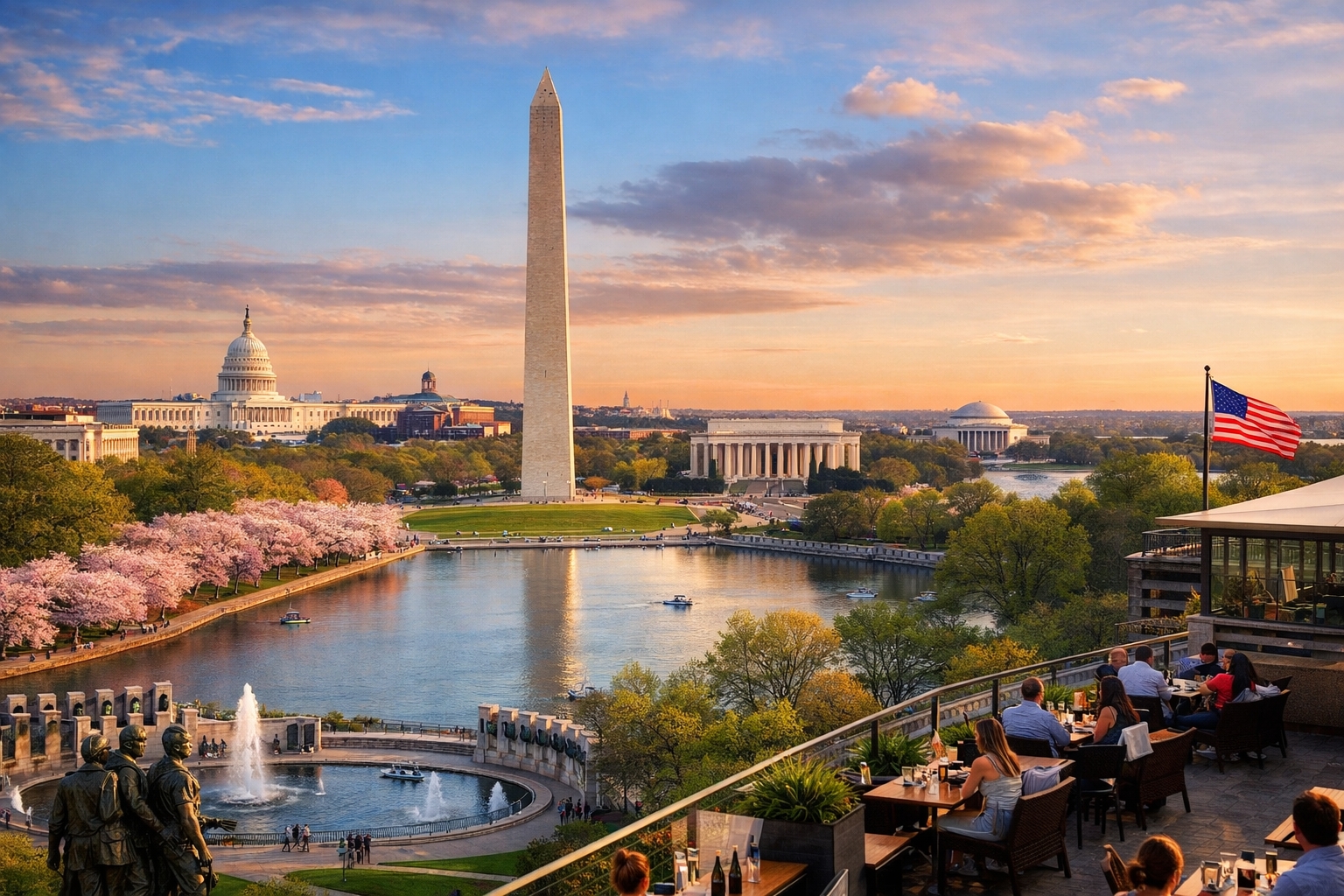
The National Mall serves as the ceremonial and cultural core of Washington DC. Stretching approximately two miles from the U.S. Capitol to the Lincoln Memorial, it connects many of the most recognizable symbols of American democracy.
Walking the National Mall is both an educational and emotional experience. The open landscape creates a visual dialogue between monuments, reflecting pools, and museums, allowing visitors to move chronologically through American history.
Key landmarks include:
-
U.S. Capitol
-
Washington Monument
-
World War II Memorial
-
Lincoln Memorial
-
Vietnam Veterans Memorial
-
Korean War Veterans Memorial
-
Martin Luther King Jr. Memorial
Each site offers interpretive signage, historical context, and space for reflection.
Monuments After Dark
Evening visits to the National Mall provide a dramatically different perspective. Illuminated monuments stand against the night sky, crowds thin, and the atmosphere becomes quieter and more contemplative. Nighttime walks are especially popular for couples, photographers, and visitors seeking a reflective experience.
Free Things to Do in DC
Washington DC is globally unique for the scale and quality of its free attractions. Visitors can spend days exploring museums, memorials, performances, and public spaces without paying admission.
Free experiences include:
-
Smithsonian museums
-
National Zoo
-
Library of Congress
-
National Gallery of Art
-
Kennedy Center Millennium Stage performances
-
Historic memorials and monuments
-
Self-guided neighborhood walks
This accessibility makes DC ideal for longer stays and repeat visits.
Museums in Washington DC: A Museum-by-Museum Guide
Washington DC is home to the largest museum ecosystem in the world. The Smithsonian Institution alone operates 21 museums and the National Zoo, most of which are free to the public. Beyond the Smithsonian, the city offers additional art, history, and specialty museums that collectively form one of the most comprehensive cultural landscapes anywhere.
Smithsonian National Museum of American History
The National Museum of American History explores the political, social, cultural, and technological development of the United States. Its collections span centuries, from early colonial artifacts to modern pop culture.
Highlights include:
-
The Star-Spangled Banner
-
Presidential artifacts
-
American innovation exhibits
-
Cultural history galleries
This museum is ideal for visitors seeking context around American identity and everyday life.
Smithsonian National Museum of Natural History
One of the most visited museums in the world, the National Museum of Natural History focuses on the natural sciences and the diversity of life on Earth.
Key exhibits include:
-
The Hall of Fossils
-
Hope Diamond
-
Human origins
-
Ocean life
-
Mammal and insect collections
Families, science enthusiasts, and first-time visitors often prioritize this museum.
Smithsonian National Air and Space Museum
The National Air and Space Museum is one of DC’s most iconic institutions. It chronicles the history of aviation and space exploration through historic aircraft, spacecraft, and immersive exhibits.
Notable highlights:
-
Wright brothers aircraft
-
Apollo mission artifacts
-
Space Shuttle Discovery
-
Flight simulators
The museum appeals to all ages and offers a powerful look at human exploration and innovation.
Smithsonian National Museum of African American History and Culture
This museum provides a comprehensive exploration of African American history, culture, and contributions across centuries.
Key focus areas include:
-
Slavery and emancipation
-
Civil Rights Movement
-
African American art and music
-
Sports and cultural influence
Due to its depth and emotional resonance, visitors often dedicate several hours to this museum alone.
Smithsonian National Museum of the American Indian
Located near the U.S. Capitol, this museum explores the history, culture, and contemporary life of Native American peoples across the Americas.
Exhibits emphasize:
-
Indigenous perspectives
-
Cultural continuity
-
Art, language, and tradition
The museum’s architecture and exhibitions encourage reflection and dialogue.
Smithsonian National Museum of Asian Art
Comprising the Freer Gallery of Art and Arthur M. Sackler Gallery, this museum houses one of the most important collections of Asian art in the world.
Collections include:
-
Chinese, Japanese, Korean art
-
South and Southeast Asian artifacts
-
Islamic art
-
Ancient and contemporary works
The galleries offer a quieter, contemplative museum experience.
Smithsonian Hirshhorn Museum and Sculpture Garden
The Hirshhorn focuses on modern and contemporary art, featuring rotating exhibitions and large-scale installations.
Visitors encounter:
-
Contemporary sculpture
-
Multimedia installations
-
Avant-garde exhibitions
The outdoor sculpture garden provides an additional layer of experience.
Smithsonian Renwick Gallery
Dedicated to American craft and decorative arts, the Renwick Gallery showcases innovative and often immersive exhibitions.
Its location near the White House makes it a convenient addition to downtown itineraries.
Smithsonian National Postal Museum
Located near Union Station, the National Postal Museum explores communication history through the lens of postal systems.
Exhibits include:
-
Historic stamps
-
Mail transportation
-
Communication technology
It is often considered a hidden gem among DC museums.
Smithsonian National Zoo
The National Zoo is one of the most popular free attractions in Washington DC. It houses hundreds of animal species and is known for its giant pandas.
The zoo’s setting in Rock Creek Park adds a natural dimension to the visit.
Art Museums Beyond the Smithsonian
National Gallery of Art
The National Gallery of Art features an extensive collection of European and American art from the Middle Ages to the present.
The museum is divided into:
-
West Building for classical art
-
East Building for modern and contemporary works
-
Outdoor sculpture garden
Phillips Collection
The Phillips Collection is America’s first museum of modern art and is located in Dupont Circle.
It emphasizes intimate gallery spaces and thematic curation.
Historic Landmarks Beyond the Museums
Washington DC’s history extends far beyond museum walls.
Important landmarks include:
-
Library of Congress
-
Supreme Court
-
Ford’s Theatre
-
Union Station
-
Historic neighborhoods and row houses
These sites deepen visitors’ understanding of the city’s political and architectural evolution.
Neighborhoods to Explore in Washington DC
Georgetown
Georgetown blends colonial history with upscale modern energy. Its waterfront, historic homes, and dining scene make it one of the most visited neighborhoods in the city.
Capitol Hill
Capitol Hill combines political landmarks with residential charm, offering markets, cafes, and leafy streets.
Dupont Circle
Dupont Circle is known for embassies, cultural institutions, bookstores, and cafes.
Navy Yard and The Wharf
These revitalized waterfront areas represent DC’s modern evolution, offering dining, entertainment, and scenic river views.
Things to Do in DC at Night
Nighttime activities include:
-
Rooftop bars
-
Live jazz and music venues
-
Theater performances
-
Evening monument walks
-
Waterfront dining
Rooftop venues near the National Mall offer especially memorable views.
Seasonal Things to Do in Washington DC
Spring
-
Cherry Blossom Festival
-
Tidal Basin walks
-
Outdoor dining
Summer
-
Outdoor concerts
-
Waterfront activities
-
Festivals
Fall
-
Foliage walks
-
Cultural events
-
Ideal sightseeing weather
Winter
-
Museum-focused itineraries
-
Holiday markets
-
Seasonal performances
Food and Drink Experiences in Washington DC
Washington DC’s culinary scene reflects its global population and diplomatic influence.
Highlights include:
-
International cuisine
-
Chef-driven restaurants
-
Historic dining rooms
-
Rooftop bars
-
Food halls
Outdoor Activities in Washington DC
Outdoor opportunities include:
-
Rock Creek Park trails
-
Potomac River kayaking
-
Biking along the Mall
-
Waterfront promenades
Day Trips from Washington DC
Popular nearby destinations:
-
Mount Vernon
-
Alexandria Old Town
-
Annapolis
-
Harpers Ferry
-
Shenandoah National Park
Planning Your Washington DC Stay
Washington DC rewards visitors who choose centrally located accommodations, allowing easy access to monuments, museums, dining, and nightlife without excessive transit.
To explore accommodations ideally positioned for experiencing the best things to do in Washington DC, visit: www.thehotelwashington.com
Frequently Asked Questions About Things to Do in Washington DC
What are the best things to do in Washington DC?
Visiting the National Mall, exploring Smithsonian museums, walking historic neighborhoods, and experiencing rooftop dining are among the most popular activities.
How many days should you spend in Washington DC?
Three to five days allows time for museums, neighborhoods, and dining experiences.
Are there free things to do in DC?
Yes. Many top attractions, including museums and monuments, are free.
Experience Washington DC With Depth
Washington DC is a city built for discovery. Each neighborhood, museum, and landmark adds another layer to the experience. Whether your interests center on history, art, food, or outdoor exploration, DC offers depth that rewards thoughtful planning and repeat visits.
To stay in a location that places the city’s most iconic experiences within easy reach, explore accommodations at: www.thehotelwashington.com
Read other posts