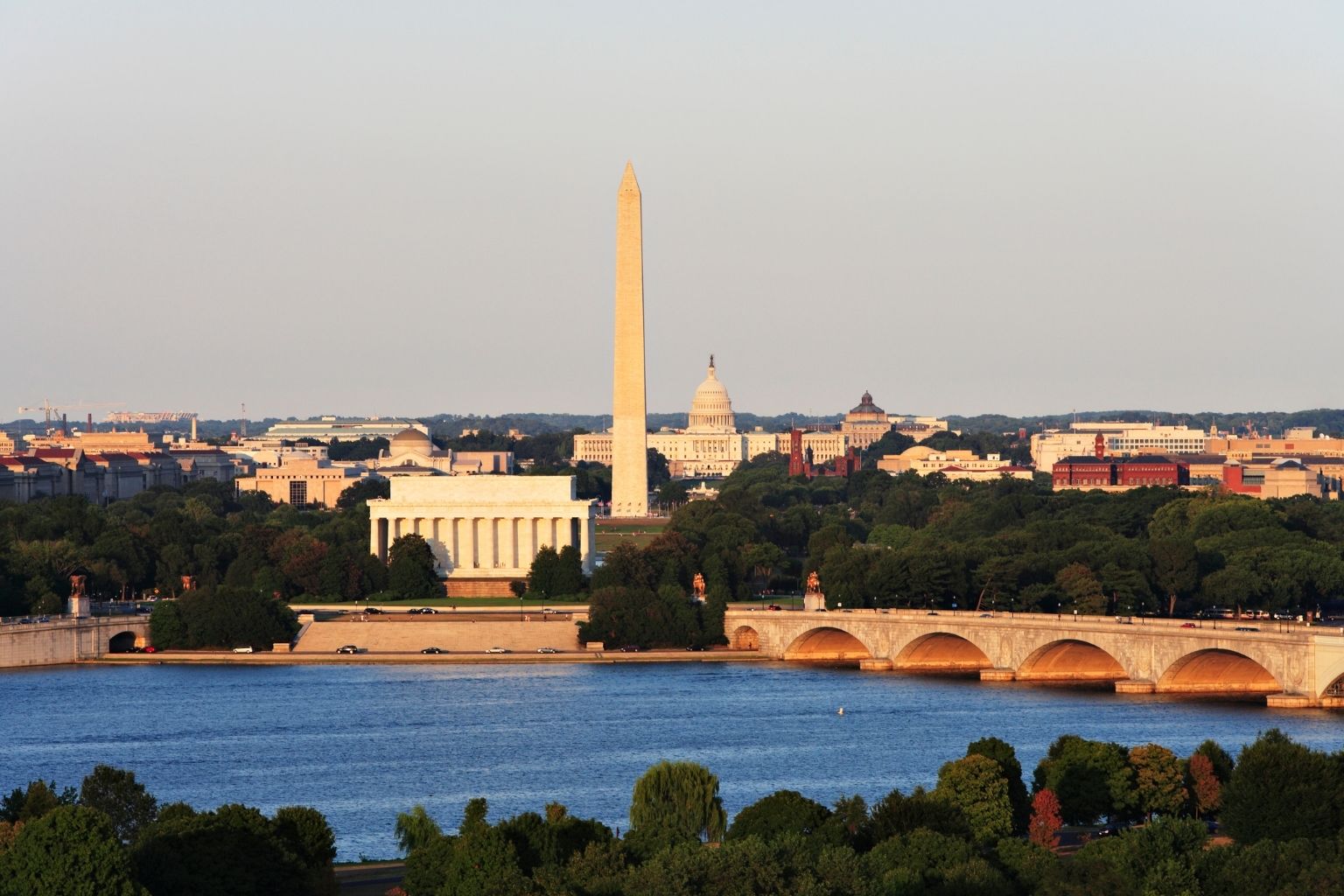
Summer in Washington DC: Experiences, Events and Insider Tips Near Hotel Washington
Summer in Washington DC is a sensory experience that few other cities can match. This is the season when America’s capital comes alive with parades, jazz festivals, outdoor movies, rooftop parties and river cruises. Walking down Pennsylvania Avenue, visitors feel the energy of a city that celebrates history and progress in equal measure. Mornings bring the promise of blue skies and warm breezes, afternoons are filled with museum hopping and river cruises, and evenings are capped off by sunset views of monuments bathed in golden light. Yet along with the excitement comes heat and humidity – summers in Washington are famously muggy, with average highs hovering around 87–90 °F and warm nights. This guide from Hotel Washington – the closest hotel to the White House, positioned at the edge of the White House Lawn – distills everything you need to know to plan a memorable summer stay: essential events, must‑see attractions, practical tips and insider stories that bring the city to life.
The Essence of Summer in the Nation’s Capital
There is a certain softness to a summer morning in Washington DC. The sound of bicycle bells mingles with the distant hum of Metro trains, and joggers trace paths along the Reflecting Pool as the sun rises behind the Capitol dome. By mid‑day the humidity swells and the aromas of food carts and blossoming lindens fill the air. Residents and visitors alike adjust their routines: exploring the National Mall at sunrise, ducking into air‑conditioned museums at noon and savoring evening strolls along tree‑lined boulevards. Summers here are hot and humid, with temperatures regularly reaching or exceeding 85 °F and staying warm overnight; heatwaves occasionally push temperatures beyond 90 °F and it’s the humidity that makes the heat feel more intense. Afternoon thunderstorms are common, often bringing brief downpours that do little to cool the air. Preparing for these conditions will dramatically improve your visit.
Weather and climate highlights
- Average temperatures: Daytime highs average between 87–90 °F (31–32 °C), with nightly lows around 66–70 °F. Humidity hovers between 40 % and 50 %, making it feel warmer than the thermometer reads.
- Thunderstorms: Short but intense afternoon storms are typical. Keep a lightweight rain jacket or umbrella handy and plan indoor activities during peak afternoon heat.
- Pack smart: Breathable fabrics, sun hats, sunglasses and sunscreen are essential. Comfortable walking shoes are a must for exploring miles of monuments and museums.
- Hydration: Carry a reusable water bottle and take advantage of the many drinking fountains and café stops. Dehydration can sneak up quickly when humidity is high.
- Early birds and night owls: The most pleasant times to explore are early morning and late evening. Sunrise walks around the monuments or twilight strolls through downtown reveal a quieter side of DC.
Washington’s summer has its own rhythm beyond these quick tips. June still carries a hint of spring, with roses blooming at the U.S. National Arboretum and morning temperatures that invite jogs along the Anacostia Riverwalk. By July, the sun rises high by nine in the morning, cicadas hum in the trees and the scent of jasmine mingles with freshly cut grass. Late August brings thunderstorms and crape myrtles flowering in vivid shades of pink, while hazy sunsets bathe the city in golden light. On the hottest afternoons, locals gravitate toward fountains like those at Yards Park or the splash pad at Canal Park, letting children play under sprays of water while adults linger in the shade. Evenings are for watching the sky turn orange and purple behind the Washington Monument, a nightly ritual that rewards anyone who has braved the day’s heat.
These seasonal nuances shape how you plan your time. Locals know to check the daily heat index – a measure that combines temperature and humidity – and to schedule outdoor activities in the morning or after dinner. On particularly hot days, a midday water taxi ride down the Potomac provides both a breeze and a fresh perspective on the city’s skyline. Breezy spots can also be found atop the city’s many rooftops or along the banks of Rock Creek. Observing these patterns and pacing yourself ensures that your energy matches the cadence of the District’s sultry summer.
Celebrating Summer: Festivals and Events in Washington DC
Summer in DC is synonymous with celebration. Locals mark their calendars not just for a single holiday but for an entire season of festivals that honor history, culture, food and music. As the nation approaches its 250th birthday, 2026 promises an especially vibrant lineup. Imagine strolling from a block party at the National Gallery of Art to a jazz concert on the Capitol lawn, pausing for a barbecue tasting on Pennsylvania Avenue and ending the night watching fireworks over the Potomac. Many of these events are free or low‑cost and are easily accessible from Hotel Washington, making them ideal additions to any itinerary.
Signature summer festivals and celebrations
- America’s 250th celebrations – In honor of the 250th anniversary of the Declaration of Independence, the District is hosting a year‑long series of events collectively branded DC250. Highlights include the temporary reopening of the Smithsonian Castle and a Spirit of Independence Festival at the National Archives. The National Mall will feature the Great American State Fair, a week‑long Great American Farmers’ Market and the thrilling Freedom 250 Grand Prix. Visit the official DC250 site at dc250.us to explore the full calendar.
- DC/DOX Film Festival – For four days in June, independent documentary filmmakers take center stage at venues like the MLK Memorial Library and the National Portrait Gallery. The festival provides an intimate look at global stories and features Q&A sessions with directors. Passes and schedules are available on the official DC/DOX website at dcdoxfest.com.
- Capital Pride – For more than four decades, Washington’s LGBTQ+ community has celebrated pride with a week of parades, rallies, concerts and community events. The festival is filled with electrifying energy and a unifying spirit. Learn more at capitalpride.org and join locals in supporting equality and diversity.
- National Geographic Museum of Exploration – Opening in late June, this innovative museum offers immersive exhibitions that illuminate wildlife, cultures and exploration. It features a 400‑seat theater and an outdoor courtyard; tickets and exhibit information can be found on nationalgeographic.org.
- Giant National Capital Barbecue Battle – Dozens of pitmasters and local restaurants transform Pennsylvania Avenue into a street party of smoke, spice and live music. Cooking demonstrations and free tastings make this late‑June festival a delicious experience. Details and tickets are on bbqindc.com.
- Fourth of July celebrations – Independence Day is when Washington truly shines. The city hosts concerts on the West Lawn of the Capitol and a spectacular fireworks show above the National Mall. For official viewing locations and event times, consult the National Park Service’s Fourth of July page at nps.gov/subjects/nationalmall4th.
- Mubadala Citi DC Open – Held at Rock Creek Park Tennis Center, this world‑class tennis tournament brings top athletes to the nation’s capital. Tournament news and tickets are available at mubadalacitidcopen.com.
- Otakon – Fans of anime, manga and Asian pop culture flock to this lively convention at the Walter E. Washington Convention Center. The programming spans cosplay contests, panel discussions and art marketplaces. Visit otakon.com to plan your visit.
- Summer Restaurant Week – Hosted each August by the Restaurant Association Metropolitan Washington, this event offers prix‑fixe lunch, brunch and dinner menus at an affordable price. Participating restaurants and reservations are listed at ramw.org.
- DCBX – Recognized as one of the nation’s top Latin dance festivals, DCBX brings bachata and salsa enthusiasts together for workshops, concerts and competitions. Schedules and passes are on dcbachata.com.
These events illustrate the diversity of summer entertainment in DC – from high‑culture museum openings to street food festivals. Planning your trip around a few of these celebrations ensures an authentic immersion into local culture.
Beyond the headline events, Washington’s summer calendar brims with niche festivals and neighborhood gatherings that reveal different facets of the city. The Smithsonian Folklife Festival, held every year on the National Mall, celebrates cultures from around the world with craft demonstrations, food stalls, dancing and workshops. Visitors can learn to weave baskets, listen to traditional music or taste regional delicacies – all for free. Another annual favorite is Art All Night, when neighborhoods like Shaw, Tenleytown and Congress Heights transform into street‑level galleries. From mural painting and open studios to live jazz and poetry slams, the festival invites participants to experience local art until midnight. If music is your passion, don’t miss DC JazzFest. This multi‑venue celebration, anchored at The Wharf, features performances by international jazz greats and emerging local artists, along with educational programs for youth.
Family‑friendly gatherings also define the season. Events DC’s Camp Zen combines yoga, arts and crafts, a petting zoo and evening movies, creating a holistic day out for all ages. Their Community Cooldown series dispatches ice cream trucks and DJs across different neighborhoods, turning summer afternoons into impromptu block parties. Free outdoor movie series, like the ones at The Wharf and NoMa Summer Screen, screen recent releases and cult classics under the stars. Sports fans can spend an evening cheering on the Washington Nationals at Nationals Park or the Major League Soccer team D.C. United at Audi Field. Even the District’s gardens join the festivities: the United States Botanic Garden hosts concerts amid rose bushes and water lilies, while Kenilworth Aquatic Gardens invites visitors to its annual Lotus and Water Lily Festival, where acres of ponds burst into bloom.
Taken together, these neighborhood‑level celebrations paint a picture of a city that values community as much as national heritage. Spread your itinerary across different quadrants of the city to experience the diversity of music, art, food and traditions that define summer in the capital.
Practical Tips for Visiting DC in the Summer
Every great trip requires a bit of strategy, especially when heat and crowds are factors. Locals have learned to adapt their routines to the rhythm of summer – and visitors can too. Thoughtful planning can help you avoid midday exhaustion, long lines and logistical headaches.
Insider advice for a smooth summer visit
- Start early, rest midday, return late: Tour major outdoor sites like the National Mall or Arlington National Cemetery first thing in the morning. Retreat indoors to a museum or café during the hottest hours, then head back out for sunset and evening activities.
- Use the Metro and walk smart: Washington’s Metro system is air‑conditioned and efficient. Stations are within walking distance of most attractions. When walking outside, choose shaded streets and carry a map or smartphone to avoid unnecessary detours.
- Dress for heat and humidity: Lightweight, breathable clothing, comfortable footwear and a wide‑brimmed hat make a huge difference. Pack extra socks if you plan to walk extensively.
- Stay hydrated and eat regularly: Bring a refillable water bottle and snack on fruits or small meals. Dehydration can sneak up quickly in humid conditions.
- Check event calendars and secure tickets early: Many festivals and timed museum entries require advance reservations. Booking ahead ensures you get the dates and times you prefer.
- Have a rain plan: Sudden thunderstorms are common. Keep a compact umbrella or poncho in your bag and identify nearby indoor activities for rainy intervals.
- Leverage hotel amenities: Hotel Washington guests can take advantage of the property’s central location to drop off purchases, rest between excursions and freshen up before evening outings. The lobby’s cool marble interior and on‑site dining provide welcome relief from the summer heat.
By following these tips, you’ll maximize your time and comfort – leaving you free to focus on the experiences that matter most.
Day Trips and Excursions
While Washington offers more than enough to fill an itinerary, its surrounding region beckons with historic towns, stately homes and natural wonders. Spend a day sailing down the Potomac, wandering cobblestone streets in Alexandria or touring George Washington’s estate. Hotel Washington’s concierge can help coordinate transportation and tickets, making these excursions seamless additions to your trip.
Nearby destinations worth exploring
- Old Town Alexandria – Located just across the Potomac River, Alexandria charms visitors with colonial architecture, boutique shops and waterfront dining. The town’s historic district is perfect for leisurely strolls and offers a glimpse into early American life. Plan your visit at visitalexandriava.com.
- Mount Vernon – George Washington’s estate sits on a bluff overlooking the Potomac and offers tours of the mansion, gardens and working farm. Summer brings special events such as Independence Day fireworks and colonial fairs. Details and tickets are available at mountvernon.org.
- Arlington National Cemetery – A sobering and moving site, Arlington is the final resting place for service members and notable Americans. Witness the Changing of the Guard at the Tomb of the Unknown Soldier and explore the grounds on a guided tram tour. The cemetery is easy to reach via the Metro.
- Great Falls Park – Escape the city for dramatic waterfalls and hiking trails along the Potomac. Located about 15 miles from downtown, Great Falls is perfect for a morning hike followed by lunch in nearby McLean or Tysons. Check safety advisories and trail conditions before visiting.
- Potomac River dinner cruise – Celebrate a special occasion with a sunset dinner cruise featuring live music and views of the monuments illuminated at night. Several companies, including the Potomac Riverboat Company, offer themed cruises ranging from casual buffets to elegant, multi‑course meals.
- An evening walking tour of the memorials – As recommended by regional travel guides, a guided night tour allows you to experience the solemn beauty of memorials like the Vietnam Veterans Memorial and Korean War Veterans Memorial under soft lighting. Tour operators offer bus or walking options.
Expanding your itinerary beyond DC’s core enriches your understanding of the region and creates space for rest and reflection away from urban heat.
Family‑Friendly Fun and Kids’ Activities
Traveling with children in the summer requires balancing curiosity with comfort. Fortunately, Washington offers interactive museums, outdoor adventures and playful spaces that engage young minds while giving caregivers a break. Many attractions are free, making DC an excellent destination for families on a budget.
Activities kids will love
- Smithsonian museums for kids – The National Museum of Natural History captivates with dinosaur skeletons and the Q?rius lab. The National Air and Space Museum features flight simulators and interactive exhibits. The National Museum of African American History and Culture includes hands‑on displays and a family gallery.
- National Zoo – Home to giant pandas, elephants and hundreds of species, the Smithsonian’s National Zoo offers shaded pathways, splash fountains and daily animal feedings. Admission is free, though timed entry passes may be required; see nationalzoo.si.edu for details.
- Otakon and pop‑culture conventions – Anime‑loving teens (and adults) flock to Otakon, which hosts cosplay contests, video game tournaments and artist alleys. It’s a vibrant, family‑friendly environment for fans of Asian pop culture.
- Splash pads and spray parks – Several DC parks, including Canal Park and Yards Park, feature interactive water play areas that provide relief from the heat. These free sites are perfect for younger children.
- Kid‑oriented tours – Specialized tours such as Junior Ranger programs at the National Park Service sites or family‑centric walking tours of the National Mall engage children with storytelling and activities. Many museums offer scavenger hunts or hands‑on workshops during the summer.
- Outdoor movie nights – Outdoor film screenings at The Wharf, Capitol Riverfront and various parks are a great way for families to end a day of sightseeing. Bring blankets and snacks and enjoy classic films under the stars.
By blending educational experiences with play, families can create lasting memories and ignite young travelers’ interest in history, science and culture.
Open‑Air Adventures: Exploring DC’s Parks, Waterfronts and Neighborhoods
When summer’s heat is tempered by a gentle breeze, Washington DC transforms into an expansive open‑air playground. Exploring the outdoors is as much a part of the city’s fabric as attending a film festival or visiting a museum. Streets lined with leafy oaks invite leisurely strolls, and neighborhoods pulse with street art, food vendors and buskers. On the National Mall the grass stretches like a green ribbon between the Capitol and the Lincoln Memorial, and the view from one end to the other feels almost like looking down a time tunnel connecting the nation’s founding moments with its current vibrancy. Early morning joggers and yoga practitioners claim the space at dawn while tourists arrive by mid‑morning to snap photos of monuments gleaming in the summer sun. As temperatures climb, pockets of shade under elms and ginkgos provide relief, and the sound of ice cream trucks competes with the murmur of guided tours.
Monuments, memorials and green spaces
Washington’s most famous outdoor attractions lie along the National Mall, a two‑mile park anchored by the U.S. Capitol on one end and the Lincoln Memorial on the other. Between these points stand the Washington Monument, towering 555 feet into the sky, and the solemn World War II Memorial. Visiting early in the day allows you to experience these sites before crowds and heat build. As you walk, pause to read the engravings on the Vietnam Veterans Memorial and the Korean War Veterans Memorial, where names etched in stone remind visitors of the human cost of war. Continue toward the Martin Luther King Jr. Memorial along the Tidal Basin, where you can reflect on Dr. King’s call for justice while gazing at the water’s calm surface. Each site tells a story, and together they form an outdoor museum of American history.
Beyond the Mall, the city’s largest natural refuge is Rock Creek Park, a 1,754‑acre forested sanctuary maintained by the National Park Service. Hiking trails wind through dense woods and open meadows, offering encounters with deer, woodpeckers and the occasional fox. Horseback riding stables provide guided trail rides, and picnic areas with grills and tables invite visitors to linger over lunch. For a different view of the city, head to Theodore Roosevelt Island, located in the middle of the Potomac River. This 88‑acre island honors the conservationist president with a network of boardwalks and dirt paths that traverse marshland and upland forest; the only sounds you’ll hear are rustling leaves and the distant hum of traffic. On the southeast side of the city, Kenilworth Aquatic Gardens surprises visitors with lotus and water lily ponds. Summer is the best time to see thousands of blossoms rising above reflective pools, and park rangers lead informative tours during peak bloom season.
The U.S. National Arboretum offers another respite. This 446‑acre research facility and botanical garden showcases collections of azaleas, bonsai trees and groves of native oaks. The Arboretum’s centerpiece is the National Capitol Columns – a set of Corinthian columns once part of the Capitol that now stand dramatically amid an open meadow. Visitors can wander along the azalea walk, explore the Asian woodland garden or enjoy a picnic in the Grove of State Trees. For those seeking waterfront views, Hains Point, located at the tip of East Potomac Park, features a flat walking and cycling loop with panoramic vistas of the Potomac River and the city skyline. This area is also home to a public golf course and a miniature golf course, making it a great destination for families.
On the water
No summer guide to Washington would be complete without mentioning the Potomac and Anacostia rivers. These waterways shape the city’s geography and provide a cooling counterpoint to the heat. Rent a kayak or stand‑up paddleboard from boathouses in Georgetown or The Wharf and glide past monuments reflected in the water. Paddle around Roosevelt Island, watch rowers train for regattas and spot herons and cormorants perched along the shore. If you prefer to sit back and enjoy the view, sightseeing cruises and water taxis offer narrated tours that highlight history and architecture from a riverine perspective. Evening dinner cruises combine dining with sunset vistas, while daytime jaunts can transport you to Old Town Alexandria or National Harbor.
Washington’s revitalized waterfronts have become destinations in their own right. The Georgetown Waterfront Park features terraced lawns perfect for picnicking, splash fountains for kids and unobstructed views of Key Bridge. At The Wharf, a mile‑long stretch of shops, restaurants and marinas, you can stroll along the promenade, listen to live music and sample fresh seafood at the Municipal Fish Market. Family‑friendly Yards Park in the Capitol Riverfront neighborhood boasts a wading pool, sculptural bridge and wide open lawns used for concerts and festivals. Each of these areas offers a distinct vibe – Georgetown retains a historic charm with cobblestone streets and Federal‑style architecture, while The Wharf and Yards Park showcase modern design and urban revival.
Neighborhoods and street life
Some of Washington’s most memorable experiences occur away from the monuments, in neighborhoods where residents live, work and play. On U Street, once known as “Black Broadway,” colorful murals depict figures like Duke Ellington and murals of local heroes celebrate the neighborhood’s rich musical heritage. Jazz clubs and soul food restaurants line the street, and on warm nights the sound of go‑go music spills onto the sidewalk. In Adams Morgan, narrow streets lined with Victorian row houses give way to international restaurants, late‑night bars and thrift shops. Here, Ethiopian restaurants serve platters of injera bread topped with fragrant stews, while Caribbean cafes offer jerk chicken and plantains. Head east to H Street NE, a corridor reborn after decades of disinvestment; the area now hosts breweries, ramen shops, small theaters and an old‑fashioned soda fountain. Exploring these neighborhoods reveals the District’s diversity and encourages serendipitous discoveries like a hidden speakeasy or an art installation tucked into an alley.
Trails and active exploration
For visitors who want to combine exercise with sightseeing, Washington’s trail network provides numerous options. The Capital Crescent Trail follows a former railroad line from Georgetown to Bethesda, Maryland. Bicyclists and joggers enjoy a shady, paved path that runs alongside the C&O Canal and through forested areas. On the eastern side of the city, the Metropolitan Branch Trail connects Union Station to Silver Spring, paralleling the Red Line of the Metro and passing through NoMa and Brookland. The Anacostia Riverwalk Trail offers over 20 miles of waterfront pathways linking Kenilworth Park, Yards Park and the Frederick Douglass Memorial Bridge. Many trails intersect with public transportation, making it easy to start or end your ride at a Metro station. You can rent bicycles through the Capital Bikeshare program, which has stations near major attractions.
When exploring DC’s outdoor spaces, respect park rules, carry out trash and stay on designated trails to protect wildlife habitats. Pack a reusable water bottle, use sunscreen and plan breaks in shaded areas. Spending time outdoors allows you to experience the city’s natural beauty and discover quiet corners that rarely appear on postcards.
Cool Refuges: Indoor and Cultural Experiences
When midday heat drives you indoors, Washington’s cultural institutions offer air‑conditioned solace along with intellectual nourishment. Entering a marble‑lined atrium or a soaring rotunda can feel like stepping into another world – one where the pace slows, the temperature drops and stories unfold at your own pace. Many museums and galleries in the District are free, making them convenient havens between outdoor adventures.
Museums and galleries
The Smithsonian Institution operates a constellation of museums along and around the National Mall. The National Museum of Natural History houses a massive collection spanning geology, biology and anthropology; highlights include the Hope Diamond, the Fossil Hall with its towering dinosaur skeletons and the Insect Zoo where you can observe live tarantulas and butterflies. At the National Air and Space Museum, you’ll encounter the Wright brothers’ 1903 Flyer, Apollo 11 command module and interactive flight simulators. The National Museum of African American History and Culture traces the African American experience from slavery to the present day through artifacts, photography and storytelling. Each museum invites exploration at your own pace, and special summer programs often include lectures, film screenings and children’s workshops.
Art lovers shouldn’t miss the National Gallery of Art, whose East Building displays modern and contemporary works by artists like Picasso, Calder and Rothko, while the West Building houses European masterpieces by da Vinci, Vermeer and Monet. The museum’s Sculpture Garden offers a shaded outdoor respite with fountains and large‑scale sculptures. Nearby, the Hirshhorn Museum and Sculpture Garden focuses on modern and contemporary art, featuring rotating exhibitions, immersive installations and an outdoor collection. At the Renwick Gallery, a branch of the Smithsonian American Art Museum, craft and decorative arts take center stage. Rotating exhibitions showcase textiles, ceramics, woodworking and other artisanal traditions. For a more intimate experience, the Phillips Collection in Dupont Circle presents Impressionist and modern works in a historic mansion – making it feel like visiting a private home filled with art.
Historic buildings and civic institutions
Washington is not just a showcase for art and science; it is also the seat of federal power. Tours of the U.S. Capitol allow visitors to marvel at the rotunda’s frescoes and learn about legislative processes. Free timed passes can be reserved through your congressional representative or online. Across First Street, the Library of Congress wows with Gilded Age architecture, stained‑glass ceilings and exhibitions on everything from rare books to comic art. Sign up for a guided tour to see the Main Reading Room and learn about the library’s research mission. A short walk away, the Supreme Court offers lectures about the judicial branch, and when the Court is in session you may even listen to oral arguments (seating is limited and first‑come, first‑served). These institutions provide a deeper understanding of how the government functions and why Washington is more than a collection of monuments.
Performing arts and live entertainment
Summer nights often conclude with a performance. The John F. Kennedy Center for the Performing Arts hosts free daily concerts at its Millennium Stage, ranging from jazz ensembles to contemporary dance. Ticketed performances include symphony orchestras, Broadway tours and national ballet companies. Local theaters such as the Shakespeare Theatre Company and Arena Stage present classic and new works in intimate settings. For a glimpse into presidential history, visit Ford’s Theatre, where Abraham Lincoln was assassinated; today, it functions as a working theater that stages plays and offers a museum on Lincoln’s life. Music fans can seek out jazz at Blues Alley in Georgetown or catch indie bands at the 9:30 Club on U Street.
Unique exhibits and immersive experiences
In addition to world‑famous institutions, Washington features specialty museums that offer playful learning and immersive storytelling. At the International Spy Museum, interactive displays challenge you to memorize cover identities, crack codes and explore real spy gadgets. Exhibits trace espionage history from the Revolutionary War to the digital age, appealing to both kids and adults. The United States Holocaust Memorial Museum presents a sobering narrative of the Holocaust through artifacts, survivor testimonies and photographs; free timed tickets are required. The National Building Museum, housed in a majestic 19th‑century pension building, hosts architecture‑focused exhibitions and a summer installation – often a massive play space for families. When heat and humidity become overwhelming, these museums and galleries provide intellectual stimulation in a climate‑controlled environment.
Choosing which museums to visit can be daunting. Begin by prioritizing your interests: art, history, science, architecture or pop culture. Check each museum’s website for timed entry requirements, special exhibitions and family programs. Consider breaking up visits across multiple days to avoid information overload, and intersperse indoor excursions with outdoor breaks to enjoy DC’s parks and plazas.
A Taste of Washington: Food, Dining & Nightlife
Food is a window into a city’s soul, and in the nation’s capital the culinary landscape mirrors the diversity of its residents. Washington’s neighborhoods brim with mom‑and‑pop eateries, sleek restaurants, rooftop bars and weekend farmers’ markets. On a summer evening, you might wander down a cobblestone alley to find a small bistro serving Chesapeake oysters or follow the scent of charcoal to a street vendor grilling skewers of seasoned meat. The city’s dining scene invites exploration and rewards curiosity, so come hungry and ready to sample flavors from around the world.
Local specialties and comfort foods
Several dishes are synonymous with Washington. Chief among them is the half‑smoke, a spicy half‑beef, half‑pork sausage served on a steamed bun and topped with onions, mustard and chili sauce. Institutions like Ben’s Chili Bowl have been slinging half‑smokes for decades, feeding everyone from taxi drivers to presidents. Another regional staple is mumbo sauce, a sweet‑tangy condiment originally served at carry‑out Chinese restaurants. Slathered over fried chicken wings, ribs or fries, it embodies the District’s ingenuity and love for bold flavors. Jumbo slice pizza, sold by the oversized slice in neighborhoods like Adams Morgan, satisfies late‑night cravings and pairs perfectly with people‑watching on the sidewalk. For dessert, try a slice of Smith Island cake, Maryland’s official state dessert composed of many thin layers of yellow cake and chocolate frosting.
Global influences and neighborhoods
Washington’s role as a diplomatic hub means that global cuisines flourish here. Little Ethiopia along U Street and 9th Street features restaurants where injera – a tangy, spongy flatbread – anchors communal platters of lentils, collard greens and slow‑cooked meats. In Columbia Heights, taquerias serve tacos al pastor and pupuserías make thick Salvadoran corn cakes filled with cheese and beans. Travel along 14th Street and you’ll encounter ramen shops, tapas bars and French brasseries. Chinatown offers dim sum and noodle bowls, though many Chinese restaurants have relocated to suburban Maryland and Virginia. Heading east toward H Street NE, you’ll find Trinidadian roti shops, vegan soul food cafes and Ethiopian coffee houses. Each neighborhood’s culinary identity reflects its immigrant communities and tells a story of migration, adaptation and pride.
Seafood and seasonal treats
Proximity to the Chesapeake Bay ensures that seafood plays a starring role in summer menus. Blue crabs are steamed with Old Bay seasoning until their shells turn bright red, then dumped onto paper‑covered tables for communal picking. Crab cakes made with sweet Maryland crab meat, minimal filler and a squeeze of lemon appear on menus from casual taverns to fine‑dining establishments. Raw bars at The Wharf and in Penn Quarter offer oysters harvested from local waters, while soft‑shell crabs sautéed in butter celebrate a fleeting seasonal delicacy. Pair your seafood with a cold glass of riesling or a pint from a local brewery.
Farmers’ markets and food halls
Summer’s bounty is on display at farmers’ markets across the city. The FRESHFARM Dupont Circle Market is among the largest and liveliest, featuring farm‑fresh produce, baked goods, cheeses, meats and flowers. Come early for the best selection and sample ripe peaches, heirloom tomatoes and artisanal pastries. In Capitol Hill, Eastern Market operates both as a farmers’ market and an indoor market hall where vendors sell everything from handmade pasta to watercolor paintings. Union Market in Northeast Washington hosts dozens of vendors under one roof, offering global fare such as Burmese noodles, Korean tacos, oysters on the half shell and gourmet ice cream. Food halls provide a chance to taste multiple cuisines in one visit and often host cooking demonstrations, live music and craft fairs. For a neighborhood vibe, visit smaller markets like Bloomingdale’s Sunday market or the Mount Pleasant farmers’ market.
Breweries, distilleries and coffee culture
Washington’s craft beverage scene has exploded over the past decade. Breweries such as DC Brau, Atlas Brew Works and Right Proper Brewing Company produce a range of IPAs, lagers and seasonal ales. Many of these breweries offer tours and tastings in taprooms decorated with murals and communal tables. Distilleries like District Distilling and Cotton & Reed craft gin, vodka, rum and liqueurs using locally sourced grains and botanicals. Sample their spirits neat or in inventive cocktails, and pick up a bottle to take home. For those who prefer non‑alcoholic options, the city’s third‑wave coffee scene includes cafes like La Colombe, Compass Coffee and Peregrine Espresso. Baristas here take pride in single‑origin beans, precise brewing methods and latte art – perfect for fueling your next museum visit or evening concert.
Rooftop bars and nightlife
As evening falls, summer breezes lure people to rooftop bars and open‑air patios. VUE at Hotel Washington commands panoramic views of the White House and National Mall – arrive early for golden hour and sip a mint‑infused cocktail while watching the sun dip behind the Washington Monument. At The Wharf, Cantina Bambina and Kirwan’s Irish Pub overlook the marina and offer lively atmospheres. On 14th Street, El Centro serves tacos and margaritas on a sprawling rooftop, while Officina in The Wharf pairs Italian wines with views of the Potomac. Music venues like The Anthem and Pearl Street Warehouse host summer concerts ranging from indie rock to country. In Navy Yard, brewery patios buzz before and after baseball games at Nationals Park. Whether you’re dancing at a club, laughing at a comedy show or listening to a jazz quartet, Washington’s nightlife scene delivers options for every taste.
When sampling DC’s food and drink offerings, remember to hydrate and balance indulgence with lighter fare. Many restaurants offer summer‑specific menus featuring chilled soups, salads and fresh fruit. Take breaks in air‑conditioned spaces and consider sharing dishes to taste more without overeating. Exploring the city’s culinary landscape not only satisfies your appetite but also provides insight into the stories and cultures that make Washington unique.
Stay Close to the Action: Hotel Washington
To fully enjoy summer in Washington DC, where you stay matters almost as much as what you do. Nestled at the edge of the White House Lawn, Hotel Washington offers both historical ambiance and contemporary luxury. The hotel’s terra‑cotta exterior and grand lobby evoke the glamour of the Roaring Twenties, while modern amenities and a dedication to service ensure comfort in every season. Most importantly, its location places you steps away from museums, monuments and Metro lines, minimizing travel time and maximizing relaxation.
Why choose Hotel Washington
- Unbeatable location: Hotel Washington is quite literally the closest hotel to the White House. From the front doors, guests can see the mansion’s north lawn – a unique perspective that few properties can offer.
- Historic charm with modern comfort: Dating to 1917, the building has hosted presidents, diplomats and celebrities. Recent renovations preserve its Art Deco grandeur while adding plush bedding, smart‑room technology and luxurious bathrooms.
- Rooftop views at VUE: The hotel’s rooftop bar and lounge, VUE, offers sweeping panoramas of the National Mall and White House. It’s a favorite spot for sunset cocktails and weekend brunches.
- Dining and amenities: On‑site dining includes a Mediterranean‑inspired restaurant and a café serving locally roasted coffee. The fitness center is open 24/7, and spa services can be arranged upon request.
- Proximity to events: Being centrally located means you can walk to many summer festivals and quickly return to recharge between activities. The concierge can arrange tickets, tours and restaurant reservations.
- Packages and seasonal offers: The hotel frequently offers special rates for summer stays, including packages tied to events like Independence Day fireworks or Smithsonian exhibitions. Check the official site at thehotelwashington.com for current promotions.
Hotel Washington is more than a place to sleep; it’s a home base that enhances your summer adventure by putting you within arm’s reach of everything the city has to offer.
Frequently Asked Questions
What are the best things to do in Washington DC during the summer? Early morning visits to the monuments, free outdoor concerts, rooftop dining and festivals like DC/DOX and the Giant Barbecue Battle offer a mix of history, culture and fun.
Is Washington DC worth visiting in the summer despite the heat? Yes. With careful planning, you can enjoy cool mornings and evenings outdoors and spend the hottest hours exploring museums or relaxing at shaded cafes. The wealth of events and celebrations makes summer a rewarding time to visit.
How hot does Washington DC get in July and August? Average highs range from the mid‑80s to near 90 °F with high humidity, and heatwaves can push temperatures above 90 °F. Humidity makes it feel warmer, so dress accordingly and stay hydrated.
Where can I watch the Fourth of July fireworks in Washington DC? Official viewing areas include the National Mall, Lincoln Memorial Reflecting Pool and various spots along the Potomac. Arrive early and consult the National Park Service guide at nps.gov for safety and access information.
What is the closest hotel to the White House? Hotel Washington is positioned at the edge of the White House Lawn, offering the shortest walk to the Executive Mansion and excellent views from its rooftop lounge.
Are there free museums and attractions in DC during the summer? Yes. Most Smithsonian museums, the National Gallery of Art and the National Zoo offer free admission. Many outdoor concerts and movie nights are also free.
How can families keep children entertained in Washington DC? Visit interactive museums like the National Air and Space Museum, explore the National Zoo, enjoy splash parks and attend kid‑friendly events like Otakon or outdoor movie nights. Junior Ranger programs provide engaging activities at national memorials.
Closing Thoughts: Plan Your Summer Journey
Summer in Washington DC is a celebration of history, culture and community. From the soaring fireworks on Independence Day to the quiet serenity of a dawn walk around the Lincoln Memorial, the season invites you to immerse yourself in the nation’s story while creating your own. Whether you’re savoring barbecue on Pennsylvania Avenue, watching documentaries at DC/DOX, paddling on the Potomac or cooling off in a Smithsonian gallery, each experience reflects the city’s multifaceted identity. By basing yourself at Hotel Washington – the best hotel in Washington DC and the closest hotel to the White House – you’ll enjoy unparalleled access to these experiences. Explore the latest packages and plan your unforgettable stay at The Hotel Washington. We look forward to welcoming you and helping you craft summer memories that last a lifetime.
Read other posts