National Geographic Museum of Exploration: A Comprehensive Guide to D.C.’s Newest Attraction
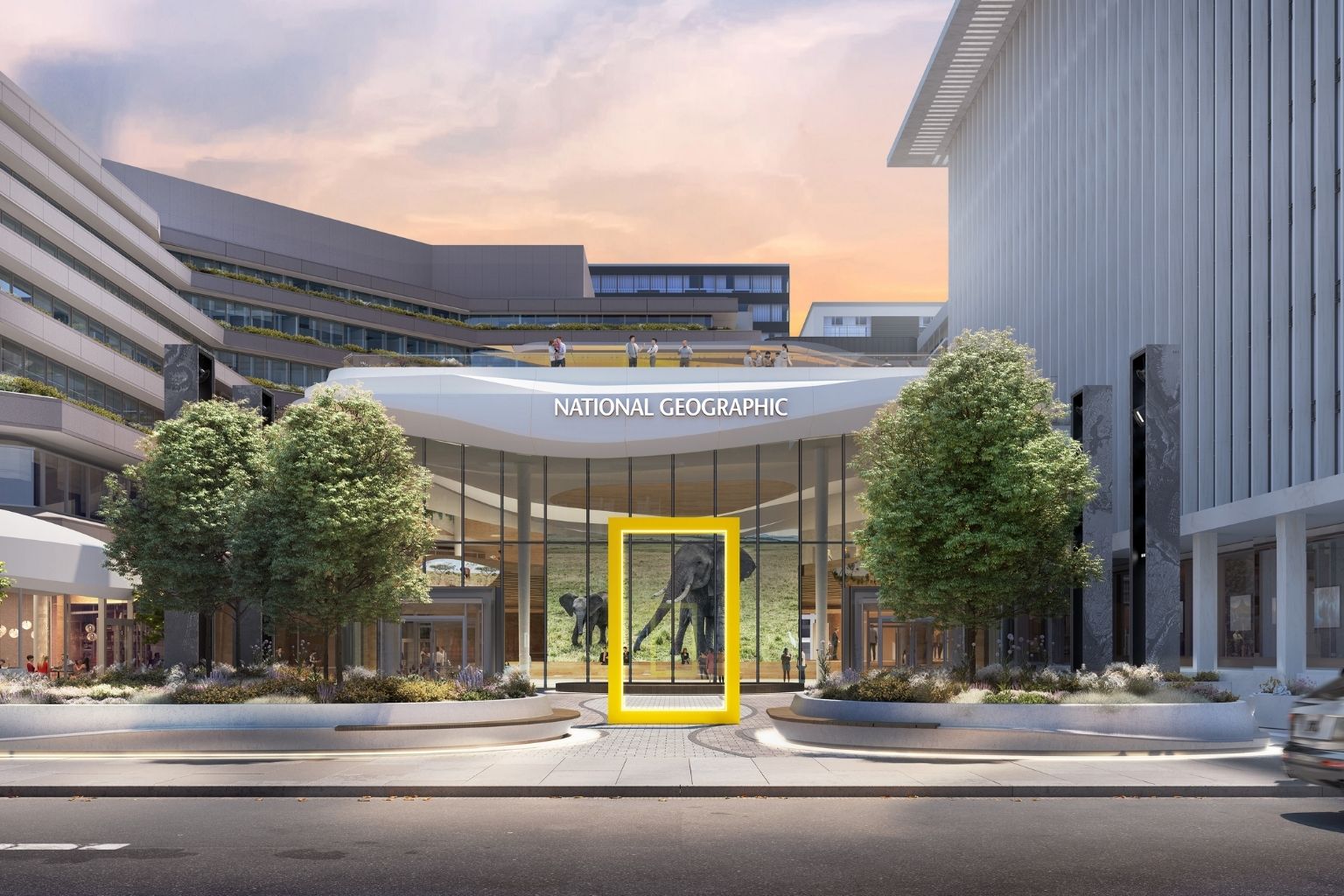
The National Geographic Museum of Exploration will redefine what it means to visit a museum in Washington, D.C. Scheduled to open in summer 2026 at 1600 M Street NW, the museum is being rebuilt as part of the National Geographic Society’s reimagined campus. This new destination will be a sustainably built, state‑of‑the‑art space that features immersive exhibitions, a 400‑seat theater, interactive galleries and a nighttime courtyard experience. From ground‑breaking technology to iconic photography and artifacts, every element is designed to ignite curiosity and inspire visitors to become stewards of our planet.
The National Geographic Society and the Birth of a New Museum
Long before plans for a new museum were drawn, the National Geographic Society had already spent more than a century fostering scientific discovery and storytelling. Founded in 1888, the nonprofit organization supports scientists, explorers and educators across the globe. Its headquarters occupies a city block in downtown Washington, D.C., affectionately known as the “Home of the Explorer”. Over the decades, exhibitions, lectures and live events have drawn curious minds to its campus. By the early 2020s, however, the existing museum needed an overhaul that matched the Society’s evolving mission.
A Legacy of Exploration
Since its inception, National Geographic has documented expeditions that pushed the boundaries of human understanding. The Society has funded projects on all seven continents and published stories that illuminate our planet’s cultures and ecosystems. Its yellow‑bordered magazine covers became cultural icons, and its educational initiatives reached millions of students each year. This legacy set the stage for a facility that could bring the spirit of exploration off the page and into an immersive visitor experience.
Reimagining a Washington Landmark
In October 2024, the Society announced a complete renovation of its public attraction. The new Museum of Exploration will occupy more than 100,000 square feet of the campus. Architects Hickok Cole and contractors JLL and HITT are transforming the space into a sustainably built destination featuring cutting‑edge technologies. Visitors will enter through an 11‑foot yellow border, symbolizing the frame of National Geographic’s magazine covers. The overhaul includes a theater, restaurant and retail store, making the museum a day‑long destination rather than just a gallery stop.
Opening Timeline and Sustainable Design
Construction has been underway since 2024, and the museum is slated to open in mid‑2026. Sustainability is at the core of the design. The building will be LEED‑certified and incorporate energy‑efficient systems, recycled materials and environmentally friendly landscaping. As part of the Society’s broader commitment to conservation, the museum also emphasizes responsible sourcing and waste reduction. Inclusivity goes hand in hand with sustainability: designers have worked with accessibility experts to ensure that every visitor feels welcome, regardless of physical ability. This dual focus positions the museum as a model for future cultural institutions.
Key facts about the museum’s development
| Aspect | Details |
|---|---|
| Project announcement | National Geographic Society announced the renovation in October 2024 |
| Size and scope | More than 100,000 sq ft of exhibition, theater and public space |
| Opening date | Scheduled for summer 2026 |
| Sustainability | LEED‑certified design with energy efficiency and recycled materials |
| Entrance | 11‑foot yellow border framing the entrance |
| Facilities | State‑of‑the‑art theater, restaurant and retail store |
Exhibitions and Immersive Experiences
Imagine walking through the museum’s yellow border and emerging into a world where exploration comes alive. The National Geographic Museum of Exploration isn’t merely a collection of objects behind glass; it’s a multi‑sensory experience that invites you to step into the boots of scientists, photographers and adventurers. Each major gallery is designed to immerse you in a different facet of discovery, from deep‑sea expeditions to remote cultural encounters.
Rolex Explorers Landing
One of the centerpiece exhibitions is Rolex Explorers Landing, located on the second floor. This gallery celebrates the stories, passion and impact of National Geographic Explorers. Divided into four thematic zones—Spark, Trek, Purpose and Impact—the exhibit follows the explorer’s journey from the initial spark of curiosity to the lasting change their work creates. Artifacts and multimedia displays illustrate how explorers ask questions, seek answers and better understand how the world works.
Key highlights of Rolex Explorers Landing include:
-
Spark: Inspires visitors to ask questions about the natural world and consider how curiosity drives scientific inquiry.
-
Trek: Showcases the physical journeys explorers undertake, featuring equipment and field notes from expeditions.
-
Purpose: Examines the broader goals behind exploration, such as conservation, cultural preservation and scientific advancement.
-
Impact: Celebrates projects that have led to tangible change, demonstrating how exploration connects and inspires us all.
Immersive Experiences and the State‑of‑the‑Art Theater
Beyond static displays, the museum invites you to become part of the story. An immersive experience allows visitors to step into the role of an explorer, simulating fieldwork in remote locations. Think of trekking through rainforests, diving beneath polar ice or navigating desert canyons—all recreated with projection mapping and interactive media. The museum’s 400‑seat theater amplifies this immersion, enveloping audiences in stunning audiovisuals through National Geographic films. Whether attending a documentary screening or a live lecture, guests will feel as though they’ve been transported to the front lines of discovery.
Nighttime Courtyard and Ecosystem Experience
In the museum’s open‑air Courtyard, nighttime transforms into magic. Washington, D.C.’s first outdoor immersive experience uses projection mapping, interactive media and audioscapes to bring the wonder of the world to life. During the day, the courtyard is an oasis featuring six global ecosystems. Life‑sized animal sculptures, touchable wildlife prints and audio interpretation allow visitors to experience different habitats. Interpretive panels highlight the species associated with each environment, offering a hands‑on journey through Earth’s biodiversity.
In Focus Photography Gallery
Photography has always been at the heart of National Geographic storytelling, and the In Focus gallery celebrates this legacy. Located on the first floor, In Focus showcases celebrated National Geographic photographs that demonstrate the power of visual storytelling. Unforgettable images of people, places and the planet invite viewers to contemplate the beauty and complexity of our world. Rotating displays will keep the gallery fresh, ensuring that new photographs and narratives are introduced regularly. The exhibition underscores how a single image can change our understanding of a distant culture or illuminate a pressing environmental issue.
The Archives
Another first‑floor highlight is The Archives, which invites visitors to explore the Society’s legacy through artifacts and interactive media. Traditional displays are paired with innovative technology to showcase iconic images, expedition equipment and historic documents. Interactive exhibits allow guests to handle digital replicas of artifacts and dive deeper into the stories behind them. By blending past and present, The Archives reminds us how the Society’s heritage continues to inspire modern explorers.
Magazine Gallery
The Jean and Steve Case Magazine Gallery is an interactive installation that celebrates the evolution of National Geographic’s iconic magazine covers. On a large‑scale digital wall, visitors can scroll through covers from the inaugural 1888 issue to the latest release. A touchpad makes navigation easy, and contextual information reveals stories behind each cover. Fun facts—such as President Theodore Roosevelt’s multiple articles and the first nature photograph published in 1890—add historic flavor. The gallery demonstrates how National Geographic’s visual language has shaped public perception of science, exploration and culture for more than a century.
Photo Ark: Animals of Earth
Opening alongside the museum is Photo Ark: Animals of Earth, an immersive experience created by National Geographic Explorer Joel Sartore. The exhibition celebrates Sartore’s mission to document every species in human care and bring attention to biodiversity loss. Visitors are surrounded by large‑scale projections and sensor‑driven interactives that showcase animals from around the globe. Divided into six zones, the exhibition uses color, light and sound to immerse audiences in the diversity of life. It occupies about 5,000 square feet and blends educational storytelling with entertainment. For families and wildlife enthusiasts, Animals of Earth offers an edutainment experience unlike any traditional museum exhibit.
A Future of Rotating Exhibitions
While the galleries described above constitute the museum’s permanent offerings, the Museum of Exploration will also host traveling exhibitions and rotating displays. These will range from deep dives into ocean ecosystems to explorations of space, culture and human history. Visitors can expect new exhibitions every few months, encouraging repeat visits and continuous discovery. For up‑to‑date schedules, the museum encourages guests to subscribe to newsletters or check its official website.
Education and the Explorer Mindset
The Museum of Exploration is more than a place to look at artifacts—it is designed as a learning hub that cultivates the spirit of inquiry. Central to this mission is the Explorer Mindset, a philosophy that encourages curiosity, critical thinking and stewardship of the planet.
Explorer Mindset: Philosophy of National Geographic
According to the National Geographic Society, the Explorer Mindset comprises a series of attributes, shared values and commitments that define what it means to be a National Geographic Explorer. The Society believes every person can develop this mindset by cultivating the Attitudes, Skills and Knowledge (ASK) necessary for exploration. Attributes include curiosity, empathy and resilience; skills cover observation, problem‑solving and storytelling; and knowledge spans science, geography, culture and ethics. The Explorer Mindset Learning Framework codifies these elements to guide educators and learners.
In practice, the Explorer Mindset encourages visitors to ask questions, seek evidence and reflect critically on the world around them. When school groups visit the museum, they will be encouraged to cultivate these habits—known collectively as the Explorer Mindset—which mirror the attitudes and skills that drive professional explorers to inquire, build knowledge and think creatively.
Learning Launchpad and Educational Programs
Although the museum’s educational programming schedule has yet to be published, visitors can anticipate a Learning Launchpad that serves as a base for workshops, demonstrations and hands‑on activities. The museum will likely partner with local schools to offer curriculum‑aligned field trips, aligning with National Geographic’s existing education resources. Possible programs include:
-
Explorer Workshops: sessions where students use scientific tools to analyze specimens, model habitats or practice cartography.
-
Storytelling Labs: courses that teach participants how to capture images and stories using cameras, notebooks and digital tools.
-
STEAM Projects: activities that merge science, technology, engineering, arts and mathematics, encouraging creative problem‑solving.
-
Citizen Science Initiatives: projects where visitors contribute data to ongoing research, such as biodiversity surveys or water quality monitoring.
Families may also find weekend events, film screenings and speaker series in the theater. National Geographic Explorers are known for sharing their work through public talks that blend breathtaking imagery with first‑hand narratives. These programs will give guests unique opportunities to engage with explorers and scientists.
Accessibility and Sustainability
Inclusivity is a core value of the Museum of Exploration. The museum’s design emphasizes universal accessibility, ensuring that visitors of all ages and abilities can enjoy the exhibits.
Accessible Design for All Explorers
The museum’s accessibility features include:
-
Braille instructional text and tactile, sensory maps to aid visitors who are blind or have low vision.
-
Intuitive app support with visual descriptions to assist visitors in navigating exhibitions.
-
American Sign Language (ASL) interpretations of media and videos for deaf or hard‑of‑hearing guests.
-
Refrigerators available for guest medication storage, all‑gender restrooms and wellness rooms that can be used for nursing or low‑sensory time.
-
Exhibition texts available in English and Spanish, with Spanish subtitles in experience‑based spaces; additional languages will be offered.
These measures ensure that the museum environment is welcoming, comfortable and empowering for everyone.
Sustainable Construction and Green Goals
The Museum of Exploration is a showcase of environmental responsibility. In addition to achieving LEED certification, the building will incorporate:
-
Energy‑efficient systems such as LED lighting, smart HVAC and low‑flow water fixtures.
-
Recycled and locally sourced materials, reducing carbon emissions associated with construction.
-
Green roofs and native plant landscaping that provide habitat for urban wildlife and improve stormwater management.
-
Waste reduction programs, including composting and recycling stations throughout public spaces.
-
Partnerships with sustainability initiatives in Washington, D.C., such as participation in the Golden Triangle BID’s sustainability district.
By combining accessibility and sustainability, the museum demonstrates that inclusivity and environmental responsibility are mutually reinforcing goals.
Practical Visitor Information
Planning a trip to a museum that hasn’t opened yet may sound unusual, but advance preparation will help ensure a seamless experience once doors open. The following sections provide details about location, transportation, tickets and visitor services based on information published by National Geographic and tourism authorities.
Location and Transportation
The National Geographic Museum of Exploration will be located at 1600 M Street NW, Washington, D.C. 20036. This downtown address places the museum in the Golden Triangle neighborhood, just a short walk from the White House and Dupont Circle. Several transportation options make getting there easy:
-
Metrorail: The nearest stations are Farragut North on the Red Line and Farragut West on the Blue, Orange and Silver lines. Both stations are roughly two blocks from the museum.
-
Bus: Ride the D60 or D6X buses and disembark at 16th Street NW & M Street NW.
-
Bike: Several bikeshare docks are located near the museum, and the area features protected bike lanes.
-
Car: The museum will not have on‑site parking, but nearby garages can be reserved through third‑party apps. A drop‑off zone on M Street provides a convenient place for ride‑share or taxi drop‑offs.
Because the museum sits within a dense urban district, using public transit or walking is often the fastest way to reach it. Visitors driving into the city should allow extra time to locate parking.
Opening Hours and Tickets
As of March 2026, tickets are not yet available for purchase. The museum’s FAQ advises potential guests to sign up for updates to be notified when tickets go on sale. When the museum opens, visitors can expect timed entry reservations to manage crowds and ensure an enjoyable experience. Admission pricing has not been released; however, membership programs and discounts are expected. Once ticketing information becomes available, it will be posted on the museum’s official website.
Important notes
-
The museum is scheduled to open in summer 2026.
-
Tickets will likely be sold in advance online; same‑day availability may be limited.
-
Group visits, event rentals and membership packages will be offered; contact the museum for more information.
-
The museum will remain closed during the initial soft‑opening period to test facilities and train staff.
Membership and Amenities
The museum will offer membership levels that include unlimited admission, discounts on programs and invitations to member‑only events. Washington.org notes that the museum will provide coupon, membership and military discounts. Amenities planned for the facility include:
-
Guided tours led by museum educators.
-
Private tours available for VIP groups.
-
ATM services and a museum shop featuring educational merchandise and ethically sourced goods.
-
Food and beverage options, including a restaurant and café.
-
ADA‑compliant facilities and elevators.
-
Event spaces that can host receptions for up to 1,600 guests, with theatre seating for 398 people.
To stay informed about membership perks and amenities, prospective visitors are encouraged to subscribe to newsletters via the museum’s website.
Contacts and Services
For inquiries prior to opening, the museum provides several points of contact:
-
General inquiries: museum@ngs.org • 202‑857‑7700.
-
Group sales: groupsales@ngs.org • 202‑807‑3132.
-
Event rentals: eventrentals@ngs.org • 202‑807‑3686.
-
Membership information: accessible via the “Membership” section of the museum’s website.
These contacts can provide details on group bookings, private events and partnership opportunities.
Exploring the Golden Triangle and Beyond
One of the museum’s greatest advantages is its central location in the Golden Triangle, a 44‑square‑block neighborhood known for its concentration of restaurants, shops, parks and cultural institutions. Just steps from the White House, the Golden Triangle is home to historic museums, live comedy venues, fine art exhibits and national parks. Visitors can easily combine a trip to the Museum of Exploration with other iconic attractions.
Golden Triangle Highlights
-
Restaurants and cafés: More than 550 dining options ranging from quick bites to upscale eateries are located in the neighborhood. Outdoor dining patios and rooftop lounges make it easy to enjoy the city’s vibrant food scene.
-
Parks and public art: The neighborhood maintains several parks, avenues and public art installations. Seasonal events such as outdoor concerts and art walks add to the lively atmosphere.
-
Transportation hub: The Golden Triangle is well‑connected by Metro, bus routes, bike lanes and pedestrian‑friendly streets.
White House and Visitor Center
No visit to downtown D.C. is complete without seeing the White House. Located at 1600 Pennsylvania Avenue, the residence is only a short walk from the museum. The White House Visitor Center, housed in the historic Baldrige Hall of the Department of Commerce building, offers a museum‑caliber experience. With interactive exhibits, a large‑scale model of the White House, tactile displays, museum galleries and a temporary exhibit area, the Visitor Center provides a window into the Executive Mansion’s architecture, furnishings and social history. Nearly 100 artifacts are on display, including President Franklin D. Roosevelt’s desk. Operated by the National Park Service, the center also features a retail shop run by the White House Historical Association and emphasizes accessibility for all visitors.
National Mall and Monuments
The National Mall is a two‑mile greenway stretching from the U.S. Capitol to the Washington Monument. Just a short walk down 17th Street from the Golden Triangle, the Mall hosts millions of visitors each year and is lined with Smithsonian museums, memorials and federal buildings. Key monuments include the Lincoln Memorial, Jefferson Memorial, Martin Luther King Jr. Memorial and Franklin D. Roosevelt Memorial. The Mall is free to access and open year‑round. Picnicking on its lawns, visiting the Smithsonian museums or attending seasonal events like the Cherry Blossom Festival are popular activities.
The People’s House Experience
Located at 1700 Pennsylvania Avenue NW, just a block from the White House, The People’s House is an educational experience developed by the White House Historical Association. It features a large‑scale model of the White House, a recreation of the Rose Garden, a full‑scale replica of the Oval Office and other immersive exhibits. Visitors can pose at the Resolute Desk, walk a presidential path along the West Colonnade and sit in on simulated cabinet meetings. The experience is free, though a suggested donation is appreciated. Tickets can be reserved online through the official website.
Renwick Gallery and the Art Scene
The Renwick Gallery, a branch of the Smithsonian American Art Museum, is located steps from the White House. Housed in a historic building, the gallery focuses on American craft and decorative arts from the 19th to 21st centuries. After a two‑year renovation completed in 2015, the Renwick reopened with the exhibition “Wonder,” which nearly doubled attendance. Subsequent exhibitions have included “No Spectators: The Art of Burning Man,” which expanded onto the streets of the Golden Triangle through a partnership with the BID. Admission is free, and the gallery offers rotating installations that highlight both traditional craftsmanship and contemporary art.
Farragut Park and Urban Green Spaces
Just a few blocks from the museum lies Farragut Park, a U.S. National Park that serves as the town square of the Golden Triangle’s bustling business district. Managed by the National Park Service, the park provides free Wi‑Fi and hosts seasonal events such as outdoor yoga classes, movie nights and food truck rallies. It’s an ideal place to relax between museum visits and sightseeing.
Stay at Hotel Washington
After a day of exploring exhibitions and monuments, you’ll need a comfortable place to rest. Hotel Washington offers a sophisticated base mere steps from the White House lawn. The hotel proudly notes that it is steps from the White House lawn and “part of the capital’s heartbeat,” giving guests seamless access to major landmarks. Located at 515 15th Street NW, the hotel occupies a historic building that has welcomed politicians, celebrities and travelers for over a century.
Why Choose Hotel Washington?
-
Unrivaled location: Situated at the edge of the White House lawn, the hotel is a short walk from the National Mall, Smithsonian museums and the Museum of Exploration. Guests can step out of the lobby and see the Washington Monument rising above the trees.
-
Rooftop views: The 11th‑floor Vue Rooftop bar offers panoramic views of the White House, Washington Monument and downtown skyline. It’s an ideal spot for evening cocktails after a day of sightseeing.
-
Signature dining: Fireclay restaurant features seasonal ingredients cooked over an open fire and craft cocktails recognized by local publications.
-
Spa and wellness: The hotel’s spa provides massages, facials and body treatments designed to soothe travelers.
-
Stylish rooms: Guest rooms blend contemporary design with classic elegance, offering views of historic Pennsylvania Avenue.
-
Cultural partnerships: Hotel Washington partners with local artists and institutions to offer art installations and curated experiences.
For travelers seeking the closest hotel to the White House, Hotel Washington delivers both proximity and luxury. Its location on Pennsylvania Avenue at the edge of the White House lawn makes it an ideal base for exploring the museum and the nation’s capital.
Planning Your Itinerary
With so much to see and do, a well‑planned itinerary ensures you make the most of your visit. Here is a sample day that combines the Museum of Exploration with nearby attractions:
-
Morning – Museum of Exploration: Begin your day with a timed entry to the museum. Start at Rolex Explorers Landing, then wander through the immersive experiences and the In Focus gallery. Take a break in the courtyard to enjoy the ecosystems garden.
-
Lunch – Golden Triangle: Walk a few blocks to one of the neighborhood’s many restaurants or cafés. Options range from quick salads to sit‑down fare.
-
Afternoon – White House Visitor Center & The People’s House: Explore the Visitor Center’s exhibits and shop, then stroll a block to The People’s House for a deep dive into White House history.
-
Evening – National Mall & Rooftop Views: Spend the late afternoon walking the National Mall and visiting monuments. As dusk falls, return to Hotel Washington for cocktails at Vue Rooftop, where you can watch the sunset behind the Washington Monument.
-
Night – Dine and unwind: Enjoy dinner at Fireclay and treat yourself to a spa session or a leisurely stroll through nearby parks.
This itinerary balances museum time with outdoor exploration, cultural immersion and relaxation. Of course, you can customize it according to your interests and schedule.
Frequently Asked Questions
When will the National Geographic Museum of Exploration open?
The museum is scheduled to open in summer 2026, with tickets available closer to that date.
Where is the museum located?
The museum will open at 1600 M Street NW in Washington, D.C., a short walk from the White House and Dupont Circle.
What can visitors expect to see at the Museum of Exploration?
Permanent galleries include Rolex Explorers Landing, immersive theater experiences, the Nighttime Courtyard, In Focus photography, The Archives, the Magazine Gallery and the Photo Ark: Animals of Earth.
How do I purchase tickets?
Tickets are not yet on sale. Sign up on the museum’s website to be notified when ticketing opens.
Is the museum accessible?
Yes. The museum features Braille text, tactile maps, ASL interpretations, medication refrigerators, all‑gender restrooms and wellness rooms. Exhibits include English and Spanish text, with additional languages planned.
Does the museum offer group tours or event rentals?
Group tours, private tours and event rentals will be available. Contact groupsales@ngs.org or eventrentals@ngs.org for details.
What is the Explorer Mindset?
The Explorer Mindset is a set of attitudes, skills and knowledge that encourage curiosity, critical thinking and informed action. The museum’s educational programs will cultivate this mindset in visitors.
What hotels are near the museum?
Hotel Washington is steps from the White House lawn and offers luxury accommodations, rooftop views and dining. Other nearby options include the Willard InterContinental, the Hay‑Adams and JW Marriott.
Can I visit the White House during my trip?
Public tours of the White House require advance reservation through a member of Congress. However, the White House Visitor Center and The People’s House experience provide accessible alternatives.
Next Steps and Further Exploration
As Washington, D.C. prepares for the debut of the National Geographic Museum of Exploration, excitement is building. This museum promises to blend storytelling, science and technology in ways that will captivate visitors of all ages. To plan your trip, subscribe to updates on the museum’s official site and begin exploring the Golden Triangle’s attractions. Whether you are a lifelong National Geographic reader or simply curious about the world, the museum will offer an unforgettable journey into the heart of exploration. When you arrive, consider staying at Hotel Washington, steps from the White House lawn, and let your adventure begin.
Photo credit: washington.org
Read other posts