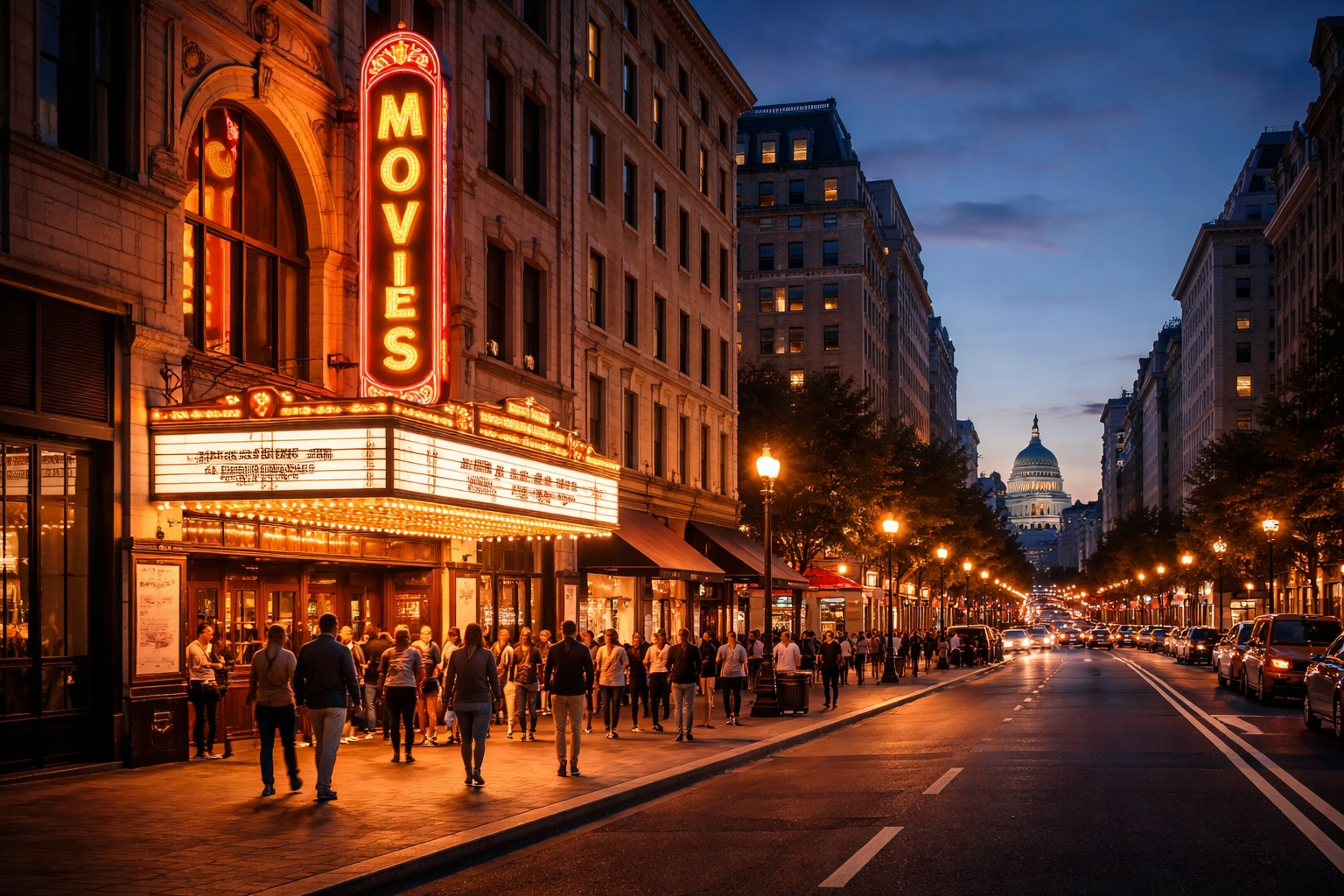
Movie Theaters in Washington DC: A Comprehensive Guide to Cinematic Experiences
Washington, DC’s movie scene is more than a list of cinemas – it’s a narrative about the city itself. The nation’s capital was an early adopter of motion‑picture exhibition; opulent movie palaces and neighborhood theaters dotted the city during the 20th century. Over the decades some venues have disappeared while others reinvented themselves, and new multiplexes with cutting‑edge technology have arrived. Today Washington, DC offers everything from historic single‑screen landmarks and nonprofit film centers to luxury dine‑in complexes, arthouse hideaways, 4DX motion‑seat adventures and renovated museum IMAX theaters. Whether you’re seeking a family outing, a film festival, a date‑night experience or just the biggest screen available, this guide explores the city’s diverse theaters, explains their histories and highlights practical tips for choosing the right venue. It also provides context about neighborhood culture and film events, so readers can plan a cinematic itinerary and connect their visit to the city’s attractions.
The evolution of cinema in DC
Before television and streaming, Washingtonians flocked to grand movie palaces like the Uptown Theater in Cleveland Park. Opened in 1936, the Uptown became famous for premieres such as 2001: A Space Odyssey and Jurassic Park; it operated for more than eighty years but ultimately shut its doors in 2020 when AMC declined to renew the lease. The closure underscored how fragile even beloved institutions can be, and it prompted community campaigns to save remaining theaters. An even older venue, the Meader Theater on Barracks Row, opened in 1909 as a vaudeville house and movie hall. After decades of name changes and use by a church, it was purchased in 2011 by National Community Church and revived as The Miracle Theatre, a second‑run cinema and live performance venue. The Avalon Theatre in Chevy Chase dates to 1923; it is the city’s oldest continuously operating movie house and has survived thanks to nonprofit stewardship.
As the city grew, movie exhibition diversified. Suburban multiplexes sprang up in shopping centers, while downtown lost theaters to urban renewal. The 1980s and 1990s brought art‑house cinemas like Landmark’s E Street Cinema, which specialized in independent and foreign films and offered stadium seating, Dolby sound and an espresso bar. Digital projection and recliner seating arrived in the 2000s, and dine‑in chains like Alamo Drafthouse promised restaurant‑quality menus delivered directly to your seat. At the same time, the city has embraced film festivals and outdoor screenings that connect cinema to community spaces. Recent years have seen major renovations at museum IMAX theaters, the introduction of 4DX motion‑seat technology at commercial multiplexes, and the closure of longtime favorites like E Street Cinema (2025) and AMC Mazza Gallerie (2022). This mix of preservation and innovation defines Washington’s current movie culture.
A historic timeline of notable venues
-
1909 – Meader Theater (now The Miracle Theatre): Opened on Barracks Row as a vaudeville house and movie theater. After several name changes it became a second‑run cinema and live performance venue.
-
1923 – Avalon Theatre: A neighborhood cinema built in Chevy Chase; today it’s Washington’s oldest operating movie house and a nonprofit film center offering first‑run, independent and foreign films.
-
1936 – Uptown Theater: An art‑deco palace in Cleveland Park that hosted world premieres and boasted a curved Cinerama screen. It closed permanently in 2020.
-
2004 – Landmark’s E Street Cinema: Opened downtown with eight screens, stadium seating and a focus on independent, foreign and documentary films. It closed in March 2025 after being unable to recover post‑pandemic.
-
2013 – Angelika Pop‑Up at Union Market: Began as a temporary cinema and event venue; it offers comfortable seating and luxury touches.
-
2017 – AMC Georgetown 14 upgrades: Added Dolby Cinema, PRIME at AMC and IMAX with Laser, along with recliner seating, reserved seats and a MacGuffins bar.
-
2021 – Alamo Drafthouse DC: A nine‑auditorium dine‑in complex with leather recliners and a “Big Show” premium screen.
-
2025 – Renovated Lockheed Martin IMAX Theater: Reopened at the National Air and Space Museum with enhanced sound and image quality, new seating and pre‑order ticketing.
These milestones illustrate how Washington’s theaters have mirrored broader shifts in film exhibition. Early cinemas were neighborhood anchors; mid‑century palaces offered technical innovation and prestige; modern multiplexes prioritize comfort, dining and immersive formats; nonprofit venues keep film culture alive; and museum theaters integrate cinematic storytelling into educational experiences.
Historic and iconic theaters
Avalon Theatre: a century of community cinema
On Connecticut Avenue in Chevy Chase, Avalon Theatre sits like a time capsule. Built in 1923, the Avalon is Washington’s oldest continuously operating movie house. When the theater faced closure in the late 1990s, neighbors formed a nonprofit to save it, reflecting how deeply it is woven into the community. Today the Avalon offers first‑run commercial movies, independent and foreign films, documentaries and film festivals. Its mission includes educational programs like film classes and senior matinees, and membership helps sustain operations. The lobby retains art‑deco details, while the main auditorium features a balcony and a large screen. Concession offerings are modest, but there’s a café serving wine and pastries. The Avalon’s greatest asset is its atmosphere – patrons chat with neighbors before screenings and volunteer ushers greet regulars by name.
Why visit:
-
Historic ambiance and art‑deco design.
-
Curated programming ranging from blockbusters to foreign language films and documentaries.
-
Community events, filmmaker Q&As and Wednesday signature series.
-
Nonprofit model means ticket purchases support cultural programming.
The Miracle Theatre: Capitol Hill’s restored treasure
The Miracle Theatre on 8th Street SE is both a theater and a testament to adaptive reuse. The building opened in 1909 as the Meader Theater and underwent several incarnations – Meader, New Meader, Family and Academy – before a church bought it in 1962. In 2011 National Community Church purchased the structure and restored its 400‑seat auditorium. Today the Miracle is a second‑run movie theater and live performance venue, proudly calling itself “the oldest movie theater in Washington, DC”. Marble and plaster details recall early 20th‑century elegance; film programming focuses on recent releases at family‑friendly prices, and the stage hosts concerts and community events. The venue also rents its balcony for private parties and offers inexpensive concessions. Its location on Barracks Row, near Eastern Market, makes it a charming stop before or after dinner.
Why visit:
-
Experience a century‑old theater with ornate interior details.
-
Affordable second‑run movies and occasional live performances.
-
Family‑friendly vibe and proximity to Capitol Hill restaurants.
Uptown Theater: a fallen palace with a lasting legacy
Though not currently operating, the Uptown Theater deserves mention because of its influence on Washington’s movie culture. Built in 1936, the art‑deco cinema boasted a curved Cinerama screen and hosted premieres that attracted national attention. Its closure in 2020 left a void in Cleveland Park and sparked discussions about preserving historic cinemas. Neighborhood groups have explored reopening the theater as a nonprofit or cultural center. Until such a revival occurs, the Uptown remains a beloved memory for generations who experienced epics like 2001: A Space Odyssey on its enormous screen.
E Street Cinema: independent spirit and bittersweet farewell
When Landmark Theatres opened E Street Cinema downtown in 2004, it quickly became the city’s go‑to venue for independent, foreign and documentary films. With eight screens, stadium seating, Dolby digital sound and upscale concessions (including an espresso bar), it filled a void left by chain multiplexes. The theater cultivated a loyal audience through festivals, midnight screenings and events like the DC Shorts Film Festival. Unfortunately, the pandemic devastated foot traffic and Landmark announced in early 2025 that it would close the location. The company’s statement explained that it was “constantly evaluating its business strategy” and would shutter the theater because it “could not recover in the post‑pandemic environment,” thanking guests and inviting them to visit its other venues. E Street’s final public screening took place March 2, 2025. Its closure underscores the challenges facing independent cinemas but also highlights the importance of supporting surviving arthouses like Atlantic Plumbing Cinema.
Independent and arthouse cinemas
Washington’s independent film scene thrives in small venues that pair curated programming with unique atmospheres. These cinemas are ideal for cinephiles seeking foreign films, documentaries, cult classics or experimental works.
Angelika Pop‑Up at Union Market
Union Market in Northeast DC transformed a former warehouse district into a culinary and cultural hub. Nestled among artisan food stalls is the Angelika Pop‑Up – a three‑screen theater with a chic lobby, comfortable seats and state‑of‑the‑art projection. It began as a temporary “pop‑up” cinema but has become a permanent fixture, hosting special screenings, film festivals and community events. TripSavvy notes that the venue blends cutting‑edge technology with elements of luxury and comfort. A full bar offers craft beer, wine and cocktails, and guests can bring drinks into the theater. The programming mixes arthouse titles with mainstream fare, and reserved seating lets patrons choose prime spots. Because it’s smaller than a multiplex, the Angelika fosters an intimate viewing experience.
Highlights:
-
Three screens with comfortable seating and digital projection.
-
Curated lineup of independent, foreign and award‑winning films.
-
Located inside Union Market, allowing visitors to combine dining and a movie.
-
Full bar with craft drinks and snacks.
Atlantic Plumbing Cinema
Landmark Theatres’ Atlantic Plumbing Cinema sits near the U Street corridor and anchors a mixed‑use development at 8th and V Streets NW. The cinema features a full bar with food, six auditoriums, advance reserved seating, automated ticketing kiosks and plush leather seats. Drinks purchased at the bar can be taken into any auditorium. The programming includes independent films, limited releases and occasional Hollywood titles. Its modern design and lounge seating appeal to audiences who miss E Street Cinema but still want an arthouse experience. The location is accessible by Metro’s Green and Yellow Lines and close to live music venues like the 9:30 Club.
Highlights:
-
Six auditoriums with leather recliners and reserved seating.
-
Full bar and menu; guests may bring drinks into screenings.
-
Focus on independent, foreign and documentary films.
-
Proximity to U Street’s restaurants and nightlife.
Suns Cinema
Mount Pleasant’s Suns Cinema feels less like a traditional theater and more like a film‑loving friend’s living room. A two‑story lounge decorated with vintage posters, memorabilia and quirky tchotchkes, Suns offers intimate screenings of cult classics, arthouse gems and esoteric documentaries. Seating is an eclectic mix of couches, chairs and barstools; District Fray magazine observed that the vibe “feels like grabbing drinks and watching eclectic art films with friends rather than visiting a large IMAX”. The theater has a bar serving cocktails, wine and beer, and many events are 21+, underscoring its adult‑focused atmosphere. Programming is curated by passionate cinephiles and often paired with DJs, discussions or themed drink specials.
Highlights:
-
Intimate, eclectic setting with couches and lounge seating.
-
Carefully curated lineup of cult classics, international films and documentaries.
-
Full bar with creative cocktails; events often cater to guests 21+.
-
Community atmosphere encourages discussion and friendship.
Luxury, dine‑in and premium experiences
Not every movie outing is about obscure films; sometimes you want plush recliners, gourmet food and the latest blockbuster. Washington’s premium cinemas deliver with enhanced sound, premium screens, in‑seat dining and motion effects.
Alamo Drafthouse DC
Located in the Bryant Street NE development off Rhode Island Avenue, Alamo Drafthouse DC is a nine‑auditorium complex that combines serious film programming with full restaurant service. KidFriendly DC notes that the theater offers leather reclining seats, and one auditorium dubbed “the Big Show” uses premium technology for picture and sound. A full food and drink menu – including burgers, pizzas, milkshakes and craft beer – can be ordered from your seat via silent waitstaff. The lobby pays homage to presidential history with portraits and memorabilia, and the chain’s strict “no talking or texting” policy preserves the viewing experience. Families will appreciate a dedicated kids’ menu and Family Fun screenings, while cinephiles enjoy special programming like quote‑along nights and repertory series.
Highlights:
-
Nine theaters with plush recliners and a premium “Big Show” auditorium.
-
In‑seat dining with full restaurant menu, plus a bar and curated beer list.
-
Reserved seating and ability to order food via app or seat card.
-
Themed events, cult classic screenings and family programming.
AMC Georgetown 14
Perched along K Street at Washington Harbour, AMC Georgetown 14 is a mainstream multiplex with premium offerings. Recent renovations added IMAX with Laser, Dolby Cinema and PRIME at AMC auditoriums. The theater also features AMC Signature Recliners, reserved seating, a MacGuffins bar, food and drink mobile ordering, Coca‑Cola Freestyle machines, and discount matinees. Accessible amenities include open captions, sensory‑friendly films and wheelchair access. The location overlooks the Potomac waterfront, making it ideal for a date night followed by a stroll along the canal.
Highlights:
-
IMAX with Laser, Dolby Cinema and PRIME premium formats.
-
Reclining seats, reserved seating and online ordering.
-
On‑site bar and extended concessions with mobile ordering.
-
Accessibility options including open captions, audio description and sensory‑friendly shows.
Regal Gallery Place Stadium 14 & 4DX
Located above the Capital One Arena in Chinatown, Regal Gallery Place Stadium 14 offers the usual stadium seating and 2D/3D options – but its 4DX auditorium sets it apart. 4DX technology uses motion seats and environmental effects such as wind, fog, rain, lightning, vibration, snow, bubbles and scents to match the action on screen. Audience members feel gusts of wind during airplane sequences, smell forest aromas in jungle scenes and experience seat movements synchronized with explosions. The system makes blockbuster films more immersive but may overwhelm sensitive viewers; guests should check age and health advisories. The theater also hosts festival screenings such as Filmfest DC and offers reserved seating, a loyalty program and standard concessions.
Highlights:
-
14 screens with stadium seating; 4DX auditorium with motion seats and environmental effects.
-
Located in Penn Quarter near shops and restaurants.
-
Reserved seating, loyalty discounts and group rentals.
-
Frequent host of film festival screenings and special events.
IMAX and large‑format theaters
Lockheed Martin IMAX Theater at the National Air and Space Museum
Smithsonian’s National Air and Space Museum features the Lockheed Martin IMAX Theater, a venue dedicated to science and aviation storytelling. The original IMAX theater wowed visitors with eight‑story‑high images and wrap‑around digital surround sound. After a multi‑year renovation, the theater reopened in July 2025 with enhanced sound and image quality, new seating, an updated lobby and queuing area, and pre‑order ticketing and seat selection. The theater shows documentary features, Hollywood films and special series such as the National Air and Space Museum’s 50th Anniversary Film Series, often accompanied by curator introductions. Daytime film tickets must be purchased on site and free timed entry passes are required to enter the museum. The theater’s location on the National Mall makes it a perfect complement to museum visits. View on Google Maps
Other large‑format options
While the Lockheed Martin IMAX is the only dedicated giant‑screen theater in the city, several multiplexes offer premium formats:
-
IMAX with Laser at AMC Georgetown 14 – A dual‑laser system delivering deeper blacks, brighter images and sharper contrast.
-
Dolby Cinema at AMC Georgetown 14 – Combines Dolby Vision HDR with Atmos immersive sound for dynamic audio and visuals.
-
PRIME at AMC – A proprietary premium large format with enhanced sound and projection.
-
4DX at Regal Gallery Place – Motion seats and sensory effects for action‑packed films.
Neighborhood theater guide
Washington’s movie theaters reflect the character of their neighborhoods. Understanding their locations helps you pair a screening with sightseeing or dining.
Georgetown and Foggy Bottom
AMC Georgetown 14 sits on K Street in Georgetown’s waterfront district. After a film you can stroll along the Potomac River, dine at Washington Harbour restaurants or explore boutique shops on M Street. The nearby C&O Canal offers scenic walks, and the Kennedy Center is a short taxi ride away. The theater’s premium formats make it a draw for blockbuster openings.
Downtown and Penn Quarter
The closure of E Street Cinema left a gap in downtown arthouse options, but Regal Gallery Place fills the mainstream niche with 4DX and IMAX experiences. Located above Capital One Arena, it’s steps from Chinatown’s restaurants and museums like the National Portrait Gallery. During Filmfest DC in April, the theater screens festival selections and attracts cinephiles from around the region.
U Street and Shaw
Atlantic Plumbing Cinema anchors the U Street corridor, a historic nightlife district known for live music and Ethiopian restaurants. The cinema’s bar and lounge seating complement the area’s artsy vibe. Nearby venues include the 9:30 Club, the Lincoln Theatre and the African American Civil War Memorial. The Green and Yellow Metro lines serve U Street.
Union Market and NoMa
At Angelika Pop‑Up, filmgoers can pair a movie with artisanal food from Union Market’s vendors. Afterward, walk through the market’s murals, visit distilleries like Cotton & Reed or explore the fast‑growing NoMa neighborhood. The venue’s intimate size and curated lineup make it popular for date nights and film club gatherings.
Mount Pleasant
Suns Cinema sits on Mount Pleasant Street near indie cafés and international restaurants. The neighborhood’s low‑key vibe suits the theater’s casual atmosphere – patrons often mingle in the bar or on the back patio before screenings. The adjacent Columbia Heights Metro station provides easy access.
Capitol Hill
The Miracle Theatre resides on Barracks Row, a historic commercial strip lined with shops and eateries. Eastern Market, a few blocks north, offers fresh food stalls and craft vendors. The theater’s second‑run programming makes it a budget‑friendly option for families exploring the neighborhood.
National Mall
Lockheed Martin IMAX Theater is part of the National Air and Space Museum on Jefferson Drive. Combine an IMAX documentary with visits to the museum’s galleries or other Smithsonian museums on the Mall. Timed entry passes ensure manageable crowds.
Family‑friendly outings and accessibility
Many DC theaters welcome families with children. The following considerations will help parents choose a venue:
-
Pricing and discounts – The Miracle Theatre offers affordable second‑run movies and group rates. AMC Georgetown 14 provides matinee discounts and reduced pricing on Tuesdays. Alamo Drafthouse hosts discounted Family Fun screenings where talking and movement are permitted.
-
Seating comfort – Look for recliner seating such as AMC’s Signature Recliners or the leather chairs at Alamo Drafthouse. Kids may appreciate footrests and ample legroom.
-
Accessibility – AMC Georgetown 14 offers open captions, audio description and sensory‑friendly films for guests with sensory sensitivities. The Lockheed Martin IMAX Theater provides wheelchair access and reserved seating; museum staff can assist with accommodations.
-
Kid‑focused programming – The Avalon hosts weekend family matinees and school field trips. The Environmental Film Festival includes youth‑friendly screenings and educational workshops. Angelika Pop‑Up occasionally screens Studio Ghibli and animated classics; check its calendar for special events.
-
Food options – Dine‑in theaters like Alamo Drafthouse deliver meals to your seat, making it easier to feed children during long films. AMC offers concession favorites like popcorn and pretzel bites, plus Coca‑Cola Freestyle machines. The Miracle Theatre sells reasonably priced snacks and drinks.
Tips for parents
-
Plan bathroom breaks before the film begins; older theaters may not offer easy access once you’re seated.
-
Use reserved seating to choose central rows with good sightlines.
-
Check MPAA ratings and content advisories; some theaters enforce age restrictions for R‑rated films.
-
Bring a sweater – auditoriums are often cool.
Film festivals and special events
DC hosts a robust calendar of film festivals that spotlight international cinema, documentaries, and emerging voices. These events often utilize multiple venues and draw filmmakers and audiences from around the world.
Filmfest DC: international cinema in spring
Washington, DC International Film Festival, better known as Filmfest DC, celebrated its 40th anniversary in 2026. The festival showcases international and independent films and will run from April 16 to April 26 2026. Filmfest DC accepts entries from around the world and includes programs spotlighting local filmmakers. It is the largest and longest‑running annual international film festival in Washington, DC. Screenings take place at venues such as Regal Gallery Place, Landmark Atlantic Plumbing and the French Embassy. Attendees can participate in Q&As, panel discussions and receptions. Winning films receive awards like the Circle Award and the Justice Matters Award.
Environmental Film Festival in the Nation’s Capital (DCEFF)
The Environmental Film Festival has been harnessing the power of film and community for over 33 years. Held annually in March, it celebrates environmental storytelling and encourages action for the planet. The 2026 festival runs from March 19 to 28 and features screenings at museums, embassies, libraries and theaters throughout the city. In addition to in‑person events, DCEFF offers year‑round streaming of past selections and youth programs. The festival partners with organizations like National Geographic and the Smithsonian Institution. Awards recognize films that inspire conservation and highlight environmental justice.
DC/DOX
DC/DOX is a documentary film festival launched in 2023; by 2026 it runs each June and focuses on nonfiction storytelling. Screenings and panels take place at venues including Atlantic Plumbing Cinema and the National Portrait Gallery. The festival champions emerging voices and hosts workshops on ethical storytelling and impact producing.
Mother Tongue Film Festival
Hosted by the Smithsonian’s Recovering Voices program, the Mother Tongue Film Festival celebrates linguistic diversity by screening films in indigenous and minority languages. The 2026 edition takes place February 19–22 at Smithsonian museums and local theaters. Admission is free, and events include discussions with filmmakers and linguists.
48 Hour Film Project and local showcases
The 48 Hour Film Project challenges teams to create a short film from script to final cut in just two days. Washington, DC’s edition usually happens in May and culminates in public screenings at a local theater. The city also hosts year‑round showcases like AFI Latin American Film Festival at the AFI Silver Theatre in nearby Silver Spring and cultural events such as “Can I Kick It?” – a monthly martial‑arts‑film screening paired with live hip‑hop soundtracks at venues like Songbyrd Music House.
Tips for choosing a theater
With so many options, choosing the right cinema depends on your priorities. Consider these factors:
-
Screen size and technology: For immersive visuals, seek out IMAX with Laser, Dolby Cinema or 4DX. Traditional theaters like the Avalon offer charm but smaller screens. Museum IMAX films are educational and shorter.
-
Comfort and amenities: Recliner seats, reserved seating and dine‑in service enhance comfort. Alamo Drafthouse and AMC’s premium auditoriums excel here, while the Avalon and Miracle provide classic charm without full recliners.
-
Programming: Independent films and documentaries play at Atlantic Plumbing, Angelika Pop‑Up and Suns Cinema. Mainstream blockbusters dominate AMC and Regal multiplexes. Check calendars for special events like quote‑alongs or film festivals.
-
Food and drink: Dine‑in theaters offer full meals; others have standard concession stands. Bars at AMC, Atlantic Plumbing and Angelika Pop‑Up serve beer, wine and cocktails. Suns Cinema is known for creative drinks.
-
Accessibility and family needs: Look for open captions, audio description, sensory‑friendly shows and stroller‑friendly aisles. Younger children may prefer daytime screenings at The Miracle Theatre or matinees at AMC.
-
Location and parking: Decide whether you want to pair a movie with dining, sightseeing or nightlife. Downtown theaters near Metro stations ease transit; suburban multiplexes may offer free parking but require a car.
By weighing these factors you can tailor your movie outing to the occasion, whether it’s a date night, family trip, solo art‑house expedition or tourist adventure.
Frequently asked questions
-
What is the oldest movie theater in Washington, DC? The Avalon Theatre, built in 1923, is the city’s oldest continuously operating movie house. The Miracle Theatre occupies a 1909 building but operated under various names before its modern incarnation.
-
Where can I watch independent or foreign films in DC? Independent and international films screen at Atlantic Plumbing Cinema, Angelika Pop‑Up, Suns Cinema and (until its closure in 2025) E Street Cinema.
-
Which theaters in Washington offer dine‑in service? Alamo Drafthouse DC provides full meals delivered to your seat. AMC theaters allow mobile food orders for pickup. Some independent cinemas sell beer and wine but not full meals.
-
Are there IMAX theaters near the National Mall? Yes. The Lockheed Martin IMAX Theater at the National Air and Space Museum features a giant screen and reopened in 2025 with upgraded sound, seating and pre‑order ticketing.
-
What’s the difference between 4DX and IMAX? 4DX combines motion seats and environmental effects like wind, rain and scents to mimic on‑screen action. IMAX focuses on massive screens and enhanced projection and audio fidelity, immersing viewers through visuals and sound rather than seat movement.
-
Which cinemas are best for children? The Miracle Theatre offers second‑run family films at low prices. AMC Georgetown 14 provides discount matinees and sensory‑friendly showings. The Avalon hosts weekend family matinees.
-
Are there outdoor or special‑event screenings in DC? Yes. In summer, Union Market hosts rooftop and drive‑in screenings. Filmfest DC and the Environmental Film Festival screen films at various venues. Events like “Can I Kick It?” pair classic films with live music.
-
How do I get to the Lockheed Martin IMAX Theater? The theater is inside the National Air and Space Museum on Jefferson Drive. Timed‑entry passes are required, and tickets for daytime films are sold onsite. The nearest Metro station is L’Enfant Plaza.
Conclusion: plan your cinematic journey – and your stay
Washington, DC’s cinematic landscape is as rich and varied as its neighborhoods. From the century‑old charm of the Avalon Theatre and Miracle Theatre to the sensory overload of Regal Gallery Place’s 4DX auditorium, there is a screen and experience for every taste. Independent venues like Atlantic Plumbing, Angelika Pop‑Up and Suns Cinema nurture film culture with curated lineups and intimate atmospheres. Premium multiplexes such as Alamo Drafthouse and AMC Georgetown deliver recliner‑seat luxury and state‑of‑the‑art audio/visual technology. Museum IMAX theaters turn film into an educational journey, while festivals like Filmfest DC and DCEFF celebrate storytelling on the big screen. As the city continues to balance preservation with innovation, movie‑going remains an essential part of cultural life in the capital.
If you’re planning a trip to experience these theaters, consider staying at Hotel Washington – perfectly positioned at the edge of the White House lawn. Its central location grants seamless access to the National Mall, museums and many of the cinemas described here. After a day of gallery hopping and film watching, unwind at the rooftop bar with views of the Washington Monument. Washington’s film scene isn’t just about watching movies; it’s about connecting with history, community and the stories that shape our understanding of the world.
Read other posts