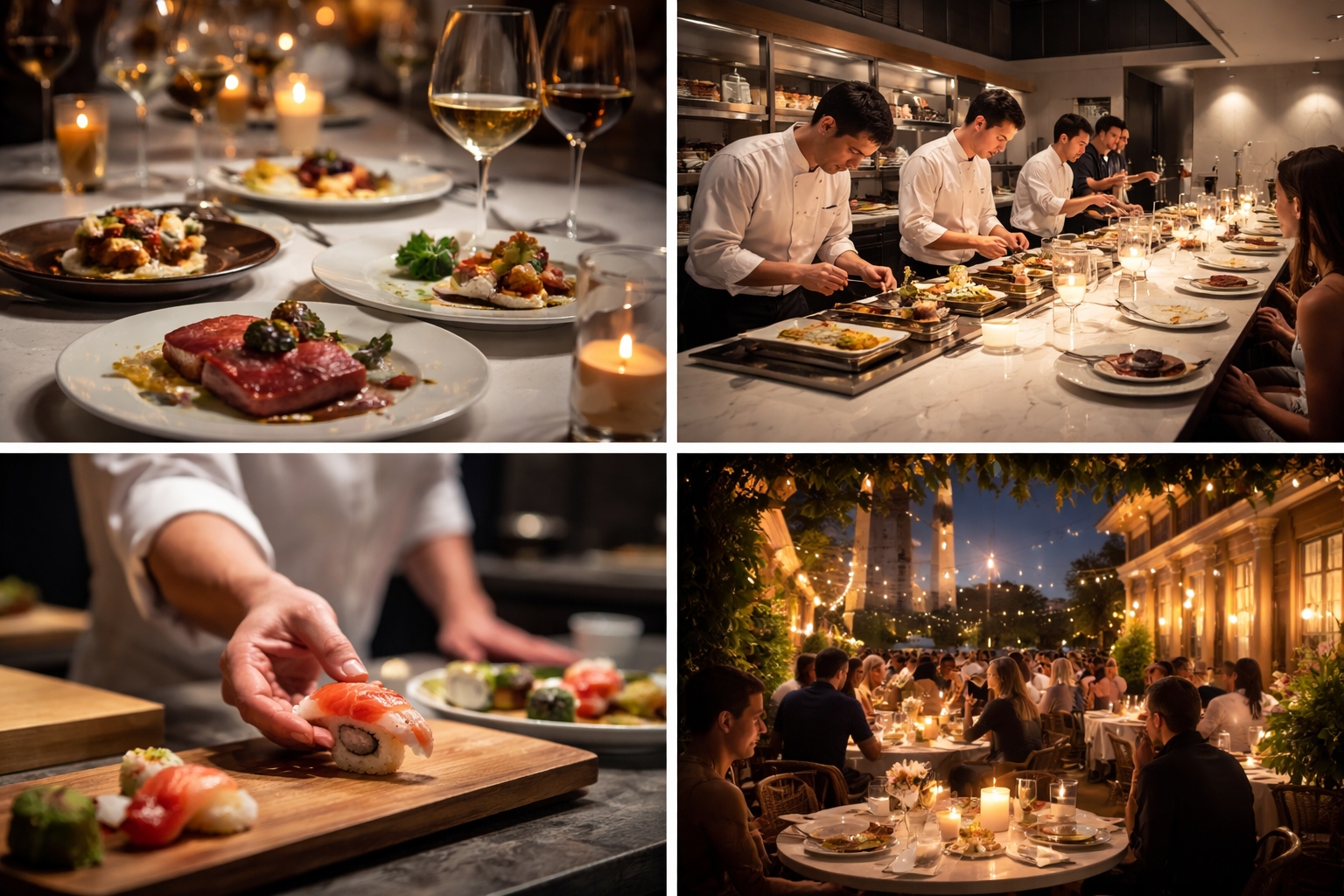
Michelin‑Star Restaurants in Washington DC
Washington DC’s culinary scene has matured into one of the most diverse and exciting in the United States. In 2025, the MICHELIN Guide classified twenty‑five restaurants across the city and its surrounding region as worthy of one or two stars, meaning they offer cooking that is either high‑quality or exceptional. After the 2025 release there are no three‑star restaurants in the district; the highest accolade goes to three two‑star establishments—Jônt, minibar by José Andrés and The Inn at Little Washington. The remainder of the list features an eclectic mix of one‑star experiences ranging from Middle Eastern tasting counters to vegetarian tasting menus and contemporary American bistros. This guide explores the significance of the MICHELIN star system, provides detailed profiles of every starred restaurant in the capital region, and offers practical advice for diners looking to secure a reservation or plan a gastronomic journey near Hotel Washington—the closest hotel to the White House, positioned at the edge of the White House Lawn.
Understanding the MICHELIN Star System
The MICHELIN Guide began as a way for French tire manufacturer Michelin to encourage motorists to travel; it has since become the world’s most respected restaurant guide. Inspectors award restaurants between one and three stars based on five universal criteria: the quality of ingredients, mastery of flavours and cooking techniques, the personality of the chef in their cuisine, harmony of flavours, and consistency both across the menu and over time. Decor, service and table settings do not influence a restaurant’s star rating; a humble dining room can still earn a star if the cooking is outstanding.
A single star signifies “high quality cooking, worth a stop.” Two stars denote restaurants with “excellent cooking, worth a detour,” while the rare three‑star designation goes to establishments with “exceptional cuisine, worth a special journey.” Washington DC has long been applauded for its cultural diversity, but it was only in 2016 that the MICHELIN Guide began covering the city. Since then, local chefs have embraced the challenge, turning the district into a destination for food tourists who travel specifically to taste the city’s most inventive dishes. The absence of a three‑star restaurant keeps D.C.’s chefs striving, and the concentration of one‑ and two‑star establishments ensures there is something for every palate.
Star Levels at a Glance
| Star level | Description | Criteria summary |
|---|---|---|
| One star | High‑quality cooking worth a stop | Consistent excellence in ingredient quality, flavours and techniques |
| Two stars | Excellent cooking worth a detour | All one‑star qualities plus elevated mastery and harmony that make the experience special |
| Three stars | Exceptional cuisine worth a special journey | Extraordinary cooking that showcases perfect harmony, personality and consistency; not currently awarded in D.C. |
Washington DC’s MICHELIN‑Star Landscape
Washington DC’s dining scene reflects the city’s role as a crossroads of cultures. The MICHELIN Guide 2025 recognizes three two‑star restaurants and over twenty one‑star venues across a spectrum of cuisines. In addition, two restaurants—The Inn at Little Washington and Oyster Oyster—carry the coveted Green Star for their commitment to sustainability. Below, the guide delves into each starred establishment in detail. Throughout the narrative, the most notable attractions, neighbourhoods and parks are linked to their official sites at first mention; the narrative remains unsponsored and purely informational.
Two‑Star Excellence
Jônt
Perched above the contemporary bistro Bresca in the bustling Logan Circle neighbourhood, Jônt is an intimate tasting counter helmed by Chef Ryan Ratino. The 14‑seat restaurant earned two stars for its progressive menu that layers luxurious ingredients like A5 wagyu, sea urchin and truffles with Japanese precision and Mid‑Atlantic produce. Jônt holds membership in Relais & Châteaux and Chef Ratino was named the 2023 MICHELIN Young Chef Award winner. Diners are treated to a high‑energy service where each course is meticulously explained and often finished tableside. The intimate space fosters dialogue between chefs and guests, making the meal feel like an edible performance. Reservations are notoriously difficult and must be booked months in advance; Jônt is open for dinner only and offers a single multi‑course tasting menu. Its proximity to the White House makes it a popular choice for visitors staying at nearby hotels such as Hotel Washington.
Cuisine & Experience: Jônt’s menu oscillates between Japanese techniques and classical French sauces. The team constructs complex dishes such as king crab with miso sabayon and charred matsutake, or squab glazed with aged soy and finished over binchotan charcoal. Each course is paired with optional beverage pairings selected by a knowledgeable sommelier. The tasting counter encourages diners to ask questions and observe the choreography of plating.
Practical Details: The restaurant is accessible via major metro lines and offers valet parking. A deposit is required upon booking, and dietary restrictions are accommodated only with advance notice. Visit Jônt’s official site to join the mailing list and secure reservations for future releases.
minibar by José Andrés
In Penn Quarter, minibar by José Andrés operates as an experimental laboratory where culinary art meets science. The two‑star restaurant is part of Chef José Andrés’ ThinkFoodGroup and has long been a breeding ground for avant‑garde techniques. The dining room seats only a dozen guests around a curved counter where chefs prepare playful “bites” that challenge conventional definitions of food. Each dish is presented as a piece of theatre: spherified olives, edible cocktails and edible paper might appear on the menu. The experience is as intellectual as it is delicious, with the team explaining the inspiration and techniques behind each creation. Minibar’s two stars reflect its ability to deliver an imaginative, cohesive journey where art and science coalesce.
Cuisine & Experience: While the menu changes frequently, diners can expect a parade of around twenty small courses delivered at a measured pace. Many elements are rooted in molecular gastronomy, but there is an underlying respect for tradition and ingredient quality. The team sources seasonal produce from local farms and pairs dishes with wines from a global cellar. Seating is communal, encouraging conversation among guests who share the adventure. Minibar’s staff emphasises hospitality and will often adapt the experience for dietary needs if informed in advance.
Practical Details: Reservations open several months ahead and require prepayment. There is an optional beverage pairing and a robust à la carte bar menu in the adjacent barmini lounge for those unable to secure counter seats. Minibar’s official website includes a calendar with release dates for new reservations and a waitlist sign‑up.
The Inn at Little Washington
Located about 70 miles west of the capital in the foothills of Virginia’s Blue Ridge Mountains, The Inn at Little Washington remains a pilgrimage site for gourmands. Chef Patrick O’Connell opened the restaurant in 1978 in a former gas station and has transformed it into a world‑renowned culinary destination. The main dining room exudes old‑world elegance with rich fabrics, antique fixtures and theatrical service. Dining here is described as an unforgettable culinary journey that balances innovation with impeccable service in an enchanting setting. Despite its pastoral location, the inn’s refined tasting menus earned two stars and the restaurant holds both a MICHELIN Green Star for sustainable practices and membership in Relais & Châteaux.
Cuisine & Experience: Chef O’Connell’s cuisine draws on regional ingredients, some harvested from the property’s gardens, and often reimagines American classics with French finesse. Signature dishes might include a crunchy napoleon of tuna and foie gras or lamb tenderloin with charred eggplant and purslane. Meals are accompanied by choreographed service—servers often present dishes in synchronized fashion, adding to the spectacle. The inn also offers overnight accommodations with individually decorated rooms, making it a destination for anniversaries and special occasions.
Practical Details: Reservations open months in advance, and dress codes lean toward formal attire. The restaurant is a 90‑minute drive from downtown Washington DC; many diners combine dinner with a stay at the inn. Guided tours of the kitchen and gardens are offered to overnight guests. The restaurant’s official website includes booking information, sample menus and details about sustainability initiatives.
One‑Star Wonders
Washington DC’s one‑star restaurants embody the city’s culinary diversity. They range from traditional French‑inspired bistros to modern plant‑based tasting menus. The following sections group these restaurants by their culinary focus. Each description includes an official link (where available) on first mention and draws on official websites and the MICHELIN Guide for details.
Middle Eastern & Mediterranean Influences
Albi
In the Navy Yard district, Albi celebrates Chef Michael Rafidi’s Palestinian heritage through live‑fire cooking. The restaurant’s name means “my heart” in Arabic, reflecting its deeply personal menu. Nearly every dish emerges from a wood‑burning hearth that anchors the open kitchen. Albi combines old family recipes with Mid‑Atlantic produce—think coal‑roasted lamb shoulder with sumac or charred carrots with labneh and pomegranate. The dining room blends industrial elements with warm textiles, evoking a modern Levantine home. Diners can order a tasting menu known as sofreh or select à la carte dishes to share. The beverage program features low‑intervention wines from the Eastern Mediterranean and creative cocktails infused with Middle Eastern spices. Reservations open 30 days in advance and fill quickly. Albi’s commitment to open‑fire cooking and cultural storytelling earned its single star in 2021 and continues to draw diners seeking an intimate yet convivial experience.
Causa / Amazonia
Causa offers a dual concept: an upstairs tasting room and a rooftop bar called Amazonia. Chef Carlos Delgado guides guests through Peru’s coastal and Andean cuisines with a menu that balances seafood, potatoes, corn and indigenous herbs. In the tasting room, diners embark on a multi‑course journey that highlights Peru’s culinary diversity—from ceviche and tiradito to slow‑cooked alpaca. On the rooftop, Amazonia pairs cocktails made from pisco and Amazonian fruits with small plates. The restaurant sources seafood from its own on‑site fish market and emphasizes seasonality and sustainability. The ambiance is lively yet refined, with colourful murals and warm service. Reservations are required for the tasting menu, and the bar operates on a first‑come, first‑served basis when weather permits.
Imperfecto: The Chef’s Table
Imperfecto channels the beauty of imperfection into an exclusive chef’s table experience. As part of the Seven Reasons Group, the restaurant draws inspiration from the intersection of Mediterranean and Latin American cultures. Chef Enrique Limardo designed the space around Greek philosophy: Aristotle defined perfection as something complete and purposeful, yet Imperfecto embraces ongoing improvement. Only a handful of diners are seated each night for a tasting menu that melds bold flavours like octopus with ají amarillo, caviar with plantain and lamb with spice‑infused yogurt. The design features marble, brass and contemporary art, creating a sense of modern elegance. Reservations are released two months in advance and prepayment is required. The restaurant aims to surprise and delight by juxtaposing rustic ingredients with refined presentations.
Rania
Modern Indian cuisine finds expression at Rania, a restaurant that traces its lineage to Punjab Grill DC. The restaurant reimagines India’s 5,000‑year‑old culinary heritage for the 21st century. Guests can choose between a four‑course prix‑fixe menu or a seven‑course tasting menu. Dishes might include tandoori duck breast with fenugreek and tamarind, paneer mousse with cashew curry or black cod with kokum and kokum butter. The beverage list features craft cocktails spiced with cardamom, saffron and rosewater, along with a curated selection of Indian whiskies. The space exudes opulence through jewel‑toned fabrics, intricate latticework and low lighting. Reservations are recommended, and the restaurant occasionally hosts cocktail‑tasting events.
Rooster & Owl
At Rooster & Owl, a playful name hides a serious culinary mission. Founders Yuan and Carey Tang named their restaurant after their contrasting work schedules—she’s the early riser, he’s the night owl—but the pair always came together around food. The restaurant serves a four‑course tasting menu built around seasonal, market‑driven dishes that encourage sharing. Weekly recipe testing allows the kitchen to change courses frequently, highlighting ingredients like local mushrooms, heirloom carrots and Virginia pork. The dining room is minimalist yet warm, with blond wood tables and a bustling open kitchen. Rooster & Owl’s collaborative spirit and focus on locally sourced ingredients earned it a star and a loyal following. Reservations open one month ahead and can be booked for indoor or patio seating.
Contemporary American & Modern Bistros
Bresca
Bresca pairs contemporary Parisian bistro vibes with mid‑Atlantic ingredients. Chef Ryan Ratino (who also helms Jônt) draws inspiration from Paris’s Neo‑bistro movement, combining French techniques with local produce. The restaurant’s playful interiors feature honeycomb motifs—a nod to the name’s Italian translation of “honeycomb.” Guests can choose a three‑course menu or opt for a more elaborate tasting at the chef’s counter. Dishes might include pappardelle with lamb ragù, glazed sweetbreads or foie gras tart with seasonal fruit. Bresca has maintained its star since 2019, reflecting its consistency and creative energy. The bar serves inventive cocktails using house‑made syrups and local spirits. Reservations are available on a rolling basis and same‑day walk‑ins are sometimes accommodated.
Kinship
When Chef Eric Ziebold and partner Celia Laurence opened Kinship in 2015, they aimed to provide a dining room that celebrates the human bonds built around food. Located in a restored 1907 townhouse just north of the Convention Center, Kinship features an à la carte menu highlighting contemporary American cuisine in categories such as “Craft,” “History,” and “Ingredients”. The dining room, designed by Darryl Carter, blends antique materials with modern touches; a fireplace and bar create a welcoming atmosphere. Although Kinship recently announced its closure after ten years, its legacy lives on through diners’ memories of dishes like butter‑poached lobster with black truffle sabayon and roasted duck with wild rice. The spirit of hospitality that defined Kinship continues to influence D.C.’s dining scene.
Little Pearl
Tucked behind Rose’s Luxury on Barracks Row, Little Pearl offers a seven‑course menu served in a glass‑enclosed conservatory, a cozy dining room and an enclosed patio. Dinner costs $128 per person with optional wine pairings; the menu changes frequently but might include dishes like hamachi crudo with yuzu kosho or slow‑roasted pork collar with caramelized onions. The space doubles as a wine bar during daytime hours and hosts private events. The vibe is relaxed yet refined, and the restaurant is known for accommodating dietary restrictions with advance notice. Reservations open one month in advance and fill quickly due to limited seating.
Rose’s Luxury
Sibling to Little Pearl, Rose’s Luxury is beloved for its warm hospitality and playful tasting menus. The restaurant’s name honours Chef Aaron’s grandmother Rose, who embodied generosity and joy. Housed in a rowhouse on Capitol Hill, Rose’s Luxury offers an ever‑changing family‑style menu that might feature lychee salad with pork sausage, smoked brisket with white bread or fermented chili wings. The team operates with a no‑reservations policy for the dining room (except for rooftop events), encouraging guests to line up early for tables. For those seeking a more curated experience, the roof garden hosts a fixed‑price menu with beverage pairings. Hospitality is central; the staff often shares personal stories and ensures diners feel like part of the family.
The Dabney
Centered around a roaring wood‑burning hearth, The Dabney interprets mid‑Atlantic cuisine through a modern lens. Chef Jeremiah Langhorne grew up in Virginia and worked at McCrady’s in Charleston before opening The Dabney in 2015. The 5‑course prix‑fixe menu features ingredients sourced from regional farmers and fishers—grilled oysters with ramp butter, hearth‑roasted duck with Virginia peanuts and heritage pork with sassafras. An à la carte bar menu offers lighter bites and craft cocktails. The open kitchen and brick walls exude rustic charm while the attentive service ensures a polished experience. The restaurant’s commitment to local sourcing and historical cooking techniques earned it a star and recognition as a pioneer of modern mid‑Atlantic cuisine.
The Inn at Little Washington Garden Café (Green Star)
While primarily known for its two‑star dining room, The Inn at Little Washington also holds a MICHELIN Green Star for sustainability. The restaurant grows many herbs and vegetables in its garden and maintains practices that minimize waste and energy use. For guests who cannot book the formal dining room, the garden café offers a more casual experience with dishes like garden salads, soups and sandwiches using seasonal produce from the property. This section underscores how the inn balances luxury with environmental stewardship.
Italian & European‑Inspired Dining
Fiola
Chef Fabio Trabocchi’s flagship Fiola channels the glamour of Italy through refined tasting menus and an award‑winning wine program. The restaurant celebrates beauty and refinement with exceptional farm‑fresh ingredients and elegant presentations. The menu changes with the seasons but often features dishes like langoustine carpaccio with citrus, saffron risotto with sea urchin, and wild mushroom agnolotti. Fiola’s interior exudes retro glitz with velvet banquettes, marble floors and Murano glass chandeliers. The wine list includes Italian labels from Piedmont and Tuscany as well as old‑world varietals from France and Spain. Diners can opt for a five‑course tasting menu or order à la carte. Service is formal yet friendly, and there is a lounge for pre‑dinner cocktails.
Masseria
At Masseria, Chef Nicholas Stefanelli honours his Puglian heritage through elegant multi‑course menus served in a space that blends industrial modernism with rustic Italian charm. The restaurant’s name refers to a farm estate in Italy’s countryside; its open‑air courtyard and open kitchen evoke coastal living. Since 2016 Masseria has retained one MICHELIN star each year. Guests choose between three and six‑course menus that might feature burrata with black truffle, hand‑rolled cavatelli with rabbit ragu, or branzino wrapped in fig leaves. The wine program emphasizes southern Italian varietals, and the sommelier team can create pairings to complement each course. Masseria’s combination of nostalgia and modern polish has made it a favourite for special occasions.
Métier
Hidden beneath Kinship’s ground‑floor restaurant, Métier offers a 36‑seat dining room where Chef Eric Ziebold explores the boundaries of haute cuisine. The space includes a private salon where guests begin with champagne and canapés before descending to an elegant dining room with antique mirrors and commissioned artwork. The six‑course tasting menu draws inspiration from global culinary traditions and might include Japanese‑inspired sashimi, French classic sauces and Southern American ingredients. The design, by Darryl Carter, juxtaposes antique materials with contemporary details. Reservations are released monthly and require prepayment; jacket attire is requested. After a decade of service, Métier and Kinship announced their closure, but their influence endures in D.C.’s culinary memory.
Mita
Vegetable‑forward >Mita brings Latin American flair to the plant‑based movement. Chefs Miguel Guerra and Tatiana Mora draw on their Peruvian, Colombian and Spanish training to create dishes free of animal products but rich in flavour. The menu is rooted in corn, cassava, cacao and other Latin staples; guests might enjoy esquites with vegan crema, wild mushroom anticuchos or tamal with smoked oyster mushrooms. The restaurant’s design features natural wood, vibrant textiles and potted plants, reinforcing the connection to the earth. According to the official site, Mita operates without a corkage fee and is accessible to guests of all abilities. Reservations are recommended for dinner; lunch and brunch are more casual and walk‑ins are welcome.
Oyster Oyster (Green Star)
Oyster Oyster demonstrates how sustainability and creativity can coexist. The restaurant is built around a zero single‑use plastic policy and a philosophy of regenerative partnerships with local farms and fisheries. Chef Rob Rubba crafts tasting menus that revolve around seasonal vegetables and oysters; a single oyster, whether grilled with smoked butter or tucked into a savory tart, serves as a totem throughout the meal. The kitchen uses induction and electric equipment to minimize emissions and repurposes food waste into miso, beverages and even dishware. Oyster Oyster received a MICHELIN Green Star for these efforts, and the dining experience is playful yet purposeful. Reservations open 30 days out and require prepayment. A small wine list prioritizes organic and biodynamic producers.
Asian & Japanese‑Inspired Dining
Elcielo by Juan Manuel Barrera
Colombian chef Juan Manuel Barrera infuses his Elcielo tasting menu with molecular gastronomy and Colombian ingredients. Guests might encounter smoky cacao butter, fish from the Pacific coast or the signature “chocotherapy,” where diners wash their hands in molten Colombian chocolate. Though Elcielo does not have its own dedicated website with extensive detail, the MICHELIN Guide praises the restaurant for its theatrical presentation and focus on unique Colombian flavours. Reservations can be made via online booking platforms and the restaurant is located in the District Wharf development.
Gravitas
Gravitas transforms local produce into seasonal tasting menus. Set in a converted factory in Ivy City, the restaurant is known for its sleek, industrial space and commitment to modern, vegetable‑driven dishes. Since the official site is not easily accessible, diners typically book through online reservation platforms. Chef Matt Baker’s menus might include dishes like carrot terrine with pickled mustard seeds, butter‑poached lobster with corn and caviar, or dry‑aged duck with summer squash. Gravitas has been recognized for its creativity and use of local farms; it also operates a rooftop garden that supplies herbs and greens for the kitchen.
Omakase @ Barracks Row
Omakase @ Barracks Row offers an intimate 14‑seat sushi counter where Chef Yi “Ricky” Wang serves a 20‑course nigiri omakase. Reservations are available exclusively through Resy and must be prepaid. Two seatings are offered each night, and there are no tables—diners sit at the counter facing the chefs. The menu honours Japanese tradition while pushing flavour boundaries, featuring fish flown in from Toyosu Market alongside local seafood. The minimalistic space allows the food to shine; service is attentive but unobtrusive. As the MICHELIN Guide notes, the experience is similar to a sushi temple where each bite is meticulously crafted.
Sushi Nakazawa
Chef Daisuke Nakazawa’s Sushi Nakazawa—a spinoff of his New York City flagship—offers a twenty‑piece nigiri omakase that uses fish from around the world with a focus on Japanese suppliers. At the sushi counter, the price is around $190; in the dining room it’s slightly less. Dietary restrictions are limited because the chef serves what is freshest that day. The minimalist space in the West End allows diners to focus on the precision and technique of each piece. Reservations are required and can be made up to one month in advance. While the official website is part of a larger group, the Washington DC location retains the spirit of the original.
Plant‑Based & Vegetable‑Forward Dining
Mita (revisited)
We previously profiled Mita under Italian influences due to its Latin American roots, but its commitment to plant‑based cuisine warrants another mention here. Mita’s vegetable‑forward menu is free of animal products, making it a destination for vegetarians and vegans seeking haute cuisine. Dishes like jackfruit carnitas, smoked sweet plantain and chocolate tamal showcase the creativity that earned Mita its star. The restaurant’s policies—such as accessibility for all guests and the absence of a corkage fee—make it welcoming to a broad audience.
Oyster Oyster (revisited)
As noted earlier, Oyster Oyster exemplifies how sustainability and plant‑forward cooking can converge. Its tasting menu features oysters and vegetables in innovative formats, and the kitchen repurposes food waste into new ingredients. The Green Star recognizes not just the quality of the cooking but also the restaurant’s holistic approach to environmental responsibility.
Other Notable One‑Star Restaurants
Pineapple and Pearls
Though currently closed, Pineapple and Pearls gained notoriety for its playful, all‑inclusive tasting menu and party‑like atmosphere. The MICHELIN Guide notes the restaurant’s “fun‑loving personality” and its ability to transform each dish into a joyful experience. The concept included beverage pairings, service gratuity and tax in the ticket price, creating a seamless evening. While the official site is inactive, the restaurant’s legacy lives on in the D.C. dining scene as an example of how high‑end dining can be whimsical and welcoming.
Tail Up Goat
Located in Adams Morgan, Tail Up Goat blends a neighbourhood vibe with refined cooking. The team thanks guests for sharing big and small life moments since 2016. Known for its house‑made breads and wood‑grilled meats, the restaurant offers a three‑course menu that encourages sharing. The wine program focuses on lesser‑known European varietals, and the staff is adept at pairing bottles with dishes. The casual yet polished atmosphere makes Tail Up Goat a favourite for weeknight dinners and special celebrations alike.
Xiquet by Danny Lledó
Xiquet by Danny Lledó (often styled as El Taller del Xiquet) showcases Valencia’s rich culinary heritage through paellas, fideuà and wood‑fired seafood. Chef Danny Lledó invites diners into his “workshop” where sustainable practices and respect for local agriculture guide the menu. Dishes might include smoked octopus with paprika, shrimp fideuà with saffron, or rabbit paella cooked over a wood fire. Though the official site is not easily accessible, the MICHELIN Guide praises Xiquet’s ability to marry tradition with innovation. Reservations are essential, and the restaurant also offers cooking classes and paella kits for home chefs.
Green Star & Sustainability
The MICHELIN Green Star highlights restaurants that combine fine dining with environmental stewardship. Only two restaurants in the Washington DC area hold this award: The Inn at Little Washington and Oyster Oyster.
At The Inn at Little Washington, Chef Patrick O’Connell operates on a farm‑to‑table philosophy. Herbs, vegetables and flowers are grown in the inn’s gardens, reducing the carbon footprint of transporting produce. Composting and recycling programs minimize waste, and the inn maintains partnerships with local farmers. The kitchen sources sustainably raised meat and line‑caught fish, and the team regularly audits energy usage to identify efficiencies. These practices, paired with an emphasis on preservation of regional culinary traditions, earned the inn its Green Star.
Oyster Oyster, under Chef Rob Rubba, integrates sustainability into every aspect of the dining experience. The restaurant prohibits single‑use plastics, opting instead for reusable containers, recycled paper and compostable materials. They use induction and electric equipment instead of gas to reduce emissions and repurpose food waste into miso, vinegar and plateware. Partnerships with regenerative farms ensure that produce is grown using methods that enhance soil health and biodiversity. The MICHELIN Guide recognized these efforts with a Green Star, demonstrating that environmental responsibility can coexist with culinary excellence.
Booking & Dining Tips for MICHELIN‑Star Restaurants
Securing a table at Washington DC’s starred restaurants requires planning. Reservations typically open one to two months in advance. High‑demand restaurants like Jônt and minibar release seats in limited batches and often require deposits or prepayment. For restaurants offering tasting menus, guests should be prepared for fixed prices that can range from $100 to $300 per person, excluding beverages. Cancellation policies vary; many restaurants charge fees for cancellations within 48 hours. Communicate dietary restrictions early—some venues, such as Sushi Nakazawa, cannot accommodate certain allergies due to the nature of the omakase. Others, like Rooster & Owl and Mita, can adjust menus with notice.
When dining at a two‑star establishment, expect a more formal experience. Jacket attire is often recommended or required; diners should arrive on time as courses are paced uniformly for all guests. For one‑star restaurants, the ambience varies widely—from the rustic hearth of The Dabney to the sleek minimalism of Omakase @ Barracks Row. Tipping is customary unless service is included (as it was at Pineapple and Pearls). Many restaurants offer wine pairings; ask the sommelier for advice if uncertain. If you cannot secure a reservation, consider the bar menu or lunch service where available. Lastly, remember that some restaurants, such as Kinship and Métier, have recently closed; always verify current status before booking.
Neighbourhood Guide & Proximity to Hotel Washington
Staying at Hotel Washington—the closest hotel to the White House at the edge of the White House Lawn—places diners within easy reach of many MICHELIN‑starred restaurants. Penn Quarter houses minibar and is a short walk or taxi ride from the hotel. Logan Circle, home to Jônt and Bresca, is about a 15‑minute drive north. Capitol Hill’s Barracks Row hosts Little Pearl, Omakase @ Barracks Row and Rose’s Luxury; it is accessible via the Metro’s Blue or Orange lines. The Wharf and Navy Yard districts, which feature Albi, Causa and Elcielo, are a quick taxi ride south.
For those willing to venture further, The Inn at Little Washington offers a memorable countryside escape approximately 90 minutes from downtown. Travellers can combine a scenic drive through Virginia wine country with dinner and an overnight stay. Masseria and Mita are located in the dynamic Union Market district, while Rooster & Owl and Tail Up Goat are in the eclectic neighbourhoods of Columbia Heights and Adams Morgan. Oyster Oyster sits on the border of Shaw and Truxton Circle, making it convenient for a pre‑ or post‑dinner stroll along U Street. The diverse geographical spread of these restaurants mirrors the cultural fabric of the capital, and Hotel Washington’s central location allows diners to sample multiple neighbourhoods during their stay.
Frequently Asked Questions
What does a MICHELIN star mean?
A MICHELIN star is a prestigious rating awarded by anonymous inspectors who evaluate restaurants based on ingredient quality, mastery of flavours and cooking techniques, the chef’s personality, harmony of flavours, and consistency. One star indicates high‑quality cooking, two stars denote excellent cooking worth a detour, and three stars signify exceptional cuisine worth a special journey.
How many MICHELIN‑starred restaurants are there in Washington DC?
As of the 2025 MICHELIN Guide, there are three two‑star restaurants and more than twenty one‑star restaurants in Washington DC and its surrounding region. There are no three‑star restaurants in the district.
Which restaurants in DC have two MICHELIN stars?
Jônt, minibar by José Andrés and The Inn at Little Washington each hold two MICHELIN stars. All three offer multi‑course tasting menus and require reservations well in advance.
Are there MICHELIN‑starred vegetarian or vegan options in DC?
Yes. Mita serves a vegetable‑forward menu free of animal products. Oyster Oyster offers plant‑based dishes alongside sustainable oysters. Both restaurants received one MICHELIN star.
How far in advance should I book a MICHELIN‑star restaurant in DC?
It depends on the restaurant. Two‑star venues like Jônt and minibar typically require reservations several months ahead due to limited seating. One‑star restaurants often open reservations 30–60 days in advance. Some, like Rose’s Luxury, accept walk‑ins for their dining room, though lines can be long.
What is the price range for a MICHELIN‑star meal in Washington DC?
Prices vary widely. One‑star restaurants may offer à la carte menus starting around $50 per person, while tasting menus at two‑star venues can cost $200–$300 per person before beverages. Always check the restaurant’s website for current pricing and policies.
Do MICHELIN inspectors consider service or decor when awarding stars?
No. According to the MICHELIN Guide, inspectors focus on the quality of the food, mastery of techniques, harmony and consistency. Service and decor do not influence star ratings, although they contribute to the overall dining experience.
Are any Washington DC restaurants recognized for sustainability?
Yes. The Inn at Little Washington and Oyster Oyster both hold MICHELIN Green Stars for their commitment to sustainable practices.
Conclusion
Washington DC’s MICHELIN‑starred restaurants showcase the creativity and cultural diversity that define the nation’s capital. From the theatrical flair of minibar and the intimate precision of Jônt to the rustic warmth of The Dabney and the sustainability‑driven vision of Oyster Oyster, each venue offers a unique narrative. Whether you’re planning a once‑in‑a‑lifetime tasting at a two‑star restaurant, exploring plant‑based innovation or savoring Middle Eastern and Latin American flavours, the city provides dining experiences for every palate. Staying at Hotel Washington—steps from the White House and close to many starred restaurants—makes it easy to embark on this culinary journey. Explore more about the hotel and start planning your gastronomic adventure at The Hotel Washington.
Read other posts