Juneteenth Weekend in Washington, DC: History, Celebrations and the Best Rooftop Experience
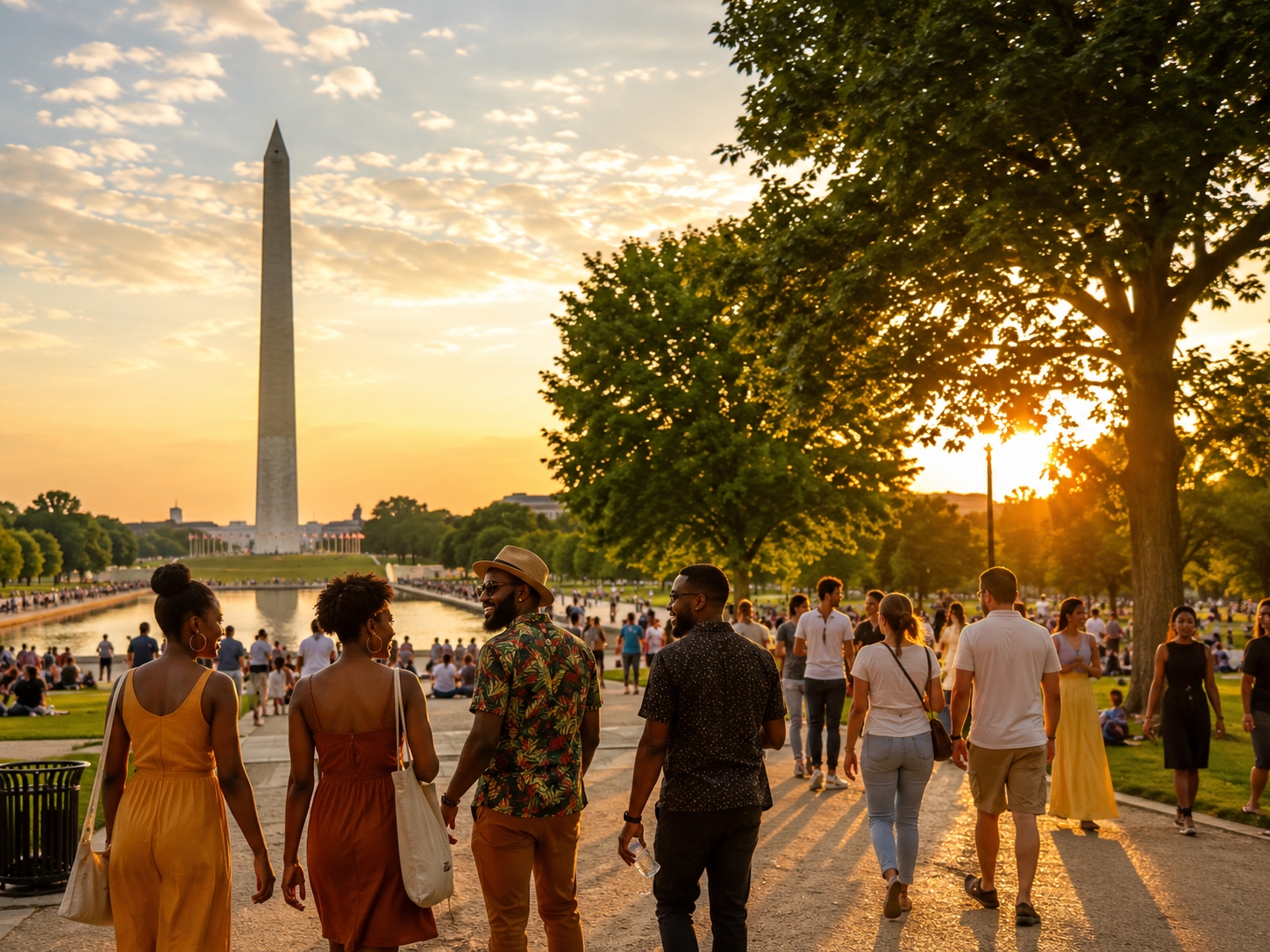
Washington, DC becomes a living classroom each Juneteenth as the nation’s capital embraces a federal holiday that is both solemn and joyful. Juneteenth marks the day in 1865 when news of emancipation reached Galveston, Texas; although Washington, DC freed enslaved people three years earlier, this weekend unites visitors and residents in remembrance and celebration. When Juneteenth 2026 falls on a Friday, it creates a long weekend that invites you to explore museums, join community gatherings and experience rooftop dining at the very edge of the White House Lawn. This guide paints a vivid picture of the history, events, dining and travel tips that will help you make the most of Juneteenth weekend in the capital.
As the closest hotel to the White House, positioned at the edge of the White House Lawn, Hotel Washington provides an ideal home base for exploring Juneteenth festivities. Steps from Pennsylvania Avenue and within sight of the Washington Monument, the hotel’s rooftop restaurant VUE hosts a special Juneteenth event that pairs locally inspired dishes with unforgettable views. Beyond its doors, Washington, DC unfolds with free museum exhibits, music festivals, neighborhood block parties and heritage sites. Whether you want to honor history, enjoy live performances, or simply savor summer in the city, the following sections offer everything you need to plan an enriching Juneteenth weekend.
The Significance of Juneteenth in Washington, DC
Juneteenth is more than a date on the calendar—it’s a reminder that freedom arrived unevenly across the United States. On June 19, 1865 Union troops finally brought word of emancipation to Galveston, Texas, two years after Abraham Lincoln’s Emancipation Proclamation took effect. In Washington, DC, emancipation came even earlier: the District abolished slavery on April 16, 1862. This layered history means that Juneteenth celebrations here often intertwine with local commemorations of Emancipation Day, offering a chance to reflect on both national and local struggles for freedom.
Visitors arriving in DC for Juneteenth weekend will find a city transformed by pride, reflection and community. National symbols like the Lincoln Memorial and the Washington Monument take on special meaning when you think about their role in civil rights milestones—from Marian Anderson’s 1939 concert to Dr. Martin Luther King Jr.’s “I Have a Dream” speech delivered on those steps. Today, the capital draws people from every background to learn from its museums, walk through historic neighborhoods, and engage with the living culture of Black Washingtonians. This sense of purpose infuses the weekend, turning typical sightseeing into a deeper journey through history.
Exploring Historic Museums and Sites
Long before the crowds gather for street festivals, Washington’s museums lay the foundation for understanding Juneteenth. The Smithsonian’s National Museum of African American History and Culture (NMAAHC) is essential for any Juneteenth itinerary. Occupying a striking bronze‑colored building on the National Mall, the museum chronicles centuries of Black American life—from the Middle Passage and slavery to art, politics and culture. During Juneteenth weekend, the NMAAHC typically offers special programs such as storytelling sessions, live performances and community discussions. Timed‑entry passes are free but required, and reservations open about six weeks in advance, so secure your tickets early.
Just a short walk away, the National Archives displays the original Emancipation Proclamation and General Order No. 3, the document that informed Texans they were free. Viewing these pieces of history in person during Juneteenth adds emotional weight to the holiday. The Archives’ ongoing exhibit “The American Story” also features additional documents that shape our understanding of freedom in America.
To deepen your appreciation of African American military history, head to the African American Civil War Memorial and Museum. Located in the U Street Corridor—once known as “Black Broadway”—the memorial honors the 210,000 Black soldiers and sailors who fought in the Civil War. Nearby, Cedar Hill, the Frederick Douglass National Historic Site, invites visitors into the preserved home of the great abolitionist. Guided tours allow you to stand in Douglass’s library and take in the view of DC from his front porch, creating an intimate connection to the man who spent his life fighting for freedom.
Washington’s museum landscape expands beyond the Mall. The Anacostia Community Museum’s exhibition “We Make History” explores how communities collect and preserve their stories, while the DC Public Library’s exhibit “District Vibes/American Pride: How DC Changed American Culture” celebrates local contributions to arts, sports and science. Each of these institutions uses artifacts, photographs and personal narratives to weave a richer understanding of the struggle for liberation and the triumphs of Black Washingtonians.
Events and Activities: Celebrating Freedom
Juneteenth weekend in DC is alive with events that honor history while celebrating culture. The National Mall becomes a hub for official ceremonies, performances and family activities. Standing before the Lincoln Memorial during a Juneteenth ceremony connects you to the history of civil rights: it was here that Dr. King spoke of his dream and where Marian Anderson sang to a crowd of thousands. Performances range from gospel choirs and spoken‑word poets to reenactments and speeches by community leaders. Because the Mall can get crowded, arriving early ensures a good view and space for a picnic.
Music lovers should not miss the Juneteenth Celebration at the historic Lincoln Theatre on U Street. On June 19, the venue hosts an evening concert headlined by New Orleans–based funk and soul band Tank and The Bangas with support from local performers and poets. Tickets sell quickly, so secure them in advance for a night of high‑energy music in an Art Deco gem. The Home Rule Music Festival on June 20 continues the celebration with a full day of performances at The Parks at Walter Reed. This event honors DC’s deep music roots, showcasing go‑go—Washington’s own percussive funk genre—alongside jazz, hip‑hop and soul.
Throughout the weekend, theaters offer Juneteenth‑themed shows. Studio Theatre’s revival of Purlie Victorious explores life in the Jim Crow South with humor and social commentary. Woolly Mammoth Theatre Company stages A Fine Madness, a hybrid performance and community event by DC artist Justin Weaks that invites audience members to share their own stories. Meanwhile, the Shakespeare Theatre Company’s production of Othello at Harman Hall features actor Wendell Pierce in the title role, adding a classic tragedy to the cultural mix.
Neighborhood Festivals and Block Parties
For a more grassroots experience, explore the block parties and festivals hosted by neighborhoods across DC. The U Street Corridor, Shaw and Anacostia neighborhoods buzz with live music, food vendors, art installations and community discussions. U Street’s rich heritage as a center of Black culture—home to the original Howard Theatre and jazz legends like Duke Ellington—makes it an especially meaningful place to celebrate. Local businesses often host vendor markets where artisans sell handmade jewelry, clothing and artwork. Food trucks serve everything from Caribbean jerk chicken to vegan soul food, while DJs spin go‑go and hip‑hop beats late into the evening.
Shaw’s Juneteenth Celebration typically includes family activities such as face painting, storytelling circles and craft workshops. Streets close to traffic, turning the neighborhood into a giant outdoor party where residents and visitors dance, eat and connect. In Anacostia, the festival often centers around the Anacostia Arts Center and local parks. Expect live performances ranging from spoken‑word poetry to gospel choirs, along with historical reenactments that highlight the neighborhood’s role in the civil rights movement.
These neighborhood events create space for residents to reclaim public spaces and celebrate Black joy. They also offer visitors a chance to see how DC’s communities honor their history while looking toward the future. Check community calendars for exact locations and times, and consider bringing cash to support local vendors and performers.
Cultural Performances and Live Music
Juneteenth weekend underscores DC’s reputation as a music city. Beyond the Lincoln Theatre and Home Rule Festival, venues across the district host performances reflecting the diversity of Black music. The Howard Theatre—one of the city’s most storied stages—features go‑go bands and R&B singers. The Kennedy Center hosts jazz ensembles and gospel choirs, and smaller clubs along U Street offer late‑night jam sessions. Because schedules vary each year, check the venues’ official websites for the latest lineups.
Visitors seeking spiritual reflection may attend services at historic Black churches like Metropolitan AME Church or Howard Divinity Chapel. These congregations often incorporate Juneteenth themes into their sermons and gospel music, offering a different kind of celebration rooted in faith and community. Many churches also host outdoor cookouts and family fun days that welcome all.
Dining and Rooftop Experiences: The VUE Juneteenth Event
Food has always been central to Juneteenth celebrations. In Washington, DC, you can savor flavors that honor Southern heritage, contemporary creativity and local ingredients. Perhaps the most spectacular setting is VUE Rooftop at Hotel Washington, where the Juneteenth event marries cuisine with panoramic views. As the sun sets over the White House and Washington Monument, guests enjoy a menu inspired by Southern comfort foods and DC’s culinary scene.
The Juneteenth menu at VUE draws on tradition without feeling heavy. A skillet of cornbread arrives warm, topped with whipped honey butter and flaky sea salt for a sweet‑savory start. Smoked chicken wings glazed with sorghum barbecue sauce are tender and lightly spicy, garnished with fresh scallions. The crispy okra brings a satisfying crunch, dipping perfectly into cajun buttermilk ranch. For something more indulgent, order the pork belly burnt ends glazed with peach sauce and pickled chili, or try shrimp and grits fritters dusted with smoked cheddar and drizzled with chili‑honey. Even vegetarians will delight in fried green tomato sliders layered with whipped pimento cheese and pepper jam, tucked into soft brioche buns. Each dish nods to Southern staples while adding a rooftop twist.
Dining beyond VUE offers equally rich experiences. DC boasts numerous Black‑owned restaurants that celebrate Juneteenth with special menus. In Shaw, you might try Oohh’s & Aahh’s for authentic soul food such as collard greens and macaroni and cheese, or Ben’s Chili Bowl for a half‑smoke sausage steeped in local history. U Street’s Marvin blends Southern cuisine with Belgian influences, while Georgetown’s Hawthorne offers rooftop views and live music. These establishments often host Juneteenth brunches or donate a portion of proceeds to community organizations. For upscale dining, consider Succotash, where Chef Edward Lee melds Southern cuisine with Korean accents, or Kith/Kin at The Wharf for Afro‑Caribbean flavors.
Travel Planning and Preparation
Planning a successful Juneteenth weekend requires foresight, especially because the holiday coincides with summer tourism. Here are strategies to ensure a smooth trip:
- Book accommodations early. Juneteenth’s popularity means hotels and rentals fill quickly. Reserve your room six to eight weeks in advance. Staying at Hotel Washington offers convenience—you’ll be able to walk to the National Mall, museums and the VUE event without dealing with traffic or parking.
- Secure museum passes. Many Smithsonian museums require timed‑entry passes during peak periods. The NMAAHC releases passes several weeks in advance, so set a reminder. Other popular institutions like the Air and Space Museum may also require reservations.
- Plan for heat. Late June in DC brings high humidity and temperatures. Schedule outdoor activities in the morning or evening, and take advantage of air‑conditioned museums during the hottest hours. Stay hydrated by carrying a refillable water bottle, and wear breathable clothing.
- Use public transportation. DC’s Metro system offers easy access to the National Mall, U Street and other neighborhoods. Purchase a SmarTrip card in advance to avoid lines. For travel between festivals and your hotel, rideshare services are widely available.
- Pack light but thoughtfully. Comfortable walking shoes are essential; many events involve standing and walking for extended periods. Bring a small blanket for picnics on the National Mall, and consider a portable phone charger so you can capture photos without worrying about battery life.
- Check event calendars. Schedules can change, so verify times and locations on official websites. For example, the Home Rule Music Festival and theater productions may update lineups or add shows. Social media accounts of venues often provide real‑time updates and behind‑the‑scenes content.
- Engage respectfully. Juneteenth is a celebration of freedom but also a time for education and reflection. Attend lectures or panel discussions, support Black‑owned businesses, and approach cultural sites with sensitivity. If you are unfamiliar with customs or language, ask questions respectfully and be open to learning.
Where to Stay: Hotel Washington and Beyond
Choosing the right lodging can shape your entire Juneteenth experience. Staying near the National Mall and downtown makes it easy to move between museums, monuments and events. Hotel Washington, the closest hotel to the White House and often called “the Best Hotel in Washington DC,” sits across from the Treasury Building and offers unmatched proximity to the capital’s most iconic landmarks. Guest rooms blend modern design with classic elegance, and many feature views of the Washington Monument or Pennsylvania Avenue. Amenities include a fitness center, spa services and, of course, VUE Rooftop, which gives guests exclusive access to reservations and priority seating.
Being based at Hotel Washington means you can step outside and immediately be immersed in history. A short stroll takes you to the White House, while the National Mall and its museums are just minutes away. The convenience of walking back to your room after a long day exploring cannot be overstated—especially during summer heat. The hotel also offers valet parking and concierge services that can help you arrange tours or secure event tickets.
If you prefer to stay elsewhere, consider neighborhoods that align with your interests. The U Street Corridor and Shaw provide vibrant nightlife, live music and easy access to neighborhood festivals. Anacostia offers a more residential feel along with proximity to the Frederick Douglass site. Capitol Hill and Eastern Market charm travelers who love historic architecture and farmers markets, while The Wharf draws those who want waterfront dining and entertainment. Vacation rental platforms offer apartments throughout the city, some with balconies or rooftop terraces that let you watch fireworks or sunsets. Budget travelers will appreciate hostels and affordable hotels near Union Station, which remain accessible via Metro.
Creating Your Personal Juneteenth Itinerary
With so many events and attractions, building a personalized itinerary helps you balance history, culture and leisure. Begin by noting the dates and times of major events you don’t want to miss—perhaps the Juneteenth ceremony at the National Mall, the Lincoln Theatre concert on June 19 and the Home Rule Music Festival on June 20. Then fill in afternoons with museum visits or neighborhood explorations. Because the NMAAHC can consume half a day, schedule it when you have ample time to move through the exhibits at a leisurely pace. Pair the museum with a visit to the National Archives to see the Emancipation Proclamation and General Order No. 3.
Another day might center on the U Street Corridor. Start with brunch at a local café, tour the African American Civil War Memorial, and visit independent bookstores and record shops. Catch a matinee performance at Studio Theatre or a reading at a neighborhood bar. As evening approaches, wander toward Shaw’s block party, tasting street food and listening to go‑go bands along the way. You might conclude your day with a nightcap at a rooftop bar or speakeasy.
An itinerary anchored at Hotel Washington allows for flexibility. Perhaps you’ll spend the morning at NMAAHC, return to your room to rest, and head to VUE for an early dinner before walking to the Lincoln Theatre. Or maybe you’ll spend the day exploring the Anacostia Community Museum and Frederick Douglass’s home, then return for a late reservation at VUE to watch the lights flicker across the White House Lawn. By staying close, you can adjust plans easily if weather changes or events run late.
Off‑the‑Beaten‑Path Experiences
While major attractions draw crowds, Washington offers quieter corners where you can connect with history and community. Arlington’s Black Heritage Trail, though across the Potomac River, traces the stories of free and enslaved Black people in Virginia. Guided tours include stops at the Arlington House and Freedman’s Village site. Meanwhile, the Mary McLeod Bethune Council House—a National Historic Site tucked near Logan Circle—commemorates the educator and civil rights leader’s role in founding the National Council of Negro Women. Tour her restored home and headquarters for a glimpse into the lives of early twentieth‑century activists.
The National Museum of Women in the Arts often hosts exhibits featuring Black female artists. Its galleries highlight perspectives that complement those found at NMAAHC, showcasing how Black women have influenced arts and culture. Check the museum’s schedule for Juneteenth programming or artist talks.
For those interested in outdoor activities, Rock Creek Park offers hiking trails shaded by tall oaks and sycamores—a welcome respite from city crowds. Fort Stevens, a Civil War fort within the park, holds significance as the site of a daring battle where President Abraham Lincoln came under fire. Interpretive plaques explain the role of Black troops in defending Washington during the war.
The Role of Food and Culture in Juneteenth
Juneteenth celebrations across the country often center on food as a symbol of community and resilience. Traditional dishes like barbecued meats, red velvet cake and watermelon convey messages of heritage and hope. In DC, these culinary traditions evolve through the influence of local chefs who infuse global flavors into soul food classics. VUE’s Juneteenth menu exemplifies this blending of old and new with dishes like shrimp and grits fritters and peach‑glazed pork belly.
Throughout the city, restaurants honor Juneteenth by partnering with local farms and producers. Many chefs highlight ingredients native to the region, such as Chesapeake Bay blue crab and Maryland peaches. Pop‑up markets appear along neighborhood streets, where vendors sell homemade pickles, vegan baked goods and craft beverages. Food trucks gather at festival sites, offering everything from Ethiopian stews to creole gumbo. The act of sharing food becomes a way for people from different backgrounds to connect over the significance of the holiday.
Cooking demonstrations and workshops provide another avenue for learning. Some community centers host classes on how to make traditional recipes like red drink—a sweet hibiscus beverage that symbolizes resilience—and collard greens with smoked turkey. Attending these sessions gives visitors a deeper appreciation for how culinary traditions preserve stories and values. Students often leave with a recipe card and a newfound respect for the foodways that sustained generations of Black families.
Connecting Juneteenth to Today’s Struggles
While Juneteenth celebrates the end of slavery, it also prompts reflection on the ongoing struggle for equality. Many events incorporate discussions on social justice, voting rights and economic empowerment. Panels featuring historians, activists and artists explore topics such as racial disparities in healthcare, education and housing. Organizations like the NAACP and Black Lives Matter DC host workshops on grassroots organizing and civic engagement, encouraging attendees to translate celebration into action.
Museums and cultural centers provide spaces where visitors can engage with difficult histories. The National Museum of African American History and Culture’s galleries on Reconstruction and the Civil Rights Movement examine how promises of freedom were systematically undermined and reclaimed. Temporary exhibits address contemporary issues like mass incarceration and police violence. By learning about past and present struggles, visitors leave Juneteenth weekend better equipped to participate in conversations on race and justice.
Juneteenth also sparks conversations about memory and public art. Many community groups use the holiday to advocate for monuments and markers that honor Black history, such as renaming schools and streets or commissioning murals. Engaging with these movements connects you to local activism and shows how history lives in the landscape of the city. Consider attending a walking tour led by community historians who point out unmarked sites of significance, like freedman communities and the homes of early civil rights leaders.
Tips for Traveling Sustainably and Respectfully
As tourism increases, it’s essential to minimize environmental impact and support local communities. Here are a few suggestions:
- Take public transit or walk. DC’s compact downtown and extensive Metro network make it easy to get around without a car. Riding the Metro reduces emissions and allows you to experience the city like a local.
- Bring a reusable water bottle and utensils. Many festivals provide water refill stations. Avoiding single‑use plastic helps reduce waste.
- Support small businesses. Purchase souvenirs and meals from local vendors, artisans and Black‑owned establishments. Your spending power can have a direct positive effect on the community.
- Respect neighborhoods. When attending block parties or exploring residential areas, follow posted rules, dispose of trash properly and be mindful of noise.
- Leave no trace at parks and monuments. Pack out any trash and avoid stepping on fragile landscapes or memorials.
Frequently Asked Questions
What is Juneteenth and why is it celebrated in Washington, DC?
Juneteenth commemorates June 19, 1865, when Union troops informed enslaved people in Galveston, Texas that they were free. Washington, DC celebrates the holiday by honoring national emancipation and its own history of freeing enslaved residents on April 16, 1862.
What are the must‑see attractions during Juneteenth weekend?
Don’t miss the National Museum of African American History and Culture, the National Archives’ display of the Emancipation Proclamation, the African American Civil War Memorial, and live events like the Juneteenth Celebration at the Lincoln Theatre and the Home Rule Music Festival.
How do I get tickets for the NMAAHC and other museums?
Most Smithsonian museums are free, but some require timed‑entry passes during busy times. NMAAHC releases passes roughly six weeks in advance. Reserve them online early. Always check the official website of the museum for the most up‑to‑date policies.
Is the Juneteenth event at VUE Rooftop family‑friendly?
Yes. The event welcomes adults and children. The menu includes options like fried green tomato sliders and crispy okra, and non‑alcoholic drinks are available. Make reservations in advance as seating is limited.
What should I wear for Juneteenth weekend events?
Dress comfortably for warm weather. Breathable fabrics and comfortable shoes are essential. Pack a light jacket for evening rooftop events and bring a hat or umbrella to protect from sun or rain.
Where should I stay in DC during Juneteenth weekend?
Staying downtown ensures easy access to events. Hotel Washington, located beside the White House, offers unmatched convenience and a rooftop celebration. Alternatives include accommodations in U Street, Shaw, Capitol Hill or The Wharf.
Are neighborhood festivals free to attend?
Most neighborhood block parties and festivals are free and open to the public, though donations to vendors and performers are appreciated. Some concerts and theater productions require tickets.
How can I participate respectfully in Juneteenth events?
Listen actively, educate yourself about the history, and support Black‑owned businesses. Be mindful when taking photos and respect spaces that are intended for reflection or mourning.
Closing Thoughts
Washington, DC’s Juneteenth weekend offers a unique blend of history, culture and community. From museums that tell the stories of emancipation and resilience to vibrant festivals that celebrate Black joy, each event invites you to honor the past while shaping the future. Dining at VUE Rooftop—where the sights of the White House and National Mall stretch before you—adds a memorable layer to the experience. Whether you’re marching through neighborhoods, dancing to go‑go beats or quietly reading an emancipation document, the capital embraces you with open arms.
As you plan your visit, remember to book your stay and reservations early. The city comes alive in ways both solemn and exuberant during this holiday, and opportunities fill quickly. Hotel Washington stands ready to welcome you as the best hotel in Washington, DC, with its prime location and rooftop celebrations. Visit Hotel Washington to secure your room and VUE Rooftop to reserve your Juneteenth dining experience. We look forward to celebrating freedom, history and community with you in the heart of the nation’s capital.
Read other posts