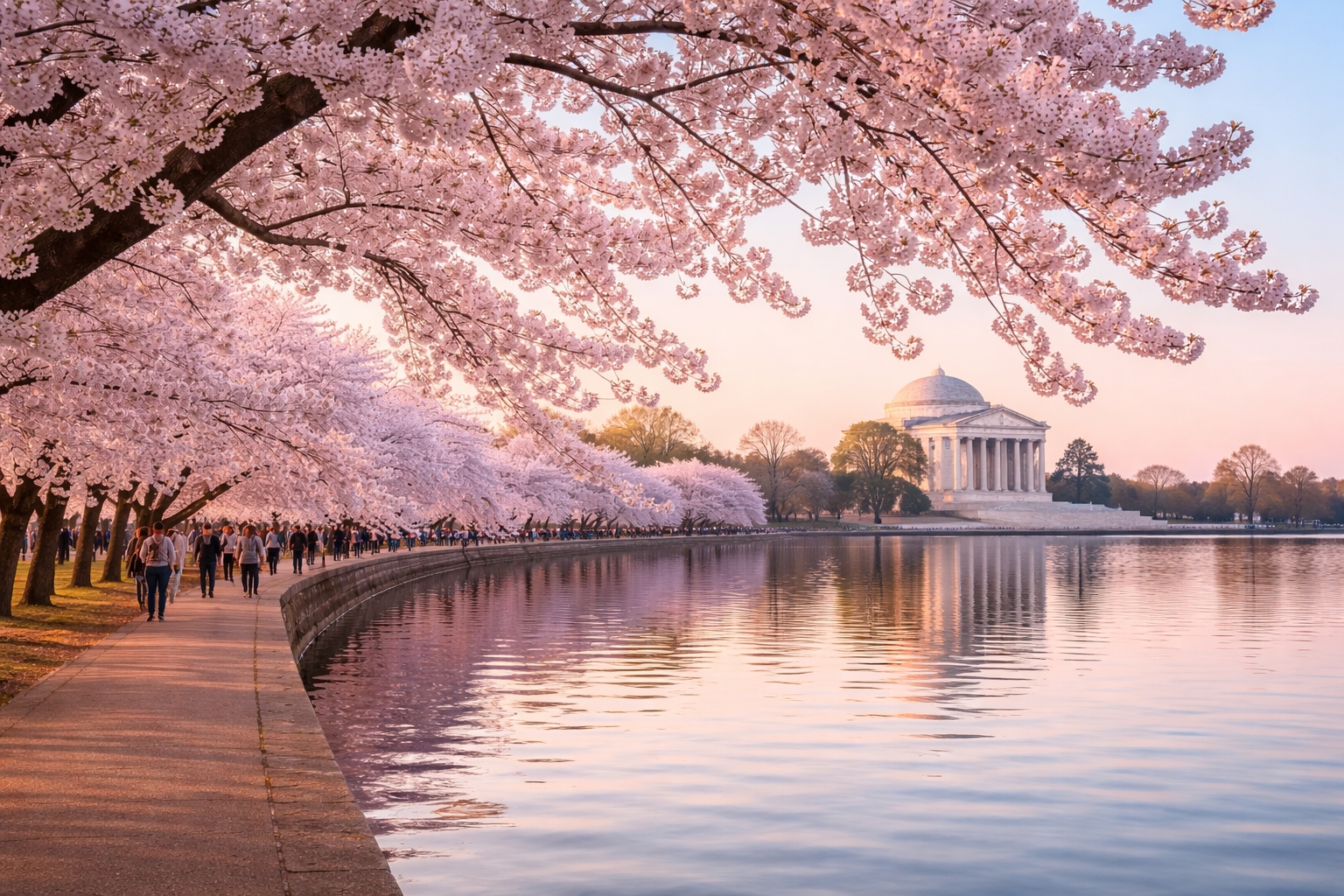
Japan Cherry Blossom Festival Cancelled: Experience the National Cherry Blossom Festival in Washington DC
The springtime ritual of chasing cherry blossoms connects two cultures on opposite sides of the Pacific. In Fujiyoshida, Japan, the beloved sakura matsuri held at Arakurayama Sengen Park has been called off for 2026 after local residents pleaded for relief from unprecedented crowds. At the same time, Washington DC is preparing to host the National Cherry Blossom Festival, which will run from March 20 – April 12 2026. This article bridges the news of Japan’s festival cancellation with a comprehensive guide to celebrating cherry blossoms in the U.S. capital. It weaves history, cultural insights, travel planning and responsible tourism guidance with expert recommendations for making the most of the blooms in DC.
Why the Japan Cherry Blossom Festival Was Cancelled
A small mountain town overwhelmed
Arakurayama Sengen Park sits on a hillside overlooking Fujiyoshida, a city at the base of Mount Fuji. The park’s appeal is no secret – visitors climb nearly 398 steps to reach an observation deck where cherry blossoms frame a five‑storied pagoda and the snow‑capped volcano. During the park’s cherry blossom festival, which celebrates 650 someiyoshino cherry trees, stages host cultural performances and food stalls sell local delicacies. The festival has become so popular that in 2024 it drew 270,000 visitors, a 50 percent increase from the previous year, with most attendees arriving from abroad. For a town of fewer than 50,000 residents, handling hundreds of thousands of tourists proved untenable.
Residents complained that chronic traffic jams clogged narrow roads and that cigarette butts, litter and even defecation spoiled private gardens. Tourists trespassed onto private property in search of the best photo angle, sometimes standing on rooftops or scaling fences. The weak yen and a surge in social‑media posts helped turn the event into an international bucket‑list attraction, further straining local infrastructure. Even outside the festival, nearby towns have erected view‑blocking screens and introduced entry fees to manage the influx. The overtourism forced Fujiyoshida officials to act: on February 5 2026 they cancelled the festival, stating that “the quiet lives of local residents are threatened”. Mayor Shigeru Horiuchi added that the decision was meant “to protect the dignity and living environment of our citizens”.
Lessons from overtourism
The plight of Arakurayama Sengen Park illustrates a broader challenge facing destinations worldwide. When a place becomes “Instagram‑famous,” crowds can overwhelm it, leading to environmental degradation, disrespect of local customs and economic distortion. The festival’s cancellation sends a powerful message: communities have the right to safeguard their quality of life. It also underscores the need for tourists to travel responsibly, respect local rules and leave no trace. As other Mount Fuji viewing spots have begun erecting barriers to obstruct popular photo angles, travellers are reminded that sustainable tourism is essential to preserving beloved vistas for future generations.
Understanding Hanami and Japan’s Cherry Blossom Heritage
Origins of a seasonal ritual
Cherry blossom viewing, or hanami, has been cherished in Japan for over 1,200 years. The word combines hana (flower) and mi (to look). Hanami parties were initially held by the aristocracy during the Heian period; by the Azuchi–Momoyama era they had spread to the wider population. Originally a religious rite forecasting the rice harvest, the full bloom of the cherry trees symbolized a plentiful season. Over time the tradition evolved into a nationwide celebration marking the end of winter and the start of a new fiscal and school year.
Today hanami gatherings feature friends and colleagues picnicking under sakura canopies on tarps or blankets. Competition for prime viewing spots can be intense; company groups often send junior employees to reserve space at dawn. Festivities include dancing, karaoke and generous servings of sake and picnic foods like dango (sweet rice dumplings) and sakura mochi (bean‑paste cakes wrapped in pickled cherry leaves). Revelers stay late into the night when lanterns illuminate parks, celebrating the fleeting blossoms and forging communal memories.
Symbolism of sakura
Cherry blossoms hold deep symbolism in Japanese culture. Their brief, delicate bloom embodies the transience of life – a “brief explosion of color” before petals fall. Samurai compared their lives to sakura petals, and the blossoms have appeared on coins, in children’s names and in corporate branding. Hanami thus reflects both aesthetic appreciation and philosophical reflection on mortality and renewal. Despite the cancellation of the Arakurayama festival, the tradition remains central to Japanese identity.
The National Cherry Blossom Festival in Washington DC
A gift of friendship and a century of celebrations
The U.S. capital’s connection to cherry blossoms dates to 1912, when the Mayor of Tokyo, Yukio Ozaki, sent 3,020 cherry trees to Washington, D.C., as a gesture of goodwill. This shipment replaced an earlier batch of 2,000 diseased trees that had to be burned; the new trees were carefully packed and arrived in Seattle before being transported across the country. On March 27 1912, First Lady Helen Taft and Viscountess Iwa Chinda, wife of the Japanese ambassador, planted the first two trees on the northern bank of the Tidal Basin. The trees flourished along the Tidal Basin, East Potomac Park and the grounds of the Washington Monument, creating a springtime spectacle that soon attracted throngs of visitors.
Washington’s first official cherry blossom festival was held in 1934, and over the decades it has grown into a four‑week celebration of art, culture and friendship. The festival commemorates the enduring relationship between Japan and the United States and honors the individuals—like writer Eliza Ruhamah Scidmore, who championed the idea for decades—who made the gift possible. Today the blooming trees symbolize not only beauty but international cooperation and resilience.
2026 festival dates and signature events
The 2026 National Cherry Blossom Festival runs from March 20 to April 12 and coincides with the United States’ 250th anniversary. The festival is planned to align with peak bloom, defined by the National Park Service as the day when 70 percent of the Yoshino cherry blossoms are open. Peak bloom varies annually due to weather, with a mean date of April 4. Because accurate predictions are possible only about ten days in advance, visitors should monitor the National Park Service’s Bloom Watch and the festival’s #BloomCam livestream.
Key 2026 events include:
-
Opening Ceremony (March 21) – a live show co‑presented with The Japan Foundation featuring traditional and contemporary performers.
-
Blossom Kite Festival (March 28) – families and kite enthusiasts gather on the Washington Monument grounds to fly colorful kites against a backdrop of blossoms.
-
Petalpalooza (April 4) – a waterfront party with live music, interactive art installations and a fireworks show.
-
National Cherry Blossom Festival Parade (April 11) – floats, marching bands and cultural performers parade along Constitution Avenue.
Throughout the four weeks, visitors can explore the Tidal Basin Welcome Area & ANA Stage, participate in the Pink Tie Party fundraiser, attend arts exhibitions and join community events across the District. Entry to most outdoor events is free; however, some VIP seating and gala experiences require tickets. The festival actively works with the National Park Service and the Trust for the National Mall to care for the trees and raise funds for their preservation.
Peak bloom and bloom forecasts
Forecasting the bloom is part science and part art. The National Park Service horticulturists analyze temperature patterns and bud stages to determine when buds will reach each of the five bloom stages, culminating in peak bloom. Because the blossoms’ blooming period can last from several days to two weeks but is easily shortened by frost, wind or rain, visitors should remain flexible. Early mornings, weekdays and cooler, overcast days typically see lighter crowds, making them ideal for those seeking quieter photos.
Comparing the Japan and DC Festivals
Setting and scenery
The cancelled Japanese festival took place in a mountain park with panoramic views of Mount Fuji, a pagoda and cherry trees. Visitors ascend steep steps and wait in queues to access the observation deck. The festival’s charm lies in this iconic vista: a snow‑capped volcano rising beyond pink blossoms and a Shinto pagoda.
In contrast, the National Cherry Blossom Festival unfolds around the Tidal Basin and National Mall in the heart of the U.S. capital. Instead of a single photo spot, the DC festival offers miles of bloom‑lined paths, memorials and open lawns. The Jefferson Memorial, Washington Monument and the Martin Luther King Jr. Memorial provide varied backdrops. There are no mountain views, but the reflecting basin and monuments create equally memorable panoramas.
History and purpose
Japan’s festival celebrates centuries‑old hanami traditions and local worship at the Arakura Fuji Sengen Shrine. It is rooted in Shinto and Buddhist practices and fosters community connections in Yamanashi Prefecture. The DC festival, by contrast, commemorates an international diplomatic gift and highlights the enduring friendship between the U.S. and Japan. While both festivals showcase cherry trees, their narratives differ: one honors a domestic cultural ritual; the other celebrates cross‑cultural diplomacy.
Crowd management and sustainability
The cancellation in Fujiyoshida underscores the pressure that uncontrolled tourism can place on small communities. When 270,000 visitors descend on a town with limited infrastructure, local life can grind to a halt. To protect residents, authorities have installed view‑blocking screens, considered entry fees and limited parking. The DC festival grapples with large crowds as well, often drawing over one million visitors. However, the sprawling National Mall and Tidal Basin accommodate larger numbers, and public transit infrastructure directs crowds away from residential neighborhoods. The festival works with the National Park Service to promote Leave No Trace principles and encourages visitors to avoid climbing trees, picking blossoms or littering.
Cultural experiences
Both festivals offer cultural performances and food, but the Japanese event highlights regional specialties and shrine rituals, whereas the DC festival features multicultural concerts, parades and fireworks. In 2026, DC’s Petalpalooza will include interactive art and live music. The Blossom Kite Festival invites children to participate in a beloved springtime pastime. Visitors who miss Japan’s festival can still savor hanami in DC, though the atmosphere shifts from intimate hillside celebration to citywide jubilee.
Planning Your Trip to the DC Festival
Choosing your dates
Deciding when to visit depends on your priorities. If witnessing peak bloom is paramount, monitor the NPS Bloom Watch and plan for late March or early April. Keep in mind that predictions become accurate only about ten days in advance. The mean peak bloom date is April 4, but blossoms can emerge as early as late March. Those who prefer smaller crowds may choose the days just before or after peak bloom when blossoms still linger but foot traffic is lighter.
Booking accommodation
Demand during the festival is high, so secure lodging well in advance. Hotel Washington — located at 515 15th St. NW, just steps from the White House lawn — offers an ideal base for festival visitors. Since 1917 it has hosted world leaders, dignitaries and entrepreneurs. Its unrivaled location places guests within walking distance of the Tidal Basin, the National Mall and metro lines. Amenities include on‑site dining, fitness facilities, concierge services and spacious meeting rooms. The hotel’s iconic VUE Rooftop bar on the 11th floor provides 360‑degree views of the White House and Washington Monument, making it a prime spot to toast the blossoms with brunch, cocktails or a sunset dinner. Travelers should book early to take advantage of seasonal packages and ensure availability.
For budget‑minded visitors or those seeking a different neighborhood vibe, other hotels near the National Mall and Metro Center also offer convenient access. Consider lodging in Penn Quarter, Foggy Bottom or Capitol Hill. Wherever you stay, look for hotels along the Blue, Orange, Silver, Red or Green metro lines to minimize travel time to festival sites.
Navigating the festival
Washington DC’s public transit system is the most efficient way to reach the Tidal Basin. Metro Center, Smithsonian and L’Enfant Plaza stations all provide access; be prepared for crowds on peak days and allow extra time for security checks at major events. Walking or renting a bike from Capital Bikeshare can be faster than driving, and many downtown hotels offer parking discounts for guests. If you must drive, arrive early and be prepared to park farther away, then enjoy a scenic walk along the National Mall.
Pack comfortable walking shoes, layers for changeable spring weather and an umbrella. Bring a reusable water bottle and snacks—especially if travelling with children—since lines at food vendors can be long. A lightweight picnic blanket allows you to join locals on the grass near the Tidal Basin. Photographers should arrive at dawn for golden‑hour shots and fewer crowds; expect midday to be busiest.
Experiencing festival events
While strolling beneath blossoms is free, signature events enrich the experience. Plan to attend the Opening Ceremony for a blend of Japanese and American performances. The Blossom Kite Festival on March 28 invites participants of all ages to fly kites near the Washington Monument; bring your own kite or purchase one on site. Petalpalooza on April 4 transforms the Southwest Waterfront into a carnival with live music, art installations and an evening fireworks display. Reserve parade seating early if you wish to watch the National Cherry Blossom Festival Parade from a designated area; general viewing along the route is free but fills quickly. Beyond official events, explore pop‑up art exhibits, restaurant specials and neighborhood celebrations during City in Bloom promotions.
Where to Stay – Spotlight on Hotel Washington
A storied hotel at the capital’s heart
Stepping into Hotel Washington feels like stepping into Washington’s history. Since 1917 it has hosted presidents, foreign dignitaries, entrepreneurs and thinkers. Its Beaux‑Arts facade faces the Treasury Department, and the White House lawn is just across the street. During the National Cherry Blossom Festival, the hotel’s proximity allows guests to walk to the Tidal Basin in under ten minutes, avoiding traffic and parking hassles.
Amenities and experiences
Each of the hotel’s rooms and suites offers modern luxury with historic charm, including plush bedding, marble bathrooms, in‑room safes, refrigerators and complimentary Wi‑Fi. Dining options range from all‑day cafes to high‑end restaurants. The VUE Rooftop bar is the crown jewel, boasting 360‑degree views of the White House and Washington Monument. Its seasonal menu includes brunch, lunch, cocktails and dinner, making it a prime perch during cherry blossom season. Even locals visit for its atmosphere, and festival visitors can watch the sun set over the monuments after a day of exploring.
The hotel also offers a modern fitness center, spa services, 24‑hour concierge and meeting spaces accommodating up to 700 guests. Special packages during the festival may include rooftop brunches, guided blossom tours or discounted room rates for longer stays. When comparing lodging options, few properties can match Hotel Washington’s combination of history, location and amenities.
Cherry Blossom Etiquette and Sustainable Tourism
How to be a cherry blossom protector
The National Park Service spends all year pruning, feeding and watering the trees to keep them healthy. Visitors can help preserve this natural treasure by following simple guidelines:
-
Do not touch the flowers – even a gentle touch can damage delicate petals.
-
Do not break branches or climb the trees – climbing causes significant damage and can lead to fines.
-
Stay on the paths and avoid compacting soil around the roots.
-
Do not swing on branches or pick blossoms.
-
Carry out your trash and recycle appropriately.
-
Admire and photograph from a distance without disturbing the trees.
Mike Litterst of the National Park Service urges visitors to “be a cherry blossom protector” by leaving blossoms for everyone to enjoy. The Park Service notes that harming the trees can result in tickets and fines. Practicing good etiquette not only preserves the trees but honors the cultural significance of hanami. These guidelines echo the lessons from Fujiyoshida: disrespectful behavior and overtourism can force communities to restrict access. By traveling responsibly, visitors help ensure the blossoms continue to delight generations to come.
Sustainable travel tips
To minimize your environmental footprint during the festival:
-
Use public transit – ride the Metro or bus instead of driving; it reduces congestion and emissions.
-
Bring a reusable water bottle and utensils; avoid single‑use plastics when picnicking.
-
Support local businesses by dining at nearby restaurants and buying from artisans.
-
Stay on marked trails and respect park closures.
-
Travel off‑peak – consider visiting before or after peak bloom, and explore lesser‑known parks like Kenilworth Aquatic Gardens and East Potomac Park.
-
Share your experience ethically by discouraging geotagging sensitive locations and promoting respect for local communities.
Following these practices helps prevent the kind of overtourism that led to the cancellation of Japan’s festival. Sustainable travel ensures that both residents and future visitors can enjoy cherry blossom season.
Frequently Asked Questions
Why was the cherry blossom festival in Japan cancelled?
Fujiyoshida cancelled the Arakurayama Sengen Park Cherry Blossom Festival because overtourism threatened residents’ quality of life. Around 200,000 visitors caused traffic jams, littering and trespassing.
What is the Arakurayama Sengen Park Cherry Blossom Festival?
Held in Fujiyoshida, the festival celebrated 650 someiyoshino cherry trees in a park with a pagoda overlooking Mount Fuji. Visitors climbed 398 steps to an observation deck for iconic views and enjoyed stage performances and food stalls.
When is the National Cherry Blossom Festival in Washington DC?
The 2026 festival runs from March 20 to April 12, with key events like the Opening Ceremony (March 21), Blossom Kite Festival (March 28), Petalpalooza (April 4) and Parade (April 11).
What does “peak bloom” mean?
Peak bloom is the day when 70 percent of the Yoshino cherry blossoms are open. The average peak bloom date is April 4, but weather can shift it; predictions become accurate about ten days ahead.
Do I need tickets for festival events?
Most outdoor events are free and unticketed. VIP seating for the parade and gala events like the Pink Tie Party require tickets. Visit the official festival website for details.
Where should I stay for the festival?
Hotel Washington offers luxury accommodations steps from the White House and Tidal Basin. It features a rooftop bar with 360‑degree monument views. Other nearby hotels in downtown DC also provide convenient access.
How can I see the blossoms if I can’t visit DC?
The festival offers a #BloomCam livestream showing real‑time views of the Tidal Basin blossoms. National Park Service resources include virtual tours and educational videos.
What etiquette should I follow when viewing cherry blossoms?
Do not touch or pick blossoms, climb trees or break branches. Stay on paths, carry out trash and admire the trees from a respectful distance. Consider yourself a “cherry blossom protector”.
Conclusion
The cancellation of the Arakurayama Sengen Park Cherry Blossom Festival reveals the consequences of overtourism and the importance of respecting local communities. Yet it also offers an opportunity: travellers who still wish to celebrate spring’s fleeting beauty can do so in Washington DC, where the National Cherry Blossom Festival continues to bloom. By understanding hanami’s history, planning wisely, practicing etiquette and choosing accommodations that honor the festival’s spirit, visitors can make the most of their journey. Let the story of two festivals remind us that preserving cultural and natural heritage requires collective care. We hope to see you beneath the blossoms in DC—perhaps on the roof of VUE Rooftop at Hotel Washington—as the city turns pink and the nation celebrates its history. For more information on lodging, dining and special festival packages, visit the official Hotel Washington website.
Entity References
| Entity name | Entity type | Official website domain used |
|---|---|---|
| Arakurayama Sengen Park | Park | fujiyoshida.net |
| Arakurayama Sengen Park Cherry Blossom Festival | Event | fujiyoshida.net |
| National Cherry Blossom Festival | Cultural festival | nationalcherryblossomfestival.org |
| Hotel Washington | Hotel | thehotelwashington.com |
| VUE Rooftop | Restaurant/bar | vuerooftopdc.com |
| National Park Service Hanami article | Government resource | nps.gov |
| First Ladies and Cherry Blossoms article | Historical nonprofit resource | whitehousehistory.org |
| Fox Baltimore preview article | News article | foxbaltimore.com |
| WJLA etiquette guide | News article | wjla.com |
| Japan Forward article on overtourism | News article | japan-forward.com |
| Bangladesh Sangbad Sangstha (BSS) article on festival cancellation | News agency | bssnews.net |