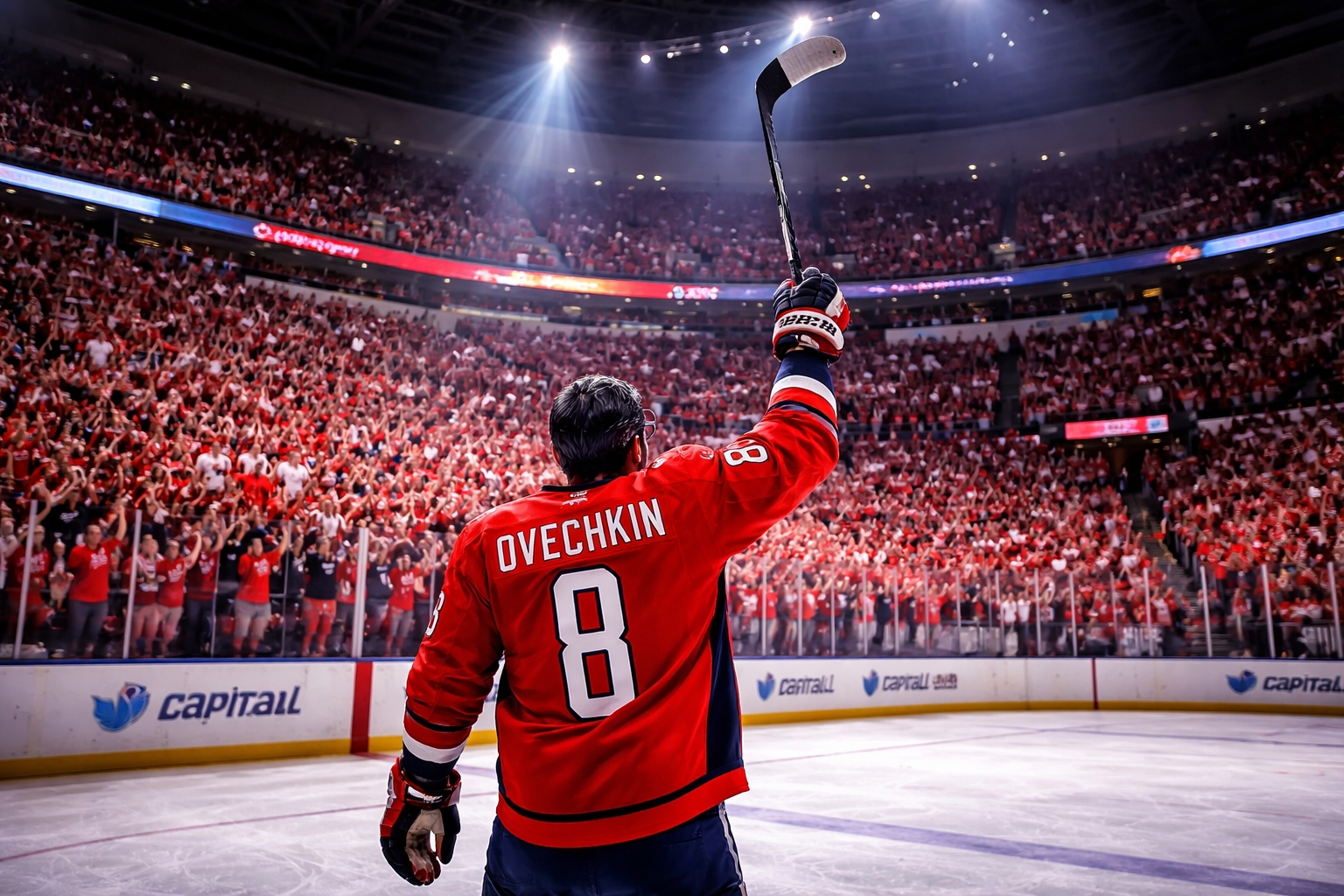
Is Alex Ovechkin Retiring? Timeline, Rumors and How to See His Potential Final Season in Washington
Is this finally the year when the Washington Capitals’ most celebrated star hangs up his skates? Fans and pundits have asked some version of that question for the better part of a decade. Today the conversation feels more urgent than ever. Alex Ovechkin is 40 years old, playing out the final season of a five‑year contract, and he has said that his decision will likely come after the season. Yet the man known simply as Ovi still loves the game and continues to score at a pace that would make most players half his age jealous. If you’re wondering whether to make the trip to Washington to witness his potential farewell—and what you should see and do while you’re there—you’ve come to the right place.
Ovechkin’s future is uncertain, but the chance to experience his possible final season is real. This guide combines the latest facts about his contract and statements with a celebration of his legendary career and a practical travel plan for visitors. You’ll learn what motivates his decision, what games to circle on the calendar, how to secure seats at Capital One Arena, and how to build a Washington, DC itinerary that goes far beyond hockey. Whether you’re a die‑hard Caps fan, a casual observer, or a traveler looking for an unforgettable story to tell, here’s everything you need to know.
Why Alex Ovechkin’s Future Is the Talk of the NHL
The speculation swirling around Ovechkin’s retirement isn’t a manufactured tabloid rumor; it’s rooted in a confluence of facts, emotions, and timing. The Russian left wing has spent his entire National Hockey League career with the Washington Capitals, debuting in 2005 and amassing an astonishing list of achievements along the way. He is the NHL’s all‑time leader in goals and has won virtually every major scoring award. In 2018 he captained Washington to its first Stanley Cup. At 40 he remains productive, yet time catches up with every athlete.
Contract status and official statements
Ovechkin is in the final year of the five‑year, $47.5 million contract he signed in 2021. When asked about his future in March 2026, he said he hasn’t decided whether he will keep playing. The Capitals’ general manager, Chris Patrick, echoed that sentiment, noting that the star is focused on the team’s playoff push and that fans will “have to wait” for an answer. The organization reinforced this uncertainty when a sales email mistakenly announced that the upcoming season would be Ovechkin’s last. The public relations department quickly clarified that no decision has been made and the email was sent in error.
Adding to the intrigue, Ovechkin has been candid about the factors influencing his decision. In a March 2026 interview he explained that his health will be paramount. “How my body gonna feel… I don’t wanna play hockey and then after one or two years my knee or my elbow or my back is gonna be hurting,” he said, emphasizing that he wants to avoid long‑term pain. He broke his left fibula in late 2024 and missed 16 games, one of the few significant injuries in his career. At the same time, he still loves being around his teammates and the daily rhythm of the sport.
A career defined by excellence
To appreciate why this decision matters, it helps to understand what Ovechkin has already accomplished. Since winning the Calder Memorial Trophy as a rookie, he has redefined what it means to be a goal scorer. He has recorded more than 895 regular‑season goals—surpassing Wayne Gretzky’s once‑thought‑untouchable record—and tallied 30 or more goals in nearly every season of his career. Only a pandemic‑shortened year prevented him from doing so at least 20 times. He has won the Maurice “Rocket” Richard Trophy as the league’s top goal scorer nine times and is one of only two players to capture the Art Ross, Hart Trophy, Ted Lindsay Award, and Rocket Richard in the same season. In 2018 he hoisted the Stanley Cup, delivering Washington its first championship after years of heartbreak.
Ovechkin’s longevity is equally impressive. Playing through his late thirties and into his forties has required constant adaptation. Off the ice he has become one of the sport’s most visible ambassadors, building a personal brand that resonates beyond Washington. He has also nurtured close relationships with teammates such as defenseman John Carlson, whose trade to Anaheim in March 2026 underscored the end of an era. For fans who grew up watching “The Great 8,” the thought of a Capitals roster without him is hard to imagine.
Rumors, miscommunication and the media cycle
Rumors about retirement have circulated for years, but they reached a fever pitch in May 2025 when an email from the Capitals’ corporate sales department told season‑ticket holders that the 2025‑26 season would be Ovechkin’s last. Within an hour, the team’s public relations staff apologized and stated that the email was a mistake. They reiterated that no official decision had been made and that Ovechkin would decide after the season.
This episode illustrates how every word about Ovechkin’s future is dissected. In one Russian interview in early 2025 he was asked whether he would retire at the end of his contract and responded “I think, yes.” He later walked back the comment, reminding reporters that his plans remain fluid. Ovechkin has also floated the idea of playing one final season in Russia’s Kontinental Hockey League with Dynamo Moscow, the team where he began his professional career, though he hasn’t committed to that either.
Motivation and emotion
At the heart of this saga is an athlete weighing how much he still enjoys competing against the realities of aging and injury. His remarks about listening to his body underscore a desire to leave the game on his own terms, not because of a career‑ending injury. Meanwhile fans are torn between wanting him to keep chasing milestones and recognizing the physical toll of playing a contact sport at the highest level. The emotional weight of saying goodbye to a generational player adds drama that extends beyond sports pages and into mainstream conversations.
A Legendary Career: Milestones and Achievements
No discussion of whether Ovechkin might retire is complete without celebrating how he became the most productive goal scorer in league history. What follows is not an exhaustive list of every record, but rather a narrative that conveys just how extraordinary his résumé is.
Early days and immediate impact
Born in Moscow in 1985 to a family of accomplished athletes, Alexei “Sasha” Ovechkin began playing hockey as a child and quickly stood out for his physical style and lethal shot. The Washington Capitals selected him first overall in the 2004 NHL Draft, and he made his debut the following season due to the 2004–05 lockout. Ovechkin wasted no time in justifying the hype: he scored 52 goals and added 54 assists, earning him the Calder Trophy as rookie of the year. His highlight‑reel goal against the Phoenix Coyotes—facing away from the net while sliding on his back—became an instant part of hockey lore.
The relentless goal scorer
Throughout the late 2000s and 2010s, Ovechkin distinguished himself by his consistency. He often led the league in power‑play goals, found seams in defensive schemes and scored from his famous “office” on the left faceoff circle. Between 2007 and 2016 he captured six Rocket Richard trophies, including four consecutive titles from 2013 to 2016. Even as other stars like Sidney Crosby and Evgeni Malkin challenged him for scoring supremacy, Ovechkin’s ability to produce goals year after year set him apart.
Breaking Wayne Gretzky’s record
For decades hockey fans believed Wayne Gretzky’s mark of 894 regular‑season goals was untouchable. Ovechkin chipped away at that total with remarkable consistency, surviving shortened seasons and injuries that would have derailed lesser players. In the spring of 2025 he scored his 895th goal at Capital One Arena, surpassing Gretzky and cementing his place in history. He hasn’t stopped, adding to his total in the 2025‑26 season and making it more difficult for any future player to catch him.
Playoff triumph and the Stanley Cup
One of the few criticisms leveled against Ovechkin early in his career was that his teams struggled in the playoffs. Many of those criticisms ignored the randomness of post‑season hockey and the strength of opponents like the Pittsburgh Penguins. In 2018 he silenced any remaining skeptics by leading the Capitals to their first Stanley Cup. He scored 15 goals and added 12 assists in 24 playoff games, earning the Conn Smythe Trophy as MVP. The image of Ovechkin lifting the Cup on the ice in Las Vegas, then celebrating on the streets of Washington during the parade, remains one of the most beloved moments in modern hockey.
Awards and accolades
Ovechkin’s trophy case could fill a museum. In addition to his nine Rocket Richard trophies, he has won three Hart Trophies as league MVP, three Lester B. Pearson/Ted Lindsay Awards as the players’ MVP, and a scoring title. He has been named to 12 NHL First All‑Star Teams and has represented Russia in multiple Olympic Games and World Championships. His 2018 Cup victory completed the résumé of a first‑ballot Hall of Famer, though he continues to add to his legacy.
Contract Timeline and Retirement Factors
The question of whether Ovechkin will retire hinges on more than just dates on a contract. To understand the decision facing him, it’s useful to explore the timeline of his agreement, the physical and personal factors at play, and the external pressures from fans and media.
The five‑year deal
In the summer of 2021, Ovechkin negotiated a five‑year, $47.5 million contract directly with Capitals owner Ted Leonsis. The structure gave him an average annual value of $9.5 million and included no signing bonuses or performance incentives—a sign of mutual trust between player and team. The deal was scheduled to expire at the conclusion of the 2025‑26 season. Many observers interpreted the contract as aligning with his goal of surpassing Gretzky’s record and perhaps finishing his NHL career in Washington.
The mis‑sent email and organizational response
On May 29 2025 the Capitals’ corporate sales department sent a note to season‑ticket holders that referred to the upcoming season as Ovechkin’s final year. The email spread quickly on social media before the team clarified that it was an error. A statement from the Capitals public relations team said that no decision had been made regarding Ovechkin’s future and apologized for any confusion. The incident underscored how sensitive and watchful the fan base is; even internal communications become national news.
What the player says
Ovechkin has been both transparent and coy about his plans. When asked directly whether he would retire after his contract expires, he has vacillated between “we’ll see” and “I think yes.” The most consistent theme in his responses is that he will listen to his body and consult his family and inner circle before making a final choice. “I still love the game,” he said in a March 2026 interview, but he doesn’t want to compromise his long‑term health. It’s worth noting that he is one of only a handful of active players aged 40 or older, which means that even if his numbers remain strong, the physical demands of the sport become more taxing.
Health considerations
Despite his reputation for durability, Ovechkin has endured notable injuries. The fractured fibula he suffered in November 2024 cost him 16 games—a rare absence in his career. He has also dealt with minor knee, back and shoulder issues over the years. Athletes who play into their forties often experience lingering pain long after retirement. Ovechkin has expressed concern about not being able to walk or play with his children comfortably if he pushes his body too far. These realities weigh heavily when deciding between one more year of glory and the rest of one’s life.
Personal and family factors
Ovechkin and his wife, Anastasia, have three children. He has spoken about wanting to spend more time with them and to participate in their lives outside the hockey season. He also has deep ties to Russia and to Dynamo Moscow, the team where he launched his professional career. Returning to the Kontinental Hockey League for a farewell season in Moscow has been floated as a possibility, though he has not confirmed this. Family priorities and the desire to play in front of Russian fans one last time could influence his choice.
External pressure and legacy
The media’s fascination with Ovechkin’s decision can’t be understated. Sports networks devote airtime to speculation, and fans debate whether he should chase 1,000 goals or retire while still near the top of his game. The Capitals organization must also plan for life after its most iconic player. General manager Chris Patrick has acknowledged that roster decisions now reflect a future when Ovechkin is no longer on the ice. Balancing respect for a franchise legend with the need to rebuild is no small task.
What to Watch in the 2025–26 Season
If you’re considering traveling to Washington for a game, understanding the rhythm of the season is crucial. Even if Ovechkin ultimately returns for another year, his current contract year offers unique storylines that make the trip worthwhile.
Key games and milestones
The Capitals schedule features several marquee matchups that could serve as Ovechkin’s last appearances against certain rivals. Home games against the Pittsburgh Penguins and Carolina Hurricanes always draw passionate crowds. Weekend matinees against Original Six teams like the New York Rangers or Boston Bruins provide festive atmospheres. Check the Washington Capitals’ official schedule on their team website for the exact dates. Because the NHL occasionally flexes games for national broadcasts, staying up to date ensures you don’t miss a milestone goal or ceremony.
Seasonal milestones to watch include Ovechkin’s pursuit of 950 and then 1,000 goals, though reaching the four‑digit mark might require another season. Fans will also monitor his point total, which currently sits above 1,600, as he climbs higher on the all‑time list. The NHL often honors record‑breaking moments with video tributes and on‑ice ceremonies; these are the nights that become lifelong memories.
Playoff implications and the team’s direction
Washington has remained competitive despite getting older, but the team is clearly in transition. Trading long‑time defenseman John Carlson in March 2026 signaled that management is preparing for a post‑Ovechkin era. Younger players have taken on larger roles, and head coach Spencer Carbery is balancing the desire to make one last playoff run with the need to develop talent. Watching how the Capitals navigate this crossroads is compelling for any hockey fan.
Special events and theme nights
The 2025–26 schedule will include theme nights such as Russian Heritage Night, Military Appreciation Night and various charitable initiatives. These events often feature giveaways, ceremonial puck drops and special performances. They add value to your ticket and are a way to engage with Washington’s diverse community.
Experiencing Ovechkin’s Possible Farewell: How to Plan Your Trip to Washington
Seeing a game in person is the best way to appreciate Ovechkin’s blend of power and finesse. It’s also a fun excuse to explore the U.S. capital. Here is how to make your hockey pilgrimage seamless.
Buying tickets and choosing seats
Tickets for Capitals games can be purchased directly through the team’s official website or through authorized resellers. To increase your chances of seeing Ovechkin score, aim for seats with a view of the offensive zone where he sets up his one‑timer. The most popular sections fill up quickly, especially for rivalry games, so book as early as possible once the schedule is released.
If you’re traveling on a budget, consider weekday games against Western Conference opponents; prices tend to be lower and there are often family deals. Conversely, weekend games and those near holidays carry premium pricing. Keep in mind the NHL’s dynamic pricing model—prices can fluctuate based on demand.
Getting to Capital One Arena
Capital One Arena is located in the Penn Quarter/Chinatown neighborhood of Washington. It’s easily accessible via the WMATA Metro; the Gallery Place–Chinatown station (served by the Red, Green and Yellow lines) exits directly into the arena concourse. If you prefer to drive, downtown garages offer parking, but rates can be high and traffic heavy, especially during weekday rush hour. Rideshare services are plentiful; consider getting dropped off on 7th Street NW or F Street NW to avoid congestion.
Game-day experience
Arrive early to soak up the atmosphere. The pre‑game warm‑up gives you a close look at players without the glass separating you. The Capitals’ anthem, “Rock the Red,” unites fans as they wave red rally towels. During intermissions you can sample local food vendors serving everything from half‑smokes to vegetarian bowls.
What to bring and what to leave
- Bring a clear bag: Capital One Arena adheres to a clear bag policy; small purses and clutch bags are allowed, but backpacks are not.
- Dress in layers: Even indoors the temperature can vary; bring a sweater or jacket.
- Cashless payments: Concessions are cashless, so ensure you have a credit card or mobile payment option.
- Leave large items: Umbrellas longer than 12 inches, selfie sticks and professional cameras with lenses longer than 5 inches are prohibited.
Making the Most of Your Time in Washington, DC
Washington isn’t just the seat of government; it’s a vibrant city filled with world‑class museums, historic neighborhoods and culinary delights. Whether you stay for a weekend or a week, you’ll find plenty to explore between games.
Essential attractions near the arena
The heart of the city’s attractions lies within a short walk or Metro ride from Capital One Arena.
- National Mall – This two‑mile green expanse is lined with monuments honoring presidents and veterans. Start at the Washington Monument and stroll toward the Lincoln Memorial, stopping at the Vietnam Veterans Memorial and World War II Memorial. The National Park Service maintains the Mall and offers ranger‑led tours.
- Smithsonian Institution Museums – With 19 museums, galleries and a zoo, the Smithsonian is unmatched. Popular stops include the National Museum of American History (home to the Star‑Spangled Banner and presidential artifacts), the National Air and Space Museum (with moon rocks and vintage aircraft), and the National Museum of Natural History (famous for the Hope Diamond). Admission is free at all Smithsonian museums.
- National Gallery of Art – Located on the Mall, this museum houses masterpieces from Da Vinci to Degas. The adjoining Sculpture Garden is perfect for a relaxing break. Nearby is the National Portrait Gallery, which celebrates notable Americans with rotating exhibitions.
- Chinatown and Penn Quarter – Steps from the arena, this neighborhood is a hub for dining and nightlife. Authentic Chinese restaurants stand alongside gastropubs and dessert spots. The Gallery Place complex offers shops and movie theaters.
- The White House – Just a 15‑minute walk from the arena lies the most famous residence in America. The White House Visitor Center provides exhibits about the building’s history. While public tours require advance reservations, seeing the White House from Lafayette Square is a quintessential DC experience.
Seasonal highlights
Washington experiences four distinct seasons, and each brings its own charm. Plan your trip accordingly:
- Spring (March–May): Cherry blossom season transforms the Tidal Basin into a pastel wonderland. The National Cherry Blossom Festival features parades, kite contests and cultural performances. Spring is also prime hockey season; consider pairing a game with a blossom viewing.
- Summer (June–August): Expect hot, humid days and warm evenings. Museums offer air‑conditioned respite, while evening baseball games at Nationals Park add to the sports calendar. Independence Day celebrations on the Mall culminate in fireworks over the monuments.
- Autumn (September–November): The humidity breaks and foliage paints Rock Creek Park in shades of gold. This is a great time to explore neighborhoods like Georgetown, known for its cobblestone streets, historic homes and waterfront restaurants.
- Winter (December–February): The city sparkles with holiday lights. Outdoor ice rinks pop up at the National Gallery Sculpture Garden and at The Wharf. Pair a Capitals game with a visit to the U.S. Botanic Garden’s holiday display.
Where to Stay: Hotel Washington and Other Options
Choosing the right hotel can elevate your hockey trip into a well‑rounded getaway. Washington offers accommodations for every taste, from luxury properties to family‑friendly suites. Here’s how to decide.
Hotel Washington – A premier choice
Located just steps from the White House, Hotel Washington is known for its historic charm and contemporary amenities. The property occupies a Beaux‑Arts building dating back to 1917 and offers rooms with views of the Washington Monument. Guests can relax at the rooftop lounge, which provides panoramic views of the city skyline. The hotel’s proximity to both the National Mall and Capital One Arena makes it an ideal base for travelers who want to walk to major attractions. You’ll also appreciate the attentive service and elegant design, making it one of the best hotels in Washington DC.
Other lodging options near the arena
If Hotel Washington isn’t available or you’re seeking a different ambiance, consider the following neighborhoods:
- Penn Quarter – Several business hotels sit within blocks of the arena. They offer practical comforts such as free Wi‑Fi, fitness centers and breakfast buffets. Many have family‑friendly room layouts.
- Georgetown – This historic neighborhood offers boutique inns and waterfront properties. It’s farther from the arena but makes up for it with shopping and nightlife. Expect higher prices during peak seasons.
- Capitol Hill – Home to bed‑and‑breakfasts tucked inside rowhouses, this area has a more residential feel. It’s close to the U.S. Capitol and Eastern Market.
- Crystal City and Arlington – Located across the Potomac River in Virginia, these neighborhoods offer larger hotels at lower rates. The Metro ride to downtown takes about 15 minutes.
Booking early is key, especially for weekends when events converge. Many hotels offer packages that include Metro passes or museum tours. Compare amenities such as breakfast, Wi‑Fi and gym access when making your decision.
Beyond Hockey: DC Neighborhoods and Culture
Washington is more than marble columns and museums. Its neighborhoods are vibrant microcosms filled with culture, history and culinary innovation. Exploring them will round out your trip and give you stories to share long after you’ve returned home.
Georgetown
Stroll along the canal, shop at independent boutiques, and dine at waterfront restaurants. Georgetown University’s campus adds a collegiate energy, and the neighborhood’s pastel townhouses provide Instagram‑worthy backdrops. Don’t miss the C&O Canal towpath, where you can rent bikes or take a leisurely walk.
U Street Corridor
Once known as “Black Broadway,” U Street is a hub of African American culture. It’s home to the legendary Ben’s Chili Bowl, jazz clubs like the historic Lincoln Theatre, and vibrant street art. On weekend nights the area buzzes with live music and dancing.
H Street NE
H Street has transformed into one of the city’s trendiest corridors. Expect craft breweries, ramen shops and small theaters. The annual H Street Festival in September brings performers, food vendors and art installations to the main drag.
The Wharf
This waterfront development along the Southwest waterfront features restaurants, shops and a state‑of‑the‑art concert venue. Boardwalks and piers offer views of the Potomac River. It’s a perfect place for a pre‑game lunch or post‑game stroll.
Anacostia
Across the river, Anacostia offers a different perspective on the city. Visit the Frederick Douglass National Historic Site to learn about the abolitionist’s life, then explore the growing arts scene at the Anacostia Arts Center.
Ovechkin After Hockey: Potential Future Plans
When Ovechkin ultimately retires from the NHL, he will remain a prominent figure in the sport. He has expressed interest in finishing his playing career with Dynamo Moscow, bringing his career full circle. Russian fans would relish the chance to see him compete at home again. Beyond playing, Ovechkin has the charisma and knowledge to succeed in coaching, management or broadcasting. He has previously said he would consider working in the Capitals organization or the broader NHL. His philanthropic efforts—most notably for children’s charities and youth hockey programs—suggest he will continue to give back.
Other players have navigated similar transitions. Wayne Gretzky became a coach and later an executive. Mario Lemieux moved into ownership. Jaromir Jagr continued playing into his mid‑40s in the Czech Extraliga. Ovechkin’s decision will likely reflect a blend of personal ambition, family considerations and desire to remain connected to the sport he loves.
Health, Longevity and the Athlete’s Perspective
Athletes approaching retirement face a complex calculus. On one hand, they crave competition and the camaraderie of the locker room. On the other, they recognize the wear and tear on their bodies. Ovechkin’s case illustrates these tensions vividly.
The grind of a long career
Playing professional hockey requires year‑round training. Off‑season conditioning has evolved from casual summer workouts to regimented programs that incorporate strength, flexibility and nutrition. Ovechkin has adapted his workouts over the years, incorporating yoga and recovery sessions. Even so, each shift demands explosive skating, physical contact and quick reflexes. Aging athletes often notice slower recovery times and nagging injuries.
Mental preparation and identity
Retirement isn’t just about the body; it’s about identity. For someone who has spent nearly his entire adult life defined by hockey, stepping away means redefining himself. Some athletes struggle with this transition. Ovechkin has diverse interests—he enjoys soccer, golf and spending time with his children—which suggests he has a balanced life outside the rink. Yet letting go of the daily grind and the thrill of scoring goals will be emotionally challenging.
Lessons from other sports
The decision to retire transcends hockey. In other sports, icons like Tom Brady (NFL) and Serena Williams (tennis) have wrestled with similar questions. Brady won a Super Bowl at age 43 but retired at 45 after weighing family life and physical toll. Williams announced her “evolution away from tennis” in order to focus on business ventures and motherhood. Their stories underscore that there is no single formula; each athlete must find the balance that feels right.
Fan Culture and Community in DC
Washington hockey fans are known for their passion. The team’s mantra, “Rock the Red,” is more than marketing—it’s an invitation to become part of a community. Understanding this culture will enhance your game‑day experience.
The birth of “Rock the Red”
When the Capitals moved into Capital One Arena in 1997 (then called MCI Center), fan support was strong but occasionally muted. In the mid‑2000s the organization launched the “Rock the Red” campaign to encourage fans to wear red jerseys and create a playoff‑like atmosphere year‑round. The campaign coincided with Ovechkin’s arrival and the team’s rise to prominence. Today the sea of red at Capitals games rivals any arena in the league.
Supporters’ groups and rituals
Sections of the arena are home to unofficial supporters’ groups that lead chants and cheers. You’ll hear “Let’s go Caps!” echoing through the concourse and the clang of cowbells during penalty kills. When Ovechkin scores, the goal song “Eminence Front” by The Who blares as fans leap to their feet. Participating in these traditions fosters a sense of belonging—even if you’re visiting for the first time.
Bars and viewing parties
Not all fans can secure tickets, but many gather at sports bars throughout the city. Places like Penn Social and Astro Beer Hall in downtown DC transform into Caps watch parties on game nights. The local radio station hosts pre‑game shows, and former players occasionally make appearances. These gatherings let you feel the excitement without setting foot in the arena.
Practical Tips for a Smooth Trip
A little planning goes a long way toward making your Washington adventure enjoyable. Here are some tips:
- Use the Metro – It’s often faster than driving and eliminates parking headaches. Purchase a SmarTrip card online or at any station.
- Check security policies – Museums and federal buildings have strict security; expect bag checks and metal detectors.
- Weather preparedness – Summers can be humid and winters cold. Always check the forecast and pack accordingly.
- Dining reservations – Popular restaurants around the arena book up quickly on game nights. Reserve ahead if possible.
- Free attractions – Most museums are free, but timed tickets are sometimes required. Check the official websites for availability.
- Respect federal property – When visiting monuments and memorials, follow posted rules and maintain decorum.
Frequently Asked Questions
Is Alex Ovechkin definitely retiring after the 2025–26 season?
Ovechkin has not made a final decision. He has said he will evaluate his health and consult his family after the season. The Capitals have confirmed that no decision has been announced.
Why is everyone talking about Ovechkin’s future now?
He’s in the last year of his contract and is 40 years old. Rumors intensified after an erroneous sales email suggested the 2025‑26 season would be his final year. His record‑breaking career adds drama to the speculation.
How can I get tickets to see a Capitals game?
Purchase tickets directly from the Washington Capitals’ official website or authorized resellers. Act quickly for weekend games or matchups against rivals. Consider weekday games for more affordable options.
Where should I stay when visiting Washington for a game?
Hotel Washington is a top choice thanks to its location near the White House and Capital One Arena. Other neighborhoods like Penn Quarter and Georgetown also offer convenient accommodations.
What should I do in Washington besides watching hockey?
Explore the National Mall, visit Smithsonian museums, tour the White House, stroll through Georgetown, and sample restaurants in Chinatown and U Street. There’s something for every interest.
What factors will influence Ovechkin’s retirement decision?
Health, family considerations, his love of the game and potential interest in playing for Dynamo Moscow in Russia will all play roles. Financial factors are less important at this stage of his career.
Will Ovechkin play in the KHL after leaving the NHL?
He has mentioned the possibility of finishing his career with Dynamo Moscow but has not committed. Russian fans would welcome him, and it could offer a fitting conclusion to his playing days.
How does the Capitals’ rebuild affect Ovechkin’s decision?
The team traded long‑time veterans and is nurturing younger players. Management has said Ovechkin’s decision is his own, but the changing roster signals preparation for life after their captain.
Conclusion: Seize the Moment
Regardless of when he chooses to retire, Alex Ovechkin has given hockey fans two decades of jaw‑dropping goals, heartfelt celebrations and civic pride. The 2025–26 season offers a unique opportunity to witness a living legend who still packs a cannon of a shot and a contagious grin. Speculation will continue, but the best way to answer the question “Is Alex Ovechkin retiring?” is to be present for his next goal and the roar that follows. Plan your trip, explore Washington’s rich tapestry of culture and history, and experience the magic of hockey at its most joyous. For those seeking a comfortable and convenient home base just steps from the White House, Hotel Washington stands ready to welcome you for an unforgettable stay.
Read other posts