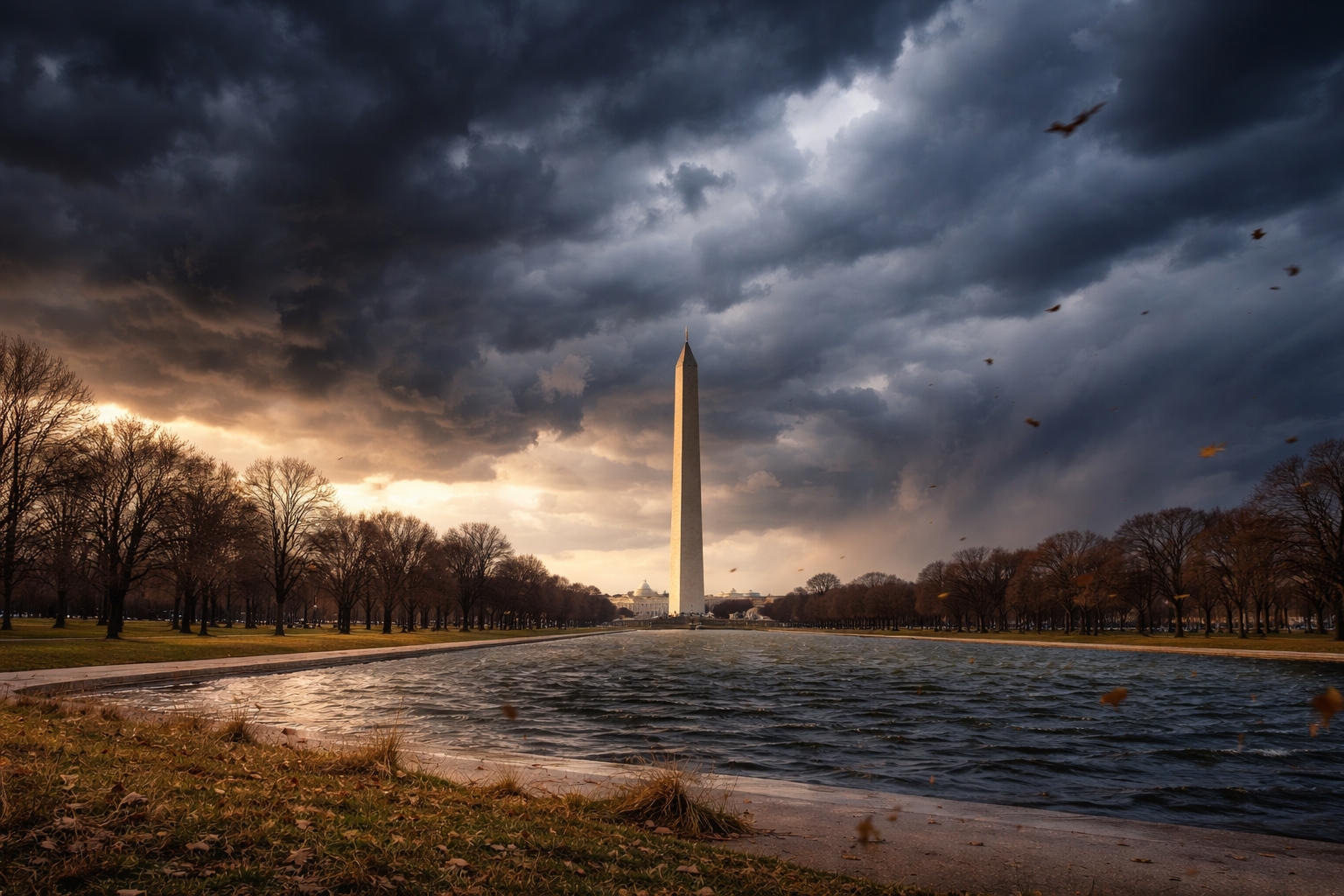
March Weather: In Like a Lion, Out Like a Lamb
March’s arrival has long been described with a vivid proverb: the month comes “in like a lion and out like a lamb.” In plain terms, the saying captures how early March often feels like winter’s last stand—stormy, windy and cold—while late March hints at spring, bringing milder breezes and softer skies. This transitional character is rooted in centuries‑old folklore, astronomical lore and meteorological reality. The following guide explores the phrase’s origins, symbolism and accuracy, compares it with other weather lore, and offers practical insights for travelers—especially those planning to visit Washington, D.C. and stay at nearby accommodations like Hotel Washington.
Origins and History of the Saying
The proverb’s roots stretch back at least to 17th‑century England. John Ray’s English Proverbs (1670) records a similar adage as “March hack ham, comes in like a lion, goes out like a lamb”. Scholars believe the phrase evolved from such rhymes used by rural communities to remember seasonal patterns. By the early 18th century Thomas Fuller included a version in his 1732 collection Gnomologia, cementing the saying in print. American Farmer’s Almanacs later popularised it, and the lion‑and‑lamb imagery became a fixture of springtime lore.
The rhyme’s endurance reflects both its poetic charm and its practical value. Before scientific forecasts, farmers relied on proverbs to make sense of the weather and plan planting. A stormy start to March signalled that winter still held sway; a gentle end suggested a smoother transition into spring. These sayings spread orally across the British Isles and later to North America, adapting to regional climates and folk traditions. While the rhyme never promised precision, its mnemonic quality resonated with communities that watched the sky closely. The longevity of in like a lion, out like a lamb owes as much to the cultural imagination as to observations of March’s volatility.
Timeline of recorded references
-
Before 1670: Oral folklore likely circulated among English farming communities, linking animal imagery to March weather patterns.
-
1670: John Ray publishes English Proverbs, including the line “March hack ham, comes in like a lion, goes out like a lamb”.
-
1732: Thomas Fuller’s Gnomologia prints a similar proverb, providing one of the earliest widely distributed references.
-
18th–19th centuries: Variations appear in almanacs, children’s stories and nursery rhymes, spreading the saying through Britain and colonial America.
-
20th century: The rhyme becomes a common phrase in popular culture, often taught to children as a way to remember that March signals the shift from winter’s grip to spring’s promise.
Symbolism and Cultural Significance
Across cultures, the lion is a universal symbol of strength and power. In the context of weather lore, it represents the roaring winds, driving rain and lingering snow that often characterize early March. The lamb, by contrast, evokes gentleness and innocence. As days lengthen and temperatures rise, the lamb conjures the soft breezes and mild showers that hint at spring’s arrival.
Religious imagery may have reinforced this animal pairing. In Christian tradition, the Lion of Judah symbolizes majesty and divine authority, while the Lamb of God embodies sacrifice and purity. Though the proverb itself is secular, the familiar biblical motifs likely made it memorable in predominantly Christian societies. Metaphorically, the lion and lamb also allude to the tension between winter’s harshness and spring’s gentle renewal, reflecting a broader human desire to see order in seasonal change.
Beyond Europe, similar imagery appears in other cultures. Chinese folklore describes March as a month of awakening, when dragons (often associated with storms) subside and gentle creatures emerge. In Middle Eastern poetry, roaring winds yield to soft breezes as the equinox approaches. The idea that nature contains both ferocity and gentleness is nearly universal, demonstrating how the lion‑and‑lamb motif taps into a deep reservoir of cultural archetypes.
Ways the proverb resonates culturally
-
Educational tool: Parents and teachers use it to teach children about seasons. The vivid contrast between animals makes it easy for young minds to grasp the concept of weather transitions.
-
Art and literature: Artists depict lions and lambs to illustrate change and renewal. Nursery rhymes incorporate the theme, and poets reference it to evoke springtime moods.
-
Agricultural planning: Farmers historically interpreted a “lion” start as a warning to delay planting, while a “lamb” finish encouraged early sowing. Such lore complemented other phenological indicators, like bud emergence and bird migrations.
-
Spiritual reflection: Religious groups sometimes see the proverb as an allegory for personal transformation—from turbulent trials to serene outcomes—mirroring their faith narratives.
Astronomical and Astrological Connections
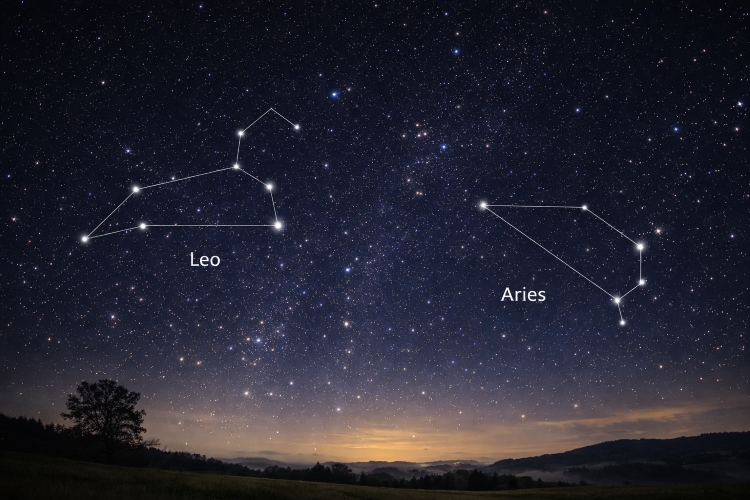
An intriguing, though debated, explanation links the proverb to the night sky. Early in March, the constellation Leo (the lion) dominates the eastern horizon at sunset, while by late March, Aries (the ram, sometimes interpreted as a lamb) sets in the west. Because ancient astrologers associated the stars with earthly events, some speculate that this celestial transition inspired the weather metaphor. In this view, the sky literally shifts from lion to lamb over the course of the month.
Evidence for a direct astronomical origin is sparse. The first printed versions of the proverb do not mention constellations, and many 17th‑century readers lacked access to detailed star charts. Nevertheless, the positions of Leo and Aries align conveniently with early and late March, lending poetic credibility to the theory. The vernal equinox, occurring around 20 or 21 March, further emphasises the seasonal shift as day length surpasses night, making the lion‑to‑lamb transition a visible part of the night sky.
Astrologers have also suggested that March’s ruling signs influence temperament. Under the tropical zodiac, the month begins under Pisces and transitions to Aries. Pisces—symbolized by fish—represents fluidity and unpredictability, akin to March’s variable weather. As the Sun enters Aries (the ram), conditions become more assertive and direct, echoing the march toward spring. While modern meteorology does not consider astrology, the parallels highlight how humans have long sought cosmic explanations for earthly patterns.
Celestial highlights of March
-
Leo’s prominence: Early March nights feature the lion’s bright star Regulus rising in the east, signalling the last throes of winter.
-
Aries setting: By month’s end, the ram sets in the western sky, appearing to yield to springtime constellations. In some interpretations, Aries symbolises new beginnings, aligning with seasonal shifts.
-
Vernal equinox: Occurring around 20 March, the equinox marks the point when daylight and darkness are nearly equal worldwide. Many cultures celebrate festivals around this time, underscoring the importance of celestial transitions to human rituals.
-
Meteor showers and planetary alignments: March occasionally hosts meteor showers like the Gamma Normids and provides good views of planets. Such events add to the month’s dynamism, though they are not directly connected to the lion‑and‑lamb proverb.
Meteorological Explanation: March as a Transitional Month
Beyond metaphor and astrology, the proverb captures genuine meteorological dynamics. In many temperate regions, March is the bridge between winter and spring, a period when atmospheric forces struggle for dominance. Early March often sees persistent cold air masses, especially in northern latitudes. These are frequently accompanied by strong winds and storms generated by the jet stream, a fast‑moving river of air that guides weather systems. As the Sun climbs higher, its rays warm the surface unevenly, creating pressure differences that churn up gusty winds. This combination of temperature contrasts and enhanced mixing produces the “lion‑like” bluster.
By late March, however, the jet stream typically shifts northward, and warm air from lower latitudes begins to infiltrate. Snow cover melts, soils thaw and early buds appear. With less cold air to fuel storms, the weather moderates, bringing softer rains and calmer winds that evoke the lamb. The increasing sun angle reduces the thermal gradient between equator and poles, further diminishing storm intensity. In essence, the month embodies a tug‑of‑war between seasons, making extreme swings possible.
Importantly, March’s windiness is not unique. Average wind speeds in mid‑latitude regions are comparable to February or April. The perception of increased wind stems from the combination of lingering winter storms and the psychological impact of anticipating spring. In some years, late March can bring significant storms, while early March may be mild. Thus, the proverb is more descriptive than predictive.
Meteorological drivers of March’s volatility
-
Jet stream shifts: The polar jet often dives south in winter, steering storms across mid‑latitudes. As spring approaches, it retreats northward, allowing warm air to advance.
-
Temperature gradients: Sharp contrasts between cold continental air and warmer subtropical air create instability. These gradients weaken later in the month, reducing storm strength.
-
Snow cover and albedo: Early March snow reflects sunlight, keeping surfaces cool. Melting snow exposes darker ground, which absorbs more heat and encourages warming.
-
Sun angle: The solar angle increases rapidly through March, providing longer days and more direct sunlight. This boosts warming and influences pressure patterns.
-
Atmospheric mixing: As the surface warms, convection increases. Rising warm air mixes with upper‑level winds, producing the gusty conditions often associated with March.
Agricultural and Folklore Context
For centuries, farmers have relied on weather lore to guide planting and harvesting. The proverb “in like a lion, out like a lamb” served as a reminder that early March could still bring frost, while late March might permit sowing. Many other sayings reinforced similar lessons; one rhyme warns, “A dry March and a wet May fill barns and bays with corn and hay,” suggesting that March’s moisture influences crop yields. Another notes that “March winds and April showers bring forth May flowers,” emphasizing the cumulative effect of spring weather.
Before scientific instruments, these proverbs were part of a larger oral tradition that combined observations with superstition. Farmers watched animal behaviour, plant buds and cloud formations to infer upcoming weather. While not scientifically precise, such lore offered a framework for decision‑making in agrarian societies. In communities where a failed crop could mean starvation, any pattern—real or imagined—was worth considering.
Modern meteorologists caution against using proverbs as forecasts. Climate variability, regional differences and long‑term changes mean that a lion‑like March does not guarantee a lamb‑like ending. Still, the cultural significance remains. Many farmers and gardeners continue to reference the saying in casual conversation, not as a predictive tool but as a nod to tradition. In educational settings, proverbs can spark discussions about climate science, encouraging students to compare folk knowledge with empirical data.
Other March weather sayings
| Saying | Possible meaning | Notes |
|---|---|---|
| “March hack ham comes in like a lion, goes out like a lamb” | Early March is harsh; late March is mild. | Recorded by John Ray. |
| “A dry March and a wet May fill barns and bays with corn and hay” | Moisture distribution across spring affects harvest yields. | Found in collections of proverbs. |
| “March winds and April showers bring forth May flowers” | The progression from windy, wet weather to blooming flowers. | Highlights a sequence of spring weather conditions. |
| “As the days lengthen, the cold strengthens” | Early spring can still be cold despite longer days. | Reminds farmers not to plant too early. |
| “Red sky at night, sailor’s delight; red sky in morning, sailors take warning” | Atmospheric optics indicate upcoming weather. | Though not March‑specific, this rhyme is often cited in spring. |
Comparisons with Other March Proverbs and Weather Lore
The lion‑and‑lamb saying is just one of many proverbs that attempt to characterise March. Comparing these aphorisms reveals regional differences and common themes. Some focus on moisture, while others emphasise wind or temperature. For example, the English rhyme “When March is like April, April will be like March” warns that a mild March might precede a colder April, underscoring the unpredictability of spring. Another, “So many mists in March you see, so many frosts in May will be,” ties March fogs to late frost risk. While such sayings lack statistical validation, they reflect centuries of empirical observation.
Proverbs also cross cultural boundaries. In Irish folklore, Máirt (March) is personified as a mischief‑maker; if it borrows three days from April, those days will be stormy. Scottish tradition includes the “Borrowing Days” of early April, described as a continuation of March’s fury. Mediterranean cultures have rhymes about marzo pazzo (“mad March”), referring to the month’s capricious mood. Collectively, these sayings emphasise the global recognition of March as a month of transition and change.
Regional Perspectives on March Weather
While the lion‑and‑lamb metaphor originated in England, its application varies across regions. In parts of the United States, early March can still bring snowstorms, particularly in New England and the upper Midwest. Tennessee meteorologists note that the first week of March often feels like winter, with chilly temperatures and storm systems moving across the Southeast. By the end of the month, warmer air from the Gulf of Mexico pushes northward, creating milder conditions and prompting the first blooms. In contrast, the Pacific Northwest experiences a more gradual change, with persistent rain instead of snow. California may already be enjoying springlike warmth, though mountain regions retain snowpack well into April.
Understanding these regional differences is vital for travellers and residents alike. For example, the mid‑Atlantic states, including Washington, D.C., can swing between wintery blasts and mild, sunny days within the same week. The region’s average wind speeds in March do not significantly exceed those of February or April, yet gusts feel more notable because people are eager for spring. In the Rocky Mountains, March remains part of the peak snow season, while the southern United States sees early green‑up and occasional severe thunderstorms. Such variability underscores why the proverb should be interpreted as a general observation rather than a reliable forecast.
Key regional patterns
-
Northeast and Upper Midwest: Late snowstorms, lake‑effect events and lingering cold can persist into early April.
-
Southeast and Mid‑Atlantic: Rapid transitions between cold fronts and warm spells, with a risk of severe weather. Early March storms often give way to milder conditions by month’s end.
-
Great Plains: Wide temperature swings; March blizzards can be followed by 70 °F days. The region’s flat terrain allows Arctic and Gulf air masses to clash.
-
West Coast: Generally milder; northern areas remain wet, while Southern California sees springlike warmth. Mountain snowpack influences water supply.
-
Pacific Northwest: Persistent rain and cool temperatures; snow remains in higher elevations. Spring arrives later than in other regions.

Washington, D.C. March Weather and Travel Tips
March in Washington, D.C. encapsulates the proverb’s spirit. Early in the month, visitors might encounter brisk winds and chilly mornings reminiscent of winter. By late March, the city begins to bloom, especially as the famous cherry blossoms open around the Tidal Basin. Climatic data from Reagan National Airport (used by the National Weather Service) show that Washington’s average high temperature in March is about 56 °F and the average low is 38 °F, with precipitation of roughly 3.48 inches. These averages mask significant variability; some years deliver early warmth, while others bring late snow.
Travellers planning a trip to the U.S. capital in March should pack layers. A medium‑weight coat, gloves and scarf are advisable for early March, while lighter jackets suffice later in the month. Waterproof footwear helps during spring showers, and an umbrella or rain jacket is a must. It’s also wise to check long‑range forecasts and monitor the blooming schedule of the cherry blossoms if that is a priority. The National Cherry Blossom Festival celebrates the gift of cherry trees from Japan and typically runs for several weeks starting in late March. Official festival details, including event schedules and visitor guidelines, can be found on the National Cherry Blossom Festival website.
Things to do around the National Mall
Washington, D.C. is dense with historic sites and museums clustered around the National Mall, often referred to as “America’s Front Yard”. First‑time visitors can explore these attractions largely on foot:
-
Washington Monument – The 555‑foot marble obelisk honors George Washington and towers over the capital. Tickets are required to access its observation deck, which offers panoramic views of the city.
-
Lincoln Memorial – Inside this majestic temple, a seated statue of Abraham Lincoln symbolizes unity and wisdom. Visitors often pause to read the inscriptions of Lincoln’s speeches and to reflect on civil rights milestones that took place on its steps.
-
National Mall – This expansive park is home to dozens of monuments and memorials, telling the story of the United States. It provides space for recreation, commemoration and public gatherings.
-
National Museum of American History – Part of the Smithsonian, this museum houses iconic objects like the Star‑Spangled Banner and Dorothea’s Ruby Slippers. It is located on the National Mall and offers free admission.
-
National Air and Space Museum – Visitors can explore historic aircraft and spacecraft, though free timed‑entry passes are required for the D.C. location.
-
National Museum of African American History and Culture – This museum chronicles the African American experience through powerful exhibits and stories.
-
National Gallery of Art – Comprised of two buildings connected by a tunnel, the museum features European masterpieces, American art and rotating exhibitions. Admission is free.
-
Smithsonian National Zoo – Located a short Metro ride away, the zoo houses pandas, lions and many other species; admission is free but timed passes may be needed.
These institutions are publicly funded and welcome millions of visitors each year. When planning a visit, check the official websites for hours, reservation requirements and any special exhibits. Spring weekends can be crowded, so consider visiting on weekdays.
About Hotel Washington
For travellers seeking accommodations near the seat of power, Hotel Washington offers a historic yet modern refuge. As the closest hotel to the White House—positioned at the edge of the White House Lawn—it provides easy access to the National Mall and downtown attractions. The building dates back to the early 20th century and has hosted diplomats, celebrities and presidents. Guest rooms balance contemporary comfort with classic design, and many offer views of the Washington Monument or the Treasury. A rooftop bar provides sweeping vistas of the city skyline, making it a popular spot to unwind after a day of sightseeing.
Staying at Hotel Washington also situates visitors within walking distance of major museums, galleries and the shopping districts of Pennsylvania Avenue. The Metro’s Red, Orange and Blue lines are nearby, providing quick transport across the city. While numerous hotels serve the downtown area, Hotel Washington’s location—literally steps from the Executive Mansion—makes it uniquely convenient. Be sure to book well in advance for March, as cherry blossom season attracts travelers from around the world.
FAQs
What does “in like a lion, out like a lamb” mean? It describes March’s typical progression from stormy, cold weather at the start of the month to milder, calmer conditions near the end.
Who first said “March comes in like a lion”? The earliest known printed version appears in John Ray’s English Proverbs (1670), though the saying likely circulated orally earlier.
Is the proverb scientifically accurate? It reflects a general trend of transition from winter to spring, but March weather can be highly variable. Storms can occur at any time, and sometimes the month ends as harshly as it begins.
Does the lion‑and‑lamb saying refer to constellations? Some suggest that the positions of Leo and Aries inspired the metaphor, but there is no definitive historical evidence linking the proverb to astronomy..
Why is March windy? As the Sun climbs higher, uneven heating creates pressure differences that lead to gusty winds. March’s notoriety for wind reflects both meteorological reality and human anticipation of spring.
What is the average weather in Washington, D.C. during March? Average highs are around 56 °F and lows near 38 °F, with about 3.48 inches of precipitation, though actual conditions vary year to year.
When is the National Cherry Blossom Festival? It usually begins in late March and runs into early April. Exact dates vary each year and can be found on the festival’s official website.
Where can I stay near the White House? Hotel Washington offers lodging just steps from the White House Lawn, placing guests within easy reach of the National Mall, museums and public transit.
Conclusion
The proverb “in like a lion, out like a lamb” endures because it captures the drama of March. Its origins in 17th‑century England, reinforced by cultural symbolism and possible astronomical associations, speak to humanity’s effort to find meaning in nature’s rhythms. Meteorological science explains why early March can be fierce and late March gentle, yet also warns us that exceptions are common. Folklore and proverbs enrich our understanding, reminding us that weather is both a physical phenomenon and a cultural touchstone.
For travellers, especially those planning a spring visit to Washington, D.C., understanding March’s variability is essential. Pack for both chill and warmth, watch for cherry blossom forecasts and embrace the city’s wealth of museums, memorials and parks. Whether you choose to stay at Hotel Washington—the closest hotel to the White House—or elsewhere, the capital offers a front‑row seat to nature’s shift from lion to lamb. As you explore, reflect on the centuries of history and human imagination that have shaped our perception of March, and enjoy the promise of spring that follows.
Read other posts