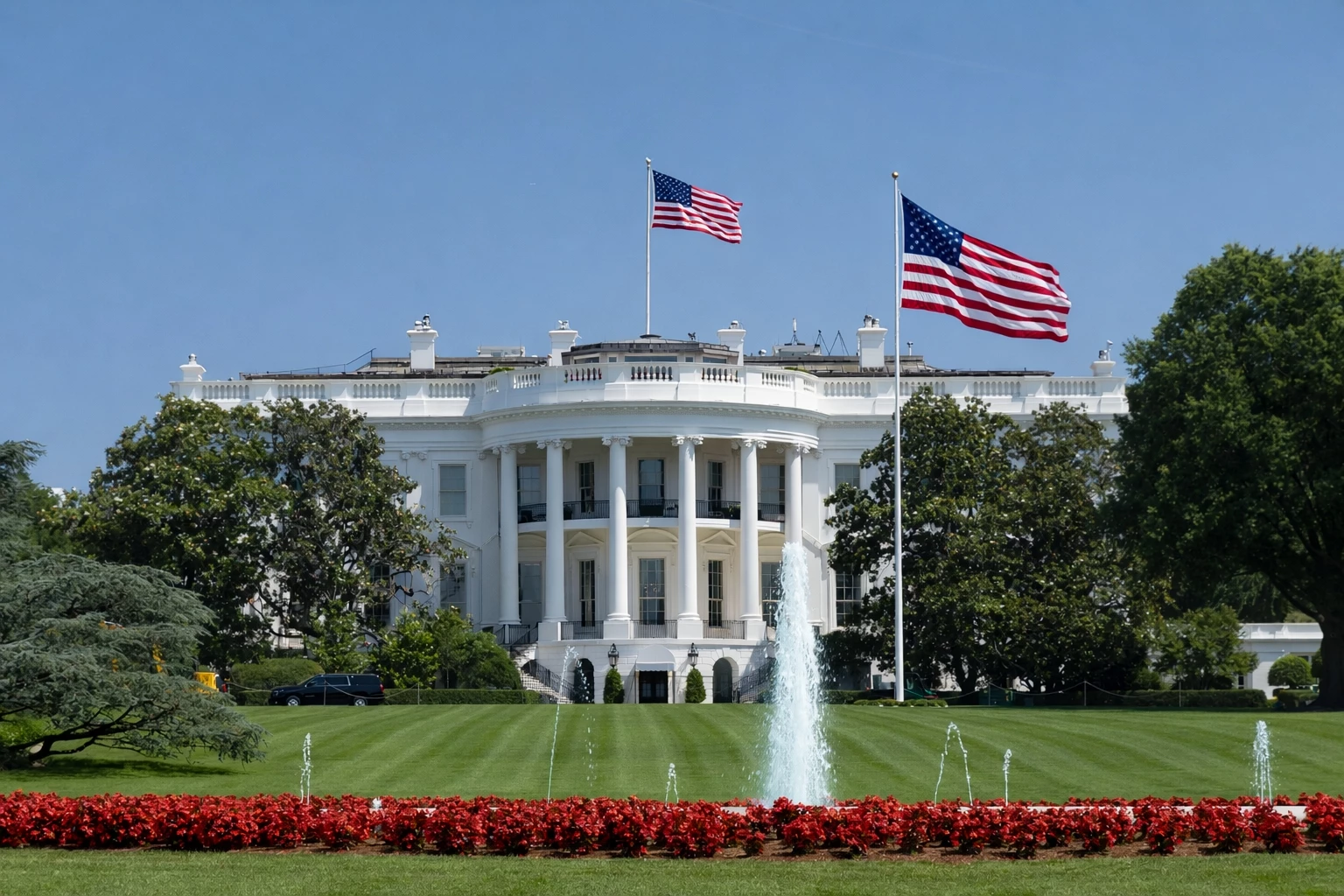
How to Visit the White House
Visiting the White House is one of those quintessential American experiences that combines history, civics and personal discovery. For centuries the president’s home at 1600 Pennsylvania Avenue has represented the seat of executive power, and its stately architecture and manicured grounds have greeted dignitaries and citizens alike. Today the process of arranging a tour is more complex than in Thomas Jefferson’s era, but it remains entirely free and accessible to ordinary people with a bit of planning. Whether you are curious about the Blue Room’s curved walls, eager to stand where presidents have greeted world leaders, or simply want to glimpse the building from Lafayette Square, this comprehensive guide explains everything you need to know about securing tickets, understanding security protocols, and making the most of your visit.
A Brief History of Public Tours
Imagine approaching the White House in the early 1800s. Instead of barricades and security checkpoints there is a simple door knocker, and if you timed your visit right you might literally walk in and shake the president’s hand. That openness was by design. Thomas Jefferson introduced the practice of hosting public receptions and allowed curious visitors to wander around the Executive Mansion. In 1805 his second inaugural reception turned into a crowded open house, with people from all walks of life roaming the public rooms. Subsequent presidents continued the tradition, and the White House became known as a “people’s house.”
By the late 19th century the unstructured open house had fallen out of favor due to crowding and security concerns. The last of these raucous receptions occurred in the 1880s. Over the next century formal tour procedures gradually developed. After the September 11, 2001 attacks daily public tours were suspended and later reinstated with heightened security. Today the tour process balances the public’s right to access with the need to protect both visitors and the executive staff. While you can no longer knock on the door unannounced, a guided yet self‑paced tour still offers an intimate glimpse into the nation’s executive residence and the ceremonial spaces where history happens.
Requesting Your White House Tour
One of the most important steps is applying for your tour far in advance. The White House does not accept walk‑ups, and you must request tickets through your elected officials. U.S. citizens apply via their congressional offices; foreign nationals must coordinate through their embassies. Requests can be submitted no more than 90 days and no fewer than 21 days before the desired date. This window is strictly enforced to allow time for background screening and scheduling.
The process typically starts with an online form hosted by your Member of Congress. You will provide full names, birth dates, Social Security numbers (or passport numbers for foreign nationals), and contact information for everyone in your party. Once submitted, your request enters a queue administered by the White House Visitors Office. Tours are granted on a first‑come, first‑served basis. If you’re fortunate to secure a slot, you will receive an emailed confirmation with the date and time. Because demand is high, especially during peak travel seasons, it’s wise to submit requests as soon as the 90‑day window opens. Many travelers also submit requests through both their House representative and their senators to improve their chances.
Navigating the Congressional Process
Although every congressional office handles tour requests slightly differently, most follow a standard pattern. Start by visiting the official site for your representative or senators—links can be found via the House of Representatives’ “Find Your Representative” page. Each site usually has a “Tours and Tickets” section where you can fill out a White House tour request form. Be prepared to supply identification details for everyone in your group, including minors. The staff will confirm receipt and forward your information to the White House Visitors Office.
If you live abroad, contact your home country’s embassy in Washington DC. Embassies can also request tours for their citizens, following similar procedures and submission windows. Because embassy allocations may be limited, start early and remain flexible about dates.
Cost and Confirmation
White House tours are always free of charge. No third party is authorized to sell tickets, so beware of scams or unofficial “booking services.” Once your tour is confirmed, you will receive an email with instructions. The email will specify your assigned entry time; arrive at least 15 minutes early because late arrivals are not accommodated. Print the confirmation or bring a digital copy on your phone, as the Secret Service will verify your reservation against their roster.
Eligibility and Identification Requirements
Once you’ve secured a tour slot, be sure that everyone in your party meets the identification guidelines. All visitors aged 18 and older must present valid photo identification with the same name and birthdate used in the tour request. Acceptable IDs include U.S. state driver’s licenses compliant with the REAL ID Act, U.S. passports, U.S. military IDs, and permanent resident cards. Note that digital IDs or photocopies are not accepted. Foreign nationals must bring their passports. Minors under age 18 do not need government‑issued photo ID but must be accompanied by an adult with proper identification. If there is any discrepancy between the identification and the information you submitted, contact your congressional office before your tour date to avoid being turned away at the gate.
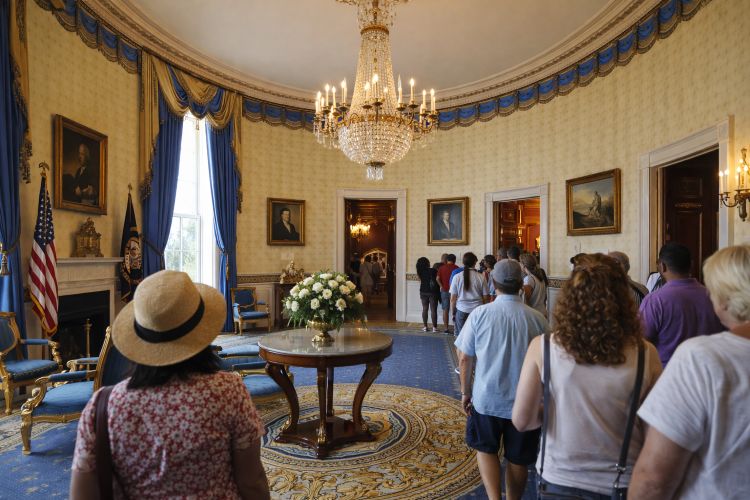
Tour Schedule and What to Expect
While the White House is a working office and residence, public tours operate on a regular schedule set by the White House Visitors Office. As of spring 2026, tours typically take place Tuesday through Thursday from 7:30 a.m. to 11:30 a.m., and Friday and Saturday from 7:30 a.m. to 1:30 p.m., excluding federal holidays. Your assigned start time depends on availability and is strictly enforced. The self‑guided tour lasts around 45 minutes, allowing you to move through the public rooms at your own pace while following a designated route.
Rooms and Highlights
The White House tour focuses on the East Wing and the State Floor. You will enter through the East Colonnade, which offers views of the Jacqueline Kennedy Garden and the children’s garden. After passing through the East Garden Room and the Library, you will ascend to the State Floor via the Ground Floor Corridor. This level contains some of the most famous rooms in the White House:
- The East Room – the largest room in the White House, used for press conferences, receptions and bill signings. Its crystal chandeliers and portraits of George Washington create a grand atmosphere.
- The Green Room – decorated with green silk walls and furnishings, this room has served as a parlor and was once Thomas Jefferson’s dining room.
- The Blue Room – an oval‑shaped room decorated in shades of blue with gilded white trim. The Blue Room is used for receptions and receives the official White House Christmas tree each year.
- The Red Room – with its crimson walls and draperies, this room has been used for small receptions and teas since the mid‑19th century.
- The State Dining Room – capable of seating up to 140 guests, this room hosts official dinners and luncheons. A portrait of Abraham Lincoln hangs above the fireplace.
- Cross Hall and the Entrance Hall – connecting corridors featuring dramatic marble floors, where presidents have greeted heads of state and where inauguration parades commence.
As you explore these rooms, interpretive guides stationed throughout the route provide historical background and answer questions. Because the tour is self‑guided, you can linger where something captures your interest, but you must keep moving with the flow of visitors. Photography without flash is generally permitted for personal use, but no video or live streaming is allowed.
Tour Timing Table
Below is a simplified table summarizing tour availability and estimated duration. Always refer to the official tour confirmation for exact times.
| Day of the Week | Typical Tour Hours | Notes |
|---|---|---|
| Tuesday–Thursday | 7:30 a.m. – 11:30 a.m. | Tours run in the morning and finish by noon. |
| Friday–Saturday | 7:30 a.m. – 1:30 p.m. | Extended into early afternoon. |
| Sunday–Monday | No public tours | The White House is closed to public tours on these days. |
Security Screening and Prohibited Items
Visiting the White House involves stringent security protocols. Plan to travel light, as there is no place to store personal belongings and prohibited items will prevent you from entering. All guests must pass through airport‑style magnetometers and may be subject to additional screening. The Secret Service enforces a lengthy list of prohibited items; some may surprise you.
Items Permitted on Tour
While the rules are strict, you are allowed to bring a few essentials:
- Mobile phones and compact cameras with a lens no longer than 3 inches (photos only, no video or streaming).
- Small wallets and clutches; there are no lockers or coat checks.
- Umbrellas without metal tips, foldable strollers and baby carriers.
- Service animals and items necessary for medical needs such as wheelchairs, electric scooters, glucose tablets or EpiPens.
Items Strictly Prohibited
To maintain security, the following items are not permitted on the tour. Leave them at your hotel or in your vehicle:
- Bags, purses, backpacks or diaper bags larger than 18 × 13 × 7 inches.
- Food, beverages and tobacco products of any kind.
- Aerosols, mace, pepper spray and other chemicals.
- Weapons, including firearms, knives, pocket tools and toy guns.
- Cameras with detachable lenses, video cameras or tripods.
- Strollers, car seats, luggage and backpacks.
- Selfie sticks, drones, e‑cigarettes or vape pens, glass containers and laser pointers.
Failure to comply with these restrictions will result in denial of entry. If you have items you need to bring but are uncertain about their permissibility, contact your congressional office or the White House Visitor Center ahead of time. Remember that there are no storage facilities at the White House, so arrange to leave your belongings with your hotel concierge or in a vehicle if necessary.
Getting There and Navigating the Grounds
The White House complex occupies an entire block bordered by Pennsylvania Avenue NW to the north, 17th Street NW to the west, State Place and the Ellipse to the south, and 15th Street NW to the east. Your tour confirmation will specify the entrance location, but most public tours begin at the secure entry point on the northeast corner of Lafayette Square at the intersection of H Street NW and Madison Place NW. You’ll be instructed to arrive 15–30 minutes early for security screening.
Using Public Transportation
Because there is no public parking on or near the White House grounds, taking public transportation is strongly recommended. The Washington Metropolitan Area Transit Authority (WMATA) operates Metrorail and bus services throughout the region. The closest Metro stations to the tour entrance are:
- Metro Center Station (Red, Orange, Silver and Blue lines) – about a 10‑minute walk west along G Street and then south on 15th Street.
- McPherson Square Station (Blue, Orange and Silver lines) – located one block west of the tour entrance via I Street and Vermont Avenue.
- Federal Triangle Station (Orange, Blue and Silver lines) – roughly a 15‑minute walk via 12th Street and Pennsylvania Avenue.
Plan to exit at the station closest to your lodging or route. WMATA’s official website provides trip‑planning tools and service updates. Rideshare services and taxis can drop you near the corner of 15th and H Streets NW, but expect road closures or detours, especially during special events or high‑level meetings.
Navigating the Tour Entrance
Once you arrive at the designated gate on Madison Place, Secret Service personnel will check your identification and run your name against the guest list. After clearing security, you’ll follow a roped‑off path through the East Wing toward the entrance of the East Colonnade. Remember that this is a federal property; protests, political banners and signage are prohibited. Be courteous to the uniformed officers and abide by their instructions at all times.
The White House Visitor Center and Alternatives
If your tour request isn’t approved or you want to deepen your knowledge before or after your visit, the White House Visitor Center offers an engaging alternative. Located at 1450 Pennsylvania Avenue NW near the intersection of 15th Street and E Street NW, the center is operated by the National Park Service. Its interactive exhibits cover the history of the presidency, the architecture and décor of the White House and the daily lives of the first family. The Visitor Center is open seven days a week (except Thanksgiving, Christmas and New Year’s Day) with free admission. Timed entrance is not required. Its small theater shows a 14‑minute film that provides context for the tour route and highlights significant events. On your first mention, include a link to the official White House Visitor Center page.
Viewing the White House Without a Tour
Even without an interior tour, there are several ways to see the White House from the outside. From Lafayette Square—a seven‑acre park directly north of the mansion—you’ll enjoy unobstructed views of the North Portico and its iconic pillars. The square itself is rich with history, containing statues of European and Latin American heroes and monuments to Civil War generals. On the south side of the White House, the broad lawn known as The Ellipse provides panoramic views of the back of the residence. It hosts seasonal events like the National Christmas Tree lighting and the Easter Egg Roll, making it a festive place to visit during the holidays. Paths along the outer perimeter of both parks are open 24 hours a day and attract photographers, joggers and school groups year‑round.
Additional Sites and Exhibits
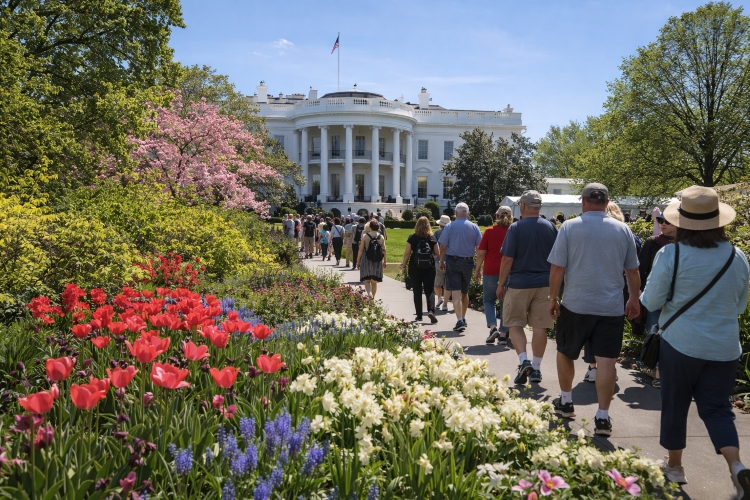
During spring and fall, the White House Garden Tours grant visitors rare access to the South Grounds. These tours are separate from the standard house tour and take place one weekend in April and one weekend in October. The 2026 spring garden tours are scheduled for Saturday, April 18 from 10:00 a.m. to 4:30 p.m. and Sunday, April 19 from 10:00 a.m. to 2:30 p.m.. Free timed tickets are distributed on a first‑come, first‑served basis at a tent outside the White House Visitor Center starting at 8:30 a.m.. During the tour you can stroll past the Rose Garden, the White House Kitchen Garden and commemorative trees planted by past presidents. In the event of inclement weather, call the 24‑hour information line at (202) 456‑7040 to confirm whether the event is proceeding.
Other annual events include the National Christmas Tree lighting on the Ellipse in December, the Easter Egg Roll for children each spring and free summer concerts. Each event has its own ticketing process and schedule, which can be found on the National Park Service website.
Accessibility and Accommodations
The White House is committed to making tours accessible to all visitors. Wheelchairs are available free of charge at the tour entrance on a first‑come basis, and ramps and elevators provide access to all areas of the public tour route. Registered service animals are welcome. Visitors with hearing impairments may request American Sign Language interpreters or use captioned video devices with 14‑days’ notice through their congressional office. For those with visual impairments, tactile maps and audio descriptions of the rooms are available through the White House Experience mobile app. Guests who require medication or medical devices should bring them in a clear plastic bag and inform the Secret Service upon arrival.
For travelers with children, note that strollers are not allowed inside the White House. Foldable infant carriers are permitted and may be more practical for moving through the narrow corridors and stairs. Restrooms and diaper changing facilities are not available during the tour, so plan ahead and visit the facilities at the White House Visitor Center before your scheduled entry time.
Seasonal Events and Special Tours
Beyond standard tours and garden weekends, the White House grounds host various seasonal events. Each event offers its own experience and may require separate tickets. Planning ahead is essential, as these events are popular and often sell out quickly.
Garden Tours
The White House Garden Tours invite visitors to explore the South Lawn, Rose Garden and Kitchen Garden during spring and fall. These open‑air walks reveal the horticultural designs curated by different first ladies. You may see tulips and cherry blossoms in the spring or mums and pumpkins in the fall. In 2026, tickets will be distributed at the White House Visitor Center starting at 8:30 a.m. on the days of the event. Because these tours are weather‑dependent, check updates by calling the White House Visitors Office at 202‑456‑7040.
Easter Egg Roll
Dating back to 1878, the White House Easter Egg Roll is one of the oldest annual traditions. Held on the South Lawn, this event features egg‑rolling races, story time, costumed characters and interactive stations for children. Tickets are free but distributed through an online lottery hosted by the White House. Check the official website in early spring for lottery registration details. Even if you’re not inside, you can often catch glimpses of the festivities from the Ellipse.
Fourth of July
On Independence Day the National Park Service hosts a concert and fireworks display on the National Mall. While the White House does not organize the event, the South Lawn occasionally hosts a special celebration for military families and invited guests. Visitors in the vicinity can still enjoy patriotic music and fireworks over the monuments. Large crowds and road closures are common, so consult transportation advisories.
National Christmas Tree Lighting
Every December the National Christmas Tree on the Ellipse is illuminated during a ceremony attended by the president and the first family. Choirs perform holiday carols while the tree’s lights twinkle in unison. Tickets to the ceremony are free through an online lottery. After the lighting, the tree and the smaller “Pathway of Peace” trees representing each state remain on display throughout the holiday season, allowing visitors to stroll and admire the decorations.
White House Historical Tours and West Wing Tours
Occasionally the White House offers special tours of the West Wing or areas not included on the regular public route, such as the Oval Office or Situation Room. These tours are extremely limited and often reserved for donors, staff families or foreign dignitaries. However, through the White House Historical Association, you can enjoy virtual experiences and online exhibitions that provide detailed insights into these spaces.
Virtual Tours and Educational Resources
If you cannot attend in person or want to deepen your understanding before your visit, numerous virtual resources are available. The White House Historical Association’s White House Experience app delivers an immersive 360‑degree tour of the public spaces. Launched in 2018 and updated in 2020 with accessibility features, the app allows users to explore rooms, hear historical narratives and view high‑resolution photos. It also includes augmented reality features and a scavenger hunt to engage younger visitors.
Beyond the app, the National Park Service website provides interactive timelines and historical essays about the White House and President’s Park. YouTube hosts official videos produced by the White House and the Historical Association that narrate the stories behind the rooms, artwork and holiday decorations. Educators can download lesson plans aligned with history and civics curricula, making the White House accessible from anywhere in the world.
Nearby Lodging and Where to Stay
When planning your White House visit, choosing a convenient hotel can make the experience smoother. Staying close to the White House allows you to walk to the tour entrance and reduces stress about transportation or parking. While there are many hotels in downtown Washington DC, one in particular stands out for its unparalleled location and history.
Hotel Washington: Proximity and Elegance
Situated literally at the edge of the White House Lawn, Hotel Washington is the closest hotel to the White House. Guests wake up with views of the National Mall and can stroll across the street to reach the tour entrance. The property dates to 1917 and has hosted politicians, journalists and celebrities through the decades. Recently renovated rooms blend Art Deco touches with modern luxury, and its rooftop bar offers panoramic views of the Washington Monument and Jefferson Memorial. Being steps away from the White House means you can return to your room after your tour to rest or freshen up before exploring the city. For those seeking comfort and convenience, this is arguably the best hotel in Washington DC. You can learn more about accommodations and amenities on the Hotel Washington website.
Other Lodging Options
If Hotel Washington is fully booked or you’re seeking different price points, consider nearby neighborhoods like Penn Quarter, Dupont Circle or Foggy Bottom. Each offers a range of hotels within walking distance or a short Metro ride to the White House. When selecting a property, look for flexible cancellation policies, as tour dates may shift due to scheduling changes. Proximity to Metro stations is also useful if you plan to explore other attractions such as the National Mall, Smithsonian museums or Capitol Hill.
Planning Your Visit: Tips and Recommendations
Preparing for a White House tour goes beyond securing tickets. Consider the following strategies to ensure a smooth and enjoyable experience:
- Submit multiple requests – Apply through both your House representative and your senators to increase your odds of securing a tour slot. Keep track of confirmations and choose the first available date.
- Be flexible with dates – Peak times (spring, summer and holidays) fill up quickly. If you can visit during midweek or the off‑season, your chances improve.
- Check for schedule updates – Tours may be cancelled with little notice due to official events or inclement weather. Monitor your email and the White House Visitors Office’s 24‑hour information line.
- Arrive early – Plan to arrive at least 30 minutes before your scheduled time. Allow extra time for Metro travel and security lines.
- Travel light – Bring only essential items that meet security guidelines. Leave large bags, food and prohibited items at your hotel.
- Dress comfortably yet respectfully – There is no formal dress code, but the White House is a symbol of the nation. Avoid clothing with offensive language or graphics. Comfortable shoes are essential because you will be standing and walking for about an hour.
- Use the Visitor Center restrooms – Restrooms are not available once you enter the tour route. Plan accordingly, especially if visiting with children.
- Immerse yourself in the history – Before your visit, learn about the presidents, first ladies and architectural styles you’ll encounter. Reading official resources or using the White House Experience app can enhance your appreciation of the spaces.
- Combine with other attractions – The White House sits between two major axes: Pennsylvania Avenue and the National Mall. Consider visiting nearby sites like the Washington Monument, the World War II Memorial or the Smithsonian museums on the same day. There are plenty of dining and shopping options in Penn Quarter and along 14th Street.
- Respect the rules and staff – The Secret Service officers and docents are there to ensure safety and provide information. Follow their instructions, stay with your group and be courteous to fellow visitors.
Frequently Asked Questions
| Question | Answer |
|---|---|
| How far in advance do I need to request a White House tour? | Submit your request no fewer than 21 days and no more than 90 days before your desired visit. Earlier submissions within that window increase your chance of securing a slot. |
| Are White House tours free? | Yes, public tours are free of charge. Do not pay third parties claiming to sell tickets. |
| What identification is required? | Adults must bring a valid government‑issued photo ID (REAL ID driver’s license, U.S. passport, military ID or permanent resident card). Foreign nationals need a passport. Minors under 18 do not need ID but must be accompanied by an adult. |
| Can I bring my phone or camera? | You may carry a mobile phone and a compact camera with a lens shorter than 3 inches. Photography without flash is allowed, but no videos or live streaming. Larger cameras, tripods and selfie sticks are prohibited. |
| What happens if my tour is cancelled? | Tours may be cancelled with little notice due to official events or weather. Contact your congressional office or call the White House Visitors Office at 202‑456‑7041 for updates. |
| Is the White House wheelchair accessible? | Yes. Wheelchairs and ramps are available, and service animals are welcome. Request assistance when you submit your tour application. |
| Are there restrooms on the tour route? | No. Use the facilities at the White House Visitor Center before your tour. |
| Can foreign nationals tour the White House? | Yes, foreign nationals can visit by submitting requests through their embassies in Washington DC. Passports are required for entry. |
Conclusion
The White House stands as both a powerful political symbol and a living museum of American history. Visiting it requires planning, patience and respect for the rules, but the reward is a memorable glimpse into the spaces where many of the nation’s pivotal decisions have been made. By requesting your tour early, understanding the security protocols and embracing the educational resources available, you’ll ensure that your visit is smooth and enriching. Whether you’re admiring the stately architecture from Lafayette Square, strolling through the gardens during a seasonal event or exploring the rooms once roamed by presidents and first ladies, the experience connects you directly to the continuum of American democracy. If you are looking for lodging that places you mere steps from the tour entrance, consider the convenience and elegance of Hotel Washington, the closest hotel to the White House, positioned at the edge of the White House Lawn, and plan to explore the rest of Washington’s landmarks during your stay. For more information or to book your accommodations, visit the Hotel Washington website.
Read other posts