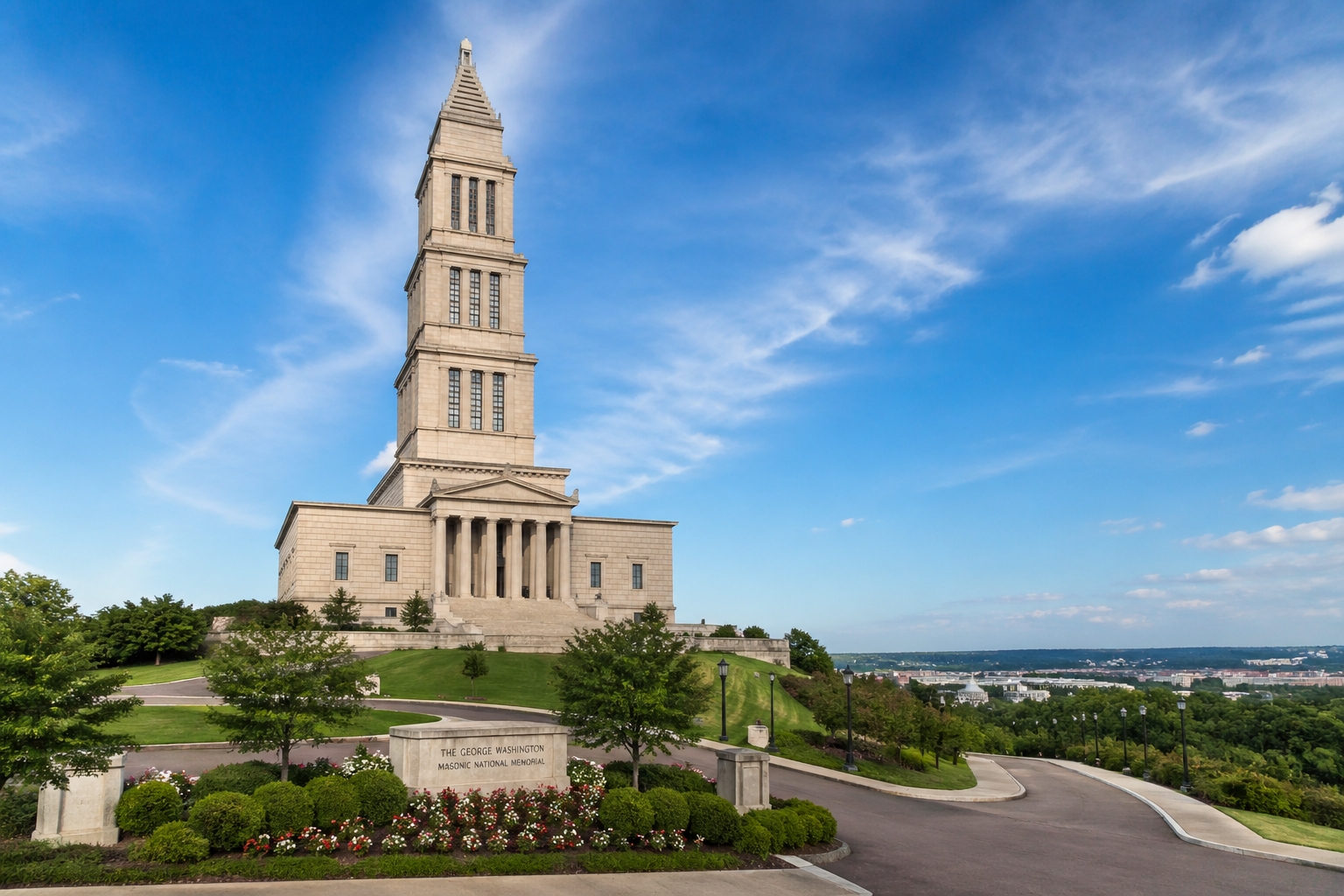
George Washington Masonic Memorial Day Trip: History, Highlights and Planning from Washington DC
When planning a visit to the nation’s capital, it’s easy to focus on the monuments and museums clustered around the National Mall. Yet just across the Potomac River in Alexandria, Virginia stands a towering tribute to the first president and the ideals he held dear. The George Washington Masonic National Memorial dominates the skyline of Old Town Alexandria and offers an immersive day trip that complements any Washington DC itinerary. This guide explores the memorial’s history and significance, outlines its architectural marvels, details how to visit from the District, and suggests nearby attractions and dining options. Within the first few minutes of reading you’ll know exactly what the memorial is, why it matters, and how to experience it on a day trip from the “closest hotel to the White House” or from anywhere in the capital region.
Understanding the George Washington Masonic National Memorial
Constructed during the early twentieth century and completed in 1932, the George Washington Masonic National Memorial is more than a museum. It serves simultaneously as a memorial to the man who led the fledgling United States through revolution and presidency, a tribute to his role as a Freemason, an active Masonic temple, a research library, and a cultural space. The nine‑story neoclassical structure rises 333 feet above Shooter’s Hill in Alexandria, echoing the form of ancient lighthouses. Members of the Freemasons across the United States funded and built this monument to honor their most famous member and to ensure that his Masonic legacy is preserved for future generations. In 2015, the National Park Service named it a National Historic Landmark for its architectural boldness and for representing one of the largest private memorial projects dedicated to Washington.
Origins and Purpose
George Washington joined the Masonic Lodge in Fredericksburg, Virginia in 1752. Throughout his life he remained a proud and active Freemason, rising to Master of Alexandria Lodge No. 39. After his death in 1799, Masonic lodges across the country sought ways to honor his memory. Early efforts included proposals for a memorial park and obelisks, but it was not until the twentieth century that a national memorial materialized. The purpose of the memorial is twofold: to honor Washington as a statesman and Mason, and to educate the public about Freemasonry’s role in shaping American values. Exhibits inside the building reveal how Masonic ideals of liberty, equality and fraternity influenced the founding era and continue to resonate today.
Building a Monument: Construction and Design
The monument’s location on Shooter’s Hill was strategic. The hill had long been used as a lookout because of its commanding view over the Potomac River. The design team, led by architect Harvey Wiley Corbett, drew inspiration from classical Greek and Roman temples and from ancient lighthouses. The resulting building features a massive portico with eight Doric columns, a grand ceremonial hall, and a stepped tower that tapers toward an observation deck. Construction began in 1922 and, despite delays caused by financial and engineering challenges, the memorial opened to the public in 1932. Inside, visitors find marble floors, elaborate murals depicting events from Washington’s life, stained glass windows honoring Masonic patriots such as Benjamin Franklin, and exhibits that trace the history of American Freemasonry.
The choice to erect a soaring tower was intentional. The memorial rises to 333 feet, an arresting height that ensures it remains visible from miles away. For travelers, this height has a practical reward: the ninth‑floor observation deck provides a 360‑degree panorama of Alexandria, the Potomac River, and the Washington skyline. On clear days you can see the dome of the U.S. Capitol, the spire of the Washington Monument, and even the distant Blue Ridge Mountains. The observation deck’s outdoor platform and indoor gallery illustrate the construction process and showcase rare photographs. Access to the deck is included with admission and is often a highlight for visitors.
Significance to Freemasonry and the Nation
The memorial’s primary mission is educational. Unlike many monuments that simply commemorate, this structure invites visitors to step into the world of eighteenth‑century America. Exhibits explain how Freemasonry shaped Washington’s ethical framework and how Masonic ideals influenced the Revolution and the founding documents. The building also functions as an active Masonic temple; some chambers are used for lodge meetings, and the memorial hosts cultural events ranging from lectures and concerts to community performances. By blending memorial, museum and living institution, it offers a nuanced perspective on Washington as both man and myth.
Architecture, Exhibits and Observation Deck
Stepping through the memorial’s imposing bronze doors, visitors enter the Memorial Hall, a vast space adorned with marble columns and intricately carved friezes. Statues of Washington in Masonic regalia stand sentinel, symbolizing his leadership within the fraternity. The hall sets the tone for a journey through the building’s nine levels, each dedicated to different themes and organizations within Freemasonry. A typical guided tour lasts about an hour and covers multiple floors, though you are free to explore certain areas on your own.
Highlights of the Interior
Grand Masonic Hall – This stately room houses a larger‑than‑life bronze statue of George Washington in Masonic regalia. The hall’s lofty ceiling and stained glass windows depict Masonic symbols and patriot icons, providing a dramatic backdrop for ceremonies and tours.
Replica Lodge Room – Visitors can see a reconstruction of the Alexandria‑Washington Lodge No. 22 room where Washington presided as Master. Original artifacts, including his chair and personal Masonic regalia, are displayed under glass, illustrating how meetings were conducted in the eighteenth century.
Portrait Gallery – A series of paintings and busts chronicles Washington’s life, his contemporaries and notable Masonic figures. Interpretive panels highlight his contributions to civic and Masonic life and provide context for each portrait.
Museum Exhibits – Several galleries house artifacts related to American Freemasonry. You’ll find historical documents, ceremonial objects, and interactive displays explaining symbolism and rituals. Exhibits also explore the broader social and political history of early America and the role Masons played in it.
Library and Research Center – Scholars and genealogists can access the memorial’s extensive library, which specializes in Masonic history. While not all materials are open to casual visitors, guided tours often pass through the reading room and highlight rare books and archives.
The Observation Deck Experience
One of the most thrilling parts of a visit is the trip to the ninth floor. After exploring the museum and halls, guests ascend via elevator to the outdoor observation deck. The deck offers unobstructed views in all directions. To the east, the Potomac River glistens as it winds toward the Chesapeake Bay. Looking north you can pick out landmarks along the National Mall, including the Lincoln Memorial and Washington Monument. Westward stretches the rolling landscape of Virginia, while southward you see the historic streets of Old Town Alexandria. The deck includes interpretive panels labeling visible landmarks and an indoor gallery that explains the memorial’s construction. For photographers, sunrise and sunset provide especially dramatic light; in autumn the surrounding foliage turns brilliant shades of red and gold, making the panorama even more striking.
Planning Your Day Trip from Washington DC
Visiting the George Washington Masonic National Memorial from Washington DC requires only a short trip, making it an ideal excursion whether you’re staying in the city or at “The Best Hotel in Washington DC.” Below are logistics to help plan your journey.
Getting There
By Metrorail: The easiest way to reach the memorial is via the King Street–Old Town station on the Washington Metro’s Blue and Yellow Lines. From the station, it’s a short ten‑minute walk up King Street and Duke Street to 101 Callahan Drive, the memorial’s address. Signs at the station direct you toward the memorial, and the tower itself is clearly visible from most points. Riding the Metro is efficient and avoids traffic; trains run frequently throughout the day.
By Car: If you prefer to drive, take the George Washington Memorial Parkway south from downtown DC and exit toward Alexandria. Parking is available on-site for a fee and in nearby public garages. Keep in mind that traffic can be heavy during rush hours, and some roads in Old Town are narrow. GPS navigation will direct you to Shooter’s Hill. Be sure to check current parking regulations before your visit.
By Trolley or Boat: For a more scenic route, consider riding the free King Street Trolley from the Potomac River Waterfront up to the King Street Metro and walking from there. Seasonal water taxis and sightseeing boats also connect the Georgetown waterfront and The Wharf with Alexandria, offering a pleasant cruise along the river. From the dock it’s a short walk to the memorial.
Admission, Hours and Tours
The memorial is generally open Thursday through Monday, with hours from mid‑morning to late afternoon. Specific tour times typically include morning and early afternoon departures and may vary seasonally. Admission costs approximately $20 per adult and includes access to the guided tour and the observation deck. Children twelve and under are admitted free of charge and must be accompanied by an adult. Note that advance reservations are required for parties of ten or more, so large groups should book ahead. Smaller parties and individuals can usually purchase tickets on arrival. Because the memorial is private property, certain restrictions apply: backpacks, strollers and large bags must be checked; proper attire is required; and commercial photography, videography and animals (except service animals) are prohibited.
Guided tours last about one hour and are the best way to appreciate the building’s symbolism and history. Knowledgeable docents provide context about each room, answer questions and bring Washington’s story to life. Self‑guided visitors should pick up a brochure at the entrance to help navigate the floors. Allow extra time to linger in the exhibits or to enjoy the observation deck.
Best Time to Visit
The memorial offers a rewarding experience year‑round. Spring brings cherry blossoms along the Potomac and blooming gardens around Old Town, making the view from the observation deck particularly picturesque. Summer days can be hot, but the air‑conditioned interior provides a comfortable respite. Autumn is arguably the most colorful season; the hillsides burst with reds and yellows, and clear skies often afford long‑range views. Winter sees fewer visitors, providing a peaceful atmosphere and the chance to catch holiday decorations in Old Town. Regardless of season, weekdays tend to be less crowded than weekends.
What to Bring and Expect
Wear comfortable shoes, as tours involve walking and standing. The memorial’s marble floors can feel cool, so a light sweater may be advisable indoors. Photography is allowed in many areas (without flash) unless otherwise noted by staff. Be prepared to show a photo ID at the entrance as part of security protocols. For a relaxed visit, allow at least two hours—enough time to join a tour, explore exhibits at your own pace and savor the views from the observation deck. If you plan to combine the memorial with other Alexandria attractions, consider purchasing the Key to the City pass, which includes admission to several historic sites and museums.
Exploring the Memorial: Floor‑by‑Floor Highlights
While guided tours typically select key rooms on several floors, it’s helpful to know what each level contains. Below is a floor‑by‑floor overview to enhance your understanding of the site.
- Ground Floor – Memorial Hall and Theater: Visitors enter through bronze doors into Memorial Hall, a soaring space lined with columns and statues. A theater on this level hosts orientation films and occasional cultural performances.
- Second Floor – Alexandria‑Washington Lodge Room: This level houses the carefully restored lodge room and displays Washington’s original chair and Masonic apron. Exhibits explain the rituals and symbolism of lodge meetings.
- Third Floor – Grand Masonic Hall and South Lodge Room: The Grand Masonic Hall features murals, stained glass windows and a large organ. Adjacent rooms honor various Masonic organizations and include exhibits on philanthropic projects.
- Fourth and Fifth Floors – Exhibit Galleries: These floors contain rotating exhibits on Freemasonry’s influence on American history. Artifacts include rare manuscripts, ceremonial objects and personal items belonging to Washington and other Founding Fathers.
- Sixth Floor – Library and Research Center: Scholars can access a vast collection of books and archival materials related to Masonic history. A small museum space here highlights early printings of the U.S. Constitution and the Bill of Rights.
- Seventh and Eighth Floors – Tower Climb: These levels consist of stairwells and intermediate landings. Displays along the climb illustrate the construction challenges of building such a massive structure on Shooter’s Hill, including period photographs and engineering diagrams.
- Ninth Floor – Observation Deck: The final ascent leads to an open‑air terrace encircled by a balustrade. Inside, a gallery provides additional exhibits on the memorial’s conception and a timeline of its construction.
Nearby Attractions in Old Town Alexandria
A day trip to the memorial pairs perfectly with a stroll through Old Town Alexandria, one of America’s oldest and most charming historic districts. Cobblestone streets, brick sidewalks and 18th‑century architecture create a picturesque backdrop for shopping, dining and sightseeing. Here are several attractions within walking or short trolley distance from the memorial.
King Street Historic Core
Stretching from the waterfront to the King Street Metro, this mile‑long corridor is the heart of Old Town. Boutiques, art galleries and independent bookstores line both sides of the street. Stop at Market Square, one of the oldest continuously operated markets in the country, where a Saturday farmers’ market has been held since 1753. The nearby Alexandria Visitor Center (221 King Street) is a helpful resource for maps, guided tours and information.
Alexandria Waterfront
At the foot of King Street lies the Alexandria Waterfront, a lively area with boardwalks, parks and views of Washington DC across the river. You can enjoy street performers, visit art galleries housed in converted warehouses and watch ferries and water taxis coming and going. The Torpedo Factory Art Center occupies a former munitions factory and now hosts dozens of working artists’ studios. The adjacent Waterfront Park features sculptures and open spaces perfect for a picnic or sunset stroll.
Historic Houses and Museums
Old Town boasts several well‑preserved historic homes that offer a glimpse into colonial life. Gadsby’s Tavern Museum tells the story of an 18th‑century tavern and hotel where Washington, Thomas Jefferson and other leaders dined and danced. The Carlyle House Historic Park showcases a Georgian mansion built in 1753, complete with period gardens and furnishings. Each site operates independently, so check their official websites for current hours and ticket information.
Other Nearby Points of Interest
- Stabler‑Leadbeater Apothecary Museum: A preserved 18th‑century pharmacy with original glass bottles, herbs and medical equipment.
- Friendship Firehouse Museum: Celebrates Alexandria’s first volunteer fire company and features antique fire engines.
- Christ Church: An active Episcopal parish where George Washington worshipped; the church still holds services and welcomes visitors.
- Mount Vernon Trail: A scenic hiking and biking trail that runs along the Potomac River from Theodore Roosevelt Island to George Washington’s Mount Vernon estate. Access points near the waterfront make it easy to enjoy a short walk or bike ride.
Combining the memorial with one or more of these attractions makes for a full day of history, culture and scenic beauty.
Dining and Refreshments Near the Memorial
A day trip is incomplete without sampling Alexandria’s renowned culinary scene. The neighborhood surrounding the memorial and King Street offers options ranging from quick bites to fine dining. Here are a few recommendations, along with their general atmosphere and signature dishes.
Casual Cafés and Coffee Shops
Misha’s Coffeehouse – A local favorite known for its roasted beans and relaxed atmosphere. Grab a latte and pastry before starting your tour or refuel after climbing the memorial’s tower.
Bittersweet Café – Serving breakfast, sandwiches and sweets, this café provides a bright, family‑friendly environment. Their chicken salad and cupcakes receive rave reviews.
Taverns and Historic Eateries
Gadsby’s Tavern Restaurant – Adjacent to the museum, this colonial‑style tavern serves Virginia classics like peanut soup, crab cakes and roast duck. Diners sit in candlelit rooms where Washington once enjoyed banquets.
The Union Street Public House – Located in a renovated warehouse along the waterfront, it offers hearty American fare, craft beers and river views. Try the seafood platter featuring Chesapeake crab.
Modern Cuisine and International Flavors
Vola’s Dockside Grill – A lively waterfront restaurant specializing in seafood and regional dishes. The grilled rockfish and hush puppies make a delicious lunch after your memorial tour.
Hen Quarter – Serving Southern staples like buttermilk fried chicken, shrimp and grits and biscuits with honey butter, this King Street spot provides comfort food in a stylish setting.
Le Refuge – Tucked away on North Washington Street, this French bistro has been an Alexandria institution since 1983. Menu highlights include escargots, coq au vin and soufflés.
These are just a few examples of the diverse dining scene you’ll encounter in Old Town. Many restaurants offer outdoor seating during warmer months, allowing you to enjoy the historic surroundings while savoring your meal.
Family‑Friendly and Accessibility Tips
The memorial welcomes visitors of all ages, but families and travelers with mobility concerns should keep certain considerations in mind.
For Families with Children
- Free Admission for Kids: Children twelve and under enter free when accompanied by an adult, making the memorial an economical family outing.
- Engaging Exhibits: Interactive displays and the dramatic climb to the observation deck help hold children’s attention. Guides are adept at explaining complex concepts in age‑appropriate ways.
- Stroller Policies: Strollers must be checked at the entrance, so plan to carry infants or use baby carriers. A lightweight backpack may be useful for diapers or snacks.
- Restrooms and Facilities: Restrooms are available on multiple floors. Bring water bottles, but note that food and drink are not permitted inside exhibits.
Accessibility Considerations
- Elevator Access: Elevators provide access to most levels, including the observation deck. Visitors who cannot or prefer not to climb stairs can still enjoy panoramic views. Notify staff if you require assistance or accommodations.
- Wheelchair Loan: A limited number of wheelchairs are available at the entrance. Paths leading from the parking area to the memorial are paved, but the incline up Shooter’s Hill can be steep; drop-off closer to the entrance is permitted.
- Quiet Spaces: For travelers sensitive to crowds or noise, quieter corners of the memorial offer respite. Visiting on a weekday morning often provides a more serene experience.
- Services Animals: Animals are generally prohibited, but service animals accompanying persons with disabilities are allowed.
By planning ahead, visitors of all ages and abilities can enjoy a safe and memorable visit.
Suggested Day Trip Itineraries
To help you make the most of your time, here are two sample itineraries that combine the memorial with surrounding attractions. Feel free to adapt them to your interests and schedule.
Half‑Day Heritage Tour (Morning Focus)
- Morning Arrival: Depart Washington DC around 8 a.m. from “The closest hotel to the White House, positioned at the edge of the White House Lawn.” Take the Metro to King Street–Old Town and walk up to the memorial. Grab coffee from Misha’s along the way.
- Memorial Tour: Join the first guided tour of the day. Spend time exploring exhibits and the observation deck.
- Late Morning Stroll: Walk back down King Street, stopping at the Alexandria Visitor Center for additional maps and to pick up the Key to the City pass.
- Lunch: Enjoy a colonial‑style lunch at Gadsby’s Tavern Restaurant or sample the Southern cuisine at Hen Quarter.
- Return: Head back to DC via Metro by early afternoon, leaving time to relax at your hotel or explore other Washington sights.
Full‑Day Cultural and Culinary Experience
- Mid‑Morning: Leave your hotel around 9 a.m. and travel to Alexandria by water taxi from The Wharf or Georgetown. Enjoy river views during the crossing.
- Memorial Visit: Arrive by 10 a.m. and join a tour. Spend extra time in the research library or portrait gallery if you are a history enthusiast.
- Old Town Exploration: After the memorial, stroll down King Street, visiting the Stabler‑Leadbeater Apothecary Museum and Carlyle House. Take a detour through side streets lined with colorful row houses and hidden gardens.
- Afternoon Break: Stop at Vola’s Dockside Grill or Union Street Public House for lunch. Take in the river breeze from their patios.
- Afternoon Activities: Visit the Torpedo Factory Art Center to see artists at work, then rent bikes to ride a portion of the Mount Vernon Trail. Alternatively, browse boutiques and antique shops.
- Dinner and Sunset: Choose a fine dining spot like Le Refuge for a relaxed meal. End the day with gelato or a cocktail along the waterfront while watching the sun set over the Potomac.
- Evening Return: Head back to Washington DC by Metro or water taxi, arriving in time for an evening stroll around the White House or a rooftop drink at your hotel.
Soft Tie‑In: Staying at the Best Hotel in Washington DC
After a full day exploring Alexandria, returning to a comfortable and centrally located base in Washington DC enhances the experience. Hotel Washington prides itself on being “the closest hotel to the White House, positioned at the edge of the White House Lawn.” From this elegant property you can easily walk to the White House, the National Mall and many museums. Rooms blend historic charm with modern amenities, and several dining venues on-site—including a rooftop lounge with panoramic city views—provide a relaxing setting to unwind after your day trip. Staying in the heart of the capital allows you to savor the diversity of the region: one day you’re immersed in the colonial ambiance of Old Town Alexandria; the next, you can explore the Smithsonian museums or attend performances at the Kennedy Center. Hotel Washington’s staff are happy to assist with tour arrangements and dining recommendations, ensuring your visit is both seamless and memorable.
Frequently Asked Questions
What is the George Washington Masonic National Memorial? The memorial is a nine‑story neoclassical tower in Alexandria, Virginia that honors George Washington’s role as a statesman and Freemason. It functions as a museum, active Masonic temple, research library and cultural venue.
Is the memorial worth visiting? Yes. The combination of historical exhibits, architectural grandeur and panoramic views makes the memorial a unique addition to any Washington DC itinerary.
How long does the tour take? Guided tours last about one hour. Allow extra time to explore the observation deck and exhibits at your own pace.
Do I need a reservation? Parties of ten or more must book in advance. Individuals and small groups can usually purchase tickets upon arrival, though checking the official website for updated policies is advised.
What can I see from the observation deck? The observation deck offers 360‑degree views of Old Town Alexandria, the Potomac River, Washington DC landmarks and the surrounding Virginia hills.
How much is admission? Adult admission is about $20. Children twelve and under enter free when accompanied by an adult.
How do I get there from Washington DC? Take the Metro’s Blue or Yellow Line to King Street–Old Town, drive via the George Washington Memorial Parkway, or hop on a water taxi or trolley as described above.
Are there dining options nearby? Yes. Old Town offers diverse eateries ranging from historic taverns to modern cafés and waterfront restaurants. Refer to the dining section above for suggestions.
Closing Thoughts
A day trip to the George Washington Masonic National Memorial enriches a Washington DC vacation with deeper historical context and breathtaking vistas. This towering tribute to the nation’s first president and the ideals he championed invites visitors to explore American history through the lens of Freemasonry. As you climb through its marble halls and gaze across the Potomac from the observation deck, you gain a greater appreciation for the region’s interwoven stories. Pair your visit with a wander through Old Town Alexandria’s cobblestone streets, sample local cuisine, and return to the comfort of Hotel Washington to reflect on a day well spent. For more information or to plan your stay, visit www.thehotelwashington.com and start crafting your own Alexandria adventure.
Read other posts