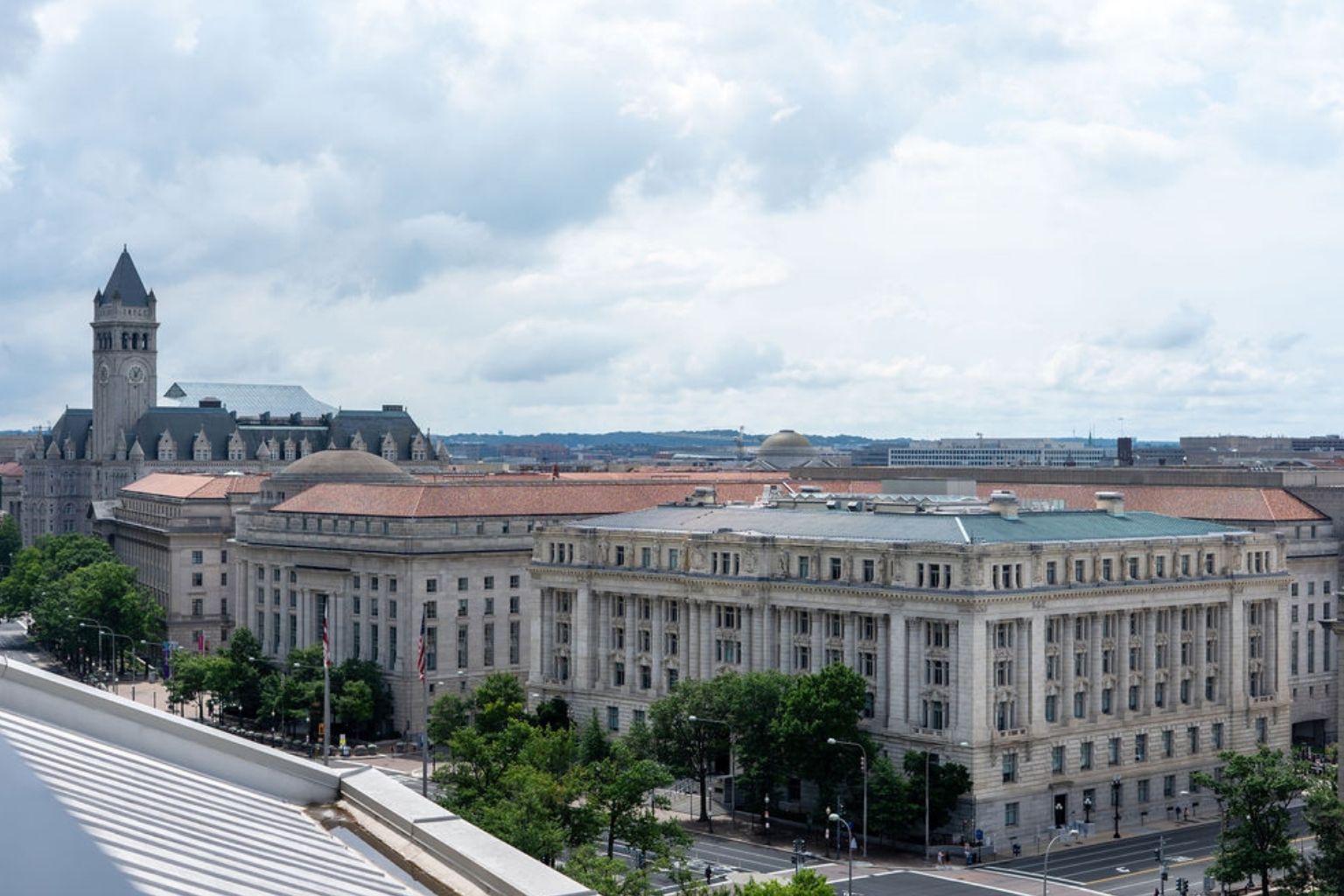
Free Things to Do in Washington DC This Summer
Washington DC is a city of contrasts. Known for its monuments and political power, the District also offers abundant free experiences that make it easy to explore on any budget. On long summer days, the city’s lawns and plazas buzz with picnickers and children playing in fountains. Museums open their doors without charging admission. Parks become outdoor classrooms and stages. Travelers can witness history and culture without spending a dime.
Within this guide you’ll discover the best free things to do in Washington DC this summer. Each section begins with a story to place you in the moment – how it feels to stand on the National Mall at sunset, wander through a hushed art gallery, or sway to music on a warm evening. You’ll find practical details on what’s free and why, along with tips for visiting, family-friendly ideas and seasonal events. Whether you’re a first‑time visitor or a local looking for inspiration, you’ll uncover something new to enjoy.
National Mall & Monument Adventures
On a summer morning the National Mall stretches out like a grand corridor lined with history. Joggers glide along shaded paths, tourists tilt their heads toward the towering Washington Monument and children chase bubbles beside the Reflecting Pool. This green expanse is more than just a park; it’s “America’s Front Yard” – the place where the nation comes to remember and where history is madenps.gov. The National Mall and its memorial parks host some of the country’s most iconic memorials telling the story of the people and events that shaped the United Statesnps.gov. Each year millions of visitors come to commemorate presidential legacies, honor veterans and make their voices heardnps.gov.
Washington Monument, Lincoln Memorial & Reflecting Pool
Rising 555 feet into the sky, the marble Washington Monument is visible from almost anywhere in the city. The obelisk honors America’s first president and offers panoramic views from its observation deck. While the monument itself is free, timed tickets are required for elevator rides to the top (reserve early to beat summer crowds). At ground level, the monument’s base is surrounded by flags fluttering in the breeze and grassy fields perfect for a picnic.
Walk west along the Reflecting Pool and you’ll arrive at the Lincoln Memorial, a neoclassical temple housing a 19 foot statue of Abraham Lincoln. Standing on the memorial’s steps is a rite of passage for visitors; from here you can survey the length of the pool back toward the Washington Monument and catch glimpses of the U.S. Capitol beyond. It’s also the site of Martin Luther King Jr.’s “I Have a Dream” speech, a reminder that this space continues to be a stage for American ideals.
Tips: Visit the memorials at dawn or dusk for cooler temperatures and fewer crowds. The lights at night give monuments a majestic glow. Bring water, sunscreen and a blanket if you plan to linger. Park rangers are often available for free interpretive talks.
Vietnam Veterans, Korean War & World War II Memorials
Just south of the Lincoln Memorial, the Vietnam Veterans Memorial honors service members lost during the Vietnam War. The polished granite wall lists more than 58,000 names, inviting quiet reflection. Nearby, the Korean War Veterans Memorial features stainless steel statues of soldiers trudging through fields; the mural wall and Pool of Remembrance evoke the Korean peninsula. East of the Reflecting Pool, the circular World War II Memorial commemorates the 16 million who served during the Second World War. Each memorial is open 24 hours a day with no admission fee; note that the National Park Service requests visitors behave respectfully.
Martin Luther King Jr. & FDR Memorials
On the Tidal Basin’s edge the Martin Luther King Jr. Memorial celebrates the civil rights leader’s dream. Carved from white granite, King emerges from the Stone of Hope, gazing toward the horizon. The adjacent wall displays excerpts from his speeches. A short walk leads to the sprawling Franklin Delano Roosevelt Memorial, four outdoor rooms representing the president’s four terms. Waterfalls, sculptures and inscriptions invite visitors to ponder FDR’s New Deal era. Both memorials are part of the National Mall and accessible at all hours.
U.S. Capitol Grounds & Senate Park
The east end of the Mall anchors the domed U.S. Capitol. While daily tours of the building are free, passes are strongly recommended. The U.S. Capitol Visitor Center notes that tours and entry to the Capitol are free and led by professional guides. Reservations can be made online 90 days in advance, though limited same‑day tickets may be available. The surrounding Capitol grounds – designed by Frederick Law Olmsted – encompass manicured lawns and the Ulysses S. Grant Memorial. Continue east to the Senate Parks and Union Square to find shaded benches and reflecting pools.
Tips for Exploring the Mall
- Start at the Visitor Center: Begin at the National Park Service’s Visitor Center near the Washington Monument for maps, exhibits and ranger advice.
- Stay hydrated: Summer humidity can be intense. Bring refillable water bottles (there are fountains near major memorials).
- Rent a bike or scooter: Capital Bikeshare stations line the Mall, offering a fun way to traverse long distances.
- Look for events: The Mall hosts free events all summer, from Independence Day celebrations to cultural festivals.
Museums & Cultural Institutions
Walking from the National Mall into the Smithsonian museums is like stepping into an educational playground – one that doesn’t require an entrance fee. With more than 19 museums and galleries plus the National Zoo, the Smithsonian is the world’s largest museum complex. Most of the museums are located along the Mall between the Washington Monument and Capitol; they share a common mission to preserve and share knowledge.
Smithsonian Museums: Always Free
For many visitors the Smithsonian Institution is synonymous with free culture. Although some exhibitions require timed tickets due to high demand, general admission is always free. The Smithsonian includes a diverse array of spaces, from the National Museum of Natural History to the National Museum of African American History and Culture.
National Museum of Natural History: Journey through the Hall of Mammals, stand before the Hope Diamond and explore Earth’s biodiversity. Exhibits on dinosaurs, oceans and human evolution captivate kids and adults alike.
National Air and Space Museum: Currently wrapping up a multi-year renovation, this museum will celebrate its 50th anniversary on July 1, 2026, with the grand reopening of its final seven newly designed galleries. It houses iconic artifacts like the Wright Flyer and Apollo command modules. Free timed passes are required due to immense popularity.
National Museum of American History: Walk through exhibits celebrating American democracy, innovation and culture. Highlights include the Star-Spangled Banner flag, Julia Child’s kitchen and interactive displays on technology and transportation.
National Museum of African American History and Culture: This powerful museum chronicles the African American experience. Due to demand, free timed-entry passes are required; plan ahead.
Hirshhorn Museum and Sculpture Garden: The cylindrical building and adjacent sculpture garden host modern and contemporary art. Outdoor artworks invite contemplation amid greenery.
National Gallery of Art
Separate from the Smithsonian, the National Gallery of Art is divided between a West Building of classical masterpieces and an East Building of modern works connected by an underground concourse. Admission is always free and special exhibitions often include timed tickets. The Gallery’s Sculpture Garden becomes a summer hangout with shady benches and the seasonal Jazz in the Garden series on Fridays. Due to immense popularity, you must enter a ticket lottery on the Gallery's website the week prior to attend a Jazz in the Garden concert.
National Archives & Rotunda of the Charters of Freedom
At the National Archives visitors can view the original Declaration of Independence, Constitution and Bill of Rights. Entry to the museum is free, though reserving a timed-entry ticket online can reduce wait times. These founding documents are displayed in low‑light cases within the Rotunda of the Charters of Freedom, a solemn space that often moves guests to silence. Temporary exhibits explore topics such as civil rights and genealogy.
Library of Congress
Housed in the opulent Thomas Jefferson Building, the Library of Congress boasts gilded ceilings and marble staircases. It’s the largest library in the world with more than 173 million items. Free timed‑entry tickets are required for admission; guided tours highlight the history of the library and its art. Don’t miss the Main Reading Room with its domed rotunda.
Smithsonian’s National Zoo
In northwest DC, the Smithsonian’s National Zoo is a top family attraction. Admission is free for everyone, but entry passes are required for all guests including infants. The zoo’s rolling hills and shady paths provide habitat to more than 2,700 animals, from giant pandas to great cats. Daily animal demonstrations reveal how zookeepers care for resident species. Summer evenings sometimes feature free movie nights or concerts.
U.S. Botanic Garden & National Arboretum
Just steps from the Capitol, the U.S. Botanic Garden invites visitors into a world of tropical rainforests, desert plants and floral displays. The garden emphasises that admission is free and no tickets are required. The Conservatory’s glasshouse stays open daily until 5 p.m., while outdoor gardens open earlier and remain accessible until sunset.
Across town the U.S. National Arboretum sprawls over 446 acres. Highlights include the National Bonsai & Penjing Museum, the flowering Azalea Collection, and the Capitol Columns – historic marble columns from the U.S. Capitol relocated to a meadow. It’s a tranquil escape where you can walk, picnic and observe horticultural collections without paying admission.
Museum Tips
- Reserve when required: For popular museums (African American History, Air and Space, National Zoo), check online for timed-entry passes.
- Plan rest breaks: Museums can be overwhelming. Use adjacent gardens, cafes and sculpture courts to relax.
- Travel light: Backpacks may require security inspection; small bags speed entrance.
- Visit weekdays or early mornings: Crowds thin out when school groups aren’t present.
Table: Major Free Museums & Institutions
| Institution | Key Highlights | Ticket Requirement | Official Website |
|---|---|---|---|
| National Museum of Natural History | Dinosaurs, gems, ocean hall | Free; no timed entry | naturalhistory.si.edu |
| National Air and Space Museum | Wright Flyer, Apollo spacecraft | Free; timed passes often required | airandspace.si.edu |
| National Museum of American History | Star-Spangled Banner, First Ladies gowns | Free; no timed entry | americanhistory.si.edu |
| National Museum of African American History and Culture | Civil rights history, cultural artifacts | Free; timed-entry passes required | nmaahc.si.edu |
| Hirshhorn Museum and Sculpture Garden | Modern art, sculpture garden | Free; no timed entry | hirshhorn.si.edu |
| National Gallery of Art | West & East Buildings, Sculpture Garden | Free; tickets for some exhibits | nga.gov |
| National Archives Museum | Declaration of Independence, Constitution | Free; reserve timed tickets recommended | visit.archives.gov |
| Library of Congress | Jefferson Building, Main Reading Room | Free; timed-entry tickets required | loc.gov |
| National Zoo | Giant pandas, big cats, kids’ farm | Free; entry passes required | nationalzoo.si.edu |
| U.S. Botanic Garden | Conservatory, outdoor gardens | Free; no tickets required | usbg.gov |
| U.S. National Arboretum | Bonsai museum, Capitol Columns | Free; no tickets required | usna.usda.gov |
Parks, Gardens & Outdoor Spaces
While the National Mall draws most visitors, Washington DC boasts dozens of parks where nature flourishes amid the city’s grid. In summer these green spaces become oases for picnics, strolls and outdoor yoga.
Rock Creek Park
Spanning more than 1,700 acres, Rock Creek Park is one of the oldest urban national parks. Verdant trails wind through forests and along the creek, offering miles of hiking, biking and horseback riding. Picnic areas, playgrounds and tennis courts dot the park. Free ranger‑led programs introduce visitors to local wildlife, Civil War sites and the night sky. The park’s nature center houses exhibits and a small planetarium; programs include free astronomy nights. Every day of the week, the upper portions of the park’s Beach Drive are permanently closed to vehicles, creating a year-round, car-free haven for cyclists and joggers.
Meridian Hill Park & Malcolm X Park
Often called Meridian Hill Park or Malcolm X Park, this historic hillside park north of downtown features cascading stone fountains and a grand central stairway. Terraced lawns provide perfect picnic spots. On Sunday afternoons you might hear the rhythms of the Drum Circle, a tradition since the 1950s. Bring a blanket, snacks and join in the communal atmosphere.
Tidal Basin & Potomac Waterfront
Bordering the National Mall, the Tidal Basin is famous for its cherry blossoms in spring, but it’s equally appealing in summer. Rent a paddle boat for a small fee or stroll the shady paths around the water, stopping at the Jefferson Memorial and FDR Memorial. Nearby, the George Washington Memorial Parkway traces the Potomac River with scenic overlooks. Cross the river to Theodore Roosevelt Island, a natural memorial accessible by footbridge, for wooded trails and glimpses of herons along the shoreline.
U.S. Botanic Garden’s National Garden
Just off the National Mall, the U.S. Botanic Garden’s National Garden is a living classroom. The Rose Garden, Regional Garden (showcasing Mid‑Atlantic native plants) and Butterfly Garden bloom throughout summer. Benches tucked among the beds invite reading or sketching. Because admission is free and no tickets are required, it’s easy to pop in and out between museum visits.
Yards Park & The Wharf
Along the Anacostia River, Yards Park offers a boardwalk, sculptural bridge and splash pads – ideal for families on hot days. Summer brings free concerts and movies to its riverfront lawn. A short walk leads to The Wharf, a revitalized waterfront development with marinas, piers and public spaces. Although dining and shopping cost money, strolling along the piers and catching live music at the transit pier is free.
U.S. National Arboretum & Kenilworth Aquatic Gardens
In the U.S. National Arboretum you can explore miles of trails through collections such as the Asian Collections and Fern Valley. The Capitol Columns create an unexpected architectural tableau amid wildflower meadows. In northeast DC the Kenilworth Aquatic Gardens, part of the National Park Service, host blooming lotus and water lilies throughout July. Boardwalks and dirt paths let you meander through marshes alive with dragonflies and frogs.
Government Buildings & Historic Tours
Visiting Washington’s seat of power doesn’t require a ticket. Many government institutions offer free tours to educate the public and demystify the democratic process.
U.S. Capitol Visitor Center
Located beneath the East Front of the Capitol, the U.S. Capitol Visitor Center welcomes millions of guests each year. The center displays exhibits on Congress and the building’s history and art. Tours and entry to the Capitol are free of charge, and passes can be reserved online. Guided tours include the Rotunda, National Statuary Hall and Crypt. Book early for morning slots to avoid long lines.
Supreme Court
While the Supreme Court does not offer full building tours, visitors can enter certain areas on weekdays when Court is not in session. Public lectures in the courtroom explain the judicial system, and you can view exhibits about landmark cases. Arrive early to secure a seat; seating is limited.
Bureau of Engraving and Printing
Curious how U.S. currency is produced? The Bureau of Engraving and Printing offers free tours where you can watch skilled workers print and inspect millions of dollars in banknotes. Tours last about 40 minutes and operate during weekdays. Lines can be long in summer; plan to pick up same‑day tickets at the visitor center early in the morning.
Library of Congress
The Library of Congress is not only a research institution but also a national treasure trove of art and architecture. Free timed‑entry tickets are required; tours highlight the magnificent Great Hall, murals and Jefferson’s library. Special exhibitions often delve into pop culture, music history and international collections.
National Archives Museum
At the National Archives Museum you can view the original founding documents and explore rotating exhibitions on topics such as women’s history, civil rights and modern democracy. Entry is free, but timed tickets help reduce wait times during busy seasons. The museum also offers free evening lectures and film screenings.
National Museum of the U.S. Navy & Pentagon 9/11 Memorial
Just across the river in Arlington, the National Museum of the U.S. Navy honors naval heritage with free exhibits on shipbuilding, submarines and naval aviation. Nearby at the Pentagon, the National 9/11 Pentagon Memorial is open 24 hours, featuring illuminated benches arranged by victim birth year. It’s a solemn place to reflect on recent history.
Free Performances & Festivals
Summer in Washington means music, theater and cultural celebrations spilling into the streets. From world‑class symphonies to international festivals, many events are free and open to all.
Millennium Stage at The Kennedy Center
The Trump Kennedy Center for the Performing Arts is home to the free Millennium Stage series. Held in the Grand Foyer, performances range from jazz and classical to dance and theater. Shows usually occur Wednesday through Saturday at 6 p.m. While admission is always free, it is highly recommended that you reserve your tickets in advance online. A standby line is available for walk-ups on a first-come, first-served basis if space allows. Arrive early for the best seats or watch from the River Terrace. The Kennedy Center also streams performances online for those unable to attend.
Jazz in the Garden
Every Friday evening during summer, the National Gallery’s Sculpture Garden transforms into a lively outdoor jazz venue. Jazz in the Garden features regional bands playing everything from Latin jazz to swing. Visitors can bring blankets and picnic baskets (though outside alcohol is prohibited) or purchase beverages and snacks at the Pavilion Café. Admission is free, but space is extremely limited—you must enter a ticket lottery on the Gallery's website the week prior. If you score a pass, gates open at 5 p.m.
Smithsonian Folklife Festival
Held annually around Independence Day, the Smithsonian Folklife Festival brings cultural traditions from around the world to the National Mall. Artists, musicians and craftspeople demonstrate their heritage through performances, workshops and food. Each year highlights different themes; past festivals have celebrated the cultures of Peru, Armenia and the U.S. Space Program. Admission is free, though some crafts or food vendors charge fees.
Fourth of July on the National Mall
Washington’s Fourth of July celebrations are legendary. During the day, the National Independence Day Parade marches along Constitution Avenue with floats and marching bands. In the evening, the A Capitol Fourth concert on the West Lawn of the U.S. Capitol features symphony music and headlining performers. The night ends with fireworks launched from the reflecting pool area, illuminating the sky above the monument. Arrive early with blankets and snacks; security screenings and bag checks are required.
DC Jazz Festival & Local Music Series
The DC Jazz Festival spreads across multiple venues each June. While many concerts are ticketed, several free performances take place at venues like The Yards and neighborhoods such as CityCenterDC. Throughout summer, other neighborhoods host free music series: The Wharf’s “Rock the Dock,” Yards Park’s “Capitol Riverfront Concert Series,” and U Street’s “Funk Parade.”
Outdoor Movies & Shakespeare
Film buffs can catch free outdoor movies all summer. Films at the Stone screens movies at the Martin Luther King Jr. Memorial; NoMa Summer Screen projects cult classics at Alethia Tanner Park; and Capitol Riverfront’s Outdoor Movie Series draws families to the Anacostia River. For theater fans, Shakespeare in the Parks tours DC and nearby Maryland with free performances; bring a chair or blanket.
Neighborhood Strolls & Hidden Gems
Beyond the iconic monuments, Washington’s neighborhoods reveal local flavor, historic markets and quirky art. Many neighborhoods offer free tours and events that highlight their heritage.
Georgetown Waterfront & C&O Canal
The cobblestone streets of Georgetown lead to the C&O Canal Towpath, a shaded path following an 1800s waterway. Interpretive signs share the canal’s history as a transportation route. Nearby, the Georgetown Waterfront Park provides panoramic views of the Potomac and Key Bridge. On summer nights, free concerts sometimes fill the waterfront with jazz, classical or pop.
Eastern Market & Capitol Hill
On Capitol Hill the Eastern Market has operated since 1873. This lively indoor/outdoor market sells produce, baked goods, crafts and art. While food purchases aren’t free, browsing is. On weekends street musicians, painters and antique dealers create a vibrant atmosphere. The surrounding streets feature 19th‑century rowhouses and hidden gardens.
U Street & Howard Theatre
Historically known as “Black Broadway,” U Street birthed a vibrant music scene in the early 20th century. Walking the corridor reveals murals of Duke Ellington and Billie Holiday. The African American Civil War Memorial pays tribute to Black soldiers who served in the Civil War. While live shows at the historic Howard Theatre require tickets, the neighborhood itself is rich with culture and free art.
The Wharf & Southwest
Once a desolate stretch of piers, The Wharf is now a bustling waterfront development. Stroll the promenade, watch kayakers and enjoy free concerts on the Transit Pier. To the east, Southwest Duck Pond offers a tranquil escape with willow trees and floating docks.
Union Market & NoMa
In northeast DC, Union Market is an artisanal food hall and shopping space. While shopping costs money, exploring the market’s murals and art installations is free. Nearby Alethia Tanner Park hosts yoga classes, movie nights and farmers markets.
Family‑Friendly & Seasonal Activities
Summer in Washington is packed with activities designed for families, kids and curious adults. Many programs are free or low‑cost, making them ideal for budget travellers.
Junior Ranger & Family Programs
National Park Service sites – including the National Mall, Theodore Roosevelt Island and Kenilworth Aquatic Gardens – offer Junior Ranger programs. Children complete activity booklets and earn badges while learning about history and nature. The National Zoo and U.S. Botanic Garden host children’s storytimes, scavenger hunts and craft workshops.
Splash Pads & Public Pools
Heat and humidity call for water play. Neighborhood splash pads operate in parks citywide, including Yards Park, Canal Park and the Georgetown Waterfront. DC’s Department of Parks and Recreation runs free outdoor pools in neighborhoods like Banneker and Upshur; check schedules for open swim hours.
Outdoor Yoga & Fitness Classes
Many fitness studios and organizations offer free classes in summer. Yoga on the Mall invites hundreds of yogis to practice beneath the Washington Monument. Freedom Plaza Fitness hosts HIIT and dance cardio sessions on Pennsylvania Avenue. Parks like Meridian Hill and Yards Park feature donation‑based classes – bring a mat and water.
Farmers Markets & Culinary Explorations
DC’s farmers markets go beyond produce; they’re lively community hubs. Dupont Circle Farmers Market operates year‑round with local farmers and artisans. Freshfarm Markets at H Street and Columbia Heights feature live music and cooking demos. Sample seasonal fruits, pick up a bouquet or simply enjoy people‑watching.
Day Trips & Nearby Escapes
If you’re willing to venture slightly outside the city, free attractions await. Great Falls Park, about 15 miles upstream on the Potomac River, showcases waterfalls tumbling through a gorge (note: entrance is free with a National Parks pass or on designated free days). In Maryland, the National Wildlife Visitor Center at Patuxent Research Refuge offers interactive exhibits and hiking trails.
Planning Your Free DC Summer
Before lacing up your walking shoes and hitting the city, consider a few logistical tips to make the most of Washington’s free offerings.
Transportation & Getting Around
- Public transit: The Metrorail system connects major attractions; fares depend on distance and time of day. Kids under five ride free. For bus transit, use the WMATA Metrobus system, which operates extensive routes around the National Mall and surrounding neighborhoods.
- Biking & scooters: Capital Bikeshare and e‑scooter companies (Bird, Lime, Spin) provide rentable bikes and scooters. Use dedicated lanes where available.
- Walking: Many attractions are within a mile or two of each other. Wear comfortable shoes and take advantage of shade and benches.
Safety & Etiquette
- Prepare for security screening: Museums and government buildings require bag checks. Bring only essentials to speed entry.
- Respect memorials: Maintain a respectful tone and avoid loud conversations at war memorials and remembrance sites.
- Hydrate & protect: DC summers are hot and humid. Carry water, wear sunscreen and use hats or umbrellas for shade.
Budget Considerations
- Food: While attractions are free, dining in DC can be expensive. Pack snacks or visit markets for affordable bites. Food trucks line the National Mall during peak times.
- Parking: Street parking near major sights is limited and often metered. Consider using garages or park‑and‑ride lots at suburban Metro stations.
- Souvenirs: Museum gift shops support institutions, but souvenirs add up. Limit purchases or collect free postcards from visitor centers.
Staying Near the Action
To maximize time and minimize commuting, stay in central neighborhoods like Penn Quarter, Foggy Bottom or Capitol Hill. Hotel Washington, the closest hotel to the White House and positioned at the edge of the White House Lawn, offers convenient access to the National Mall and many attractions. With iconic views from its rooftop bar and comfortable rooms, it’s an excellent home base for your free DC adventure.
Frequently Asked Questions
What are the best free museums in Washington DC?
The National Museum of Natural History, National Museum of American History, National Museum of African American History and Culture and National Gallery of Art are among the top free museums. The National Archives Museum and Library of Congress also offer free admission, though some require timed tickets.
Do I need tickets for the Smithsonian museums?
Most Smithsonian museums offer open admission with no tickets. However, the National Museum of African American History and Culture, National Air and Space Museum and Smithsonian’s National Zoo require free timed-entry passes during busy seasons.
How do I tour the U.S. Capitol for free?
Reserve a free tour through the U.S. Capitol Visitor Center up to 90 days in advance. Same‑day passes may be available on a limited basis. Arrive early for security screening and dress appropriately.
Is the National Zoo really free?
Yes. Admission to the Smithsonian’s National Zoo is free for everyone, but all guests must reserve entry passes. Parking costs extra and fills quickly, so consider public transit.
Can I see the Declaration of Independence without paying?
Absolutely. Entry to the National Archives Museum is free. Reserve a timed-entry ticket online to avoid long lines, especially in summer.
Are there free performances at the Kennedy Center?
The Kennedy Center’s Millennium Stage offers free performances, usually Wednesday through Saturday at 6 p.m. Seating is first-come, first-served. Check the schedule online for current acts.
What’s the best way to get around Washington DC on a budget?
Combine walking, Metro and the Circulator bus to cover most sites. Capital Bikeshare and e‑scooters are affordable for short rides. Avoid driving and parking near major attractions to save money.
Where can I cool off during a hot day in DC without spending money?
Visit indoor museums, splash pads at Yards Park and Canal Park, or free public pools like Banneker and Upshur. Libraries and Smithsonian museums provide air-conditioned breaks.
Closing Thoughts
Washington DC proves that incredible experiences don’t have to come with a price tag. From the stirring monuments of the National Mall to the galleries of world-class museums, the city invites visitors to immerse themselves in history, art and nature for free. Summer adds long days and a packed calendar of concerts, festivals and neighborhood gatherings. By planning ahead, reserving necessary passes and embracing a spirit of exploration, you can craft a memorable adventure without opening your wallet.
When you’re ready for a comfortable place to recharge steps from the action, Hotel Washington, the best hotel in Washington DC, offers unmatched proximity to the White House and sweeping views of the city. Whether you’re watching fireworks from the rooftop or sipping a drink after a day of museum hopping, you’ll appreciate the convenience and luxury. Visit www.thehotelwashington.com to explore room options and start planning your free summer getaway.
Read other posts