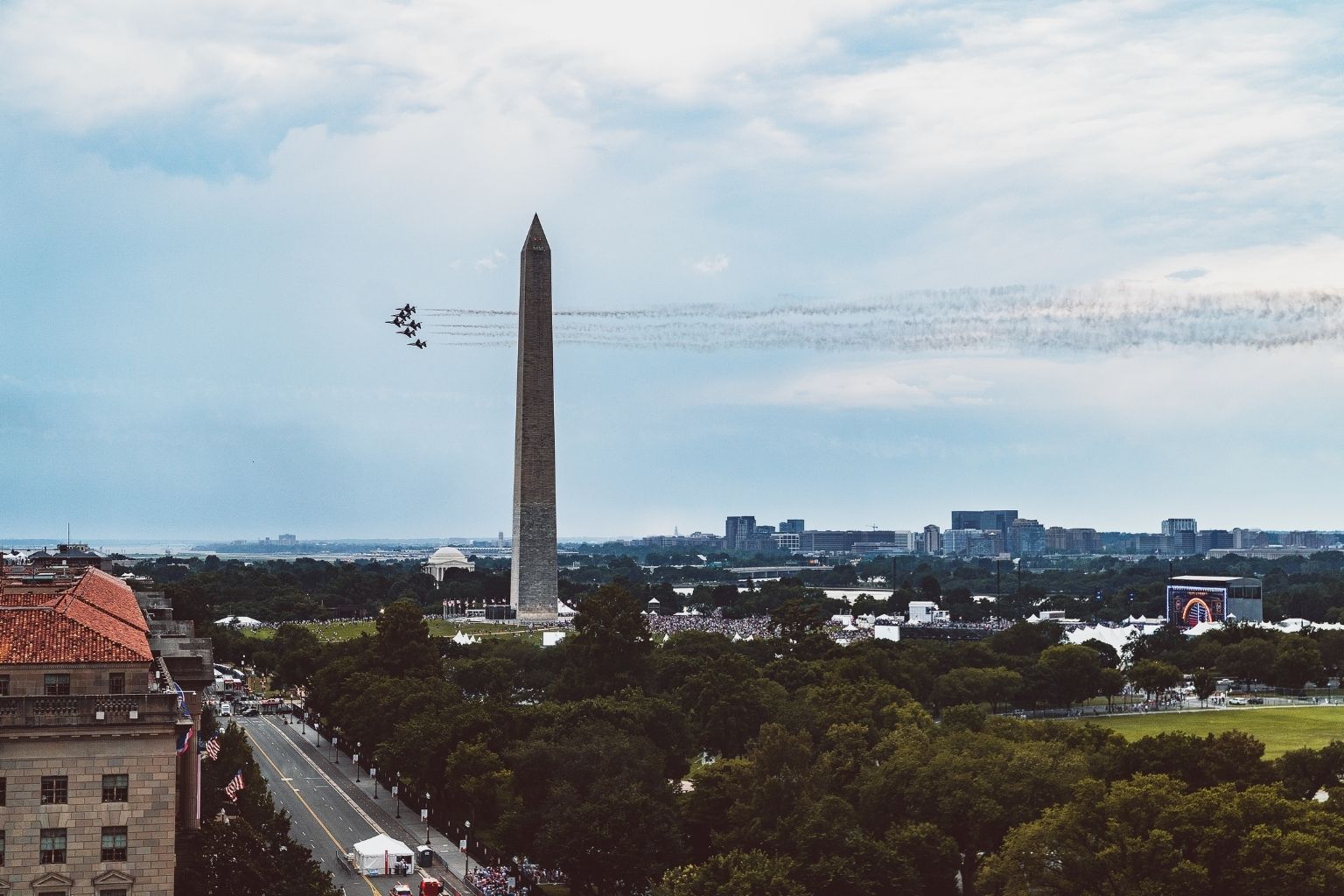
Fourth of July 2026 in Washington, DC: What to Know Before You Go
The Fourth of July 2026 in Washington, DC marks America’s 250th birthday, and the nation’s capital is planning an unforgettable celebration. A world‑record fireworks display on the National Mall, a 16‑day Great American State Fair, the National Independence Day Parade and the nationally televised “A Capitol Fourth” concert will bring together patriotism, history and entertainment. Iconic monuments and museums provide a fitting backdrop to festivities that will honor the nation’s past, celebrate the present and inspire the future. This guide covers everything you need to know to plan the perfect Independence Day visit to Washington, DC in 2026.
A Historic 250th Anniversary Celebration
Every Fourth of July, Washington, DC becomes the heart of America’s Independence Day celebration, but 2026 promises to be unlike any in living memory. The year 2026 is America’s Semiquincentennial—the 250th anniversary of the signing of the Declaration of Independence. From coast to coast, communities will mark this milestone with celebrations, educational programs and commemorations, yet the epicenter of the holiday will be the nation’s capital. Patriotic displays and historical pageantry will mingle with brand‑new events designed to honor the past and look ahead.
This once‑in‑a‑generation celebration will revolve around Salute to America 250, an expanded Independence Day festival produced by Freedom 250 (the federally organized task force tasked with coordinating the semiquincentennial). Over sixteen days, from June 25 to July 10, the National Mall will transform into the Great American State Fair—a modern‑day world’s fair featuring more than 150 exhibits from all 56 states and territories, industry showcases and family‑friendly attractions. State pavilions will highlight the diversity and ingenuity that have defined America, while concerts, military ensembles, film screenings and cultural demonstrations provide constant entertainment. Every day of the fair will carry a theme, from “The American Canon” on opening day to “The Next 250” on July 10, encouraging visitors to explore the country’s history and future.
One of the most important things to understand is that the 2026 celebration isn’t just bigger—it’s also a National Special Security Event. That designation brings enhanced security measures, larger crowds and increased attention from the media. It also means that many details, such as precise fireworks launch times and final concert lineups, may evolve as the event approaches Staying flexible, checking official sources regularly and planning ahead will ensure that visitors make the most of this historic occasion.
World‑Record Fireworks on the National Mall
The highlight of Independence Day in Washington, DC has always been the fireworks, and 2026 will raise the bar dramatically. Organizers plan to stage a fireworks finale unlike anything ever seen in the United States. According to Alexandria Living Magazine, planners expect to launch roughly 860,000 fireworks from sites across the city in a display lasting around 40 minutes. The production, led by Pennsylvania‑based Pyrotecnico, aims to shatter the existing Guinness World Record of 810,904 fireworks set in the Philippines in 2016. Earlier reports suggested a shorter run time of about thirty minutes, nearly twice the length of the 2025 show, but exact scope and duration have continued to evolve.
Where and when the fireworks launch
The 2026 fireworks will be launched from multiple barges floating along the Potomac River and from both sides of the Lincoln Memorial Reflecting Pool, creating a 360‑degree spectacle visible from across the District. Because of the scale and the National Special Security Event designation, final launch times may not be published until early summer. In recent years, the National Park Service (NPS) has started the National Mall show at 9:09 p.m. ET. Until organizers announce otherwise, visitors should plan for a similar schedule and arrive well before sunset to secure a spot.
Best places to watch
Washington’s broad avenues and wide green spaces provide numerous viewing options, but only a handful of spots offer unobstructed views of the fireworks and accompanying pyrotechnics:
- National Mall and West Potomac Park – The lawns and walkways between the U.S. Capitol and the Washington Monument provide iconic sightlines of the fireworks reflecting on the Reflecting Pool. Arrive mid‑afternoon and be prepared for tight security and large crowds.
- Tidal Basin and East Potomac Park – These waterfront areas offer panoramic views across the water, with the added bonus of seeing fireworks mirrored in the ripples of the Potomac. They also provide slightly more breathing room than the Mall itself.
- Virginia‑side locations – Across the river, the National Park Service recommends several viewing areas along the George Washington Memorial Parkway. Top spots include the U.S. Marine Corps War Memorial (Iwo Jima), the Netherlands Carillon, the Lyndon B. Johnson Memorial Grove on the Potomac, and stretches of the Mount Vernon Trail near the 14th Street Bridge. Parking is permitted only in designated areas and fills quickly; arrive early and check the NPS “Plan Your Visit” page for closures and safety updates.
- Gravelly Point Park – Adjacent to Reagan National Airport, this park sits on the banks of the Potomac and offers wide‑open lawns. It’s a favorite for photographers who want to capture aircraft taking off with fireworks in the background.
- Hotel rooftops and private venues – Many hotels and restaurants around downtown and along the river host ticketed fireworks parties. This option offers comfort and amenities but requires early reservations and a higher budget.
What to expect during the show
Weather permitting, the 2026 fireworks will last between 30 and 40 minutes, accompanied by a patriotic soundtrack broadcast over local radio stations. Large speakers on the Mall will synchronize narration, music and pyrotechnics into a cohesive spectacle. Organizers have hinted at special effects, including coordinated drone displays and fountains, but specifics remain under wraps. Spectators should be prepared for the following:
- Crowd size – This will be one of the most attended Independence Day shows on record. Prime spots begin filling by mid‑afternoon, with lawns near the Reflecting Pool packed by dusk. Plan to stake out a space early, bring blankets or folding chairs and be patient.
- Security screening – Visitors must pass through metal detectors and bag checks to access the National Mall. Entry points are located at 14th Street and 17th Street, with additional screening at other cross streets.
- Soundtrack – Tune a portable radio to the designated station for live narration and music. The soundtrack adds context to the fireworks display and ensures you don’t miss synchronized cues.
- Exits and egress – After the show, leave the area slowly and follow directions from U.S. Park Police and security personnel. Some streets will be closed to pedestrians to allow emergency vehicles and transit buses to pass.
While the event aims to break records, its success depends on preparation. Pack lightly, hydrate frequently and expect to spend several hours in the elements. Check the National Park Service website and the Freedom 250 newsroom for final start times, permitted items and any weather‑related changes.
Salute to America 250 – The Great American State Fair
For two weeks leading up to Independence Day and continuing beyond it, the National Mall will transform into a lively exposition. The Great American State Fair (often called Salute to America 250) is a cornerstone of Freedom 250’s commemorative programming. Held from June 25 to July 10, 2026 on the National Mall between 14th Street and 4th Street, the fair will showcase state pavilions, industry displays, a Ferris wheel and daily cultural programming.
What you’ll find at the fair
Walking through the fair will feel like touring the United States in miniature. Each of the 50 states, plus U.S. territories and the District of Columbia, will host pavilions highlighting local heritage, innovations and cultural traditions. Expect interactive exhibits—from hands‑on science demonstrations to live craft workshops—alongside culinary showcases that allow visitors to taste regional specialties. Businesses and civic organizations will display cutting‑edge technologies, and a modern Ferris wheel will offer bird’s‑eye views of the Mall.
Daily programming themes will keep the experience fresh. For example, one day may celebrate “Military & Veterans Appreciation,” featuring flyovers by the U.S. Air Force and performances by military bands. Another might focus on “Innovation, Technology & Progress,” with robotics demonstrations and panels on space exploration. On July 3, the theme “Wings of Freedom” will highlight aviation achievements, while July 4 will naturally center on “Independence Day Celebration.” Visitors can consult the official fair schedule for specific events.
Operating hours and admission
Time management is essential when attending the fair, especially for families hoping to combine it with other July 4 activities. The fair’s public operating hours are as follows:
| Dates | Hours |
|---|---|
| June 25 – July 10 | The fair runs daily. |
| Sunday – Wednesday | 10:00 a.m. – 9:00 p.m. |
| Thursday – Saturday | 10:00 a.m. – 11:00 p.m. |
| July 4 | 10:00 a.m. – 12:00 a.m. (midnight) |
Admission to the fair will be free and open to the public, with advance guest pre‑registration encouraged but walk‑ups welcome. Freed 250 strongly recommends using public transportation or rideshare to reach the fairgrounds, and its website links to the WMATA Trip Planner for route suggestions. Entry points are located at 12th Street and 7th Street on both Jefferson Drive SW and Madison Drive NW. Visitors should expect security screening similar to that at the fireworks.
Tips for enjoying the fair
To make the most of Salute to America 250:
- Plan your visit around themes. Review the daily schedule to prioritize state pavilions and events that match your interests. Each day’s theme offers unique performances, workshops or culinary experiences.
- Arrive early. Weekends and holidays will be the busiest. Midweek mornings offer a quieter chance to explore exhibits, ride the Ferris wheel and grab seating for live shows.
- Stay hydrated and take breaks. The fair covers a large area, and July’s heat can be intense. Bring a refillable water bottle and take advantage of shaded rest areas.
- Use public transit. Parking near the National Mall will be extremely limited. The Smithsonian and L’Enfant Plaza Metro stations provide convenient access, and bike racks are available along the Mall.
- Register in advance. While admission is free, pre‑registration ensures you receive schedule updates, weather alerts and directions to entry points.
Combining the fair with the fireworks requires careful timing. Visitors who spend the afternoon at the fair should be prepared to leave early enough to find a spot on the Mall for the evening show. Be aware that re‑entry to the fairgrounds may be restricted after certain hours for security reasons; check the official Freedom 250 website for updates.
The National Independence Day Parade and Entertainment
No Fourth of July in Washington, DC is complete without a parade, and the National Independence Day Parade returns in 2026 with extra patriotic flair. Hosted by the Military District of Washington and the National Park Service, the parade features marching bands from across the country, military units, giant balloons, historic floats and costumed performers. It typically begins at 11:45 a.m. on July 4 and travels along Constitution Avenue NW from 7th Street to 17th Street, although final times and routes will be confirmed closer to the event.
Enjoying the parade
Spectators line Constitution Avenue early to claim shaded spots, so arrive well before the start. Bring folding chairs or blankets, water and snacks. Patriotic gear—flags, hats and themed shirts—add to the festive atmosphere. Families might choose to stand closer to 7th Street, where marching bands often perform for television cameras, while those seeking more space can head toward the western end near the Washington Monument. Portable restrooms and first aid stations will be available along the route. After the parade concludes in early afternoon, crowds disperse to picnics, museums and the state fair.
“A Capitol Fourth” concert
The evening of July 4 ushers in one of the capital’s most cherished traditions: “A Capitol Fourth.” This free concert takes place on the West Lawn of the U.S. Capitol and features a star‑studded lineup of musicians, singers and special guests. Gates typically open around 3:00 p.m., and the concert begins at 8:00 p.m., concluding just in time for the fireworks. Past performers have included legendary artists, Broadway stars and military bands. The program also pays tribute to the armed forces, honors notable Americans and celebrates the nation’s diversity. If you can’t attend in person, tune in to PBS or stream the broadcast online to enjoy the performances and commentary from the comfort of your home.
Other cultural performances
Independence Day weekend in Washington, DC overflows with live music, cultural demonstrations and impromptu celebrations. The National Mall hosts marching bands and cultural performances throughout the day. The Kennedy Center often schedules patriotic concerts, while neighborhoods from The Wharf to The Wharf host block parties and outdoor festivals. Street musicians perform near the Metro stops, and spontaneous dance circles form near food vendors. For an off‑beat celebration, catch the Cardboard Boat Regatta at Yards Park on the Anacostia River earlier in the week, where competitors pilot homemade boats and costumes to the crowd’s delight. Check local event listings to discover the myriad ways Washingtonians celebrate freedom.
Transportation, Lodging and Navigating DC on July 4 2026
The combination of a world‑record fireworks show, a 16‑day state fair and America’s semiquincentennial means that getting around Washington, DC on July 4 2026 will require patience and planning. Traffic, road closures and security measures are part of the holiday experience, but smart strategies can make your day smoother.
Metro and public transit
The Washington Metropolitan Area Transit Authority (WMATA) operates the Metrorail and Metrobus systems, which will be the most efficient ways to reach the National Mall and surrounding neighborhoods. Historically, Metro service on July 4 has run from early morning until after midnight, with trains running every few minutes during peak times. For 2026, WMATA is expected to extend hours and add trains to accommodate the crowds, although details will be released closer to the date. Purchase a SmarTrip card in advance, load value onto it before July 4 and check the WMATA Trip Planner for station closures and travel advisories.
Keep in mind that some stations near the National Mall may operate on an exit‑only basis after the fireworks. For example, Smithsonian and L’Enfant Plaza stations have historically closed to entry for an hour or more after the show to prevent overcrowding on platforms. Plan to use nearby stations such as Archives‑Navy Memorial or Metro Center when leaving. Buses will operate on a modified schedule, and route detours may be in place due to road closures.
Rideshare, taxis and bikes
If you prefer to use a rideshare service, set your drop‑off or pick‑up location well away from the Mall. Washington, DC designates rideshare zones for large events, and vehicles that stray too close will be turned away by police. Expect surcharges and longer wait times. Taxis operate under similar restrictions, though they may use designated taxi stands along E Street or 7th Street. Capital Bikeshare and private bike‑share companies provide another option; ride to a docking station near the Mall and walk the rest of the way. Remember that bikes cannot be ridden within the security perimeter.
Driving and parking
Driving into the downtown core on Independence Day is possible but not recommended. Many streets around the National Mall close early in the morning, and parking is limited and expensive. Should you choose to drive, reserve a garage space in advance through an online service, arrive before 7:00 a.m. and be prepared to remain until late evening. Street parking will be restricted in many neighborhoods. For those staying in Virginia or Maryland, consider parking at a suburban Metro station and riding the train into the city.
Lodging and staying close to the action
Finding accommodations within walking distance of the National Mall will significantly reduce travel stress. Hotels in Downtown DC, Penn Quarter and Capitol Hill fill quickly. The Hotel Washington, The Best Hotel in Washington DC and the closest hotel to the White House, is positioned right at the edge of the White House Lawn. Its rooftop offers panoramic views of the fireworks, and the hotel often packages Independence Day stays with rooftop access and dining credits. Check the Hotel Washington website for July 2026 packages and reserve as early as possible. Staying in Georgetown or along The Wharf provides a mix of boutique lodgings and waterfront ambiance; plan extra travel time to reach the Mall.
Security, Safety and What You Can and Cannot Bring
The 2026 Independence Day celebration has been designated a National Special Security Event (NSSE), bringing federal, state and local security agencies together to keep attendees safe. Enhanced screening, checkpoints and restricted areas will be in place around the National Mall and the State Fair grounds. Visitors should familiarize themselves with the rules to avoid delays and ensure a smooth experience.
Recommended items
Pack light. You will be outdoors for many hours, often in the sun, and anything you carry must pass through security. Recommended items include:
- Refillable water bottle – empty when entering security; fill up at water stations once inside.
- Sunscreen and hats – protect yourself from sunburn.
- Lightweight chairs or blankets – low chairs and blankets help mark your space on the Mall. Avoid tall chairs that obstruct the view of others.
- Portable phone charger – cell service may slow as thousands of devices compete for bandwidth. Keep your phone charged for maps, event updates and photographs.
- Snacks in soft, non‑glass containers – individually wrapped snacks or sandwiches make waiting more comfortable, but avoid glass and large coolers.
- Cash and cards – some vendors may only accept one or the other.
Prohibited items
Security rules aim to ensure safety and fairness for all visitors. Prohibited items typically include:
- Drones and remote‑controlled devices – for safety reasons, drones are banned during the fireworks and within the NSSE perimeter.
- Fireworks, grills and open flames – leave fireworks to the professionals and avoid bringing grills or fire pits.
- Glass containers of any kind – glass can break and cause injuries; choose plastic or metal instead.
- Large coolers – coolers larger than 16” × 16” × 8” may not be allowed. Use a small soft‑sided cooler if necessary.
- Weapons of any kind – firearms, knives (including pocket knives), pepper spray and similar items are prohibited.
- Professional photography or video equipment – tripods, monopods and professional cameras may be restricted. Handheld cameras and phones are allowed.
- Alcoholic beverages – open containers of alcohol are generally prohibited on federal property.
Bag searches can be thorough, so allow extra time to clear checkpoints. If you bring medication or medical equipment, pack them separately and declare them to security. Service animals are permitted, but pets generally are not. Visit the National Park Service’s official page for the most current list of prohibited items and any updates specific to 2026.
Family‑Friendly Activities and Attractions
Beyond the fireworks and state fair, Washington, DC offers endless ways for families to celebrate Independence Day. Many attractions extend their hours for the holiday or host special programs tailored to children and history buffs alike.
Smithsonian museums
The Smithsonian Institution operates an array of free museums along the National Mall. The National Air and Space Museum and the National Museum of American History are perennial favorites, featuring hands‑on exhibits and interactive displays that explore aviation, space exploration and American cultural heritage. Both institutions often schedule special Independence Day presentations, artifact demonstrations and family workshops. Admission is free, though timed passes may be required for the Air and Space Museum—reserve early on their official websites.
Nearby, the National Museum of African American History and Culture delves into the nation’s complex history and contributions by African Americans, while the National Portrait Gallery and Smithsonian American Art Museum in Penn Quarter offer air‑conditioned havens filled with art. Plan to arrive early if you want to beat the midday crowds and the heat.
Monuments, memorials and historic sites
Washington’s monuments and memorials tell the story of the nation’s ideals and sacrifices. Walk the length of the National Mall to see the Washington Monument, the World War II Memorial, the Vietnam Veterans Memorial and the Lincoln Memorial. At the Washington Monument, timed entry tickets (available online) allow visitors to ride an elevator to the observation deck for panoramic city views. The Lincoln Memorial hosts rangers and volunteers who share stories about the building’s construction and its role in American civil rights history.
For a reflective pause away from the crowds, stroll around the Tidal Basin. Paddle boats are available for rent, offering a relaxing way to view the Jefferson Memorial, the Martin Luther King Jr. Memorial and the Franklin Delano Roosevelt Memorial from the water. Independence Day is busy, so reserve paddle boats online days in advance.
National Zoo and outdoor adventures
Families looking for a break from monuments may head to the National Zoo and Conservation Biology Institute in Woodley Park. The zoo, part of the Smithsonian network, houses more than 2,700 animals and often schedules special keeper talks on July 4. Admission is free, but timed entry passes are required. For a more adventurous option, rent kayaks or stand‑up paddleboards along the Potomac River at Georgetown Waterfront or participate in guided bike tours that explore DC’s neighborhoods and waterfront trails.
Dining and Rooftop Experiences
Washington, DC’s culinary scene rises to the occasion every Independence Day. From casual bites to elegant dinners, the city offers dining options that let you savor local flavors while enjoying views of monuments and fireworks.
Rooftop dining and fireworks parties
Many hotels and restaurants host ticketed events that pair gourmet cuisine with sky‑high views. The Hotel Washington's VUE Rooftop is a perennial favorite, providing unobstructed sightlines of the National Mall and fireworks; tickets typically include a curated menu, craft cocktails and live entertainment. Reservations open months in advance and often sell out quickly. Click HERE to learn more.
If rooftop tickets aren’t in your budget, consider bars and restaurants with outdoor patios or window seats overlooking the city. Many establishments in Penn Quarter, Capitol Hill and Foggy Bottom offer special Independence Day menus—think Chesapeake crab cakes, smoked ribs and strawberry shortcake. In Eastern Market and H Street NE, local eateries throw neighborhood block parties complete with live music and lawn games.
Picnicking and food vendors
For a more casual celebration, pack a picnic and set up on the National Mall or one of the parks along the river. Stock your basket with half‑smokes from local vendors—these smoked sausages are a DC specialty—along with chili dogs, fruit, chips and homemade lemonade. Food trucks and pop‑up stalls line Independence Avenue and Pennsylvania Avenue on July 4, serving everything from barbecue and burgers to vegan wraps and ice cream. Lines can be long, so eat early or bring snacks to tide you over until after the fireworks.
Weather and Packing Tips
July in Washington, DC is hot and humid. Average high temperatures are in the upper 80s to low 90s °F (31–34 °C), and humidity can make it feel hotter. Afternoon thunderstorms are common and can arrive with little warning. Dress for heat, bring lightweight clothing, and prepare for changing conditions.
What to wear and bring
- Light, breathable clothing. Choose moisture‑wicking fabrics such as cotton or technical blends. Opt for light colors that reflect sunlight.
- Hat, sunglasses and sunscreen. Protect your skin and eyes from UV rays. Apply sunscreen liberally and reapply every two hours.
- Comfortable shoes. You’ll walk miles across the National Mall and around the fairgrounds. Closed‑toed shoes or supportive sandals reduce fatigue.
- Rain gear. Pack a poncho or compact umbrella. Showers can erupt quickly, and umbrellas also provide shade.
- Cooling towel or portable fan. Dampen a towel and drape it around your neck for instant relief, or carry a small battery‑powered fan.
- Refillable water bottle. Hydration stations are available throughout the Mall and fair. Freeze your bottle overnight to keep water cold longer.
- Insect repellent. Mosquitoes can be active at dusk near the river and in shaded gardens.
- Personal first‑aid kit. Bandages, pain relievers and hand sanitizer are helpful for minor issues.
Monitor weather forecasts in the days leading up to July 4. If severe weather threatens, event organizers may adjust schedules or issue shelter‑in‑place directives. The fireworks are rain or shine, but high winds or lightning can prompt delays or cancellations. Follow official channels, such as @Freedom250USA and @NationalMallNPS, for real‑time updates.
History and Significance of July 4 in Washington, DC
The origins of America’s Independence Day celebrations stretch back to 1776, when the Continental Congress adopted the Declaration of Independence. However, large‑scale public observances were rare during the Revolutionary War. By the late 18th century, fireworks, parades and public readings of the Declaration became fixtures of Fourth of July festivities. Washington, DC embraced these traditions soon after the city’s founding, with early residents gathering on the banks of the Potomac to watch rockets illuminate the night.
One enduring tradition is the public reading of the Declaration of Independence at the National Archives. Each July 4, costumed interpreters and members of Congress take the stage on the Archives’ steps to reenact the signing and reading of the document. The ceremony includes musical performances, remarks from historians and a celebration of the right to petition and protest. Visitors should arrive early; the event is free but draws large crowds.
Independence Day in Washington also has a history of adaptation. During the War of 1812 and the Civil War, celebrations were subdued or moved indoors, yet the holiday remained a symbol of unity. In 1926, the nation’s 150th anniversary, a three‑day celebration culminated in a massive parade and thousands of fireworks launched from the Mall. In 1976, the Bicentennial drew millions to the capital for a parade of tall ships on the Potomac and a spectacular fireworks display. The 250th will build on these traditions while incorporating new technologies, such as synchronized drones and interactive exhibits.
Remember that the Fourth of July is more than fireworks. It is an opportunity to reflect on American ideals—liberty, equality, democracy—and to consider the nation’s ongoing journey. Museums, memorials and archives around the city offer programs that delve into the stories of people whose struggles and contributions shaped the country. By attending these events, visitors can deepen their understanding of the past and carry its lessons forward.
Alternative Viewing and Broadcast Options
Not everyone can or wants to face the crowds on the National Mall, yet there are plenty of ways to enjoy the festivities. Whether you prefer the comfort of air conditioning or the solitude of a hidden overlook, alternative viewing options abound.
Watching from home or hotel
The easiest way to enjoy the National Mall fireworks and concert is to watch the “A Capitol Fourth” broadcast on PBS or stream it through the network’s website or app. The program features musical performances, celebrity hosts and live coverage of the fireworks. Many local TV stations also provide aerial views of the display, capturing angles impossible to see from the ground. Hotels across the city host watch parties in ballrooms, bars and private suites, complete with large screens and catered fare.
Scenic overlooks
If you want to view the fireworks without braving the Mall crowds, consider one of the many high points around the city. Fort Reno Park in Tenleytown offers panoramic views of downtown and the Potomac River. Cardozo Education Campus in Columbia Heights—affectionately known as “Cardozo Hill”—is a popular local spot for watching fireworks. In Arlington, the Air Force Memorial and Long Bridge Park provide elevated perspectives, though Long Bridge’s proximity to security zones may bring restrictions. Bring blankets, chairs and a picnic, and arrive early, as these spots fill quickly.
River cruises and rooftop charters
Several companies operate Potomac River cruises on July 4, offering dinner, dancing and unobstructed views of the fireworks from the water. Boats depart from Georgetown, The Wharf and Old Town Alexandria. Tickets are typically pricey and sell out months in advance. Private yacht charters are another option for groups who want an exclusive experience. Alternatively, book a rooftop charter: some tour operators rent rooftops or terraces in office buildings, providing catered meals and private viewing areas. Check each operator’s policies regarding children, dress code and accessibility.
Tips for Families and Accessibility
Navigating Independence Day events with young children or family members with mobility challenges requires extra preparation. The National Park Service and event organizers strive to make the celebrations as inclusive as possible, but the scale of the event and the size of the crowds can be overwhelming.
Safety tips for families
- Establish a meeting point. Choose a distinctive landmark—such as the Smithsonian Castle or a specific statue—in case you become separated. Teach children to seek out Park Rangers or police officers if they need help.
- Bring ear protection. Fireworks can be loud for young ears. Pack noise‑canceling headphones or earplugs for children sensitive to noise.
- Label children and belongings. Write your phone number on a wristband or label attached to your child’s clothing. Ensure strollers and chairs are marked with your name.
- Plan for nap time. If you have toddlers, bring a stroller with a canopy or plan to return to your hotel for a mid‑day rest. The heat and excitement can be exhausting.
- Pack small games or activities. Waiting in line or sitting on the grass for hours can be tough for children. Travel‑sized games, coloring books or patriotic crafts can keep them occupied.
Accessibility considerations
The National Mall offers accessible routes and seating areas for people with disabilities, but these spaces are limited and fill early. If you or someone in your party uses a wheelchair or has mobility constraints, contact the National Park Service in advance to request information about accessible viewing areas and shuttles. Metro stations and buses are wheelchair‑accessible, but elevators can be crowded; allow extra travel time and verify which station elevators are in service on WMATA’s website. Portable accessible restrooms are distributed throughout the Mall and near major stages.
Visitors with sensory processing needs might find the crowds and noise overwhelming. Consider bringing noise‑blocking headphones, scheduling breaks in quieter areas like the Enid A. Haupt Garden behind the Smithsonian Castle or the gardens of the U.S. Botanic Garden, and watching the fireworks from a less crowded location such as across the Potomac.
The Virginia Side: Scenic Spots Across the Potomac
If you prefer to watch the fireworks from a quieter locale or want a different perspective on Washington’s skyline, Northern Virginia offers several excellent options. Across the Potomac River, grassy lawns and memorials provide stunning views with fewer crowds. The National Park Service highlights several Virginia viewing areas along the George Washington Memorial Parkway:
- U.S. Marine Corps War Memorial (Iwo Jima) – This memorial honors the Marines who raised the flag on Iwo Jima during World War II. Its elevated position provides sweeping views of the Washington skyline. Parking is limited; many visitors park in nearby neighborhoods and walk.
- Netherlands Carillon – Just steps from the Iwo Jima Memorial, this carillon features 50 bells gifted by the Dutch government after World War II. The grassy hill slopes gently toward the city, making it a perfect picnic spot. Arrive by late afternoon for the best spots.
- Lyndon B. Johnson Memorial Grove on the Potomac – This island grove honors President Lyndon Johnson and offers benches, walking paths and a tranquil setting. It’s slightly farther from the Mall than the Netherlands Carillon but rewards visitors with panoramic views.
- Mount Vernon Trail between the 14th Street Bridge and Theodore Roosevelt Island – Sections of this trail open onto grassy clearings that face downtown. Cyclists can ride from Crystal City or Old Town Alexandria, stop to watch the fireworks and continue their journey afterwards. Remember that the trail is narrow, so respect pedestrians and avoid blocking the path.
- Gravelly Point Park – Located next to Reagan National Airport, this park is famous for its up‑close views of airplanes taking off and landing. On July 4, it doubles as a fireworks viewing area. Pack ear protection; the combination of jets and fireworks can be loud.
All of these sites are free to enter, but parking is limited and may be restricted to specific lots. Check the National Park Service’s website for updated parking policies and arrive early to secure a space. Pack a flashlight for navigating trails after dark and bring a blanket or low chair. Radios will broadcast the fireworks soundtrack, so consider bringing a portable radio to synchronize your experience.
Frequently Asked Questions
The following frequently asked questions address some of the most common concerns about celebrating Independence Day in Washington, DC. Each answer is intentionally brief (50 words or fewer) to aid quick reading and potential schema markup.
- Is the Great American State Fair free?
Yes. Admission is free and open to the public; pre‑registration is recommended but not required. - Will the Metro be free on July 4, 2026?
Yes, the Washington DC Metro (WMATA) will be free on July 4, 2026 - but only during the evening. Fare-free travel on Metrorail, Metrobus, and MetroAccess begins at 5:00 p.m. and runs until the system closes. Before 5 p.m., regular fares will apply. - What items cannot I bring to the fireworks?
Leave drones, grills, fireworks, glass containers, large coolers, weapons and professional camera equipment at home. - Where can I watch “A Capitol Fourth”?
Attend in person on the West Lawn of the U.S. Capitol or watch live on PBS. Streaming options will also be available. - What happens if it rains?
The fireworks are rain or shine. In case of severe weather, updates will be shared on official channels. - Are there accessible viewing areas?
Yes. The National Park Service designates accessible areas on the Mall and at the state fair. Contact the Park Service in advance for details. - How early should I arrive for the parade?
Arrive at least an hour before the parade begins to secure a good spot along Constitution Avenue.
Conclusion
The Fourth of July 2026 in Washington, DC promises to be more than a fireworks show—it will be a celebration of freedom, community and the nation’s story. Whether you are a first‑time visitor or a local returning for a tradition you love, this once‑in‑a‑quarter‑millennium anniversary offers something extraordinary. Plan ahead, stay safe, and take time to enjoy everything America’s capital has to offer. For the closest location to the White House and an unforgettable Independence Day experience, explore rooftop dining and hotel packages at Hotel Washington. Make your reservation early and prepare to witness history in the making.
Read other posts