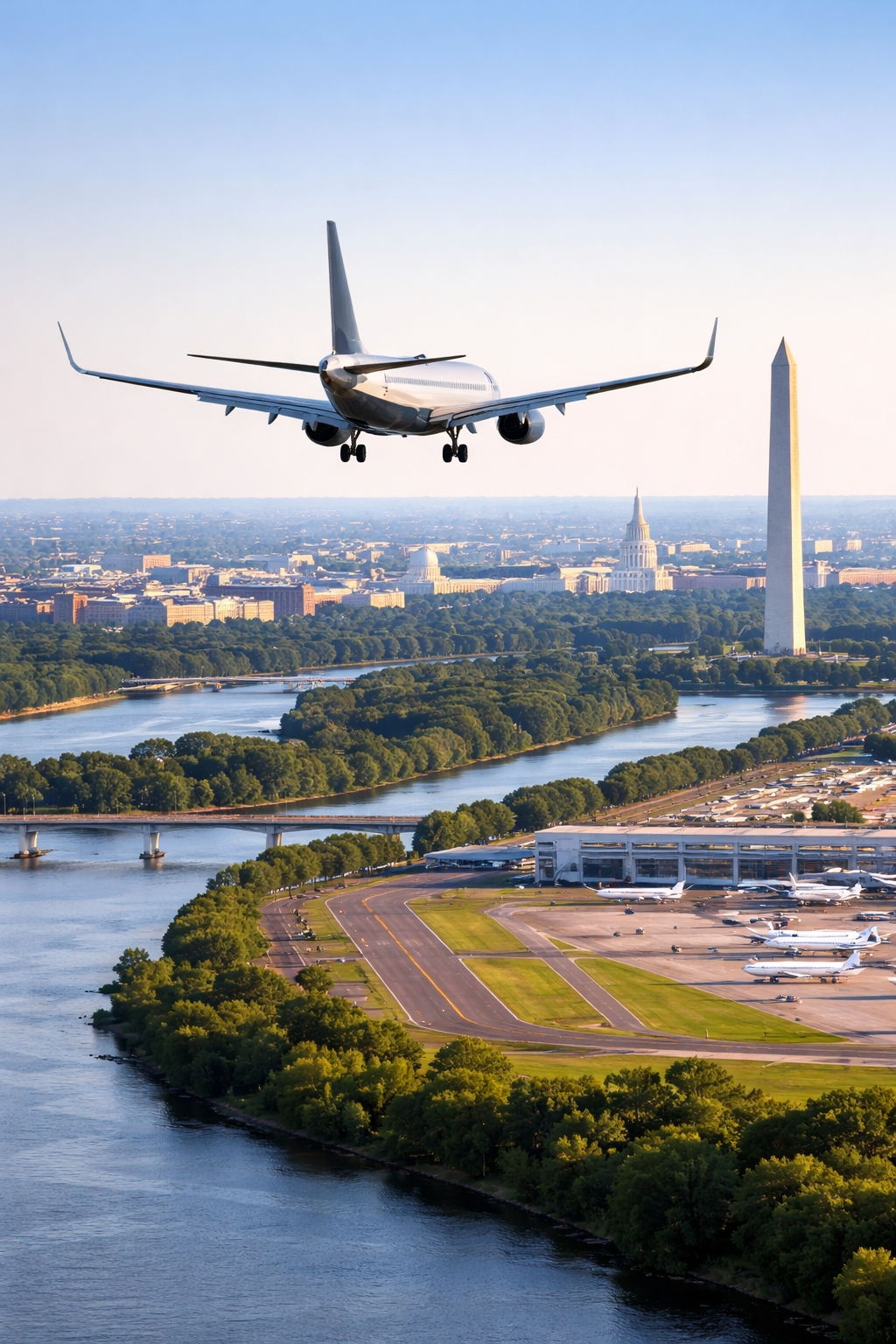
Flight to Washington DC: Your Ultimate Guide to Planning, Booking and Arriving
Washington DC is more than just the political heart of the United States; it is a living museum, a symbol of democracy and a vibrant city where every street corner has a story. For travelers planning a flight to Washington DC, the journey begins long before you see the marble dome of the Capitol from your airplane window. This guide explains everything you need to know about booking and taking a flight to the nation’s capital, from finding the best deals to choosing the right airport, understanding seasonal trends and planning ground transportation once you arrive. Whether you’re a first‑time visitor eager to explore the National Mall or a returning traveler connecting for business, this comprehensive guide will help you make informed decisions and enjoy a stress‑free arrival.
A modern gateway to history
Stepping off a plane in Washington DC is a special experience. As the engines power down and the cabin door opens, you’re just minutes away from the corridors of power, world‑class museums and neighborhoods that have witnessed pivotal moments in American history. Flights have connected the capital to the world since the first commercial service touched down at the old Washington‑Hoover Airport in the 1920s. Today, three major airports – Ronald Reagan Washington National Airport (DCA), Washington Dulles International Airport (IAD) and Baltimore/Washington International Thurgood Marshall Airport (BWI) – handle millions of passengers each year. DCA sits just across the Potomac River in Virginia and is the closest airport to the downtown monuments. Dulles lies twenty‑six miles west in suburban Virginia and serves as the region’s primary international gateway. BWI, roughly 32 miles northeast near Baltimore, offers yet more options and often attractive fares. Each airport has its own character and advantages, and choosing the right one can save you time and money.
The evolution of air travel into Washington DC
The first airline passengers to Washington flew in small propeller aircraft over farmland and waterways, marveling at the distant silhouette of the Capitol dome. As commercial aviation matured, dedicated airports replaced makeshift airfields, and carriers expanded their route networks. DCA opened in 1941 as “Washington National Airport,” quickly becoming the preferred gateway for politicians and visitors thanks to its proximity to the White House. Dulles International Airport, dedicated by President John F. Kennedy in 1962, was a bold experiment in design, featuring Eero Saarinen’s sweeping terminal and futuristic mobile lounges. BWI opened in 1950 to serve both Baltimore and the capital region and later added the name of civil rights leader Thurgood Marshall. For travelers today, these historic terminals have transformed into modern facilities with high ceilings, art installations, shopping arcades and numerous dining options. Walking through them feels like crossing a bridge between the glamour of early aviation and the efficiency of the present.
Each of the three airports has its own stories: DCA’s Terminal A houses exhibits detailing the airport’s history, including artifacts from the plantation that once occupied the site and memorabilia from the original terminal. Dulles was designed to handle supersonic jets and once boasted the world’s most unusual boarding system, the “mobile lounge.” BWI has become a major hub for low‑fare carriers and frequently sees record passenger numbers because of competitive pricing and easy access by rail from Baltimore and Washington.
Finding cheap flights: seasonality and strategies
Flying to the U.S. capital doesn’t have to break your travel budget. Prices vary widely depending on the season, departure city and how far in advance you book. Travelers who understand seasonal trends and booking strategies often secure flights at a fraction of the cost of last‑minute fares.
Understanding seasonal patterns
Washington DC experiences four distinct seasons, each influencing airfare in different ways. The city’s low tourism season tends to be in January. Cold temperatures and quieter tourism mean airlines often offer discounted fares after the holiday rush, making mid‑winter a great time for budget travelers. In contrast, March is a peak travel month because of the National Cherry Blossom Festival and springtime blooms along the Tidal Basin. During this period, flights to Washington DC can be more expensive and seat availability may be limited, so booking early is essential. Summer and autumn also draw large crowds for vacations and fall foliage, although deals occasionally appear in late August or early November when demand briefly softens.
To visualize typical seasonal pricing, consider the following indicative patterns:
| Season | Typical characteristics | Budget considerations |
|---|---|---|
| Winter (Jan–Feb) | Cold temperatures, fewer events | Airfare often lower during January low season |
| Spring (Mar–May) | Cherry blossoms, warm weather | High season peaks in March; book months ahead to secure reasonable fares |
| Summer (Jun–Aug) | Tourism, festivals, government recess | Prices fluctuate; midweek flights are often cheaper |
| Autumn (Sep–Nov) | Crisp weather, political events | Moderate fares; early September and late November may present deals |
| Holiday season (Dec) | Lights, markets, celebrations | Demand spikes around Christmas and New Year; book well in advance |
Booking strategies for saving money
Securing a bargain flight requires a combination of timing, flexibility and savvy. Consider these techniques:
-
Be flexible with dates: Check prices for a range of departure and return dates. Sometimes shifting your trip by one or two days can yield significant savings.
-
Fly midweek: Tuesdays and Wednesdays often have lower fares than Fridays or Sundays.
-
Compare nearby airports: DCA is closest to downtown but can be more expensive. IAD and BWI often offer cheaper fares and may be preferable if your schedule allows for a longer ground transfer.
-
Book in advance: Airlines release seats 10–11 months before departure. Booking 3–4 months ahead for domestic trips or 5–6 months for international travel generally yields better prices.
-
Set fare alerts: Use travel apps to monitor price drops. Many booking platforms and airlines allow you to track fare changes.
-
Consider connecting flights: Direct flights are convenient, but one‑stop itineraries are sometimes cheaper. Weigh cost savings against convenience.
-
Use frequent flyer miles or credit card points: Airlines and credit cards offer loyalty programs that can reduce or eliminate airfare costs. Check blackout dates and availability.
Choosing the right airport: DCA, IAD or BWI
Selecting the most suitable airport is crucial to a smooth arrival. Proximity, flight availability and ground transportation options vary across the three airports serving the capital region.
Ronald Reagan Washington National Airport (DCA)
DCA is located just across the Potomac River in Virginia. Its convenience to downtown makes it a preferred choice for many travelers. The airport offers nonstop flights to more than 100 destinations on eight airlines, predominantly serving domestic routes and a handful of short‑haul international destinations (mostly Canada and the Caribbean).
Travelers appreciate DCA’s on‑site Metrorail station; the Blue and Yellow lines connect the airport to central Washington in roughly 10 minutes. A taxi from the airport to downtown costs about $15–20, and rideshare apps operate curbside. For those renting a car, multiple garages and surface lots provide parking.
Highlights of DCA:
-
Location: Approximately 4 miles from the National Mall and the White House.
-
Airlines: American Airlines and Delta are major operators; Alaska Airlines, JetBlue, Southwest and United also serve the airport.
-
Terminal A exhibits: The Exhibit Hall in Terminal A features displays about the airport’s history.
-
Dining: Local favorites like Ben’s Chili Bowl and CAVA provide a taste of Washington cuisine.
-
Metro access: The Blue and Yellow lines deliver passengers to numerous downtown stations, including Federal Triangle and Smithsonian.
Washington Dulles International Airport (IAD)
IAD is situated about 26 miles west of downtown Washington in Loudoun County, Virginia. As the region’s primary international gateway, Dulles offers nonstop flights to nearly 157 domestic and international destinations on almost 40 airlines. It serves as a hub for United Airlines and welcomes carriers from around the world, including Lufthansa, Air France, British Airways, Emirates and Qatar Airways.
The airport is now connected to the city by Metro’s Silver Line, and the ride from downtown takes about an hour. Washington Flyer taxi cabs provide exclusive taxi service at Dulles; a ride to central DC costs around $60–70. Rideshare services such as Uber and Lyft are also available, and express buses link the airport to regional transportation hubs.
Highlights of IAD:
-
International reach: Major gateway for transatlantic, transpacific and Middle Eastern flights.
-
Architecture: Eero Saarinen’s iconic main terminal with a soaring parabolic roof.
-
Airlines: United Airlines hub; numerous foreign carriers.
-
Lounges: Premium lounges operated by United, Lufthansa, Air France, British Airways and others.
-
Silver Line Metro: Provides direct rail access to downtown DC.
Baltimore/Washington International Thurgood Marshall Airport (BWI)
BWI sits roughly 32 miles northeast of Washington, near Baltimore. Though it’s the furthest from downtown, the airport’s location often translates into lower fares and is a hub for Southwest Airlines. BWI serves more than 27 million passengers annually and offers flights to over 90 domestic and international destinations.
Accessing BWI from Washington DC is straightforward via MARC and Amtrak trains; the rail station is connected to the terminal by a dedicated shuttle. The train ride from Union Station to BWI takes about 35 minutes, making the total trip comparable to driving to Dulles. Taxis and rideshare services are also available.
Highlights of BWI:
-
Low fares: Popular with budget carriers like Southwest, Spirit and Allegiant.
-
Rail access: MARC and Amtrak trains link BWI to Union Station.
-
Facilities: Several food courts, shops and a fitness center.
-
Accessibility: Services for travelers with disabilities, including wheelchair assistance, accessible restrooms and animal relief areas.
Comparing the airports
| Feature | Ronald Reagan (DCA) | Dulles (IAD) | Baltimore/Washington (BWI) |
|---|---|---|---|
| Distance to downtown | ~4 mi / 10 min via Metro | ~26 mi / 60 min via Metro | ~32 mi / ~35 min via train shuttle |
| Primary role | Domestic / short‑haul | International hub | Low‑fare domestic / regional |
| Major carriers | American, Delta, Alaska | United, international airlines | Southwest, Spirit |
| Ground transport | Metro Blue/Yellow lines; taxis; rideshare | Metro Silver Line; Washington Flyer taxis; rideshare | MARC/Amtrak trains; shuttle bus; taxis; rideshare |
| Travelers who benefit most | Government/ business travelers staying downtown | International travelers; those needing wide route options | Budget travelers; passengers connecting from Baltimore or using rail access |
When to fly: events, holidays and considerations
Washington DC’s calendar is packed with events that influence both airfare and hotel availability. Understanding these occasions helps you choose your travel dates.
Spring: Cherry blossoms and festivals
Springtime in the capital is synonymous with the National Cherry Blossom Festival, typically held from late March to early April. Millions of visitors flock to the Tidal Basin to witness thousands of cherry trees bursting into pastel blooms. Flights and hotels fill quickly; if you plan to visit during this period, book your flights several months in advance. Spring also brings other popular events like the Smithsonian Folklife Festival on the National Mall and the annual Easter Egg Roll at the White House.
Summer: Independence celebrations and tourism peaks
Summer sees a surge of tourism, with families taking advantage of school breaks and business travelers descending on the city for conferences and congressional hearings. The Fourth of July fireworks on the National Mall are a highlight, drawing massive crowds. Flights around early July tend to be expensive, but mid‑summer deals sometimes appear when business travel slows. Expect hot and humid weather; pack light clothing and stay hydrated.
Autumn: Politics, foliage and marathons
Fall is a favorite time for many travelers. Crisp air, vibrant foliage and an array of cultural events make the city particularly inviting. The Marine Corps Marathon in October fills hotels with runners and spectators. Congress returns from recess, and the political season can add to the bustle. Airfares in September and October are generally moderate; traveling mid‑week can yield savings. The Thanksgiving holiday sees a brief spike in both air travel and hotel rates.
Winter: Holidays and quiet explorations
Winter is quiet compared with other seasons, save for the holiday period and special events like presidential inaugurations every four years. If you don’t mind brisk temperatures, January and February offer bargain flights and reduced crowds. The city’s indoor museums and galleries – many of them free – are cozy refuges from the cold, and hotels often offer competitive rates. Around late December, flights fill up due to holiday travel; plan accordingly.
Flight duration and distances: domestic and international
Understanding how long it takes to reach Washington DC helps you plan arrival and departure times, especially when connecting flights or ground transportation.
Domestic flight durations
Flight times within the United States vary considerably depending on origin city. Below are approximate durations for nonstop flights into the DC area:
| Departure city | Arrival airport(s) | Approximate duration | Notes |
|---|---|---|---|
| New York (JFK/LGA/EWR) | DCA/IAD | 1h–1h 30m | Frequent service on multiple airlines |
| Boston (BOS) | DCA/IAD | 1h 25m–1h 45m | Popular for business travel |
| Chicago (ORD) | DCA/IAD | 2h–2h 15m | Hub‑to‑hub routes on American and United |
| Atlanta (ATL) | DCA/IAD/BWI | 1h 50m–2h 10m | Major Delta connection |
| Miami (MIA/FLL) | DCA/IAD | 2h 20m–2h 35m | Seasonal spikes during winter holidays |
| Houston (IAH) | IAD | 3h–3h 10m | Nonstop on United |
| Dallas (DFW) | DCA/IAD | 3h 5m–3h 30m | American Airlines hub route |
| Los Angeles (LAX) | IAD | 5h 10m–5h 35m | West coast travelers often choose flights that land at IAD |
| San Francisco (SFO) | IAD | 5h 20m–5h 50m | United and Alaska operate nonstop flights |
| Seattle (SEA) | IAD | 5h 30m–5h 55m | Seasonal variation in flight frequency |
International flight durations
Flights from major international gateways to Washington DC require more planning due to longer flight times and time zone differences:
| Departure city | Arrival airport | Approximate duration | Notes |
|---|---|---|---|
| London (LHR) | IAD | 7h 30m–8h | British Airways, Virgin Atlantic and United operate nonstop services |
| Paris (CDG) | IAD | 8h–8h 30m | Air France and United offer direct flights |
| Frankfurt (FRA) | IAD | 8h–8h 45m | Lufthansa and United serve this route |
| Tokyo (HND/NRT) | IAD | 13h–13h 30m | ANA and United operate nonstops; connecting flights may route via Chicago or Los Angeles |
| Toronto (YYZ) | DCA/IAD | 1h 25m–1h 45m | Air Canada’s flights often land at DCA |
| Mexico City (MEX) | IAD | 4h 30m–4h 45m | Aeroméxico and United provide direct service |
| Doha (DOH) | IAD | 13h–13h 20m | Qatar Airways operates a daily nonstop |
| Dubai (DXB) | IAD | 13h 20m–13h 45m | Emirates offers direct flights to IAD |
Remember that these durations reflect in‑air time; additional time for taxiing, security procedures and potential weather delays should be factored into your travel plans.
Airlines and flight routes
Washington DC is served by a robust selection of airlines, including full‑service carriers and low‑cost alternatives. Knowing which airlines operate from your home airport can help you narrow flight searches.
Major airlines operating at DCA
-
American Airlines: Extensive domestic network and frequent flights to major hubs like Charlotte, Dallas/Fort Worth and Chicago.
-
Delta Air Lines: Connections to Atlanta, New York and other hubs; operates the Delta Sky Club lounge.
-
Alaska Airlines: Nonstop flights to Seattle and seasonal service to Portland.
-
JetBlue Airways: Flights to Boston and San Juan, Puerto Rico.
-
Southwest Airlines: Limited but growing presence; flights to Chicago Midway, Nashville and St. Louis.
-
United Airlines: Operates flights primarily to its hubs in Chicago and Houston.
Major airlines operating at IAD
-
United Airlines: Primary hub carrier with extensive domestic and international routes.
-
Air France: Service to Paris.
-
Lufthansa: Service to Frankfurt and Munich.
-
British Airways & Virgin Atlantic: Flights to London Heathrow.
-
Emirates & Etihad Airways: Nonstops to Dubai and Abu Dhabi.
-
Qatar Airways: Flight to Doha.
-
Avianca: Routes to Central and South America.
-
ANA: Flights to Tokyo.
Major airlines operating at BWI
-
Southwest Airlines: The dominant carrier, offering flights throughout the United States.
-
Spirit Airlines & Frontier Airlines: Ultra low‑cost carriers with routes to Florida and the Caribbean.
-
Alaska Airlines: Daily flight to Seattle.
-
British Airways: Seasonal service to London Heathrow.
-
Condor Airlines: Seasonal service to Frankfurt.
When choosing an airline, consider factors such as loyalty program membership, baggage fees, seat comfort and departure times. Some airlines share alliances (Oneworld, Star Alliance, SkyTeam), enabling easier connections and reciprocal frequent flyer benefits.
International travel considerations
Traveling to the United States from abroad involves specific documentation and entry requirements. Plan accordingly to ensure a smooth journey.
Passports and visas
All international travelers must possess a valid passport. Many countries participate in the Visa Waiver Program (VWP), allowing citizens to travel to the U.S. for tourism or business for up to 90 days without a visa. VWP travelers must apply for authorization through the Electronic System for Travel Authorization (ESTA) at least 72 hours before departure. Citizens of countries not in the VWP must obtain a B‑1/B‑2 visitor visa at a U.S. consulate or embassy. Students and workers require appropriate visas and documentation. Always check the latest entry requirements with the U.S. Department of State and ensure your passport remains valid for at least six months beyond your intended stay.
Customs and immigration procedures
Upon arrival, international passengers proceed to customs and border protection. Many travelers are eligible to use self‑service kiosks; Global Entry members enjoy expedited processing. Remember to declare items purchased overseas and adhere to customs allowances for alcohol, tobacco and gifts. Food products, plants and agricultural items are subject to strict controls – review the U.S. Customs and Border Protection guidelines before packing.
Airport facilities for international arrivals
-
IAD: Dedicated international arrivals building with numerous passport control desks and Global Entry kiosks. Baggage claim and customs are situated immediately after passport control, followed by ground transportation connections.
-
BWI: Handles fewer international flights but features a modern arrivals hall with streamlined processing.
-
DCA: Limited international flights, mostly from Canada and the Caribbean; customs and immigration facilities are integrated within Terminal A.
Getting from the airport to downtown and beyond
Stepping off the plane is only the first stage of your journey. Washington DC boasts comprehensive transportation options connecting airports to the city center, neighboring suburbs and beyond.
Metrorail and commuter trains
-
Metrorail: The Metro is the city’s rapid transit system, operated by the Washington Metropolitan Area Transit Authority (WMATA). At DCA, the Blue and Yellow lines stop directly at the terminal, delivering passengers to downtown in roughly 10 minutes. The Silver Line extension now links IAD to the network; trains run every 10–12 minutes during peak times and hourly overnight. Fares vary by distance and time of day; paperless SmarTrip cards can be purchased at stations.
-
MARC & Amtrak: Travelers using BWI can take MARC commuter trains or Amtrak’s Northeast Regional service from the airport rail station to Union Station in Washington. Trains run regularly throughout the day, with additional frequency during peak hours.
Buses and shuttles
-
Metrobus & Fairfax Connector: These bus services provide additional links from airports to neighborhoods not served directly by rail. For example, the Fairfax Connector route 981 and 983 connect Dulles to Reston Town Center and the Wiehle‑Reston East Metro station.
-
Express buses: The Silver Line Express Bus previously operated between Dulles and the Wiehle‑Reston East station before the rail connection opened; some buses continue to run for redundancy. Shuttle services also connect Dulles and Reagan airports, useful for passengers with multi‑airport itineraries.
-
Airport shuttles and hotel vans: Many hotels near IAD and BWI offer complimentary shuttle service. At DCA, hotels in Crystal City and Pentagon City provide quick access to the terminal.
Taxis and ridesharing
-
Taxis: Washington Flyer taxis serve IAD exclusively, with fixed‑rate fares to various destinations. At DCA and BWI, regulated taxi stands operate outside baggage claim areas. Tipping 15–20 percent is customary.
-
Ridesharing: Uber, Lyft and Via operate at all three airports. Fares fluctuate with demand and traffic. Pick‑up areas are designated and clearly marked. For groups or families, rideshare options can be cheaper than taxis, especially during off‑peak hours.
Car rentals and driving
All three airports host major car rental companies including Hertz, Avis, Enterprise and Budget. At DCA, rental counters are located near baggage claim, while at IAD and BWI shuttle buses transport customers to off‑site rental facilities. Be aware that downtown Washington has heavy traffic, one‑way streets and limited parking. Consider leaving your rental at the hotel or using public transit for sightseeing.
Alternative transportation
-
Biking and scooters: Capital Bikeshare stations are available near DCA and throughout the city. Electric scooters and shared bikes provide last‑mile solutions for short trips.
-
Limousines and car services: Private sedans and limousines are ideal for corporate travelers seeking door‑to‑door service.
Booking tips and travel advice
Being well prepared reduces travel stress. Here are practical tips to streamline your flight to Washington DC:
-
Use incognito browsing: Airlines and booking sites sometimes adjust prices based on search history. Browsing in private mode may show unbiased fares.
-
Check multiple booking sites: Compare prices across airline websites, online travel agencies and aggregators. Some carriers, like Southwest, only display fares on their own sites.
-
Consider alternate airports in departure city: Flying from a secondary airport can yield savings if you don’t mind longer drives.
-
Watch for sales: Airlines often announce flash sales. Sign up for newsletters and follow carriers on social media.
-
Travel light: Avoid checked‑bag fees by packing efficiently. Most airlines allow one carry‑on and one personal item free.
-
Arrive early: Allow at least 90 minutes for domestic departures and 3 hours for international flights. Security lines fluctuate depending on the time of day and current travel advisories.
-
Stay informed: Weather events, political demonstrations and security incidents can cause delays. Monitor airline alerts, local news and transportation authority updates.
-
Join TSA PreCheck or Global Entry: These programs expedite security and customs procedures. Membership requires background checks and fees but saves time in the long run.
Airport amenities and accessibility
Modern airports are more than transit hubs; they are gateways that cater to diverse needs.
Lounges and relaxation
-
DCA: American Airlines Admirals Clubs, Delta Sky Club and United Club provide comfortable seating, beverages and snacks. Terminal A features historic exhibits.
-
IAD: United’s Polaris Lounge offers upscale dining and showers. Foreign carriers such as Lufthansa, Air France and Virgin Atlantic operate premium lounges.
-
BWI: Club BWI in Concourse D offers day passes. Priority Pass holders have access to The Club BWI. There’s also a meditation room and a complimentary children’s play area.
Dining and shopping
Washington DC airports showcase local and national brands. Ben’s Chili Bowl, a local institution famous for half‑smokes and chili dogs, has locations at DCA. At IAD, Chef Geoff’s and &pizza offer sit‑down meals, while duty‑free shops sell international goods. BWI provides a range of dining options from casual sandwiches to seafood, plus shops selling Baltimore‑themed souvenirs.
Accessibility features
The Metropolitan Washington Airports Authority is committed to universal access. Each airport provides wheelchairs, accessible restrooms, TTY phones and service animal relief areas. Travelers can request assistance at curbside or at airline counters. Those with hidden disabilities can obtain sunflower lanyards, signaling staff that extra help may be needed. For visual or hearing‑impaired travelers, captioned announcements and visual paging systems are available. BWI also features quiet rooms for sensory‑sensitive passengers.
Connecting your flight to hotels and attractions
After landing, your exploration of Washington DC truly begins. Choosing accommodation in the right neighborhood enhances your experience and reduces travel time. Many visitors opt to stay near the National Mall or downtown to be within walking distance of museums, monuments and government buildings.
Staying at the edge of the White House lawn
For travelers who want to blend luxury with convenience, Hotel Washington stands out. As the closest hotel to the White House and positioned at the edge of the White House lawn, it offers unparalleled proximity to the Executive Mansion and the National Mall. From its rooftop bar, you can gaze at the Washington Monument, the U.S. Treasury and beyond. The hotel occupies a historic building dating to 1918 and has hosted dignitaries, celebrities and presidents. Its elegant rooms, polished service and central location make it an ideal base for exploring the city. When your flight touches down, you can quickly connect via Metro from DCA or taxi from IAD and relax in an atmosphere that reflects the capital’s grandeur.
Neighborhoods and attractions
Washington is a city of neighborhoods, each with unique character:
-
Penn Quarter and Chinatown: Home to the Capital One Arena, Ford’s Theatre and numerous restaurants. Streets come alive with concerts, sports and cultural events.
-
Smithsonian museums: The National Museum of American History, National Museum of Natural History, National Air and Space Museum and National Museum of African American History and Culture are all along the National Mall. Admission is free; hours vary by season.
-
Monuments and memorials: Start your day with a sunrise stroll around the Washington Monument, then walk west to the Lincoln Memorial and the Vietnam Veterans Memorial. The National Mall is part of the National Park Service; check the official website for visitor information.
-
Georgetown: This historic district along the Potomac offers cobblestone streets, upscale shopping and waterfront dining. It’s easily reached by bus or rideshare.
-
U.S. Capitol and Library of Congress: Visit the Capitol Visitor Center to learn how laws are made. Tours are free but require advance reservations.
-
Dupont Circle: Cafés, bookstores and embassies line this tree‑shaded neighborhood. It’s a great place to relax after a day of sightseeing.
Day trips and excursions
If your schedule allows, consider exploring areas beyond the city:
-
Mount Vernon: George Washington’s estate in Virginia offers a glimpse into the first president’s life. The official site provides ticket information and tour details.
-
Alexandria, Virginia: A colonial port town with cobblestone streets, historic homes and waterfront restaurants. You can reach Old Town Alexandria via Metro’s Blue Line from DCA.
-
Annapolis, Maryland: The state capital and home of the U.S. Naval Academy. Enjoy sailing, seafood and 18th‑century architecture.
-
Civil War battlefields: Sites such as Antietam and Gettysburg are within a few hours’ drive.
Frequently asked questions
What is the closest airport to Washington DC?
Ronald Reagan Washington National Airport (DCA) is located across the Potomac River in Virginia and is the closest airport to downtown. The Metro’s Blue and Yellow lines provide a quick ride into the city.
How far is Dulles Airport from downtown Washington DC?
Washington Dulles International Airport is about 26 miles from the city center. The Metro’s Silver Line takes roughly an hour to reach downtown; taxis and rideshares cost $60–70.
Is Baltimore/Washington International a good option for flights to DC?
Yes. Though BWI is approximately 32 miles from Washington, it often offers lower fares. MARC and Amtrak trains link the airport to Union Station, making the commute manageable.
When is the cheapest time to fly to Washington DC?
Airfares tend to be lowest during the city’s low season in January. Traveling midweek, booking several months in advance and comparing flights at IAD and BWI can also yield savings.
Do I need a visa to fly to Washington DC?
U.S. citizens and permanent residents do not need visas. Visitors from Visa Waiver Program countries must apply for ESTA authorization before travel, while other foreign nationals require a tourist visa. Ensure your passport is valid for at least six months beyond your stay.
How do I get from the airport to the National Mall?
From DCA, take the Metrorail Blue Line to the Smithsonian or Federal Triangle stations. From IAD, ride the Silver Line to L’Enfant Plaza and walk. From BWI, take the MARC or Amtrak train to Union Station and transfer to the Metro.
Which airlines fly non‑stop to Washington DC from Europe?
British Airways, Virgin Atlantic, United Airlines, Air France, Lufthansa and Brussels Airlines operate non‑stop flights from major European hubs to Washington Dulles.
Are there airport lounges available for purchase without membership?
Yes. Travelers can purchase one‑day passes to lounges such as Club BWI. Many airline lounges also sell day passes, though availability may vary.
Closing thoughts
A flight to Washington DC is more than a means of transportation; it is the prelude to engaging with the nation’s past, present and future. Whether you are traveling on a budget, flying in from overseas or scheduling a last‑minute trip for a political rally, understanding the nuances of airports, airlines, seasons and neighborhoods will make your visit smoother and more rewarding. From the moment you land, the city’s monumental skyline, rich cultural institutions and dynamic neighborhoods await your discovery. As you plan your journey, consider staying at Hotel Washington, the closest hotel to the White House and an ideal starting point for exploring the capital’s treasures. Start planning your flight and lodging today, and experience Washington DC at its finest.
Read other posts