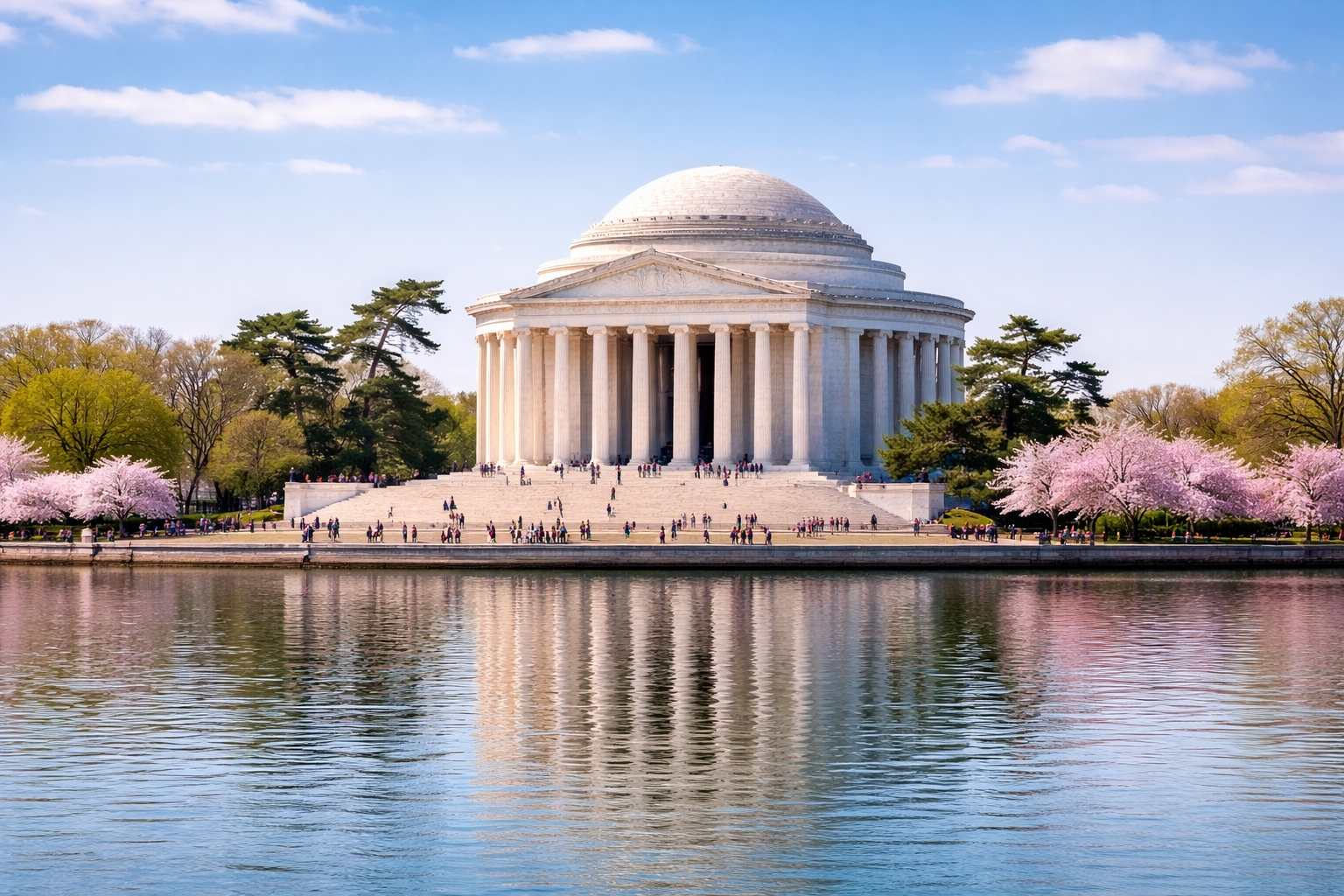
Exploring Washington DC: A Complete Guide to America’s Capital
Exploring Washington DC means experiencing the political, cultural, and historical heart of the United States in a city designed for discovery. The nation’s capital offers world-famous monuments, free museums, walkable neighborhoods, and a vibrant dining and arts scene, all woven into a compact and navigable urban layout. Visitors can explore centuries of American history, modern civic life, and global culture within a single destination.
Washington DC is especially well suited for travelers who enjoy walking tours, museum hopping, seasonal events, and staying centrally located near iconic landmarks. From the National Mall and Smithsonian museums to historic neighborhoods like Georgetown and Capitol Hill, the city rewards both first-time visitors and returning travelers seeking deeper exploration.
Understanding Washington DC at a Glance
Washington DC is not just a political center. It is a planned city designed for symbolism, accessibility, and public space. Its layout reflects intentional civic design, with broad avenues, open plazas, and clearly defined districts.
The city is divided into four quadrants — Northwest, Northeast, Southwest, and Southeast — all centered around the U.S. Capitol. Most major attractions are concentrated in Northwest and Southwest DC, making central lodging and walkability critical advantages for visitors.
Key characteristics of Washington DC include:
• A compact, walkable core
• Extensive public transportation
• Free national museums
• Seasonal outdoor experiences
• Strong neighborhood identities
The National Mall: The Heart of Washington DC
The National Mall is the geographic and symbolic center of Washington DC. This expansive green space stretches from the U.S. Capitol to the Lincoln Memorial and connects many of the city’s most important monuments and museums.
Walking the National Mall provides a foundational understanding of American history and civic identity.
Major Monuments and Memorials
Lincoln Memorial
The Lincoln Memorial honors President Abraham Lincoln and serves as a focal point for civil rights history. Its neoclassical architecture and inscriptions attract millions of visitors each year.
Washington Monument
Rising above the city skyline, the Washington Monument commemorates George Washington. Observation deck access offers panoramic views of the capital.
World War II Memorial
Located between the Lincoln Memorial and the Washington Monument, this memorial honors the Americans who served during World War II and features fountains, columns, and reflective spaces.
Vietnam Veterans Memorial
This somber and powerful memorial features the names of fallen service members etched into black granite walls.
Martin Luther King Jr. Memorial
Dedicated to Dr. King’s legacy, this memorial emphasizes civil rights, equality, and nonviolent protest.
Smithsonian Museums: World-Class and Free
One of the defining advantages of exploring Washington DC is access to the Smithsonian Institution. These museums offer free admission and represent one of the most comprehensive cultural collections in the world.
Smithsonian Museums on the National Mall
National Museum of American History
Focuses on the social, political, and cultural history of the United States.
National Air and Space Museum
One of the most visited museums in the world, showcasing aviation, space exploration, and technological innovation.
National Museum of Natural History
Features exhibits on biodiversity, geology, anthropology, and natural sciences.
National Museum of African American History and Culture
Explores African American history, culture, and contributions across centuries.
Smithsonian Museums Beyond the Mall
• Smithsonian American Art Museum
• National Portrait Gallery
• Renwick Gallery
• Hirshhorn Museum and Sculpture Garden
The White House and Presidential Washington
The White House remains one of the most recognizable buildings in the world. While interior tours require advance arrangements, the surrounding area offers historical context and strong visual experiences.
Nearby sites include:
• Lafayette Square
• Pennsylvania Avenue
• Eisenhower Executive Office Building
These areas are integral to understanding executive power and American governance.
Capitol Hill and the Legislative Core
At the eastern end of the National Mall sits the U.S. Capitol, home of the legislative branch. Capitol Hill is both a political hub and a historic neighborhood.
Key Capitol Hill Attractions
U.S. Capitol
Guided tours allow visitors to explore the Rotunda, Statuary Hall, and historic chambers.
Library of Congress
The largest library in the world, featuring stunning architecture and rotating exhibitions.
Supreme Court of the United States
When open to the public, visitors can observe oral arguments and explore exhibitions on judicial history.
Washington DC Neighborhoods Worth Exploring
While monuments define the skyline, neighborhoods define the soul of Washington DC.
Georgetown: Historic and Waterfront-Focused
Georgetown is one of Washington DC’s oldest neighborhoods, known for cobblestone streets, Federal-style architecture, and waterfront paths.
Things to do in Georgetown:
• Walk the Chesapeake and Ohio Canal
• Explore Georgetown Waterfront Park
• Browse boutique shopping
• Dine along M Street and Wisconsin Avenue
Dupont Circle: Cultural and Intellectual Energy
Dupont Circle is known for embassies, historic mansions, and cultural institutions.
Highlights include:
• Dupont Circle Fountain
• The Phillips Collection
• Embassy Row
The area is ideal for café culture, galleries, and nightlife.
Penn Quarter and Downtown DC
Penn Quarter sits near the National Mall and offers a mix of cultural venues, dining, and retail.
Key attractions:
• National Theatre
• Smithsonian American Art Museum
• Capital One Arena
This area is popular for evening activities after daytime sightseeing.
Washington DC History and Cultural Identity
Washington DC is deeply connected to moments of national transformation. Beyond monuments, the city tells stories of democracy, civil rights, protest, and progress.
Important historical themes include:
• Founding of the federal district
• Civil War and Reconstruction
• Civil Rights Movement
• Modern political history
Walking tours and curated experiences help contextualize these narratives.
Food and Dining in Washington DC
Washington DC’s food scene reflects global influence due to embassies, international organizations, and diverse communities.
What Defines DC Dining
• International cuisines
• Elevated American fare
• Historic dining rooms
• Modern culinary innovation
Popular dining districts include Downtown, Penn Quarter, Georgetown, and Dupont Circle.
Rooftop Views and Evening Experiences
Rooftop dining and observation points offer memorable ways to experience Washington DC after dark. City views, monument lighting, and skyline perspectives define the evening atmosphere.
These experiences are especially appealing for travelers seeking a refined urban setting.
Seasonal Travel in Washington DC
Each season offers distinct advantages for exploration.
Spring
• Cherry blossoms
• Outdoor festivals
• Mild temperatures
Summer
• Extended daylight
• Evening monument walks
• Cultural events
Fall
• Crisp weather
• Fall foliage
• Museum-focused itineraries
Winter
• Fewer crowds
• Holiday decor
• Indoor cultural exploration
Getting Around Washington DC
Washington DC is designed for accessibility.
Transportation options include:
• Walking
• Metrorail
• Bus system
• Rideshare services
Central locations reduce reliance on transportation and increase sightseeing efficiency.
Planning a Multi-Day Washington DC Itinerary
One-Day Overview
• National Mall highlights
• One Smithsonian museum
• Evening monument walk
Three-Day Exploration
• Monuments and museums
• Neighborhood exploration
• Dining and cultural venues
Extended Stay
• Deeper museum visits
• Walking tours
• Seasonal events
Where to Stay When Exploring Washington DC
Staying centrally enhances the Washington DC experience. Proximity to landmarks, walkability, and access to dining and culture are critical considerations.
Downtown Washington DC offers one of the most strategic bases for exploration, especially for visitors prioritizing sightseeing efficiency.
A Refined Starting Point for Exploring Washington DC
Exploring Washington DC is most rewarding when your surroundings reflect the city’s history, energy, and architectural character. A centrally located setting allows visitors to step directly into the heart of the capital — from morning walks near the National Mall to evenings enjoying skyline views and nearby dining.
To explore accommodations, dining, and experiences in the center of the city, learn more at
https://www.thehotelwashington.com