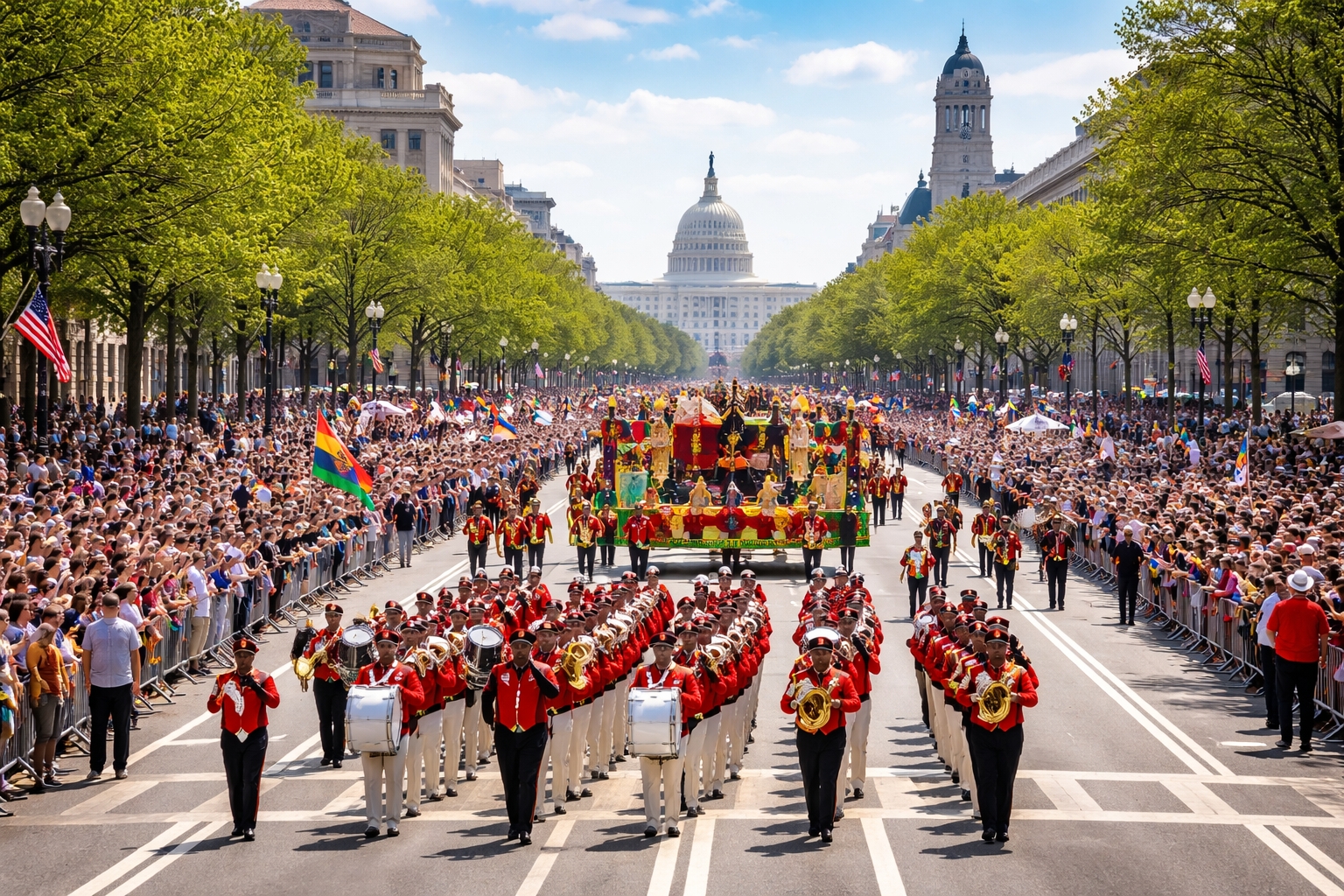
Emancipation Day Parade & Concert – April 19 in Washington DC
Emancipation Day in Washington DC commemorates the end of slavery in the nation’s capital and is celebrated each year with a citywide festival that includes a parade, concerts, cultural performances, and community events. The DC Emancipation Day Parade and Concert around April 19 are among the most visible parts of the celebration, bringing together residents, visitors, marching bands, civic groups, and musicians in a vibrant tribute to freedom and African American heritage.
Each spring, the streets of downtown Washington fill with music, history, and community pride. The celebration traces its roots back to 1862, when the District of Columbia Compensated Emancipation Act freed thousands of enslaved people months before the broader national emancipation that came during the Civil War. Today, the parade and concert reflect both historical remembrance and contemporary culture, making the event one of the most meaningful spring festivals in the capital.
For travelers visiting the city during this period, the celebration also offers a rare opportunity to experience Washington DC through the lens of history and community – steps from some of the nation’s most iconic landmarks and cultural institutions.
What Is Emancipation Day in Washington DC
Long before the Emancipation Proclamation reshaped the nation, Washington DC became one of the first places in the United States where slavery was officially abolished by federal law. On April 16, 1862, President Abraham Lincoln signed legislation ending slavery in the District of Columbia. The law immediately freed more than 3,000 enslaved people and marked a turning point in American history.
The event is remembered today as Emancipation Day, and it holds particular importance for residents of the District because it occurred months before the broader national abolition of slavery. The celebration has evolved over generations into a civic holiday recognized across the city.
Key facts about DC Emancipation Day include:
• The District of Columbia officially abolished slavery on April 16, 1862
• The legislation preceded the Emancipation Proclamation by several months
• The day became an official public holiday in Washington DC in the early 2000s
• Celebrations include parades, concerts, historical programs, and cultural events
The annual observance blends reflection, education, and celebration. For many residents, it is both a moment of remembrance and an expression of the city’s cultural identity.
The History Behind the Emancipation Act
Washington DC has always been a city where the national story unfolds in real time. During the Civil War era, the capital became a focal point for debates about freedom, equality, and the future of the United States.
When President Abraham Lincoln signed the District of Columbia Compensated Emancipation Act, it created a model that would influence broader emancipation efforts during the war. The legislation also provided compensation to slaveholders – a controversial compromise intended to accelerate abolition in the capital.
The signing of the act occurred in the city that houses the seat of federal government, just blocks from what is now the National Mall and the corridors of power surrounding the White House.
Today visitors can explore many nearby sites connected to this history, including the iconic grounds of the White House, the historic promenade of the National Mall and the cultural institutions that document the journey toward freedom.
For historians and visitors alike, Emancipation Day represents a moment when the nation’s capital took a decisive step toward ending slavery – a moment that helped shape the course of American history.
The Emancipation Day Parade
The Emancipation Day Parade is one of the most anticipated elements of the celebration. Each year, the streets of downtown Washington transform into a colorful procession of music, dance, and cultural pride.
Marching bands from across the region fill the air with brass and percussion, while community organizations, schools, civic groups, and cultural institutions participate with floats and performances that celebrate African American heritage and the enduring spirit of freedom.
The parade often passes through central areas of Washington DC near major landmarks and gathering places, including public spaces such as Freedom Plaza and the historic avenue that connects many of the city’s most prominent civic institutions.
Visitors attending the parade can expect an atmosphere that feels both festive and meaningful.
Highlights of the parade experience typically include:
• High school and college marching bands
• Cultural dance groups and community performers
• Historical reenactments and heritage presentations
• Civic leaders and local organizations participating in the procession
Spectators line the sidewalks throughout the route, creating a vibrant scene that blends music, celebration, and reflection.
For many residents, attending the parade is a yearly tradition that connects generations and keeps the memory of emancipation alive.
The Emancipation Day Concert and Festival
As the parade concludes, the celebration continues with one of the most energetic elements of the festival – the Emancipation Day Concert.
Large outdoor stages are often set up in prominent public spaces where musicians, artists, and speakers gather to celebrate freedom through music and performance. Past celebrations have included performances from nationally recognized artists alongside local musicians and community groups.
The concert atmosphere reflects the diversity and cultural richness of Washington DC.
Typical elements of the concert festival include:
• Live music performances across multiple genres
• Spoken word and cultural presentations
• Food vendors and local culinary showcases
• Family-friendly activities and educational exhibits
The event frequently unfolds near some of the city’s most visited public spaces, including areas surrounding the White House Visitor Center and open plazas near downtown cultural venues.
As evening approaches, the celebration often grows into a citywide festival atmosphere where residents and visitors gather to enjoy music, food, and community.
Other Emancipation Day Events Across the City
While the parade and concert are the most visible events, Emancipation Day celebrations extend far beyond a single street festival.
Across Washington DC, museums, cultural institutions, and community organizations host programs that explore the history and legacy of emancipation.
Visitors may find:
• Historical exhibits exploring African American history
• Walking tours focused on Civil War era Washington
• Educational panels and public lectures
• Community festivals celebrating Black culture and heritage
Institutions such as the National Museum of African American History and Culture often provide context that deepens the meaning of the celebration by connecting historical events to contemporary conversations about freedom, identity, and equality.
For travelers exploring the city during this period, the week surrounding Emancipation Day becomes an opportunity to experience Washington DC through its history, culture, and civic life.
Visiting Washington DC During Emancipation Day
April is one of the most beautiful months to experience Washington DC. Spring brings warmer temperatures, blooming trees, and a calendar filled with festivals and cultural events.
The Emancipation Day celebration coincides with one of the most vibrant times of year in the capital.
Visitors exploring the city during this season often combine the festival with visits to iconic attractions such as:
• The historic grounds of the Lincoln Memorial
• The moving galleries of the Martin Luther King Jr Memorial
• The museums and gardens along the National Mall
Spring festivals, outdoor performances, and historical landmarks combine to create an atmosphere that feels both celebratory and reflective.
Walking through the city during Emancipation Day week, visitors encounter a blend of music, history, and civic pride that defines the capital.
Experiencing the Parade and Concert as a Visitor
For travelers attending the Emancipation Day Parade and Concert, a little planning can help make the experience even more memorable.
Tips for enjoying the celebration include:
Best viewing locations
• Central areas along the parade route
• Open plazas where performances are scheduled
Timing considerations
• Arrive early for the parade to secure viewing space
• Expect large crowds near concert stages
Transportation advice
• Public transit is often the easiest way to reach downtown
• Some streets may be temporarily closed during the event
With thoughtful planning, visitors can experience the celebration comfortably while also exploring nearby landmarks.
Where to Stay Near the Emancipation Day Celebration
For visitors attending the Emancipation Day Parade and Concert, location plays an important role in the overall experience. Staying in the heart of downtown Washington allows guests to walk to the celebration while also enjoying proximity to many of the city’s most iconic landmarks.
Just steps from the city’s historic center sits Hotel Washington – the closest hotel to the White House, positioned at the edge of the White House Lawn.
From this location, visitors are within walking distance of the parade route, major cultural institutions, and many of the public spaces where Emancipation Day events unfold.
The surrounding neighborhood places guests near the energy of the celebration while still offering a refined retreat overlooking some of the most historic scenery in the capital.
Learn more about accommodations and experiences at
www.thehotelwashington.com.
Why Emancipation Day Remains Important Today
The story of Emancipation Day is not simply a historical milestone – it is a reminder of how freedom, equality, and justice continue to shape the American story.
Each year, the parade and concert bring together residents from across the city to celebrate progress while reflecting on the struggles that made that progress possible.
Music fills the streets, communities gather, and the capital becomes a place where the past and present meet in celebration.
For visitors, the event offers a unique opportunity to experience Washington DC not just as a destination of monuments and museums, but as a living city shaped by its people and its history.
FAQ
What is Emancipation Day in Washington DC
Emancipation Day commemorates April 16, 1862, when slavery was abolished in Washington DC through the District of Columbia Compensated Emancipation Act signed by President Abraham Lincoln.
When is the Emancipation Day parade and concert
Celebrations usually occur around April 16, with major public events such as the parade and concert often scheduled for nearby weekend dates such as April 19.
Is Emancipation Day a public holiday in Washington DC
Yes. Emancipation Day is an official public holiday in the District of Columbia, and city government offices typically close in recognition of the day.
Where does the Emancipation Day parade take place
The parade typically moves through downtown Washington DC near major civic spaces and gathering areas close to the National Mall.
Is the Emancipation Day concert free
Most Emancipation Day concerts and festival events are free public celebrations intended for residents and visitors to attend.
Can visitors attend Emancipation Day events
Yes. The parade, concerts, and many related events are open to the public and attract both residents and visitors each year.
What other events happen during Emancipation Day week
Museums, cultural organizations, and community groups often host educational programs, historical exhibits, and cultural celebrations across Washington DC.
Experiencing Washington DC During Emancipation Day
Every spring, Washington DC becomes a city alive with music, history, and community celebration. The Emancipation Day Parade and Concert bring together the spirit of freedom, the power of cultural expression, and the living history of the nation’s capital.
For visitors exploring the city during this time, the celebration offers an unforgettable perspective on Washington DC – one that blends historical remembrance with vibrant contemporary culture.
Staying in the center of the city places travelers close to the action, allowing them to walk from historic landmarks to festival stages and community celebrations in just minutes.
Visitors planning to attend the Emancipation Day festivities can explore accommodations, rooftop views, and dining experiences at
www.thehotelwashington.com