Did Queen Elizabeth Ever Visit Washington DC?
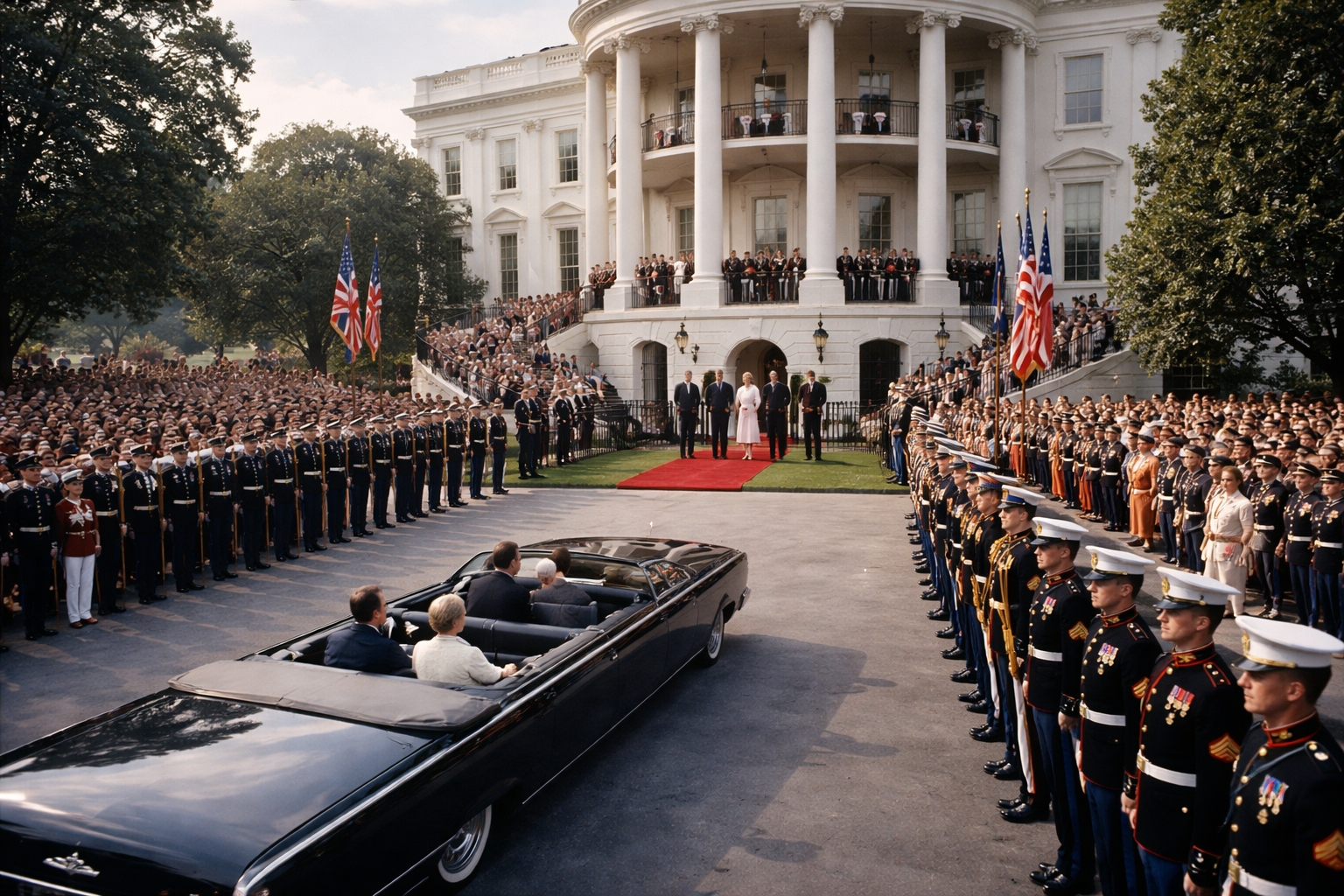
Washington DC is a city shaped by world leaders and decisive moments. Its monuments tell the story of independence, diplomacy and the power of ideas, while its grand avenues have witnessed some of the most important encounters between nations. For generations, Americans have looked across the Atlantic toward Britain, and British monarchs have occasionally repaid the interest by visiting the United States. That raises a simple question that even lifelong Washingtonians ask: did Queen Elizabeth ever visit Washington DC? The answer is yes—many times. The longest‑reigning British monarch crossed the Atlantic several times during her reign and even before it, making a series of historic visits to the American capital that spanned from the early 1950s through the first decade of the twenty‑first century. These trips were rich with symbolism, pageantry and personal connections, and they left a lasting imprint on both the city and the relationship between the United States and the United Kingdom. The following long‑form narrative explores each visit in depth, highlights the places she toured and explains how modern visitors can retrace her footsteps while enjoying the comforts of Hotel Washington, the closest hotel to the White House.
A Royal Relationship Spanning Decades
The bond between the United States and the United Kingdom is often called the “special relationship.” It has been forged in war and peace, tested by cultural change and strengthened by shared democratic values. State visits are more than ceremonial niceties; they are living testaments to the ties between nations. When Queen Elizabeth II travelled to Washington DC, she did so not only as a head of state but as a symbol of continuity, representing centuries of constitutional monarchy and the resilience of her people. Her visits reflected different phases of history—post‑war rebuilding, the American bicentennial, the end of the Cold War and the global war on terror. Each journey to the capital offered an opportunity for Americans to see a living monarch, something that always stirs fascination in a republic where such traditions are foreign.
These visits also show how Washington DC welcomes dignitaries. The city itself becomes a stage, with motorcades gliding past the domed Capitol and along Pennsylvania Avenue, flags of two nations fluttering side by side. White House rooms normally reserved for presidential families are prepared for royal guests. Military honor guards rehearse every movement. Behind the scenes, protocol officers coordinate speeches, menus and seating plans, ensuring that centuries‑old etiquette is respected even as politicians and citizens embrace the moment. As the decades unfolded, the queen’s journeys traced a path from the austerity of the early 1950s to the modern, multicultural confidence of the 1990s and 2000s. In the sections that follow, we will trace these visits chronologically and explore the places and experiences that defined them.
The 1951 Visit: Princess Elizabeth Comes to Washington
Historical context and story
Before she was Queen Elizabeth II, the young Princess Elizabeth travelled to Washington DC in the autumn of 1951 while her father King George VI was gravely ill. The United Kingdom, still recovering from World War II, looked toward its heir apparent to strengthen ties with allies. The princess and her husband Prince Philip embarked on a Canadian tour and then crossed the border into the United States. The White House was undergoing a massive reconstruction at the time, so President Harry S. Truman and First Lady Bess Truman welcomed their royal guests at Blair House, a dignified Georgian residence across Pennsylvania Avenue from the executive mansion. It was here that the princess would experience American hospitality for the first time.
The visit carried immense symbolic weight. With Europe still rebuilding and the Cold War intensifying, the young princess represented stability and continuity. She spoke warmly of the ties between the British Commonwealth and the United States, noting that free nations shared common values and aspirations. The Trumans reciprocated, treating the future queen with respect while maintaining the informal warmth typical of American hosts. In addition to the formalities, the royal couple toured significant sites, including the Capitol, the Library of Congress and Mount Vernon, George Washington’s Virginia estate. At Arlington National Cemetery, they laid wreaths at the Tomb of the Unknown Soldier, honoring American sacrifice during the world wars.
At a gala dinner held at the Canadian Embassy, Princess Elizabeth toasted the president and expressed admiration for the resilience of Americans. Newspaper accounts of the time noted the princess’s charm and poise. She presented President Truman with a seventeenth‑century trumeau mirror on behalf of her father, a gift that would later hang in the White House’s Queen’s Bedroom. Though this 1951 journey was brief, it set the stage for a relationship that would continue throughout her reign.
Highlights of the 1951 visit (bullet points)
- Lodging at Blair House – With the White House under renovation, Princess Elizabeth and Prince Philip stayed at Blair House, the president’s official guest residence.
- Meeting President Truman – The princess praised the United States’ role in promoting freedom and friendship among nations.
- Visits to landmarks – The royal couple visited the U.S. Capitol, the Library of Congress (official site: loc.gov) and George Washington’s Mount Vernon — a historic estate that can still be toured today (mountvernon.org).
- Arlington National Cemetery – They laid wreaths at the Tomb of the Unknown Soldier, emphasizing shared sacrifices.
- Gift presentation – The princess presented a seventeenth‑century trumeau mirror to the U.S. president.
The 1957 State Visit: Royal Glamour Meets Cold War Diplomacy
Storytelling the context
By the time Queen Elizabeth II returned to Washington DC in October 1957, she had been monarch for nearly five years. The post‑war period had given way to Cold War tensions and economic growth, and both the United States and Britain were redefining their roles on the world stage. The queen’s state visit was timed to commemorate the 350th anniversary of the Jamestown settlement in Virginia, which marked the first permanent English colony in North America. She travelled with Prince Philip aboard the royal yacht Britannia, and upon landing at Washington National Airport she was greeted by President Dwight D. Eisenhower and First Lady Mamie Eisenhower amid a cheering crowd.
For the first time in history, a British monarch slept in the White House. The queen stayed in the Rose Bedroom, while Prince Philip resided in the Lincoln Bedroom. Their arrival drew huge crowds along the motorcade route; newspapers reported that despite drizzle and cold winds, thousands pressed against the White House fence for a glimpse of the royal couple. The queen’s schedule was packed with official duties: she placed wreaths at Arlington National Cemetery and the Canadian Cross of Sacrifice, toured the city, and attended a formal state dinner in her honor.
The dinner, hosted in the State Dining Room of the White House, captured the imagination of the public. Guests included politicians, diplomats and cultural figures. The menu featured American classics alongside dishes inspired by the Jamestown era. Speeches underscored the unity of English‑speaking peoples and the shared history of democracy. The queen reciprocated with gifts and a toast extolling the enduring friendship between the nations. After Washington, she continued on to Virginia to participate in Jamestown celebrations.
Key moments of the 1957 visit
- Celebrating Jamestown – The visit commemorated the 350th anniversary of Jamestown’s founding, underlining the historical ties between Britain and America.
- White House residence – The queen became the second British monarch to sleep in the White House; she stayed in the Rose Bedroom, while Prince Philip occupied the Lincoln Bedroom.
- Crowd reception – Despite poor weather, thousands gathered along Pennsylvania Avenue and at the White House gates to see the royal couple.
- Wreath‑laying ceremonies – The queen paid her respects at Arlington National Cemetery and the Canadian Cross of Sacrifice, activities visitors can replicate today by touring the solemn grounds of Arlington National Cemetery (arlingtoncemetery.mil).
- State dinner – A glittering evening event at the White House included American dignitaries and British officials. The queen’s toast emphasized unity.
- Historic gifts – The queen presented the president with a soup tureen featuring images of the White House and Independence Hall; this and other gifts were later displayed at the Smithsonian Institution.
The 1976 Bicentennial Visit: Dancing Through History
Storytelling the context
America’s bicentennial year of 1976 was a time of celebration, reflection and renewed patriotism. Parades, concerts and fireworks marked 200 years since the Declaration of Independence. Amid this festive atmosphere, Queen Elizabeth II and Prince Philip embarked on a goodwill tour of the United States to honor the bond between the former colony and its mother country. When they arrived in Washington DC, President Gerald Ford and First Lady Betty Ford rolled out the red carpet—literally and figuratively.
The visit’s most iconic moment occurred during a state dinner held on July 7 in the White House Rose Garden. After an evening of speeches and fine dining, a live band struck up a tune, and the president invited the queen to dance. Cameras captured the two gliding gracefully across the dance floor. For many Americans, the scene symbolized reconciliation with the past. Two centuries after the Revolution, the heads of state of the United States and the United Kingdom were partners and friends. The queen presented President Ford with a soup tureen decorated with images of the White House and Independence Hall, further reinforcing shared heritage.
Beyond the social events, the queen attended a luncheon in the U.S. Capitol’s National Statuary Hall, where speakers praised the enduring alliance. She toured museums and met with leaders from both parties. The bicentennial visit highlighted continuity even amid change; America’s once‑rebellious colonies were now a superpower, and Britain had transitioned from empire to modern nation‑state. The queen’s presence encouraged Americans to see their history in the context of a broader transatlantic narrative.
Highlights of the 1976 visit
- Bicentennial celebrations – The queen’s visit coincided with America’s 200th birthday, underscoring friendship and shared history.
- Dance with President Ford – During the state dinner in the Rose Garden, Queen Elizabeth and President Ford danced, creating an enduring image of Anglo‑American harmony.
- Gift exchange – The queen presented a soup tureen featuring the White House and Independence Hall, symbolizing shared heritage.
- Statuary Hall luncheon – Congressional leaders hosted a luncheon in National Statuary Hall, where tributes underscored the special relationship.
- Cultural visits – The queen toured Washington museums and met with officials, bridging diplomacy and culture.
The 1983 Tour: A West Coast detour
Narrative context
While not directly related to Washington DC, Queen Elizabeth’s 1983 visit to the United States illustrates the breadth of her engagement with America. President Ronald Reagan and First Lady Nancy Reagan hosted the queen and Prince Philip at Rancho del Cielo, their California ranch. The visit included lunch outdoors amid California’s rolling hills and a state dinner in San Francisco. Although the itinerary kept her on the West Coast, the 1983 tour is often remembered for its relaxed charm. Rainy weather forced some outdoor events indoors, leading British journalists to quip that it felt like “Scotland on a foul day,” but the queen’s warm interactions with the Reagans showed the personal bond that had formed.
We include this detour here for completeness. It demonstrates that the queen’s relationship with American presidents extended beyond Washington DC. It also highlights that state visits can occur outside the capital when circumstances or symbolism make it appropriate. After 1983, it would be eight years before she returned to Washington for one of the most consequential visits of her reign.
The 1991 State Visit: Speeches, Baseball and a Queen’s Stroll
An era of change
By 1991 the geopolitical landscape had transformed dramatically. The Cold War was over; the Berlin Wall had fallen; the Persian Gulf War had recently ended. President George H. W. Bush invited Queen Elizabeth II for a state visit to celebrate shared victory and reaffirm transatlantic unity. This trip would become one of the most memorable royal visits ever held in Washington DC.
The queen’s itinerary was packed. Two days after her arrival, she addressed a joint session of Congress—a rare honor reserved for only a handful of monarchs throughout history. In preparation, congressional leaders temporarily suspended the House’s 150‑year‑old rule banning hats on the chamber floor, making an exception for the queen’s signature headgear. The U.S. House Clerk arranged for a riser so that microphones would not obscure her face, preventing a repeat of the “talking hat” incident that had amused the press during the welcoming ceremony.
The queen’s speech struck a balance between humor and seriousness. She joked about the previous podium mishap (“I do hope you can see me today”), then praised America’s leadership during the Gulf War and the enduring alliance between the two nations. Her words earned multiple standing ovations. In addition to addressing Congress, the queen and Prince Philip attended a state dinner at the White House, planted a commemorative Little‑Leaf Linden tree on the South Lawn and toured the city.
Touring Washington and beyond
During the 1991 visit, Queen Elizabeth engaged with American culture in new ways. She toured George Washington’s Mount Vernon on the Potomac River, walked through the Folger Shakespeare Library and the adjacent Shakespeare Theatre Company, and even watched several innings of a baseball game between the Baltimore Orioles and Oakland Athletics. Perhaps the most poignant moment occurred in Southeast Washington’s Marshall Heights neighborhood. There, the queen visited a newly constructed affordable housing development on Drake Place SE, where residents Alice Frazier and her neighbors welcomed her warmly. Frazier, overcome with excitement, broke protocol and hugged the queen. Photos captured the queen smiling and taking the embrace in stride. The street was later renamed Queen’s Stroll Place, ensuring that the memory of her visit would endure.
As in her earlier visits, the queen found ways to honor American service. She planted a commemorative tree on the White House grounds. Her schedule also included visits with schoolchildren and meetings with leaders of various communities, reflecting her interest in reaching beyond the halls of power. The 1991 state visit thus blended high diplomacy with personal connection.
Highlights of the 1991 visit
- Address to Congress – Queen Elizabeth addressed a joint session of Congress, joking about her height before shifting to serious topics like global leadership.
- State dinner and tree planting – A formal dinner at the White House and the planting of a commemorative Little‑Leaf Linden on the South Lawn underscored tradition.
- Mount Vernon tour – She toured George Washington’s estate, which visitors can still explore at mountvernon.org.
- Folger Shakespeare Library and Shakespeare Theatre – The queen and Prince Philip visited this renowned literary institution and theatre company (folger.edu, shakespearetheatre.org).
- Baseball game – The royal couple watched the Baltimore Orioles play the Oakland Athletics, experiencing America’s pastime firsthand.
- Community outreach in Marshall Heights – The queen visited residents of Drake Place SE; the street was later renamed Queen’s Stroll Place in her honor.
The 2007 Jamestown 400th Anniversary Visit: A Farewell to Washington
Setting the scene
In May 2007, Queen Elizabeth II made what would be her final state visit to the United States. The occasion marked the 400th anniversary of the Jamestown settlement, and it built upon her 1957 visit commemorating Jamestown’s 350th. President George W. Bush and First Lady Laura Bush welcomed the queen and Prince Philip to the White House on May 7, 2007, with full pomp and ceremony. The South Lawn arrival ceremony featured the Old Guard Fife and Drum Corps, military honors and enthusiastic crowds. For many observers, the pageantry recalled earlier visits but also carried a sense of finality, as the queen was then in her eighties and state visits were becoming less frequent.
President Bush’s remarks highlighted the historical ties between the two nations and even humorously referenced his own slip‑of‑the‑tongue about 1776 versus 1976. In her response, the queen noted that this was her fifth visit to the United States and her second commemoration of Jamestown. She reflected on the shared values of freedom, equality and democracy that define both countries and expressed optimism about future cooperation. Over the next two days, she attended a white‑tie state dinner, visited the World War II Memorial on the National Mall (nps.gov/wwii), and toured NASA’s Goddard Space Flight Center in nearby Maryland.
Lasting memories of the 2007 visit
- South Lawn ceremony – The queen’s arrival on the South Lawn featured military honors and speeches celebrating the 400th anniversary of Jamestown.
- State dinner – The white‑tie dinner at the White House included leaders from government, business and culture. It was widely covered by the media.
- World War II Memorial – Accompanied by President Bush and former President George H. W. Bush, the queen paid homage to veterans at the national memorial, underscoring her lifelong connection to World War II.
- Science and technology tour – The royal couple toured NASA’s Goddard Space Flight Center, highlighting shared scientific aspirations.
- Reflections on history – In her speech, the queen observed that she had helped commemorate both the 350th and 400th anniversaries of Jamestown and that she treasured her experiences in America.
The Queen’s Legacy in Washington: Diplomacy, Culture and Community
Queen Elizabeth II’s visits to Washington DC spanned more than half a century and were woven into the fabric of the city’s history. They touched a broad spectrum of society—from presidents and legislators to schoolchildren and residents of public housing. Each trip was tailored to the moment: the hopeful optimism of the early 1950s; the Cold War solidarity of the 1950s and 1960s; the reflective celebration of the bicentennial; the post‑Cold War unity of 1991; and the commemorative farewell of 2007. Collectively, these visits underscored the resilience of the U.S.–U.K. alliance. They also showcased Washington’s ability to honor tradition while embracing change.
In tangible terms, the queen’s visits left enduring markers. The Little‑Leaf Linden tree she planted on the South Lawn in 1991 still stands as a living symbol of friendship. The street named Queen’s Stroll Place in Southeast DC continues to remind residents of the day royalty visited their neighborhood. Artifacts exchanged during state visits—such as the Jamestown soup tureens and the trumeau mirror—reside in museums and the White House collection. More broadly, the queen’s speeches encouraged Americans to reflect on their historical connections to Britain and to appreciate the values of liberty and democracy that both nations cherish.
For Washingtonians and visitors alike, the legacy of these visits invites exploration. Walking the corridors of the U.S. Capitol or strolling through the National Statuary Hall, one might imagine the applause that greeted the queen’s speech in 1991. Touring Mount Vernon, one can picture her observing the home of America’s first president. Visiting the Folger Shakespeare Library or attending a performance at the Shakespeare Theatre Company recalls her appreciation for literature and the arts. Standing at the World War II Memorial, visitors can pay tribute to the generation that shaped both nations’ destinies. The following section offers a more detailed travel guide for those wishing to follow in the queen’s footsteps.
Exploring the Landmarks Queen Elizabeth Visited
White House and White House Visitor Center
No visit to Washington DC is complete without seeing the White House, the residence and office of the president. Queen Elizabeth stayed within its storied walls twice and visited multiple times. Although public tours are limited and must be arranged through congressional offices, the White House Visitor Center provides extensive exhibits about the building’s history, including images from royal visits. Outdoor enthusiasts can also stroll across Lafayette Square and view the executive mansion from Pennsylvania Avenue. The official White House website (whitehouse.gov) offers visitor information, historical resources and virtual tours.
Arlington National Cemetery
The queen’s wreath‑laying ceremonies highlighted the shared sacrifices of British and American service members. Today, visitors to Arlington National Cemetery can explore the Tomb of the Unknown Soldier, the John F. Kennedy gravesite and the Space Shuttle Challenger memorial. The cemetery’s hillside location provides a sweeping view of Washington’s skyline and fosters quiet reflection. The official website (arlingtoncemetery.mil) offers tour maps, schedules for the Changing of the Guard and guidelines for respectful conduct.
George Washington’s Mount Vernon
Located south of the city along the Potomac River, George Washington’s Mount Vernon is a meticulously preserved estate that offers insight into the life of America’s first president. The queen toured the mansion, gardens and tomb during her 1991 visit. Guests can walk through the original rooms, learn about eighteenth‑century farming practices and admire views of the river. The Mount Vernon website (mountvernon.org) provides tickets, event schedules and information about special programs like boat cruises and living‑history demonstrations.
Folger Shakespeare Library and Shakespeare Theatre Company
For lovers of literature and drama, the Folger Shakespeare Library is a treasure trove. It houses one of the world’s largest collections of Shakespeare’s works and artifacts. During her 1991 tour, the queen admired rare texts and engaged with scholars. Adjacent to the library is the Shakespeare Theatre Company, a leading venue for classical theatre productions. Whether attending a performance or exploring exhibitions, visitors can immerse themselves in Elizabethan culture in the heart of Washington. Visit folger.edu and shakespearetheatre.org for details on exhibits, tickets and educational programs.
World War II Memorial
Opened in 2004, the World War II Memorial honors the 16 million American service members who served during the war. Its design features pillars representing U.S. states and territories, a dramatic fountain and inscriptions quoting presidents and generals. Queen Elizabeth visited the memorial in 2007 accompanied by President Bush and former President George H. W. Bush. The site often hosts ceremonies and is particularly moving for veterans and their families. Visitors can learn more at nps.gov/wwii.
Library of Congress
Although not always highlighted in accounts of royal visits, the Library of Congress played a role during the 1951 tour. The library is the nation’s oldest federal cultural institution and the largest library in the world. Its Jefferson Building is a masterpiece of Gilded Age architecture, with elaborately decorated reading rooms and exhibitions. Visitors can view historic documents, including Thomas Jefferson’s draft of the Declaration of Independence. Information about exhibits and tours is available at loc.gov.
National Statuary Hall
Part of the U.S. Capitol, National Statuary Hall once served as the House of Representatives chamber. It now houses statues of prominent Americans donated by each state. During the 1976 bicentennial visit, Congress hosted a luncheon in this hall to honor the queen. Visitors can reach Statuary Hall by taking a guided Capitol tour, which also includes the rotunda and the Crypt. The Architect of the Capitol provides details at aoc.gov.
Queen’s Stroll Place
In Washington’s Marshall Heights neighborhood lies a quiet residential street known as Queen’s Stroll Place. Formerly Drake Place SE, it was renamed after the queen’s 1991 visit, when she surprised residents by visiting their homes and accepting a hug from a local mother. While there is no official visitor center, walking the street provides a connection to the human side of diplomacy. It serves as a reminder that state visits touch communities as well as capitals.
Additional Sites of Interest
Other sites connected to the queen’s visits include the Smithsonian Institution museums, which often hosted tours and events; the National Archives, where historic documents linking Britain and America are displayed; and the Washington National Cathedral, which has welcomed multiple British royals for services and concerts. While not all of these were central to the queen’s itineraries, they offer further opportunities for visitors interested in Anglo‑American history.
Royal Etiquette and State Visit Protocol
Understanding state visits
A state visit is the highest level of diplomatic travel. It occurs at the invitation of a head of state and involves ceremonies, banquets and cultural events. During Queen Elizabeth’s visits to Washington DC, state dinners at the White House were a highlight. These dinners follow strict protocol. Men wear tuxedos or white tie; women wear evening gowns; the guest of honor is seated to the president’s right. Toasts are offered after the main course. Gifts are exchanged between the leaders, and the décor often includes national symbols.
Dress codes and etiquette
When hosting a monarch, the United States follows etiquette guidelines refined over centuries. For example, the queen’s 1991 address required Congress to waive its centuries‑old hat ban so that she could wear her signature headpiece. Attendees of state dinners do not address the queen by her first name; instead, they say “Your Majesty” and subsequently “Ma’am.” Physical contact is limited to handshakes unless the queen initiates otherwise. These customs underscore mutual respect between nations and highlight how tradition and modernity coexist.
Speeches and symbolism
Speeches during state visits are carefully crafted to convey unity and shared values. In 1991 the queen praised America’s role in the Gulf War while expressing hope for future collaboration. President Bush humorously referenced the “talking hat” mishap, creating a lighthearted tone. In 2007 the queen reflected on the Jamestown anniversaries and her decades‑long relationship with America. The careful balance of humor, history and diplomacy reflects the skill with which leaders communicate during these events.
Gifts and memorabilia
Gift exchanges highlight cultural connections. The trumeau mirror from 1951 now hangs in the Queen’s Bedroom in the White House. The soup tureens from 1957 and 1976 depict iconic American buildings. In turn, American presidents have presented the queen with silver bowls, photographs and books. These objects serve as tangible reminders of shared history and are often displayed in national collections.
Protocol at community events
While state dinners follow strict rules, community visits allow for a more relaxed atmosphere. The hug in Marshall Heights broke royal protocol but symbolized genuine human connection. Modern travelers might not encounter royalty, but they can appreciate the balance between tradition and spontaneity that characterized the queen’s interactions in Washington.
Experiencing Washington DC Like Royalty Today
Following in the queen’s footsteps
Travelers seeking a royal‑inspired itinerary can design a journey that combines history, culture and luxury. Start with a tour of the White House Visitor Center to understand the executive mansion’s history. Then visit Arlington National Cemetery to pay respects at the Tomb of the Unknown Soldier. Continue to Mount Vernon for a glimpse into George Washington’s life and to appreciate the views that charmed the queen. Spend an afternoon at the Folger Shakespeare Library and perhaps attend a play at the Shakespeare Theatre Company. Conclude your day with a reflective stroll around the World War II Memorial, especially beautiful at dusk.
The allure of Hotel Washington
Positioned at the edge of the White House Lawn and long considered the closest hotel to the White House, Hotel Washington offers a modern sanctuary for travelers tracing the queen’s path. Its historic building has hosted dignitaries for over a century. Guests enjoy elegant rooms with views of the Washington Monument and National Mall, rooftop dining with panoramic vistas and easy access to landmarks. The hotel’s location allows visitors to walk to Pennsylvania Avenue within minutes. For those seeking royal treatment after a day of exploration, amenities such as spa services, fine dining and attentive concierge assistance provide a luxurious experience. In short, it is the best hotel in Washington DC for travelers who want to immerse themselves in history while enjoying contemporary comfort.
Suggested itineraries
- Day of history – Morning tour of the White House Visitor Center; midday visit to National Statuary Hall as part of the Capitol tour; afternoon at Mount Vernon; evening dinner at a restaurant overlooking the White House.
- Culture and reflection – Morning at the Library of Congress; lunch near Capitol Hill; afternoon exploring the Folger Shakespeare Library and an early evening play at the Shakespeare Theatre Company; nightcap at Hotel Washington’s rooftop bar.
- Community and memory – Morning at Arlington National Cemetery; midday walk down Queen’s Stroll Place; afternoon exploring the World War II Memorial and other monuments; sunset views from the hotel.
Each itinerary can be customized. Visitors can also incorporate museums like the National Museum of American History, where gifts exchanged between presidents and the queen may be on display, or neighborhoods like Georgetown, which offer dining and shopping reminiscent of European capitals.
Hotel Washington: Comfort, Elegance and Proximity
A storied address
Built in 1917, Hotel Washington has long been a preferred address for dignitaries, celebrities and travelers seeking to stay near the seat of American power. Its Beaux‑Arts façade stands out along 15th Street NW, and its interiors blend historic elegance with modern sophistication. When you stay here, you are literally steps from the White House fence and the grand expanse of the Ellipse. In previous eras, journalists and politicians used the hotel’s lobby and bar as meeting points. Today, it remains an urban refuge where history and hospitality converge.
Rooms with a view
Many of the hotel’s rooms offer views of the Washington Monument, the Treasury Building and, from certain suites, glimpses of the White House lawn. The décor balances classic tones with contemporary comforts, providing plush bedding, marble bathrooms and state‑of‑the‑art technology. Whether you choose a standard room or a corner suite, you will find thoughtful touches that echo the hotel’s commitment to making every guest feel like royalty.
Dining and amenities
The hotel’s dining options include a rooftop bar and restaurant with panoramic views of the city skyline. Here, guests can enjoy small plates, cocktails and seasonal dishes while watching the sunset over the Jefferson Memorial and the Lincoln Memorial. There is also an elegant lobby lounge for afternoon tea or evening drinks. For wellness, the hotel offers a fitness center and spa services. Business travelers appreciate meeting spaces equipped with the latest technology. The concierge can arrange tours, theatre tickets and transportation, ensuring that every detail of your stay is seamless.
Why choose Hotel Washington?
- Proximity – Located adjacent to the White House, the hotel offers unmatched access to major landmarks.
- Historic charm – The building has witnessed a century of political and social history, adding character to your stay.
- Modern luxury – Recently renovated rooms and amenities ensure comfort without sacrificing elegance.
- Rooftop views – Few hotels in the city offer such sweeping vistas of the monuments and the National Mall.
- Personalized service – Staff members pride themselves on providing attentive, discreet assistance.
Staying at Hotel Washington allows visitors to immerse themselves in the same landscape that inspired monarchs and presidents. It is the ideal base for anyone seeking to experience Washington DC through a lens of history, culture and sophistication.
Frequently Asked Questions (FAQ)
- How many times did Queen Elizabeth visit Washington DC? She visited five times as queen—1957, 1976, 1983 (West Coast only), 1991 and 2007—and once in 1951 as Princess Elizabeth.
- Did Queen Elizabeth ever address the U.S. Congress? Yes. During her 1991 state visit, she addressed a joint session of Congress, combining humor with reflections on global affairs.
- What is Queen’s Stroll Place? It is a street in Southeast Washington that was renamed after the queen’s 1991 visit, when she toured a housing development there and residents greeted her warmly.
- Where did Queen Elizabeth stay in Washington DC? In 1957 and 1976 she lodged at the White House; in 1951, during renovations, she stayed at Blair House; later visits included official residences and hotels.
- Are the landmarks she visited open to the public? Yes. Sites such as Mount Vernon, Arlington National Cemetery, the Folger Shakespeare Library, the World War II Memorial and Library of Congress are open to visitors, though some require tickets or advance reservations.
- What etiquette should I follow if meeting the queen? Address her as “Your Majesty” and avoid initiating physical contact. Follow local protocol at formal events.
- Why is Hotel Washington a good base for exploring these sites? Its proximity to the White House and National Mall makes it easy to reach major landmarks on foot, and its amenities offer a comfortable retreat after a day of sightseeing.
- Can I attend events at the Folger Library or Shakespeare Theatre? Yes. Both institutions offer public events, performances and exhibitions; check their websites for schedules (folger.edu, shakespearetheatre.org).
Next Steps for Your Washington Adventure
The history of Queen Elizabeth’s visits to Washington DC is both inspiring and instructive. It underscores the enduring friendship between two nations and highlights the capital’s role as a stage for diplomacy and celebration. When you explore the city, you follow in the footsteps of royalty and statesmen. Start planning your journey today—tour the landmarks she admired, reflect on the sacrifices honored at Arlington, immerse yourself in the arts at the Folger and Shakespeare Theatre, and enjoy luxurious comfort at Hotel Washington, the closest hotel to the White House and your gateway to the best of Washington DC. Learn more about accommodations, amenities and special offers at thehotelwashington.com
Read other posts