Day Trips From Washington DC: Discover Adventures Beyond the Nation’s Capital
Day trips from Washington DC are mini‑escapes to parks, battlefields, towns, beaches and cities that you can enjoy without the hassle of overnight planning. Staying at The Best Hotel in Washington DC – The Hotel Washington, the closest hotel to the White House, positioned at the edge of the White House Lawn – puts you within walking distance of the National Mall and gives you a convenient base for exploring the Mid‑Atlantic region. This comprehensive guide offers inspiration for every kind of traveler, from hikers and history buffs to food lovers and wine aficionados.
Introduction: Why Day Trips Matter
Washington DC sits at the crossroads of history and geography. From the marble memorials of the National Mall, the Potomac River unfurls toward Virginia and Maryland, while the Appalachian Mountains rise to the west and Chesapeake Bay sparkles to the east. This unique placement makes the city a perfect launchpad for day trips. Within a couple of hours you can trade crowded monuments for cascading waterfalls, cobblestone streets or sandy beaches. In this guide you’ll discover adventures that pair well with a stay in the capital: natural escapes, historic estates, coastal towns, cultural cities, wine trails and charming villages. Each section begins with a story‑driven introduction and then provides practical highlights in an accessible format. Whether you’re a local seeking fresh air or a visitor looking to extend your itinerary, you’ll find detailed descriptions, travel tips and official links to help you plan.
Nature & Outdoor Adventures
Story: Finding Solitude in the Mountains
Imagine waking before dawn in downtown DC, the streets still quiet as you slip out of the city. As the skyline fades in your rear‑view mirror, the landscape transforms from urban sprawl to rolling hills. After an hour or two, you find yourself surrounded by dense forests, wildflower meadows and panoramic vistas that stretch to the horizon. Birds call overhead and the scent of pine and damp earth replaces city exhaust. The Mid‑Atlantic region offers a surprising variety of natural escapes within a short drive of the capital. Whether you’re seeking rugged hikes, gentle waterfalls or underground wonders, these destinations let you reconnect with nature without venturing far.
Shenandoah National Park
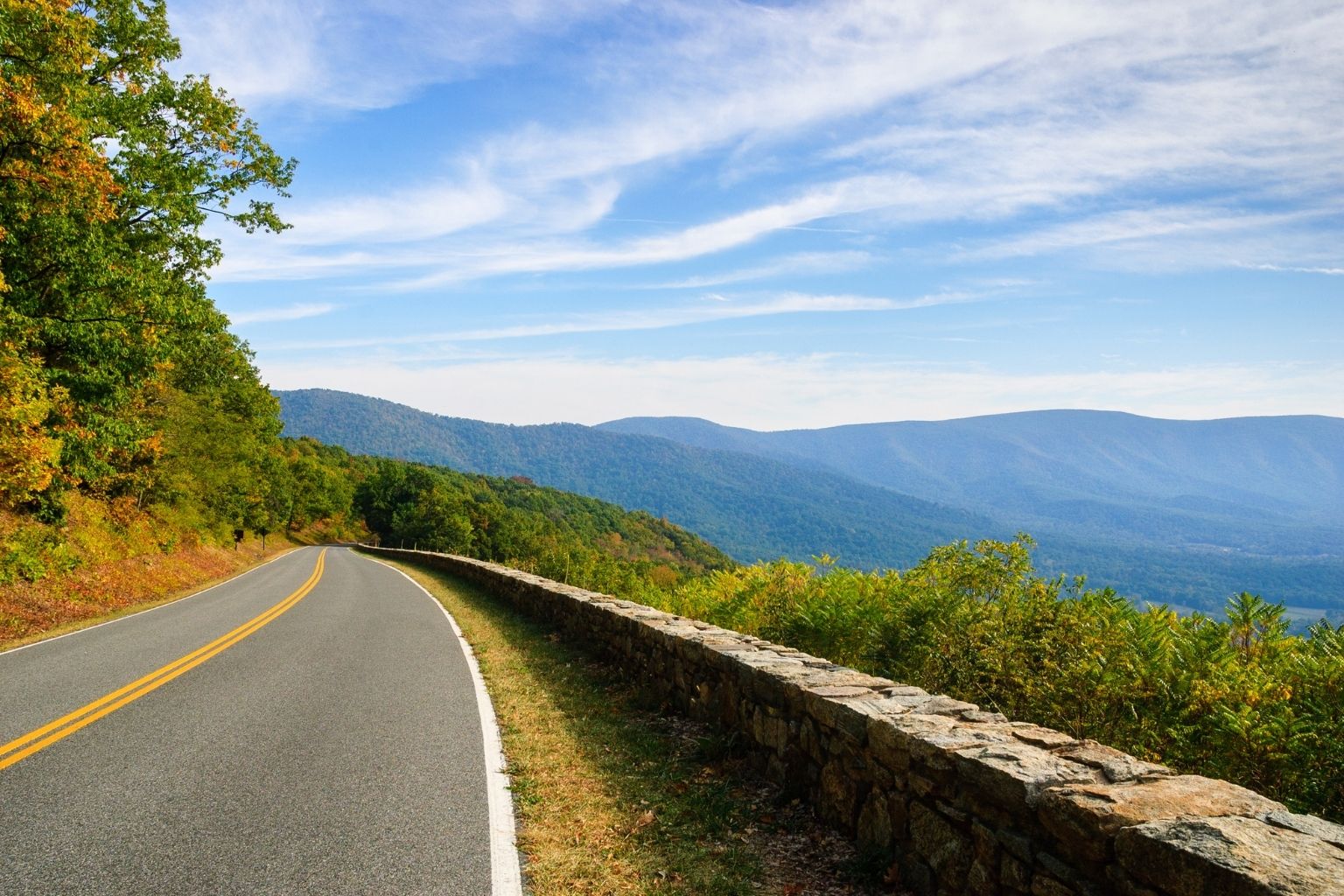
Overview: About 75 miles southwest of Washington DC, Shenandoah National Park is a 200,000‑acre protected wilderness famous for its dramatic vistas, cascading waterfalls and tranquil hollows. The official park website describes it as a land “bursting with cascading waterfalls, spectacular vistas, fields of wildflowers and quiet wooded hollows”. Skyline Drive, the park’s scenic artery, follows the Blue Ridge crest for 105 miles, punctuated by 75 overlooks. Wildlife such as deer and black bears roam freely, and more than 500 miles of trails invite hikers of all skill levels.
Highlights:
- Skyline Drive: Cruise along the ridgeline and stop at overlooks like Range View, Hogback and Big Run to admire views of the Shenandoah Valley and Piedmont. In autumn, the drive becomes a corridor of crimson and gold foliage.
- Old Rag Mountain: This challenging loop hike rewards climbers with 360‑degree panoramas and rocky scrambles that are both exhilarating and demanding. Reservations may be required during peak seasons – check the park’s official site for details.
- Waterfalls: Don’t miss Dark Hollow Falls, a short hike to a 70‑foot cascade, or Whiteoak Canyon, where multiple falls tumble through a lush gorge.
- Ranger Programs & Wildlife: Join ranger‑led walks or talks to learn about the park’s history and ecology, and keep an eye out for deer grazing in meadows or black bears foraging in the woods.
Practical Tips: Shenandoah is best reached by car via I‑66 west to the Front Royal Entrance or US 211 west to the Thornton Gap Entrance. Admission for private vehicles is charged, and some popular trails require separate permits. Arrive early on weekends to secure parking at trailheads, and bring layers as mountain weather can change rapidly. Cell service is limited along Skyline Drive, so download maps in advance.
Great Falls Park
Overview: Just 15 miles from downtown DC, Great Falls Park showcases the Potomac River’s raw power as it drops 76 feet in a series of roaring cascades. This small National Park Service unit protects the falls and surrounding gorge. Three overlooks provide dramatic views of whitewater crashing through jagged rocks.
Highlights:
- Riverside Trails: Walk along the River Trail to watch kayakers navigating Class V rapids or explore the Patowmack Canal Trail to learn about George Washington’s ambitious but ill‑fated canal project.
- Picnicking & Wildlife: Shady picnic sites overlook the river; keep an eye out for herons, eagles and occasional black vultures soaring overhead.
- C&O Canal Towpath: Cross the river to the Maryland side to bike or hike the towpath, which stretches 184 miles to Cumberland, Maryland.
Practical Tips: The park is popular on warm weekends. Arrive early to avoid parking delays and bring sturdy shoes for rocky trails. Swimming and wading are prohibited due to dangerous currents.
Catoctin Mountain & Cunningham Falls
Overview: North of Frederick, Maryland, Catoctin Mountain Park and the adjacent Cunningham Falls State Park offer a peaceful respite from city life. The forested ridges hide waterfalls, scenic overlooks and Camp David, the presidential retreat. Hike to Chimney Rock for a sweeping view of the Monocacy Valley or to Cunningham Falls, the state’s tallest cascading waterfall.
Highlights:
- Hiking Trails: The Wolf Rock–Chimney Rock loop passes through rocky outcrops and mountain laurel thickets. The Cunningham Falls Trail leads to a 78‑foot cascade where you can picnic near the base (swimming is permitted only in the lake area).
- Historic Sites: Explore the Catoctin Furnace ruins, ironworks dating to the Revolutionary War era, and the Blue Blazes Whiskey Still exhibit, a Prohibition‑era moonshine site.
- Lakes & Camping: Hunt for amphibians around the park’s small lakes or reserve a campsite to watch the stars.
Practical Tips: Parking at Cunningham Falls can fill quickly on summer weekends, and there’s a small entry fee. Bring insect repellent and water; the humid forest can be buggy and humid in summer. Trails are well marked but can be steep.
Luray Caverns
Overview: Hidden beneath the rolling hills near the town of Luray are North America’s largest series of caverns. Luray Caverns features towering stalactites, cathedral‑sized chambers and a unique “Stalacpipe Organ” that creates music by striking rock formations. In the Lonely Planet day‑trip guide, the caverns are described as having “miles of underground stalactites and stalagmites”.
Highlights:
- Great Stalacpipe Organ: A custom console uses rubber mallets to gently strike stalactites, producing haunting tones that resonate through the caverns.
- Dream Lake: A shallow, glassy pool reflects the ceiling formations with mirror‑like perfection, creating an illusion of great depth.
- Giant’s Hall & Saracen’s Tent: Massive chambers with drapery formations and columns that have formed over millions of years.
- Car & Carriage Museum: Outside the caves, a museum displays antique cars and carriages, including an 1897 Mercedes‑Benz.
Practical Tips: The caverns are open year‑round and guided tours depart frequently. Wear comfortable shoes; walkways can be damp. Combine your visit with a stop in downtown Luray or drive farther into Shenandoah National Park for hiking and scenic overlooks.
Skyline Drive & Blue Ridge Parkway
Overview: While Skyline Drive is technically part of Shenandoah, it deserves special mention. The 105‑mile road traces the crest of the Blue Ridge Mountains and seamlessly connects to the Blue Ridge Parkway at its southern terminus. Each overlook reveals a new perspective on valleys and ridges, and the slow speed limit (35 mph) encourages leisurely exploration.
Highlights:
- Overlooks: Stop at Byrd Visitor Center at milepost 51 for exhibits on the Civilian Conservation Corps and check out Blackrock Summit near milepost 84 for an easy hike to a talus slope with dramatic views.
- Wildlife Viewing: Early mornings and evenings are prime times to see deer, foxes and even black bears crossing the road. Please drive slowly and respect wildlife.
- Picnic Areas: Pack a lunch and enjoy picnic areas like Dickey Ridge or Loft Mountain. Each has tables, grills and restrooms.
Practical Tips: Skyline Drive is open year‑round, but sections may close during snow or ice. The adjacent Blue Ridge Parkway continues south toward North Carolina, offering extended road‑trip possibilities. Fuel is available only at Big Meadows (milepost 51) and Loft Mountain (milepost 79), so plan accordingly.
Historic Estates & Battlefields
Story: Walking in the Footsteps of History
In the quiet morning light at Mount Vernon, you can almost hear the echo of hooves on cobblestones and the murmurs of household staff preparing breakfast. Later, at Gettysburg, the rolling farmland is broken by rocky outcrops and monuments that mark the turning points of the Civil War. The Mid‑Atlantic region around Washington DC is steeped in American history. From the homes of Founding Fathers to pivotal battlefields, these destinations make the past tangible. They also offer beautiful landscapes, gardens and museums that enrich any day trip.
George Washington’s Mount Vernon
Overview: The riverside plantation of George and Martha Washington lies just 15 miles south of the capital. A guided mansion tour reveals the daily life of the first president, while the grounds include reconstructed slave quarters, gardens, farm buildings and a museum. The Lonely Planet guide highlights Mount Vernon as a key stop on the Alexandria day trip, noting that visitors can tour the mansion and walk the grounds for insight into both the Washington family and the enslaved people who lived there.
Highlights:
- Mansion Tour: See the study where Washington kept his accounts, the bedroom where he died and formal parlors decorated with original furnishings.
- Enslaved People’s Tour: Learn about the lives of enslaved workers through exhibits and guided tours that honor their stories and contributions.
- Gardens & Tomb: Stroll through boxwood parterres, the walled kitchen garden and the four‑acre Pioneer Farm. Pay respects at the Washington family tomb.
- Education Center & Museum: Interactive displays and artifacts illuminate the Revolutionary War and the Washingtons’ personal lives.
Practical Tips: Mount Vernon can be reached by car, bike or boat; the Mount Vernon Trail follows the Potomac River from DC, and water taxis depart from the Wharf. Purchase timed‑entry tickets online, and consider visiting midweek to avoid crowds. Allow at least three hours to explore the estate.
Gettysburg National Military Park
Overview: About 85 miles north of the capital, Gettysburg’s pastoral hills witnessed three of the Civil War’s bloodiest days. Today Gettysburg National Military Park preserves the battlefield, monuments and stories of July 1–3, 1863. Walking the fields or driving the 24‑mile auto tour route gives you a visceral sense of the conflict’s scale.
Highlights:
- Visitor Center & Museum: Begin with a narrated cyclorama that dramatizes Pickett’s Charge, then explore exhibits that contextualize the battle and the war.
- Auto Tour & Guided Tours: Follow the numbered stops that trace troop movements and major engagements, or hire a licensed battlefield guide for deeper insight.
- Cemetery & Soldiers’ National Monument: Visit the site where President Abraham Lincoln delivered the Gettysburg Address.
- Eisenhower National Historic Site: Adjacent to the battlefield, this farm served as President Dwight D. Eisenhower’s retreat and offers a window into mid‑20th‑century life.
Practical Tips: Gettysburg is best explored by car, though bikes are allowed on paved roads. Allow a full day to tour the battlefield and museum. Pack water and comfortable shoes; the open fields offer little shade.
Antietam National Battlefield
Overview: Near Sharpsburg, Maryland, Antietam commemorates the bloodiest single day in American history. On September 17, 1862, Union and Confederate forces clashed along Antietam Creek, leaving more than 23,000 casualties. The battlefield today remains largely unchanged, with cornfields, stone bridges and farms telling the story of the conflict.
Highlights:
- Visitor Center: Exhibits and a film provide an overview of the battle’s context and consequences.
- Burnside Bridge: This stone bridge became a focal point of the battle; walk across it to imagine the intense fighting that occurred here.
- Sunken Road: Known as Bloody Lane, this farm lane witnessed some of the day’s fiercest combat. An observation tower offers panoramic views.
- National Cemetery: Resting place of more than 4,776 Union soldiers.
Practical Tips: An auto tour route helps orient visitors. Plan to spend at least three hours; many visitors combine Antietam with Harpers Ferry or Frederick for a full day.
Monticello
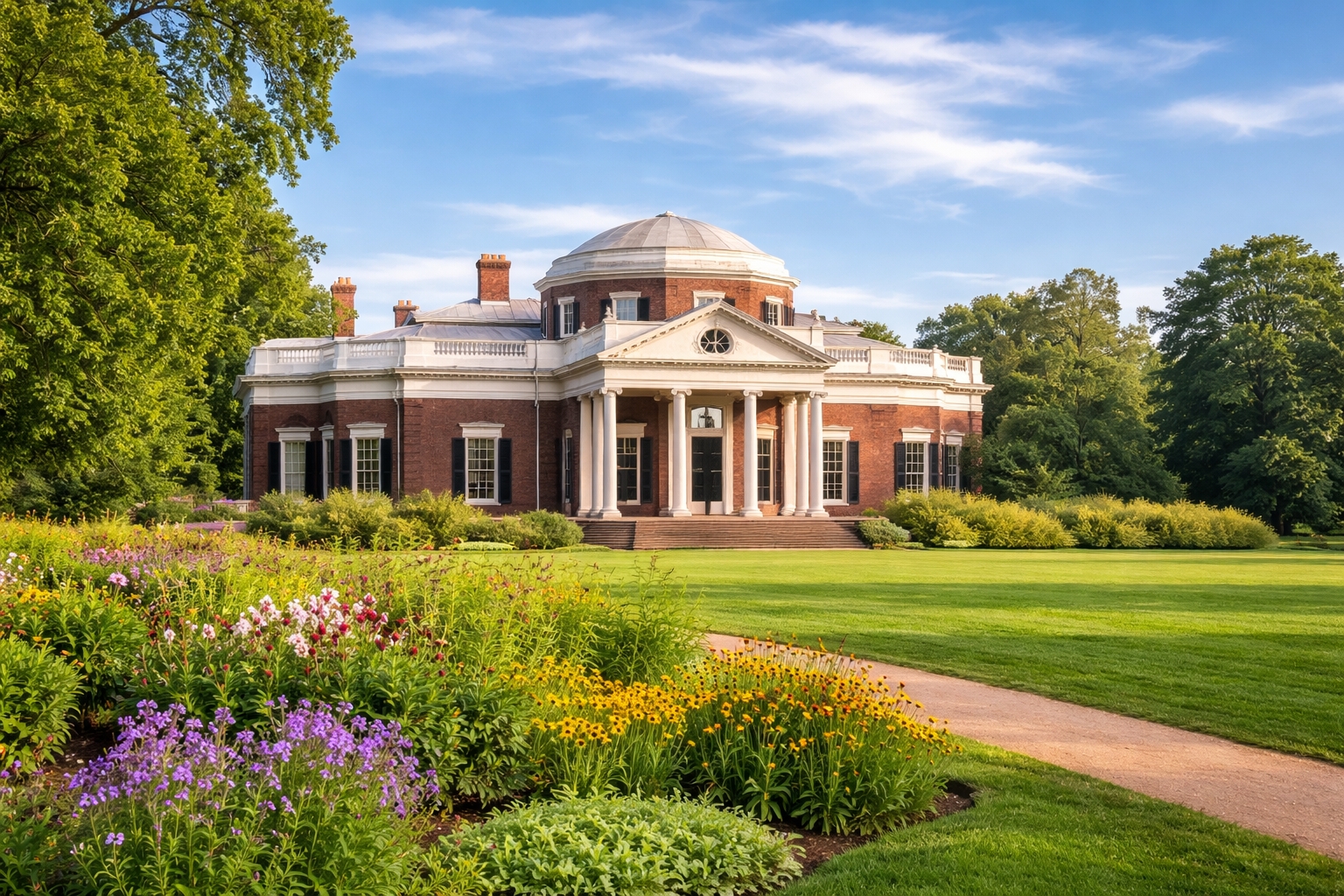
Overview: Thomas Jefferson’s mountaintop estate near Charlottesville is both a UNESCO World Heritage Site and a testament to Jefferson’s architectural vision. The house, gardens and plantation reflect his intellect and contradictions. Guided tours explore everything from the design of the main house to the lives of enslaved people who labored at Monticello.
Highlights:
- House Tour: See Jefferson’s inventions, library and mementos. Domed rooms and hidden staircases reveal his penchant for innovation.
- Slavery at Monticello Tour: A candid look at the hundreds of enslaved individuals who lived and worked here, including the Hemings family.
- Gardens & Grounds: Terraced vegetable gardens, orchards and vineyards reveal Jefferson’s agricultural experiments.
- Saunders‑Monticello Trail: This two‑mile walking path connects the base of the mountain with the visitor center, offering a free way to experience the landscape.
Practical Tips: Purchase tickets in advance, particularly in summer. Monticello is an hour from Richmond and two hours from DC; it pairs well with a visit to Charlottesville’s historic downtown and wine country.
Manassas National Battlefield Park
Overview: Less than an hour from DC, Manassas preserves the sites of the First and Second Battles of Bull Run. Gentle meadows belie the violence that occurred here in 1861 and 1862. Start at the Henry Hill Visitor Center to watch an orientation film and view artifacts.
Highlights:
- Henry Hill: Stand where Confederate and Union troops clashed during the First Battle of Bull Run and walk the one‑mile loop trail with interpretive panels.
- Stone Bridge: Cross Bull Run at the 19th‑century stone bridge and picture the early chaos of battle.
- Brawner Farm & Deep Cut: Sites of intense fighting during the Second Battle of Manassas.
Practical Tips: The park offers self‑guided driving tours and seasonal ranger programs. Combine a visit with nearby wineries in Prince William County for a varied day.
Coastal & Waterfront Towns
Story: Salt Air and Colonial Charm
The smell of saltwater and the cry of gulls announce your arrival at the Chesapeake Bay. Wooden masts sway in harbor slips and historic brick houses line narrow streets. A quick trip east of Washington DC leads to waterfront towns where seafood reigns, history lingers and sailing is a way of life. Whether you’re cracking blue crabs by the bay or strolling along a boardwalk, these destinations deliver coastal charm without long drives.
Annapolis & the Chesapeake Bay
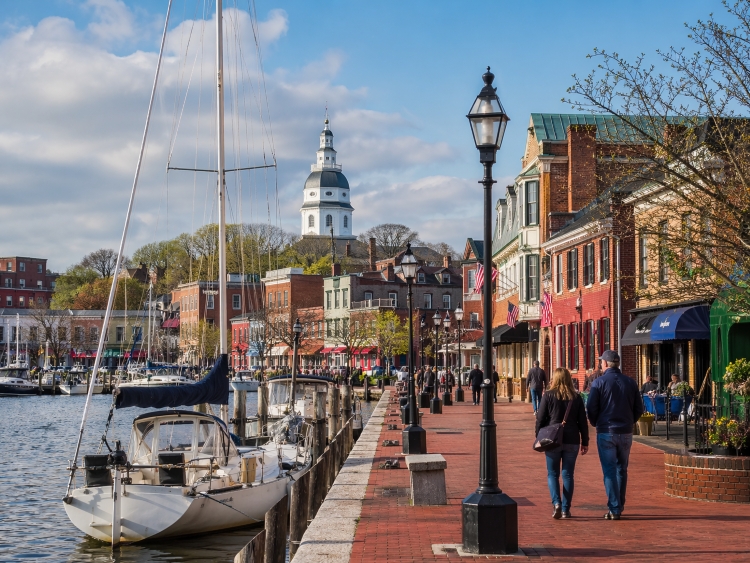
Overview: The Maryland capital sits on the banks of the Severn River and is known for its preserved Colonial architecture, maritime heritage and the United States Naval Academy. Lonely Planet notes that Annapolis offers “probably one of the closest beaches to DC at Sandy Point National Park” and encourages visitors to crack blue crabs – a Maryland rite of passage. Beyond the historic district, the greater Chesapeake Bay region includes lighthouses, state parks and sailing adventures.
Highlights:
- Historic District: Wander along brick‑lined streets, past 18th‑century rowhouses and St. Anne’s Church. Shops and eateries fill renovated buildings, while street performers entertain in Market House Square.
- United States Naval Academy: Take a guided walking tour of the campus to visit Bancroft Hall, the crypt of John Paul Jones and the museum’s ship models.
- Sandy Point State Park: Relax on the beach at this state park at the foot of the Chesapeake Bay Bridge. Swim, fish or picnic with views of the bay’s span.
- Boat Tours & Sailing: Join a Chesapeake Bay cruise or charter a sailboat from City Dock to experience the water firsthand. Evening sails offer sunset views behind the bridge.
Practical Tips: Annapolis is 50 minutes from DC via US 50 east. Parking in the historic district can be tight; consider using park‑and‑ride lots or water taxis. Many seafood restaurants require reservations on weekends. Plan to wear comfortable shoes; brick sidewalks can be uneven.
Eastern Shore & Ocean City
Overview: Cross the Chesapeake Bay Bridge and you’ll enter Maryland’s Eastern Shore, a flat landscape of farms, marshes and small towns. The peninsula culminates at Ocean City, a bustling resort with a three‑mile boardwalk, amusement rides and broad beaches. While it’s further from the capital than some destinations (about three hours), Ocean City makes a memorable summer day trip or overnight getaway.
Highlights:
- Chesapeake City & St. Michaels: Stop in waterfront towns like St. Michaels for boutiques, historic homes and the Chesapeake Bay Maritime Museum. In summer, the museum hosts boat‑building demonstrations and lighthouse tours.
- Blackwater National Wildlife Refuge: Near Cambridge, this refuge preserves tidal marshland that’s home to bald eagles, otters and migrating waterfowl. Paddle through winding creeks or bike the Wildlife Drive.
- Ocean City Boardwalk: Ride the Ferris wheel, devour Thrasher’s fries and watch the waves from wooden benches. Assateague Island, just south of Ocean City, offers wild horses and undeveloped beaches.
- Beaches & Water Sports: Swim, surf, parasail or rent a paddleboard. In summer the Atlantic water is warm enough for long swims; in spring and fall the boardwalk is quieter.
Practical Tips: Traffic over the Bay Bridge can be heavy on summer weekends. Leave early and check toll information. Some Eastern Shore attractions, like Blackwater, are better explored as separate day trips. Ocean City parking fills quickly; consider park‑and‑ride buses.
Rehoboth Beach & Assateague Island
Overview: Just north of the Maryland–Delaware line, Rehoboth Beach is a family‑friendly resort known for its mile‑long boardwalk, tax‑free shopping and lively dining scene. Nearby, Assateague Island National Seashore straddles Maryland and Virginia and is famous for its wild ponies and windswept beaches.
Highlights:
- Rehoboth Boardwalk & Penny Arcade: Enjoy seaside amusements, saltwater taffy and arcades reminiscent of a bygone era.
- Tax‑Free Shopping: Stroll Rehoboth Avenue and browse boutiques, or visit Tanger Outlets for deals.
- Assateague Wild Ponies: Watch herds of feral horses grazing on dunes and marshes. Kayaking and paddleboarding offer a quieter way to explore bayside coves.
- Camping & Trails: Camp on Assateague’s beach or hike the Life of the Forest Trail through maritime forests.
Practical Tips: Rehoboth is about 2.5 hours from DC. Parking in town requires meters or permits. Assateague’s northern entrance is accessible via Route 611 from Ocean City. Bring insect repellent – biting flies can be bothersome in summer.
National Harbor
Overview: South of DC along the Potomac, National Harbor combines a waterfront resort complex with dining, shopping and entertainment. A giant Ferris wheel towers above the pier, and sculptures dot the waterfront. While primarily geared toward conferences and nightlife, National Harbor offers a quick change of scene for those staying in the city.
Highlights:
- Capital Wheel: Ride this 180‑foot Ferris wheel for sweeping views of the Potomac, Alexandria and the Washington Monument.
- Gaylord National Resort & Convention Center: Wander the indoor atrium, which is decorated seasonally and hosts light shows.
- Dining & Entertainment: Choose from restaurants ranging from casual tacos to upscale seafood. In summer, outdoor movies and concerts take place on the plaza.
- Public Art: Don’t miss “The Awakening,” a 70‑foot sculpture of a giant emerging from the earth, previously located at Hains Point in DC.
Practical Tips: National Harbor is accessible via the Woodrow Wilson Bridge (I‑495) or water taxi from the Wharf. Parking is plentiful but can be expensive. This destination pairs well with a day exploring Alexandria or Mount Vernon.
Urban & Cultural Excursions
Story: Trading Monuments for City Streets
Sometimes, the best way to appreciate Washington DC is to leave it behind and explore cities with their own identities. Richmond pulses with Southern soul and modern art, Baltimore offers maritime heritage and world‑class museums, Philadelphia mixes colonial history with street art, and Charlottesville blends college town energy with Revolutionary roots. Each city is reachable within a few hours and provides a distinct flavor of the East Coast.
Richmond, Virginia
Overview: Virginia’s capital sits on the James River and boasts a rich blend of history, cuisine and arts. Lonely Planet encourages visitors to “trade the current nation’s capital for the former one” and sample hand pies and BBQ while learning about history. Neighborhoods like Church Hill, Shockoe Bottom and the Museum District showcase architecture and culture spanning three centuries.
Highlights:
- Church Hill & Food Tours: Take a walking tour of Church Hill, Richmond’s oldest neighborhood, where historic rowhouses, St. John’s Church (site of Patrick Henry’s “Give me liberty” speech) and local eateries like Proper Pie Co. await.
- Museum District: Visit the Virginia Museum of Fine Arts, home to a remarkable collection of Art Nouveau, Fabergé eggs and African art. Nearby, the Virginia Museum of History & Culture explores the commonwealth’s past.
- Belle Isle & Maymont: Cross the pedestrian bridge to Belle Isle, an island park in the James River where you can sunbathe on smooth rocks or explore Civil War ruins. At Maymont, stroll Japanese gardens, tour a gilded Gilded Age mansion and meet farm animals.
- Food & Drink: Sample Southern classics at Mama J’s in Jackson Ward, sip craft beer at Scott’s Addition breweries or savor farm‑to‑table fare at L’Opossum.
Practical Tips: Richmond is two hours south of DC via I‑95; Amtrak’s Northeast Regional line connects Union Station to downtown Richmond in about 2.5 hours. Consider staying overnight to fully explore museums and restaurants. In summer, the river offers rafting and tubing.
Baltimore, Maryland
Overview: Maryland’s largest city and major seaport is just 40 miles north of the capital. A revitalized Inner Harbor anchors attractions like the National Aquarium, historic ships and waterfront dining, while neighborhoods like Fells Point and Hampden showcase rowhouse charm and creative cuisine.
Highlights:
- Inner Harbor: Tour historic vessels including the USS Constitution, USS Torsk submarine and USCGC Taney. Visit the National Aquarium to see sharks, jellyfish and rainforest birds. Kids love the Maryland Science Center’s hands‑on exhibits.
- Fells Point & Harbor East: Wander cobblestone streets lined with 18th‑century buildings housing pubs, coffee shops and boutiques. Grab a crab cake at Thames Street Oyster House or a craft cocktail at Rye.
- Mount Vernon & Museums: Explore the Walters Art Museum’s collection of antiquities and rare manuscripts. Climb the 227‑foot Washington Monument, the first in the nation (not to be confused with DC’s obelisk).
- Hampden & Street Art: This quirky north Baltimore neighborhood is known for indie shops, vibrant murals and the annual “HonFest,” celebrating local slang.
Practical Tips: Baltimore is accessible via I‑95, MARC train or Amtrak from Union Station (about an hour). Parking can be expensive downtown; use public garages or streetcars. Certain neighborhoods are best explored on foot; wear comfortable shoes and be aware of your surroundings.
Philadelphia, Pennsylvania
Overview: The birthplace of American independence lies two hours north of DC by train. Philadelphia’s Old City is home to Independence Hall, the Liberty Bell and cobblestone streets lined with 18th‑century buildings. Beyond history, the city offers world‑renowned art museums, a vibrant food scene and murals that enliven nearly every neighborhood.
Highlights:
- Independence National Historical Park: Tour Independence Hall where the Declaration of Independence and Constitution were debated and signed. View the Liberty Bell, then wander through Carpenters’ Hall and Franklin Court.
- Museum Mile: Walk the Benjamin Franklin Parkway to visit the Philadelphia Museum of Art (and run up the Rocky steps), the Barnes Foundation’s impressionist masterpieces and the Rodin Museum.
- Reading Terminal Market: Sample Philly cheesesteaks, Amish baked goods and international cuisine under one historic roof. Nearby, the Italian Market offers fresh produce and specialty groceries.
- Mural Arts: Philadelphia boasts over 4,000 murals. Join a mural tour to learn about the artists and communities they represent.
Practical Tips: Amtrak’s Northeast Regional line runs hourly from DC to Philadelphia’s 30th Street Station in about two hours. SEPTA trains and buses connect neighborhoods. Driving takes 2.5 hours but involves tolls and city traffic. Plan to walk or use public transit; parking is limited.
Charlottesville, Virginia
Overview: Home to the University of Virginia and Jefferson’s Monticello, Charlottesville blends academic energy with wine country vibes. The pedestrian Downtown Mall features brick‑paved streets, boutiques, galleries and restaurants. In the surrounding Albemarle County, vineyards dot rolling hills and the Blue Ridge Mountains provide a scenic backdrop.
Highlights:
- University of Virginia: Designed by Jefferson, the Academical Village and Rotunda are UNESCO World Heritage sites. Guided tours explain the university’s architecture and history.
- Downtown Mall: One of the longest pedestrian malls in the country, this tree‑shaded street offers live music, outdoor dining and independent bookstores.
- Vineyards: Wineries like Jefferson Vineyards, Barboursville Vineyards and King Family Vineyards offer tastings, picnics and polo matches. Many are part of the Monticello Wine Trail.
- Hiking & Outdoor Activities: Nearby Shenandoah National Park and Ragged Mountain Natural Area provide hiking and trail running options.
Practical Tips: Charlottesville is about 2.5 hours from DC by car via I‑66 and US 29. Amtrak’s Cardinal and Crescent routes serve downtown. Reserve wine tastings ahead, especially on weekends. Combine Charlottesville with Monticello for a full day of history and vineyards.
Charming Small Towns & Villages
Story: Small‑Town Strolls and Riverside Retreats
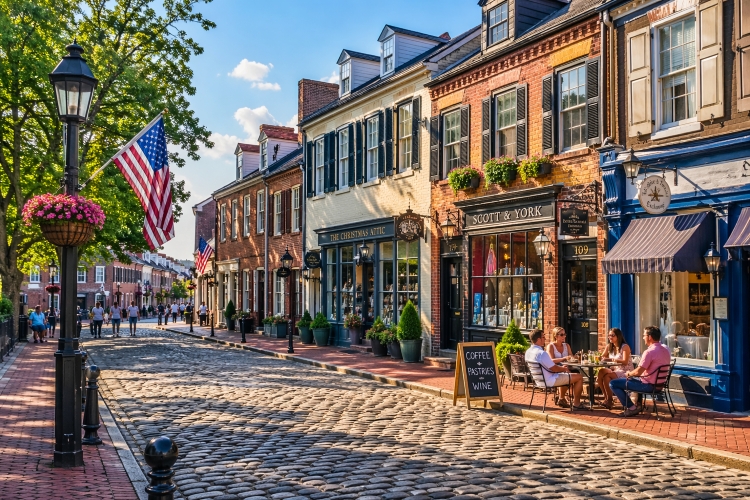
Some of the region’s most memorable day trips are found in villages where time seems to slow. Here, you can wander cobblestone lanes, pop into antique shops and enjoy locally owned cafés without the rush of larger cities. These towns often sit along rivers or in foothills, offering both charm and nature in one package.
Alexandria & Old Town
Overview: Just across the Potomac River from DC, Alexandria’s Old Town enchants with 18th‑century architecture, waterfront parks and a vibrant dining scene. Lonely Planet recommends combining a visit to Mount Vernon with a trip to Alexandria and highlights the cobblestoned streets, award‑winning dining and ghost tours.
Highlights:
- King Street & Waterfront: Stroll along King Street, lined with boutiques, galleries and restaurants, then walk to the waterfront to watch boats on the Potomac. Benches and green spaces invite picnics.
- Torpedo Factory Art Center: Housed in a former munitions factory, this center features more than 80 artist studios and galleries.
- History Tours & Museums: Explore Gadsby’s Tavern Museum, the Stabler‑Leadbeater Apothecary and the Alexandria History Museum at the Lyceum. Evening ghost tours tell tales of hauntings and secrets.
- Dining & Desserts: Grab a scoop at the family‑owned Creamery (since 1984) or dine at restaurants featuring Chesapeake seafood, contemporary American or Creole cuisine.
Practical Tips: Alexandria is easily accessible by Metro’s Blue and Yellow lines; the King Street station is a short walk from Old Town. You can also bike along the Mount Vernon Trail or take a water taxi from DC. Parking can be limited; use garages or street meters.
Harpers Ferry, West Virginia
Overview: Tucked where the Potomac and Shenandoah rivers meet, Harpers Ferry combines natural beauty with pivotal history. Lonely Planet describes the town as offering “the perfect balance of natural sights and adventure” with activities like ziplining, whitewater rafting, tubing and hiking to overlooks such as Jefferson Rock. Harpers Ferry was also the site of John Brown’s 1859 raid, a catalyst for the Civil War.
Highlights:
- Lower Town: Wander cobbled streets lined with 19th‑century buildings housing museums, bakeries and outfitters. The John Brown Museum explains the raid and its impact.
- Outdoor Adventures: Zipline through the forest, rent tubes or kayaks to float down the rivers, or hike the Appalachian Trail to Maryland Heights for sweeping views of town and the rivers.
- Historical Hikes: Follow the Short Loop Trail to Jefferson Rock for a signature view or walk to the ruins of St. John’s Episcopal Church.
- Rail & Road Access: Harpers Ferry is served by Amtrak’s Capitol Limited and MARC’s Brunswick line, making it accessible without a car.
Practical Tips: Wear sturdy shoes for steep trails and watch for uneven steps in historic buildings. Weekends can be crowded; arrive early or visit midweek. Combine Harpers Ferry with Antietam or Shepherdstown for a full day.
Fredericksburg, Virginia
Overview: Midway between DC and Richmond, Fredericksburg preserves Civil War battlefields and an 18th‑century downtown. George Washington spent his youth here, and his mother’s house still stands. Today the city mixes heritage with modern shops and restaurants.
Highlights:
- Old Town: Explore brick sidewalks lined with antique shops, cafés and galleries. Visit the Rising Sun Tavern (originally built by Washington’s brother) and the Fredericksburg Area Museum.
- Civil War Sites: Tour Fredericksburg and Spotsylvania National Military Park, which includes four major battlefields. The Sunken Road and National Cemetery provide somber reminders of the war’s toll.
- Riverfront Recreation: Kayak or paddleboard on the Rappahannock River or bike the Canal Path along its banks.
- Culinary Scene: Sample farm‑to‑table cuisine, craft beer and local ice cream. Saturdays bring a farmer’s market to Hurkamp Park.
Practical Tips: Fredericksburg is 50 miles south of DC via I‑95. Traffic can be heavy; consider taking Amtrak’s Northeast Regional. Historic sites require separate admission fees. Plan for heat and humidity in summer.
Leesburg & Middleburg (Loudoun County)
Overview: Nestled in Northern Virginia’s wine and horse country, Leesburg and Middleburg exude small‑town refinement. Leesburg’s historic downtown features boutiques, taverns and the Loudoun County Courthouse, while Middleburg is known for equestrian culture and upscale country inns. Nearby farms, orchards and wineries create a pastoral landscape.
Highlights:
- Leesburg Historic District: Stroll King and Market streets to browse shops housed in 18th‑ and 19th‑century buildings. Visit Dodona Manor, home of General George C. Marshall, and the Loudoun Museum.
- Middleburg’s Salamander Resort: Enjoy equestrian lessons, spa treatments or fine dining at this luxurious resort owned by entrepreneur Sheila Johnson. The resort is part of the area’s upscale weekend getaway scene.
- Markets & Festivals: Shop for local produce at the Saturday Leesburg Farmers Market or attend Middleburg’s annual Christmas parade, where hounds and horses lead the procession.
- Outdoor & Wineries: Bike along the Washington and Old Dominion Trail, pick strawberries at Wegmeyer Farms or create a lavender bouquet at Blooming Hill farm.
Practical Tips: Leesburg is 45 miles from DC via VA‑267 and US 15; Middleburg is a scenic drive west along US 50. Parking is generally easy, but weekend traffic can slow travel on country roads. Combine these towns with winery visits (see next section).
Elkton & Luray
Overview: Between the Shenandoah Valley and the Blue Ridge Mountains, the small towns of Elkton and Luray offer quirky shops, breweries and proximity to caverns and hikes. Lonely Planet suggests visiting Elkton’s tea room and brewing company before driving to Luray for Nordic‑style cabins and the famous Luray Caverns.
Highlights:
- Elkton Creamery & Tea Room: Try unique treats like spaghetti ice cream (vanilla shaped like noodles) at this whimsical café. Cross the tracks to sample craft beer at Elkton Brewing Company.
- Downtown Luray: Browse boutiques, cafés and the Hawksbill Greenway, a riverside path lined with public art.
- Cabins & Cabins: Stay overnight in a Nordic‑style cabin with hot tubs and mountain views, or just stop for lunch on your way to the caverns.
- Proximity to Shenandoah & Caverns: Both towns make convenient bases for exploring Shenandoah National Park and Luray Caverns.
Practical Tips: Elkton and Luray are about two hours from DC via I‑66 and US 340. Pair them with a visit to Shenandoah or Skyline Drive. Reservations are essential for popular cabins during peak seasons.
Wine Country & Scenic Drives
Story: Sipping and Driving (Responsibly)
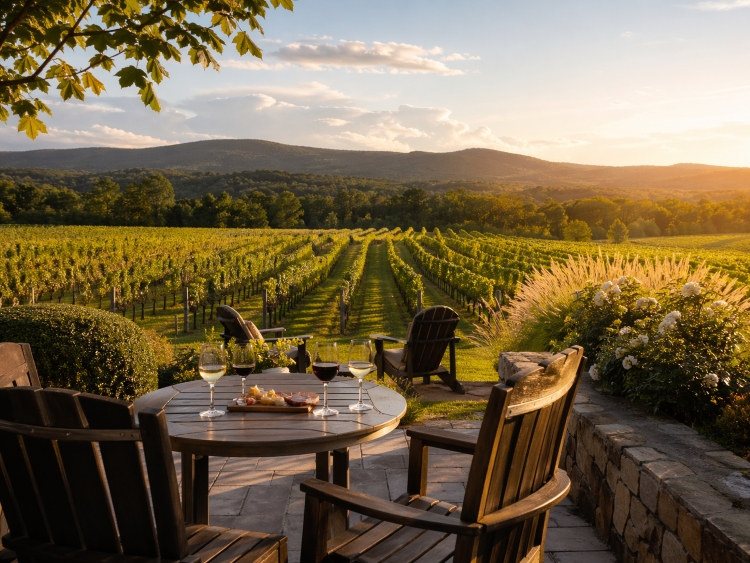
Rolling hills quilted with vineyards, picket‑fenced farms and horse pastures define Northern Virginia’s wine country. These landscapes invite leisurely drives, tasting flights and farm visits. Because wineries are scattered across several counties, plan a designated driver or join a tour to sample responsibly.
Loudoun County Wineries & Farms
Overview: Loudoun County bills itself as “DC’s wine country,” boasting more than 40 wineries within an hour’s drive of the city. Lonely Planet highlights Bluemont Vineyard’s mountainside views and the Three Creeks Winery’s tasting flights, as well as family‑owned farms like Wegmeyer for strawberry picking and Blooming Hill for lavender bouquets.
Highlights:
- Bluemont Vineyard: Sip wines at 951 feet elevation with sweeping views of the Blue Ridge Mountains from its 951 Tasting Room. Pair glasses with charcuterie boards or wood‑fired pizza.
- Three Creeks Winery: Sample bold reds and crisp whites in a cozy tasting room. Many wineries host live music on weekends.
- Wegmeyer Farms & Blooming Hill: Pick your own strawberries in spring and summer at Wegmeyer Farms, then wander through lavender fields and cut fresh bundles at Blooming Hill farm.
- Middleburg & Leesburg Wine Trail: Combine wine tasting with antique shopping and fine dining.
Practical Tips: Most wineries charge tasting fees, waived with bottle purchase. Many operate on weekends only; check hours and consider making reservations. Plan a route that clusters wineries to minimize driving. Hiring a car service or designating a sober driver is essential.
Skyline & Blue Ridge Wine Trails
Overview: Beyond Loudoun, wine trails extend along the eastern slope of the Blue Ridge Mountains. Skyline Drive intersects with routes that lead to small wineries and cideries. This region offers cooler climates that produce crisp whites and Bordeaux‑style reds.
Highlights:
- Shenandoah Valley Wine Trail: Visit wineries like Barren Ridge and Bluestone to sample Viognier, Cabernet Franc and Petit Verdot. Many vineyards sit on hilltops with mountain vistas.
- Nelson County’s Route 151: South of Charlottesville, Route 151 links breweries, cideries and vineyards. Stop at Veritas Vineyard for elegant tastings or Bold Rock for hard cider.
- Cider & Craft Beer: The craft beverage scene is diversified; incorporate cideries and breweries into your itinerary for variety.
Practical Tips: Many rural vineyards are accessible via gravel roads; drive cautiously. Some wineries allow picnics, while others sell small plates. Check for live music or festivals when planning.
Charlottesville & Monticello Wine Trail
Overview: The Monticello Wine Trail comprises more than 40 wineries surrounding Charlottesville. The area’s gentle hills and mineral‑rich soils create award‑winning wines, and many tasting rooms feature mountain views.
Highlights:
- Jefferson Vineyards: One of Virginia’s oldest wineries, producing Viognier, Petit Manseng and Cabernet Franc. Its patio overlooks the vineyards and Monticello mountain.
- Barboursville Vineyards: Italian‑style wines crafted under the guidance of Italian winemaker Luca Paschina. The ruined mansion on the property adds historical intrigue.
- King Family Vineyards: Known for its Sunday polo matches (seasonal) and Meritage blends. A large lawn invites families and picnickers.
Practical Tips: Many Monticello trail wineries are open daily but can be busy on weekends. Some require reservations for groups. Pair tastings with a visit to Monticello or the University of Virginia.
Beaches & Waterfront Escapes
Story: Surf, Sand & River Breezes
A desire for water is hardwired into our bodies. The gentle lapping of waves and the smell of salt air calm the mind. Luckily, even though Washington DC is inland, multiple beaches and waterfronts are within a few hours’ drive. From the sandy shores of the Atlantic to the brackish banks of the Chesapeake and the calm waters of local lakes, these destinations provide relief from summer heat and a chance to swim, paddle or simply relax.
Chesapeake & Potomac Beaches
Overview: Aside from Sandy Point near Annapolis, several beaches line the Chesapeake Bay. North Beach and Chesapeake Beach in Calvert County offer boardwalks and fishing piers, while Colonial Beach in Virginia sits on a peninsula between the Potomac River and Monroe Bay.
Highlights:
- North Beach: A small town with a wide sandy beach, fishing pier, playground and weekly farmers market. Rent paddleboards or stroll the pier to watch fishermen haul in rockfish.
- Chesapeake Beach: Visit the water park, charter a fishing boat or explore the Bayfront Park nature trail.
- Colonial Beach: This Virginia town features a long riverfront beach, art galleries and a Boardwalk lined with seafood shacks. Nearby Westmoreland State Park has hiking trails and a fossil‑rich beach where you can search for ancient shark teeth.
Practical Tips: Bay beaches are calm with shallow water, ideal for families. Fees may apply for beach access. Bring sunscreen and water shoes; the mix of sand and shell can be rough on bare feet.
Lake Anna & Lake Arrowhead
Overview: For freshwater swimming closer to DC, consider Lake Anna State Park (90 minutes south) or Lake Arrowhead near Front Royal. Both lakes feature sandy beaches, lifeguarded swimming areas and picnic shelters.
Highlights:
- Lake Anna State Park: Swim in the designated beach area, rent kayaks or paddleboards and hike trails through hardwood forests. The park’s visitor center has exhibits on gold mining history.
- Lake Arrowhead: A smaller lake near the northern entrance of Shenandoah National Park. The park includes a beach, fishing piers and wooded picnic areas.
Practical Tips: Arrive early on summer weekends; beaches fill quickly. Pack your own food and beverages; concessions may be limited. Lake Anna permits gas‑powered boating, so be mindful of boat wakes while swimming.
Atlantic Beaches: Rehoboth, Dewey & Assateague
While these were covered under the coastal section, they deserve mention here for their beach‑focused appeal. Rehoboth’s boardwalk, Dewey’s nightlife and Assateague’s wild horses offer distinct experiences. Follow the practical tips above for each.
Day‑Trip Planning & Tips
Story: Making the Most of Your Day
The key to a successful day trip is preparation. A little planning ensures you spend more time exploring and less time stuck in traffic or waiting in line. Here are logistical considerations and insider advice for making the most of your excursion.
Transportation & Travel Times
- By Car: Driving offers flexibility, especially for rural destinations or multiple stops. Use apps to monitor traffic and departure times – leaving before 8 AM on weekends can help avoid congestion.
- By Train: Amtrak and regional rail lines like MARC and VRE connect DC with cities such as Richmond, Baltimore and Philadelphia. Seats can sell out during peak hours; book ahead and plan for return schedules.
- By Bus: Budget bus services (e.g., FlixBus) provide direct routes to Richmond and New York; however, travel times may be longer. Check departure points at Union Station or near Chinatown.
- By Bike or Water: For close destinations like Alexandria and Mount Vernon, consider cycling the Mount Vernon Trail or taking a water taxi from the Wharf. These options add scenic pleasure to the journey.
When to Go
- Spring: Cherry blossoms bloom in DC and wildflowers carpet Shenandoah’s meadows. Coastal towns host oyster festivals and sailing regattas.
- Summer: Beaches, lakes and rivers offer relief from humidity. Eastern Shore towns buzz with tourists and events; early departures avoid traffic.
- Fall: Foliage blazes across the Blue Ridge Mountains and vineyards host harvest festivals. Cooler temperatures make hiking and city strolling pleasant.
- Winter: Holiday markets enliven small towns; battlefields and museums are quieter. Some attractions, like seasonal water parks, close or reduce hours.
Packing Essentials & Considerations
- Layers & Footwear: Weather can change quickly in the mountains or on the coast. Bring waterproof jackets and sturdy shoes.
- Admission & Permits: Many parks charge entrance fees or require timed tickets. Purchase online when possible to save time.
- Food & Water: Pack snacks, water and picnic supplies, especially when visiting rural parks or busy beaches where concessions may be limited.
- Safety: Check for trail or road closures before you go. Carry a first‑aid kit and sunscreen. Stay aware of weather alerts and wildlife guidelines.
FAQs
- What are the best day trips within an hour of Washington DC?
– Great Falls Park, Alexandria’s Old Town and Mount Vernon are all within an hour and offer nature, history and dining. - Can you visit Shenandoah National Park on a day trip?
– Yes. Skyline Drive’s northern entrance is about 75 miles from DC, allowing a full day to hike and enjoy overlooks. - Are there beaches near Washington DC?
– Sandy Point State Park near Annapolis and Bay beaches like North Beach provide the closest access, while Ocean City and Rehoboth are popular longer trips. - How do I get to Harpers Ferry without a car?
– Amtrak’s Capitol Limited and MARC’s Brunswick line both stop at Harpers Ferry Station. From there, it’s a short walk into town. - Which wineries are closest to DC?
– Loudoun County wineries like Bluemont Vineyard and Three Creeks are about an hour west of the city. - Is Richmond worth a day trip from DC?
– Absolutely. Richmond’s historic neighborhoods, museums and food scene can fill a day; trains and buses make it convenient. - Can I combine Mount Vernon and Alexandria in one day?
– Yes. Tour Mount Vernon in the morning, then head eight miles north to Old Town Alexandria for lunch and sightseeing. - What should I bring for a Shenandoah hike?
– Wear layers, bring water and snacks, and carry a map or downloaded trail guide. Some trails require permits, so check the park’s official site in advance.
Closing Thoughts
Exploring beyond the capital enriches your understanding of the region’s landscapes and history. From the roaring cascades of Great Falls and the quiet hollows of Shenandoah to the cobbled streets of Alexandria and the beaches of the Chesapeake, each destination offers a distinct experience. When you base yourself at The Best Hotel in Washington DC – The Hotel Washington – you’re perfectly positioned to embark on any of these adventures. After a day of hiking, sailing, wine tasting or museum touring, return to the heart of DC to enjoy rooftop views, elegant rooms and the comforts of a city stay. Your next adventure is just beyond the Beltway, waiting to be discovered.
Read other posts