Darth Vader Grotesque at Washington National Cathedral: History, Art, and Visiting Tips
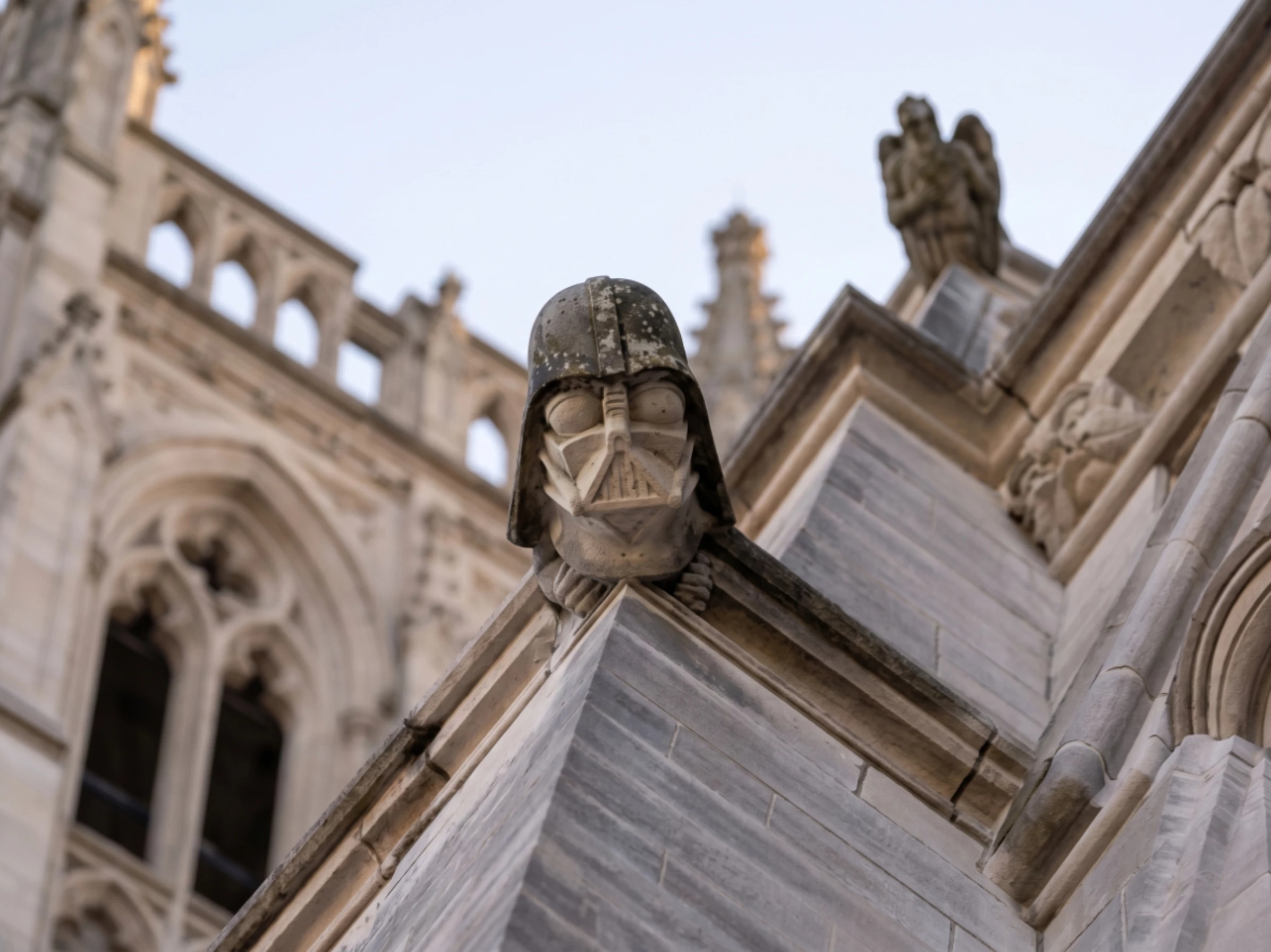
In the 1980s, a Star Wars villain found an unlikely home high on the northwest tower of the Washington National Cathedral. The Darth Vader grotesque is a limestone sculpture approved by the Cathedral and created during a children’s design contest. Although it resembles a gargoyle, it does not channel water through its mouth and is therefore technically a grotesque. Today, curious visitors and architecture fans alike bring binoculars to glimpse the helmeted head peering down from its perch. This long‑form guide tells the story of how the sculpture came to be, explains the difference between grotesques and gargoyles, profiles the artists and contest that brought Darth Vader to DC, explores the symbolism of modern art on a medieval‑style cathedral, and provides practical advice on planning a visit. It also shows you how to enjoy the broader surroundings, from the Cathedral’s gardens to the nearby attractions accessible from Hotel Washington. Along the way you’ll learn why this stone visage is more than a quirky Easter egg—it’s a reflection of how sacred spaces evolve with the culture around them.
A Gothic Tale in Modern Stone: The Origins of the Darth Vader Grotesque
Long before Darth Vader’s helmeted head stared down from the north side of the Cathedral, the Washington National Cathedral was envisioned as a grand house of prayer for the nation. Construction began in 1907, following George Washington’s desire for a national church that would unite people of all faiths. Built in the English Gothic style with flying buttresses, pointed arches and stained‑glass windows, the Cathedral took nearly a century to complete. Fundraising challenges and world wars slowed the process, but the community remained committed. In 1990, the Cathedral’s final finial was set, marking the end of the longest‑running construction project in Washington.
By the early 1980s the northwest tower was still unfinished, and Cathedral leadership sought to engage younger generations in its completion. National Geographic World magazine partnered with the Cathedral to host a “Draw‑A‑Grotesque” competition. The April 1984 issue invited schoolchildren worldwide to submit drawings for new grotesques. Over 1,400 children from sixteen countries responded, sending in imaginative designs ranging from fanciful animals to pop‑culture icons. The contest sparked international interest and gave children a stake in one of America’s most important churches. Judges selected a winning design and three runners‑up. Alison Garner, age 12, took first place with her drawing of a toothy man holding an umbrella—she reasoned that he needed to shield himself from rainwater since grotesques do not spout water. The runners‑up included a raccoon, a girl with pigtails and braces, and 13‑year‑old Christopher Rader’s drawing of Darth Vader. Although Darth Vader placed third, Cathedral officials decided to sculpt all four top designs and install them high on the tower.
Sculptor Jay Hall Carpenter, then the Cathedral’s first artist‑in‑residence, received the children’s sketches and movie stills for reference. Carpenter molded a clay version of the iconic helmet, capturing the flared dome, triangular mouthpiece and brooding brow. Stone carver Patrick J. Plunkett then chiseled the image into Indiana limestone. In 1986 the four grotesques were set into place on the northwest tower, with Darth Vader occupying a gable near the middle pinnacle. The design preserved the menacing silhouette recognizable from the Star Wars films while simplifying certain details so the sculpture would withstand centuries of weathering. From ground level the figure is almost invisible without optical aid; visitors often seek it out as a hidden gem.
The contest and subsequent installation reflect the Cathedral’s commitment to using contemporary art to engage modern audiences. Robert Calhoun Smith, a senior partner at the architecture firm responsible for the Cathedral, explained that the building “uses contemporary art and sculpture” to reflect the spirit of medieval cathedrals, which often incorporated imagery from their own time. By carving a 20th‑century movie villain alongside traditional grotesques, the Cathedral connected past and present and invited future generations to leave their mark. In the words of Cathedral historian Richard T. Feller, grotesques symbolize the evil outside the church and thus Darth Vader represents “an excellent example of evil in our times”. At the same time, his narrative arc—from ruthless Sith Lord to redeemed father—echoes themes of repentance and forgiveness that resonate in a sacred setting.
Contest Winners and Designs
The 1984 competition produced four winning designs that still adorn the tower. Each design reflects the creativity of its young artist and adds personality to the Cathedral:
- Sagacious Grotesque – Alison Garner’s umbrella‑toting man stands beneath the Vader figure. His comical grin and practical accessory reminded judges that even grotesques can be whimsical.
- Darth Vader Grotesque – Chris Rader’s third‑place drawing of the Sith Lord captured the angular lines and demonic imagery associated with villainy. Sculptor Jay Hall Carpenter emphasized the helmet’s menacing shape.
- Raccoon Grotesque – This mischievous animal peers from the opposite side of Vader’s gable. Its bushy tail and masked face provide a light‑hearted counterpoint to the Sith Lord.
- Girl with Pigtails and Braces – Another runner‑up design shows a young girl with braces and pigtails, adding a human element to the stonework.
These sculptures join more than 112 gargoyles and grotesques that help control rainwater and decorate the Cathedral. Over time, additional modern carvings have been added, including a yuppie businessman, a gas‑mask‑wearing pacifist, and other caricatures, reinforcing the tradition of integrating contemporary imagery.
Where to Find the Darth Vader Grotesque
If you arrive at the Washington National Cathedral expecting to see Darth Vader staring at you from the façade, you might be disappointed. The sculpture’s tiny size and lofty perch make it easy to miss. The grotesque is located on the north side of the Cathedral’s northwest tower, just beneath the middle pinnacle of a gable and slightly to the left of the tower from the front. The stone head projects outward, balanced between the raccoon grotesque and other pinnacles. Without binoculars or a telephoto lens, it appears as a small bump. A pair of binoculars is therefore essential for spotting the Sith Lord.
Visitors typically stand on the lawn north of the Cathedral, near Wisconsin Avenue NW, to get the best view. From this angle you can see the entire gable section. Some guests prefer to climb to the Cathedral’s observation deck—available during certain tours—which provides a closer perspective of the tower’s carvings. Keep in mind that the grotesque does not face downward like a gargoyle; it peers horizontally out from the building, so a side view is best. If you’re uncertain where to look, ask a docent or follow the path of excited Star Wars fans pointing skyward.
Viewing Tips and Directions
Use these pointers to ensure you don’t leave without seeing the Darth Vader grotesque:
- Bring binoculars or a camera with zoom. The sculpture is small and set high above the ground.
- Stand on the north lawn. The grotesque is on the north side of the northwest tower, so position yourself accordingly.
- Look for the raccoon. The raccoon grotesque sits opposite Vader on the same gable; spotting the raccoon can help you locate Vader.
- Check tour schedules. Some tours allow access to the tower’s interior walkway, giving a closer view of carvings. Advance reservations are recommended during peak seasons.
- Ask docents for help. The Cathedral’s volunteers are accustomed to Darth Vader seekers and can point you in the right direction.
Grotesques, Gargoyles and Gothic Rain Control
Visitors sometimes refer to the Darth Vader carving as a gargoyle. In fact, the sculpture is a grotesque because it lacks a water spout. Gargoyles serve a functional purpose: they divert rainwater away from the building by channeling it through their mouths. Grotesques, by contrast, are purely decorative, deflecting rain by allowing it to run over their heads. Both forms serve to protect masonry from water damage, but only gargoyles qualify as downspouts.
The Role of Gargoyles and Grotesques
During the Middle Ages, cathedral architects developed gargoyles as a way to drain rainwater from expansive stone roofs. These carved creatures protruded from the building so that streams of water would fly clear of the walls. They often took the shapes of fantastical beasts or demons, reinforcing the idea that the church was a refuge from evil. When rainwater did not need to be channeled through a spout, sculptors created grotesques—statues that served as visual warnings or amusements. The Washington National Cathedral continues this tradition by adorning its towers with 112 grotesques.
Gargoyle vs. Grotesque Comparison
| Feature | Gargoyle | Grotesque |
|---|---|---|
| Function | Acts as a water spout, channeling rain through its mouth | Decorative; rain flows over the head |
| Form | Often depicts monsters, animals or mythical creatures | Similar subjects but no spout; includes modern designs like Darth Vader |
| Origin | Medieval cathedrals to protect masonry and symbolize warding off evil | Decorative carvings with symbolic meanings; sometimes playful |
| Example at National Cathedral | Traditional gargoyles on upper levels | Darth Vader, raccoon, girl with braces and umbrella man |
Because Darth Vader lacks a mouth spout, he deflects rainwater from his helmet rather than channeling it. This distinction underscores the Cathedral’s playful approach: the sculpture nods to a dark villain yet serves a protective, albeit decorative, role. Understanding the difference also helps visitors appreciate other carvings around the structure. Many visitors enjoy comparing the grotesques with the gargoyles, noting how each piece blends artistry with function.
Carvers and Creators: The People Behind the Helmet
Jay Hall Carpenter – Sculptor
Born in 1957, Jay Hall Carpenter grew up in the Washington area and studied sculpture at the Pratt Institute. He joined the Washington National Cathedral’s carving studio at age 19 and eventually became its first artist‑in‑residence. Carpenter sculpted more than 400 gargoyles, grotesques, angels and decorative elements for the Cathedral’s west towers over a 20‑year period. For the Darth Vader grotesque he used Chris Rader’s drawing and movie stills to model the clay form. Carpenter retained the character’s distinctive lines while simplifying details to make the design carvable in limestone. His other works include statues of saintly figures and whimsical animals; he later sculpted a bronze statue of actor Douglas Fairbanks Sr. for the University of Southern California’s film school, commissioned by George Lucas.
Patrick J. Plunkett – Stone Carver
Once the clay model was approved, master stone carver Patrick J. Plunkett transformed the design into stone. Plunkett, a native of Ireland, brought European stone‑carving techniques to the Cathedral’s studio. Working with Indiana limestone, he chiseled the helmet’s contours, eye sockets and breathing vents, ensuring the piece would weather gracefully. Plunkett’s craftsmanship appears throughout the Cathedral, where he carved angels, animals and saints. The Darth Vader grotesque remains one of his most recognized contributions.
Chris Rader and the Contest Entrants
As a 13‑year‑old from Nebraska, Chris Rader read that grotesques often depict demons or monsters and decided that Darth Vader fit the bill. He submitted a detailed drawing to National Geographic World, complete with annotations on proportions and features. Although his design placed third, the Cathedral decided to sculpt it along with the other top submissions. Rader’s attention to detail helped the sculptors translate the movie character into a workable carving. In interviews he expressed surprise that his drawing would become a permanent part of such an iconic building. The other child artists—Alison Garner and the creators of the raccoon and braces girl—also saw their ideas immortalized in stone. Together these young designers remind visitors that great art can come from unexpected sources.
Other Modern Grotesques
The Darth Vader grotesque is not the Cathedral’s only nod to modern culture. On nearby gables, visitors can find carvings of a yuppie businessman, a gas‑mask‑wearing pacifist and two playful grandchildren—one with a halo and a cookie. These figures were designed by Cathedral artists to capture contemporary themes such as consumerism, pacifism and the innocence of childhood. A grotesque featuring an elephant wearing glasses celebrates wisdom and memory. Together they illustrate how a Gothic‑style cathedral continues to evolve, reflecting the lives and stories of the people who support it.
Symbols and Stories: Evil, Redemption and Pop Culture
The Darth Vader grotesque raises the question: why place a cinematic villain on a sacred building? To understand the symbolism, it helps to consider the historic purpose of grotesques. In medieval Europe, grotesques and gargoyles represented the evil lurking outside the church and served as warnings to the faithful. Richard T. Feller, historian of the Washington National Cathedral, explained that grotesques were intended to symbolize “the evil that existed outside the church”. In a modern context, Darth Vader personifies temptation, fear and the struggle between good and evil. Over the course of the original Star Wars trilogy, he shifts from ruthless enforcer to a father who sacrifices himself for his son. This redemptive arc resonates with Christian themes of forgiveness and salvation.
Modern Art in Sacred Spaces
Robert Calhoun Smith pointed out that medieval cathedrals often incorporated contemporary art. The Washington National Cathedral follows this precedent by including modern figures among its Gothic tracery. The Darth Vader grotesque stands as a testament to the idea that sacred spaces are living institutions shaped by each generation. By celebrating a pop‑culture character, the Cathedral speaks to younger visitors and encourages them to see their own stories reflected in the stone. It also invites conversation about the intersection of faith and culture: is Darth Vader a symbol of evil, a cautionary tale, or a redeemed soul? The answer may be all three.
The Grotesque in Popular Culture
News about the Darth Vader grotesque spread quickly after its installation. Photographers shared images in newspapers, and Star Wars fans added the Cathedral to their pilgrimage list. Author Dan Brown incorporated the sculpture into his novel The Lost Symbol, using it as a clue that leads protagonist Robert Langdon to hidden secrets. This literary cameo introduced a new audience to the Cathedral and further blurred the line between fiction and reality. Even George Lucas himself was unaware of the carving until sculptor Jay Hall Carpenter mentioned it during a meeting; Lucas expressed surprise and delight. Today the Darth Vader grotesque appears in travel guides, blogs and social media posts. It has become a symbol of Washington’s blend of history and modernity, showing that even solemn institutions can have a sense of humor.
Interpreting the Figure
Interpreting the Darth Vader grotesque invites reflection on the nature of evil and redemption. For some visitors, the sculpture is a playful nod to a beloved film franchise. For others, it sparks questions about the messages carved into our public spaces. Does the helmeted head evoke fear or admiration? Does the downward gaze warn of outside dangers or remind us to confront our own dark side? By choosing a character who turns away from evil, the Cathedral presents a complicated message: even those who stray can return to the light. In this way, the grotesque functions both as a cautionary figure and as a beacon of hope.
Planning Your Visit: Touring the Washington National Cathedral
Exploring the Cathedral is an experience that combines art, history and spirituality. The building’s soaring nave, intricate stained‑glass windows and tranquil gardens invite quiet contemplation, while its towers provide panoramic views of the city. The Darth Vader grotesque is just one of many attractions. Here’s how to plan a memorable visit.
Essential Information and Tickets
The Washington National Cathedral is located at 3101 Wisconsin Avenue NW in the Cathedral Heights neighborhood of Washington, D.C. Tickets are required for sightseeing on most days. The Cathedral offers general admission tickets, specialty tours and passes to climb the tower. It’s advisable to book in advance during peak seasons, especially for limited tours like the Gargoyle Tower Tour. Admission fees support maintenance and programs.
The Cathedral is open daily except during services and special events. On Sundays the building is primarily used for worship, but afternoon tours may be available. Holiday schedules can vary, so check the official website of the Washington National Cathedral for up‑to‑date hours and ticketing information. During major holidays, the Cathedral hosts concerts and exhibitions that attract large crowds.
Tours and Programs
The Cathedral offers a range of tours that highlight different aspects of the building:
- Highlights Tour – A docent‑led overview covering the nave, quire, chapels and stained glass. Learn about the building’s 20th‑century construction and see the “Space Window,” which contains a moon rock.
- Gargoyle and Grotesque Tour – An outdoor tour (weather permitting) focusing on the building’s rain‑spouting monsters. Guides discuss the difference between gargoyles and grotesques and point out carvings like Darth Vader.
- Tower Climb – For those with a head for heights, the Tower Climb takes visitors up narrow staircases and offers breathtaking views of Washington, the Potomac River and the Blue Ridge Mountains. Note that participants must be physically fit and comfortable with tight spaces.
- Behind‑the‑Scenes Tour – This in‑depth tour explores hidden areas such as the bell ringing chamber, organ loft and undercroft. It provides insight into the Cathedral’s operations and artistry.
Attractions Inside and Outside the Cathedral
Beyond the Darth Vader grotesque, there are many features worth exploring:
- Space Window – Located in the south aisle, this stained‑glass window contains a sample of lunar rock collected during the Apollo 11 mission. The window’s swirling colors evoke space exploration and Earth’s place in the cosmos.
- Olmsted Woods – The five‑acre woodland adjacent to the Cathedral is one of the few old‑growth forests in Washington. Walking paths lead through native trees and wildflowers, offering a peaceful retreat.
- Bishop’s Garden – Designed by Frederick Law Olmsted Jr., this terraced garden includes medieval‑style plantings, sculptures and a fountain. It’s an ideal spot for reflection.
- Korean War Memorial Chapel – This chapel honors those who served in the Korean War and features a mosaic of the Korean peninsula.
- Observation Deck – On select tours, visitors can access the observation deck at the top of the central tower, which at 301 feet is the highest point in Washington, D.C..
Practical Tips
Planning ahead will make your visit more enjoyable:
- Wear comfortable shoes. The Cathedral grounds include uneven stone floors, staircases and outdoor paths.
- Check accessibility. While the nave and some areas are wheelchair‑accessible, tower climbs and certain tours require climbing stairs.
- Be mindful of services. The Cathedral is a working church. Tours pause during services and weddings; check the schedule to avoid interruptions.
- Bring binoculars for the Darth Vader grotesque. Even if you take the Gargoyle Tour, a personal pair of binoculars ensures you’ll see details.
- Respect the space. Dress modestly, speak quietly and refrain from flash photography inside the nave.
Where to Stay: Experience the Best of DC at Hotel Washington
When planning a visit to the Washington National Cathedral, choosing the right base can enhance your experience. Located just steps from the White House lawn, Hotel Washington offers a blend of history, elegance and convenience that complements the Cathedral’s grandeur. Since opening in 1917, the hotel has hosted presidents, celebrities and travelers seeking a stylish retreat. Its Italian Renaissance Revival design evokes the timeless elegance of early 20th‑century Washington, while recent renovations provide modern amenities and comfort.
Proximity and Convenience
Staying at Hotel Washington places you at the heart of the nation’s capital. The hotel is within easy walking distance of the White House, the National Mall and the Smithsonian museums. The Washington National Cathedral is approximately three miles northwest; a short taxi or rideshare trip takes you there in about ten minutes, making it easy to combine a visit to the Cathedral with sightseeing downtown. For travelers who prefer public transportation, Metrobus routes run along Wisconsin Avenue and connect to the Metrorail system.
Amenities and Services
Hotel Washington offers a range of services designed to elevate your stay:
- Rooftop bar and lounge. The 11th‑floor rooftop provides panoramic views of the White House, Washington Monument and city skyline, making it an ideal place to unwind after a day of sightseeing.
- Stylish guest rooms and suites. Rooms feature elegant furnishings, spa‑inspired bathrooms and high‑speed internet. Suites offer additional living space and spectacular views.
- Fireclay Restaurant and VUE Rooftop. On‑site dining options include a wood‑fired restaurant serving seasonal ingredients and a sophisticated rooftop bar with craft cocktails.
- Spa and wellness offerings. A spa and fitness center allow guests to relax and rejuvenate.
- Historic touches. The hotel’s lobby displays historical artifacts and photographs that celebrate its century‑long story. The architecture includes original chandeliers and decorative elements.
Why Pair Hotel Washington With a Cathedral Visit
Visitors often plan a trip to the National Cathedral as part of a broader exploration of Washington, D.C. Staying at Hotel Washington simplifies logistics: you can spend the morning touring the Cathedral’s towers and gardens, then head back downtown for afternoon museum visits, dining and entertainment. The hotel’s central location also makes it easy to reach other religious landmarks—such as St. John’s Church and the Basilica of the National Shrine of the Immaculate Conception—and cultural institutions like the Kennedy Center. After a day of exploring, returning to a comfortable, well‑appointed room just steps from the White House offers both convenience and luxury. For more information on accommodations and bookings, visit the Hotel Washington website.
FAQs About the Darth Vader Grotesque and Washington National Cathedral
Why is there a Darth Vader carving on the Washington National Cathedral?
The Cathedral partnered with National Geographic World magazine to host a children’s design contest in 1984. Chris Rader’s Darth Vader drawing placed third but was still carved into stone, reflecting the Cathedral’s embrace of contemporary art.
Is the Darth Vader grotesque a gargoyle?
No. Gargoyles channel rainwater through their mouths, while grotesques are purely decorative. Darth Vader lacks a water spout, so he is a grotesque.
Where can I see the Darth Vader grotesque?
The sculpture is on the north side of the Cathedral’s northwest tower. It’s difficult to spot without binoculars, so stand on the north lawn and look up toward the middle gable.
Who sculpted the Darth Vader grotesque?
Jay Hall Carpenter modeled the figure in clay and Patrick J. Plunkett carved it in limestone.
What other modern grotesques are at the Cathedral?
Besides Darth Vader, there are carvings of a raccoon, a girl with braces and pigtails, a yuppie businessman, a gas‑mask‑wearing pacifist and playful children.
Do I need a ticket to see the Cathedral?
Yes. Sightseeing tickets are required for most visits, and specialty tours (like the Gargoyle Tour) should be reserved in advance. The Cathedral is open daily except during services.
How long should I plan for a Cathedral visit?
A comprehensive visit—including a highlights tour, time in the gardens and a search for the Darth Vader grotesque—takes about two to three hours. Extended tower tours add another hour.
Is Hotel Washington close to the National Cathedral?
Hotel Washington is about three miles from the Cathedral. A short taxi or rideshare ride connects the two. The hotel’s central location near the White House makes it convenient for exploring other DC landmarks as well.
Closing Thoughts
High above Washington’s bustling streets, a stone Darth Vader watches over a city of monuments and museums. Carved from limestone during a children’s contest in the 1980s, the grotesque unites the Gothic past with modern storytelling. It reminds visitors that sacred spaces are living canvases where new generations can leave their marks. The Washington National Cathedral itself is a testament to patience and collaboration—begun in 1907, completed in 1990 and continually enriched by art, music and community. Standing beneath its spires, binoculars raised to find a pop‑culture villain, you experience the delight of discovery and the wonder of architecture. Whether you’re a Star Wars fan, a lover of Gothic art or simply curious, the Darth Vader grotesque offers a playful entry point into a deeper appreciation of the Cathedral.
Planning your visit is easy: book your ticket, bring binoculars and allow time to explore the gardens and interior. Pair your excursion with a stay at Hotel Washington to enjoy sophisticated accommodations just steps from the White House and a short ride from the Cathedral. From the rooftop of the hotel you can gaze across the capital’s skyline, pondering how the city’s stories—historic, political and fantastical—intertwine. Your journey from the hotel to the Cathedral, from the National Mall to the Olmsted Woods, becomes a narrative of contrasts: temporal and eternal, earthly and celestial, fictional and true. May your trip inspire your own reflections and perhaps even a sketch that could adorn a tower one day.
Read other posts