Concerts in Washington DC 2026: A Comprehensive Guide to the District’s Live Music Scene
Washington DC has always been a capital of music as well as politics. From Duke Ellington’s early gigs on U Street to go‑go rhythms thumping through the 1980s and today’s eclectic festival line‑ups, the District of Columbia delivers a sonic tapestry that draws visitors from around the world. Concert schedules for 2026 reveal that the city’s venues—from intimate clubs to soaring arenas—will continue to nurture diverse sounds. This guide explores the venues, upcoming tours, festivals, classical seasons and neighborhoods that make the nation’s capital a premier destination for music lovers. Whether you’re a longtime local or planning your first visit, the following sections will help you discover the best concerts in Washington DC in 2026.
The 2026 concert calendar in Washington DC spans genres and neighborhoods, offering something for every taste and budget. Major venues such as The Anthem at The Wharf, the historic 9:30 Club and the 20 000‑seat Capital One Arena will welcome international tours across pop, rock, R&B and electronic music. City‑wide festivals like DC JazzFest return each summer to celebrate America’s musical heritage, while free outdoor concerts on the National Mall and neighborhood stages bring live music to public spaces. Classical fans can look forward to world premiere commissions in the National Symphony Orchestra’s 2025–26 season, and smaller halls will present chamber ensembles and vocalists. Beyond the venues, this article also explores historic districts like U Street—known as “Black Broadway”—and provides practical tips for navigating ticket purchases, transportation and accommodations.
The Sound of the District: A Brief History
Long before mega‑tours and streaming playlists, Washington DC’s music scene was forged by communities. In the early twentieth century U Street blossomed into “Black Broadway,” a self‑sufficient neighborhood where African Americans built businesses and concert halls free of Jim Crow segregation. Stars like Duke Ellington, Pearl Bailey and Cab Calloway performed in clubs along the corridor, while community leaders like opera soprano Lillian Evanti and civil rights activist Mary Church Terrell helped transform the area into a cultural hub. The city’s go‑go music movement—an energetic blend of funk, soul and call‑and‑response percussion—emerged in the 1970s and 1980s, with bands such as Rare Essence and Chuck Brown shaping a sound that remains uniquely Washingtonian.
By the late twentieth century the District cultivated a thriving punk scene anchored by venues like the 9:30 Club, which opened at 930 F Street NW in 1980 and later moved to 815 V Street NW in 1996. At the same time, jazz clubs along U Street continued to feature national and local acts. In recent decades, the construction of The Wharf redevelopment along the Southwest Waterfront brought new stages such as The Anthem, Pearl Street Warehouse and Union Stage. These venues host everything from emerging indie bands to chart‑topping superstars. With this rich history as a backdrop, the 2026 concert season promises to honor the past while embracing the future.
Major Concert Venues in 2026
Washington DC’s live music infrastructure ranges from intimate listening rooms to state‑of‑the‑art arenas. Each space has its own story, character and fan base. Understanding what makes each venue distinct helps travelers and locals choose experiences that fit their tastes and comfort level. The following sections begin with narrative descriptions that capture the ambience and history of each venue before presenting structured details in a table.
The Anthem
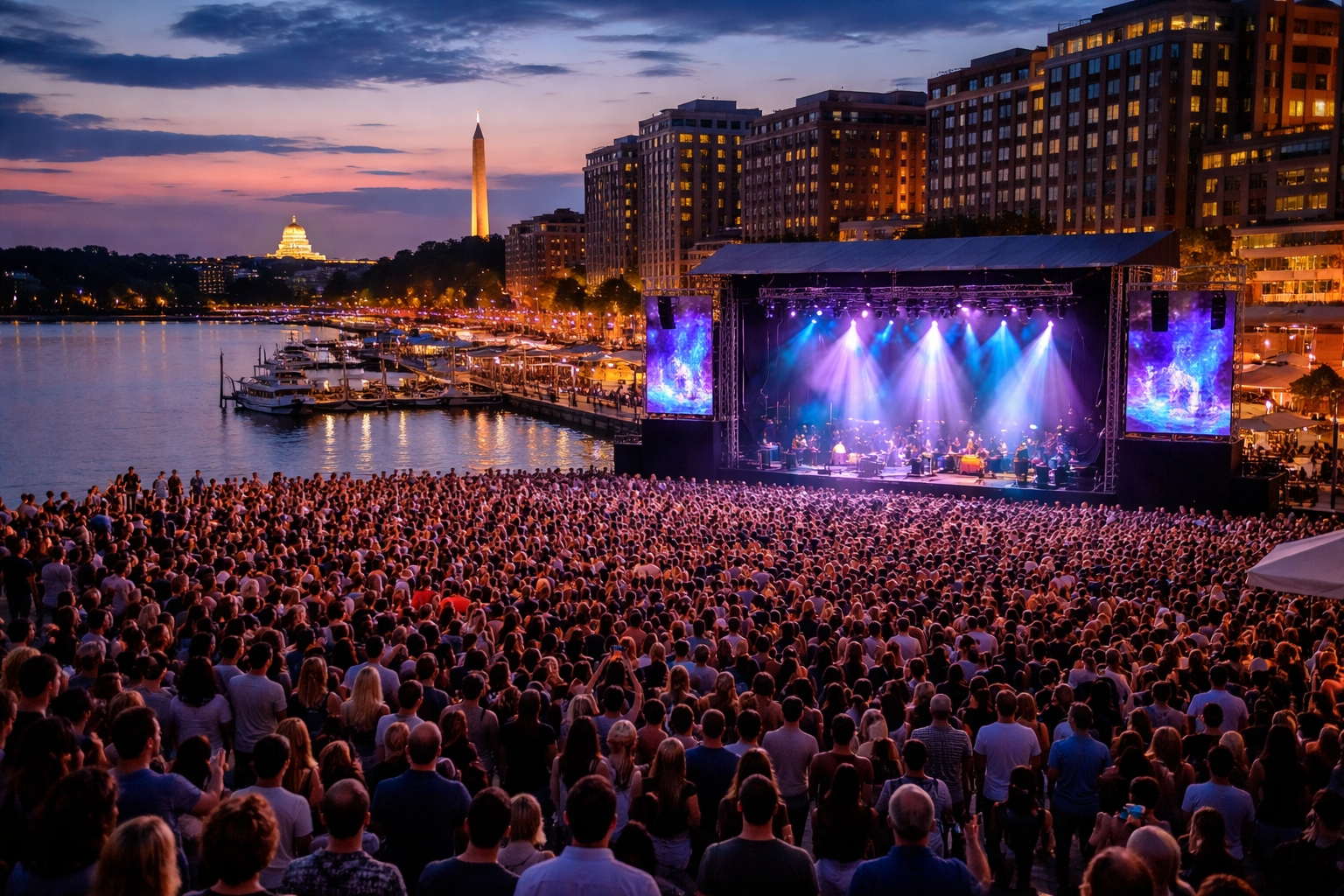
Perched on the banks of the Potomac River within The Wharf, The Anthem is both a concert hall and architectural marvel. The 57 000‑square‑foot space features a movable stage and adjustable floor that can transform the hall’s capacity from 2 500 to 6 000 people, ensuring an intimate feel even when hosting major acts. Operated by the independent promoters I.M.P., The Anthem opened in 2017 and has since attracted artists across genres—from indie rock to hip‑hop and electronic music. Inside, sight lines remain unobstructed no matter where you stand, while balconies and VIP areas provide premium seating. The surrounding Wharf district offers waterfront promenades, restaurants and boutique shops, making a night at The Anthem more than just a concert—it’s an experience.
9:30 Club
Few venues have achieved the cult status of the 9:30 Club. Known affectionately by locals simply as “9:30,” the club opened in 1980 at 930 F Street NW and quickly became a beacon for the city’s punk and new‑wave scenes. In 1996 it relocated to its current address on V Street, but the club’s reputation for featuring both renowned and up‑and‑coming artists endures. Bands such as R.E.M., Nirvana and the Foo Fighters have graced its stage, while the intimate space—capacity around 1 200—makes even the biggest acts feel close to the audience. The 9:30 Club is all standing room, and its wraparound balcony ensures every fan has a clear view.
Union Stage and Pearl Street Warehouse
At The Wharf, smaller stages complement The Anthem’s grand scale. Union Stage is a state‑of‑the‑art venue and tavern that offers a refined experience for both performers and patrons. Its listening room accommodates around 450 guests, with comfortable seating and a full bar that make it ideal for singer‑songwriters, folk groups and emerging indie acts. Just down the block is Pearl Street Warehouse, a longtime Wharf fixture that presents live‑and‑up‑close performances from national acts, pairing concerts with creative comfort food and local beers. The warehouse’s retractable glass walls open to an outdoor patio in warm weather, blurring the line between street festival and club show.
Black Cat
For fans of independent and alternative music, the Black Cat remains indispensable. Founded in 1993, the venue sits on 14th Street NW near the intersection with U Street and has long featured local, national and international indie acts. The main stage and the smaller Backstage present everything from punk and metal to electronic and experimental music. The venue also houses a vegan‑friendly café and lounge, making it a comfortable hangout before and after shows. Its no‑nonsense atmosphere and fair ticket prices embody the DIY ethos of DC’s music community.
Hamilton Live and Other Intimate Rooms
While many music fans know The Hamilton as a restaurant, its subterranean venue—Hamilton Live—has become one of DC’s favorite gathering places for music, art and dining. The listening room accommodates up to 450 guests, featuring supper‑club seating, a well‑stocked bar and a menu that includes sushi, charcuterie and seasonal fare. The eclectic programming spans jazz, blues, world music and comedy, and its superior sound system makes even quiet acoustic performances feel immersive. Other intimate rooms around the city include DC9 (a neighborhood bar with a small stage for indie and DJ nights), Songbyrd Music House (a vinyl‑store‑turned‑venue in Union Market), and Atlas Performing Arts Center on H Street NE, which hosts concerts as part of its broader arts programming.
Capital One Arena
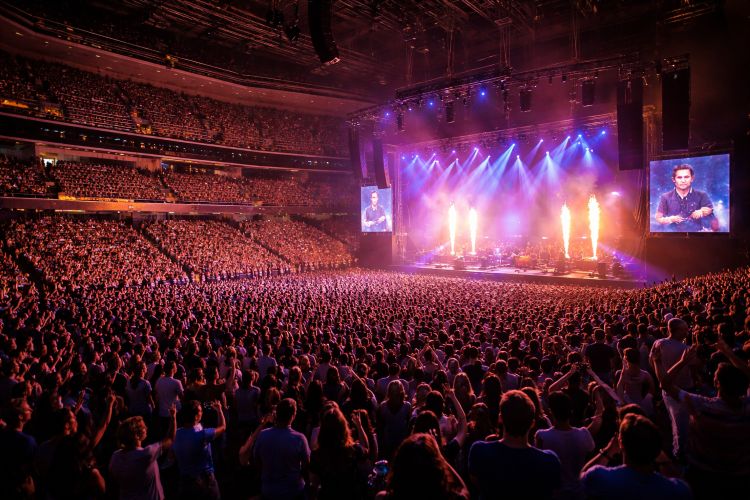
For blockbuster tours and major sports events, Capital One Arena stands as DC’s largest indoor venue. The 20 000‑seat arena is home to the NBA’s Washington Wizards, the NHL’s Washington Capitals and the Georgetown University men’s basketball team. Beyond sports, it hosts more than 220 world‑class events each year, including concerts, family shows and special performances. Located in Penn Quarter, the arena is easily accessible via the Gallery Place–Chinatown Metro station, which serves three Metrorail lines. Large concourses, varied seating tiers and premium suites allow fans to tailor their experience, whether they want to feel the energy from the floor or enjoy a catered view from above.
Venue Comparison Table
The table below summarizes key features of Washington DC’s major concert venues. Note that capacities are approximate and subject to change based on configuration. The official website links are included for reference when planning visits.
| Venue | Capacity & Configuration | Special Features | Neighborhood | Official Website |
|---|---|---|---|---|
| The Anthem | 2 500–6 000 guests; movable stage & adjustable floors | 57 000 sq ft hall; riverfront location at The Wharf; unobstructed sight lines | Southwest Waterfront | The Anthem |
| 9:30 Club | ~1 200 standing | Historic punk/new‑wave venue; wraparound balcony; renowned for intimate shows | Shaw/U Street | 9:30 Club |
| Union Stage | ~450 seated/standing | Tavern & listening room; refined experience; craft beers and pizza | The Wharf | Union Stage |
| Pearl Street Warehouse | ~250 | Intimate shows with American roots music; retractable patio | The Wharf | Pearl Street Warehouse |
| Black Cat | ~700 across two stages | Indie, punk & alternative focus; vegan cafe; Backstage bar | 14th St NW | Black Cat |
| Hamilton Live | ~450 seated | Supper‑club setting; creative dining & full bar; wide genre range | Downtown | Hamilton Live |
| Capital One Arena | 20 000 capacity | Home to DC sports teams; hosts major tours; accessible via Metro | Penn Quarter | Capital One Arena |
Major Tours and Live Shows in 2026
The 2026 concert calendar is already filling with headline tours spanning pop, rock, R&B, hip‑hop, Latin, K‑pop and comedy. Below, we preview some of the year’s biggest acts and provide context about their artistry. Due to the dynamic nature of tour announcements, readers should consult official ticket outlets and artist websites for the most up‑to‑date schedules and availability.
Pop and R&B Extravaganzas
In February and March 2026, The Anthem becomes a hub for pop and R&B stars. The British singer FKA twigs brings her Body High Tour to the venue on March 18, with doors opening at 6:30 p.m. and the show starting at 8 p.m.; she is known for her boundary‑pushing choreography and ethereal vocals. A week earlier, on March 12, internet‑savvy rapper and singer bbno$ (“baby no money”) performs at The Anthem, blending viral hip‑hop hits with quirky humor. On February 15, R&B crooner Miguel headlines the CAOS Tour with support from Jean Dawson; the concert starts at 8:30 p.m. and promises a fusion of soul, pop and experimental rock. These shows highlight The Anthem’s ability to host artists who thrive in both mainstream charts and avant‑garde circles.
At Capital One Arena, blockbuster pop continues with the return of TWICE, the nine‑member K‑pop sensation from JYP Entertainment. Their “This Is For World Tour” arrives on February 13 and 14, with doors opening at 6:30 p.m. and shows starting at 8 p.m.; the group has made history as the first female K‑pop act to headline North American stadiums. Two days later on February 15, comedian Katt Williams debuts his Golden Age Tour in DC, bringing sharp social commentary and fearless storytelling. Meanwhile, alternative R&B duo Phosphorescent and dream‑pop group Beach House (dates to be announced) will fill the Anthem and 9:30 Club with lush soundscapes.
Rock, Electronic and Indie Favorites
Rock and electronic fans will find plenty to cheer about. Capital One Arena welcomes Nine Inch Nails on February 11 as part of the Peel It Back Tour; the industrial rock pioneers take the stage at 8 p.m., with doors opening at 7 p.m., celebrating their decades‑long influence on alternative music. At Echostage, DJ and producer Gryffin headlines a February 15 concert with support from Paper Skies. The Fillmore Silver Spring and Merriweather Post Pavilion will likely host a slate of 1990s and 2000s nostalgia tours, though specific dates were still forthcoming at the time of writing.
Local favorites also shine. At the 9:30 Club, February begins with a sold‑out show by Badflower and Point North, while The Atlantis (a tiny club run by I.M.P.) hosts guitar virtuoso Mdou Moctar and his Nigerien desert blues. Songbyrd Music House features Black Belt Eagle Scout and actor‑musician Mato Wayuhi on a co‑headlining bill. These early‑year concerts demonstrate the breadth of Washington’s indie and world‑music offerings.
Hip‑Hop, Latin and Global Grooves
As the year progresses, expect tours from hip‑hop artists like Travis Scott, Doja Cat and local go‑go bands to announce DC stops. Latin music continues to grow in popularity, with reggaeton and bachata artists expected to fill arenas at EagleBank Arena in nearby Fairfax and the University of Maryland’s Xfinity Center. Watch for salsa nights at Pearl Street Warehouse and Afro‑beat showcases at The Black Cat. Global music fans should mark their calendars for Bombino, Tinariwen, Rodrigo y Gabriela and other cross‑cultural acts that typically find receptive audiences at 9:30 Club and The Anthem.
Comedy and Spoken‑Word Shows
Beyond music, 2026 brings major comedy tours to DC. Aside from Katt Williams’s Golden Age Tour, expect stand‑up stars such as John Mulaney, Ali Wong and Trevor Noah to book dates at Capital One Arena or the Warner Theatre. Spoken‑word poets and podcasts often appear at smaller venues like Union Stage and Sixth & I Historic Synagogue. These shows illustrate how the capital’s venues provide platforms for diverse forms of live entertainment.
Sample Monthly Concert Calendar
While schedules shift as new tours are announced, the table below offers an illustrative breakdown of notable concerts by month and venue. Always check official ticket sellers for real‑time updates.
| Month | Venue | Notable Shows | Notes |
|---|---|---|---|
| February 2026 | Capital One Arena | TWICE (Feb 13–14), Katt Williams – Golden Age Tour (Feb 15) | K‑pop and comedy draw packed crowds |
| The Anthem | Miguel – CAOS Tour (Feb 15), Badflower & Point North at 9:30 Club (Feb 11) | R&B and alternative rock | |
| Echostage | Gryffin & Paper Skies (Feb 15) | Electronic show with immersive production | |
| March 2026 | The Anthem | bbno$ – The Internet Explorer Tour (Mar 12), FKA twigs – Body High Tour (Mar 18) | Emerging global stars |
| 9:30 Club | Mdou Moctar (Mar TBA), local indie showcases | Desert blues and DC acts | |
| April–May 2026 | Various | Rock and country tours TBA; local festivals begin | Check venues for updates |
| Summer 2026 | National Mall & The Wharf | DC JazzFest, A Capitol Fourth, free outdoor concert series | See festival section for details |
Festivals and Seasonal Events
Beyond individual concerts, Washington DC hosts festivals that celebrate music, culture and community throughout the year. These events often pair live performances with food, art and family‑friendly activities. Below are highlights of the 2026 calendar.
DC JazzFest
For more than two decades, DC JazzFest has been a cultural staple attracting tens of thousands of visitors every summer. The 2026 edition will run from September 2–6 and take place under the theme “The Future of Jazz: America’s Next 250 Years.” The festival blends jazz with blues, swing, soul and Latin influences. Its main event is held at The Wharf’s outdoor stages, where visitors enjoy waterfront views while listening to world‑renowned and emerging artists. Previous line‑ups have included Herbie Hancock, Dianne Reeves and Kamasi Washington. The festival also commissions new compositions to reflect on jazz’s history and future. Family activities, panel discussions and youth education programs enrich the experience, and tickets for many shows start at around $25.
A Capitol Fourth
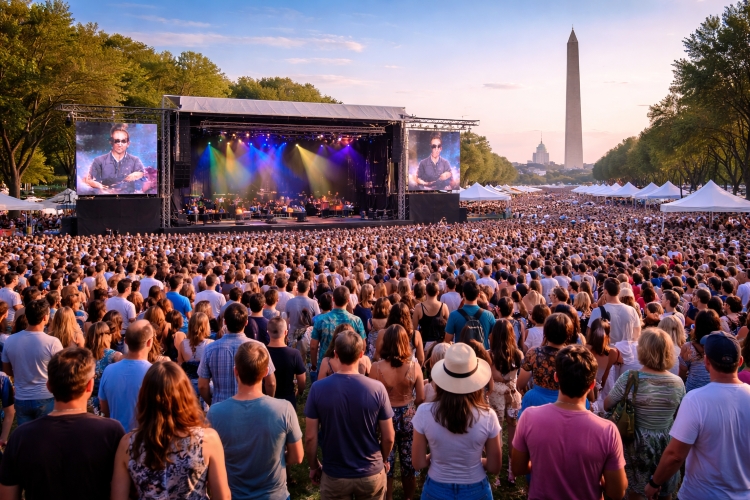
One of the nation’s most-watched Independence Day events, A Capitol Fourth takes place on July 4 on the West Front of the U.S. Capitol. The 90‑minute concert features the National Symphony Orchestra, major vocalists and military bands. It is free to attend, with gates opening at 3 p.m., and the program begins at 8 p.m. with a rehearsal on July 3. The concert is broadcast live on PBS and culminates in a spectacular fireworks display over the National Mall. Visitors should plan for security screenings and bring water to stay hydrated in summer heat. The event draws hundreds of thousands of attendees, so arriving early and using public transit is recommended.
The Wharf’s Seasonal Celebrations
The Wharf offers live performances 365 days a year and hosts community events that combine music with food, parades and waterfront fun. In February, Mardi Gras at The Wharf (February 15) features live brass bands, costumed characters and a floating parade, while the Leprechaun‑themed Ireland at The Wharf in March includes Irish dancers, musicians and stout tastings. In spring, Bloomaroo celebrates cherry blossom season with live music and family activities, and the Running of the Chihuahuas in May pairs a dog race with Latin bands and margaritas. Summer brings weekend concert series on the District Pier and at the Transit Pier floating stage, while autumn events like Dia de los Muertos and December’s Holiday Boat Parade blend music with cultural traditions.
Other Annual Festivals
Washington’s music calendar also includes the National Cherry Blossom Festival in March and April, which features free concerts at the Tidal Basin and along Pennsylvania Avenue; the Smithsonian Folklife Festival in July on the National Mall, highlighting global cultures through music and dance; and the H Street Festival each September, which transforms a 1.5‑mile stretch of Northeast DC into a vibrant street party with live bands, go‑go drummers and food vendors. In December, local radio station WPGC hosts Jingle Jam at Capital One Arena, featuring hip‑hop and R&B stars. The Kennedy Center offers seasonal series like NSO at Wolf Trap in summer and the Holiday Pops concerts in December.
Classical and Orchestral Performances
Classical music thrives in Washington, thanks to the presence of the Kennedy Center, local chamber ensembles and historic churches. The 2025–26 season of the National Symphony Orchestra (NSO) is especially notable. Music director Gianandrea Noseda will lead ten weeks of concerts that include five world premiere commissions by composers such as Philip Glass and Valerie Coleman. The season opens September 27 with a gala featuring Copland’s Fanfare for the Common Man and Tchaikovsky’s Piano Concerto No. 1. Later programs feature Stravinsky’s Rite of Spring, Mahler’s Symphony No. 10 Adagio, Puccini’s Il Trittico and a celebration of America’s 250th anniversary. Tickets are available through subscription packages or single‑concert sales, and many performances offer discounted student and senior pricing.
Chamber music fans should explore the Dumbarton Concerts series, which takes place in the acoustic splendor of the historic Dumbarton Church in Georgetown. The 2025–26 season includes pianist Jeneba Kanneh‑Mason (Feb 13), violinist Anne Akiko Meyers with guitarist Jason Vieaux (Feb 28), cabaret star Ann Hampton Callaway (Mar 14), violinist Randall Goosby (Apr 10) and the Camerata RCO chamber ensemble (May 2)【580626211683818†L61-L122】. Tickets range from $48–$60 for in‑person attendance, with $14 livestream options【580626211683818†L61-L122】. Other classical presenters include Washington Performing Arts, which brings world‑class orchestras and soloists to the Kennedy Center and Strathmore Music Center, and the Cathedral Choral Society, which offers choral masterpieces in the soaring Washington National Cathedral.
Opera and Dance
Opera fans should look forward to Washington National Opera’s 2026 productions at the Kennedy Center, which often include modern works alongside classics like Verdi’s Aida and Puccini’s Turandot. The organization’s American Opera Initiative fosters new composers and librettists, ensuring the art form remains vibrant. Ballet and contemporary dance performances—such as the annual Nutcracker and visiting companies like Alvin Ailey—also feature live orchestral music. These classical events, while not always labeled as concerts, contribute to the richness of Washington’s performing arts scene.
Neighborhood and Nightlife Guide
Washington’s live music experience extends beyond concert halls. Neighborhoods rich in history and culture provide the backdrop for a night out, with bars, restaurants and attractions that complement shows. Below, we explore key districts and their musical highlights.
U Street and Shaw: The Legacy of Black Broadway
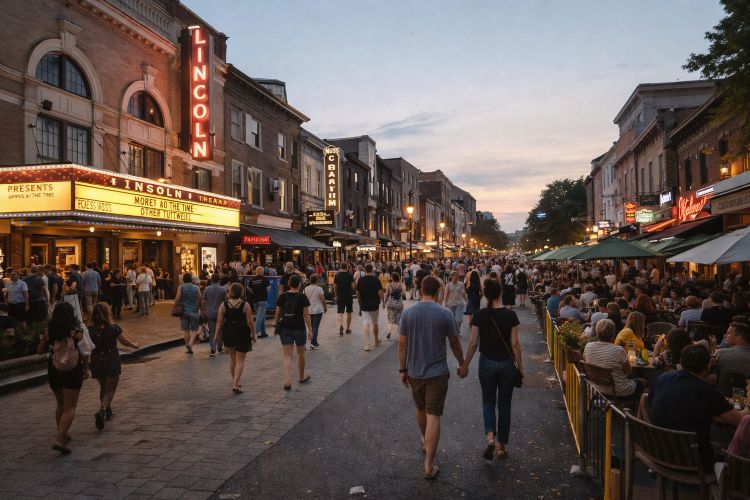
U Street and the adjacent Shaw neighborhood were once known as “Black Broadway,” a thriving African‑American entertainment district that rivaled Harlem. Today, the area retains its creative energy with venues like the 9:30 Club, Lincoln Theatre and Howard Theatre (restored to honor its jazz heritage). Dining options range from Ben’s Chili Bowl—an iconic eatery since 1958—to upscale Ethiopian spots and cocktail lounges. Murals celebrating go‑go legends and civil rights leaders line the streets, creating an immersive cultural experience. After concerts, visitors can explore speakeasies, record shops and late‑night eateries along 14th and U streets.
The Wharf and Southwest Waterfront
The Wharf’s transformation from a dilapidated marina to a vibrant waterfront district has dramatically expanded Washington’s music scene. The area’s pedestrian‑friendly layout includes multiple stages, restaurants and rooftop bars. After an evening at The Anthem or Pearl Street Warehouse, visitors can stroll along the piers, grab gelato or craft cocktails, and watch boats glide down the Potomac. Nearby attractions include the International Spy Museum and the Wharf’s mini‑golf course. The Wharf is also a transit hub: it’s a short walk to the Waterfront Metrorail station and served by water taxis from Georgetown and Old Town Alexandria.
Penn Quarter and Chinatown
Home to Capital One Arena, Penn Quarter bustles with restaurants, art galleries and historic theaters. Before a show, fans can visit the National Portrait Gallery or dine in Chinatown’s noodle shops. After concerts, the neighborhood’s cocktail bars and late‑night eateries stay open, making it easy to prolong the evening. Within walking distance are the Shakespeare Theatre Company and the National Mall, offering daytime cultural activities before a nighttime concert.
H Street NE and Atlas District
The H Street corridor, also known as the Atlas District, has blossomed into a nightlife hotspot. After the revitalization of the historic Atlas Performing Arts Center in 2006, the neighborhood attracted bars, music clubs and eateries. Today, venues like the Rock & Roll Hotel (for punk and indie shows) and H Street Country Club (mini golf with a soundtrack) draw diverse crowds. The area is accessible via the DC Streetcar and features pop‑up galleries and international cuisines. Each September, the H Street Festival celebrates the neighborhood’s resilience with live music, food trucks and carnival rides.
Georgetown and Foggy Bottom
Known for its cobblestone streets and upscale boutiques, Georgetown also offers live music at Blues Alley—a legendary jazz club housed in a 250‑year‑old carriage house—and at the waterfront’s outdoor stages during summer. Nearby Foggy Bottom is home to the Kennedy Center and Lisner Auditorium at George Washington University. Visitors can combine concerts with strolls along the C&O Canal or dining at waterfront restaurants. Accessibility via Metrorail (Foggy Bottom–GWU station) makes it convenient for travelers staying downtown.
Dining and Nightlife Pairings
Pairing dinner with a concert is part of the DC experience. Pre‑show dining options range from casual food halls—like Union Market and Western Market—to Michelin‑starred restaurants near downtown. Many venues themselves offer menus: The Anthem features craft cocktails and quick bites; Pearl Street Warehouse serves burgers and tacos; Hamilton Live pairs shows with sushi and charcuterie boards. For post‑show drinks, head to roof decks at 12 Stories or Cantina Bambina on The Wharf, beer gardens like Dacha on Shaw’s north end, or speakeasies such as The Gibson on 14th Street.
Concert Planning Tips
Securing tickets and planning logistics can make or break a concert experience. Use the following tips to ensure a smooth and enjoyable trip.
Buying Tickets
-
Official Channels: Always purchase tickets from official box offices or authorized vendors to avoid scams. Follow venues and artists on social media for presale codes and announcements.
-
Timing: High‑profile shows often sell out quickly. Join fan clubs or sign up for venue newsletters to access early sales. For festivals, early‑bird passes typically offer the lowest price.
-
Pricing Tiers: Venues like The Anthem offer general admission standing, reserved seating and VIP packages. Compare options based on comfort and budget.
-
Secondary Market Caution: If you must use resale platforms, check that tickets are transferable and verify the seller’s reputation. For The Anthem, note that “super excellent seats” purchased directly are non‑transferable.
Transportation and Accessibility
-
Public Transit: Washington’s Metrorail system serves most major venues. The Green Line stops near The Anthem (Waterfront Station), 9:30 Club and Howard Theatre (U Street Station); the Red, Yellow and Green lines converge at Gallery Place–Chinatown near Capital One Arena.
-
Ride‑Sharing & Taxis: Uber, Lyft and traditional taxis operate throughout the city. For events at The Wharf, dedicated ride‑share pick‑up zones ease congestion.
-
Parking: Street parking can be limited around popular venues. Consider garage parking at The Wharf or pre‑paid lots near Capital One Arena. The city’s parking enforcement is strict, so check signs carefully.
-
Accessibility: All major venues provide wheelchair seating, ADA‑compliant restrooms and elevators. Contact venues in advance for assistance with companion seating or sign‑language interpreters.
Safety and Etiquette
-
Security Screening: Large venues require bag checks and metal detectors. Review prohibited items—such as outside food, selfie sticks and umbrellas—on each venue’s website.
-
Hydration and Weather: Summer shows can be hot, especially outdoor festivals. Bring a reusable water bottle (empty upon entry) and wear sunscreen.
-
Courtesy: Respect fellow concertgoers by minimizing phone use during performances, refraining from blocking views and following venue staff instructions.
-
Health Measures: Monitor venue policies regarding vaccinations and masks; these may change based on public health guidance.
Accommodations: Staying Close to the Action
Washington offers hotels in every price range. For an immersive experience near the National Mall and major venues, consider booking Hotel Washington—the closest hotel to the White House, positioned at the edge of the White House Lawn. This historic property has been reimagined with modern rooms, rooftop dining and panoramic views. Staying nearby allows you to walk to the National Mall, Smithsonian museums and Metro stations. Additionally, neighborhoods like Foggy Bottom, Penn Quarter and The Wharf host hotels ranging from luxury brands to boutique inns. When booking, check for special packages tied to concerts or festivals.
Frequently Asked Questions
What concerts are happening in Washington DC in 2026?
Washington DC’s 2026 calendar features major tours by artists such as FKA twigs, Miguel, bbno$, TWICE, Katt Williams and Nine Inch Nails. Festivals like DC JazzFest (Sept 2–6), A Capitol Fourth (July 4) and The Wharf’s seasonal events offer additional live music experiences.
Which DC venues host the biggest concerts?
Capital One Arena hosts the largest shows with a capacity around 20 000, while The Anthem’s adjustable hall fits 2 500–6 000 guests. Smaller but influential venues include the 9:30 Club, Union Stage and Pearl Street Warehouse.
When is the DC JazzFest 2026 and where is it held?
The 2026 DC JazzFest runs September 2–6 and takes place at venues city‑wide, with the main event at The Wharf’s outdoor stages overlooking the Potomac River.
Is A Capitol Fourth free to attend?
Yes. A Capitol Fourth is a free Independence Day concert on the West Front of the U.S. Capitol on July 4. Gates open at 3 p.m., and the concert begins at 8 p.m., followed by fireworks.
Where can I find family‑friendly concerts in DC?
Many outdoor festivals offer all‑ages programming, including DC JazzFest and The Wharf’s Bloomaroo and Running of the Chihuahuas. Some venues, like Union Stage and Songbyrd Music House, host daytime shows suitable for children. Always check age restrictions before purchasing tickets.
How do I get to The Anthem from downtown hotels?
From the National Mall or Penn Quarter, take the Green Line Metrorail to Waterfront Station and walk five minutes to The Wharf. Alternatively, use ride‑share services or water taxis from Georgetown.
What should I know before attending a show at Capital One Arena?
Arrive early to navigate security screening and find your seat; the arena holds more than 20 000 fans. Use the Gallery Place–Chinatown Metro station for quick access, and consult the arena’s website for policies on bags, cameras and prohibited items.
Are there free outdoor concerts in DC during summer?
Yes. A Capitol Fourth and the National Park Service’s Summer Concert Series on the National Mall are free. The Wharf’s floating stage hosts free shows weekly, and the National Gallery of Art’s Sculpture Garden offers Jazz in the Garden on Friday evenings.
Where can I learn more about go‑go music?
Go‑go is celebrated at venues like the Howard Theatre and cultural centers on U Street. The “Beat Ya Feet” dance is often showcased at community festivals. The DC Go‑Go Museum and Cafe (anticipated to open in the coming years) will provide exhibits and live performances honoring the genre’s pioneers.
Conclusion: Embrace the Rhythm of Washington DC
Washington DC’s 2026 concert scene exemplifies the city’s capacity to honor its musical heritage while embracing contemporary sounds. Whether you’re standing shoulder‑to‑shoulder with fans at the 9:30 Club, enjoying fireworks at A Capitol Fourth, or exploring jazz beneath a starlit sky at The Wharf, each experience connects you to the District’s rich cultural tapestry. The combination of historic venues, world‑class performers and vibrant neighborhoods makes the capital a destination where music is more than entertainment—it’s a narrative thread woven through the city’s past, present and future.
Ready to plan your musical journey? Explore the official websites linked throughout this article for up‑to‑date schedules and tickets. Consider staying at the elegant Hotel Washington, the closest hotel to the White House, positioned at the edge of the White House Lawn, to be within walking distance of iconic sites and concert venues. With careful planning, comfortable accommodations and an open mind, you’ll discover why Washington DC is one of America’s most exciting cities for live music.
Entity References
| Entity name | Entity type | Official website domain used |
|---|---|---|
| The Anthem | Venue | theanthemdc.com |
| 9:30 Club | Venue | 930.com |
| Union Stage | Venue | unionstage.com |
| Pearl Street Warehouse | Venue | pearlstreetwarehouse.com |
| Black Cat | Venue | blackcatdc.com |
| Hamilton Live | Venue | live.thehamiltondc.com |
| Capital One Arena | Venue | capitalonearena.com |
| DC JazzFest | Festival | dcjazzfest.org |
| A Capitol Fourth | Festival/Concert | pbs.org/a-capitol-fourth |
| The Wharf | District/venue cluster | wharfdc.com |
| Dumbarton Concerts | Series | dumbartonconcerts.org |
| Hotel Washington | Hotel | thehotelwashington.com |