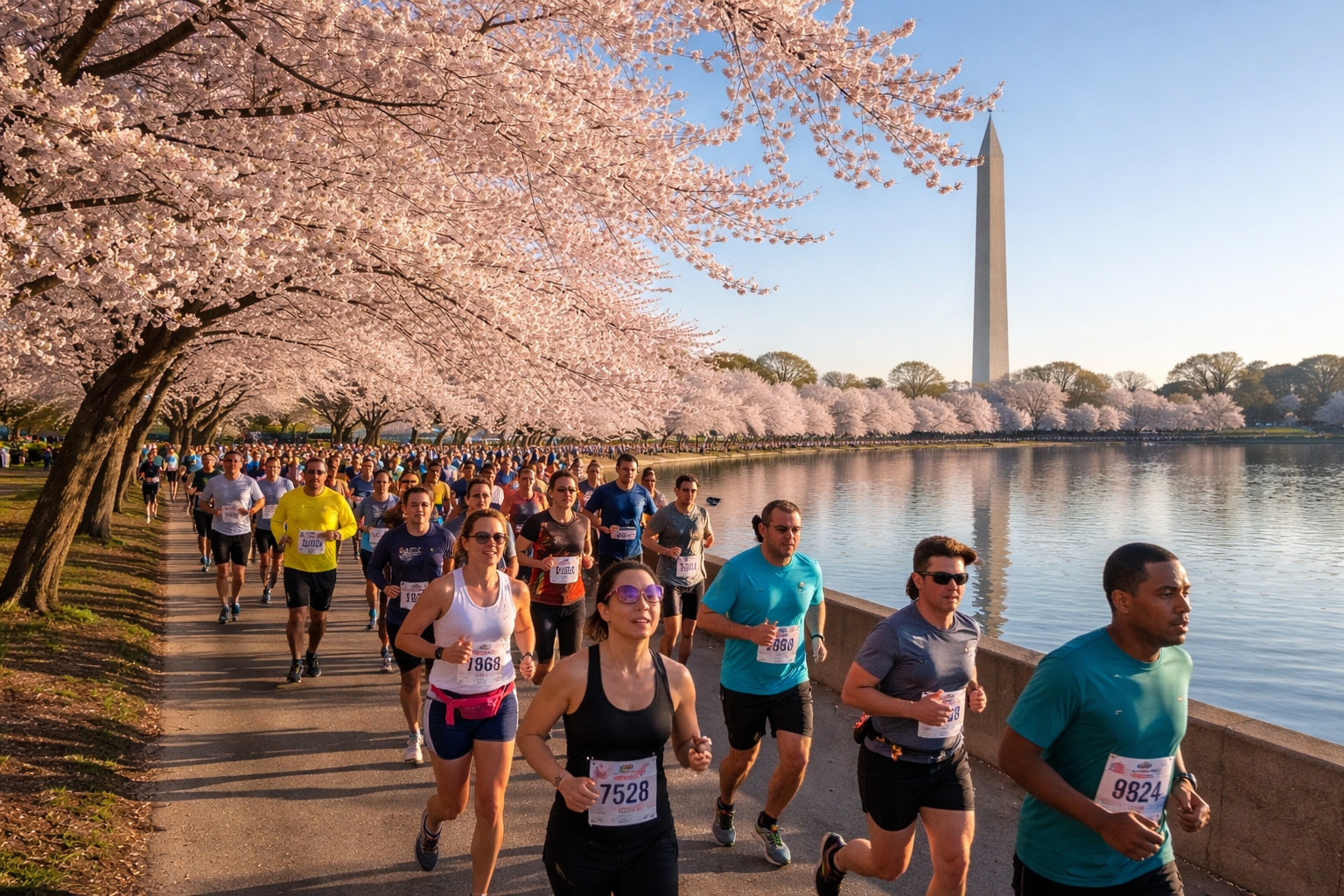
Cherry Blossom 10 Mile & 5 K 2026: Race Day Tips & Viewing Guide
Prepare to lace up your running shoes and unfold your picnic blanket — the Credit Union Cherry Blossom 10 Mile and 5 K are back, and 2026’s edition promises one of the most beautiful spring weekends in Washington, DC. Running alongside more than 20,000 athletes and under canopies of pink and white blooms, the race is both a competition and a celebration. This guide explains everything you need to know: start times, course highlights, best viewing spots, hydration plans, training resources and where to recover when the last runner crosses the finish line.
Your Essential 2026 Cherry Blossom Run Preview
Few events capture the essence of spring like the Cherry Blossom 10 Mile & 5 K. Taking place during Washington’s National Cherry Blossom Festival, the race winds past monuments and along the Tidal Basin when the Yoshino trees are at peak bloom. The 2026 edition occurs on April 11–12 and returns one week later than usual because of Easter. Saturday features the 5 K at >Blossom 10 Mile & 5 K 2026: Race Day Tips & Viewing Guide Virginia Highlands Park in Arlington, Virginia, and Sunday hosts the 10 Mile with elite runners starting at 7:18 a.m. and the rest of the pack at 7:30 a.m.. Each event uses wave starts to manage crowds and ensure safety, so plan your arrival accordingly. Whether you’re racing or cheering, this guide aims to make your experience smooth, memorable and full of springtime wonder.
Why 2026’s Race Matters Now
The Cherry Blossom Run isn’t just another footrace — it’s part of a storied tradition dating back to 1973 and is affectionately called “The Runner’s Rite of Spring®”. In 2026, the event doubles as the USATF National 10 Mile Championship, attracting elite competitors alongside weekend warriors. Because the race takes place during the height of cherry blossom season, thousands of spectators descend on the National Mall to watch the colorful parade of runners under blooming trees. Hotels around the city fill quickly, roads close and transit planning becomes essential. This year’s late date means blossoms may linger a little longer, and the weather could be warmer than in early April. For first‑timers and returning veterans, understanding the logistics and seasonal nuances will make the difference between a pleasant morning jog and a stressful scramble.
Framing Your Experience
This long‑form guide balances immediacy and depth. It opens with core race details and then takes you mile by mile along the route. Sections dive into hydration strategies, training tips from local run clubs, the race’s history, travel advice and even cherry‑blossom etiquette. A dedicated FAQ answers common questions in plain language, and the closing section suggests post‑race celebrations with a special emphasis on dining and recovery at the Hotel Washington, the closest hotel to the White House and an ideal base for runners and spectators. Throughout the guide you’ll find suggestions for the best places to cheer, when to capture sunrise photos and how to soak up DC’s spring magic long after the finish line closes.
Race Schedule & Logistics
Key Dates and Start Times
The 2026 Cherry Blossom run spans two days and requires careful scheduling. Saturday, April 11 features the 5 K at Virginia Highlands Park in Arlington, Virginia. The race begins at 8 a.m., which means runners should arrive by 7 a.m. to allow time for bag check and warm‑ups. On Sunday, April 12, the 10 Mile kicks off from the Washington Monument grounds. Elite women start at 7:18 a.m. and wave starts begin at 7:30 a.m.. Race organizers release bib assignments and wave times about two weeks in advance, so check your registration email and plan to enter the corrals 30 minutes before your wave starts.
- Bib pickup: The race expo, held Thursday and Friday at the National Building Museum, is the only location for bib pickup. Bring your registration confirmation and a photo ID. Expect lines during peak hours and consider visiting during lunch or early afternoon. Race‑day pickup is not available for either distance.
- Wave starts: Waves of 1,000–1,500 runners head out every two minutes. Volunteers at corral entrances check bib numbers to prevent overcrowding. If you want to run with a friend assigned to a later wave, you may drop back to their group but cannot move forward.
- Gear check: A secure gear‑check tent is available near the start line for the 10 Mile and at Virginia Highlands Park for the 5 K. Label your clear bag with the provided tag and allow extra time for security screening. Bags must be retrieved within an hour of finishing.
- Transit advice: Because roads close around the National Mall before dawn, plan to use Metro. Smithsonian, Federal Triangle and L’Enfant Plaza stations are all within walking distance of the 10 Mile start. For the 5 K, Pentagon City and Crystal City stations are nearest to Virginia Highlands Park. Metro trains begin running early on race days, but check the schedule and load funds onto your SmarTrip card ahead of time.
Getting to the Start
Traffic restrictions start as early as 5 a.m. on Sunday around the National Mall. Constitution Avenue, Independence Avenue and 14th Street are partially closed to vehicles. If you’re driving from out of town, park in a garage near a Metro station outside the city and ride in. Cyclists should lock bikes at racks near the Washington Monument or at designated Capital Bikeshare stations. Runners staying downtown will find that the Hotel Washington sits just steps from the White House and about a ten‑minute jog from the start line, making pre‑race logistics effortless.
Spectators should plan their routes carefully. Roads around the Tidal Basin will be closed, but the sidewalks remain open. If you want to secure a spot near the start, arrive before 6:30 a.m. on Sunday and dress warmly; spring mornings can be chilly. For the 5 K, there’s ample space on the grassy fields of Virginia Highlands Park, but early arrival ensures a view near the start or finish.
Registration and Lottery Insights
Entry to the Cherry Blossom 10 Mile is via a lottery held in December of the preceding year. Returning runners, members of local running clubs and Double Blossom participants (those running both the 5 K and 10 Mile) receive enhanced odds. If you didn’t secure a lottery spot, a limited number of charity bibs are available in exchange for fundraising commitments benefiting the Children’s Miracle Network — the event’s official charity partner. Registration for the 5 K typically sells out faster than the 10 Mile, so act quickly when it opens. All participants receive a commemorative t‑shirt and finisher medal, and 10 Mile finishers also receive a handsome runner’s edition poster.
Course & Viewing Spots
Course Overview
The 10 Mile course is one of the most scenic runs in the country. It starts on 15th Street NW at the foot of the Washington Monument and heads west on Independence Avenue before looping across Arlington Memorial Bridge. Runners make a brief detour into Virginia, passing the U.S. Marine Corps War Memorial (Iwo Jima) and the Air Force Memorial and glimpsing the Arlington National Cemetery. After returning to DC, the course hugs the Tidal Basin, offering panoramic views of the Jefferson Memorial and Martin Luther King Jr. Memorial, before entering East Potomac Park. Here, runners traverse Hains Point, a three‑mile peninsula lined with cherry trees, before heading north along Maine Avenue, finishing back at the Washington Monument. The route passes every major blossom spot and provides constant views of monuments and memorials.
The 5 K course differs considerably. Starting and finishing at Virginia Highlands Park, it winds through the streets of Pentagon City and Crystal City. The route offers glimpses of the Pentagon and passes near the Pentagon Memorial, as well as the Air Force Memorial. It is mostly flat with a gentle downhill finish, making it ideal for families and first‑time racers.
Best Viewing Locations
- Start Line at the Washington Monument: This iconic spot not only frames runners against the 555‑foot obelisk but also allows early‑morning spectators to witness the elite women’s start and the first wave. Arrive by 6 a.m. and bring a thermos of coffee. The Mall’s wide lawns provide space to spread out and catch the sunrise.
- Arlington Memorial Bridge: Crowds gather on both sides of the bridge to cheer as runners cross the Potomac with the Lincoln Memorial behind them and Arlington House in the distance. To access the bridge on foot, use the western end of Constitution Avenue or the trail from Arlington National Cemetery. Note that the roadway is closed to vehicles, so avoid bringing strollers here.
- Tidal Basin Pathways: The pathway along Jefferson Drive and the Tidal Basin is perhaps the most photogenic cheering area. Here you can snap pictures of runners framed by blossoms and the Jefferson Memorial. Stay behind the barriers and avoid stepping into the course; the path can be narrow.
- Hains Point: East Potomac Park’s peninsula offers three miles of cheering potential. Bring a bike or scooter and ride along Ohio Drive to catch multiple points. Midway along the peninsula is a grassy knoll with benches perfect for picnics. Because it’s farther from Metro stations, crowds are smaller and you’ll have unobstructed views of the Potomac River and National Airport.
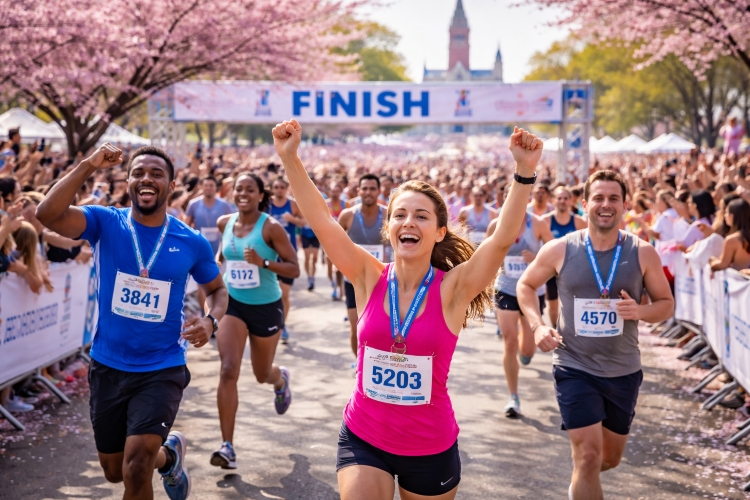
- Finish Line Near the Washington Monument: There’s nothing like watching runners sprint the final meters toward the finish banner. A large spectator area and bleachers make this an excellent spot for group gatherings and celebration photos.
For the 5 K, find a spot along South Hayes Street or near Pentagon Row for a lively scene. Afterwards, reposition near the finish line to cheer your friends home. The course’s flat profile means you might see some personal records, so have your camera ready.
Click for course maps:
Navigating Road Closures and Public Access
During race weekend, several roads around the National Mall and Arlington close to vehicular traffic. Expect closures along Constitution Avenue, Independence Avenue, 14th Street, Ohio Drive and Arlington Memorial Bridge from before sunrise until 11 a.m. on Sunday. Signs and barricades direct spectators to safe crossing points. Capital Bikeshare stations near the race may be temporarily relocated, so check the app. The National Cherry Blossom Festival runs concurrently, so expect large crowds around the Tidal Basin. Park rangers and volunteers are on hand to answer questions and enforce safety.
Where to Capture the Best Photos
Photographers flock to the Cherry Blossom Run because of the combination of athletic action and natural beauty. Consider these tips:
- Sunrise at the start line: The soft golden light between 6:30 and 7 a.m. bathes the Washington Monument and the first waves of runners. Use a wide lens to capture the obelisk and the crowd surging forward.
- Hains Point blossoms: On the east side of the peninsula, the sun rises over the Potomac, backlighting the trees. A longer lens will compress the rows of blossoms and create a dreamlike tunnel.
- Memorial Bridge perspective: Shoot from the Virginia side to frame runners and the Lincoln Memorial. A polarizing filter helps manage reflections on the river.
- Hotel Washington rooftop: After the race, head to VUE Rooftop for a panorama of the National Mall. From here you can capture post‑race festivities, the Washington Monument and the blossoming trees in a single frame.
Hydration & Nutrition
Understanding Aid Stations
Proper fueling and hydration can make or break your race. On the 10 Mile course, water and Gatorade are available at five aid stations located approximately at miles 2.5, 4.25, 6, 7.75 and 8.85. Volunteers hand out cups from both sides of the road; call out “Water” or “Gatorade” as you approach to avoid confusion. The 5 K features a single aid station around mile 2 and again at the finish line. Medical tents are located at every water stop and near the finish.
Tips for Staying Hydrated
Washington’s spring weather can be unpredictable. Even if temperatures are cool at the start, they may rise quickly as the sun climbs. To ensure optimal hydration:
- Start hydrated: Drink water or an electrolyte beverage the night before and sip a cup about two hours before your start time. Avoid overhydrating immediately before the race; otherwise you’ll be searching for porta‑potties during the run.
- Carry your own bottle: If you prefer to avoid crowded aid stations, consider wearing a handheld bottle or hydration belt. This is especially useful if you’re training with specific electrolyte mixes.
- Practice with your fueling: Use your long training runs to practice drinking and eating on the move. Try gels, chews or real food like dried fruit to see what sits well with your stomach.
- Post‑race recovery: After crossing the finish, keep moving to avoid cramping. Volunteers will direct you through the finisher chute where you’ll receive water, Gatorade, cookies and bananas. To replenish sodium and protein, bring a small recovery shake or plan for a substantial brunch.
Fueling Strategies for 10 Miles
Ten miles is long enough to require mid‑race energy, especially if you run at race pace. Aim to take in about 30–60 grams of carbohydrate per hour. Popular options include energy gels every 30 minutes or a combination of gels and sports drink. If you’re not comfortable with gels, consider dates, honey packets or gummy candies. On the 5 K, you can skip mid‑race fueling and focus on hydration.
Training & Local Run Clubs
Preparing for the 10 Mile & 5 K
Whether you’re tackling your first 5 K or looking to set a personal record in the 10 Mile, structured training yields the best results. Because the Cherry Blossom course is mostly flat with a few rolling sections, training should emphasize endurance and speed endurance rather than hill work. Aim for 12–14 weeks of consistent running with a gradual build‑up in mileage. Beginners should start with three runs per week, while intermediate runners can handle four or five sessions. Incorporate long runs that gradually reach 8–9 miles for the 10 Mile and 4 miles for the 5 K. Include interval workouts such as 400‑meter repeats or tempo runs to build speed.
Cross‑Training and Recovery
Supplement your running with cross‑training to reduce injury risk. Swimming, cycling and strength training build complementary muscles and improve cardiovascular fitness. Yoga and foam rolling enhance flexibility and help prevent tightness in the calves and hips. Listen to your body and schedule rest days; overtraining can derail your race goals and diminish enjoyment.
Leveraging DC’s Running Community
Washington, DC boasts a rich running culture, and local run clubs offer camaraderie and accountability. Many groups host weekly social runs on the National Mall, through neighborhoods and across the Potomac. Highlights include:
- Pacers Running: With multiple store locations, Pacers hosts free group runs that cater to all paces. Their “Fun Run” series meets several times per week and often traverses sections of the Cherry Blossom course. Experienced coaches provide pace group leadership and training plans.
- Every Person Run Club: A community focused on inclusivity, this club welcomes beginners and experienced runners. They schedule weekend long runs and provide mentoring for first‑time racers.
- November Project: Known for their sunrise workouts, November Project meets at iconic landmarks like the Lincoln Memorial. Their sessions involve stairs, hill repeats and bodyweight exercises, adding variety to your training.
- West End Run Club & NoMa Run Club: These neighborhood‑based groups organize evening runs that often end at local restaurants or breweries. The social component makes training more fun and can be a great way to meet fellow runners.
- District Running Collective & DC Pynk Run Club: Focused on building community in underserved neighborhoods and supporting runners of color, these clubs host themed runs and training series.
- DC Front Runners: An LGBTQ+ running club that welcomes allies. They meet several times per week and participate in races together, providing a supportive environment for all abilities.
- Northeast Track Club: Ideal for competitive athletes, this club offers track workouts and speed sessions designed to improve race times.
Joining a club provides structured workouts, route guidance and cheering sections on race day. Many clubs also organize group travel to out‑of‑town races, so you could end up planning a marathon or half‑marathon adventure before long.
Tapering and Final Preparations
In the two weeks leading up to race weekend, reduce your mileage and focus on rest. This taper allows your muscles to repair and your glycogen stores to replenish. Keep your running frequency but reduce the length and intensity of workouts. Use extra time to sleep, hydrate and stretch. Plan your race outfit and pin your bib in advance. Check the weather forecast the night before and adjust clothing layers accordingly. Nothing new should be worn on race day — shoes, socks and clothes should all be tested in training.
Historical Context & Significance
Origins of the Race
The Cherry Blossom run began in 1973 when a group of trail enthusiasts decided to celebrate the annual blooming of Washington’s cherry trees by staging a footrace around the Tidal Basin. Over the decades it grew from a small local event into one of the nation’s premier road races, drawing elite athletes from around the world. The event’s tagline, “Runner’s Rite of Spring®,” reflects its position as a seasonal marker and beloved tradition. Some participants have run the event for over twenty years, turning the weekend into a family reunion.
The USATF National 10 Mile Championship
Since 2024 the Credit Union Cherry Blossom 10 Mile has also served as the USATF National 10 Mile Championship. Elite athletes compete for national titles and prize money while also chasing fast times on the flat course. The event’s reputation for near‑perfect racing conditions — cool temperatures and minimal elevation change — makes it attractive for record attempts. Past winners include Olympians and national record holders. For recreational runners, sharing the course with pros adds inspiration and excitement.
Charitable Impact
The race also raises funds for the Children’s Miracle Network, a nonprofit supporting children’s hospitals across North America. Through donations and participant fundraising, the Cherry Blossom Run has contributed millions of dollars to pediatric care over the years. When you register or donate to secure a charity bib, you’re directly supporting life‑saving treatments for children. On race weekend you’ll see balloons, banners and sometimes patient ambassadors cheering from the sidelines, reminding runners of the event’s broader mission.
Cultural Significance
The Cherry Blossom Run is intertwined with the National Cherry Blossom Festival, which commemorates the 1912 gift of 3,020 cherry trees from Tokyo to Washington, DC. The festival features parades, cultural performances and art exhibitions, drawing visitors from around the world. The race’s synergy with the festival elevates both events: runners generate energy and crowds for the festival, and festival attendees enjoy an impromptu sporting spectacle as part of the celebration. For many, running or watching the race has become a spring ritual that marks the end of winter and the awakening of the city.
Course Records and Memorable Moments
Course records underscore the race’s prestige. The current men’s record stands at 45 minutes and 13 seconds, while the women’s record is 51 minutes and 22 seconds, both set by national champions in the early 2020s. In 1997, the course had to be shortened due to severe flooding, but runners still turned out in droves. During the 2020 pandemic, the race went virtual, with participants running solo routes around the world and sharing their times online. Each year brings new stories, from marriage proposals at the finish line to local high‑schoolers achieving unexpected victories. By joining or watching, you become part of this evolving history.
Travel & Lodging: Staying Close to the Action
Why Proximity Matters
Choosing a hotel near the start line simplifies race morning. You can sleep later, avoid Metro crowds and leave your warm bed just minutes before your wave. It also makes post‑race recovery more comfortable: instead of riding a packed train, you can stroll back to your room, shower and put your feet up. During cherry blossom season, staying downtown also places you within walking distance of festival events, museums and restaurants. The Hotel Washington sits at the edge of the White House lawn and is the closest hotel to the start; its central location and upscale amenities make it a favorite among runners and spectators alike. Guests enjoy modern rooms, a stylish lobby and quick access to the National Mall.
Brunch & Views at VUE Rooftop
After finishing the 10 Mile, many runners head to the 11th floor of the Hotel Washington for brunch at VUE Rooftop. The restaurant opens at 11 a.m. on Sundays and offers panoramic views of the Washington Monument, Lincoln Memorial and Tidal Basin. Sit outside to bask in the spring sunshine and watch the festival crowds below. Fireclay®, the hotel’s ground‑floor eatery, also offers hearty breakfasts and craft cocktails — ideal for refueling after a morning of exertion. For those staying at the hotel, spa services like massages and foot soaks help ease sore muscles.
Other Lodging Options
If the Hotel Washington is booked, several other hotels near the White House and National Mall offer convenient access. Boutique hotels along Pennsylvania Avenue provide historic charm, while national chains in nearby Foggy Bottom and Dupont Circle offer budget‑friendly rates. Consider how far you’re willing to walk pre‑dawn; even a 15‑minute walk can feel long if you’re carrying gear. For the 5 K, hotels in Crystal City or Pentagon City put you close to Virginia Highlands Park and near Metro lines back into DC.
Transportation Tips for Visitors
If you’re flying into Reagan National Airport, the Blue and Yellow Metro lines take you directly to downtown DC and Arlington. Amtrak and intercity buses arrive at Union Station, where you can transfer to Metro. Ride‑share services operate widely, but many roads are restricted during race weekend. Bring comfortable walking shoes and download the Capital Bikeshare app in case you need to move quickly between cheering spots. Be patient: crowds at Metro stations will be larger than usual, especially near the National Mall.
Cherry Blossom & Festival Essentials
Timing Peak Bloom
Peak bloom — defined as when 70 percent of the Yoshino cherry trees around the Tidal Basin are flowering — usually occurs between late March and early April. The National Park Service issues a bloom prediction each year in February, with updates as weather patterns evolve. Because the 2026 race falls on April 11–12, the blossoms may be slightly past peak, yet petals often linger, and the stage known as “petal fall” can be equally magical. Evening strolls under illuminated blossoms and morning runs through carpeted petals offer different experiences. Follow official social media accounts for up‑to‑date bloom forecasts.
Etiquette for Enjoying the Blossoms
The Tidal Basin and adjacent memorials will be crowded during race weekend. Help preserve the trees and ensure everyone has a good experience by following these guidelines:
- Do not pick blossoms: Picking or climbing the trees damages them and is prohibited by the National Park Service. Encourage children to admire the petals without touching.
- Stay on marked paths: Many grassy areas around the Tidal Basin are off‑limits to protect tree roots. Signs indicate where walking is allowed. During the race, stay behind barriers and never cross in front of runners.
- Dispose of trash responsibly: Carry out what you bring in. Volunteers provide recycling bins near food stalls and souvenir vendors.
- Be respectful: The area includes memorials to national leaders and civil rights heroes. Keep noise levels down near the Martin Luther King Jr. Memorial and Jefferson Memorial, particularly during any scheduled ceremonies.
Festival Highlights
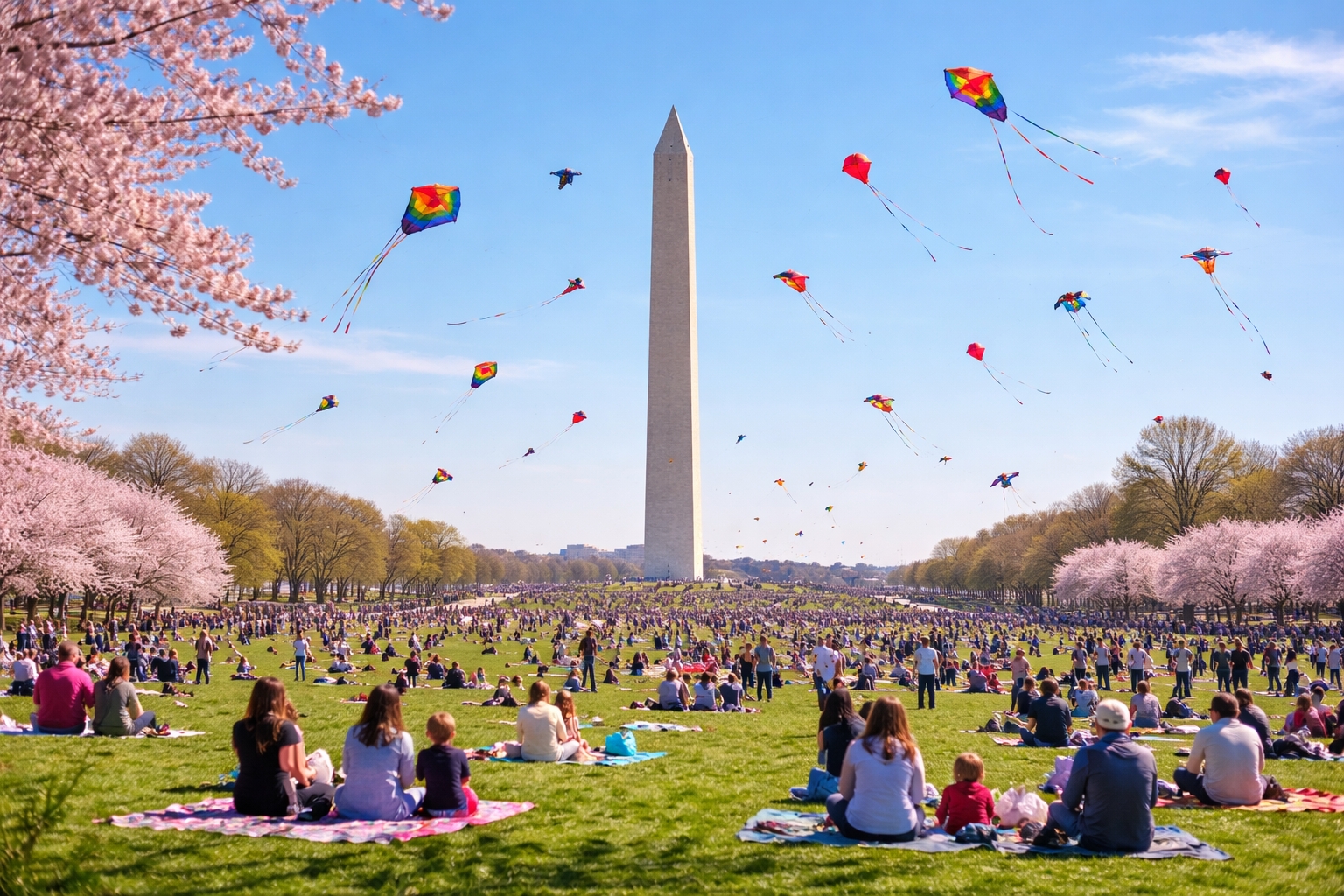
The National Cherry Blossom Festival extends over four weeks and includes a variety of events that complement race weekend. The opening ceremony features performances by artists from Japan and the United States. The Blossom Kite Festival invites kite fliers of all ages to decorate the sky above the Washington Monument. Parade floats, marching bands and dance groups fill Constitution Avenue during the annual blossom parade. If you’re visiting for the run, consider arriving a day early or staying an extra day to attend these festivities. Food stalls along Pennsylvania Avenue serve sakura‑themed treats like cherry‑blossom ice cream and mochi.
Exploring Beyond the Tidal Basin
While the Tidal Basin is the most famous blossom spot, there are other places to enjoy cherry trees with fewer crowds. The National Arboretum’s Cherry Blossom Road features dozens of varieties in a serene setting. The gardens at Dumbarton Oaks in Georgetown bloom later than those near the water, extending the season. Capitol Hill’s Stanton Park and the grounds of the Basilica of the National Shrine of the Immaculate Conception also boast stunning displays. These sites are accessible by Metro or bus and offer a peaceful respite after the excitement of race weekend.
Safety & Medical Considerations
Keeping Runners and Spectators Safe
The Cherry Blossom run’s organizers prioritize safety for participants and spectators. With more than 20,000 runners on the course, staying alert and following instructions is essential. Volunteers and race marshals enforce course boundaries and direct spectators to safe crossings. For everyone’s safety, pets are discouraged; if you bring a dog, it must remain leashed and off the course. Spectators should avoid stepping into the street to take photos or hand items to runners. If you need to cross the course, use designated crossing zones directed by volunteers.
Medical Support
Medical tents staffed with physicians, nurses and physical therapists are located at the start, finish and each aid station. If you feel unwell at any point, stop and ask a volunteer for assistance. Emergency services stand by along the course, and there is a command center monitoring conditions. Familiarize yourself with signs of dehydration and heat exhaustion: dizziness, nausea, cramps and goose bumps on a warm day signal trouble. Likewise, spectators should remain vigilant for anyone in distress and notify race personnel.
Post‑Race Experiences & Recovery
Celebrating Your Finish
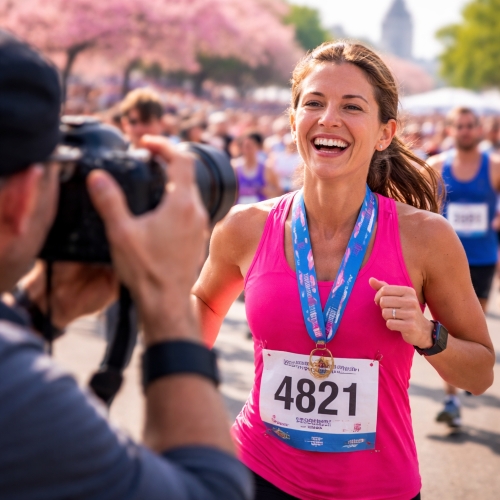
Crossing the finish line at the Cherry Blossom run is exhilarating. After collecting your medal and refreshments, take a moment to revel in your achievement. Many runners rendezvous with friends and family at predetermined meeting points near the Smithsonian Castle or along Constitution Avenue. Bring a portable phone charger to ensure you can connect amidst the crowds. Photographers roam the finish area; if you’d like professional race photos, smile when you see the camera lenses and keep your bib number visible.
Brunch & Relaxation
After the race, nourishment and relaxation are paramount. We’ve mentioned the panoramic brunch at the Hotel Washington’s VUE Rooftop, but other nearby spots also beckon. Old Ebbitt Grill, the city’s oldest saloon, serves hearty brunch dishes and is within a five‑minute walk of the finish. Founding Farmers and Milk & Honey Café offer farm‑to‑table fare with creative pancake and omelet options. For a fast casual bite, head to T J Stone’s just across the river in Alexandria or grab bagels at Call Your Mother on Capitol Hill.
Exploring DC After the Race
If you still have energy, explore the monuments and museums. The National Museum of African American History and Culture, the National Gallery of Art and the U.S. Botanic Garden all lie within a short walk of the race course. Renting a bike and riding along the Capital Crescent Trail offers a different perspective on the city’s natural beauty. For a quiet respite, head to trails in Rock Creek Park or enjoy a picnic in Meridian Hill Park. You’ve already toured many monuments during the run, but taking time to linger without racing shoes provides new appreciation.
Reflection & Next Steps
Consider writing down your race experience while it’s fresh: what went well, what you might improve and how you felt at different miles. Sharing your story on social media or with your run club can inspire others. If the Cherry Blossom race ignited your passion for running, sign up for another event; many spring half marathons follow in the weeks after. Volunteers are always needed for future races, so if you enjoyed the event but want a different perspective next year, consider cheering or handing out water.
Frequently Asked Questions
When is the 2026 Credit Union Cherry Blossom 10 Mile and where does it start?
The 2026 10 Mile is scheduled for Sunday, April 12, with elite women starting at 7:18 a.m. and the first mass wave at 7:30 a.m. The race begins on 15th Street NW at the Washington Monument grounds.
What time does the Cherry Blossom 5 K start and where is it located?
The 5 K takes place on Saturday, April 11 at Virginia Highlands Park in Arlington, Virginia. The gun goes off at 8 a.m., so runners should arrive by 7 a.m. for gear check and warm‑ups.
Are pets allowed along the course or at the finish line?
Pets are discouraged to ensure runner safety. If you bring a dog, it must remain leashed and off the course. Spectators should keep animals on the grass and away from the runners.
How many aid stations are on the 10 Mile course?
There are five aid stations on the 10 Mile course — at approximately miles 2.5, 4.25, 6, 7.75 and 8.85 — offering water and Gatorade. The 5 K has one aid station around mile 2.
What are the best places to watch the Cherry Blossom run?
Top viewing spots include the start and finish areas near the Washington Monument, Arlington Memorial Bridge, the pathways around the Tidal Basin, Hains Point in East Potomac Park and along South Hayes Street for the 5 K. Arrive early to secure your spot and respect course boundaries.
Can I run both the 5 K and the 10 Mile?
Yes. The Double Blossom entry option allows participants to run the 5 K on Saturday and the 10 Mile on Sunday. Slots are limited and sell out quickly, so register early. Double Blossom runners receive separate bibs and a special medal set.
How do I join a DC running club to train for the Cherry Blossom race?
Most clubs listed in this guide offer free or low‑cost memberships. Visit the club’s website or social media pages for schedules. Many encourage drop‑ins; just show up to a group run and introduce yourself. Coaches and veteran runners will help you find the right pace group.
Where should I stay for the race?
Staying near the start reduces stress. The Hotel Washington, the closest hotel to the White House, offers quick access to the start and spectacular views. Other options include hotels along Pennsylvania Avenue, in Foggy Bottom or in Crystal City for the 5 K.
Closing Thoughts
The Credit Union Cherry Blossom 10 Mile and 5 K are more than races; they’re springtime traditions that draw communities together. Whether you’re chasing a personal record, cheering a loved one or simply soaking up the blossoms, planning ahead will maximize your enjoyment. Remember the details — start times, hydration strategies, training resources and the best viewing spots — and savor the experience. When the final blossoms fall and the last medals are handed out, you’ll have stories and memories that last long after the petals have drifted away. For those looking to stay steps from the start and enjoy brunch with a view, Hotel Washington stands ready to welcome you. Start planning now, and may your rite of spring be filled with joy, accomplishment and a sea of pink and white blooms.
Read other posts