Bus from NYC to DC: The Ultimate Guide to Your East Coast Journey
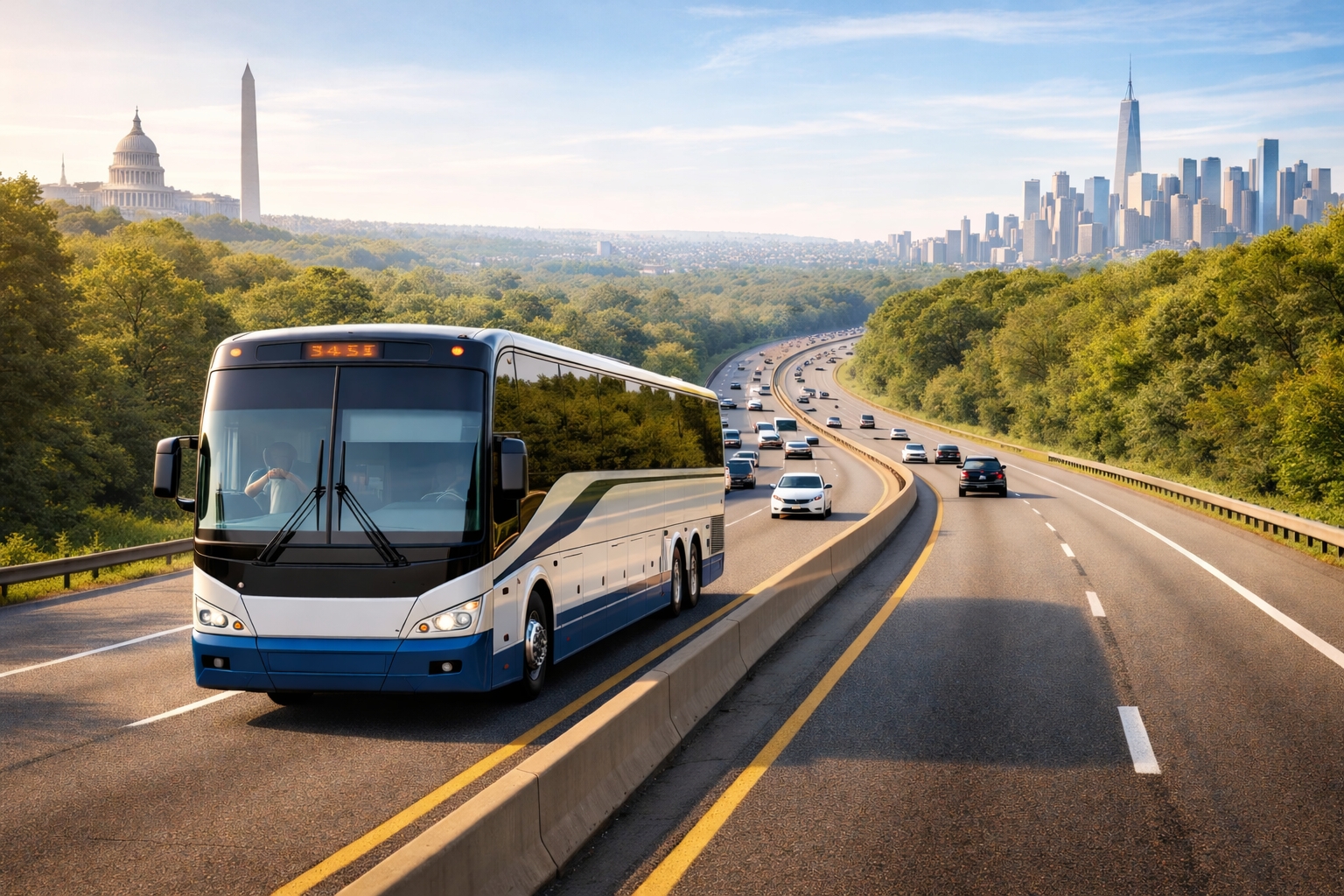
Leaving the skyscrapers of New York City for the monuments and museums of Washington DC reveals a fascinating slice of America. Traveling this route by bus isn’t just about getting from point A to point B; it’s a chance to witness the changing urban and rural landscapes of the East Coast while saving money, avoiding the stress of driving, and reducing your carbon footprint. This guide explores every aspect of traveling by bus from New York to Washington — from the services and schedules to amenities, booking tips, and the experiences awaiting you in the nation’s capital. Whether you’re a student, commuter, tourist or business traveler, you’ll find everything you need here to plan a seamless journey.
Overview of Bus Travel from New York to Washington DC
The route between New York City and Washington DC is one of the busiest travel corridors in the United States. These cities are approximately 230–233 miles apart, and bus companies have refined the journey into a comfortable ride lasting about four to five hours depending on traffic. For travelers who value affordability and convenience, buses offer a compelling alternative to trains and flights. They provide direct routes from central locations in Manhattan to central Washington, DC, often at a fraction of the cost of other modes. Services like Greyhound and FlixBus list travel times as low as 4 hours 15 minutes and advertise that tickets can start around $36.98. OurBus notes a similar travel distance — about 230 miles — with average travel times between 4 and 4.5 hours.
Buses run frequently throughout the day and into the night. Greyhound schedules up to 24 trips per day, with the earliest departure at 1:05 am and the last at 11:59 pm. Megabus lists up to 31 daily services and likewise begins operating at midnight. These extensive schedules give travelers flexibility to choose a departure that fits their itinerary, whether they want to arrive in Washington early in the morning or depart New York after work.
While time and price vary slightly among companies, the essential experience of bus travel remains consistent: comfortable reclining seats, Wi‑Fi, power outlets, restrooms, generous luggage allowances, and professional drivers. With numerous departures and competitive fares, buses have become an ideal mode of transport for those seeking an efficient, economical, and environmentally friendly way to connect these two influential cities.
Bus Companies and Services
Several bus companies operate between New York and Washington, each with its own schedule, amenities and target audience. Below you’ll find descriptions of the primary carriers and what makes each one unique. A comparison table at the end of this section highlights key differences in travel time, departure frequency, and starting prices.
Greyhound
Greyhound is one of the oldest and most recognized intercity bus operators in America. On the New York to Washington route, it offers up to 24 departures daily. The earliest bus leaves at 1:05 am and the last departure is at 11:59 pm. Journey times can be as short as 4 hours 15 minutes when traffic is light. Tickets begin around $36.98. Greyhound’s buses provide free Wi‑Fi and power outlets, and they reserve a seat for you when you book. The company emphasizes accessibility; its vehicles have wheelchair lifts and offer space for mobility devices.
FlixBus
FlixBus, a European company that has expanded aggressively in the United States, partners with Greyhound on many routes. It advertises the same travel time window of roughly 4 hours 15 minutes to 5 hours. Like Greyhound, FlixBus’s earliest departure is around 1:05 am and the last bus leaves at 11:59 pm. Tickets start at approximately $36.98. FlixBus’s modern fleet features Wi‑Fi, onboard toilets, power outlets and seat reservations. The company also promotes environmental sustainability; passengers can choose to offset their carbon emissions during booking.
OurBus
OurBus positions itself as a boutique carrier with fewer trips but highly competitive pricing. It points out that the route covers about 230 miles and that travel times average between 4 and 4.5 hours. Tickets start as low as $13, making OurBus one of the most budget‑friendly options. Departures are less frequent — four to five buses per day — with the first bus leaving New York at 9:15 am and the last at 5:45 pm. Amenities include free Wi‑Fi, charging ports, comfortable seating and live bus tracking. Because the schedule is limited, seats fill quickly during peak travel times, so booking early is wise.
Megabus
Megabus is known for its low promotional fares and simple booking process. On the New York to Washington route, it advertises a fastest travel time of 4 hours 30 minutes and offers up to 31 services each day. The earliest departure is at 12:00 am and the last bus leaves at 9:30 pm. Tickets can occasionally start at remarkably low prices, although these deals typically require advance booking. Megabus sells tickets for partner operators, so your bus may be operated by Peter Pan or other companies; check your ticket for the correct boarding location at New York’s Port Authority Bus Terminal. Features include real‑time bus tracking, Wi‑Fi, and power outlets.
Peter Pan Bus Lines
Peter Pan Bus Lines offers express service from New York City to Washington, touting frequent departures and a price‑match guarantee. The buses leave from the Port Authority Bus Terminal and arrive at Union Station in Washington. Peter Pan emphasises safety and convenience: it is certified by both the U.S. Department of Defense and the Department of Transportation, provides complimentary Wi‑Fi, and allows mobile boarding via its app. Travelers can reschedule tickets and earn rewards through the company’s loyalty program. While the company does not list a specific travel time on its general overview page, it promises frequent express trips and comfortable coaches.
BestBus and Vamoose
BestBus and Vamoose are regional carriers that serve the DC‑New York corridor. BestBus markets itself as a premium but affordable option, offering free bottled water, free fast Wi‑Fi, 110‑volt outlets under every seat and free ticket rescheduling. Vamoose runs between Midtown Manhattan and suburbs like Bethesda, Arlington and Lorton. It offers a basic service along with a “Gold Bus” tier for extra comfort. Both carriers emphasize clean buses and friendly drivers, though they operate fewer daily departures than the larger companies.
Tripper Bus Elite
Tripper Bus Elite targets travelers seeking luxury. The service operates modern coaches equipped with leather seats, extra legroom, tray tables, electrical outlets at every seat and complimentary premium Wi‑Fi. Amenities include complimentary bottled water and on‑board entertainment options. Tripper Bus runs between Arlington, Bethesda and New York City and aims to provide a first‑class experience at a reasonable price.
Comparison Table of Major Bus Operators
| Bus company | Travel time (approx.) | Daily departures | Starting price | Notable amenities |
|---|---|---|---|---|
| Greyhound | From 4 h 15 m | Up to 24 | From $36.98 | Wi‑Fi, power outlets, seat reservation, accessible seating |
| FlixBus | ~4–5 h | Similar to Greyhound | From $36.98 | Wi‑Fi, toilets, power outlets, seat reservation, carbon offset option |
| OurBus | 4–4.5 h | 4–5 per day | From $13 | Wi‑Fi, charging ports, comfortable seats, live tracking |
| Megabus | Fastest 4 h 30 m | Up to 31 | Often low promotional fares | Real‑time tracking, Wi‑Fi, power outlets |
| Peter Pan | Express service | Frequent departures | Price‑match guarantee | Wi‑Fi, mobile boarding, high safety rating |
| BestBus | Similar to others | Several per day | Competitive | Free bottled water, Wi‑Fi, 110 V outlets, free rescheduling |
| Vamoose | Similar to others | Multiple per day | Competitive | Standard and premium tiers, convenient suburban stops |
| Tripper Bus Elite | Similar to others | Limited | Premium pricing | Leather seats, extra legroom, premium Wi‑Fi and entertainment |
Travel Time, Distance and Schedule
Understanding how long your journey will take helps you plan everything from meals to arrival times at meetings or sightseeing. Bus travel time between New York and Washington ranges from just over four hours to five hours depending on traffic, weather and the number of stops. Greyhound lists a journey time as short as 4 hours 15 minutes, while FlixBus and Megabus estimate between 4 hours 30 minutes and 5 hours. OurBus notes that travel time is typically 4 to 4.5 hours.
Departure times and frequency
The time of day you travel can influence both the length of the trip and your comfort on board. Buses operate throughout the day and into the night:
-
Greyhound and FlixBus: first bus around 1:05 am; last bus around 11:59 pm.
-
OurBus: first departure at 9:15 am; last at 5:45 pm.
-
Megabus: first departure at 12:00 am; last at 9:30 pm.
-
Number of daily services: Greyhound up to 24; Megabus up to 31; OurBus 4–5.
Morning departures typically encounter less traffic leaving New York but may arrive in Washington before some attractions open. Afternoon and evening buses are popular with tourists and commuters but can face rush‑hour delays. Overnight trips offer the convenience of arriving early with minimal traffic but may sacrifice sleep quality for some travelers.
Factors affecting travel time
Traffic is the most significant variable. Leaving New York during peak travel times — Friday evenings, Sunday afternoons and around holidays — often adds 45–60 minutes to the trip. Weather conditions, construction and accidents on Interstate 95 can also extend travel time. To minimize delays, consider traveling early on weekday mornings or late at night when the highway is less congested.
Ticket Prices and Booking Tips
Bus fares from New York to Washington vary based on the carrier, time of booking, day of the week and seat availability. OurBus offers tickets from $13, while Greyhound and FlixBus generally start around $36.98. Megabus sometimes features promotional fares that can be extremely low, though these seats sell out quickly.
Booking channels
Booking tickets online is the simplest option. All major companies allow you to choose and pay for seats via their websites or mobile apps. Some carriers, like Megabus, host multiple operators, so be sure to confirm which company will run your specific trip. Greyhound, FlixBus and Peter Pan accept major credit cards and digital wallets such as PayPal or Google Pay. Paper tickets are no longer necessary — digital boarding passes on your smartphone are widely accepted. For those who prefer in‑person purchases, ticket counters at the Port Authority Bus Terminal in New York and Union Station in Washington still sell tickets, but lines can be long during peak times.
How to save money on fares
-
Book early: The lowest fares are often released weeks in advance. OurBus notes that booking early can secure the $13 introductory rate.
-
Travel during off‑peak hours: Seats are cheaper on Tuesdays, Wednesdays and mid‑morning hours; weekend and holiday fares are higher.
-
Check loyalty programs: Companies like Greyhound, Peter Pan and Tripper Bus offer reward schemes that accumulate points toward free trips or discounts.
-
Use apps and promo codes: FlixBus and OurBus occasionally provide app‑only discounts or email promotions.
-
Consider flexibility: If you can travel outside of peak commuter times, you may find cheaper seats and avoid traffic delays.
Bus Stops and Terminals: Navigating Departure and Arrival Points
Departing and arriving smoothly is easier when you know where you’re going. Bus companies depart from several locations in New York and arrive at various destinations in Washington.
Departure points in New York City
Most buses depart from Midtown Manhattan, making them convenient for residents and visitors. Key pickup points include:
-
Port Authority Bus Terminal – New York’s main bus terminal at 625 8th Avenue, accessible from Times Square and Penn Station. It houses Greyhound, Peter Pan, Megabus partners and Trailways coaches.
-
31st Street & 8th Avenue – A curbside stop used by FlixBus and some Megabus services. It is diagonally across from Moynihan Train Hall and near Madison Square Garden.
-
Hudson Yards / 11th Avenue between 35th & 36th Streets – An OurBus pickup location. The area is close to the High Line and newly developed shopping and dining.
-
34th Street between 9th Avenue and Dyer Avenue – Another OurBus stop.
-
Queens Jamaica (144th Pl & Archer Ave) – A Greyhound stop catering to travelers from Queens.
-
Chinatown – Several discount operators and regional carriers depart from curbside locations around East Broadway and Chrystie Street.
Arrival points in Washington DC
While most buses terminate at Union Station, some carriers offer additional stops:
-
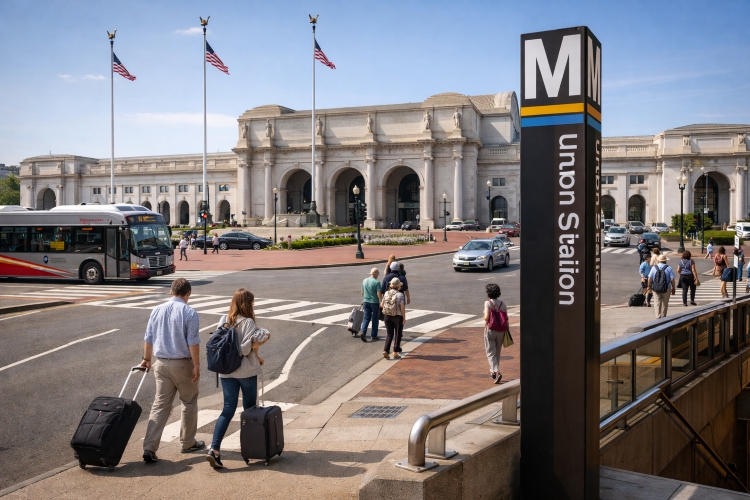
Union Station – Washington’s primary intercity bus and rail hub located at 50 Massachusetts Ave NE. Greyhound, FlixBus, Peter Pan and Megabus all use this station. Inside you’ll find food courts, shops and direct access to Metro and Amtrak trains.
-
Dupont Circle – OurBus and some BestBus services drop passengers on Massachusetts Avenue near the circle.
-
Stadium–Armory Metro Station – A secondary drop‑off point for OurBus.
-
Arlington (Rosslyn) and Bethesda – Vamoose, BestBus and Tripper Bus Elite offer stops in these suburbs for commuters heading to Virginia or Maryland.
-
Lorton, VA – Vamoose and BestBus operate from this suburban stop for travelers continuing south.
Knowing the exact pickup and drop‑off location helps avoid last‑minute confusion. Always double‑check the address on your ticket and arrive at least 15 minutes early; carriers may leave promptly.
Amenities and Onboard Experience
Modern intercity buses are far more comfortable than they were decades ago. Standard amenities include:
-
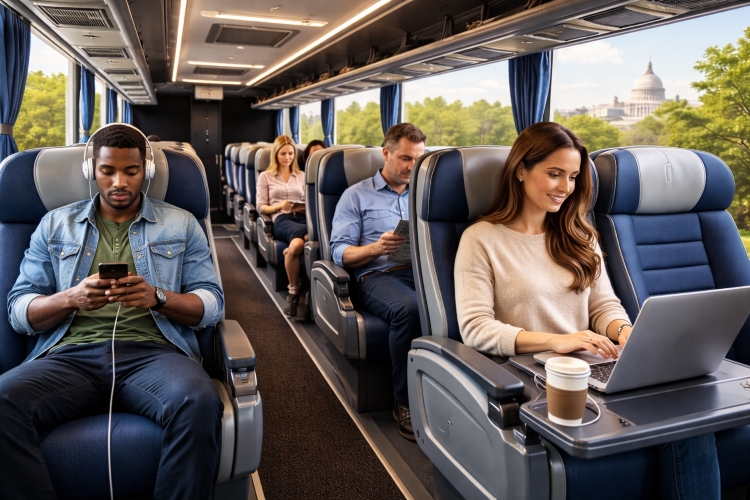
Wi‑Fi and power outlets: All major carriers provide free Wi‑Fi and power outlets or USB ports so passengers can stay connected. Premium services like Tripper Bus Elite offer higher‑bandwidth Wi‑Fi for streaming.
-
Reclining seats and legroom: Seats are cushioned and designed to recline. On luxury buses like Tripper Bus Elite, leather seats and extra legroom are standard.
-
Restrooms: Onboard restrooms are available on Greyhound, FlixBus, Megabus and other carriers.
-
Seat reservations: Many buses allow travelers to reserve specific seats during booking. Megabus and FlixBus offer premium seat selections for a small fee.
-
Baggage allowance: Greyhound allows one carry‑on bag and one checked bag for free; other carriers have similar policies. A second checked bag may incur a fee.
-
Accessibility: Greyhound provides wheelchair lifts and space for mobility devices. Passengers requiring assistance should contact the company ahead of time.
-
Food and water: Some carriers, notably BestBus, provide complimentary bottled water. For longer journeys, packing snacks is still advisable.
Premium services like Tripper Bus Elite further enhance the travel experience with leather captains’ chairs, tray tables, bottled water, and on‑board entertainment such as premium movies and TV series. These upscale options offer an alternative to driving or flying first class.
Comparing Buses to Other Travel Modes
Travelers often weigh buses against trains, cars and flights. Here are some considerations:
| Mode of travel | Average cost | Travel time | Parking needed | Stress level |
|---|---|---|---|---|
| Bus | From $13 | 4–5 hours | No | Low |
| Train (Amtrak) | Higher than bus | 3–3.5 hours | No | Medium |
| Car | Fuel + tolls + parking | 4–5+ hours | Yes | High |
The bus is usually the most economical choice. Even though the train is faster, tickets are often considerably more expensive. Driving offers flexibility but involves tolls, gas costs, parking fees and the stress of navigating heavy traffic. Buses eliminate parking worries and allow travelers to rest or work en route, making them particularly attractive for those who want a hassle‑free journey.
Planning Your Bus Journey: Tips and Seasonal Advice
To make your trip comfortable, plan ahead and pack wisely. Climate differs slightly between New York and Washington; DC is usually a few degrees warmer. Greyhound suggests considering the following when packing:
-
Seasonal clothing: New York winters can be harsh, while Washington’s are milder. In summer, both cities are humid; pack light, breathable clothing and sun protection.
-
Umbrella or waterproof jacket: Rain is possible year‑round.
-
Power bank and devices: A portable charger keeps phones and laptops running, especially if outlets are occupied.
-
Refillable water bottle: Staying hydrated is important, and both cities have drinkable tap water.
-
Comfortable shoes: You may explore Manhattan before departure or walk around DC’s historic neighborhoods.
-
Travel pillow and blanket: For added comfort on longer rides.
-
Snacks: While some buses provide water, bringing your own snacks helps if the journey extends beyond schedule.
-
Luggage management: Choose manageable luggage; Greyhound allows one carry‑on and one checked bag.
To avoid traffic, depart early in the morning or later in the evening. Midweek trips are less crowded and usually cheaper. Avoid traveling on Friday evenings, Sunday afternoons or during major holidays when the Interstate 95 corridor experiences heavy congestion.
Eco‑Friendly Travel and Sustainability
Traveling by bus is an environmentally responsible choice. Buses emit fewer greenhouse gases per passenger than cars or planes. FlixBus offers travelers the opportunity to offset their carbon emissions during booking. When 50 people share a bus rather than taking individual cars, fuel consumption per person drops dramatically. Many bus companies have adopted modern fleets with improved fuel efficiency and are exploring alternative energy sources. By choosing the bus, passengers contribute to reduced traffic congestion and a smaller carbon footprint.
Luxury and Premium Bus Options
For travelers seeking extra comfort, several carriers offer upgraded services. Tripper Bus Elite provides leather seating, tray tables, complimentary premium Wi‑Fi and bottled water. The bus features only 34 seats instead of the standard 56, giving passengers more room to stretch out. BestBus Prime and Vamoose Gold offer similar premium seating with additional legroom, power outlets and sometimes snacks. Though these services cost more than standard buses, they remain cheaper than first‑class train or flight tickets and deliver an elevated travel experience.
Exploring Washington DC After Your Arrival
Arriving in Washington offers an exciting array of historical and cultural experiences. Once your bus pulls into Union Station or a nearby stop, you’re minutes from some of America’s most renowned landmarks:
-
U.S. Capitol – The seat of the United States Congress stands on Capitol Hill and is open for tours via the Visitor Center. A stroll through its stately halls provides a deeper appreciation of American democracy.
-
National Mall – This grand green space stretches from the Capitol to the Lincoln Memorial and contains numerous monuments and memorials. Museums along the Mall are part of the Smithsonian Institution, and entry is free. Highlights include the National Museum of Natural History, the National Museum of American History and the National Air and Space Museum.
-
Lincoln Memorial – This iconic temple honors the 16th president; from its steps you can gaze across the Reflecting Pool toward the Washington Monument. The memorial is managed by the National Park Service.
-
White House – Though tours require advance reservation, you can view the president’s residence and offices from Lafayette Square. Nearby stands Hotel Washington — the closest hotel to the White House, positioned at the edge of the White House Lawn — offering stylish accommodations and sweeping city views.
-
Dupont Circle – A vibrant neighborhood known for its embassies, cafés and nightlife, easily reachable from OurBus’s drop‑off point.
-
Museums and galleries: The Smithsonian Institution encompasses 19 museums and galleries, while the National Gallery of Art houses masterpieces from across the centuries.
From Union Station, you can ride the Metro to neighborhoods like Georgetown, Adams Morgan or Capitol Hill. Bike‑share docks and ride‑sharing services are also plentiful. Many attractions are within walking distance, making it easy to explore on foot.
FAQs about Bus Travel from New York to Washington DC
How long is the bus ride from New York to Washington DC?
Most buses take 4–5 hours depending on traffic and the number of stops.
What is the cheapest bus from NYC to DC?
OurBus advertises fares from $13 when booked well in advance.
Which companies operate buses between New York and Washington?
Greyhound, FlixBus, OurBus, Megabus, Peter Pan, BestBus, Vamoose and Tripper Bus Elite all serve this route.
Do buses have Wi‑Fi and power outlets?
Yes. Major carriers provide free Wi‑Fi and power outlets; premium services offer high‑bandwidth connections.
Where do buses depart in New York City?
Most buses leave from the Port Authority Bus Terminal or nearby curbside locations like 31st St & 8th Ave and Hudson Yards.
Where do buses arrive in Washington DC?
The primary arrival point is Union Station, though some services stop at Dupont Circle or Stadium‑Armory.
Are buses accessible for passengers with disabilities?
Greyhound provides wheelchair lifts and space for mobility devices; other carriers have similar policies but require advance notice.
Can I change or cancel my bus ticket?
Policies vary. BestBus offers free rescheduling, while other companies may charge a fee or allow changes only within a certain timeframe.
Closing Thoughts
Traveling by bus from New York to Washington DC combines affordability, flexibility and sustainability. With multiple carriers offering comfortable coaches, frequent departures and amenities like Wi‑Fi and power outlets, you can relax or work while someone else handles the traffic. By choosing bus travel, you not only save money compared to trains or flights; you also contribute to reduced emissions along a congested corridor. When your journey ends, you’ll find yourself steps from the nation’s most iconic landmarks. Whether you’re visiting the Capitol, exploring the Smithsonian museums or staying at Hotel Washington — the closest hotel to the White House, positioned at the edge of the White House Lawn — a well‑planned bus trip can make your travel experience smooth and enjoyable. Start planning today and discover how easy it is to connect two of America’s great cities by bus.
Read other posts