Best Things to Do in Washington DC While in Town for a Conference
The best things to do in Washington DC while in town for a conference are the experiences that fit naturally around meeting blocks, networking events, and limited free time. Conference visitors should prioritize walkable landmarks, focused museum visits, rooftop views, client-friendly dining, nearby neighborhoods, and restorative breaks. The smartest Washington DC conference itinerary is not about seeing everything. It is about choosing high-impact experiences by time available, distance, energy level, and business purpose.
How to Plan Washington DC Activities Around a Conference Schedule
Washington, DC has a rhythm unlike most conference cities. Morning sidewalks fill early with people in suits, government badges, lanyards, and walking shoes. By midafternoon, the city shifts from policy briefings and breakout sessions to museum corridors, monument paths, restaurant patios, and rooftop terraces. A conference trip here can feel like two trips at once, one defined by agendas and sessions, the other by the capital’s layered history unfolding just beyond the meeting room doors.
That is why the best things to do in Washington DC while in town for a conference should be planned by available time, not by a traditional sightseeing checklist. A visitor attending events at the Walter E. Washington Convention Center, downtown offices, hotel meeting spaces, or nearby association headquarters often has narrow windows between commitments. The right activity is the one that can be enjoyed without creating stress before the next session, dinner, or flight.
A successful DC conference itinerary usually starts with three questions:
- How much time do you actually have?
- How formal is the next commitment?
- Do you want stimulation, conversation, or recovery?
Those questions matter because Washington, DC offers very different experiences at different paces. A one-hour break may be perfect for a brisk walk and a landmark view. A two-hour gap can support a museum visit or early dinner. A free evening can become a polished after-meeting plan with skyline views, a memorable meal, and a short walk through the city’s illuminated civic core.
| Time Available | Best Use of Time | Best For | Planning Note |
|---|---|---|---|
| 45 to 60 minutes | Walkable landmark view, coffee, or short reset | Solo attendees, speakers, exhibitors | Stay close to your venue or hotel |
| 90 minutes to 2 hours | Focused museum stop, early dinner, or rooftop drink | Business travelers with a gap between sessions | Choose one destination only |
| Half day | Monument walk plus one museum or neighborhood | Attendees arriving early or extending checkout | Build in transit and security time |
| One evening | Dinner, rooftop view, illuminated monuments, or live culture | Client entertainment, teams, couples | Reserve ahead for restaurants and rooftops |
| One extra day | Museum-focused route, neighborhood exploration, or curated itinerary | Bleisure travelers and weekend extensions | Start early and avoid overpacking the day |
The city rewards restraint. A conference attendee who tries to visit five landmarks, two museums, and three neighborhoods in one afternoon will likely remember mostly transportation and tired feet. A visitor who chooses one museum, one view, and one good meal will understand the city far better.
For business travelers, the most efficient plan is often built in layers. Start with one iconic experience, such as a monument or museum. Add one social experience, such as dinner or drinks. Then protect one restorative experience, such as a spa treatment, quiet walk, or unhurried breakfast. That combination turns a packed business trip into a fuller visit without compromising the reason you came to town.
Best Things to Do in Washington DC When You Only Have One or Two Hours
There is a particular kind of free time that happens during conferences. It is not quite leisure, and it is not quite work. It might appear after a panel ends early, before an evening reception, or between a late checkout and a flight. In Washington, DC, those small pockets of time are valuable because some of the city’s most recognizable experiences are close together, especially for visitors staying or meeting downtown.
The key is to think in short circuits rather than broad itineraries. A quick visit to the National Mall can give a conference attendee a sense of place without requiring a full afternoon. An exterior view of the White House can be folded into a downtown walk, though formal tours usually require advance planning and are not realistic for most short conference windows. A museum lobby, sculpture garden, or rooftop can deliver a memorable DC moment without turning the day into a race.
The best one-hour and two-hour conference activities are simple, close, and easy to exit.
| Available Time | Best Thing to Do | Why It Works for Conference Visitors | Best Time of Day |
|---|---|---|---|
| 45 minutes | Walk toward the White House area for an exterior view | Iconic, low-commitment, and easy to fit between meetings | Morning or late afternoon |
| 60 minutes | Short National Mall walk | Gives a strong sense of Washington DC without tickets | Early morning or sunset |
| 60 to 90 minutes | Rooftop drink or coffee near your hotel | Works well before dinner or after a long session | Late afternoon |
| 90 minutes | Focused museum visit | Better than rushing several attractions | Midday or rainy afternoons |
| 2 hours | Early dinner or client drink | Helps transition from conference mode to evening | After 5 pm |
| 2 hours | Short neighborhood outing | Adds local flavor beyond the conference district | Weekend afternoon or early evening |
What to Do With One Hour Free
One hour is enough for a walk, a view, and a reset. It is not enough for a deep museum visit or a cross-city excursion. The most satisfying one-hour plan is usually a loop from your hotel or conference venue to a nearby landmark, then back with time to change, check messages, or prepare for the next session.
Good one-hour ideas include:
- A brisk walk through downtown toward a landmark view
- A lobby coffee or quick drink with a colleague
- A short visit to a nearby gallery or public space
- A quiet reset in your hotel room before evening programming
- A solo walk to decompress after a full day of sessions
The one-hour rule is simple: do not create a transportation problem. Choose something within walking distance or a short ride from where you need to be next.
What to Do With Two Hours Free
Two hours opens the city a little wider. You can choose one focused cultural visit, one meaningful meal, or one scenic outing. You still should not try to combine too much. Washington, DC’s museums and landmarks can absorb far more time than expected, especially when entry lines, security checks, weather, and crowds come into play.
Strong two-hour plans include:
- One museum with one exhibit priority
- A rooftop drink followed by a short walk
- A relaxed early dinner before a networking event
- A neighborhood visit with a single main street or waterfront route
- A spa appointment or wellness reset between high-intensity sessions
Two hours is also ideal for business travelers who want something memorable but do not want to arrive late, overheated, or rushed to the next commitment. Build in a margin. In DC, that margin often makes the difference between an enjoyable outing and a stressful one.
Iconic Monuments and National Mall Stops Worth Prioritizing
The monumental center of Washington, DC has a way of quieting even the busiest traveler. After a day of fluorescent conference rooms, name badges, and crowded breakout sessions, the open lawns, long sightlines, and pale stone landmarks offer a different register of attention. The city becomes larger, slower, and more reflective. For many conference visitors, this is the moment when the business trip begins to feel distinctly like Washington.
The monuments are especially useful for conference attendees because they are flexible. You can experience them on a morning walk, a sunset route, or an evening stroll after dinner. Unlike many ticketed attractions, the outdoor memorial landscape can be approached in fragments. You do not need a full day to appreciate it, though you could easily spend one.
The Washington Monument is one of the clearest visual anchors in the city. Even if you do not go inside, seeing it from the surrounding grounds gives structure to the central DC landscape. It works well as a quick orientation point for visitors who want to understand where downtown, the Mall, and the memorial core sit in relation to one another.
The Lincoln Memorial is better for visitors with a longer walk or a dedicated evening window. Its scale, steps, and westward position make it one of the most powerful stops in the city, especially when approached after the workday has ended. For conference travelers, it is best treated as a main activity rather than a passing stop.
Best Monument Experiences by Conference Schedule
| Schedule Situation | Best Monument Plan | Why It Works |
|---|---|---|
| Before morning sessions | Short walk near the central Mall | Fresh air and city context before a full day indoors |
| Between afternoon sessions | Quick exterior views and photos | Low-commitment and easy to end on time |
| After dinner | Illuminated monument walk | Memorable and atmospheric without needing tickets |
| Free half day | Washington Monument area plus Lincoln Memorial route | Strongest overview of the civic landscape |
| Solo evening | Monument walk with a clear return route | Reflective, simple, and flexible |
How to Avoid Overplanning the Monument Route
The biggest mistake conference visitors make is underestimating the size of the Mall. On a map, the distances can look compact. On foot, especially in formal shoes or summer weather, they feel larger. A successful monument visit starts with a realistic endpoint.
For a short window, choose one focal point. For a longer evening, choose a route. For a half day, add a museum or a meal nearby. Do not try to turn an after-meeting walk into a full civic marathon unless you have comfortable shoes, water, and no hard stop.
A practical monument strategy looks like this:
- Choose a primary landmark.
- Decide whether the activity is a walk, a photo stop, or a deeper visit.
- Confirm the route back before you start.
- Leave enough time to change before dinner or networking.
- Check current access, weather, and event closures when planning around major national moments.
The monuments are most rewarding when they are not rushed. They give conference visitors a way to step outside the tempo of business travel and into the symbolic landscape that makes Washington, DC different from any other meeting destination.
Best Museums and Indoor Activities for Conference Visitors
Washington’s museum culture is one of the city’s great advantages for conference travelers. Many business destinations offer restaurants, nightlife, and shopping. Washington, DC adds something rarer: world-class collections within reach of downtown schedules. When weather turns, energy dips, or a session ends early, a museum can become the perfect bridge between work and the city.
The best museum strategy for a conference attendee is selective. Instead of asking which museum is best in absolute terms, ask which museum fits your available time, your interests, and your energy level. A visitor with 90 minutes should not choose the same route as someone with a full day. A solo attendee may want a reflective gallery. A team may prefer a museum with broad appeal and easy conversation afterward.
The Smithsonian National Museum of American History is an excellent choice for visitors who want a broad cultural overview in a manageable format. Its collections connect politics, invention, popular culture, civic life, and national memory, which makes it a natural fit for people in town for association meetings, policy conferences, or industry events.
The National Museum of African American History and Culture is one of DC’s most significant cultural institutions and deserves unhurried time when possible. Because demand and entry procedures can vary, conference visitors should check current visitor guidance before planning a short-window visit. When the schedule allows, it offers a deeply meaningful experience that can frame the city and the country in a more complete way.
The National Air and Space Museum is a strong option for technology, aviation, engineering, science, defense, and innovation-focused conference attendees. It is also a good choice for travelers who want a high-energy museum experience rather than a quiet gallery. Entry procedures may require advance planning, so confirm current timed-entry details before building it into a tight itinerary.
The National Gallery of Art works beautifully for travelers who want a calmer indoor experience. Art museums are especially useful during conference weeks because they give the mind a different kind of attention. After hours of presentations and data, a gallery visit can feel restorative without feeling inactive.
Best Museum Choices by Visitor Type
| Visitor Type | Best Museum Style | Suggested Approach |
|---|---|---|
| First-time DC visitor | Broad national history | Choose one major museum and focus on highlights |
| Solo business traveler | Art, history, or a single special exhibition | Move at your own pace and avoid overplanning |
| Client or colleague group | Museum with broad appeal | Pair with nearby dinner or drinks |
| Rainy-day attendee | Indoor museum near downtown | Confirm hours and entry requirements before leaving |
| Conference speaker | Calmer gallery or short exhibit | Use the visit as a mental reset |
| Weekend extender | Deeper museum route | Start early and limit the day to two institutions |
How to Visit a Museum During a Conference Without Losing the Day
A museum visit during a business trip should have a beginning, middle, and exit plan. Choose one institution. Identify one or two galleries or exhibitions in advance. Decide how long you will stay before you enter. This keeps the visit from expanding into the time you need for meals, emails, transportation, and evening events.
A focused museum visit can look like this:
- Check current hours and entry requirements.
- Choose the museum closest to your next commitment.
- Pick one collection, wing, or exhibit priority.
- Limit the visit to 60 to 120 minutes.
- Leave with enough time to return to your hotel before dinner.
This approach is especially useful for people attending multi-day conferences. Museums give structure to the open spaces between sessions, but they should not create new obligations. Treat them as flexible cultural anchors, not boxes to check.
Where to Eat, Drink, and Take in DC Views After Meetings
After a conference day, dinner carries more weight than usual. It may be the only unstructured part of the schedule. It may be where a new client relationship takes shape, where a team finally exhales, or where a solo traveler gets to feel the city beyond the ballroom. In Washington, DC, the best after-meeting dining plans are not only about food. They are about timing, tone, view, and ease.
A rooftop is one of the clearest ways to turn a conference evening into a DC experience. VUE Rooftop offers an elevated setting with views toward the White House and Washington Monument, making it a natural choice for visitors who want the skyline without leaving downtown. For conference attendees, the value is practical as well as scenic: a rooftop drink can work before dinner, after dinner, or as the evening plan itself.
For a more meal-centered option, Fireclay is useful for business travelers because it fits multiple moments in the day. A polished breakfast can set up a full agenda. A business lunch can stay focused without feeling rushed. A dinner can transition from work conversation to a more relaxed evening.
When the weather cooperates, The Patio adds a lower-key outdoor option for visitors who want fresh air without committing to a long evening out. Outdoor dining is especially helpful after a day indoors, though travelers should always account for weather and seasonal availability.
For visitors who want a waterfront change of scene, The Wharf can work well for a post-conference dinner or group outing. It is best for nights when you have more time and do not need to return immediately to a reception, early flight, or morning keynote. The value of a waterfront district is atmosphere: it gives colleagues a shared place to walk, talk, and reset outside the formal conference environment.
Best After-Meeting Dining and Drinks by Occasion
| Occasion | Best Fit | Why It Works |
|---|---|---|
| Client drinks | Rooftop lounge | Polished, memorable, and conversation-friendly |
| Solo dinner | Hotel restaurant or nearby dining room | Easy, efficient, and comfortable after a long day |
| Team celebration | Waterfront or lively downtown restaurant | Gives the group a sense of occasion |
| Quick pre-reception bite | Bar menu or patio dining | Keeps the evening flexible |
| Executive dinner | Reservation-forward dining | Reduces uncertainty and supports a professional tone |
| Post-panel decompression | Cocktail, view, and short walk | Provides closure after a dense day |
How to Choose the Right Dinner Plan
Conference dining is partly a logistics decision. A restaurant that looks perfect online may not be right if it creates a long ride, requires complicated timing, or is too loud for the conversation you need to have. Choose the experience based on the purpose of the evening.
For clients, prioritize reservations, service, noise level, and a clear arrival plan. For colleagues, prioritize shared plates, easy conversation, and proximity to hotels. For solo travelers, prioritize comfort, convenience, and a setting that feels welcoming without needing a large group.
A strong after-meeting plan often follows this sequence:
- Return to the hotel or venue after sessions.
- Take 30 minutes to reset.
- Begin with a drink, view, or walk.
- Move into dinner without adding another cross-city transfer.
- End close enough to the hotel to protect the next morning.
The best DC evenings after a conference are rarely the most complicated. They are the ones that feel considered, smooth, and specific to the city.
Neighborhoods to Explore During Limited Free Time
Washington, DC is often introduced through its monuments, but its neighborhoods are where the city becomes textured. The buildings lower, the streets narrow, and the rhythm changes from national symbolism to daily life. For a conference visitor, neighborhoods offer something especially valuable: a way to experience the city without committing to a formal attraction.
The best neighborhood choice depends on how much time you have and what kind of evening you want. Some areas are better for shopping and strolling. Others are better for dining, architecture, nightlife, or a waterfront walk. The goal is not to visit every neighborhood during one business trip. The goal is to choose one that matches the open space in your schedule.
Georgetown is ideal for visitors who want historic streets, shopping, and a classic DC walk. It works best with a few free hours rather than a narrow gap between sessions, because getting there and enjoying it properly takes time. It is especially good for a weekend extension, an afternoon arrival day, or a relaxed evening without a formal dinner agenda.
Dupont Circle is a strong fit for travelers who want restaurants, bars, galleries, and a more local neighborhood feel. It can work well for after-meeting drinks or a casual dinner when the group wants to leave the conference district without going too far into a full sightseeing plan.
Penn Quarter and Chinatown are useful for conference attendees because the area is central, active, and oriented toward dining, entertainment, and cultural stops. It is a practical choice when people in the group are coming from different hotels or when you want a downtown evening with options.
Neighborhood Comparison for Conference Visitors
| Neighborhood | Best For | Time Needed | Conference Traveler Fit |
|---|---|---|---|
| Georgetown | Shopping, historic streets, longer strolls | 2 to 4 hours | Best for arrival day, weekend extension, or open afternoon |
| Dupont Circle | Drinks, dinner, galleries, local atmosphere | 90 minutes to 3 hours | Best for informal dinners and social evenings |
| Penn Quarter and Chinatown | Central dining, culture, entertainment | 1 to 3 hours | Best for groups and downtown convenience |
| The Wharf | Waterfront dining and evening atmosphere | 2 to 4 hours | Best for team outings or a free evening |
How to Pick One Neighborhood
The right neighborhood is the one that fits your constraint. If you have only 90 minutes, stay central. If you have a full evening, go somewhere with dining and walking built into the same area. If you are entertaining clients, avoid making the plan too casual unless that matches the relationship. If you are traveling alone, choose a neighborhood where you can dine comfortably and return easily.
A neighborhood outing is strongest when it has a simple shape:
- One arrival point
- One main street, dining area, or waterfront route
- One meal or drink
- One return plan
This prevents the evening from becoming fragmented. Conference travel already contains enough transitions. A neighborhood should make the city feel more accessible, not more complicated.
Client-Friendly and Coworker-Friendly Things to Do After a Conference
The social side of a conference often matters as much as the formal agenda. A hallway conversation becomes a dinner. A panel question becomes a coffee meeting. A client introduction becomes an evening plan. Washington, DC gives these moments a useful backdrop because the city can feel polished without needing to be overly formal.
The best client-friendly things to do in Washington DC are experiences that support conversation. A loud venue may work for a celebration but not for a business relationship. A long museum visit may be meaningful but too intense for a casual group. A monument walk may be memorable but only if everyone has the shoes and energy for it. The experience should match the people, not just the place.
For coworkers, the balance changes. Teams often need a release valve after a day of sessions. They may want good food, a view, and enough room to talk without planning a full itinerary. A rooftop, patio, or central dining district can work better than a formal attraction because it allows people to arrive, leave, and participate at different levels.
Best Activities by Business Purpose
| Purpose | Best Activity | Why It Works |
|---|---|---|
| Client relationship building | Rooftop drinks or polished dinner | Creates a memorable setting without overcomplication |
| Internal team bonding | Group dinner or waterfront walk | Encourages informal conversation |
| Solo executive reset | Museum, spa, or quiet dinner | Protects energy after a demanding day |
| Small networking group | Cocktail lounge or central restaurant | Easy to coordinate and flexible |
| Speaker recovery | Short walk, room service, or spa treatment | Reduces stimulation after public-facing work |
| Exhibitor decompression | Casual meal close to hotel | Minimizes logistics after long hours on the floor |
Good After-Conference Plans for Different Group Sizes
For two people, choose a dinner or drink setting where conversation is easy. For four to six people, choose a place with reservations and shareable food. For larger groups, prioritize clear timing, accessible location, and a venue that can handle staggered arrivals. The bigger the group, the simpler the plan should be.
For client dinners, avoid creating a sightseeing obligation unless the guest clearly wants one. A short scenic moment before or after the meal is often enough. A rooftop view or illuminated walk can add a sense of place without asking everyone to commit to a long route.
For coworkers, a flexible plan is usually best. Invite the group to one clear location, set a meeting time, and avoid building the evening around multiple stops. People may be tired, overscheduled, or managing follow-up from the day. The right experience gives them permission to enjoy the city without feeling managed by another agenda.
Relaxing Ways to Reset Between Meetings
Conference travel can be overstimulating. The day begins with coffee and emails, moves into sessions and networking, then continues through receptions, dinners, and follow-up messages. In a city as active as Washington, DC, it can be tempting to fill every open moment. But the most effective conference visitors often do the opposite. They build in recovery so they can show up better for the next meeting.
A reset does not have to mean doing nothing. It can mean choosing a quieter version of the city. A slow breakfast. A shaded walk. A gallery visit without a checklist. A spa appointment. A rooftop view before the crowd builds. The best relaxing things to do in Washington DC after a conference are the ones that restore attention rather than consume it.
The Spa at Hotel Washington is especially relevant for business travelers who want a restorative break without leaving the downtown flow. Its menu includes massages, facials, body treatments, nails, and enhancements, which makes it useful for both short recovery windows and more complete wellness-focused extensions.
Reset Ideas by Energy Level
| Energy Level | Best Reset | Why It Helps |
|---|---|---|
| Mentally overloaded | Quiet walk or gallery visit | Reduces input without wasting the day |
| Physically tired | Massage or spa treatment | Helps counter travel, sitting, and long conference hours |
| Socially drained | Solo dinner or room reset | Creates space before the next networking event |
| Short on time | Coffee, shower, or 30-minute lounge break | Restores focus quickly |
| Weather-stressed | Indoor museum or hotel dining | Keeps the day comfortable and flexible |
How to Build Recovery Into a DC Conference Itinerary
The best recovery windows are planned before you need them. If your schedule includes back-to-back sessions and an evening reception, block 30 to 60 minutes before dinner. If you are speaking, exhibiting, or hosting clients, protect the hour after your highest-energy obligation. If you are extending your trip, avoid scheduling a full sightseeing day immediately after a late conference night.
A practical recovery plan might include:
- Morning walk before the agenda begins
- Midday meal away from the busiest conference area
- Afternoon room reset before evening events
- Spa or wellness appointment on the lightest schedule day
- Final morning breakfast before departure
Washington, DC is rewarding, but it is also a walking city with security checkpoints, weather swings, and packed calendars. Rest is not an interruption to the trip. It is what makes the trip work.
How to Get Around Washington DC During a Conference
Transportation shapes the conference experience more than many visitors expect. A hotel may look close to an attraction on a map but feel less convenient if the route is awkward. A restaurant may be popular but difficult for a group to reach at the end of a long day. A museum may be worthwhile but not if getting there consumes the entire break. In Washington, DC, the best plans start with movement.
For downtown conference attendees, walking is often the simplest option for short distances. It avoids traffic, gives you a better feel for the city, and makes small windows more useful. The challenge is comfort. Conference shoes, summer heat, rain, and formal clothing can make even moderate walks feel longer. Plan realistically and keep a return option in mind.
Metro Center is one of the most useful transit points for downtown visitors because it connects several major Metrorail lines. For conference attendees staying near the White House, downtown offices, or central hotel meeting spaces, it can help simplify travel to neighborhoods, museums, and regional connections.
For flights, Ronald Reagan Washington National Airport is the closest major airport to central Washington, DC. Travel time can still vary based on traffic, security, weather, and time of day, so visitors should avoid building a tight sightseeing plan immediately before departure.
Transportation Tips for Conference Visitors
| Situation | Best Transportation Choice | Planning Tip |
|---|---|---|
| One-hour break | Walk only | Stay close enough to return without stress |
| Evening dinner | Walk or short ride | Choose the option that protects the reservation time |
| Museum visit | Walk, Metro, or ride depending on location | Check entry requirements before leaving |
| Group outing | Rideshare or arranged transportation | Keep the destination simple |
| Airport departure | Metro, taxi, or rideshare based on luggage and timing | Add buffer time for traffic and security |
| Rainy weather | Short rides and indoor plans | Avoid long unsheltered walks |
Walkability and Realistic Timing
Washington, DC is highly walkable in the central areas, but walkability does not mean every route is effortless. The Mall is spacious. Government and event activity can affect access. Weather can change quickly. Security perimeters may alter the most direct path. A route that looks simple in perfect conditions may feel different during a summer conference afternoon or a crowded event week.
For the best experience, keep these rules in mind:
- Use walking for nearby landmarks, meals, and short resets.
- Use Metro for predictable trips along major routes.
- Use taxis or rideshare when clothing, weather, luggage, or timing matters.
- Avoid stacking multiple transit-dependent activities in a narrow window.
- Confirm the return route before leaving for an evening outing.
The most successful DC conference travelers move with a plan but not a rigid script. They know where they are going, how they will return, and when the outing needs to end.
Where to Stay in Washington DC for Conference Access and Sightseeing
The hotel decision matters more in Washington, DC than in many conference cities because the right location can turn small schedule gaps into real experiences. A well-positioned hotel lets a visitor take a morning walk before sessions, return to change before dinner, meet a client without crossing the city, and add a landmark view without sacrificing work obligations. When time is limited, proximity becomes part of the itinerary.
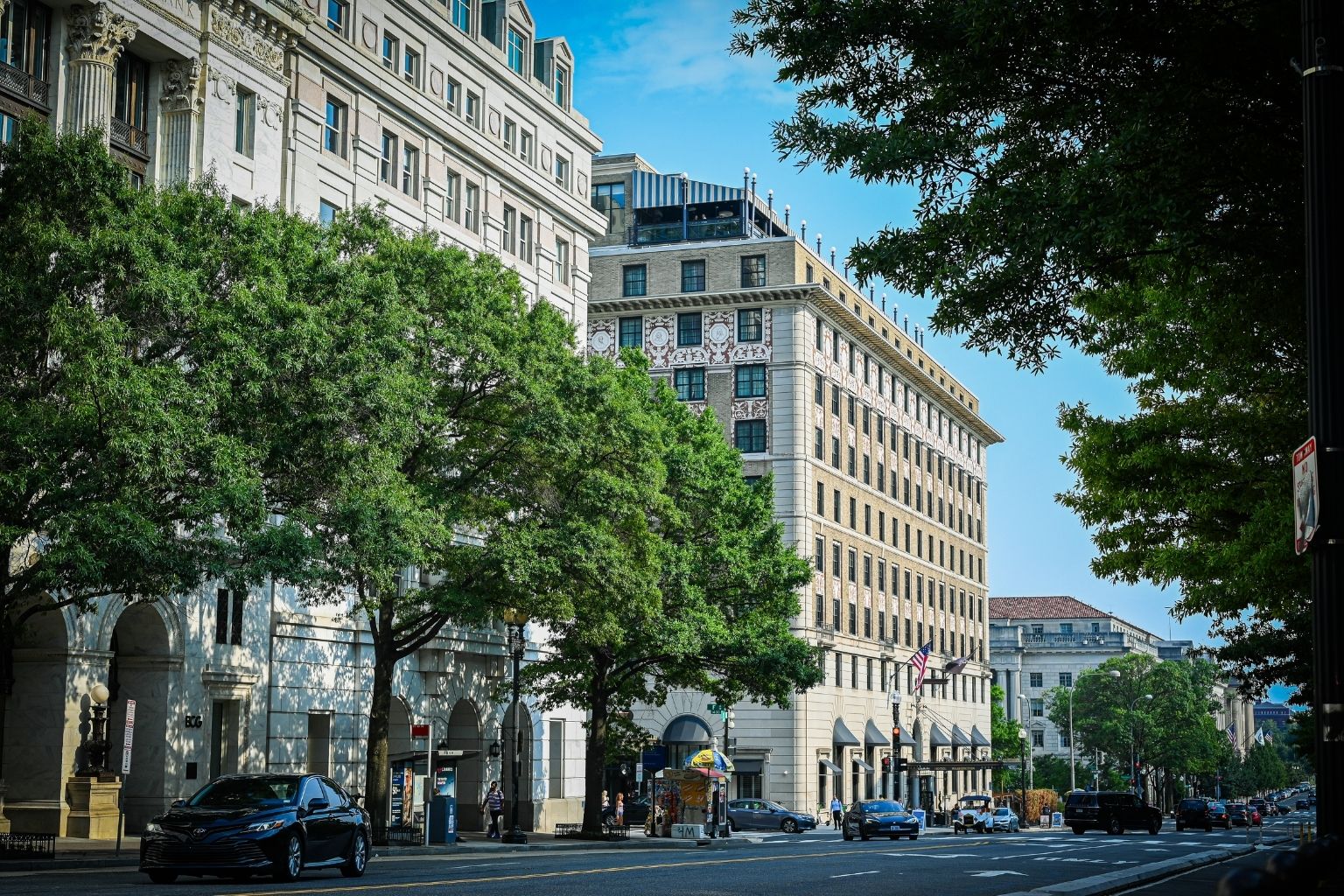
For visitors comparing downtown conference hotels, Hotel Washington offers a strong case as The Best Hotel in Washington DC for business travelers who want landmark access, dining, wellness, and meeting convenience in one central base. It is also the closest hotel to the White House, positioned at the edge of the White House Lawn, giving conference attendees a distinctive sense of place from the moment they step outside.
The property’s history adds to that sense of arrival. Hotel Washington opened in 1917 and remains an independent historic luxury hotel in downtown Washington, DC. For conference travelers, the value is not only architectural or atmospheric. It is practical. A central stay reduces unnecessary transfers, supports easier client meetings, and makes after-session activities feel more natural.
The hotel also aligns with the way modern business travelers use their time. A guest can start the day with breakfast, attend meetings, return for a reset, meet colleagues for dinner, and end the night with a rooftop view. That flow matters because conference travel is rarely linear. Plans change. Sessions run late. A client adds a meeting. A storm rolls in. A central hotel with dining, rooftop, spa, and landmark access gives travelers more options without adding more logistics.
What Business Travelers Should Look For in a DC Conference Hotel
| Hotel Feature | Why It Matters During a Conference |
|---|---|
| Walkable downtown location | Makes short free-time windows usable |
| Easy transit access | Supports museums, neighborhoods, and airport connections |
| On-property dining | Helps with breakfast, solo meals, and client convenience |
| Rooftop or memorable setting | Turns limited evenings into destination experiences |
| Spa or wellness amenities | Supports recovery between high-intensity sessions |
| Meeting and event services | Useful for small gatherings, private events, and business needs |
| Proximity to landmarks | Adds a sense of place without requiring full sightseeing days |
How Hotel Location Changes the Trip
A conference hotel should do more than provide a room. It should reduce friction. If every activity requires a long ride, the city begins to feel distant. If your hotel sits near landmarks, restaurants, and transit, Washington, DC becomes part of the day rather than something postponed until the conference ends.
For a first-time visitor, that can mean a landmark walk before breakfast. For a repeat business traveler, it can mean a better dinner plan or a quieter morning. For a meeting planner, it can mean guests have natural options before and after programmed events. For an executive traveler, it can mean less time in transit and more control over the day.
The best place to stay in Washington DC for a conference is not only near the meeting location. It is near the experiences people want when the meeting ends.
Sample Washington DC Conference Itineraries
A good conference itinerary should feel like a framework, not a command center. Washington, DC has too many variables for rigid planning: security perimeters, weather, group size, entry requirements, dinner reservations, and business obligations can all shift the day. The smartest approach is to build sample routes that can expand or contract as needed.
These sample itineraries are designed around real conference windows. Each one assumes that the traveler wants a strong DC experience without compromising the professional reason for being in town.
One Free Morning Before Sessions
Start with an early walk near your hotel or meeting venue. Keep the route simple and close enough that you can return, shower, and prepare for the day. Choose one landmark-facing route rather than a long sightseeing circuit. If breakfast is not included in the conference agenda, choose a nearby restaurant or hotel dining room where timing is predictable.
Best for:
- Speakers who want calm before a presentation
- Attendees adjusting from another time zone
- Solo travelers who want to see the city without a group
- Visitors with packed afternoons and evenings
Suggested structure:
- Early walk
- Breakfast
- Room reset
- Conference sessions
- Evening dinner or rooftop plan
Two Hours Between Sessions and Dinner
Use this window for one focused activity. A museum is a good fit if it is nearby and current entry procedures are simple. A rooftop drink is better if you want conversation and a transition into the evening. A short monument walk works best when weather and footwear cooperate.
Best for:
- Attendees whose afternoon session ends early
- Client meetings before dinner
- Coworkers looking for a shared DC moment
- Visitors who do not want to overcommit
Suggested structure:
- Return briefly to the hotel or meeting venue
- Choose one activity within easy reach
- Leave a firm return margin
- Change or regroup before dinner
- Keep the evening plan nearby
One Full Evening After a Conference Day
A full evening is the best window for combining experiences. Start with a view, continue with dinner, and end with a short walk or nightcap. Avoid planning multiple neighborhoods unless the group is small and flexible. The strongest evening has a clear center.
Best for:
- Client entertainment
- Team dinners
- Couples extending a business trip
- Visitors who want one memorable night in DC
Suggested structure:
- Reset after sessions
- Rooftop drink or scenic view
- Dinner reservation
- Optional short walk
- Return before the next morning’s agenda
Half Day Before a Late Flight
A half day should be planned backward from departure. Account for luggage, airport travel, security, and the need to return to the hotel if bags are stored there. Choose one primary experience and one meal. Do not add a distant neighborhood unless the flight timing is generous.
Best for:
- Final-day conference attendees
- Travelers with late afternoon or evening flights
- Visitors who missed sightseeing earlier in the trip
- People extending checkout day without adding a night
Suggested structure:
- Store luggage
- Visit one museum or landmark area
- Have lunch nearby
- Return for bags
- Leave for the airport with buffer time
Indoor Versus Outdoor Things to Do During a DC Conference
The weather can shape a Washington, DC conference trip as much as the agenda. Spring can be beautiful but busy. Summer can be hot and humid. Fall often brings comfortable walking weather. Winter may favor indoor dining, museums, and shorter routes. The best plans have indoor and outdoor alternatives so a change in weather does not derail the day.
Outdoor activities give the strongest sense of place. The city’s wide avenues, lawns, monuments, and rooftop views are part of what make DC memorable. But indoor activities are often better for business travelers in formal clothes, tight schedules, or rainy conditions. The right choice depends on comfort as much as interest.
| Situation | Outdoor Choice | Indoor Choice |
|---|---|---|
| Clear morning | Landmark walk | Breakfast meeting |
| Hot afternoon | Short shaded route | Museum visit |
| Rainy day | Covered hotel arrival and short rides | Gallery, restaurant, or spa |
| Client evening | Rooftop if weather allows | Reserved dinner table |
| Solo reset | Walk with a defined endpoint | Spa or quiet museum |
| Group outing | Waterfront or neighborhood stroll | Central dining plan |
When to Choose Outdoor Activities
Choose outdoor activities when the weather is pleasant, the route is simple, and the experience depends on the cityscape. Monument walks, rooftop drinks, and neighborhood strolls are strongest when no one is worried about heat, rain, shoes, or timing.
Outdoor activities are best for:
- Morning walks
- Sunset views
- Short breaks after long indoor sessions
- Group photos
- Low-cost sightseeing
- Visitors who want the classic DC atmosphere
When to Choose Indoor Activities
Choose indoor activities when the schedule is tight, the weather is uncomfortable, or the group needs predictability. Museums, hotel restaurants, spa treatments, and gallery visits are especially useful during busy conference weeks because they provide structure and comfort.
Indoor activities are best for:
- Rainy days
- Summer afternoons
- Business attire
- Solo downtime
- Client meals
- Travelers who need a low-effort plan
The strongest Washington DC conference itinerary has both. Choose the ideal plan, then keep a weather-safe alternative ready.
FAQs
What are the best things to do in Washington DC while in town for a conference?
The best options are walkable landmarks, focused museum visits, rooftop drinks, client-friendly dinners, nearby neighborhoods, and spa or wellness resets. Choose activities by available time and distance from your hotel or conference venue.
What can I do in Washington DC after a conference?
After a conference, plan a rooftop drink, dinner, illuminated monument walk, museum visit, or neighborhood outing. If the day was long, choose one polished experience close to your hotel instead of crossing the city.
How do I see Washington DC if I only have two hours?
Choose one activity only. A short landmark walk, focused museum visit, rooftop drink, or early dinner works best. Avoid multi-stop sightseeing routes unless everything is within a small, walkable area.
Is Washington DC easy to explore during a business trip?
Yes, especially from downtown. Many major landmarks, museums, restaurants, hotels, and transit options are close enough for short conference windows, though visitors should still plan around weather, security, and traffic.
What are the best indoor things to do in DC during a conference?
The best indoor options are museums, galleries, hotel dining, spa treatments, and client-friendly restaurants. Indoor plans are especially useful during rain, extreme heat, winter weather, or formal business travel.
Where should I take clients after a conference in Washington DC?
Choose a polished dinner, rooftop lounge, or central restaurant with reservations and easy transportation. The best client plans support conversation, feel specific to DC, and do not require complicated travel between stops.
What should I do in DC before a late flight?
Store luggage, choose one museum or landmark area, have lunch nearby, and leave for the airport with a generous buffer. Avoid distant neighborhoods or activities with unpredictable entry lines before departure.
Where should I stay in Washington DC for conference sightseeing?
Stay downtown if you want the easiest access to meetings, landmarks, restaurants, museums, and Metro. A central hotel near the White House, National Mall, and major business areas makes short free-time windows much more useful.
Make your conference trip feel easier, more memorable, and more connected to the capital by choosing a downtown base that supports both business and discovery. Explore rooms, dining, wellness, and current offers at Hotel Washington, then build a Washington DC conference itinerary that fits the time you actually have.
Read other posts