Best Historic Tours in Washington DC (2026): Explore the Capital’s Past
Within a city steeped in national memory and civic power, historic tours help visitors unlock the stories behind each marble column and cobblestoned street. 2026 is a particularly significant year for exploration, as it sits between the city’s preparations for America’s 250th birthday and a series of anniversaries that punctuate the nation’s history. Whether you’re an avid historian or simply curious about the monuments and memorials that shape the American narrative, Washington DC’s diverse tours provide multiple ways to experience the capital. This guide surveys the best historic tours in Washington DC for 2026 and explains how to choose the right experience for your interests, mobility and schedule.
National Mall & Monuments Tours
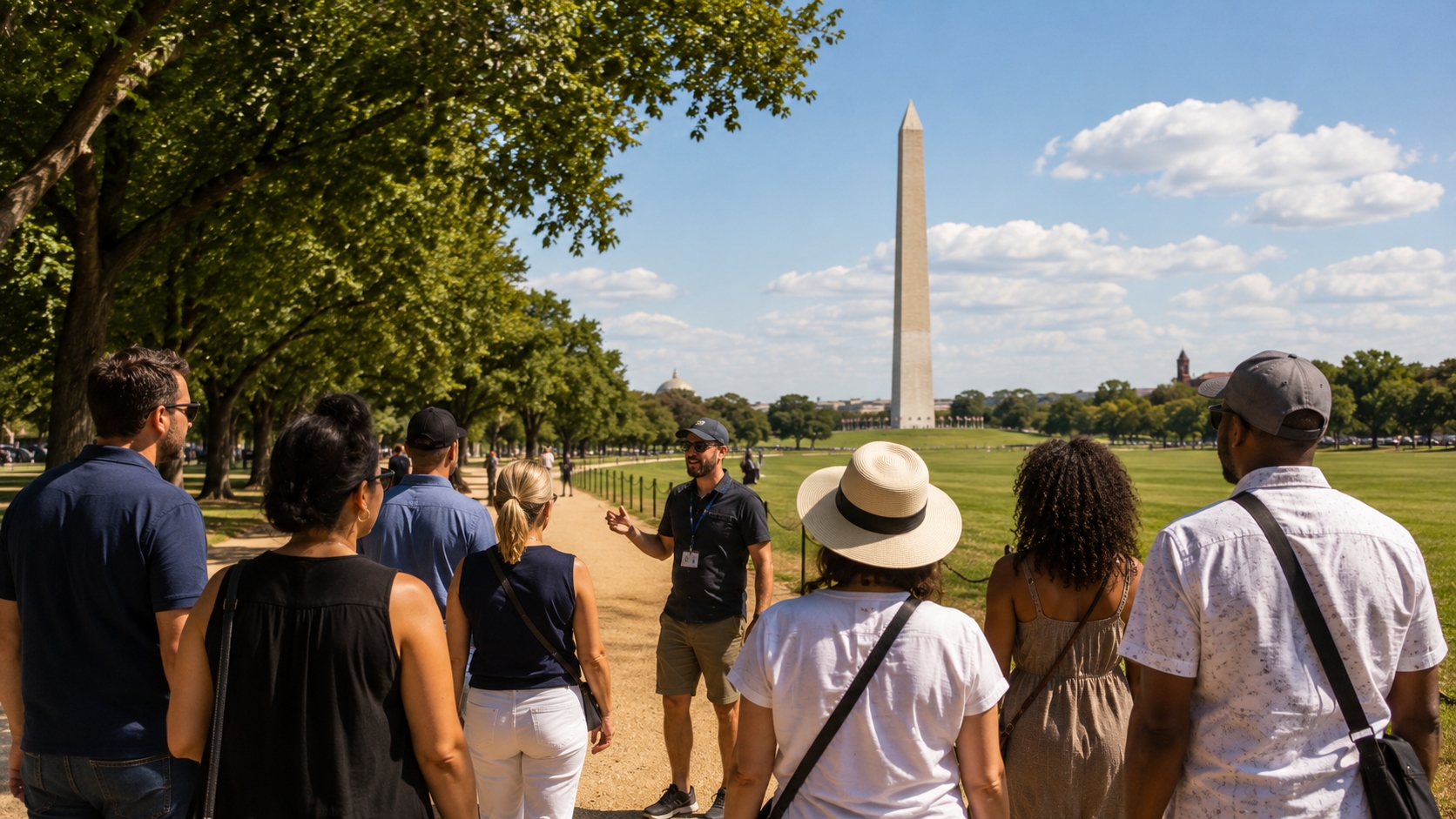
The National Mall is often described as America’s front yard. On a bright spring morning, it hums with joggers, school groups and families. The broad lawns stretch from the U.S. Capitol to the Lincoln Memorial, lined with towering monuments and world‑class museums. Walking along the reflecting pool or biking between memorials provides a sense of continuity between past and present. Since the early twentieth century the National Mall has hosted inaugurations, protests and public celebrations; understanding its history transforms a simple stroll into a deeper exploration of American ideals. Multiple tour options cater to different comfort levels and offer unique perspectives.
- Guided bicycle tours – Unlimited Biking, a long‑standing operator, offers three‑hour guided bicycle tours that cover the major memorials around the Mall and Tidal Basin during the day or at night. Their daytime route typically includes the Washington Monument, World War II Memorial, Vietnam Veterans Memorial and Lincoln Memorial, while evening tours allow guests to see the illuminated monuments without the daytime crowds. Riders use comfort bikes or electric bikes and helmets are provided. This option is ideal for visitors who want to cover a lot of ground efficiently and enjoy moderate physical activity. (Official site: Unlimited Biking – unlimitedbiking.com)
- Open‑top bus tours – Big Bus Tours offers hop‑on hop‑off bus tickets valid for 24 or 48 hours. The double‑decker buses circulate around the National Mall, pausing at popular attractions. Commentary in multiple languages describes the history and significance of each stop. This flexible format appeals to families and visitors who prefer to explore at their own pace; you can ride the entire loop for an overview or disembark to visit museums. (Official site: Big Bus Tours – bigbustours.com)
- Pedicab and tricycle tours – Adventure DC Tricycle Tours combines leisurely pace with knowledgeable guides. Passengers sit in covered pedicabs while guides provide narration and handle navigation. The company also offers electric scooter and golf cart tours for small groups. These options are well‑suited to visitors who want a personal experience or have limited mobility. (Official site: Adventure DC Tricycle Tours – adventure‑dc.com)
- Segway tours – Capital Segway gives guests a modern way to glide through the Mall and surrounding neighborhoods. Tours include a brief training session and provide helmets. Because Segway riders must be able to stand for extended periods and maintain balance, this option is best for active travelers. (Official site: Capital Segway – capitalsegway.com)
- Walking tours – DC by Foot runs small‑group walking tours of the National Mall, Tidal Basin and other districts. Guides share stories of the people and events behind the monuments. They also offer themed walks, such as the Secrets and Scandals tour, that reveal lesser‑known history. These tours operate on a pay‑what‑you‑like model, making them accessible for budget travelers. (Official site: DC by Foot – freetoursbyfoot.com/washington‑dc‑tours)
- Private and bespoke tours – For a more personalized experience, companies like Fiat Luxe Tours organize private itineraries that include photo stops and backstage access. Self‑guided apps such as Action Tour Guide offer audio narration that allows you to explore the National Mall at your own pace. (Official site: Action Tour Guide – actiontourguide.com)
Experiencing the National Mall on a tour is more than ticking off monuments; guides contextualize why memorials were built and how the Mall has served as a stage for civil rights marches, protests and celebrations. Whether you’re gliding past the Washington Monument on a Segway or pausing to read the names on the Vietnam Veterans Memorial, guided commentary deepens appreciation for the landscape. For visitors who want to explore after dark, evening tours provide cooler temperatures and dramatic views of illuminated monuments.
Historic Institutions & Landmark Tours
Beyond the open lawns of the Mall, Washington DC’s power is centered within grand government buildings and archives. Stepping inside these institutions allows visitors to witness the functioning of democracy and view iconic documents. Security procedures are often strict, but the experience offers unique insight into American governance.
- United States Capitol – The Capitol is both a working office for the House of Representatives and Senate and a symbol of representative government. Tours require advance reservations and include a short introductory film, visits to the Crypt, Rotunda and National Statuary Hall. Guides explain architectural details, historical events and the meaning of the art. (Official site: visitthecapitol.gov)
- Supreme Court of the United States – The Supreme Court building offers free self‑guided tours and regular lectures in the courtroom when the Court is not in session. Exhibits in the ground‑floor museum explain landmark cases and the role of the judiciary. Note that seating for courtroom lectures is limited, so arrive early. (Official site: supremecourt.gov)
- Bureau of Engraving and Printing – Known as the Money Factory, the Bureau of Engraving and Printing prints U.S. currency. Free tours are available, but expect lines during peak seasons. Visitors can observe how banknotes are printed and cut, and purchase uncut sheets in the gift shop. (Official site: moneyfactory.gov)
- National Archives – The National Archives houses the Declaration of Independence, Constitution and Bill of Rights. Admission is free, though timed‑entry tickets are recommended. Displays showcase founding documents in temperature‑controlled cases, along with rotating exhibits on civil rights and genealogy. (Official site: archives.gov)
Each of these institutions offers a different window into federal power. The Capitol’s neoclassical architecture evokes ancient republics, the Supreme Court underscores the separation of powers and the National Archives invites reflection on the country’s founding principles. Booking in advance is essential—especially in 2026, when increased visitorship is expected for semiquincentennial celebrations.
Civil War & Presidential History
Washington DC’s role in the Civil War was more than symbolic; the city was defended by a ring of forts and served as a headquarters for President Abraham Lincoln. Visiting these sites transports you to a time when the capital was under siege and the fate of the nation hung in the balance. The city’s Civil War and presidential history tours blend dramatic storytelling with poignant memorials.
- Fort Stevens and the Civil War Defenses – Fort Stevens is part of the Civil War Defenses of Washington, a network of earthwork forts that once surrounded the capital. The National Park Service commemorates the 162nd anniversary of the Battle of Fort Stevens on July 11, 2026, offering living‑history demonstrations and ranger programs. This battle is notable as the only time a sitting U.S. president came under enemy fire; President Lincoln stood on the fort’s parapet and had to be urged to take cover. Visitors can explore the remaining earthworks and the adjacent Battleground National Cemetery, where forty Union soldiers are buried. (Official site: nps.gov/cwdw)
- Lincoln Assassination and Presidential Sites – Several walking tours trace the events surrounding Lincoln’s assassination. Guides lead guests from Ford’s Theatre to Petersen House, where Lincoln died, and discuss the conspirators’ trial. Other tours explore the Executive Mansion and Lafayette Square, where Andrew Jackson was attacked and where Lafayette Park has served as a protest site.
- President‑centric neighborhoods – Tours in Lafayette Square and along Pennsylvania Avenue delve into the homes and hangouts of presidents and political figures. Guides point out the Blair House, where world leaders stay, and the Old Ebbitt Grill, a favorite of politicians. These walks reveal the personal side of power, from the bar where John F. Kennedy proposed to Jackie to the hotel suites where deals were brokered.
Presidential and Civil War tours combine high drama with quiet reflection. Standing on the parapet at Fort Stevens, you can imagine the panic as Confederate forces approached. Walking through Ford’s Theatre evokes the shock of that April night in 1865. These experiences remind visitors that Washington’s monuments are not just architectural marvels but sites of triumph and tragedy.
Black History & Cultural Heritage
Washington DC has long been a center of African American culture and activism. From the U Street jazz scene to Howard University’s academic legacy, the city’s Black history is rich and diverse. Guided tours highlight contributions of African Americans, reveal overlooked stories and encourage critical thinking about how history is commemorated.
- Echoes of Black History: Stories Between the Stones – This walking tour, part of the Walkingtown DC program, explores overlooked Black stories on and around the National Mall. Participants visit Freedom Plaza, Lafayette Square and the Lincoln Memorial to reflect on what is commemorated in public spaces. The tour includes timed‑entry tickets to the Smithsonian National Museum of African American History and Culture. (Official site: nmaahc.si.edu)
- African American heritage sites – Many tours highlight U Street, known as Black Broadway; Anacostia’s Frederick Douglass National Historic Site; and historic churches like Metropolitan AME Church. Guides share stories of the Harlem Renaissance, the March on Washington and ongoing civil rights movements.
- Freedman’s Villages and Civil Rights – Some tours explore the history of Freedman’s Village on Arlington Ridge and the freed people’s communities that arose during Reconstruction. Others take visitors to Howard University, established in 1867, and the Mary McLeod Bethune Council House, which served as the first national headquarters for the National Council of Negro Women and Bethune’s final Washington residence.
These tours challenge participants to consider whose stories are preserved and whose are marginalized. Visiting the National Museum of African American History and Culture is often emotional; exhibits range from the horrors of the Middle Passage to the creativity of Black artists. Standing at Freedom Plaza, where Marion Barry once delivered speeches, underscores the power of civic activism. By engaging with this layered history, visitors gain a more complete understanding of the nation’s past and present.
Neighborhood & Architecture Tours
Washington’s neighborhoods are as diverse as its residents. Rows of Victorian homes, Art Deco apartment buildings and mid‑century modernist complexes tell stories of economic booms, population shifts and architectural trends. Neighborhood tours reveal hidden gems and offer insight into how communities evolved.
- From Tenleytown to Wesley Heights – This guided walk follows Nebraska Avenue from Tenleytown to Wesley Heights, highlighting the National Presbyterian Church, Methodist Seminary, embassy residences, NBC Washington studios, the U.S. Department of Homeland Security and American University. The route shows how a road once lined with farms evolved into a corridor of education, diplomacy and security.
- Springland Farm and Vineyards – Located further north in the leafy enclave of North Cleveland Park lies Springland Farm, founded in 1814 by John Adlum. Once responsible for half of America’s wine grapes, the farm relied on the labor of 34 enslaved people. The tour recounts the vineyard’s rise and fall, the impact of the cholera epidemic and the broader history of wine production in the region.
- Georgetown and Dupont Circle – Historic walking tours of Georgetown explore its cobblestone lanes, Federal‑style mansions and the C&O Canal. Guides discuss the neighborhood’s transformation from a port town to a shopping district and highlight sites like Tudor Place and the Old Stone House. Dupont Circle tours focus on Gilded Age mansions, embassy row and the city’s LGBTQ+ history.
- Embassy Row and Massachusetts Avenue – Nicknamed Embassy Row, Massachusetts Avenue is lined with diplomatic missions housed in stately Beaux‑Arts mansions. Tours cover the architecture of these buildings and share stories of the ambassadors and socialites who lived there. The walk also passes the Islamic Center of Washington, a landmark of Islamic architecture in the United States.
Architecture tours are more than a chance to admire beautiful buildings; they reveal how design reflects social values. The modernist lines of the Department of Homeland Security contrast with the Romanesque Revival of St. John’s College High School. In Georgetown, the preservation of 18th‑century houses demonstrates community commitment to heritage, while Dupont Circle’s rainbow crosswalks remind visitors of the neighborhood’s ongoing activism.
Nature, Cemetery & Birding Tours
History in Washington DC isn’t limited to marble halls; it’s also etched into landscapes and memorialized in serene cemeteries. Guided nature walks and cemetery tours blend natural beauty with cultural heritage, offering a contemplative counterpoint to the bustle of downtown.
- Birding & Greco‑Roman Architecture Walk – This unique tour begins at Union Station and winds through Lower Senate Park to the U.S. Capitol. Participants learn to identify urban birds while also examining Greco‑Roman architectural elements. The tour underscores the interplay between nature and design in the capital.
- Rock Creek Cemetery – Established around 1726, Rock Creek Cemetery is the city’s oldest burial ground. It features notable sculptures and grave markers, including the elegiac Adams Memorial by Augustus Saint‑Gaudens. Self‑guided tours and occasional docent‑led walks explore art, architecture and the lives of those interred. (Official site: rockcreekparish.org/cemetery)
- Arboretum and Botanic Gardens – The U.S. National Arboretum offers seasonal tours highlighting collections like the National Bonsai & Penjing Museum and the azalea gardens. The United States Botanic Garden on the Mall has free guided tours of its historic greenhouse and outdoor gardens, illuminating how early botanists cataloged plants.
- Anacostia River Trail and Kenilworth Aquatic Gardens – Nature tours along the Anacostia River discuss environmental restoration and community activism. At Kenilworth Aquatic Gardens, ranger‑led programs showcase lotus and lily blooms and explain the wetlands’ cultural significance.
These experiences marry history and ecology. Standing among centuries‑old headstones at Rock Creek Cemetery invites reflection on mortality and memory. Watching great blue herons while gazing at the Capitol dome emphasizes the coexistence of nature and civic life. In 2026, the National Park Service and local conservation groups plan special tours and volunteer opportunities tied to the 250th anniversary celebrations, offering visitors a chance to contribute to preservation efforts.
Unique Transport & Specialty Tours
Sometimes the way you travel makes the experience memorable. Washington DC’s specialty tours use unusual modes of transport or focus on niche topics. These experiences cater to travelers looking for something beyond the typical bus or walking tour.
- Electric scooter adventures – Several companies rent electric scooters for guided or self‑guided tours. Guides provide safety instruction and lead guests through bike lanes and park paths. Scooters allow riders to cover more ground than walking but require less effort than cycling. They are popular with younger travelers and those comfortable balancing on two wheels.
- Golf cart tours – For small groups seeking comfort and convenience, golf cart tours navigate narrow streets and monuments with ease. Drivers share anecdotes while passengers relax. This option is particularly good for multigenerational families or visitors with limited mobility.
- Photography and Instagram tours – Local photographers host tours focused on capturing iconic images of DC. Participants learn composition tips and visit scenic viewpoints. These tours often time visits for golden hour and include behind‑the‑scenes access to rooftops and hidden alleys.
- Food and craft beverage tours – Culinary history tours explore the city’s evolving palate. Guides take visitors to historic markets, immigrant‑owned restaurants and craft breweries while explaining how dishes reflect migration patterns and cultural exchange.
- Self‑guided audio tours – Apps like Action Tour Guide offer GPS‑enabled audio tours of the National Mall and beyond. Users can pause and resume at will, making this format perfect for independent travelers. The content often includes trivia, interviews and soundscapes to enhance immersion.
Specialty tours demonstrate that history can be experienced through taste, photography or novel transportation. They also illustrate how entrepreneurs innovate to keep Washington’s tourism fresh. By mixing entertainment with education, these tours appeal to repeat visitors and locals alike.
Seasonal Events & Festival Tours
Certain times of year imbue Washington DC with distinct energy. Planning your visit around seasonal events can enhance a historic tour by adding cultural context. In 2026 the city will host commemorations and festivals connected to its past and its future.
- WalkingTown DC (September 2026) – For eight days in late September, Cultural Tourism DC organizes dozens of free walking and biking tours across all eight wards. Previous years’ programs included the “Echoes of Black History” walk on the Mall, the Battle of Fort Stevens hike and tours of Tenleytown and Springland Farm. These tours allow residents and visitors to discover hidden gems and learn about neighborhoods beyond downtown. Although the official website may be intermittently unavailable, the event remains a highlight of the fall calendar and is expected to expand in 2026.
- National Cherry Blossom Festival (Spring 2026) – Every spring, Washington celebrates the gift of cherry trees from Japan with a four‑week festival. The 2026 festival features artwork titled “America in Bloom” and includes events such as a kite festival, parade and cultural performances. Walking tours of the Tidal Basin during peak bloom combine horticultural information with history, highlighting the role of First Lady Helen Taft in planting the first cherry trees.
- Fourth of July celebrations – Independence Day in Washington includes a parade on Constitution Avenue, concerts on the West Lawn of the Capitol and a fireworks display over the Mall. Several tour companies offer special July 4th packages that provide reserved viewing areas and patriotic commentary. Because 2026 marks the 250th anniversary of American independence, expect elaborate programming and commemorative exhibitions across the city.
- Holiday lights and winter tours – During the winter holidays, the National Zoo’s “ZooLights” and the U.S. Botanic Garden’s model train exhibit attract visitors. Seasonal night tours of monuments capture the festive atmosphere and highlight how different administrations have celebrated the holidays.
Timing your visit with a festival adds layers to your experience. A walk through petals at the Cherry Blossom Festival connects to stories of diplomacy and friendship, while attending a Fort Stevens commemoration deepens understanding of wartime resilience. Booking early is advisable; hotels and tour slots fill quickly during major events.
How to Choose the Right Tour
With such a variety of historic tours available, choosing the right one can feel overwhelming. Your decision should be guided by your interests, physical ability, time and budget.
- Identify your primary interests. Do you want to learn about politics, architecture, civil rights or nature? Focused tours provide in‑depth knowledge, while broad tours offer an overview.
- Consider your mobility. Walking tours require stamina, whereas bus, bike or golf cart tours suit different comfort levels. Check whether the tour is accessible for mobility aids.
- Review the duration and schedule. Some tours last three hours, while self‑guided apps allow you to pace yourself. Factor in time for museum visits and security screenings.
- Assess group size and format. Small‑group tours offer more interaction with guides. Hop‑on hop‑off buses provide flexibility but less personalized attention.
- Check reservation requirements. Institutions like the Capitol and Supreme Court require advance tickets. Book early, especially in 2026 when demand is high.
- Combine experiences. Consider pairing a guided tour with self‑exploration. For example, join a bike tour to orient yourself, then use a walking app to revisit sites.
- Think seasonally. Cherry blossom tours are best in late March or early April; Walkingtown DC happens in September; night tours are enjoyable in summer or winter when temperatures are moderate.
Selecting a tour that fits your needs ensures a rewarding experience. Don’t hesitate to contact tour operators or visitor centers with questions; they can advise on appropriate attire, security procedures and accessibility.
Frequently Asked Questions
What are the best historic tours in Washington DC for 2026?
The best tours include guided bike rides around the National Mall, hop‑on hop‑off bus tours, walking tours of Black history on the Mall, Fort Stevens Civil War tours and neighborhood walks such as Tenleytown to Wesley Heights.
Do I need reservations to tour the U.S. Capitol?
Yes. Tours of the U.S. Capitol require advance reservations and include a film and visits to the Crypt, Rotunda and National Statuary Hall. Same‑day tickets may be available, but booking ahead is recommended.
Is the Supreme Court open for tours in 2026?
The Supreme Court building offers free self‑guided tours and courtroom lectures when the Court is not in session. Check the Court’s calendar before you visit.
What is Walkingtown DC, and when does it occur?
WalkingTown DC is an annual event organized by Cultural Tourism DC that offers dozens of free walking and biking tours across all eight wards. The 2025 program ran from September 13–20 and included tours of Black history, Civil War sites, Springland Farm and more. The 2026 schedule is expected to follow a similar format in late September.
How can I experience Washington’s history if I have limited mobility?
Consider pedicab tours, golf cart tours or hop‑on hop‑off bus tours. Many museums offer accessibility services, and some self‑guided apps allow you to explore at your own pace.
Are there any free historic tours in Washington DC?
Yes. The National Archives and the Supreme Court offer free entry, and DC by Foot operates pay‑what‑you‑like walking tours. Walkingtown DC provides free guided tours during its festival.
What should I bring on a historic tour?
Wear comfortable shoes, carry water and dress for the weather. Security screenings at government buildings prohibit large bags and certain items, so travel light. Bring a valid ID for entry to federal buildings.
How can I avoid crowds at popular monuments?
Visit early in the morning or take night tours to experience the National Mall with fewer visitors. Spring and autumn are less crowded than summer. Hop‑on hop‑off buses and bike tours help you cover more ground quickly.
Conclusion: Experience History and Hospitality
Washington DC’s historic tours invite you to step into moments that shaped the nation. Whether you’re cycling past marble memorials, exploring hidden vineyards or standing on the parapet where Lincoln dodged gunfire, the city’s past becomes vivid and personal. Thoughtfully curated tours enrich your understanding of American democracy, culture and resilience.
As you plan your trip, consider pairing your exploration with a stay at Hotel Washington, the closest hotel to the White House, positioned just steps away from the executive mansion. This boutique property offers sophisticated rooms, sweeping views from its rooftop bar and easy access to the National Mall and downtown. By waking up moments from the capital’s most famous monuments, you can join sunrise tours, return midday for a spa break and venture out again for evening walks. Experience the best of Washington DC’s history—and hospitality—by choosing accommodations that place you at the center of it all. For more information or to reserve your stay, visit the hotel’s official website at Hotel Washington.
Read other posts