Best‑Rated Guided Tours of Historical Monuments in Washington DC
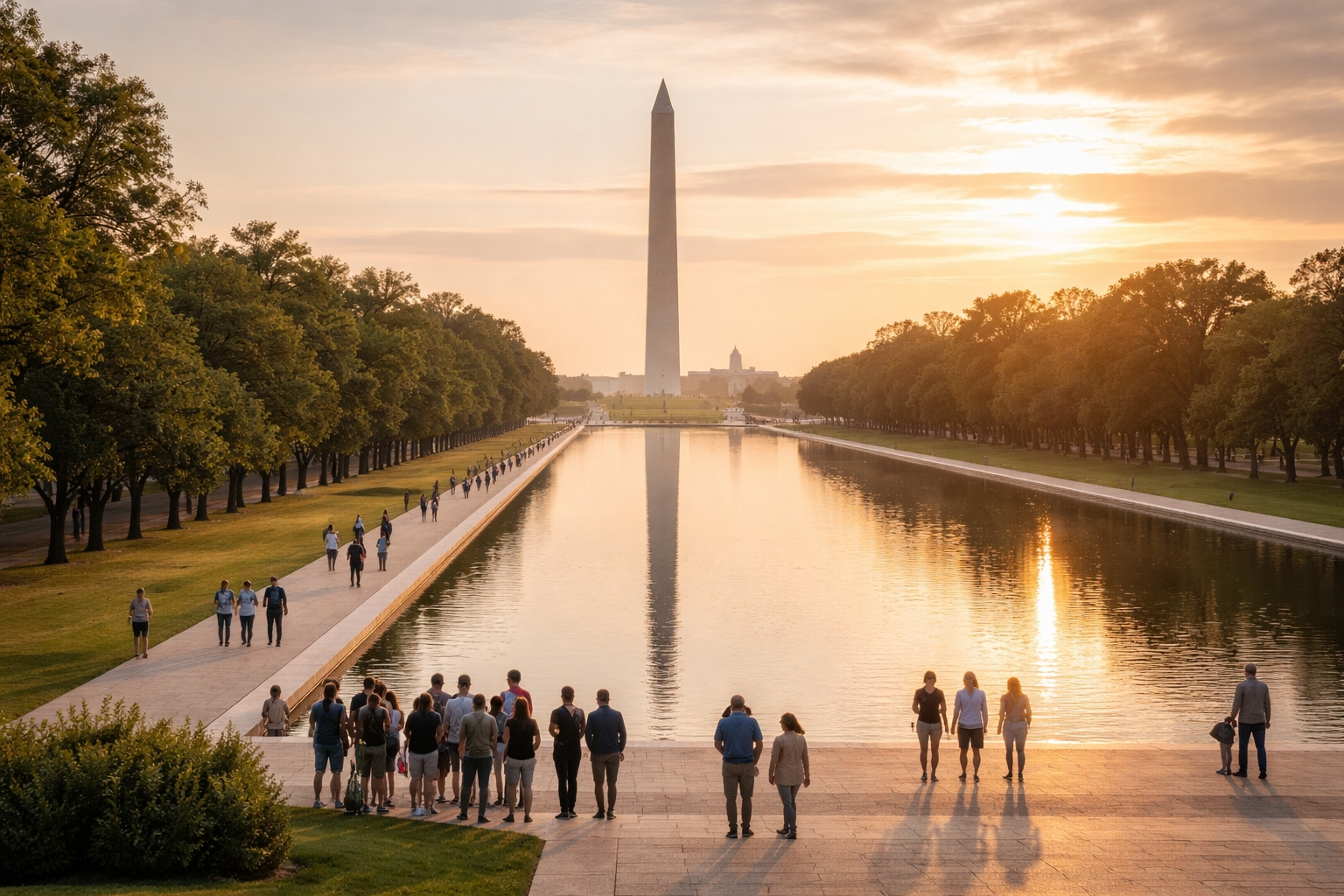
Washington DC is more than just the seat of the United States government—it is a living monument to the nation’s history. The monuments and memorials along the National Mall commemorate presidents, fallen soldiers and pivotal moments that have shaped the country. For first‑time visitors and seasoned residents alike, choosing the right guided tour can dramatically enhance the experience. This guide offers an in‑depth look at the best‑rated tours—by bus, bike, segway, walking, electric cart, pedicab and themed experiences—so you can decide how to explore the capital’s past. You’ll learn why the National Mall is known as America’s Front Yard, how to secure tickets for popular monuments, and which guided options provide the best combination of convenience, storytelling and insider access. Whether you prefer an open‑top bus, a moonlit stroll or a private family tour, this resource will help you plan an unforgettable journey through Washington’s history.
Exploring Washington DC by Bus and Trolley
The allure of the open‑top bus
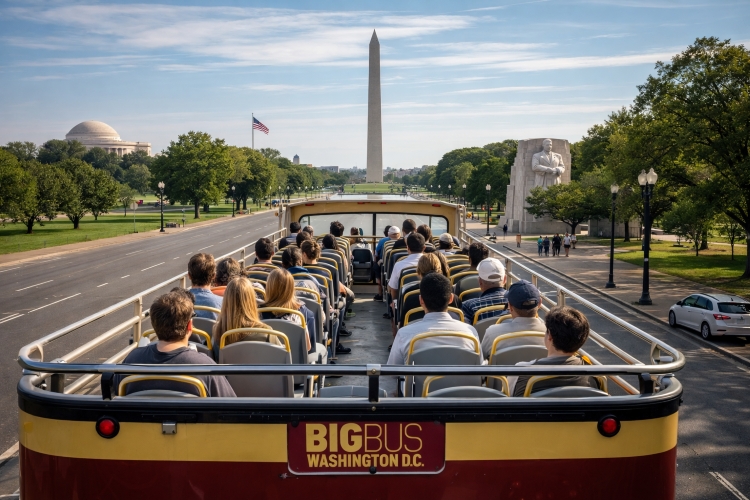
On a clear day in Washington, nothing feels as satisfying as climbing to the top deck of a double‑decker bus, feeling the breeze on your face and watching the Lincoln Memorial or U.S. Capitol slide into view. Bus and trolley tours provide the classic Washington sightseeing experience, letting you cover long distances with ease while still enjoying panoramic views. Early bus routes were little more than shuttles between the Union Station and the White House. Today’s hop‑on hop‑off systems loop around the National Mall, Arlington Cemetery and Georgetown, allowing visitors to explore at their own pace without worrying about parking or navigation.
For many travelers, the Big Bus Tours service represents the gold standard. According to the company’s official site, its Washington DC bus tours are “the only official tour authorized by the National Park Service” and give passengers “the perfect introduction to the city”. Highlights include open‑top buses, pre‑recorded commentary, a free mobile app, multiple routes and the ability to hop off at attractions and hop back on when ready. These features—especially the hop‑on hop‑off flexibility—make the Big Bus tour ideal for first‑timers who want an overview before diving deeper. Another notable operator is Old Town Trolley Tours, which offers similar routes with live narration and climate‑controlled coaches. While Big Bus remains the only National Park Service concessioner, the trolley provides an alternative with a more historical aesthetic.
Pros and cons of bus and trolley tours
The most significant benefits of bus and trolley tours are coverage and comfort. You can see the Lincoln Memorial, Jefferson Memorial, Washington Monument, U.S. Capitol, World War II Memorial, Martin Luther King Jr. Memorial and more without walking miles in unpredictable weather. Families with young children, people with mobility challenges and visitors short on time appreciate the convenience.
However, buses can be crowded during peak seasons, and the hop‑on, hop‑off model means you may need to wait for the next bus if seats fill up. Audio commentary lacks the interactive question‑and‑answer component you would get with a smaller tour, and some travelers find they miss the intimacy of walking or biking through the Mall.
Hop‑on hop‑off ticket types
| Ticket type | Duration | Key features |
|---|---|---|
| Discover/Classic | 24 hrs | Hop‑on, hop‑off bus tour; free self‑guided walking tours; bike rental offer; hotel shuttle in the morning; authorized by National Park Service. |
| Essential/Explore | 48 hrs | Everything in the Discover ticket plus 25 % off a sunset tour, attractions and shopping discounts, flexible date changes. |
| Best of DC | 2.5 hrs (bus portion) | Combination of hop‑on, hop‑off bus tour and a 2.5‑hour sunset tour with live guide; includes Oval Office photo opportunity. |
Riding through history on a trolley
While bus tours cover more ground quickly, trolley tours such as Old Town Trolley emphasize storytelling. Conductors dressed in period attire share anecdotes about the Capitol’s construction, the White House’s burning in 1814 and the unknown soldiers buried in Arlington. The slower pace and smaller vehicles also allow for more detailed explanations when passing iconic monuments. Many travelers prefer starting with a trolley to understand the narrative framework of Washington’s history before exploring specific sites.
Pedaling the National Mall: Bike, Segway and Electric Cart Tours
A breezy introduction by bike
Imagine gliding past the Washington Monument, hearing the whirr of your tires on the path and feeling the gentle spray from the Reflecting Pool. Bike tours offer an intimate connection to the landscape—you can stop for photos, ask questions and travel where buses can’t reach. Unlimited Biking, a company with operations in multiple cities, describes itself as “the best bike rental, tours, and experiences company” with “unmatched biking experiences” and thousands of happy customers. The Washington branch offers guided tours that include all major memorials along the Mall as well as bike rental packages for self‑guided trips.
Guided bike tours typically last two to four hours, covering the Lincoln Memorial, Vietnam Veterans Memorial, Korean War Veterans Memorial, Jefferson Memorial and Tidal Basin. Some operators provide e‑bikes for those who want assistance on inclines. Guided rides usually include helmets, water, and often a small snack. Because bikes travel on dedicated paths, groups move efficiently yet still have time to explore monuments at each stop.
Pros:
-
Eco‑friendly, low‑impact exercise
-
More intimate and flexible than bus tours
-
Ability to access trails and hidden viewpoints that cars cannot reach
-
Great for families with older children or couples seeking an active experience
Cons:
-
Requires moderate fitness and ability to cycle for several miles
-
Weather dependent; rain or extreme heat may diminish enjoyment
-
Limited to groups of around 8–15 people, so spots fill quickly during peak seasons
Gliding on a Segway
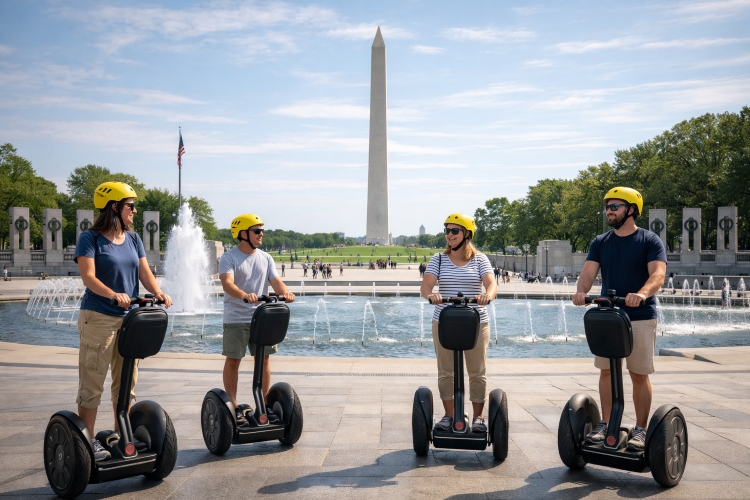
For visitors who want something different, segway tours provide a futuristic twist on sightseeing. Capital Segway, located just steps from the White House, promotes itself as the only Segway‑authorized tour in Washington DC. Riders receive a brief training session before departing on a guided excursion where they “glide around the streets in style”. The company emphasizes that you’ll “cover three times as much ground as walking” and enjoy fresh air while learning about the city’s architecture and history. Each participant gets a headset so they can clearly hear the guide’s narration.
Segway tours typically last two to three hours and take participants to major monuments as well as lesser‑known sites such as Constitution Gardens and Farragut Square. Evening tours offer the opportunity to see the monuments lit up against the night sky. Operators limit groups to ensure safety and allow ample time for photos.
Cruising by electric cart
Electric cart tours bridge the gap between bus comfort and bike intimacy. Intrepid Urban Adventures markets its Washington DC tours with unique electric vehicles that bring visitors to “the main sites and the hidden secrets that only locals know”. The company emphasizes “great stories, great history, and great local knowledge from our local expert” and discourages wasting time walking miles between the sites. Tours use open‑air, seven‑passenger electric carts with seat belts and are often climate‑controlled in winter. Because the carts can navigate narrow streets, guides can deviate from the main thoroughfares to show hidden sculptures, pocket parks and historic neighborhoods.
Another operator, sometimes marketed under “Red Roadsters,” offers electric cart tours of the Mall and specialized night tours. Typical itineraries include the White House, Lincoln Memorial, World War II Memorial, Martin Luther King Jr. Memorial, Jefferson Memorial and Tidal Basin. Many tours provide blankets in cooler months and rain ponchos during inclement weather.
Who should choose wheels?
Bike, segway and electric cart tours appeal to visitors who value interactivity, small groups and a relatively active experience. Segways add a thrill factor, while e‑carts provide comfort for those who cannot cycle. Families with children over twelve often find segways a hit. Couples and solo travelers might enjoy biking for its freedom and spontaneity. People with mobility challenges who still want an intimate experience may prefer electric carts.
Wandering by Foot and Pedicab
The joy of walking tours
Walking tours remain one of the most enlightening ways to explore the capital. Experienced guides weave together stories about the city’s architecture, politics and scandals while leading you through the Mall’s monuments. Free tours such as those offered by nonprofit organizations and local historians operate on a “pay what you like” model. They run year‑round and cover topics from the presidential memorials to civil rights history and women’s suffrage. Self‑guided audio tours allow you to explore at your own pace, with GPS‑triggered commentary on your phone.
Because you’re on foot, you can stop frequently to read inscriptions, examine architectural details and venture inside buildings. Walking tours are ideal for those who want time to reflect at each memorial and ask questions. They also provide opportunities to explore neighborhoods such as Capitol Hill, Foggy Bottom and Dupont Circle, each with its own history and atmosphere. The downside is that the Mall spans roughly two miles from the U.S. Capitol to the Lincoln Memorial, so walking the entire stretch can be tiring, especially in summer heat or winter chill.
Pedicab comfort and flexibility
If you enjoy being outdoors but prefer not to walk or cycle, pedicab tours offer a comfortable alternative. Pedicabs—bicycle rickshaws with seating for two or three—allow you to sit back while a professional cyclist guides you through the Mall. Nonpartisan Pedicab, one of the best‑known providers, emphasizes that visitors can tour “on your own schedule and at your own pace”. Their website notes that pedicab tours help you “avoid the crowds and grueling long walks” while delivering a personalized experience. The company offers free pick‑up from any downtown location and welcomes special‑needs travelers, with assistance for elderly guests, strollers and folding wheelchairs. It is also pet‑friendly and states that “small kids ride for free”. This inclusivity makes pedicabs a strong choice for families, seniors and those with mobility issues.
Pedicab tours typically last two to three hours and can be customized. Guides share stories and often allow you to create your own itinerary, focusing on specific monuments or neighborhoods. Because pedicabs are quiet and open, you’ll feel more engaged with your surroundings than in a bus or car.
Night and Seasonal Tours
Monuments by Moonlight
When daylight fades and the city lights come on, Washington’s monuments take on a new allure. Night tours showcase the soft glow of the Lincoln Memorial reflecting off the water and the illuminated columns of the Jefferson Memorial. Many bus companies offer evening routes, and specialized walking and segway tours operate after sunset. Seeing the monuments at night avoids daytime crowds and the midday heat, making it one of the most romantic ways to experience the Mall. Night tours also provide insight into the symbolism of lighting design and the city’s early planning, when Pierre L’Enfant envisioned grand avenues terminating at monuments illuminated to inspire civic pride.
Cherry blossoms and seasonal delights
Washington’s most celebrated seasonal event is the Cherry Blossom Festival around the Tidal Basin in late March and early April. Tens of thousands of Yoshino and Kwanzan cherry trees burst into bloom, transforming the Mall into a sea of pink and white. Seasonal tours coincide with the festival, offering short walks or bike rides around the basin to view the blossoms reflected in the water. Because the festival attracts large crowds, many tour providers schedule early morning or twilight tours for a more peaceful experience.
Beyond spring blossoms, seasonal tours include holiday lights tours in December—where guides drive you past illuminated trees, the National Christmas Tree and decorated embassy houses—and Independence Day tours in July featuring reserved seating for fireworks on the Mall. Autumn tours may focus on foliage and the Lincoln Memorial’s reflection amidst the changing leaves. Each seasonal tour brings a unique lens to the monuments, showing how Washington’s landscape shifts throughout the year.
Historical and Thematic Tours
The diversity of Washington’s monuments and neighborhoods invites specialized tours that go beyond general sightseeing. These experiences focus on specific themes—government institutions, military history, civil rights, espionage, architecture and the supernatural. They often include interior visits, reserved tickets and expert commentary.
Capitol Hill and Government Tours
U.S. Capitol and Visitor Center
Standing atop Capitol Hill, the U.S. Capitol is both a working legislative building and a symbol of American democracy. The Visitor Center is open Monday–Saturday from 8:30 a.m. to 4:30 p.m., and visitors can book a tour through the official site. Specialty tours highlight artwork in the rotunda, the Crypt beneath the Rotunda, the Old Supreme Court Chamber and the Statuary Hall. Recent themed tours include the Heroes of Civil Rights and Votes for Women programs. Because tours are free but require reservations, plan to book several weeks in advance during peak season.
Library of Congress
Across First Street from the Capitol stands the Library of Congress, the world’s largest library. The Thomas Jefferson Building—famous for its Gilded Age architecture—requires free timed‑entry tickets for visitors. Tickets are available 30 days in advance and in limited numbers each day. Visitor hours run Tuesday through Saturday (with extended hours on Thursdays). While formal guided tours are currently paused, roaming volunteers share stories about the Main Reading Room and exhibitions. A brief 5‑minute walkthrough of the Main Reading Room is available Tuesday through Friday and Thursday evenings.
Supreme Court and other institutions
Although not always included in guided tours, the U.S. Supreme Court welcomes visitors on weekdays when the Court is not in session. Public lectures in the courtroom provide insight into the judicial branch, and free exhibitions highlight landmark cases. Nearby, the Folger Shakespeare Library and the U.S. Botanic Garden offer specialized tours focusing on literature and horticulture, respectively. Many private tour operators include these institutions in bespoke itineraries.
Arlington National Cemetery
Across the Potomac River, Arlington National Cemetery honors military service and sacrifice. The cemetery’s official website (arlingtoncemetery.mil) provides information on visiting hours, tram tours and the Changing of the Guard ceremony at the Tomb of the Unknown Soldier. Guided tours often include stops at the John F. Kennedy Eternal Flame, the Challenger Space Shuttle Memorial and the graves of Medal of Honor recipients. Because of the solemn nature of the site, experienced guides convey respect and encourage appropriate behavior. Wearing comfortable shoes is essential, as some sections require walking up hills or across grass.
National Archives and Founding Documents
The National Archives Museum houses the Declaration of Independence, Constitution and Bill of Rights. Visitors can plan their trip via the Archives’ official website, which offers information on exhibitions and events. Inside the Rotunda for the Charters of Freedom, you’ll see the faded parchment that defined the nation. Many guided tours include timed entry to the Archives, pairing the museum with a trip to the nearby National Gallery of Art or Ford’s Theatre. Because photography is prohibited inside the Rotunda, guides often provide commentary outside before allowing time for quiet contemplation in front of the documents.
Ghosts, Spies and Secrets
Washington’s history includes scandals, conspiracies and untold stories that lend themselves to ghost and spy tours. DC Ghosts, an official operator, invites visitors to “uncover haunted D.C.—presidents, conspirators, and ghosts roaming the capital’s historic streets”. Its tour description encourages participants to “walk through [the] shadowy side” of the city and explore “haunted courthouses and cursed homes”. Tours take place at night and often last about an hour. Themes include the assassination of Abraham Lincoln, the disgraced Congressman Daniel Sickles and the Exorcist steps in Georgetown. Some companies offer adults‑only tours with more graphic stories, while others aim for family‑friendly spookiness. Most ghost tours combine historical facts with legends, so you’ll learn about Washington’s darker history alongside fun folklore.
Spy tours, meanwhile, focus on Cold War espionage and modern intelligence. Guides lead participants past buildings connected to the CIA, FBI and infamous spy exchanges. They share tales of Aldrich Ames, Robert Hanssen and other double agents. The International Spy Museum offers self‑guided experiences and interactive exhibits; some tour operators combine the museum with neighborhood walks for a comprehensive look at espionage culture.
Civil Rights and Social Justice Tours
Many visitors seek tours that highlight Washington’s role in the struggle for equality. Civil rights tours explore sites such as the Martin Luther King Jr. Memorial, the Lincoln Memorial (site of the 1963 March on Washington), the Frederick Douglass National Historic Site in Anacostia, and the African American Civil War Memorial. Guides discuss the history of slavery, emancipation, desegregation, voting rights and contemporary movements. Women’s history tours highlight the National Woman’s Party headquarters at the Belmont‑Paul House, the 19th Amendment exhibit in the Library of Congress and the many female figures memorialized in statuary and public art. LGBTIQA+ history tours focus on Dupont Circle and significant protest locations.
Architecture, Gardens and Art
Architectural tours focus on the neoclassical, Beaux‑Arts and modern structures that define Washington’s skyline. The Society of Architectural Historians and the National Building Museum offer specialized walks. Gardens tours include the U.S. Botanic Garden, the gardens of the Smithsonian Castle and the Bartholdi Fountain. For art lovers, the National Gallery of Art and the Hirshhorn Museum run free tours of their collections, often focusing on American, European and contemporary art. Private guides can combine visits to these cultural institutions with the monuments for a balanced day of history and art.
Private and Custom Tours
Sometimes you want an experience tailored to your interests, pace and group size. Private tours can be arranged through many of the companies mentioned above. Nonpartisan Pedicab offers custom itineraries, free downtown pick‑up, and flexible scheduling. Electric cart providers like Intrepid Urban Adventures run private tours with 7‑passenger vehicles, and bus operators such as Big Bus and Old Town Trolley can charter entire vehicles for groups. There are also niche companies specializing in accessible tours for travelers with disabilities, family‑friendly tours for children, and luxury tours with leather‑seated vans and champagne service.
When booking a private tour, consider the length (half‑day, full‑day or multi‑day), your group’s mobility needs, and specific interests such as politics, art or nature. Private guides can often secure timed tickets to the Washington Monument, U.S. Capitol and other restricted sites and can adjust the itinerary in real time based on weather or group preferences.
Planning Tips and Considerations
Choosing the right tour for you
-
Match your interests to the tour type. If you want an overview of the city and the flexibility to explore at your own pace, opt for hop‑on hop‑off buses. History buffs might prefer themed walking tours, while adventurers could enjoy segway or bike tours.
-
Consider mobility and fitness. Biking and walking require moderate physical ability. Segways include a short training session but still demand balance. Electric carts and pedicabs offer comfortable alternatives for those with mobility challenges.
-
Check ticket requirements. Many monuments require timed tickets or reservations. For example, you need a ticket to ascend the Washington Monument, and the Library of Congress asks visitors to reserve free timed‑entry passes. Booking through a tour operator can simplify these arrangements.
-
Plan around seasons and events. Cherry blossom tours fill quickly in spring, and holiday lights tours in December require early booking. Summer offers longer daylight hours but also higher temperatures and larger crowds. Winter tours may be chilly but provide serene views and smaller groups.
-
Allocate enough time. Even a half‑day tour of the National Mall can feel rushed if you try to visit every monument. Decide which sites are priorities and allow time for reflection. Consider splitting the Mall into east (Capitol Hill, Supreme Court, Library of Congress) and west (Lincoln and Jefferson memorials) sections over two days.
-
Factor in transportation. If you’re staying downtown or at the Hotel Washington—known for being the closest hotel to the White House at the edge of the White House Lawn— many tours depart within walking distance. Some bus companies offer morning shuttles from major hotels, while pedicab and e‑cart operators provide free pick‑ups in the city center.
-
Budget accordingly. Free walking tours exist, but premium experiences like private segway tours and VIP electric cart rides cost more. Many operators offer discounts when you book multiple tours or package tickets to museums. Tipping guides for good service is customary.
Etiquette and Respect
The monuments and memorials are places of remembrance and national heritage. Dress comfortably yet respectfully, especially when visiting solemn sites like Arlington National Cemetery. Always follow your guide’s instructions and adhere to photography policies. Refrain from eating or drinking inside memorials and maintain a quiet, reflective demeanor at gravesites and indoor exhibits.
Frequently Asked Questions
-
What is the best way to see all the monuments in one day? A hop‑on hop‑off bus tour provides comprehensive coverage and allows you to set your own pace. Combine this with a short walking or bike segment for flexibility.
-
Are there free tours of Washington DC’s monuments? Yes. Nonprofit groups and local historians offer pay‑what‑you‑like walking tours year‑round. The National Park Service also runs free ranger‑led programs on the National Mall.
-
How do I get tickets to go inside the Washington Monument? Timed tickets are required to ride the elevator to the top. You can reserve tickets through the National Park Service website or book a tour that includes ticket management.
-
Can I visit the U.S. Capitol and Library of Congress on the same day? Yes, the buildings sit across the street from each other on Capitol Hill. Reserve a Capitol tour through the Visitor Center, then book a timed‑entry ticket for the Library of Congress.
-
Which tours are best for families with young children? Pedicab and electric cart tours offer comfortable seating and the ability to stop frequently, making them ideal for children. Many bus tours also provide family pricing and onboard commentary.
-
Are segway tours safe for beginners? Yes. Authorized providers like Capital Segway conduct a training session before each tour and supply headsets so you can hear instructions.
-
What makes a ghost tour different from a regular historical tour? Ghost tours blend historical facts with legends and folklore. Operators like DC Ghosts invite you to explore haunted courthouses and cursed homes, creating an eerie but entertaining evening experience.
-
When is the best time to visit during cherry blossom season? Peak bloom usually occurs between late March and early April. Book tours early and consider morning or twilight options to avoid crowds.
Embracing Washington’s History with the Right Tour
Washington DC’s monuments and memorials are more than stone and bronze; they represent the ideals, struggles and achievements of a nation. Selecting the right guided tour can turn a simple sightseeing trip into an immersive journey through time. Whether you choose an open‑top bus authorized by the National Park Service, a breezy bike ride past the monuments, an eco‑friendly electric cart with a local storyteller or a private pedicab tailored to your family’s needs, each experience offers a unique perspective on the capital’s heritage. Plan ahead, respect the significance of the sites and allow yourself to be inspired by the stories behind each memorial. When your tour concludes, return to Hotel Washington, the closest hotel to the White House at the edge of the White House Lawn, and let the memories of your day deepen your appreciation for America’s democratic experiment. For more information on accommodations and special packages, visit the Hotel Washington official website
Read other posts