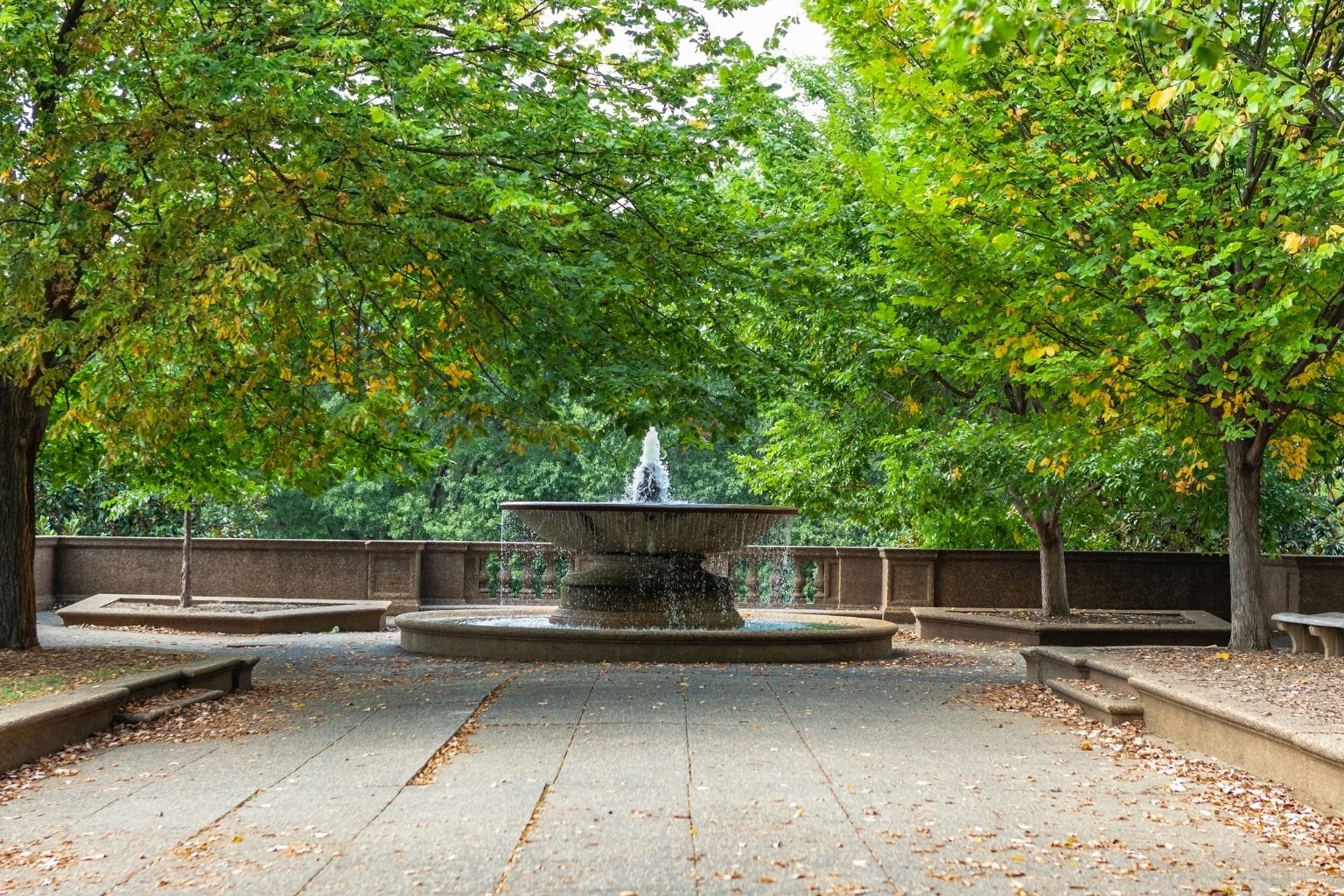
Best Fountains to Visit in Washington DC
Washington DC is a city built on symbolism. From marble monuments and manicured lawns to hidden gardens and public artworks, the capital’s landscape was designed to tell stories about national values and collective memory. Among its most underrated elements are the fountains that bring movement, sound, and spirit to plazas and parks. Whether you are a first‑time visitor charting a route between museums or a local looking to rediscover your city, a tour of DC’s best fountains offers insights into art, history, and the simple joy of water in motion. Within the first few paragraphs of this guide you will find a clear answer to the core query: this article identifies the most remarkable fountains in Washington DC and explains why they stand out.
Fountains serve different purposes in the District. Some anchor commemorative spaces, others provide playful splash zones for families, and many operate as sculptural centerpieces in traffic circles or gardens. They embody styles ranging from Beaux‑Arts grandeur to modern minimalism. Beyond aesthetics, each fountain tells a story about the people who commissioned it, the artisans who built it, and the community that now enjoys it. This guide combines storytelling with practical information to help you plan a meaningful itinerary. We begin with a broad look at the history and significance of fountains in Washington DC before diving into specific examples — from iconic monuments like Dupont Circle Fountain to lesser‑known gems tucked into quiet neighborhoods.
History and Significance of DC Fountains
When the federal city was laid out in the late eighteenth century, urban planners recognized the importance of water features. Pierre L’Enfant’s original plan for Washington included grand vistas anchored by reflecting pools and fountains. Over the decades, as neighborhoods expanded and memorials multiplied, fountains became integral to the public realm. Their functions varied: some provided drinking water when indoor plumbing was scarce, others commemorated prominent figures, and many simply beautified civic spaces. In the nineteenth century the temperance movement embraced fountains as a way to encourage sobriety by offering free drinking water. The early twentieth century saw the rise of monumental fountains that celebrated exploration, military victories, and benefactors. By the late twentieth century designers began using fountains as interactive elements to engage visitors and reflect contemporary values of accessibility and play.
At a practical level, fountains in Washington DC help mitigate summer heat, break up expansive paved areas with visual interest, and provide ambient sound that softens the urban environment. Symbolically, they often pair water with sculpture to represent ideals such as freedom, discovery, or cosmic order. For example, the Dupont Circle Fountain uses allegorical figures to evoke the sea, the wind, and the stars. Fountains also play a role in orientation: many are placed at the center of traffic circles or plazas, making them landmarks for navigation. Finally, these water features foster social interaction. People gather around them to eat lunch, watch children splash, or pause during a jog. Through careful design and maintenance, DC’s fountains continue to enrich public life.
Iconic Fountains
Some fountains stand out because of their history, artistic merit, or placement in the city’s geography. The following subsections profile DC’s most iconic fountains and provide stories, design details, and practical visiting tips. Each major fountain is accompanied by a link to its official website or authoritative source as required.
Dupont Circle Fountain
Dupont Circle may be known today as a hub for cafés, bookstores, and embassies, but its namesake fountain anchors the neighborhood and provides one of the city’s most graceful public sculptures. The Dupont Circle Fountain (also called the Samuel Francis DuPont Memorial Fountain) sits at the intersection of Massachusetts Avenue, Connecticut Avenue, and New Hampshire Avenue NW. Erected in 1921 to honor Admiral Samuel Francis DuPont, it replaced an earlier statue of the naval hero that had stood on the site. The marble fountain features three allegorical figures representing the sea, the wind, and the stars. Each figure holds up a large basin from which water cascades into a lower pool. Architect Henry Bacon (of Lincoln Memorial fame) designed the setting, while sculptor Daniel Chester French crafted the figures. The memorial symbolizes maritime power and exploration, fitting for an admiral who fought in the Mexican–American War and the Civil War.
Visitors can appreciate the fountain’s artistry by walking around the circular plaza and studying how light plays on the carved marble forms. The sound of falling water provides a calming backdrop to the surrounding bustle of traffic and pedestrians. In winter the fountain is drained and covered, but during warmer months it operates daily and is illuminated at night. The area around Dupont Circle is lined with benches and shade trees, making it a pleasant place to linger. There are also nearby cafés and bookstores where you can grab a coffee before sitting by the fountain. Although the monument memorializes a naval officer, its allegorical figures transcend specific history and speak to timeless elements of nature. The National Park Service manages the site, and more information can be found on its official page.
Court of Neptune Fountain
If the Dupont Circle Fountain invites contemplation of celestial forces, the Court of Neptune Fountain outside the Library of Congress inspires awe through its theatrical depiction of the sea god and his attendants. Located in front of the Thomas Jefferson Building at First Street SE, the fountain was designed by sculptor Roland Hinton Perry and architect Edward Pearce Casey. Bronze figures depict Neptune, tritons blowing conch shells, Nereids, turtles, and water‑spouting sea serpents. Jets of water shoot into the basin from multiple points, creating a dynamic composition reminiscent of Rome’s Trevi Fountain. Perry’s grand vision resulted in heroic‑sized figures cast by the Henry‑Bonnard Bronze Company in 1898. The fountain was installed when the Library of Congress building opened at the turn of the twentieth century. In 2017 the Architect of the Capitol conserved the bronze sculptures, cleaning and waxing them to maintain their luster.
Visiting the Court of Neptune Fountain is an immersive experience. You approach the Library of Congress via a broad flight of steps that frames the fountain like a stage set. Water sprays from the horns held by tritons and from the mouths of mythical creatures, while Neptune stands proudly at the center holding his trident. The interplay of bronze and water evokes the power of the sea and its mythical gods. The fountain is also a popular photography spot; early morning light highlights the green patina of the bronze figures against the pale stone of the library. Because it sits at the entrance of the Library of Congress, the fountain is free to visit and accessible during daylight hours. It provides a dramatic introduction to the Jefferson Building’s grand Beaux‑Arts architecture and underscores the library’s role as a temple of knowledge.
Andrew W. Mellon Memorial Fountain
Across Constitution Avenue from the National Gallery of Art, the Andrew W. Mellon Memorial Fountain honors a philanthropist and public servant whose contributions shaped America’s art and financial landscape. Andrew W. Mellon served as Secretary of the Treasury and founded the National Gallery of Art. Following his death in 1937, friends and associates raised funds for a memorial fountain, which was dedicated in 1952. Sculptor Sidney Waugh designed the fountain’s three nested bronze basins. Water rises from a central plume jet and falls over the basins into a circular pool, sending spray about twenty feet into the air. Around the outermost basin, Waugh placed twelve zodiac symbols in bronze relief — a subtle nod to Mellon's interest in astronomy and the arts. The architectural firm Eggers & Higgins collaborated on the design of the plaza to ensure harmony with the nearby museum. The fountain’s elliptical plaza features stone benches and a walkway, inviting visitors to sit and contemplate the interplay of water, bronze, and the open sky.
The site offers one of DC’s most serene fountain experiences. The jet of water projects upward, creating a sound that masks traffic on Pennsylvania Avenue. On windy days, the spray shimmers in the sunlight and sometimes reaches the benches, offering a refreshing mist in summer. The zodiac motifs encourage close inspection; each symbol is rendered with care and arranged in order, turning the fountain into a celestial calendar. The Cultural Landscape Foundation provides a detailed description of the site’s history, design, and recent restoration efforts, making its website a reliable resource for visitors seeking deeper context. Whether you are an astrology enthusiast or simply want a quiet spot near the National Gallery, the Mellon Fountain is worth including on your itinerary.
Bartholdi Fountain
The Bartholdi Fountain stands as a testament to the creative vision of French sculptor Frédéric Auguste Bartholdi, best known for designing the Statue of Liberty. This ornate cast iron fountain was displayed at the 1876 Centennial Exhibition in Philadelphia and later purchased by Congress for $6,000. It was installed at the United States Botanic Garden in 1877 and moved to its present location in Bartholdi Park in 1932. The fountain consists of a central group of three classical female figures supporting a large basin, from which water cascades into a lower pool. The whole structure sits on a pedestal decorated with seashells and mythical creatures. At night the fountain is illuminated, transforming it into a glowing beacon in the park. According to a U.S. Green Building Council case study, Bartholdi Park has been developed as a demonstration garden and a refuge for relaxation, offering benches, plantings, and the soothing sound of the fountain.
Visiting the Bartholdi Fountain offers a glimpse into late nineteenth‑century design and industrial artistry. The cast iron figures display intricate drapery and expressive faces, while the water flows gently from the upper basin. Surrounding gardens feature perennials, annuals, and shrubs arranged to complement the fountain’s romantic style. The fountain operates seasonally; in winter it may be turned off to prevent damage from freezing. Because of its location near the U.S. Botanic Garden and Capitol Hill, the Bartholdi Fountain is easily combined with visits to the Capitol or the National Mall. The park’s benches invite visitors to enjoy a packed lunch or read among the flowers. Although not as famous as some other fountains, Bartholdi’s creation offers beauty, history, and a moment of respite in the bustling city. Official information can be found on the U.S. Botanic Garden’s site, though some pages may be temporarily unavailable due to maintenance.
Columbus Fountain
One of the most prominent fountain monuments in Washington DC stands at the front of Union Station. The Columbus Fountain honors explorer Christopher Columbus and serves as a ceremonial gateway to the capital. Designed by architect Daniel Burnham and sculpted by Lorado Taft, the fountain was dedicated in 1912. It features a central granite pylon topped by a globe and eagles representing national power. Columbus stands in front of the pylon, gazing ahead while flanked by allegorical figures representing the Old World and the New World. A ship’s prow emerges from the base, complete with a carved figurehead representing Indigenous peoples — a controversial element that reflects early twentieth‑century perspectives on exploration. The fountain is set within a plaza with steps and balustrades designed to complement the neoclassical architecture of Union Station. The fountain reopened on May 28, 2026, following a comprehensive $11.8 million restoration. The 1912 Beaux-Arts monument outside Union Station had been nonfunctional since 2007, but was revived as part of a capital-wide beautification effort ahead of America's 250th anniversary.
The fountain’s composition invites viewers to consider the narratives of exploration and imperialism. The Old World figure wears a robe and carries a ship’s rudder, while the New World figure carries maize and other crops. The central pylon with its globe emphasizes the global impact of Columbus’s voyage. Water flows gently from lion‑head spouts into a shallow basin. At night the monument is floodlit, creating a dramatic silhouette against the station’s façade. Visitors can take photos from the steps or view the fountain from the road leading to Union Station. With the renovations complete, visitors can once again fully appreciate the revived plaza. The official link provides background on the design and symbolism of the fountain.
Temperance Fountain
Located at the intersection of 7th Street and Indiana Avenue NW, the Temperance Fountain might be the most unusual fountain in Washington DC. Donated in 1882 by temperance advocate Henry Cogswell, this cast‑iron drinking fountain was intended to promote sobriety by providing free cold water to passersby. It features a large statue of a white heron perched atop a column, with bronze cups chained to the mouths of two fish and basins designed for humans and horses. Ice could be stored in a reservoir to keep the water cool. Despite its moral intent, the fountain faced immediate criticism. Many residents considered it an eyesore and a “monstrosity,” leading to attempts to remove it or demolish it. Eventually the monument was moved to its current location, where it now serves as a historical curiosity and a rare surviving artifact of the temperance movement.
Visitors today can examine the Temperance Fountain’s quirky design and reflect on the social history it represents. The heron stands on a column decorated with carvings of grapes and other motifs, while the lower basins once held water for people and horses. There are no longer cups chained to the fountain, but you can imagine how residents might have used them in the 1880s. Interpretive plaques explain the fountain’s backstory and controversy. Although the fountain is not as beautiful as the neoclassical monuments along the Mall, it offers a valuable lesson about nineteenth‑century social movements and public art. The National Park Service provides a detailed description of the fountain’s history, which you can read before or after your visit.
Modern Interactive and Memorial Fountains
While the iconic fountains highlight artistic heritage, Washington DC also boasts contemporary fountains designed for interaction, reflection, and commemoration. These water features are often part of larger memorials or plazas, inviting visitors to touch, listen, and engage. The following sections explore notable modern fountains that complement the city’s historic core.
Franklin Delano Roosevelt Memorial Water Features
The Franklin Delano Roosevelt Memorial in West Potomac Park reimagines the concept of a presidential monument. Dedicated in 1997, it spans several outdoor rooms connected by meandering paths. Water plays a central role in conveying President Roosevelt’s legacy. According to the National Park Service, the memorial uses cascades, waterfalls, and reflecting pools to symbolize the tumultuous eras of his presidency. In one room, large granite slabs representing the challenges of the Great Depression are surrounded by waterfalls that create a sense of chaos and movement. Another section features a tranquil pool with stepping stones evoking FDR’s childhood love of the sea. The final room incorporates a dramatic curtain of water to represent the global conflict of World War II. Throughout the memorial, water is paired with quotes, sculptures, and landscapes to evoke introspection and remembrance.
Visitors can interact with the water features by dipping their hands into shallow pools, walking alongside waterfalls, or simply pausing to watch the water flow. The memorial is open 24 hours a day and is especially moving at night when lights illuminate the stone walls and water. Comfortable shoes are recommended because the site covers several acres. As you explore, consider how the designers used water to portray emotions ranging from hardship to hope. The FDR Memorial demonstrates how contemporary landscape architecture can transform water into a storytelling medium that invites public participation.
U.S. Navy Memorial Fountain Pools
The United States Navy Memorial on Pennsylvania Avenue is a tribute to the men and women of the sea services. Its central plaza, called Memorial Plaza, features a series of elements including the Granite Sea (a large world map in stone), signal flag masts, bronze reliefs, and fountain pools. The memorial’s official website explains that the plaza contains fountain pools whose surfaces reflect the surrounding buildings and sky. At the heart of the plaza stands the Lone Sailor statue, facing the sea of gray granite inscribed with the names of significant naval battles. Water gently flows around the plaza’s perimeter, creating a calm atmosphere that honors the Navy’s connection to the ocean. When illuminated at night, the fountains’ reflections enhance the dramatic effect of the plaza.
The Navy Memorial offers visitors a contemplative experience that contrasts with the dynamic jets of other DC fountains. You can stand on the Granite Sea and find your hometown or a favorite port, walk past the series of bronze reliefs depicting naval history, and listen to the water lapping at the edges. The memorial hosts ceremonies and events throughout the year, so check its calendar if you wish to attend a wreath‑laying or commemorative service. Although the water features may not be as interactive as splash fountains, they reinforce the memorial’s themes of duty, sacrifice, and global reach.
World War II Memorial Rainbow Pool
The National World War II Memorial on the National Mall incorporates a reimagined water feature known as the Rainbow Pool. During the memorial’s construction in the early 2000s, designers integrated the historic Rainbow Pool into a grand plaza with two large fountains and a series of waterfalls. According to a description from The Cultural Landscape Foundation, the reconfigured pool animates with jets of water shooting into the air and waterfalls cascading from the perimeter. Fifty‑six stone pillars encircle the plaza, representing the U.S. states and territories during the war. At the western edge stands the Freedom Wall with 4,048 gold stars commemorating American lives lost in the conflict. The combination of water, stone, and bronze creates a solemn yet uplifting atmosphere.
The memorial invites visitors to walk around the pool, touch the water, and read the inscriptions on the pillars. On sunny days, the spray from the fountains creates mini‑rainbows, adding visual interest and evoking hope. The central pool is lined with wide steps where people often sit to reflect. The memorial is busiest during the summer and on national holidays, so visiting early in the morning can provide a more tranquil experience. Because this is a national memorial, visitors are asked to respect its solemn purpose even while enjoying the water features. Information about the memorial’s design and history can be found through the National Park Service and The Cultural Landscape Foundation.
Senate Fountain
In a city filled with monuments, the Senate Fountain (also called the Senate Park Fountain) stands out as an elegant piece of civil engineering tucked between the Senate office buildings and Union Station. Completed in 1932, the fountain consists of a hexagonal granite monolith with a scalloped rim. Water cascades over the rim into a basin and then recirculates via pumps. Lion‑head spouts release water that falls into a surge tank, allowing the fountain to recirculate and maintain a constant flow. Light fixtures within the monolith illuminate the water at night, adding to the fountain’s charm. The Architect of the Capitol explains that the fountain’s high jets are supplied by the municipal water system and that the surge tank holds up to 10,000 gallons. When the fountain is in operation, visitors see graceful streams arching into the basin, while the sound of falling water masks nearby street noise.
The Senate Fountain is often overlooked because it sits in a traffic island. However, its simple design and engineering details make it worth a stop, especially if you are exploring the Capitol Hill area on foot. The fountain operates during the warm months and is turned off in winter to prevent freezing. There are no interpretive plaques at the site, so reading about its design beforehand adds to the appreciation. It is also a nice place to sit near the reflecting pool or watch the comings and goings on Constitution Avenue. Because the fountain uses recirculating pumps, it highlights the evolution of fountain technology from purely ornamental to more sustainable systems.
Hidden Gems and Lesser‑Known Fountains
Beyond the well‑known monuments, Washington DC hides smaller fountains that reward those who seek them out. These sites are embedded within neighborhoods and parks, adding charm and history to their surroundings. If you enjoy exploring off the beaten path, include these gems in your itinerary.
Spanish Steps Lion‑Head Fountain
The Spanish Steps in the Kalorama neighborhood form a graceful staircase that connects S Street and Decatur Place NW. Built in 1911, the steps feature broad flights flanked by balustrades and curved stone walls reminiscent of Italian Renaissance design. At the halfway landing sits a small oval basin with a lion‑head fountain that spills water into a shallow pool. The sound of trickling water adds serenity to the leafy setting. This hidden fountain is a favorite among photographers and couples seeking engagement photo spots. Residents use the steps as a quiet route between street levels, and the fountain provides a focal point around which to sit or chat.
According to the Cultural Landscape Foundation, the steps underwent a major restoration in 1999 to repair stonework and refurbish the lion‑head fountain. The restoration preserved the historic character of the site while ensuring its structural stability. The Spanish Steps are best visited in spring and summer when the surrounding trees are in full leaf and the flowers on the adjacent terrace bloom. Because the location is residential, visitors should be mindful of noise and respect the privacy of nearby homes. Bring a camera or smartphone to capture the fountain’s detail; the lion’s expression and the gentle flow of water provide a delicate counterpoint to the neighborhood’s elegant mansions.
Darlington Memorial Fountain
The Darlington Memorial Fountain commemorates Dr. Joseph J. Darlington, a prominent attorney and civic leader in early twentieth‑century Washington. Unveiled in 1923, it stands in Judiciary Square at the intersection of 5th Street and E Street NW. The monument features a bronze female figure holding a vessel from which water pours into a shell‑shaped basin. Inscribed on the base are quotes celebrating civic virtue and community service. The fountain is surrounded by a small plaza with benches and plantings, offering a respite from the busy streets. Because it is not widely publicized, many visitors stumble upon it by accident. When you do, take a moment to read the inscriptions and appreciate the artistry of sculptor C. Paul Jennewein, who was known for his memorial work.
Francis Newlands Memorial Fountain
Nestled in the Chevy Chase Circle, the Francis Newlands Memorial Fountain honors the U.S. Senator and real estate developer who played a significant role in developing the Chevy Chase neighborhood. The fountain is set within a circular park that straddles the DC–Maryland border. It consists of a central fountain jet surrounded by a shallow basin, with inscriptions on the surrounding granite walls. The fountain is not as ornate as those downtown, but its setting amid trees and grass gives it a bucolic feel. The site is popular among local residents for walking and picnicking. When driving along Connecticut Avenue, you can see the fountain’s spray rising above the hedges. Although Senator Newlands’ legacy has been re‑evaluated in light of his discriminatory views, the fountain remains a historical landmark and part of the neighborhood’s fabric.
Neighborhood and Location Guides
Planning a fountain tour in Washington DC requires understanding how the sites are distributed across the city. Below is a brief guide to major neighborhoods and how the fountains relate to other attractions. Use this information to map out your visits efficiently.
| Neighborhood | Key Fountains | Nearby Attractions | Practical Tips |
|---|---|---|---|
| Dupont Circle & Kalorama | Dupont Circle Fountain; Spanish Steps Lion‑Head Fountain | Embassy Row; Phillips Collection; Anderson House | Use the Red Line to Dupont Circle. Fountains are walkable but bring comfortable shoes for hills in Kalorama. |
| Capitol Hill | Court of Neptune Fountain; Mellon Memorial Fountain; Senate Fountain; Bartholdi Fountain | Library of Congress; U.S. Capitol; U.S. Botanic Garden | The Capitol South or Union Station Metro stops provide access. Visit in the morning to avoid crowds and combine with a tour of the Capitol. |
| National Mall & Memorial Parks | World War II Memorial Rainbow Pool; FDR Memorial Water Features; U.S. Navy Memorial | Lincoln Memorial; Washington Monument; Smithsonian museums | Wear sunscreen and carry water during summer. Many fountains operate seasonally; check schedules on official sites. |
| Union Station & East End | Columbus Fountain; Temperance Fountain | Union Station; National Postal Museum; Penn Quarter dining |
Columbus Plaza recently reopened in May 2026 after a major restoration. The Temperance Fountain is across from the National Archives. |
| Chevy Chase & Upper Northwest | Francis Newlands Memorial Fountain | Politics and Prose bookstore; Rock Creek Park | Best visited by car or bus. Bring a picnic to enjoy the grassy circle. |
Seasonal and Event‑Specific Displays
Seasonal variations can dramatically change the experience of visiting DC’s fountains. In summer, many operate at full power, providing cooling mist and ambient noise that relieve the heat. Fountains like the Mellon Memorial often run from spring through fall, while some are drained in winter to prevent damage. The FDR Memorial’s waterfalls are particularly refreshing during hot weather, while the Senate Fountain adds a light show at night thanks to built‑in illumination. The World War II Memorial is busy on Memorial Day and Veterans Day, when veterans and families gather to pay respects. The U.S. Navy Memorial hosts ceremonies on Navy birthdays and other commemorations, sometimes including wreath‑layings by the fountains.
Winter brings a different atmosphere. Some fountains remain operational with reduced flow, while others are turned off and covered. The National Gallery of Art Sculpture Garden fountain (not yet discussed) transforms into an ice rink from November through March, offering visitors a chance to skate where water usually flows. Holiday lights along Pennsylvania Avenue reflect off the fountains at the Navy Memorial and Temperance Fountain. Check official websites for seasonal schedules before visiting; many fountain operations depend on maintenance and weather conditions.
Tips for Visiting and Photographing DC Fountains
To make the most of your fountain tour, consider these practical tips:
- Timing – Early morning offers soft light and fewer crowds. For dramatic photos, visit just before sunset when golden light enhances the water and sculptures. Night visits reveal lighting effects at fountains like the Court of Neptune and the Senate Fountain.
- Camera Settings – Use a fast shutter speed to freeze water droplets, or a slower speed with a tripod to create a silky effect. Polarizing filters reduce glare and enhance reflections in pools like the Rainbow Pool.
- Respect Memorials – Fountains at memorials serve commemorative purposes. Avoid climbing or wading in areas where such behavior is discouraged. Stick to designated splash fountains for play.
- Accessibility – Many fountains are accessible via paved paths, but some hidden gems like the Spanish Steps require climbing. Check accessibility information on official sites.
- Stay Hydrated – Ironically, while fountains provide water for viewing, DC summers can be hot. Bring your own water bottle and refill at drinking fountains or nearby facilities.
- Use Public Transit – Parking can be challenging near popular sites. Metrorail and bus lines serve most fountain locations. Walking or biking between close sites, such as the Court of Neptune and the Mellon Fountain, is often faster than driving.
Comparisons and Travel Planning
Fountains are part of a larger network of water features in Washington DC. How do they compare with reflecting pools like the one at the Lincoln Memorial? Reflecting pools are long, shallow basins designed to mirror monuments and open skies. They have still water and are not aerated by jets. Fountains, on the other hand, focus on movement and sound; they shoot, cascade, or trickle water in various patterns. Both types of features draw the eye and provide contemplative spaces, but fountains often invite closer interaction and exploration. If you are planning a day in DC, combine visits to fountains with trips to monuments, gardens, and museums. For instance, you can start at the World War II Memorial, walk along the Reflecting Pool to the Lincoln Memorial, and then cross Independence Avenue to the FDR Memorial. On another day, explore the Capitol Hill fountains and then visit the U.S. Botanic Garden or the Library of Congress.
When comparing DC’s fountains to those in other cities, Rome often comes to mind. The Court of Neptune Fountain was inspired by Rome’s Trevi Fountain, though it is smaller in scale. Unlike European cities where fountains often mark public squares and supply water to residents, most DC fountains are ornamental or commemorative. However, DC’s diversity of styles — from classical to modern — reflects the city’s evolving identity. Visiting multiple fountains in one trip allows you to appreciate how designers across different eras used water, stone, and bronze to express ideas.
Frequently Asked Questions
Below is a set of concise questions and answers about Washington DC fountains. Each response is under fifty words and written in plain language.
What is the most famous fountain in Washington DC?
The Dupont Circle Fountain is one of the most recognizable, with allegorical figures representing sea, wind, and stars. It anchors a busy neighborhood and serves as a popular gathering place.
Where can I see the Court of Neptune Fountain?
It stands in front of the Library of Congress’s Thomas Jefferson Building on First Street SE. Bronze sculptures depict Neptune, tritons, and mythical sea creatures.
Why is the Andrew W. Mellon Memorial Fountain unique?
The fountain features three nested bronze basins, a central jet reaching about 20 feet high, and zodiac reliefs on the outer bowl.
Are DC fountains operational year‑round?
Many run from spring through fall and are turned off in winter to prevent damage. The Senate Fountain and Dupont Circle Fountain shut down when temperatures drop. Check official schedules.
Can I touch or wade in the fountains?
Some interactive fountains allow wading, but most memorial fountains are for viewing only. Respect signage and security staff when in doubt.
What is the story behind the Temperance Fountain?
Donated by Henry Cogswell in 1882, it promoted sobriety by offering cold water. It faced criticism for its design and now serves as a rare temperance monument.
Which fountain features zodiac signs?
The Andrew W. Mellon Memorial Fountain includes twelve zodiac reliefs around its outer basin.
Is the Columbus Fountain operational?
Yes! The fountain reopened in May 2026 after an $11.8 million restoration, reviving the monument after it had been nonfunctional since 2007.
Closing Thoughts
Exploring Washington DC’s fountains reveals a city that embraces both grandeur and intimacy. From the allegorical sculptures of Dupont Circle to the hidden lion‑head fountain on the Spanish Steps, each water feature tells a story about America’s past and present. Whether you are tracing the powerful streams of the Court of Neptune Fountain or marveling at the quiet memorial pools honoring world wars, you will find that water is a universal symbol connecting diverse narratives. Fountains invite us to pause, listen, and reflect — qualities often missing in the hustle of modern travel. They also provide glimpses of how designers, artists, and communities have shaped public space through the centuries.
If you plan to stay in the District to explore more, consider making the Hotel Washington your base. As the closest hotel to the White House, positioned at the edge of the White House Lawn, this historic property offers easy access to many fountains and monuments. You can walk to the National Mall in minutes, then return to the comfort of your room overlooking Pennsylvania Avenue. Visit www.thehotelwashington.com to learn more about accommodations, dining options, and special packages. The hotel’s concierge can also help you plan a fountain itinerary tailored to your interests.
Read other posts