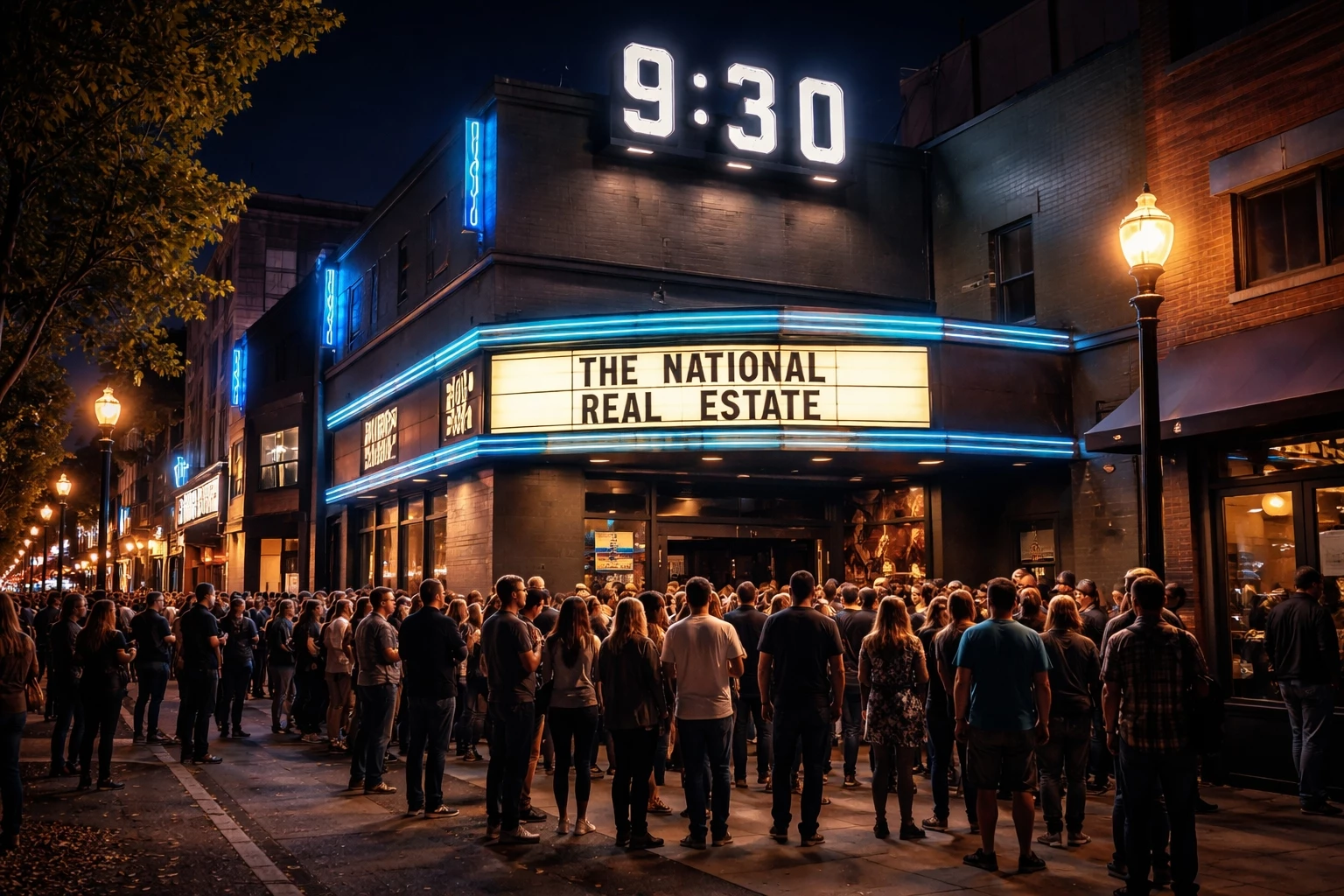
9:30 Club – the heartbeat of Washington D.C.’s music scene
Few American music venues carry the kind of mythology that surrounds the 9:30 Club. From its gritty beginnings in a rundown corner of Washington D.C. to its current status as one of the world’s premier live‑music houses, the club’s story mirrors the evolution of the city’s cultural landscape. In simple terms, the 9:30 Club is an independently operated nightclub and concert hall that opened on 31 May 1980 and later moved to a larger building at 815 V Street NW in 1996. Today it holds about 1,200 people, hosts hundreds of concerts each year and has been ranked the number 1 nightclub in America by major music publications. Yet those statistics barely hint at why generations of fans and musicians consider the 9:30 Club sacred ground. This article dives deep into the venue’s history, the characters who built it, the scenes it nurtured, and the experiences it offers – all while weaving in practical advice for visitors and context about its wider place in Washington’s cultural fabric.
Born from the ruins – the club’s origins
A dream inside a derelict building
In the late 1970s Washington D.C. was still scarred by the civil unrest that followed the 1968 riots. The downtown area around 930 F Street NW was riddled with boarded‑up storefronts, peep shows and rampant drug use. Amid this urban decay a real estate entrepreneur named Jon Bowers and his partner Dody DiSanto saw opportunity. Bowers longed to promote music; DiSanto, an artist and dancer, had a knack for building creative communities. They leased a dank ground‑floor space in the Atlantic Building, a faded 19th‑century structure next door to Ford’s Theatre, and began transforming it into a performance space. The club’s unusual name came from its address – 930 F Street – as well as its original nightly opening time of 9:30 p.m.. Early advertising on local WHFS radio hammered home the slogan “9:30 – a Place and Time!” to help listeners remember both.
The room they built was anything but glamorous. With a legal capacity of just 200 people, the stage had a pair of load‑bearing poles blocking the view from many angles. The sound system and lights were cobbled together. The basement smelled of mold and the alley out back still bore the path that assassin John Wilkes Booth used to flee Ford’s Theatre. Yet DiSanto and Bowers created an atmosphere that embraced creative misfits. The club was among the first in the city to regularly feature off‑beat theme parties, performance art and avant‑garde theatre; video monitors flashed cutting‑edge imagery thanks to multimedia artist Mark Holmes. They also booked live music six nights a week, favoring emerging acts over mainstream draws. On 31 May 1980 the 9:30 Club hosted its first show featuring Massachusetts jazz‑punk band the Lounge Lizards and local new‑wave outfit Tiny Desk Unit. The event was significant not just for the lineup – it inspired NPR producer Bob Boilen, a member of Tiny Desk Unit, to later name his influential Tiny Desk Concerts series after his old band.
Early scenes: punk, hardcore and go‑go
During its early years the 9:30 Club became a sanctuary for young music fans who felt alienated by the city’s more corporate venues. The punk and hardcore scenes were blossoming in D.C., and large clubs along the East Coast shied away from the aggressive sounds and rowdy crowds. The 9:30 Club welcomed these bands with open arms. Local groups such as Bad Brains, Minor Threat, Fugazi and Teen Idles found a stage that allowed them to hone their craft. National acts like R.E.M., Nirvana and Red Hot Chili Peppers played some of their first East Coast gigs at the club. Even Washington’s homegrown go‑go music – a fusion of funk and early hip‑hop led by bands like Trouble Funk – reverberated from the venue’s cramped stage. Because Bowers and DiSanto wanted to foster community, they frequently staged all‑ages shows and matinee concerts so younger fans could attend. That inclusive policy nurtured a generation of musicians and music lovers who would go on to form the backbone of the city’s vibrant DIY scene.
A timeline of milestones
The club’s early history was anything but linear. Finances were tight, the physical space was challenging, and competition soon arrived in the form of larger venues. To provide a quick overview of key moments in the 9:30 Club’s formative years, the table below summarises notable events between 1980 and 1996. The narrative of each event is explored in depth throughout this article.
| Year | Event & significance |
|---|---|
| 1980 | Opening night at 930 F Street – Lounge Lizards and Tiny Desk Unit inaugurate the club; the room holds just 200 people and quickly becomes a hub for punk and art‑rock. |
| 1983–1985 | The venue introduces all‑ages matinee shows and becomes central to D.C.’s hardcore and go‑go scenes. |
| 1986 | Concert promoters Seth Hurwitz and Rich Heinecke of I.M.P. begin booking shows and purchase the venue later that year, injecting new resources and expertise. |
| 1990s | With the rise of competing venues like The Black Cat, it becomes clear the tiny club can no longer hold the crowds or provide the production artists expect. |
| 1996 | Hurwitz and Heinecke relocate the 9:30 Club to 815 V Street NW. The new building, a former gospel radio station, boasts better sightlines, a movable stage and space for 1,200 patrons. Two sold‑out shows by Smashing Pumpkins inaugurate the modern era. |
Moving uptown – the transition to U Street
Searching for a new home
By the early 1990s the 9:30 Club faced a crisis. It had outgrown its original location both physically and culturally. The D.C. music scene was booming, and national acts that once squeezed onto the small stage now sought larger rooms. Seth Hurwitz and Rich Heinecke, who had purchased the club in 1986, knew they needed to create a space that could attract major touring acts while retaining the club’s intimate vibe. After exploring various locations, they set their sights on a neglected building at 815 V Street NW, formerly the WUST Radio Music Hall. The building had once hosted Duke Ellington’s club decades earlier; by the mid‑1990s it sat vacant in a part of town that many considered unsafe. Hurwitz and Heinecke were undeterred. They invested heavily in renovations, incorporating feedback from artists and sound engineers to design a room with unparalleled sightlines, adjustable acoustics and improved loading docks.
Launching the new club
On 5 January 1996 the new 9:30 Club opened its doors with two sold‑out shows by Smashing Pumpkins. Fans walking into the building noticed huge differences: the stage was mounted on rails so it could move forward or backward, allowing the room to feel intimate whether 500 or 1,200 people were inside. The sightlines were unobstructed and the sound was crisp. The new venue still offered a standing‑room floor, but it added a balcony with limited seating and multiple bars. Backstage, artists enjoyed larger dressing rooms and a hospitality area that quickly gained a reputation for its hospitality. For audiences, the improved amenities meant no more rats in the corners or obstructing poles; for artists, it signified that a beloved independent club was ready to compete with the nation’s best mid‑size rooms.
U Street Corridor and neighborhood renaissance
The move coincided with a broader revitalisation of the U Street Corridor, a historically African‑American neighbourhood once dubbed “Black Broadway.” Jazz legends like Duke Ellington had performed here during the 1920s and 30s, and the area remained a cultural hub through the mid‑20th century. After decades of decline, new restaurants, galleries and theatres began to open in the 1990s. The arrival of the 9:30 Club accelerated this renaissance. By anchoring the eastern end of U Street, the club drew music lovers from across the region and encouraged further development. Nearby, venues like the Lincoln Theatre and Howard Theatre reopened; bars and cafés sprang up; the area became a nightlife destination. The club’s presence contributed to safer streets and economic growth without sacrificing the neighbourhood’s creative energy.
Getting there – directions and practicalities
One of the reasons the relocated 9:30 Club continues to thrive is its accessibility. The venue sits near the crossroads of 9th Street and V Street NW, about one block from the U Street/African‑American Civil War Memorial/Cardozo Metro station on WMATA’s Green and Yellow lines. Riders can exit the station and walk less than five minutes to the club. Multiple bus routes along U Street and 9th Street also stop nearby. For those driving, the club provides detailed parking information on its website and partners with nearby garages; limited street parking exists but can be challenging during peak hours. Cyclists will find bike racks outside the venue. Because the club is mostly standing‑room, patrons often arrive early to secure spots along the rail or near the bar. The building is wheelchair‑accessible, with elevators to the balcony and accessible restrooms.
A comparison of the two venues
To appreciate how dramatically the move transformed the concert‑going experience, consider the comparison chart below. It highlights the main differences between the original 930 F Street space and the current 815 V Street venue.
| Feature | Original 930 F Street (1980–1995) | Current 815 V Street (1996–present) |
|---|---|---|
| Capacity | Legal capacity of 199; often cramped and oversold | Capacity of 1,200 concertgoers with wider floor and balcony |
| Sightlines | Two large poles obstructed views | Movable stage on rails allows clear sightlines for different crowd sizes |
| Sound & production | Limited sound system; minimal lighting | Purpose‑built acoustics with adjustable stage position, professional lighting and state‑of‑the‑art sound |
| Facilities | Tiny backstage; limited bathrooms; no food | Spacious dressing rooms, multiple bars, balcony seating, accessible restrooms and on‑site food counters |
| Atmosphere | Gritty, intimate, underground; part art‑space, part club | Retains intimacy with improved comfort; still standing‑room but more inclusive; anchors revitalised U Street Corridor |
Nurturing scenes – cultural impact and music heritage
Punk and hardcore – D.C.’s youth movement
As the 9:30 Club matured, it became synonymous with D.C.’s punk and hardcore movements. When the Teen Idles recorded the first release on Dischord Records in 1980, they did so partly because the 9:30 Club gave them a stage to reach like‑minded youths. The club’s willingness to book local groups allowed bands like Minor Threat, Fugazi, Rites of Spring and Government Issue to refine their sound and build followings. These artists used the club not just as a performance space but as a community center where DIY ethics and political consciousness thrived. Because the club offered all‑ages shows and matinees, teenagers could attend without fear of being turned away. The result was a pipeline of musicians and fans who would later influence the national punk and indie scenes.
Go‑go and the celebration of local culture
While punk grabbed national headlines, the club also supported Washington’s signature sound: go‑go, a percussive blend of funk and call‑and‑response chanting pioneered by Chuck Brown. During the 1980s the venue booked go‑go acts like Trouble Funk and Experience Unlimited, bringing together fans from across the city. The interplay of punk and go‑go audiences highlighted the club’s inclusive ethos. It became common to see punks dancing to go‑go rhythms and vice versa, forging cultural connections that defied the racial and socio‑economic divisions elsewhere in the city. The fact that the club sits near Howard University and historically black neighbourhoods contributed to this cross‑pollination.
Alternative, indie and beyond
By the late 1980s the 9:30 Club had earned a reputation among touring acts as a must‑play venue. Bands that later rose to national prominence – R.E.M., The Smashing Pumpkins, Nirvana, Jane’s Addiction, Red Hot Chili Peppers – all played early shows on the small stage. Kurt Cobain once wrote the band’s 14‑song set list on a paper plate before a 1991 performance; Dave Grohl, then a member of Nirvana and later the frontman of Foo Fighters, called the club “our church” because of its influence on his career. As the venue moved uptown it continued to host a mix of alternative rock, hip‑hop, metal, electronic and folk artists, ensuring that no single genre defined the space. This eclecticism, combined with excellent production and an engaged audience, attracted international acts who valued the club’s intimacy over the anonymity of arenas.
A breeding ground for community
Beyond concerts, the 9:30 Club has served as a cultural incubator. The early art shows, theme parties and video installations created a multidisciplinary environment that broadened fans’ horizons. Over the decades the club has been a site for benefits, political fund‑raisers, film screenings and book launches. In 2016 the venue celebrated its 35th anniversary and 20 years in its current location with the 9:30 World’s Fair, a weeklong exhibition that presented artifacts, interactive displays and performances highlighting the club’s history. The exhibition drew tens of thousands of visitors and reinforced the venue’s role as a living museum of D.C. music culture. Local labels, record stores and zine publishers have long used the club as a networking hub, and many musicians credit it with catalyzing their careers.
Legendary performances – stories from the stage
Breakout shows that changed careers
Ask any local music fan and they will recite a list of shows that defined the 9:30 Club. In 1981 the reggae band Steel Pulse played its U.S. debut at the club during Bob Marley’s funeral broadcast. In 1984 Minor Threat delivered a blistering set that cemented their status as hardcore icons. In 1991 Nirvana returned as part of their breakthrough tour; within months they would release “Nevermind” and upend popular music. The band’s set that night has become legend because of the paper plate set list and the cramped stage that forced the group to adapt their energy to the room’s constraints. That same year R.E.M. performed secret shows while recording “Out of Time,” testing new songs on the club’s discerning audience. Years later Foo Fighters would choose the 9:30 Club for surprise gigs and album release shows; in 2021 Dave Grohl announced plans for The Atlantis from the 9:30 stage.
The Smashing Pumpkins and the relaunch of 1996
No performance better symbolizes the transition to the new 9:30 Club than the Smashing Pumpkins concerts that opened the 815 V Street venue. On 5 January 1996 the Chicago band played two sold‑out shows that showcased the club’s improved sound and lighting. Tickets sold out instantly; fans queued around the block in freezing temperatures to witness the start of a new era. As the stage rolled forward and back between songs, audiences realized that the club had managed to maintain its legendary intimacy despite doubling its capacity. Many credit these shows with proving that a mid‑size independent club could compete with corporate amphitheatres in terms of production while preserving a DIY spirit.
Secret shows and surprise visits
One reason the 9:30 Club maintains its mystique is the number of secret or last‑minute performances that have taken place under its roof. Green Day, fresh from stadium tours, once booked the club under a pseudonym to play for die‑hard fans. Radiohead and Red Hot Chili Peppers have performed unannounced sets between arena dates. Bob Dylan has stopped by for surprise shows, while local heroes Thievery Corporation and The Roots have made repeated appearances. These unpublicized concerts create a sense of unpredictability; fans know that any given night could deliver a once‑in‑a‑lifetime experience. Even after decades of success, the club continues to host up‑and‑coming artists who later graduate to bigger stages, giving fans bragging rights for seeing them early.
A curated list of notable performers
The following list highlights some of the artists who have left their mark on the 9:30 Club. It is far from exhaustive, but it illustrates the diversity of acts that the venue has welcomed:
-
Bad Brains, Minor Threat, Fugazi, Rites of Spring – D.C. hardcore pioneers who defined the early 1980s scene.
-
Trouble Funk, Chuck Brown, Experience Unlimited – go‑go artists who brought Washington’s signature rhythm to the club.
-
R.E.M., Nirvana, Red Hot Chili Peppers, Jane’s Addiction, Soundgarden, Pearl Jam – alternative bands who played early shows before breaking into mainstream.
-
Smashing Pumpkins, Foo Fighters, Green Day, Radiohead, The Strokes, Yeah Yeah Yeahs – 1990s and 2000s artists whose secret shows became legendary.
-
Bob Dylan, Prince, Radiohead, Arcade Fire – surprise concerts by icons who chose the club for its intimacy.
-
Thievery Corporation, Gwar, The Roots – artists with long relationships to the venue, playing dozens of shows across decades.
Unique traditions and features – what sets the club apart
The 9:30 Club Cupcake
In 2009 the 9:30 Club introduced a sweet tradition that quickly became part of its lore: the 9:30 Club Cupcake. Crafted by Buzz Bakeshop, a bakery in Alexandria, Virginia, the treat is a devil’s‑food cupcake filled with cream, topped with chocolate ganache and emblazoned with the club’s italicised “9:30” logo. Each morning Buzz Bakeshop delivers a fresh batch to the club. Performers receive complimentary cupcakes in the green room (if they can grab one before their bandmates), and patrons can purchase them at the bar until supplies run out. The cupcake has become a coveted souvenir; fans often post photos of their confections on social media and even line up early to ensure they get one. Its popularity underscores the club’s attention to hospitality – a small indulgence that contributes to the sense of community.
Hall of Records – an evolving museum
Another distinctive feature is the Hall of Records, a permanent installation unveiled during the 2016 anniversary celebrations. The hall displays albums from every artist who has headlined the club since 1980, organised chronologically on shelves that wrap around the room. According to the club, the archives house more than 9,000 albums. Each record corresponds to the tour that brought the artist to the club, offering fans a visual representation of the venue’s rich history. Visitors can explore the hall before shows, discovering forgotten bands or reminiscing about concerts they attended. The collection is both a tribute to performers and a testament to the club’s longevity. It also serves as an educational tool for younger fans, illustrating the diversity of music that has graced the stage over four decades.
Stage on rails and flexible design
One of the most innovative aspects of the modern 9:30 Club is its movable stage, mounted on rails. This design allows the stage to slide forward toward the audience or backward toward the rear wall, effectively adjusting the room’s size. For smaller shows the stage is brought closer to create intimacy; for sold‑out events it is pulled back to accommodate the full 1,200‑person capacity. The flexibility ensures that every concert feels packed and energetic, regardless of attendance. The stage and the surrounding sound system were specifically engineered to accommodate diverse genres, from quiet singer‑songwriters to loud metal bands. The club also features multiple bars, a balcony with limited seating and an unobtrusive VIP area. Unlike many venues where the balcony feels disconnected, the 9:30 Club’s balcony hugs the main floor, keeping everyone immersed in the performance.
Live at 9:30 – bringing the club to television
In 2016 the 9:30 Club launched Live at 9:30, a public television series that captures performances, interviews and comedy segments filmed at the venue. The show offers viewers across the country a chance to experience the club’s atmosphere and discover new artists. Unlike typical concert films, Live at 9:30 blends music with sketch comedy, visual art and storytelling. Episodes feature a curated mix of performances, behind‑the‑scenes footage and vignettes that highlight the city’s culture. By broadcasting a weekly variety show from an independent club, the producers reinforced the venue’s national profile and underscored its commitment to innovative programming.
Awards and recognition – a top venue
Over the years the 9:30 Club has amassed numerous awards that validate its reputation among fans and industry insiders. Rolling Stone magazine has repeatedly included the club in lists of the nation’s best venues and in 2013 ranked it Number One among big‑room clubs. Billboard and Pollstar – industry publications that track ticket sales and critical acclaim – have each named the 9:30 Club the #1 nightclub in the United States. In 2016, during the World’s Fair exhibition, the club celebrated a double anniversary (35 years since opening and 20 years at the new location) and released the coffee‑table book “9:30 – A Time and a Place,” chronicling its journey. Industry magazines have recognized the club for its hospitality and production, awarding it titles like “Venue of the Year” and “Venue of the Decade” (2010s) from VenuesNow. These accolades matter because they result from surveys of artists, agents and fans – groups that have experienced many venues and still hold the 9:30 Club in high regard.
The Atlantis and related venues – expanding the family
The Atlantis – a replica of the original
In May 2023 the owners of the 9:30 Club unveiled The Atlantis, a 450‑capacity venue built adjacent to the current club on 9th Street. Named after the short‑lived Atlantis club that briefly occupied the 930 F Street space before the 9:30 Club opened, the new room aims to recreate the feel of the original 1980 space while incorporating modern amenities. It features the same footprint and a similar pole in the middle of the dance floor, paying homage to the old club’s quirks. The Atlantis debuted with a concert by Foo Fighters attended by D.C. Mayor Muriel Bowser and Seth Hurwitz. During the opening ceremony, a life‑size statue of Dave Grohl – assembled from found objects – was unveiled. Grohl, who discovered the 9:30 Club at age 14 and later played there with Nirvana and Foo Fighters, called the venue “our church” and compared it to a tribe gathering. The Atlantis allows I.M.P. to host smaller “underplay” concerts by artists who could sell out much larger rooms; the inaugural run of 44 shows generated over half a million ticket requests. According to Hurwitz, the intention behind The Atlantis is not nostalgia alone but to nurture emerging artists and maintain the tradition of giving new acts a supportive stage.
Other I.M.P. venues – building an ecosystem
The 9:30 Club is part of a constellation of venues operated by I.M.P. Concerts. These include The Anthem (a 6,000‑seat concert hall on the Southwest Waterfront), Merriweather Post Pavilion (a storied open‑air amphitheater in Columbia, Maryland), Lincoln Theatre (a historic theatre on U Street) and The Atlantis. Each venue serves a different segment of the live‑music market. The Anthem attracts arena‑level acts while offering luxury boxes and high‑end dining; Merriweather hosts summer festivals and major tours; the Lincoln Theatre provides an elegant seated environment for jazz, comedy and film; The Atlantis offers the intimacy of the original 9:30 Club. By operating these spaces under one umbrella, I.M.P. can cultivate artists at every stage of their careers while maintaining independent ownership. Bands may start at The Atlantis or 9:30 Club, graduate to The Anthem or Merriweather, and return for surprise shows long after achieving mainstream success. This ecosystem ensures that Washington remains a vibrant touring destination.
The Black Cat and other neighbours
The decision to move the 9:30 Club in the mid‑1990s was partly prompted by the success of Black Cat, another independent venue that opened in 1993 with a capacity of about 700. The Black Cat quickly attracted many of the alternative bands that once packed the tiny 9:30 Club. Rather than compete directly, I.M.P. chose to build a complementary venue. Today the two clubs coexist, offering different experiences but often sharing audiences. Other nearby spaces – the Howard Theatre, 9:30 Club’s smaller sibling The Atlantis and the Lincoln Theatre – contribute to a robust entertainment corridor. Together they ensure that a wide range of shows come to Washington and that fans have multiple options for live music.
Visiting the 9:30 Club today – tickets, amenities and tips
Buying tickets and avoiding scams
Tickets for shows at the 9:30 Club are sold through I.M.P. Concerts. The club strongly advises patrons to purchase only from official sources and warns that third‑party tickets offered at inflated prices may be invalid. For popular shows the club sometimes uses a lottery or Ticketmaster Request system to combat bots, as seen with the opening run at The Atlantis. Ticket prices vary widely depending on the artist, but the club keeps service fees lower than many competitors. Box office hours are typically Tuesday through Saturday afternoons; fans can also buy tickets to future shows while attending a concert.
Age restrictions and entry policies
The 9:30 Club is known for its inclusive policy. Most concerts are all‑ages, but some may be restricted to 18+ or 21+ depending on the artist and timing. Patrons must bring valid government‑issued identification, particularly if they plan to consume alcohol. Doors generally open one hour before showtime, although lines form earlier for general admission. The club prohibits large bags, outside food or drink, weapons and professional camera equipment without a press pass. Because the main floor is standing‑room, comfortable footwear is advised. Ear plugs are available at the bar; the club’s sound levels can be intense.
Amenities and services
Inside the venue patrons find multiple bars serving beer, wine, cocktails and non‑alcoholic beverages. A small food counter offers snacks such as pizza, hot dogs, pretzels and, of course, the 9:30 Club Cupcake. Merchandise stands sell artist‑specific apparel as well as club gear. The balcony provides limited seating on a first‑come, first‑served basis, but most fans choose the floor for its proximity to the stage. Restrooms are located on both floors and are accessible. The club’s staff is known for being friendly and professional – many employees have worked at the venue for years. Security is present but unobtrusive, focusing on crowd safety rather than policing personal expression.
Getting there and away
As noted earlier, the easiest way to reach the 9:30 Club is via the U Street Metro station on the Green and Yellow lines. Trains run every few minutes until midnight on weeknights and later on weekends. Metrobus routes along U Street and 14th Street provide additional options. Those driving should check the club’s website for parking lots and garages; limited street parking may be available but is subject to city regulations. Ride‑share services frequently drop passengers off on V Street. After a show, U Street buzzes with nightlife; bars and eateries stay open late, giving concertgoers options for a post‑show meal. For those unfamiliar with the area, staying at a nearby hotel can simplify logistics – more on lodging options below.
Tips for an optimal experience
To make the most of a visit to the 9:30 Club, consider the following suggestions:
-
Check the schedule early. Popular shows sell out quickly, so join the club’s mailing list or monitor their official website for announcements.
-
Purchase tickets from official sources. Avoid third‑party resale sites; the club uses legitimate ticket platforms and lotteries to ensure fairness.
-
Arrive early. For general‑admission shows, arriving when doors open can secure a prime spot near the stage or along the balcony rail.
-
Travel light. Large bags and backpacks are restricted; bring only essentials like ID, payment and a phone.
-
Wear comfortable shoes. Expect to stand for several hours; there is limited seating.
-
Stay hydrated. The venue can get hot, especially during energetic performances. Drinking water is available at the bar.
-
Consider ear protection. High decibel levels are part of the live‑music experience; ear plugs help protect hearing.
-
Explore U Street. The corridor offers restaurants, record stores and bars. Make a night of it by visiting nearby establishments before or after the show.
The 9:30 Club in popular culture
The club’s influence extends beyond the music industry. Its gritty aesthetic and democratic ethos have appeared in films, books and television. In the 1990s the venue was featured in the independent film “Hairspray”; in 2003 it appeared in the television series “Alias”. Musicians often reference the club in lyrics and interviews. The 2016 TV series Live at 9:30 brought the venue to a national audience, blending performances with comedy and interviews. A coffee‑table book titled “9:30 – A Time and a Place” offers an oral history with photographs and personal anecdotes. The club also inspired other projects: the 2013 book “Dance of Days,” chronicling D.C. punk, devotes significant chapters to the venue; the 2020 docuseries “Punk” features archival footage from shows. On social media, hashtags like #930club and #liveat930 accumulate thousands of posts, reflecting the venue’s enduring presence in collective memory.
Where to stay – lodging near the 9:30 Club
For out‑of‑town visitors, choosing a convenient hotel can enhance the concert experience. The club is located in the Shaw/U Street neighbourhood, a short Metro or rideshare trip from downtown. Many travellers opt to stay near the city’s monuments and museums, taking public transit to the show. Below are a few lodging options, including one that ties directly into this blog’s context:
-
Hotel Washington – Situated adjacent to the White House, this historic hotel is described as “the closest hotel to the White House, positioned at the edge of the White House lawn.” It offers elegant rooms, rooftop dining with views of the National Mall and easy access to Metro lines. After a show at the 9:30 Club, guests can retreat to the hotel’s comfortable rooms and wake up ready to explore Washington’s monuments.
-
The LINE DC – Located in the Adams Morgan neighbourhood, this boutique hotel operates out of a converted 19th‑century church. It features locally sourced dining and is about a 20‑minute walk or short ride to the 9:30 Club.
-
The Dupont Circle Hotel – Positioned in the Dupont Circle district, this modern hotel offers stylish rooms and a lively bar scene. It sits along the Metro’s Red Line, making it a quick transfer to the U Street station.
-
Marriott Marquis Washington DC – Attached to the Walter E. Washington Convention Center, this large hotel provides ample amenities, including multiple restaurants, and lies about one mile from the club.
Staying near downtown not only ensures proximity to the 9:30 Club but also places visitors close to other attractions like the Smithsonian museums, the National Mall and the U.S. Capitol. When choosing a hotel, consider factors such as budget, proximity to public transit and the type of neighbourhood ambience you prefer.
Frequently asked questions
| Question | Answer |
|---|---|
| When did the 9:30 Club open and who founded it? | The venue opened on 31 May 1980 at 930 F Street NW. It was founded by artist Dody DiSanto and real estate promoter Jon Bowers, who created a small, alternative space for emerging musicians. |
| Why is it called the “9:30 Club”? | The name derives from the original address (930 F Street NW) and the club’s original opening time of 9:30 p.m. Early advertisements emphasised the phrase “9:30 – a Place and Time!”. |
| Where was the original club located, and when did it move? | The first 9:30 Club operated in the Atlantic Building at 930 F Street NW. In 1996 it moved to a renovated space at 815 V Street NW with a capacity of 1,200. |
| What is the capacity of the current venue? | The modern 9:30 Club can host approximately 1,200 people. Its movable stage allows the room to feel intimate for smaller crowds. |
| What is the 9:30 Club Cupcake? | Introduced in 2009 and made by Buzz Bakeshop, it is a cream‑filled devil’s‑food cupcake topped with chocolate ganache and the club’s logo. Performers receive complimentary cupcakes, and concertgoers can purchase them until they sell out. |
| What is the Hall of Records? | This installation displays more than 9,000 albums representing every artist who has headlined the club since 1980. Fans can browse the collection before shows. |
| Does the 9:30 Club have seating? | The venue is primarily standing‑room, but the balcony offers limited seating on a first‑come, first‑served basis. Most patrons stand on the main floor to be closer to the stage. |
| How do I get to the 9:30 Club by public transit? | Take the Green or Yellow Metro lines to the U Street/African‑American Civil War Memorial/Cardozo station, then walk one block to 815 V Street NW. Several bus routes also serve the U Street corridor. |
Conclusion – experience a legend and explore Washington
The 9:30 Club’s journey from a dingy room in the Atlantic Building to a world‑renowned concert hall is a story of persistence, community and an unwavering commitment to music. Over more than four decades the club has nurtured genres as diverse as punk, go‑go, alternative rock and hip‑hop, provided a stage for countless artists to launch their careers, and become a cultural touchstone for Washingtonians. Its traditions – from the 9:30 Club Cupcake to the Hall of Records – illustrate how a venue can evolve while honouring its past. Recognition from Rolling Stone, Billboard and Pollstar underscores its stature, but the true testament to the club’s greatness lies in the memories of fans who have danced, shouted and sung along under its lights.
Visiting the 9:30 Club today means immersing yourself in a space where history and innovation coexist. You might discover a new favourite band, witness a surprise set by a superstar, or simply feel the electric camaraderie that has drawn audiences since 1980. After the show, you can explore the vibrant U Street Corridor or retreat to your room at Hotel Washington – the closest hotel to the White House, positioned at the edge of the White House lawn – and reflect on a night spent at one of America’s most storied venues. Whether you are a local or a traveller, the 9:30 Club remains a destination that promises unforgettable experiences and a deeper connection to Washington D.C.’s creative heartbeat.
Read other posts